
Chapels · North Wales
St Winefride's Well
In or near Caldy.
St Winefride's Well — National shrine, chapel, well, and pilgrimage site in Flintshire.

Wikimedia Commons contributors — see linked file page for photographer and licence licence

Plan your visit
- Typical visit
- 20 min–45 min
- Nearest railway station
- Flint · 6.8 km
- Free entry
- Family-friendly
- Limited wheelchair access
Getting there & planning your visit
To visit St Winefride's Well, the nearest railway station is Flint, located 6.8 km away. Entry is free, but please note that wheelchair accessibility is limited. The postcode for sat-nav is CH8 7PN.
About
St Winefride's Well is a chapel in the United Kingdom. Records date its origin to 1500. Heritage designation: scheduled monument. Affiliated with Catholicism. Owned by Cadw. Managed by Cadw. Named after Winifred. Wikidata describes it as: "National shrine, chapel, well, and pilgrimage site in Flintshire". Coordinates: 53.2771°, -3.2236°.
Photo gallery
Summary from the official site
St Winefride's Well Shrine is a historic site that has been welcoming pilgrims and visitors for over 1300 years. The shrine features an exhibition area, opportunities for bathing in the well, and guided tours of St Winefride's Chapel on Sundays.
Read more on the official property page.
Protected designations
- Site of Special Scientific Interest: Dee Estuary SSSI
- Ramsar wetland: The Dee Estuary
Designations sourced from Natural England open data under OGL v3.
From the Wikipedia article
St Winefride's Well (Welsh: Ffynnon Wenffrewi) is a holy well and national shrine located in the town of Holywell in Flintshire, Wales. The patron saint of the well, St Winefride, was a 7th-century Christian martyr who according to legend was decapitated by a lustful prince and then miraculously restored to life. The well is said to have sprung up at the spot where her head hit the ground. This story is first recorded in the 12th century, and since then St Winefride's Well has been a popular pilgrimage destination, known for its healing waters. The well is unique among Britain's sacred sites in that it retained a continuous pilgrimage tradition throughout the English Reformation. During the Middle Ages, the well formed part of the estate of nearby Basingwerk Abbey. It was visited by several English monarchs, including Richard II and Henry IV. Following the establishment of the Church of England, attempts were made by the Protestant authorities to prevent Catholic pilgrimage to the well, but these attempts were unsuccessful. From the 18th century onwards, the well increasingly attracted secular tourism, and it was commonly believed that the well-water had natural healing properties by virtue of its mineral content. Two bath-houses were built on the site in 1869. In 1917, the well dried up as a result of mining operations in the Greenfield valley; to get it flowing again, water had to be diverted from a new underground source. The chapel above the well was built in the 16th century. It is a grade I listed building and a scheduled ancient monument. It comprises two parts, the upper chapel and the well crypt. The upper chapel has seen a variety of uses, including service as a sessions house and a secular day school, but is presently used for religious worship. The well crypt contains a star-shaped basin that encloses the well-spring, and an 18th-century statue of St Winefride. Both sections of the chapel are under state guardianship and managed by Cadw. The well…
Excerpt from Wikipedia under CC BY-SA 4.0. See the source article linked in Sources below.
Background
History
It is not known how long the well has been associated with St Winefride. A fragment of a wooden reliquary from Gwytherin (known as the Arch Gwenfrewi) provides evidence that Winefride was venerated as a saint in the mid-8th century, but the earliest reference to a church in Holywell (which also marks the first time that the town is referred to by that name) is in a document dated 1093, in which the wife of the 1st Earl of Chester grants "the churche of Haliwel" to the monks of St Werburgh's Abbey. (Well-town).}} It appears that the cult of St Winefride had at this time not achieved any great notoriety, since the medieval historian Giraldus Cambrensis, who visited the area in 1188, does not…
Architecture
The well chapel is a grade I listed building (designated 1951) and a scheduled ancient monument. It comprises two parts: the upper chapel, where church services are held, and the well crypt beneath it, which encloses the spring. The hillside has been cut away so that the crypt can be entered from the north, while the upper chapel is entered from the south. The building is in the Perpendicular style. Its exterior walls are of coursed sandstone, which was imported from the Wirral towns of Storeton and Bebington. It has a low-pitched roof with a crenellated parapet. The upper chapel comprises a four-bay nave, a three-bay north aisle, and a semi-octagonal chancel, with window tracery featuring…
Sourced from Wikipedia under CC BY-SA 4.0.
- Coordinates
- 53.2771, -3.2236
- District
- Flintshire
- Parish
- Holywell
- Postcode
- CH8 7PN
- Parliamentary constituency
- Clwyd East
- Established
- 1500
- Nearest railway station
- Flint — 6.8 km
- Opening
- Daily; bathing in the Well permitted at advertised times.
- Official site
- www.saintwinefrideswell.com
Sources
- wikidata: Q7595658 (CC0)
- wikipedia: St Winefride's Well (CC BY-SA 4.0)
- commons: St Winefride's Well, Wales - Ffynnon Gwenffrewi, Treffynnon, Sir y Fflint 40.jpg (CC BY-SA 4.0)
Featured in this guide
Other places nearby
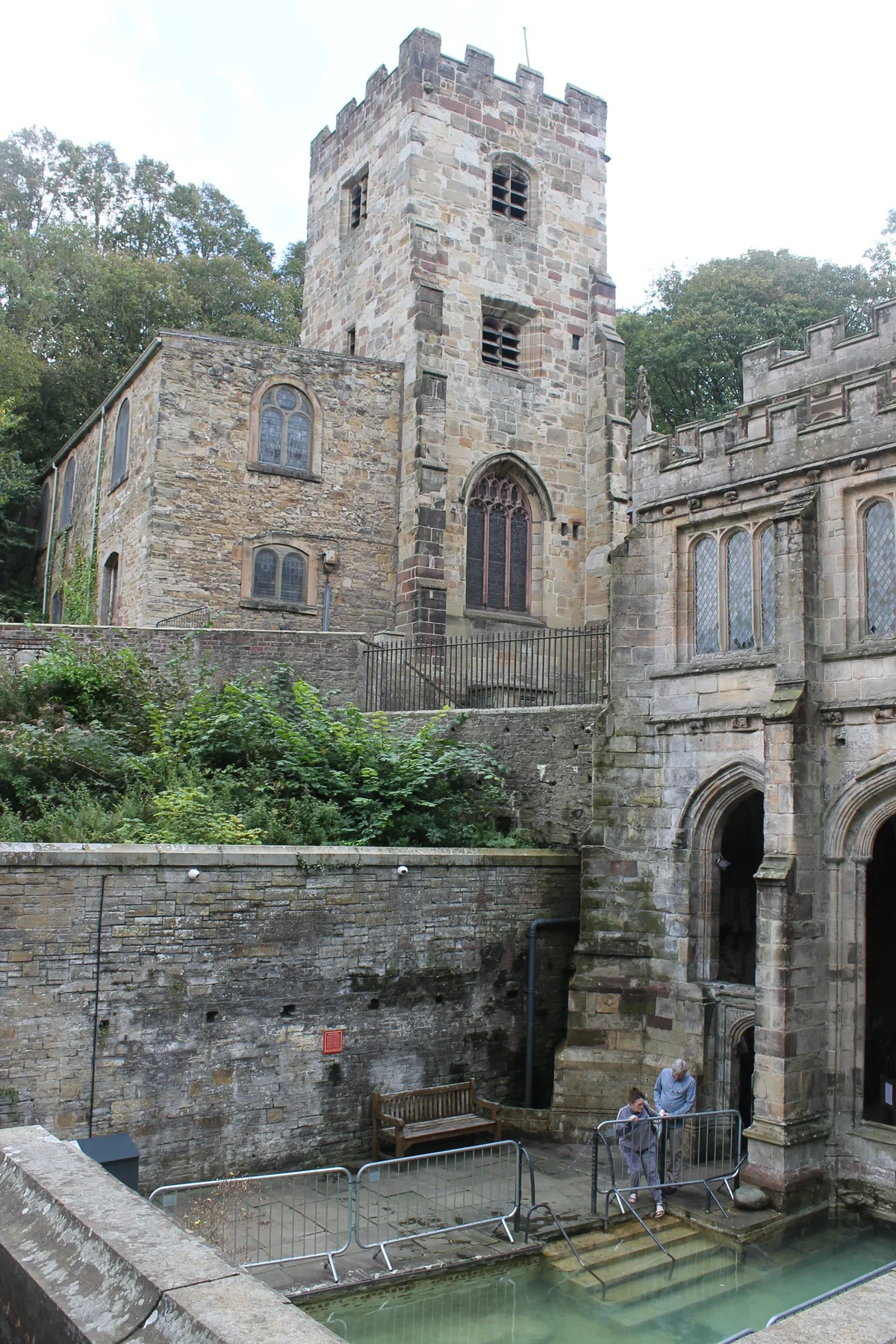
Parish Church of St James
Abbeys & priories · 0.0 km

Holywell Castle Mound
Literary houses · 0.1 km

St Winefride’s Well Museum
Museums · 0.1 km
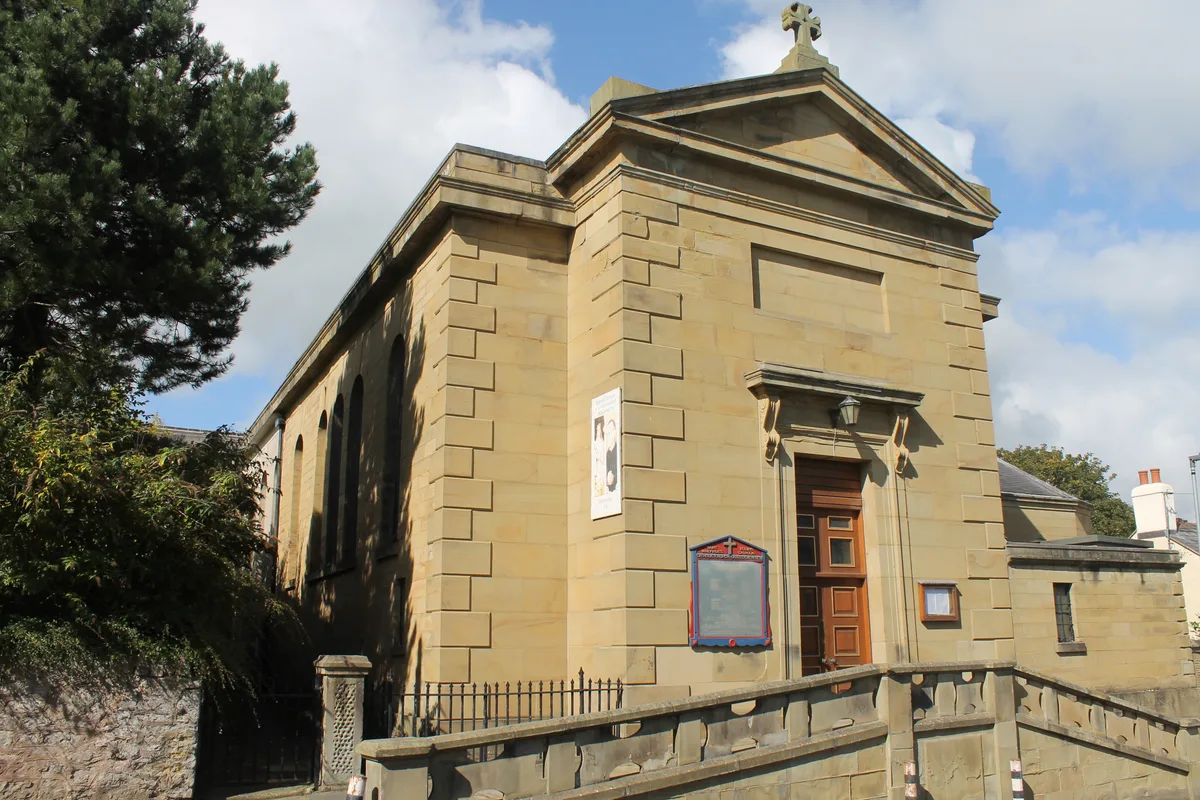
St Winefride's Church, Holywell
Historic churches · 0.2 km

War Memorial Gates, Railings & Stone Piers Adjoining The NW. & SE. Terraces, Panton Place
Memorials & monuments · 0.5 km

Holywell Leisure Centre
Lidos & outdoor pools · 0.5 km

Greenfield Mills
Natural landmarks · 0.7 km

Groes Omen Windmill
Windmills · 0.7 km
Groes Onen Windmill,Pen-Y-Maes Road,Pen-Y-Maes
Windmills · 0.7 km

Greenfield
Villages · 0.8 km

Meadow Mill
Natural landmarks · 0.9 km
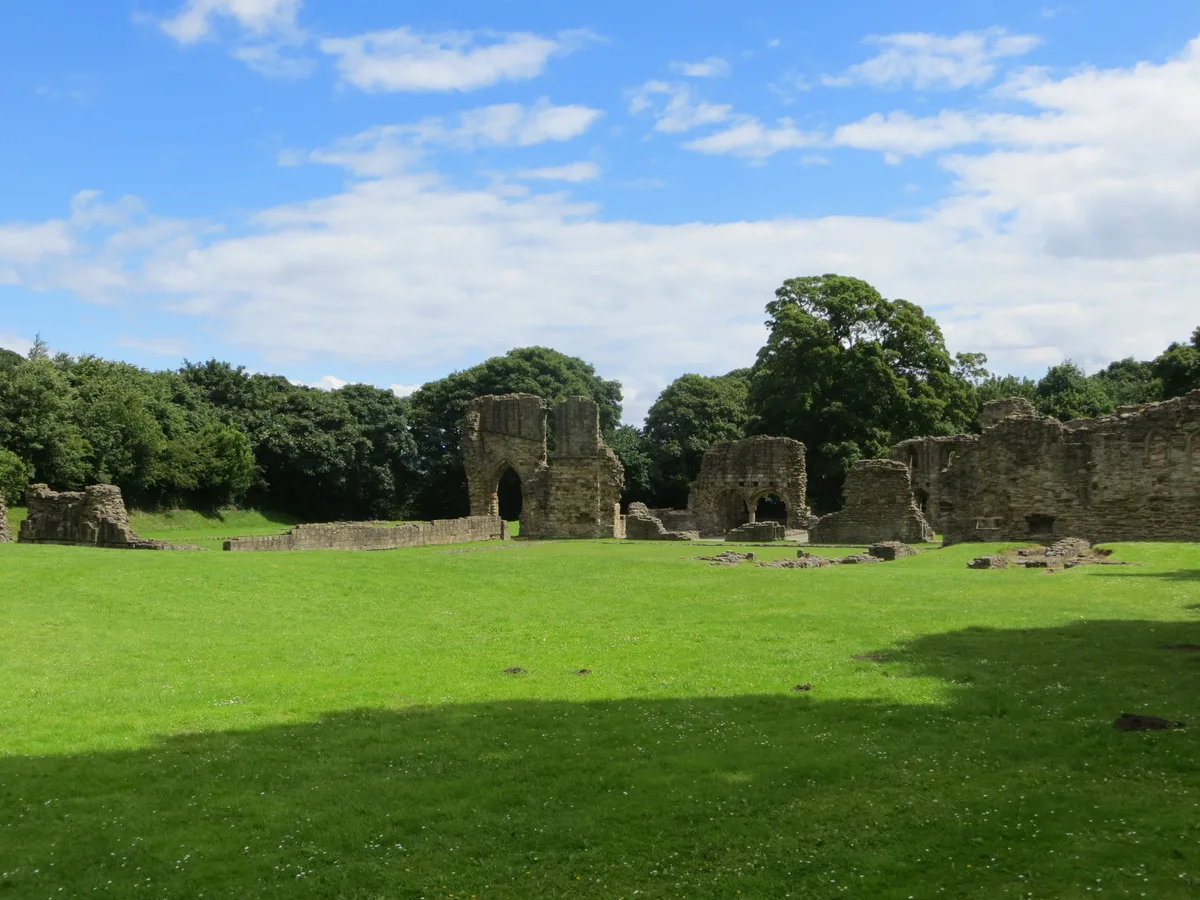
Greenfield Valley Museum
Museums · 0.9 km
Nearby
Flagship📷 3Abbeys & priories · North Wales
Parish Church of St James
Parish Church of St James — church in Holywell, Flintshire.
📷 5Literary houses · North Wales
Holywell Castle Mound
Holywell Castle Mound — a literary house museum in wales north.
📷 3Museums · North Wales
St Winefride’s Well Museum
St Winefride’s Well Museum — a museum in wales-north, United Kingdom.
📷 4Historic churches · North Wales
St Winefride's Church, Holywell
St Winefride's Church, Holywell — grade II listed church in the United Kingdom.
📷 5Memorials & monuments · North Wales
War Memorial Gates, Railings & Stone Piers Adjoining The NW. & SE. Terraces, Panton Place
War Memorial Gates, Railings & Stone Piers Adjoining The NW. & SE. Terraces, Panton Place — Grade II listed building-listed memorial in wales-north, United Kingdom.
📷 5Lidos & outdoor pools · North Wales
Holywell Leisure Centre
Holywell Leisure Centre — a lido in wales north.
Where to eat & stay near St Winefride's Well
Places to stay
 📷 5
📷 5 📷 5
📷 5Hotels · North Wales
Springfield Hotel
Springfield Hotel — a hotel in wales north.
 📷 5
📷 5 📷 5
📷 5 📷 5
📷 5Caravan parks · North Wales
Caerwys Castle Caravan Park
Caerwys Castle Caravan Park — a caravan park in wales north.
 📷 3
📷 3Caravan parks · North Wales
Barlow's Caravan Park
Barlow's Caravan Park — a caravan park in wales north.
Places to eat & drink
 📷 5
📷 5 📷 5
📷 5 📷 5
📷 5 📷 5
📷 5 📷 5
📷 5 📷 5
📷 5More places run by Cadw
 📷 5
📷 5Castles · North Wales
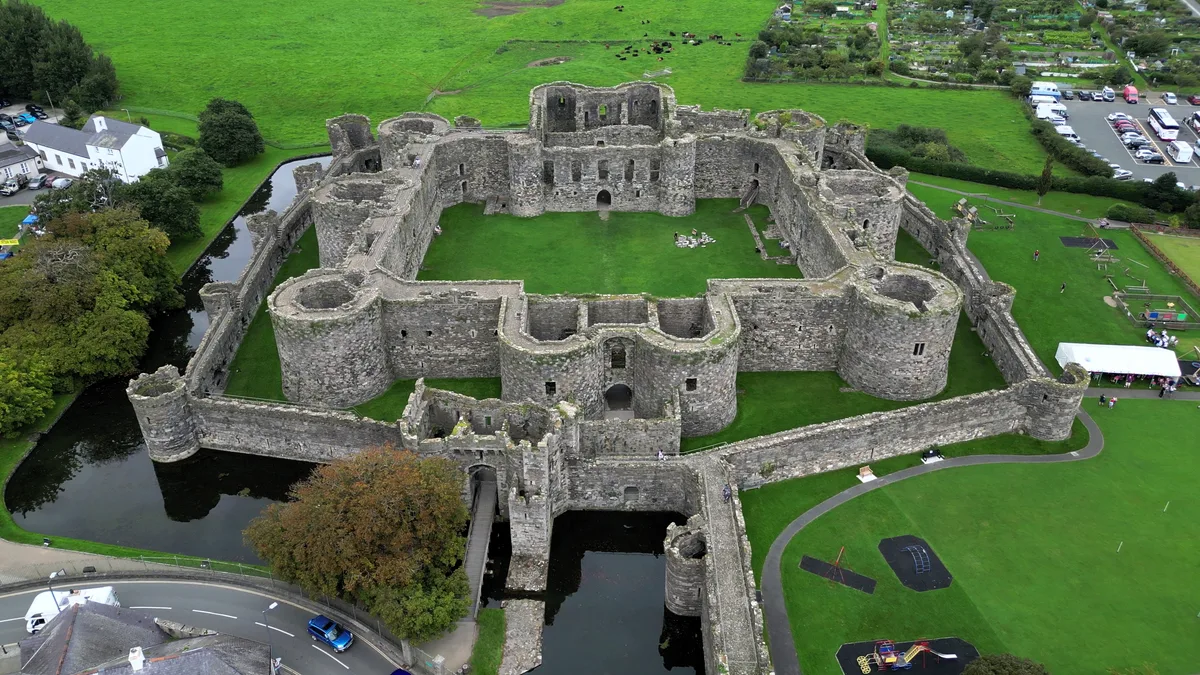
Beaumaris Castle
Beaumaris Castle — castle in Beaumaris, Anglesey, Wales.
 📷 3
📷 3Castles · North Wales
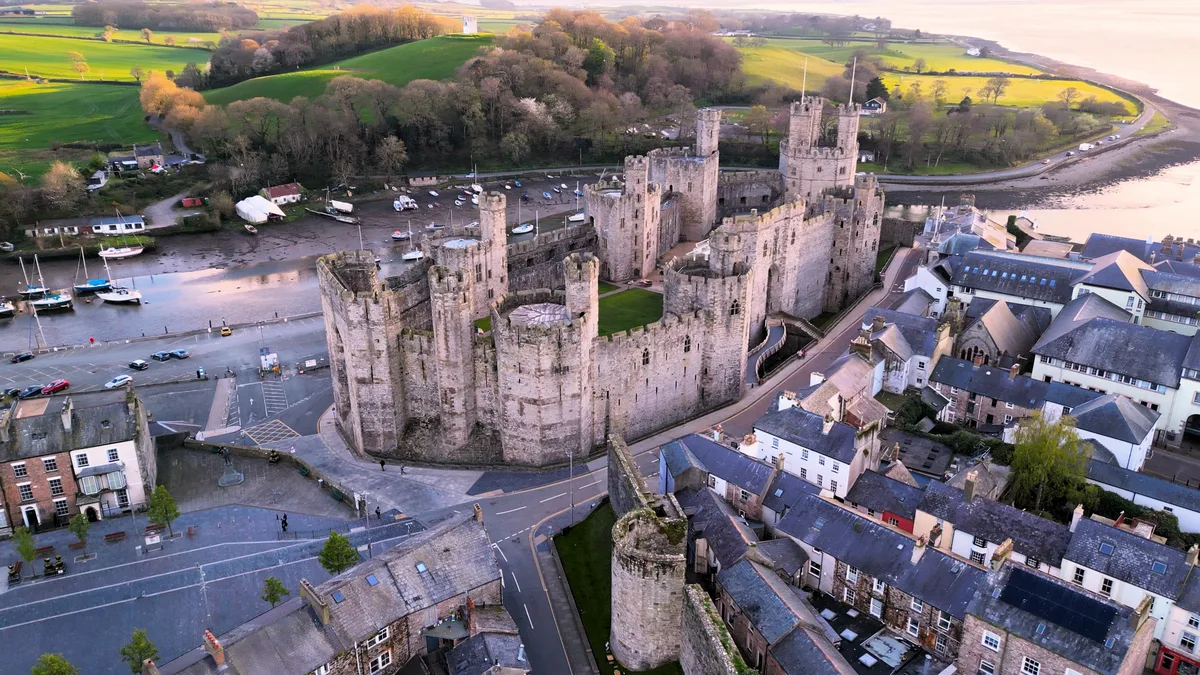
Caernarfon Castle
Caernarfon Castle — castle in Caernarfon, North Wales.
 📷 5
📷 5Castles · North Wales
Conwy Castle
Conwy Castle — castle in Conwy, North Wales.
 📷 4
📷 4Castles · North Wales
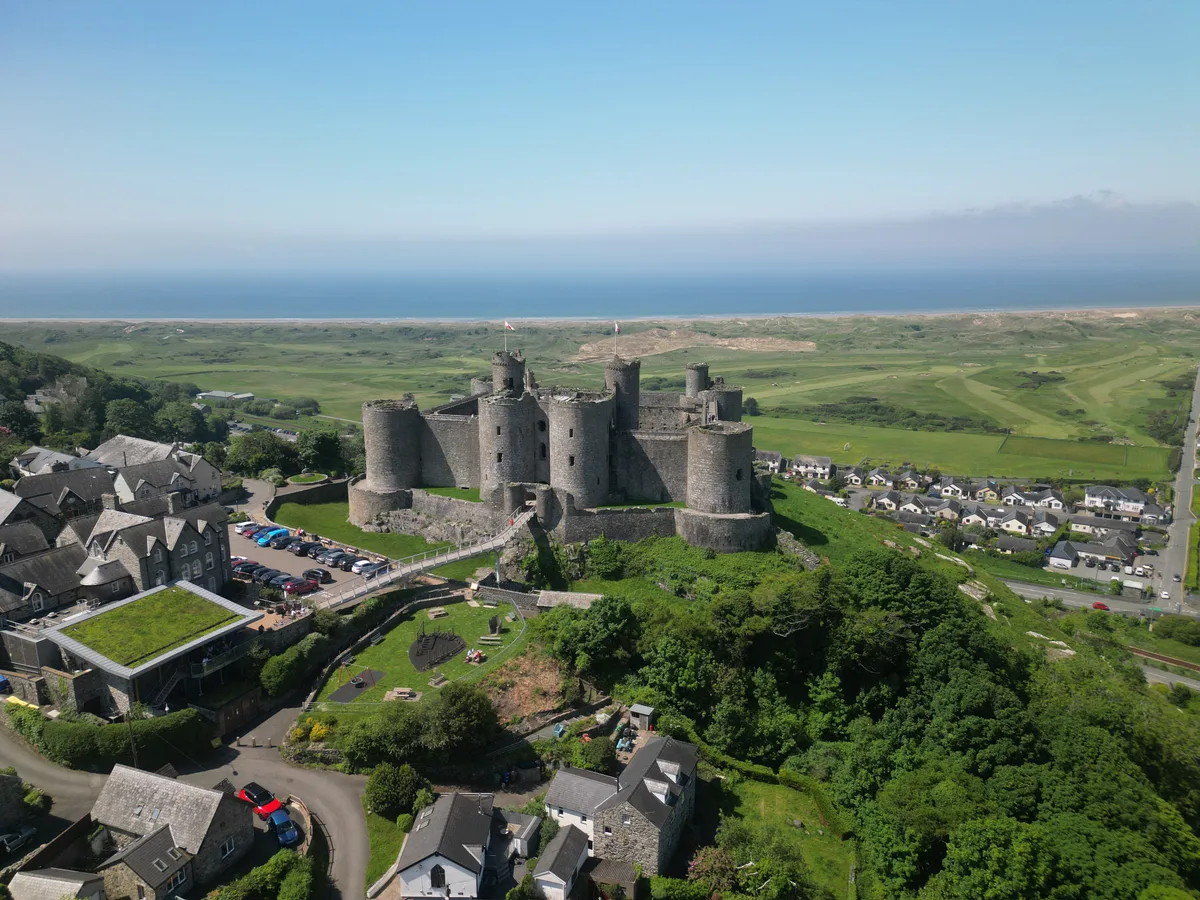
Harlech Castle
Harlech Castle — castle in Harlech, Gwynedd, Wales.
Other places from this era
 📷 5
📷 5Chapels · London
Boone's Chapel
Boone's Chapel — Grade I listed chapel in London Borough of Lewisham, United Kingdom.
.jpg?width=1200) 📷 5
📷 5Chapels · London
Lincoln's Inn Chapel
Lincoln's Inn Chapel — Grade I listed chapel in the London Borough of Camden, England,UK.
 📷 5
📷 5Chapels · South East England
Prior's Chapel
Prior's Chapel — Grade I listed chapel in Canterbury, Kent, England, UK.
.jpg?width=1200) 📷 5
📷 5Chapels · South West England
Congregational Chapel
Congregational Chapel — Grade I listed chapel in Corsham, Wiltshire, England, UK.
More places in this region
 📷 3
📷 3 📷 3
📷 3Chapels · North Wales
Capel Ebeneser And Chapel House (formerly Capel Cildwrn)
Capel Ebeneser And Chapel House (formerly Capel Cildwrn) — Independent chapel in Llangefni.
.jpg?width=1200) 📷 3
📷 3.jpg?width=1200) 📷 3
📷 3Frequently asked questions
- Where is St Winefride's Well?
- St Winefride's Well is in North Wales, United Kingdom (postcode CH8 7PN), in the parish of Holywell.
- What is St Winefride's Well?
- St Winefride's Well — National shrine, chapel, well, and pilgrimage site in Flintshire.
- How do I get to St Winefride's Well?
- The nearest railway station is Flint, about 6.8 km away. The nearest town is Caldy. Drivers can use postcode CH8 7PN.
- When was St Winefride's Well built?
- Built or established in 1500.
- Who runs St Winefride's Well?
- St Winefride's Well is operated by Cadw.
- Is St Winefride's Well a listed building?
- St Winefride's Well is officially recognised as scheduled monument listed.
- Is St Winefride's Well a protected site?
- Yes — St Winefride's Well is part of the Dee Estuary SSSI Site of Special Scientific Interest and the The Dee Estuary Ramsar wetland.
- Is St Winefride's Well free to visit?
- Yes, St Winefride's Well is free to enter.