
Castles · North Wales
Beaumaris Castle
In or near Beaumaris.
Beaumaris Castle — castle in Beaumaris, Anglesey, Wales.

Wikimedia Commons contributors — see linked file page for photographer and licence licence
%2C_Wales_44.png)
Plan your visit
- Typical visit
- 1.5 h–3 h
- Nearest railway station
- Bangor · 5.6 km
- Paid entry
- Family-friendly
- Limited wheelchair access
Getting there & planning your visit
To visit Beaumaris Castle, the nearest railway station is Bangor, located 5.6 km away. Entry to the castle is paid, and wheelchair accessibility is limited. The postcode for sat-nav is LL58 8BY.
About
Beaumaris Castle is a castle in the United Kingdom — fortified architecture from the medieval, Tudor, or Victorian-revival period. Records date its origin to 1295. It covers approximately 2 km². Designed by James of Saint George. Constructed primarily of limestone. Heritage designation: scheduled monument. Owned by Edward I of England. Managed by Cadw. Part of Castles and Town Walls of King Edward in Gwynedd. Wikidata describes it as: "castle in Beaumaris, Anglesey, Wales". Coordinates: 53.2649°, -4.0896°.
Photo gallery
Heritage listing
Beaumaris Castle ( bew-MAR-is; Welsh: Castell Biwmares, Welsh pronunciation: [kastɛɬ bɪuˈmaːrɛs]), in Beaumaris, Anglesey, Wales, was built as part of Edward I's campaign to conquer north Wales after 1282. Plans were probably first made to construct the castle in 1284, but this was delayed due to lack of funds and work only began in 1295 following the Madog ap Llywelyn uprising. A substantial workforce was employed in the initial years under the direction of James of St George. Edward's invasion of Scotland soon diverted funding from the project, however, and work stopped, only recommencing after an invasion scare in 1306. When work finally ceased around 1330 a total of £15,000 had been spent, a huge sum for the period, but the castle remained incomplete.
From Cadw under OGL v3.
From Cadw
Visitor information for Beaumaris Castle including location, opening times, admission prices, parking and links to buy online tickets and guidebooks before your visit. Find out about hiring Beaumaris Castle for a private event, a school visit, filming and photography. Read about the history of Anglesey’s great medieval castle and its construction in the late 13th century during the reign of Edward I and its position as a World Heritage Site alongside Caernarfon, Conwy and Harlech castles. Beaumaris Castle is managed by Cadw, the Welsh historic environment service.
Read more on the official property page.
From the Wikipedia article
Beaumaris Castle ( bew-MAR-is; Welsh: Castell Biwmares, Welsh pronunciation: [kastɛɬ bɪuˈmaːrɛs]), in Beaumaris, Anglesey, Wales, was built as part of Edward I's campaign to conquer north Wales after 1282. Plans were probably first made to construct the castle in 1284, but this was delayed due to lack of funds and work only began in 1295 following the Madog ap Llywelyn uprising. A substantial workforce was employed in the initial years under the direction of James of St George. Edward's invasion of Scotland soon diverted funding from the project, however, and work stopped, only recommencing after an invasion scare in 1306. When work finally ceased around 1330 a total of £15,000 had been spent, a huge sum for the period, but the castle remained incomplete. Beaumaris Castle was taken by Welsh forces in 1403 during the rebellion of Owain Glyndŵr, but recaptured by royal forces in 1405. In March 1592, the Welsh Roman Catholic priest and martyr William Davies was imprisoned in the castle, and was eventually hanged, drawn and quartered there on 27 July 1593. Following the outbreak of the English Civil War in 1642, the castle was held by forces loyal to Charles I, holding out until 1646 when it surrendered to the Parliamentary armies. Despite forming part of a local royalist rebellion in 1648, the castle escaped slighting and was garrisoned by Parliament, but fell into ruin around 1660, eventually forming part of a stately home and park in the 19th century. In the 21st century, the ruined castle is still a tourist attraction. Historian Arnold Taylor described Beaumaris Castle as Britain's "most perfect example of symmetrical concentric planning". The fortification is built of local stone, with a moated outer ward guarded by twelve towers and two gatehouses, overlooked by an inner ward with two large, D-shaped gatehouses and six massive towers. The inner ward was designed to contain ranges of domestic buildings and accommodation able to support two major households. The…
Excerpt from Wikipedia under CC BY-SA 4.0. See the source article linked in Sources below.
Background
Architecture
Beaumaris Castle was never fully built, but had it been completed it would probably have closely resembled Harlech Castle. Both castles are concentric in plan, with walls within walls, although Beaumaris is the more regular in design. This evolutionary interpretation is now disputed by historians: Beaumaris was as much a royal palace and symbol of English power as it was a straightforward defensive fortification. Nonetheless, the castle is praised by UNESCO as a "unique artistic achievement" for the way in which it combines "characteristic 13th century double-wall structures with a central plan" and for the beauty of its "proportions and masonry". The stone was a mixture of limestone,…
Sourced from Wikipedia under CC BY-SA 4.0.
- Coordinates
- 53.2649, -4.0896
- District
- Isle of Anglesey
- Parish
- Beaumaris
- Postcode
- LL58 8BY
- Parliamentary constituency
- Ynys Môn
- Phone
- +44 1248 810361
- Established
- 1295
- Nearest railway station
- Bangor — 5.6 km
- Official site
- www.beaumaris.com
Sources
- wikidata: Q756815 (CC0)
- wikipedia: Beaumaris Castle (CC BY-SA 4.0)
- commons: Castell Beaumaris Castle, Ynys Mon (Anglesey), Wales 44.png (CC BY-SA 4.0)
Featured in these 6 guides
Itinerary
Edward I's ring of iron: the great castles of north Wales
Four UNESCO World Heritage castles, each within an hour's drive of the next.
Itinerary
Cadw: ten Welsh heritage sites
Cadw is the Welsh government's heritage body — castles, abbeys and prehistoric tombs from Anglesey to Pembrokeshire.
Itinerary
Welsh castles of Edward I
The four UNESCO castles of the iron ring, in two days.
Itinerary
Anglesey coast & history
Beaumaris Castle, the Menai Bridge and prehistoric Bryn Celli Ddu.
Itinerary
North Wales castles in 3 days
Edward I's iron ring + the Welsh princes' strongholds.
Itinerary
Cadw's Welsh historic sites
Twelve Cadw-managed castles, abbeys and forts.
Other places nearby

Castell Biwmares / Beaumaris Castle
Castles · 0.0 km

Y Pen-saer Maen
Memorials & monuments · 0.0 km

Castle Court
Hotels · 0.1 km

Gwesty'r Pen y Tarw / Olde Bull's Head
Hotels · 0.2 km

Gwesty'r Bulkeley / Bulkeley Hotel
Hotels · 0.2 km

Beau's Tea Room
Cafés · 0.2 km
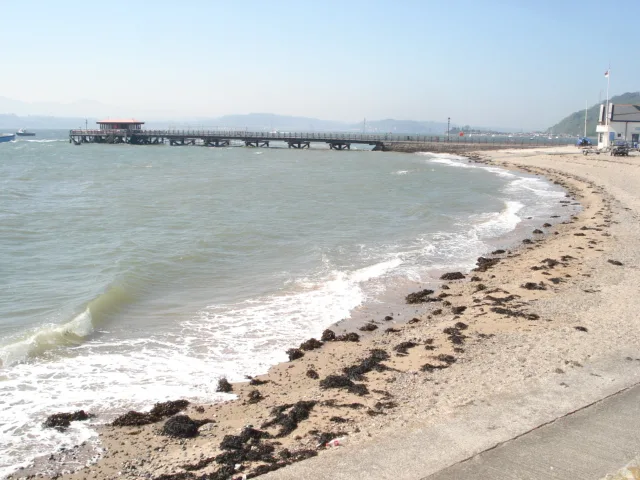
Q65296418
Beaches · 0.3 km

Oriel Beaumaris Gallery
Galleries · 0.3 km

The George and Dragon
Historic pubs · 0.3 km

Pier House Café
Restaurants · 0.3 km

Beaumaris Town Walls
Historic houses · 0.3 km
Beaumaris War Memorial
Memorials & monuments · 0.3 km
Nearby
📷 3Castles · North Wales
Castell Biwmares / Beaumaris Castle
Castell Biwmares / Beaumaris Castle — a castle in wales-north, United Kingdom.
📷 3Memorials & monuments · North Wales
Y Pen-saer Maen
Y Pen-saer Maen — a memorial in wales-north, United Kingdom.
📷 5Hotels · North Wales
Castle Court
Castle Court — a hotel in wales north.
📷 7Hotels · North Wales
Gwesty'r Pen y Tarw / Olde Bull's Head
Gwesty'r Pen y Tarw / Olde Bull's Head — a hotel in wales north.
📷 7Hotels · North Wales
Gwesty'r Bulkeley / Bulkeley Hotel
Gwesty'r Bulkeley / Bulkeley Hotel — a hotel in wales north.
📷 7Where to eat & stay near Beaumaris Castle
Places to stay
📷 5Hotels · North Wales
Castle Court
Castle Court — a hotel in wales north.
📷 7Hotels · North Wales
Gwesty'r Pen y Tarw / Olde Bull's Head
Gwesty'r Pen y Tarw / Olde Bull's Head — a hotel in wales north.
📷 7Hotels · North Wales
Gwesty'r Bulkeley / Bulkeley Hotel
Gwesty'r Bulkeley / Bulkeley Hotel — a hotel in wales north.
 📷 7
📷 7Hotels · North Wales
Bishopsgate Hotel
Bishopsgate Hotel — a hotel in wales north.
 📷 5
📷 5 📷 5
📷 5Campsites · North Wales
Kingsbridge Caravan & Camping Park
Kingsbridge Caravan & Camping Park — a campsite in wales north.
Places to eat & drink
📷 7📷 5Historic pubs · North Wales
The George and Dragon
The George and Dragon — Historic pub — listed building or notable heritage status.
📷 7 📷 5
📷 5 📷 7
📷 7Restaurants · North Wales
Tafarn Tryfan
Tafarn Tryfan — a restaurant in wales north.
 📷 5
📷 5Historic pubs · North Wales
The Bull Hotel, Llangefni
The Bull Hotel, Llangefni in Wales North, United Kingdom.
Other works by James of Saint George
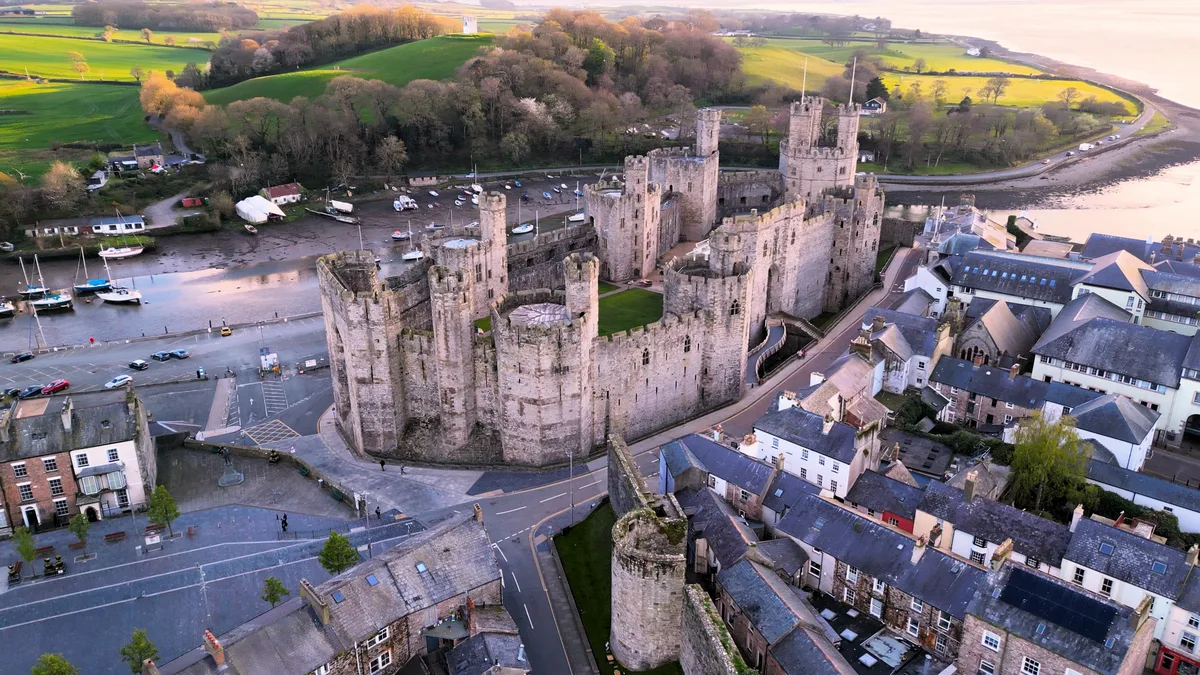 📷 3
📷 3Castles · North Wales
Caernarfon Castle
Caernarfon Castle — castle in Caernarfon, North Wales.
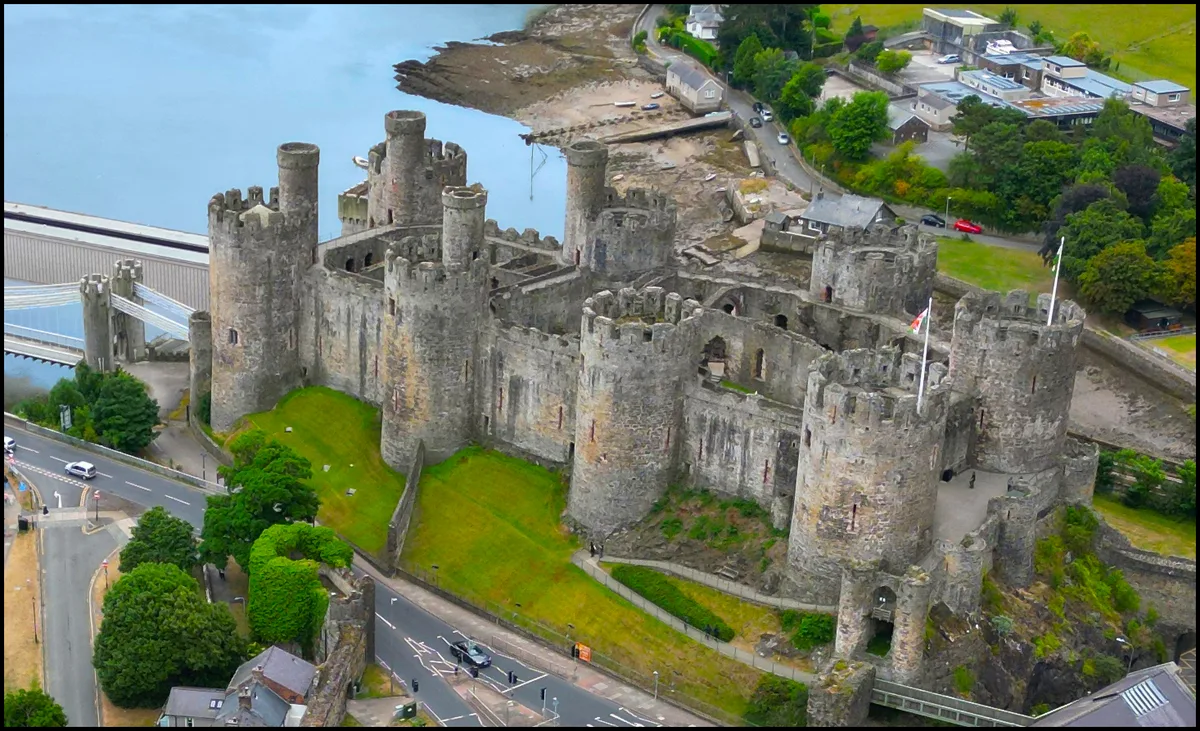 📷 5
📷 5Castles · North Wales
Conwy Castle
Conwy Castle — castle in Conwy, North Wales.
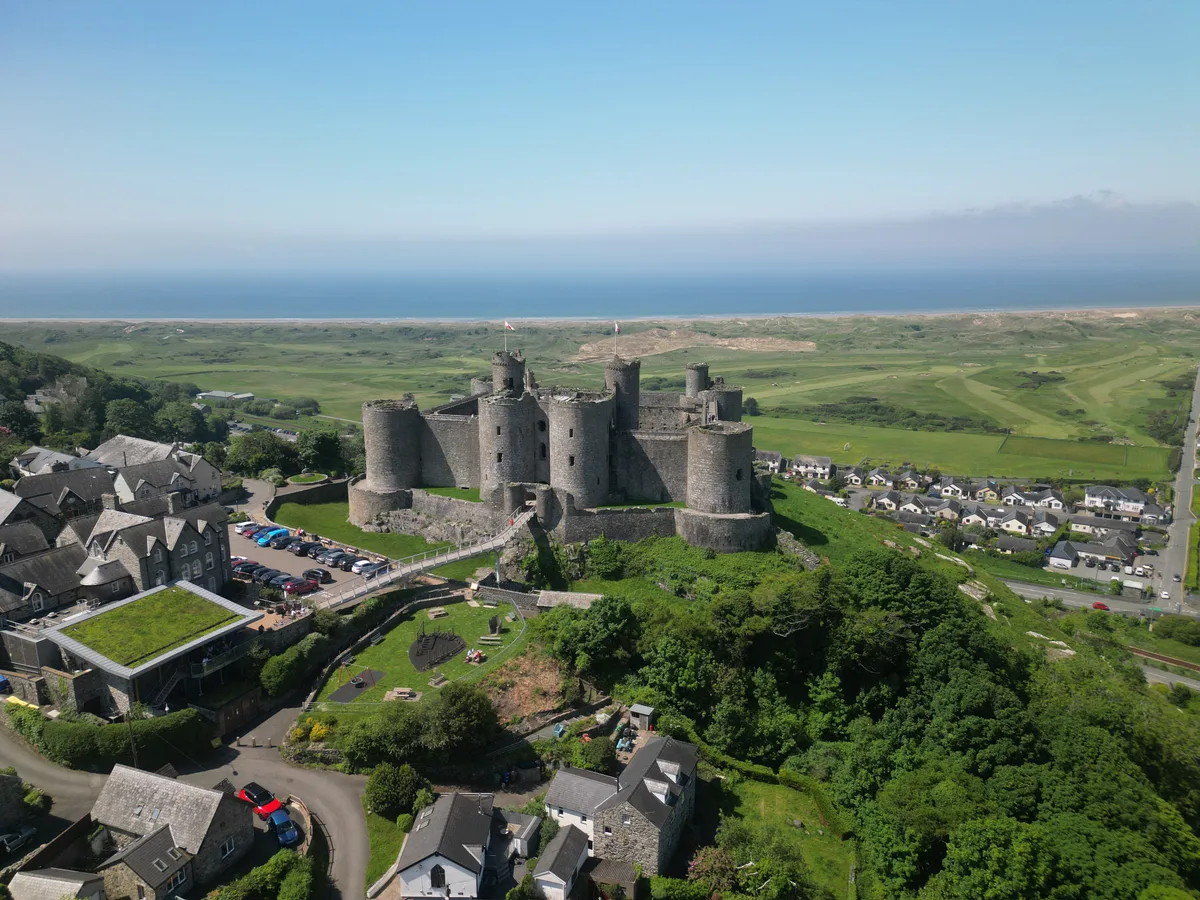 📷 4
📷 4Castles · North Wales
Harlech Castle
Harlech Castle — castle in Harlech, Gwynedd, Wales.
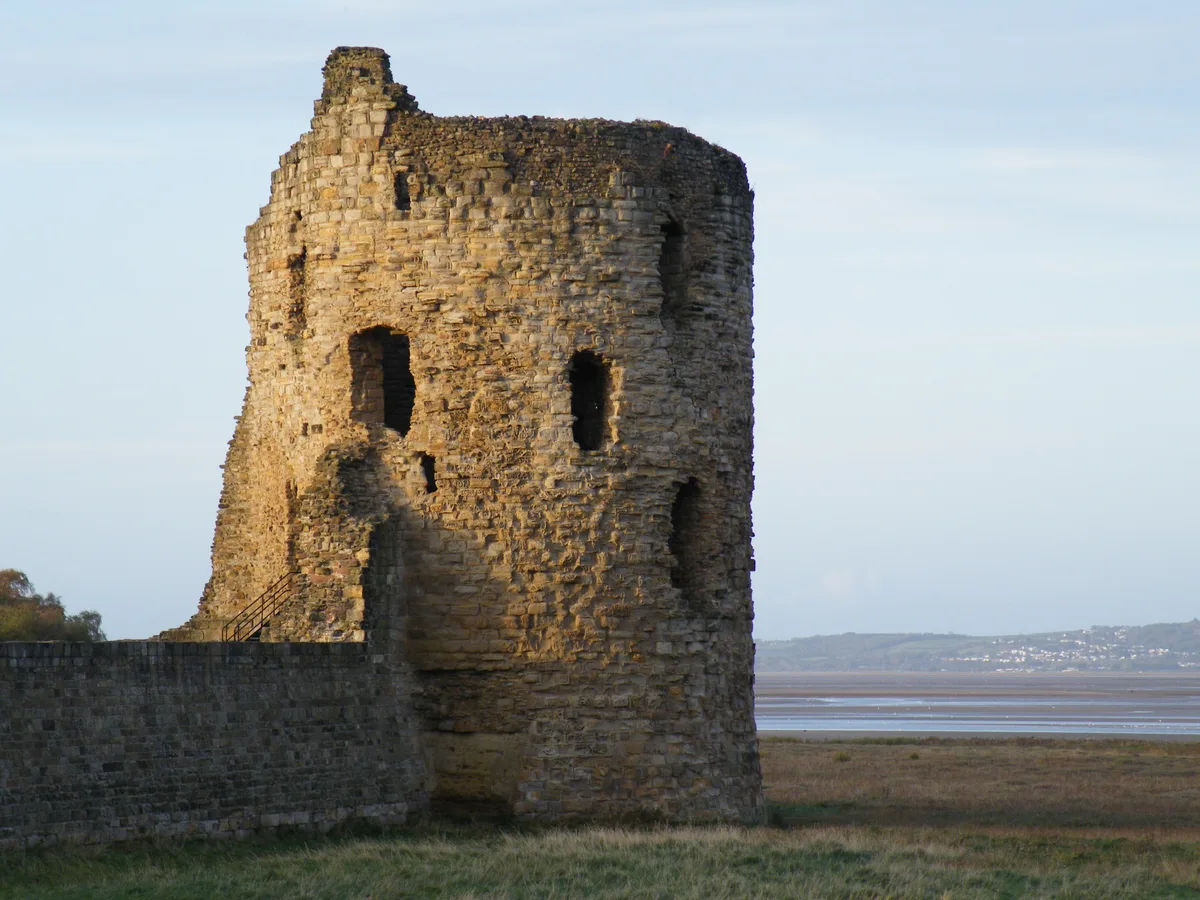 📷 5
📷 5Castles · North Wales
Flint Castle
Flint Castle — Grade I listed building in Flint. Castle.
More places run by Cadw
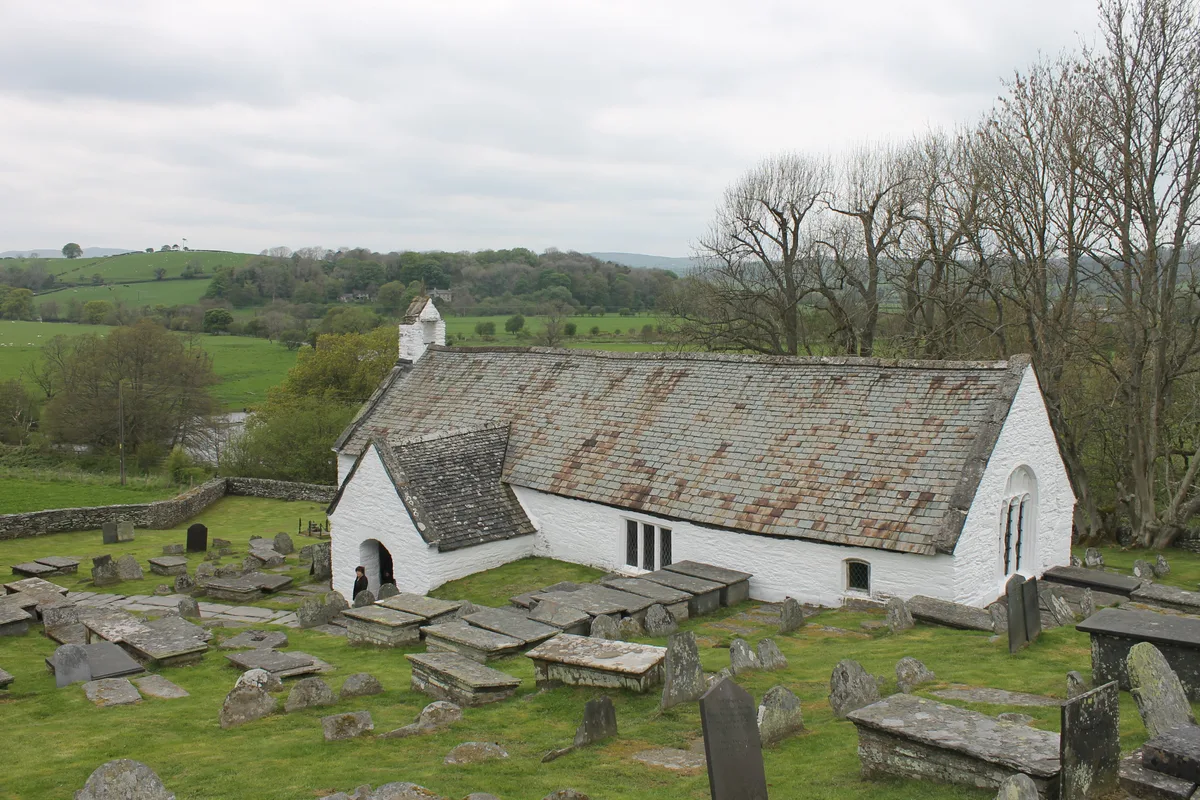 📷 3
📷 3Historic churches · North Wales
All Saints' Church, Llangar
All Saints' Church, Llangar — church in Llangar, Denbighshire, Wales, UK.
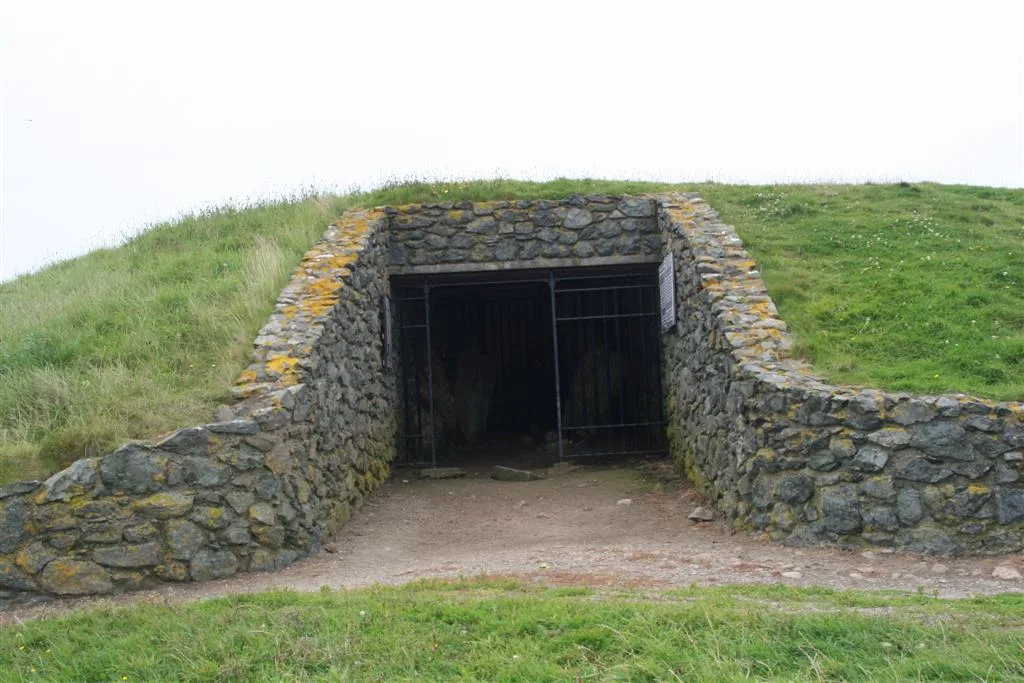 📷 5
📷 5Hill forts · North Wales
Barclodiad y Gawres
Barclodiad y Gawres — neolithic burial chamber in Anglesey, Wales, UK.
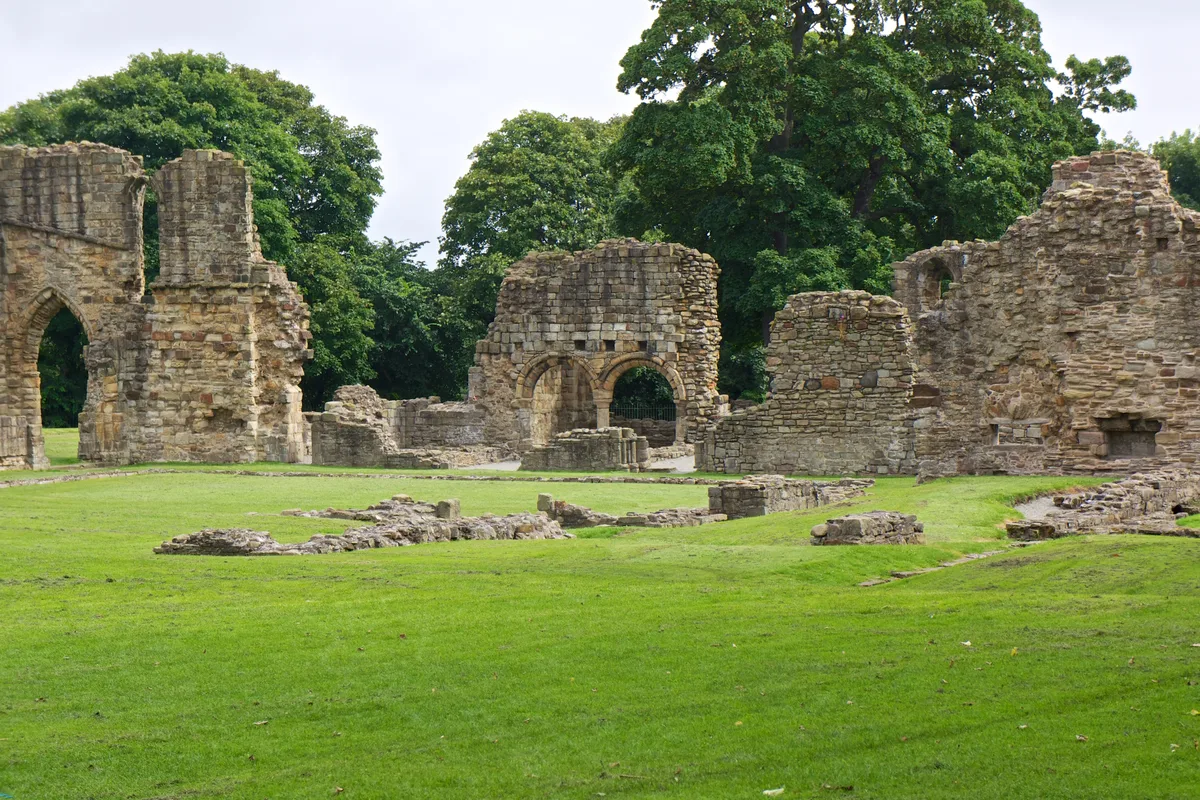 📷 5
📷 5Abbeys & priories · North Wales
Basingwerk Abbey
Basingwerk Abbey — ruin of an abbey near Holywell, Flintshire, Wales.
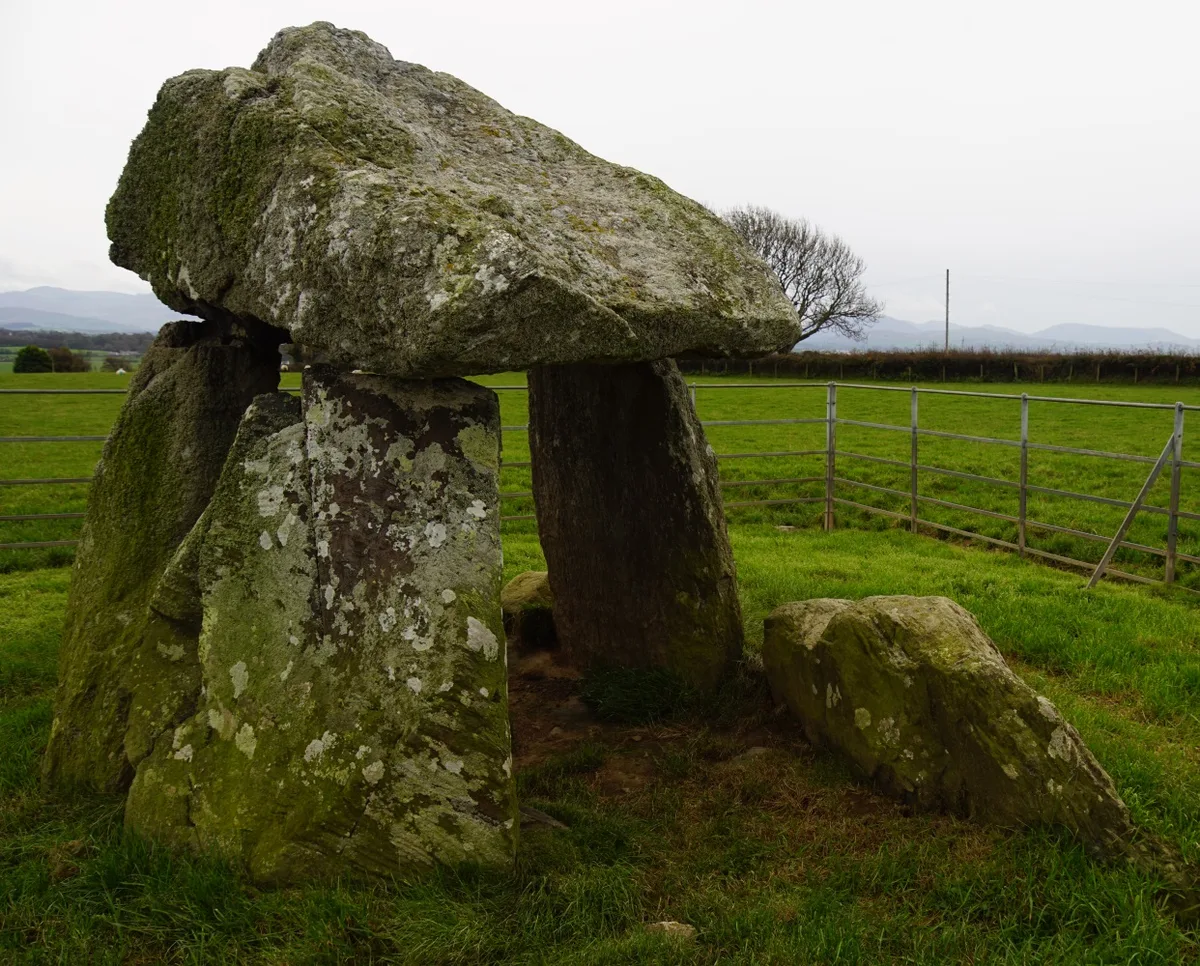 📷 3
📷 3Hill forts · North Wales
Bodowyr Burial Chamber
Bodowyr Burial Chamber — Neolithic burial chamber in Llanidan, Anglesey, Wales, UK.
Other castles from this era
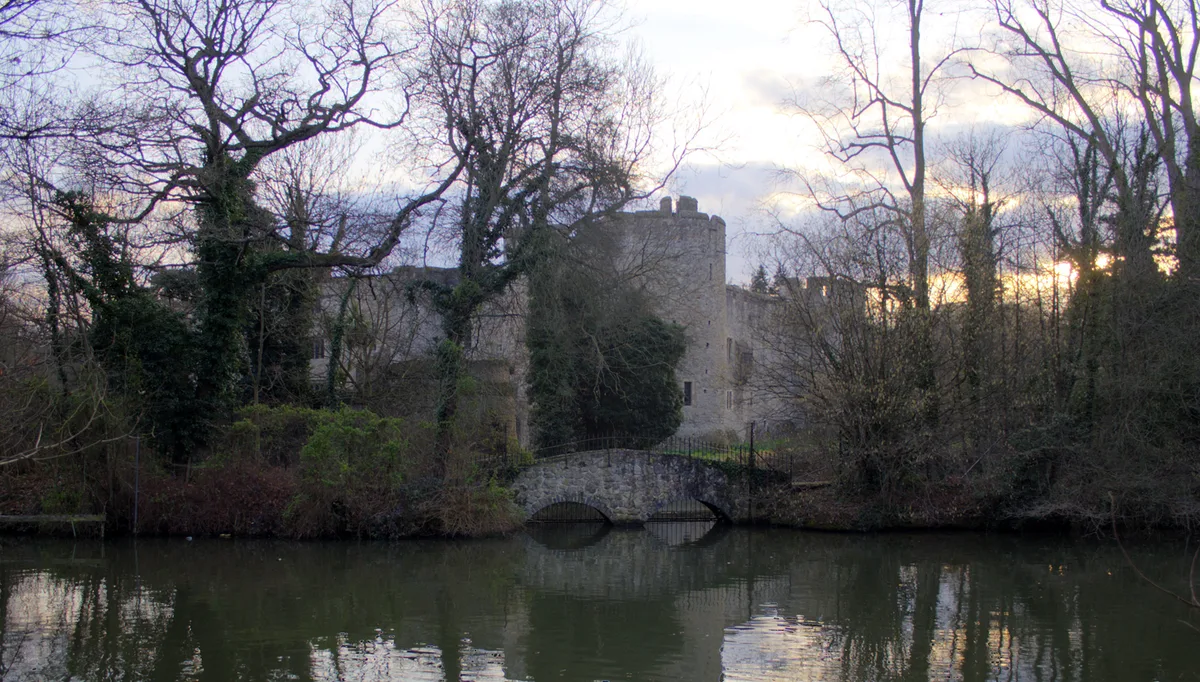 📷 5
📷 5Castles · South East England
Allington Castle
Allington Castle — stone-built moated castle in Allington, England.
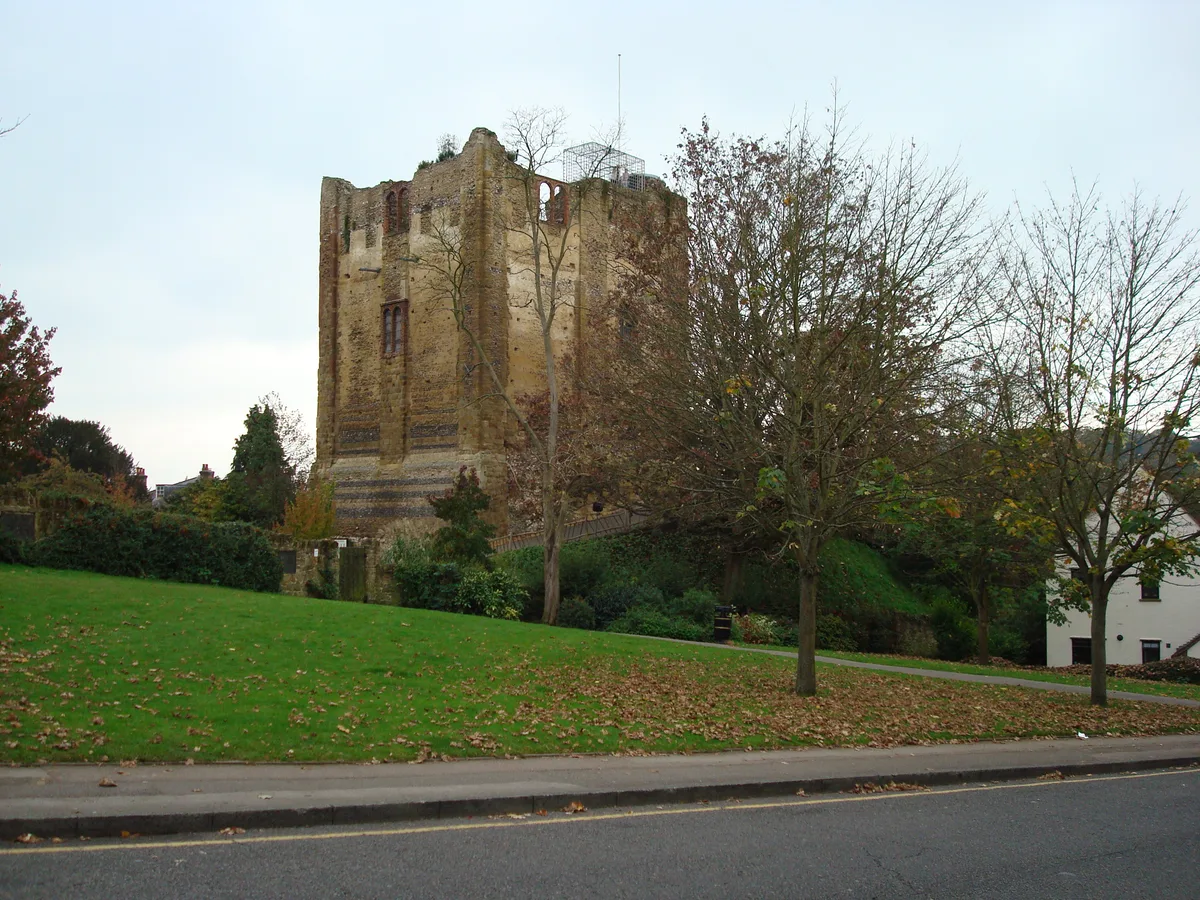 📷 5
📷 5Castles · South East England
Guildford Castle
Guildford Castle — castle in Guildford, Surrey, England, UK.
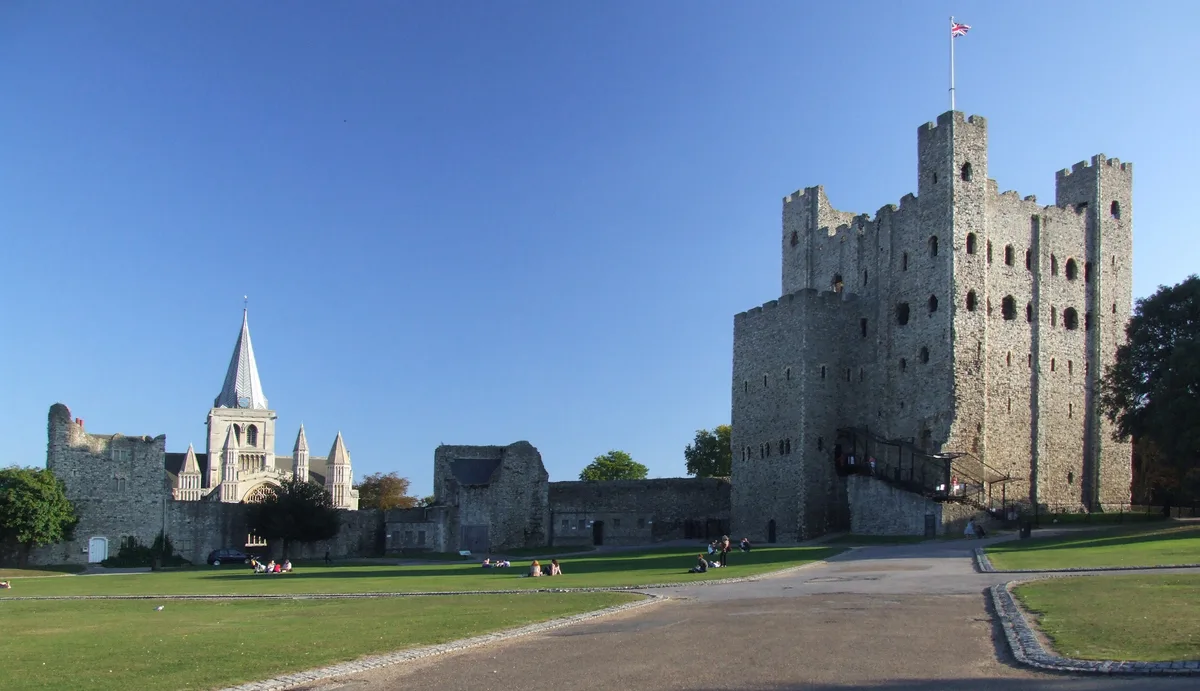 📷 5
📷 5Castles · South East England
Rochester Castle
Rochester Castle — castle in Rochester, Kent, South East England.
 📷 5
📷 5Castles · South East England
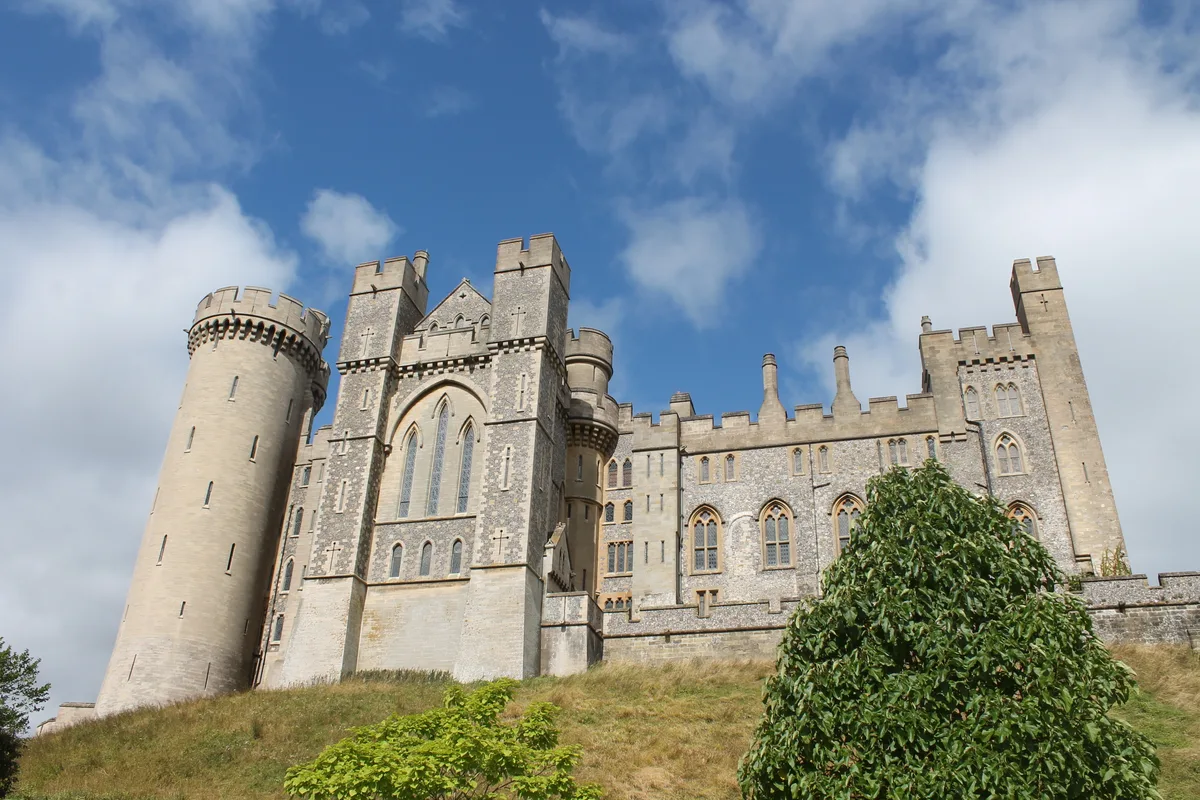
Arundel Castle
Arundel Castle — castle in West Sussex, England, UK.
More castles in this region
 📷 4
📷 4Castles · North Wales
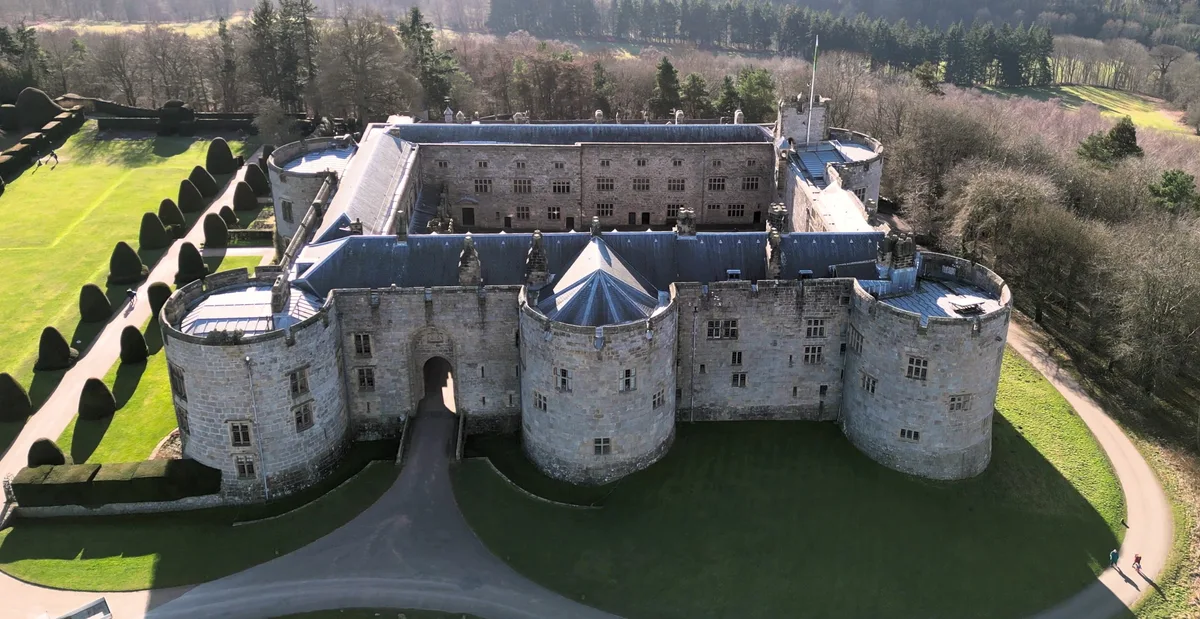
Chirk Castle
Chirk Castle — medieval fortress in Wrexham County Borough, Wales.
 📷 5
📷 5Castles · North Wales
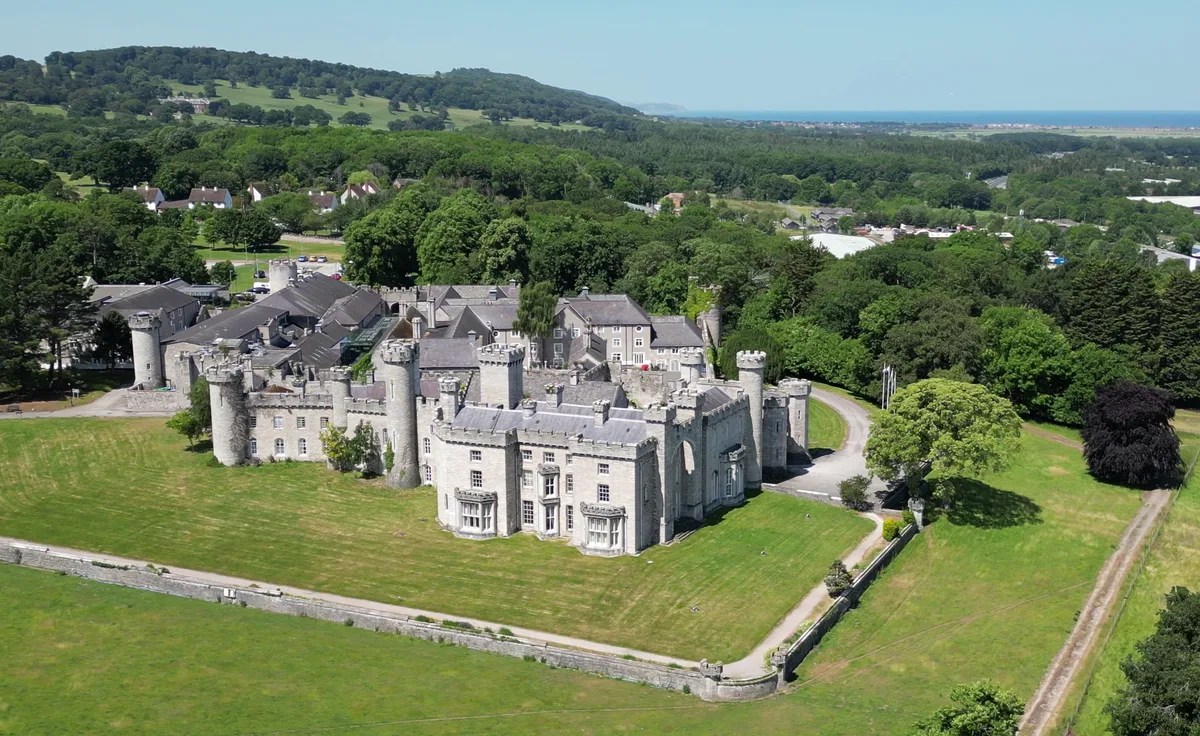
Bodelwyddan Castle
Bodelwyddan Castle — castle in Denbighshire, Wales.
 📷 5
📷 5Castles · North Wales
Bryn Bras Castle
Bryn Bras Castle — grade II* listed country house in Gwynedd, Wales.
 📷 5
📷 5Castles · North Wales
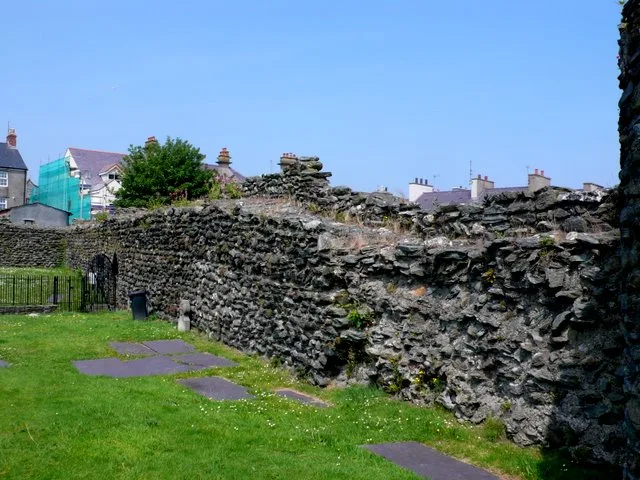
Caer Gybi
Caer Gybi — remains of a Roman fortlet in Holyhead, Anglesey, Wales, UK.
Frequently asked questions
- Where is Beaumaris Castle?
- Beaumaris Castle is in North Wales, United Kingdom (postcode LL58 8BY), in the parish of Beaumaris.
- What is Beaumaris Castle?
- Beaumaris Castle — castle in Beaumaris, Anglesey, Wales.
- How do I get to Beaumaris Castle?
- The nearest railway station is Bangor, about 5.6 km away. The nearest town is Beaumaris. Drivers can use postcode LL58 8BY.
- When was Beaumaris Castle built?
- Built or established in 1295. Designed by James of Saint George.
- Who owns Beaumaris Castle?
- Beaumaris Castle is owned by Edward I of England and operated by Cadw.
- Is Beaumaris Castle a listed building?
- Beaumaris Castle is officially recognised as scheduled monument listed.
- Does Beaumaris Castle charge admission?
- Beaumaris Castle typically charges admission. Check the official site for current ticket prices and opening hours.
- How do I get to Beaumaris Castle?
- The nearest railway station is Bangor, about 5.6 km away. Drivers can navigate to postcode LL58 8BY.