
Castles · North Wales
Conwy Castle
Conwy Castle — castle in Conwy, North Wales.

Wikimedia Commons contributors — see linked file page for photographer and licence licence

Plan your visit
- Typical visit
- 1.5 h–3 h
- Nearest railway station
- Conwy · 0.3 km
- Paid entry
- Family-friendly
- Limited wheelchair access
Getting there & planning your visit
To visit Conwy Castle, the nearest railway station is Conwy, located 0.3 km away. Entry is paid, and wheelchair accessibility is limited. The postcode for sat-nav is LL32 8BD.
About
Conwy Castle is a castle in the United Kingdom — fortified architecture from the medieval, Tudor, or Victorian-revival period. Records date its origin to 1283. It covers approximately 6 km². Designed by James of Saint George. Constructed primarily of limestone. Heritage designation: Grade I listed building. Owned by Edward I of England. Managed by Cadw. Part of Conwy Castle and Town Walls. Wikidata describes it as: "castle in Conwy, North Wales". Coordinates: 53.2801°, -3.8256°.
Photo gallery
See it from the streetimagery from 2022
Imagery © Mapillary contributors, CC BY-SA 4.0
Heritage listing
Conwy Castle (Welsh: Castell Conwy; Welsh pronunciation: [kastɛɬ 'kɔnwɨ̞]) is a fortification in Conwy, located in North Wales. It was built by Edward I, during his conquest of Wales, between 1283 and 1287. Constructed as part of a wider project to create the walled town of Conwy, the combined defences cost around £15,000, a massive sum for the period. Over the next few centuries, the castle played an important part in several wars. It withstood the siege of Madog ap Llywelyn in the winter of 1294–95, acted as a temporary haven for Richard II in 1399 and was held for several months by forces loyal to Owain Glyndŵr in 1401.
From Cadw under OGL v3.
Summary from the official site
Conwy Castle is a well-preserved medieval fortress built by King Edward I in the late 13th century. Visitors can explore its impressive towers and battlements, offering stunning views of the surrounding area, including the town of Conwy and the nearby mountains. The castle features the most intact set of medieval royal apartments in Wales.
Read more on the official property page.
From the Wikipedia article
Conwy Castle (Welsh: Castell Conwy; Welsh pronunciation: [kastɛɬ 'kɔnwɨ̞]) is a fortification in Conwy, located in North Wales. It was built by Edward I, during his conquest of Wales, between 1283 and 1287. Constructed as part of a wider project to create the walled town of Conwy, the combined defences cost around £15,000, a massive sum for the period. Over the next few centuries, the castle played an important part in several wars. It withstood the siege of Madog ap Llywelyn in the winter of 1294–95, acted as a temporary haven for Richard II in 1399 and was held for several months by forces loyal to Owain Glyndŵr in 1401. Following the outbreak of the English Civil War in 1642, the castle was held by forces loyal to Charles I, holding out until 1646 when it surrendered to the Parliamentary armies. In the aftermath, the castle was partially slighted by Parliament to prevent it being used in any further revolt, and was finally completely ruined in 1665 when its remaining iron and lead was stripped and sold off. Conwy Castle became an attractive destination for painters in the late 18th and early 19th centuries. Visitor numbers grew and initial restoration work was carried out in the second half of the 19th century. In the 21st century, the ruined castle is managed by Cadw as a tourist attraction. UNESCO considers Conwy to be one of "the finest examples of late 13th century and early 14th century military architecture in Europe", and it is classed as a World Heritage Site. The rectangular castle is built from local and imported stone and occupies a coastal ridge, originally overlooking an important crossing point over the River Conwy. Divided into an Inner and an Outer Ward, it is defended by eight large towers and two barbicans, with a postern gate leading down to the river, allowing the castle to be resupplied from the sea. It retains the earliest surviving stone machicolations in Britain and what historian Jeremy Ashbee has described as the "best preserved suite…
Excerpt from Wikipedia under CC BY-SA 4.0. See the source article linked in Sources below.
Background
Architecture
The castle hugs a rocky coastal ridge of grey sandstone and limestone, and much of the stone from the castle is largely taken from the ridge itself, probably when the site was first cleared. The local stone was not of sufficient quality to be used for carving details such as windows, however, and accordingly sandstone was brought in from the Creuddyn peninsula, Chester and the Wirral. This sandstone was more colourful than the local grey stone, and was probably deliberately chosen for its appearance. The outside of the towers still have the putlog holes from their original construction, where timbers were inserted to create a spiralling ramp for the builders. Although now somewhat decayed,…
Sourced from Wikipedia under CC BY-SA 4.0.
- Coordinates
- 53.2801, -3.8256
- District
- Conwy
- Parish
- Conwy
- Postcode
- LL32 8BD
- Parliamentary constituency
- Bangor Aberconwy
- Established
- 1283
- Nearest railway station
- Conwy — 0.3 km
- Opening
- 1st March - 30th June 9.30am–5pm; 1st July - 31st August 9.30am–6pm; 1st September - 31st October 9.30am–5pm; 1st November - 28th February 10am–4pm; closed 24–26 Dec and 1 Jan
- Official site
- cadw.gov.wales
Sources
- wikidata: Q756830 (CC0)
- wikipedia: Conwy Castle (CC BY-SA 4.0)
- commons: Conwy-Castle-0006.jpg (CC BY-SA 4.0)
Featured in these 5 guides
Itinerary
Edward I's ring of iron: the great castles of north Wales
Four UNESCO World Heritage castles, each within an hour's drive of the next.
Itinerary
Cadw: ten Welsh heritage sites
Cadw is the Welsh government's heritage body — castles, abbeys and prehistoric tombs from Anglesey to Pembrokeshire.
Itinerary
Welsh castles of Edward I
The four UNESCO castles of the iron ring, in two days.
Itinerary
North Wales castles in 3 days
Edward I's iron ring + the Welsh princes' strongholds.
Itinerary
Cadw's Welsh historic sites
Twelve Cadw-managed castles, abbeys and forts.
Other places nearby
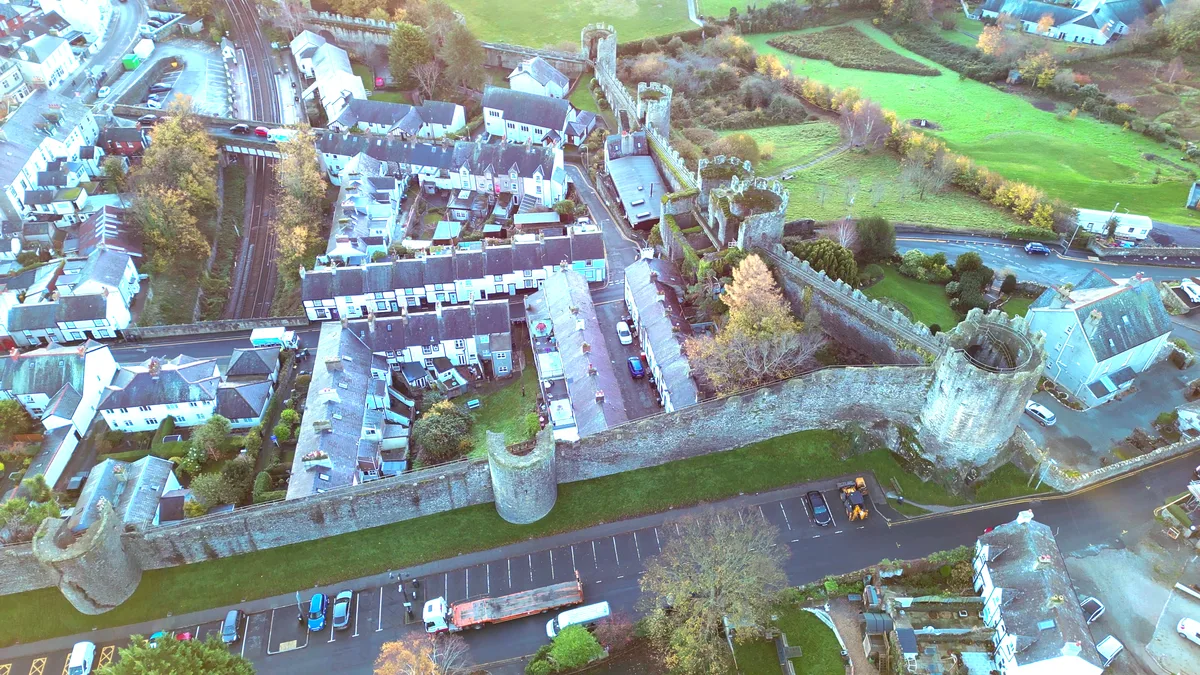
Conwy Castle and Town Walls
Museums · 0.0 km

Jack Williams MBE
Memorials & monuments · 0.1 km

Pont Pensarn
Historic bridges · 0.1 km

The Quay
Marinas · 0.1 km

Mytilus Edulis
Public art & sculpture · 0.1 km

Conwy Railway Bridge
Historic bridges · 0.1 km

Conwy Suspension Bridge
Historic bridges · 0.1 km

OId College
Historic houses · 0.2 km

St Mary and All Saints' Church, Conwy
Historic churches · 0.2 km
Aberconwy Abbey
Abbeys & priories · 0.2 km

Number 18
B&Bs · 0.2 km

Island Quay (Cei Ynys)
Marinas · 0.2 km
Nearby
📷 3Museums · North Wales
Conwy Castle and Town Walls
Conwy Castle and Town Walls — part of a World Heritage site in Wales.
📷 3Memorials & monuments · North Wales
Jack Williams MBE
Jack Williams MBE — a memorial in wales-north, United Kingdom.
📷 5Historic bridges · North Wales
Pont Pensarn
Pont Pensarn — Grade II listed building-listed bridge in wales-north, United Kingdom.
📷 5Marinas · North Wales
The Quay
Grade II listed building in Conwy. Extending SE from the outer side of the town wall at Porth Bach.
📷 3Public art & sculpture · North Wales
Mytilus Edulis
Mytilus Edulis — a public art in wales-north, United Kingdom.
📷 5Historic bridges · North Wales
Conwy Railway Bridge
Conwy Railway Bridge — a Grade I-listed bridge in wales-north, United Kingdom.
Where to eat & stay near Conwy Castle
Places to stay
📷 7 📷 5
📷 5 📷 5
📷 5 📷 5
📷 5B&Bs · North Wales
Bryn Derwen Guest House
Bryn Derwen Guest House — a bed-and-breakfast in wales north.
 📷 5
📷 5 📷 5
📷 5Places to eat & drink
 📷 7📷 7
 📷 5
📷 5 📷 5
📷 5 📷 5
📷 5Restaurants · North Wales
Ristorante Romeo's
Ristorante Romeo's — a restaurant in wales north.
📷 5Other works by James of Saint George
 📷 5
📷 5Castles · North Wales
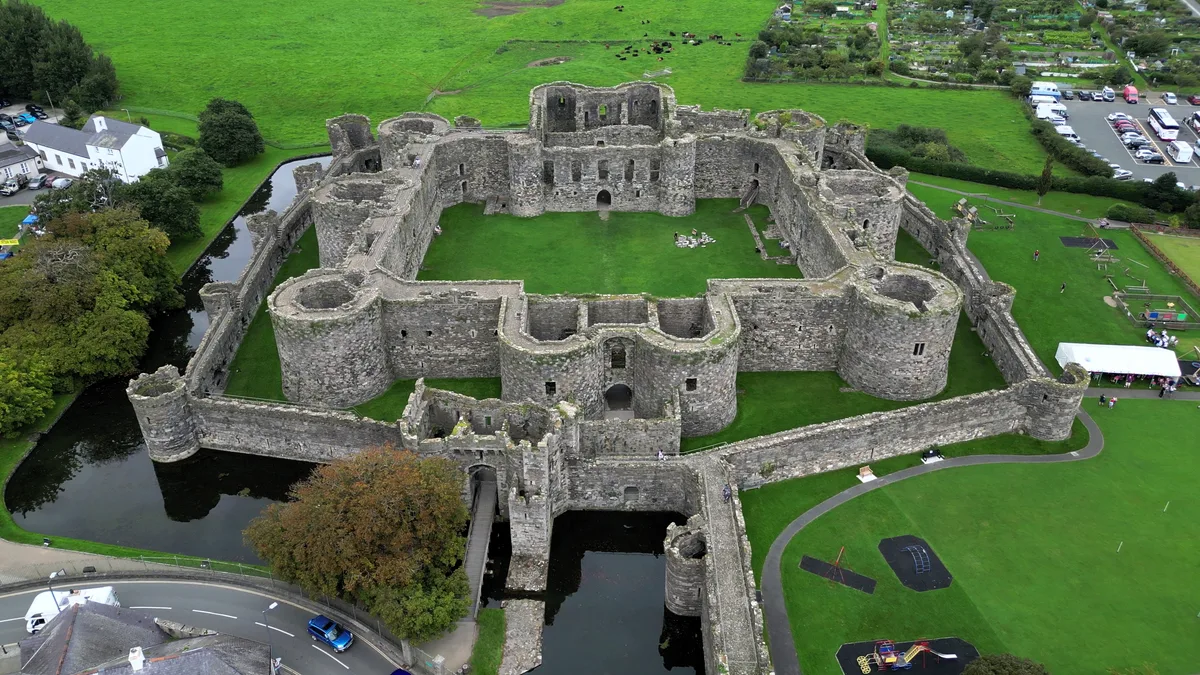
Beaumaris Castle
Beaumaris Castle — castle in Beaumaris, Anglesey, Wales.
 📷 3
📷 3Castles · North Wales
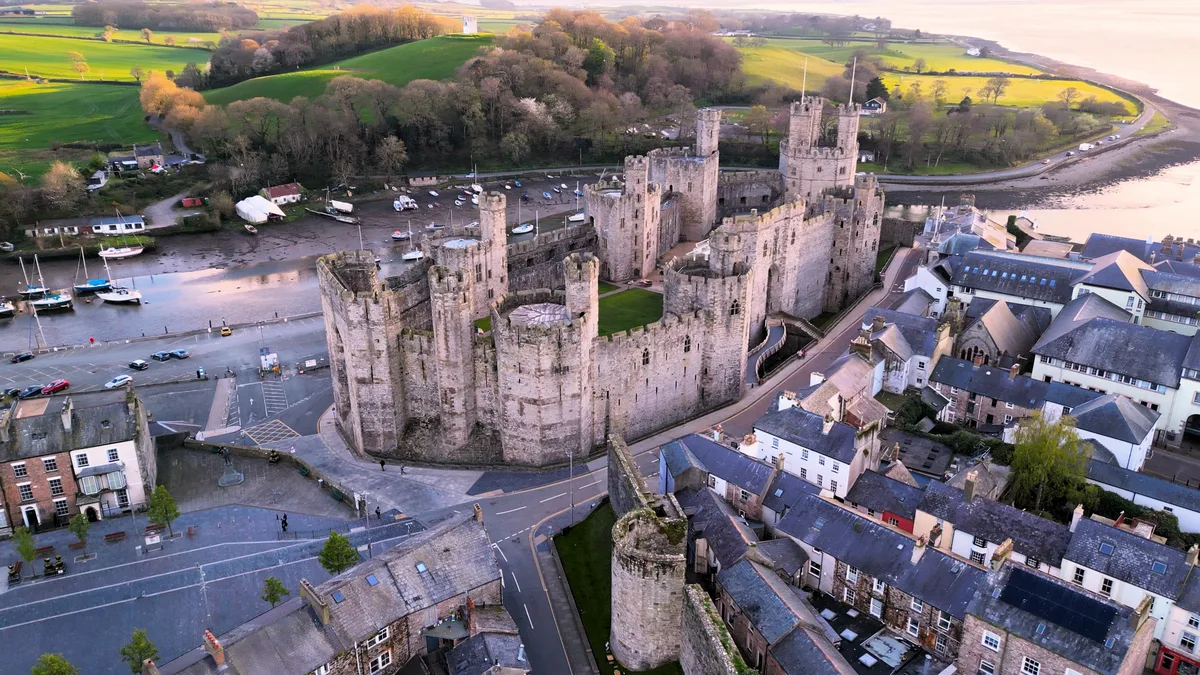
Caernarfon Castle
Caernarfon Castle — castle in Caernarfon, North Wales.
 📷 4
📷 4Castles · North Wales
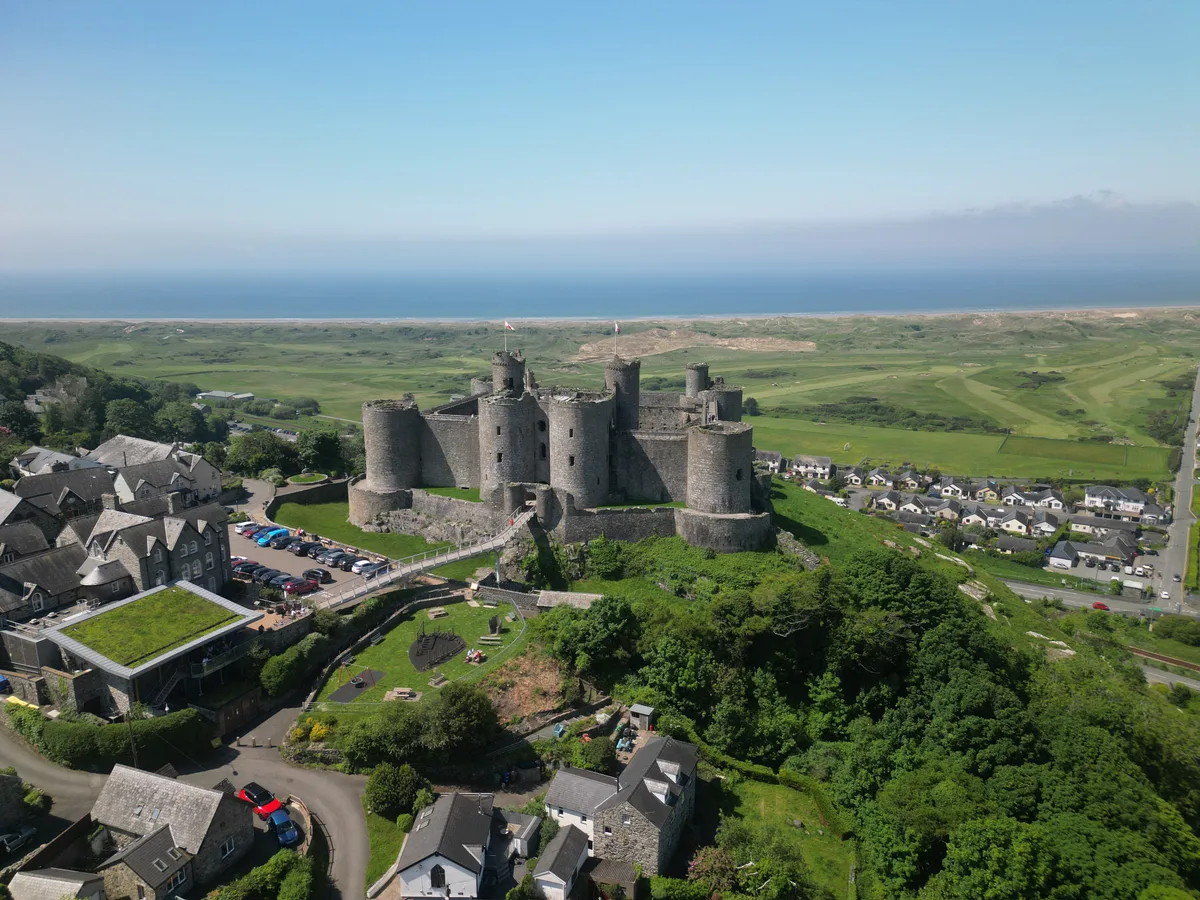
Harlech Castle
Harlech Castle — castle in Harlech, Gwynedd, Wales.
 📷 5
📷 5Castles · North Wales
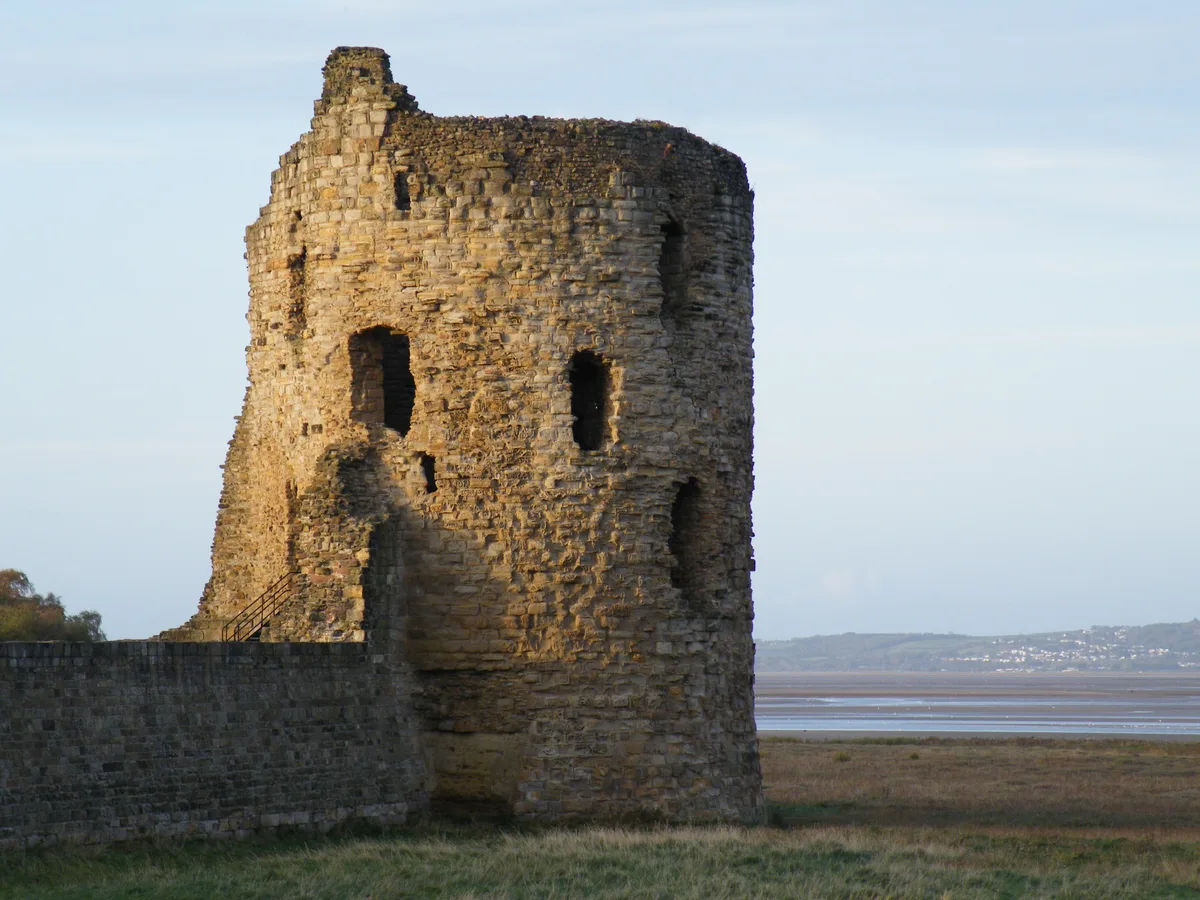
Flint Castle
Flint Castle — Grade I listed building in Flint. Castle.
More places run by Cadw
 📷 3
📷 3Historic churches · North Wales
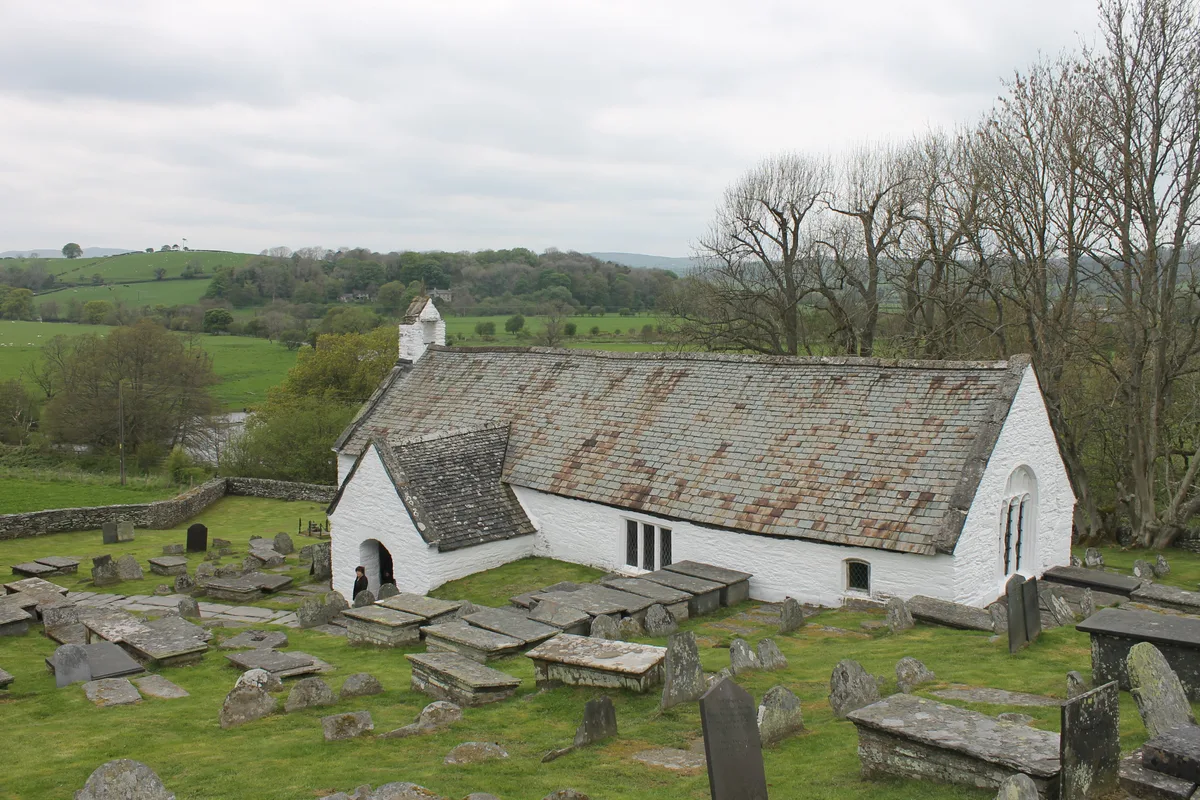
All Saints' Church, Llangar
All Saints' Church, Llangar — church in Llangar, Denbighshire, Wales, UK.
 📷 5
📷 5Hill forts · North Wales
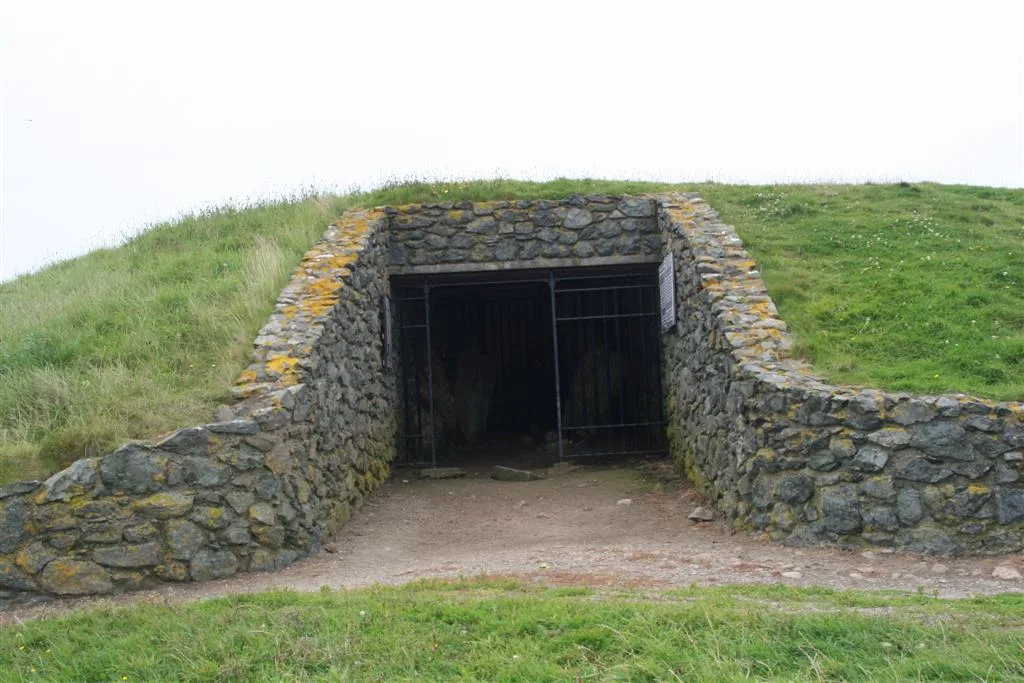
Barclodiad y Gawres
Barclodiad y Gawres — neolithic burial chamber in Anglesey, Wales, UK.
 📷 5
📷 5Abbeys & priories · North Wales
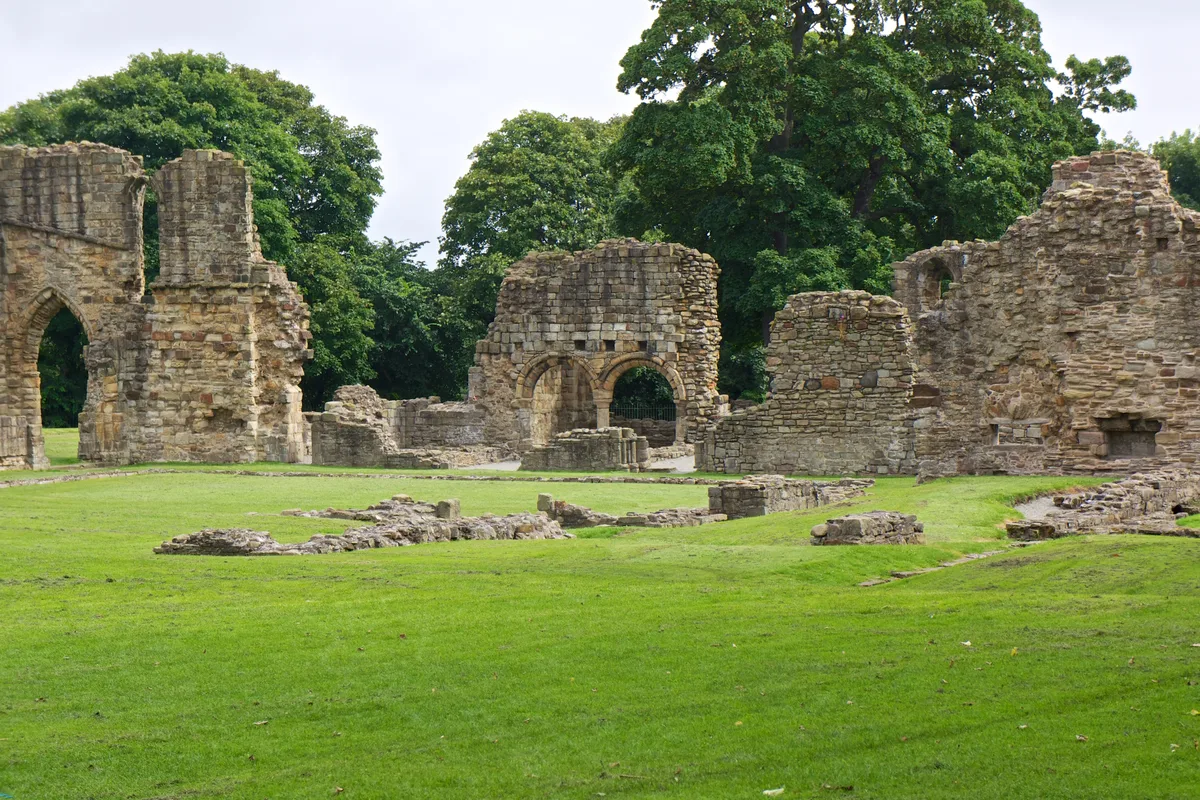
Basingwerk Abbey
Basingwerk Abbey — ruin of an abbey near Holywell, Flintshire, Wales.
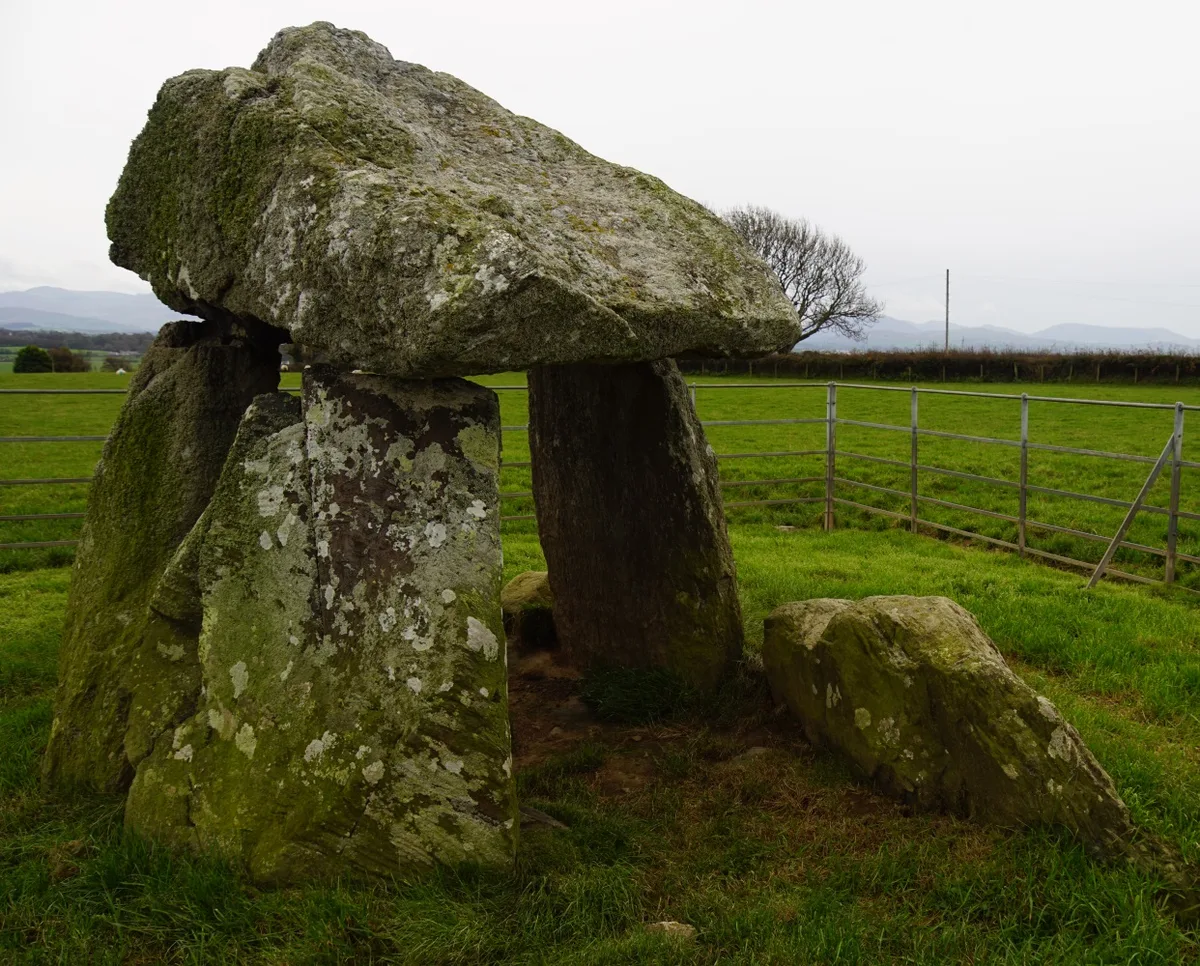 📷 3
📷 3Hill forts · North Wales
Bodowyr Burial Chamber
Bodowyr Burial Chamber — Neolithic burial chamber in Llanidan, Anglesey, Wales, UK.
Other castles from this era
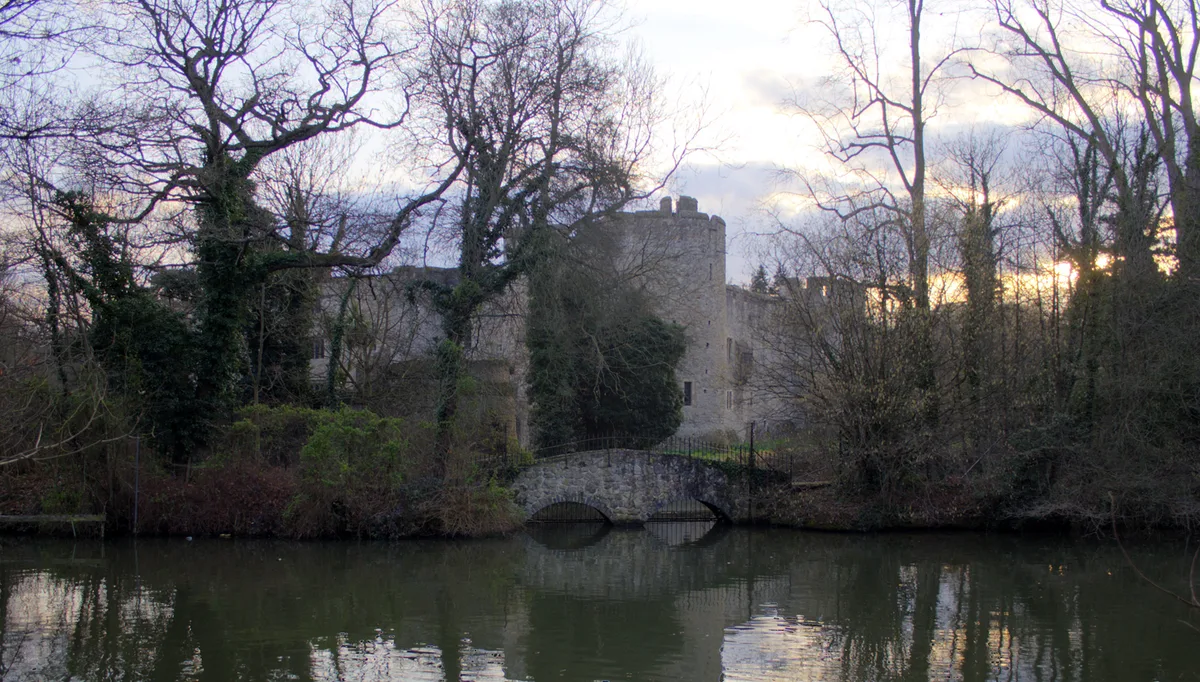 📷 5
📷 5Castles · South East England
Allington Castle
Allington Castle — stone-built moated castle in Allington, England.
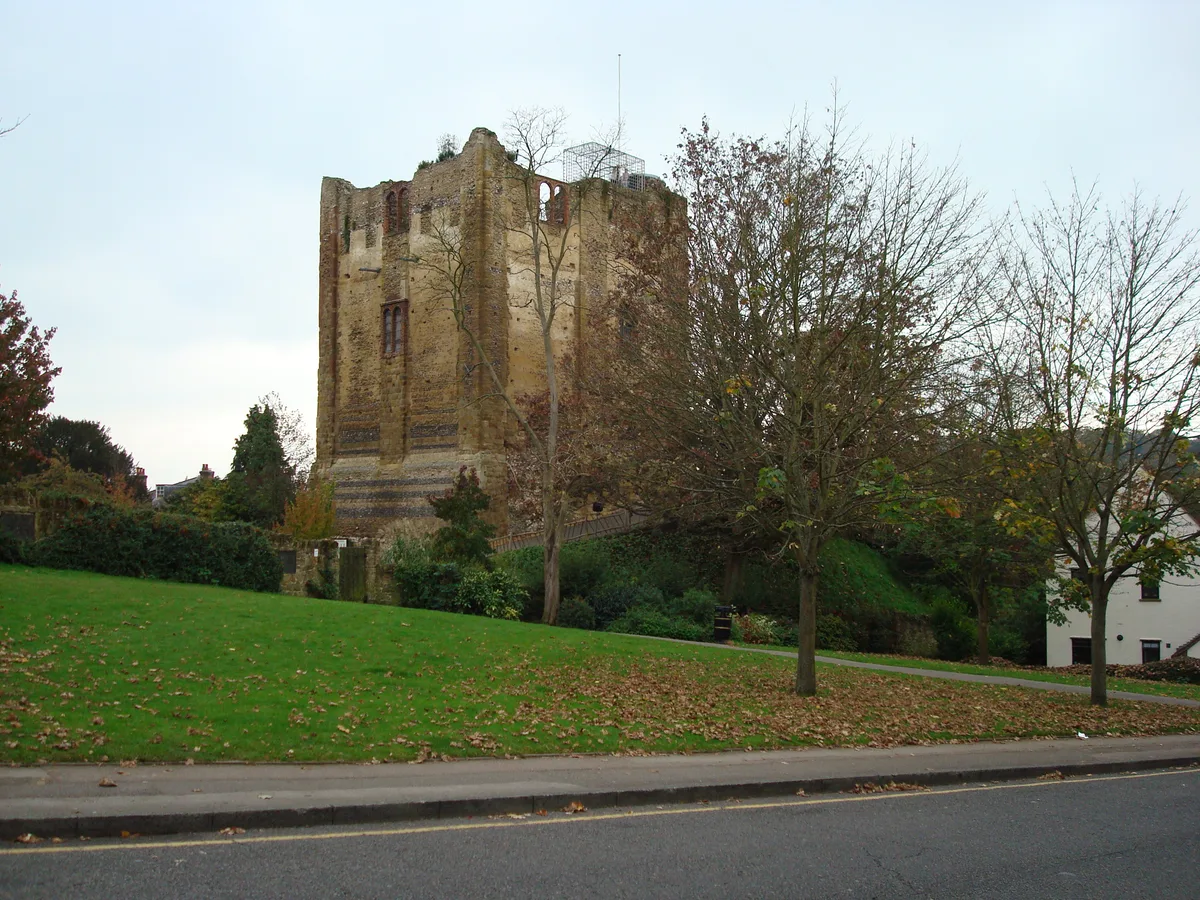 📷 5
📷 5Castles · South East England
Guildford Castle
Guildford Castle — castle in Guildford, Surrey, England, UK.
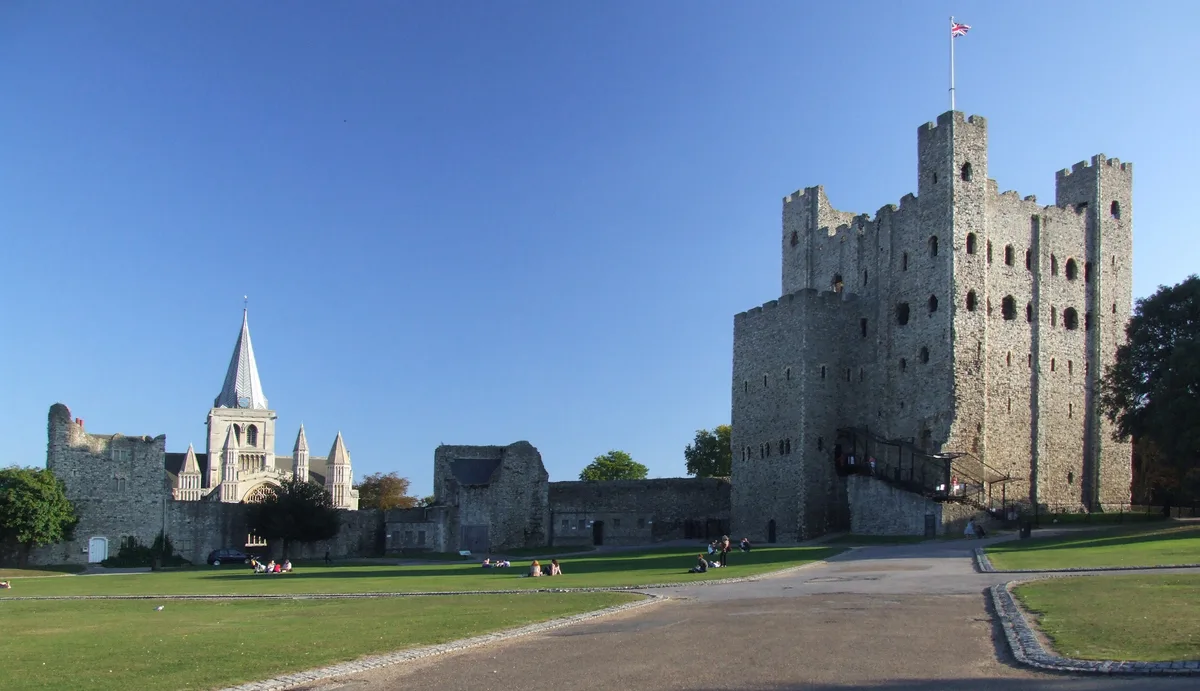 📷 5
📷 5Castles · South East England
Rochester Castle
Rochester Castle — castle in Rochester, Kent, South East England.
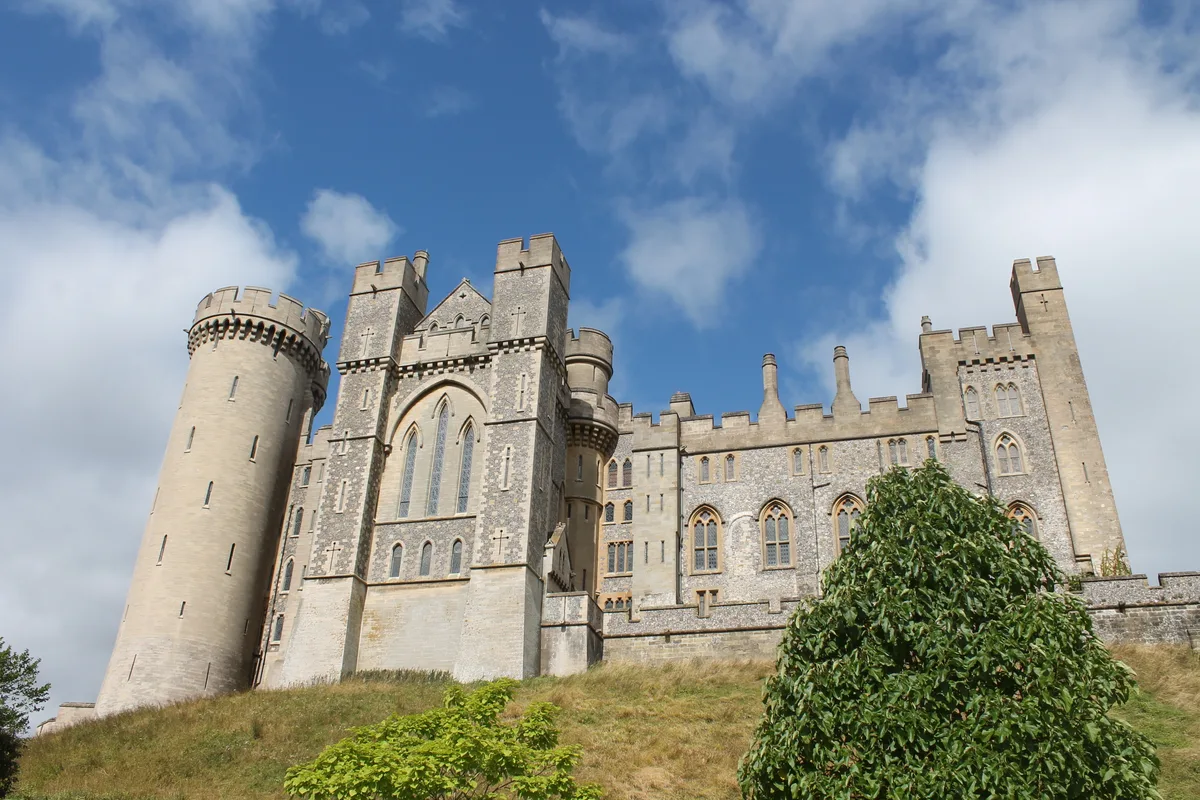 📷 5
📷 5Castles · South East England
Arundel Castle
Arundel Castle — castle in West Sussex, England, UK.
More castles in this region
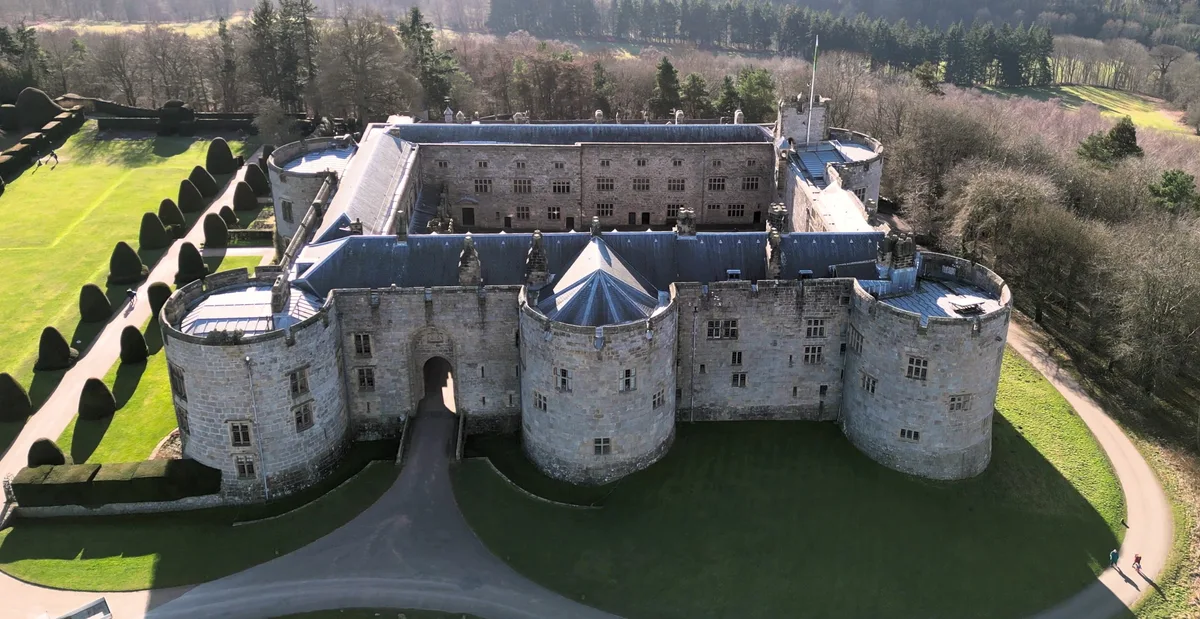 📷 4
📷 4Castles · North Wales
Chirk Castle
Chirk Castle — medieval fortress in Wrexham County Borough, Wales.
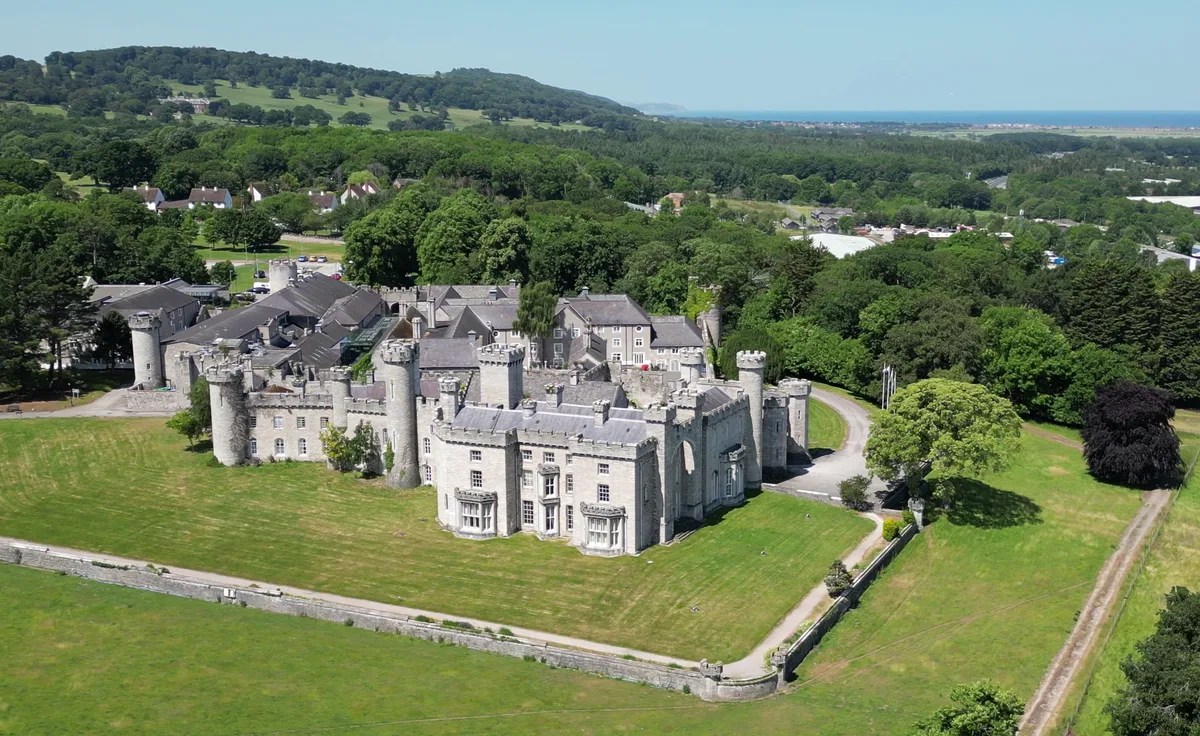 📷 5
📷 5Castles · North Wales
Bodelwyddan Castle
Bodelwyddan Castle — castle in Denbighshire, Wales.
 📷 5
📷 5Castles · North Wales
Bryn Bras Castle
Bryn Bras Castle — grade II* listed country house in Gwynedd, Wales.
 📷 5
📷 5Castles · North Wales
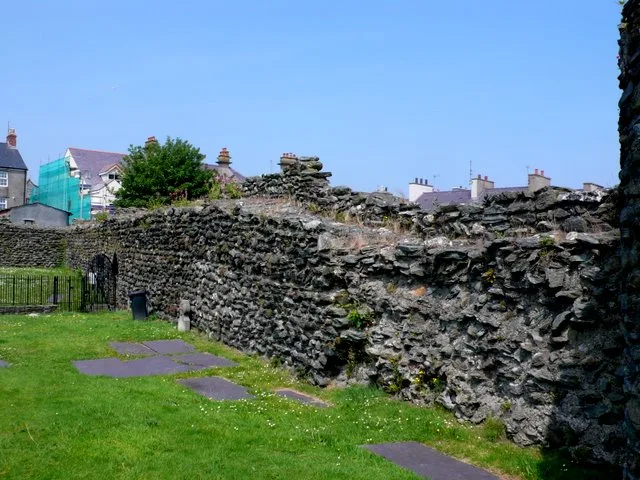
Caer Gybi
Caer Gybi — remains of a Roman fortlet in Holyhead, Anglesey, Wales, UK.
Frequently asked questions
- Where is Conwy Castle?
- Conwy Castle is in North Wales, United Kingdom (postcode LL32 8BD), in the parish of Conwy.
- What is Conwy Castle?
- Conwy Castle — castle in Conwy, North Wales.
- How do I get to Conwy Castle?
- The nearest railway station is Conwy, about 0.3 km away. Drivers can use postcode LL32 8BD.
- When was Conwy Castle built?
- Built or established in 1283. Designed by James of Saint George.
- Who owns Conwy Castle?
- Conwy Castle is owned by Edward I of England and operated by Cadw.
- Is Conwy Castle a listed building?
- Conwy Castle is officially recognised as Grade I listed building listed.
- Does Conwy Castle charge admission?
- Conwy Castle typically charges admission. Check the official site for current ticket prices and opening hours.
- How do I get to Conwy Castle?
- The nearest railway station is Conwy, about 0.3 km away. Drivers can navigate to postcode LL32 8BD.