
Castles · North Wales
Harlech Castle
In or near Q737888.
Harlech Castle — castle in Harlech, Gwynedd, Wales.

Wikimedia Commons contributors — see linked file page for photographer and licence licence

Plan your visit
- Typical visit
- 1.5 h–3 h
- Nearest railway station
- Harlech · 0.2 km
- Paid entry
- Family-friendly
- Limited wheelchair access
Getting there & planning your visit
To visit Harlech Castle, the nearest railway station is Harlech, located just 0.2 km away. Entry is paid, and wheelchair access is limited. The postcode for sat-nav is LL46 2UD.
About
Harlech Castle is a castle in the United Kingdom — fortified architecture from the medieval, Tudor, or Victorian-revival period. Records date its origin to 1283. It covers approximately 2 km². Designed by James of Saint George. Constructed primarily of sandstone. Heritage designation: scheduled monument. Owned by Edward I of England. Managed by Cadw. Part of Castles and Town Walls of King Edward in Gwynedd. Wikidata describes it as: "castle in Harlech, Gwynedd, Wales". Coordinates: 52.8600°, -4.1092°.
Photo gallery
Heritage listing
Harlech Castle (Welsh: Castell Harlech; Welsh pronunciation: [kastɛɬ ˈharlɛχ]) in Harlech, Gwynedd, Wales, is a Grade I listed medieval fortification built onto a rocky knoll close to the Irish Sea. It was built by Edward I during his invasion of Wales between 1282 and 1289 at the relatively modest cost of £8,190. Over the next few centuries, the castle played an important part in several wars, withstanding the siege of Madog ap Llywelyn between 1294 and 1295, but falling to Prince Owain Glyndŵr in 1404. It then became Glyndŵr's residence and military headquarters for the remainder of the uprising until being recaptured by English forces in 1409.
From Cadw under OGL v3.
Summary from the official site
Harlech Castle is a historic fortress located on a rocky crag overlooking the dunes of North Wales. It features impressive architecture and offers visitors a glimpse into medieval military design, along with stunning views of the surrounding landscape. The castle is part of a UNESCO World Heritage Site and is accessible via a newly constructed footbridge.
Read more on the official property page.
From the Wikipedia article
Harlech Castle (Welsh: Castell Harlech; Welsh pronunciation: [kastɛɬ ˈharlɛχ]) in Harlech, Gwynedd, Wales, is a Grade I listed medieval fortification built onto a rocky knoll close to the Irish Sea. It was built by Edward I during his invasion of Wales between 1282 and 1289 at the relatively modest cost of £8,190. Over the next few centuries, the castle played an important part in several wars, withstanding the siege of Madog ap Llywelyn between 1294 and 1295, but falling to Prince Owain Glyndŵr in 1404. It then became Glyndŵr's residence and military headquarters for the remainder of the uprising until being recaptured by English forces in 1409. During the 15th-century Wars of the Roses, Harlech was held by the Lancastrians for seven years, before Yorkist troops forced its surrender in 1468, a siege memorialised in the song "Men of Harlech". Following the outbreak of the English Civil War in 1642, the castle was held by forces loyal to Charles I, holding out until 1647 when it became the last fortification to surrender to the Parliamentary armies. In the 21st century the ruined castle is managed by Cadw, the Welsh Government's historic environment service, as a tourist attraction. UNESCO considers Harlech, with three others at Beaumaris, Conwy and Caernarfon, to be one of "the finest examples of late 13th century and early 14th century military architecture in Europe", and it is classed as a World Heritage Site. The fortification is built of local stone and concentric in design, featuring a massive gatehouse that probably once provided high-status accommodation for the castle constable and visiting dignitaries. The sea originally came much closer to Harlech than in modern times, and a water-gate and a long flight of steps leads down from the castle to the former shore, which allowed the castle to be resupplied by sea during sieges. In keeping with Edward's other castles in the north of Wales, the architecture of Harlech has close links to that found in the County…
Excerpt from Wikipedia under CC BY-SA 4.0. See the source article linked in Sources below.
Background
Architecture
at Harlech Castle, showing the smaller corbelled towers at front]] Harlech Castle rests upon part of the Harlech Dome, a spur of rock almost 200 ft high; the land falls away sharply on the north and west, and a ditch cut into the rock protects the remaining approaches to the castle. The castle has a concentric design, with one line of defences enclosed by another, forming an inner and outer ward; the outer wall was originally somewhat taller than today. Harlech is built from local grey-green sandstone, with large, regular blocks used for the towers and irregular material, possibly taken from the ditch, used for the walls. A water gate overlooks a protected stairway of 127 steps that runs…
Sourced from Wikipedia under CC BY-SA 4.0.
- Coordinates
- 52.8600, -4.1092
- District
- Gwynedd
- Parish
- Harlech
- Postcode
- LL46 2UD
- Parliamentary constituency
- Dwyfor Meirionnydd
- Phone
- 01766780552
- Established
- 1283
- Nearest railway station
- Harlech — 0.2 km
- Opening
- 1st March - 30th June 9.30am-5pm; 1st July - 31st August 9.30am-6pm; 1st September - 31st October 9.30am-5pm; 1st November - 28th February 10am-4pm; closed 24-26 Dec and 1 Jan
- Official site
- cadw.gov.wales
Sources
- wikidata: Q540964 (CC0)
- wikipedia: Harlech Castle (CC BY-SA 4.0)
- commons: Castell a Morfa Harlech, Gwynedd, Mai 2024 - Parc Cenedlaethol Eryri National Park 02.jpg (CC BY-SA 4.0)
- fsq: 4bee7e5135dc0f47a3e03f5b (Apache-2.0)
Featured in these 6 guides
Itinerary
Edward I's ring of iron: the great castles of north Wales
Four UNESCO World Heritage castles, each within an hour's drive of the next.
Itinerary
Eryri (Snowdonia): three days of Welsh mountains
The highest peaks in Wales, the deepest slate quarries, and a steam railway up Yr Wyddfa.
Itinerary
Cadw: ten Welsh heritage sites
Cadw is the Welsh government's heritage body — castles, abbeys and prehistoric tombs from Anglesey to Pembrokeshire.
Itinerary
Welsh castles of Edward I
The four UNESCO castles of the iron ring, in two days.
Itinerary
North Wales castles in 3 days
Edward I's iron ring + the Welsh princes' strongholds.
Itinerary
Cadw's Welsh historic sites
Twelve Cadw-managed castles, abbeys and forts.
Other places nearby

Castell Harlech
Natural landmarks · 0.0 km

The Two Kings
Public art & sculpture · 0.0 km
.jpg?width=1200)
The Two Kings"
Heritage railway stations · 0.1 km

Castle Cottage Inn
Restaurants · 0.1 km

Y Branwen
Restaurants · 0.2 km

Woodlands Caravan Park
Caravan parks · 0.2 km
Woodlands Caravan Park
Campsites · 0.2 km

Horse trough
Memorials & monuments · 0.3 km

Harlech
Historic churches · 0.3 km

Castle View Holiday Park
Caravan parks · 0.4 km
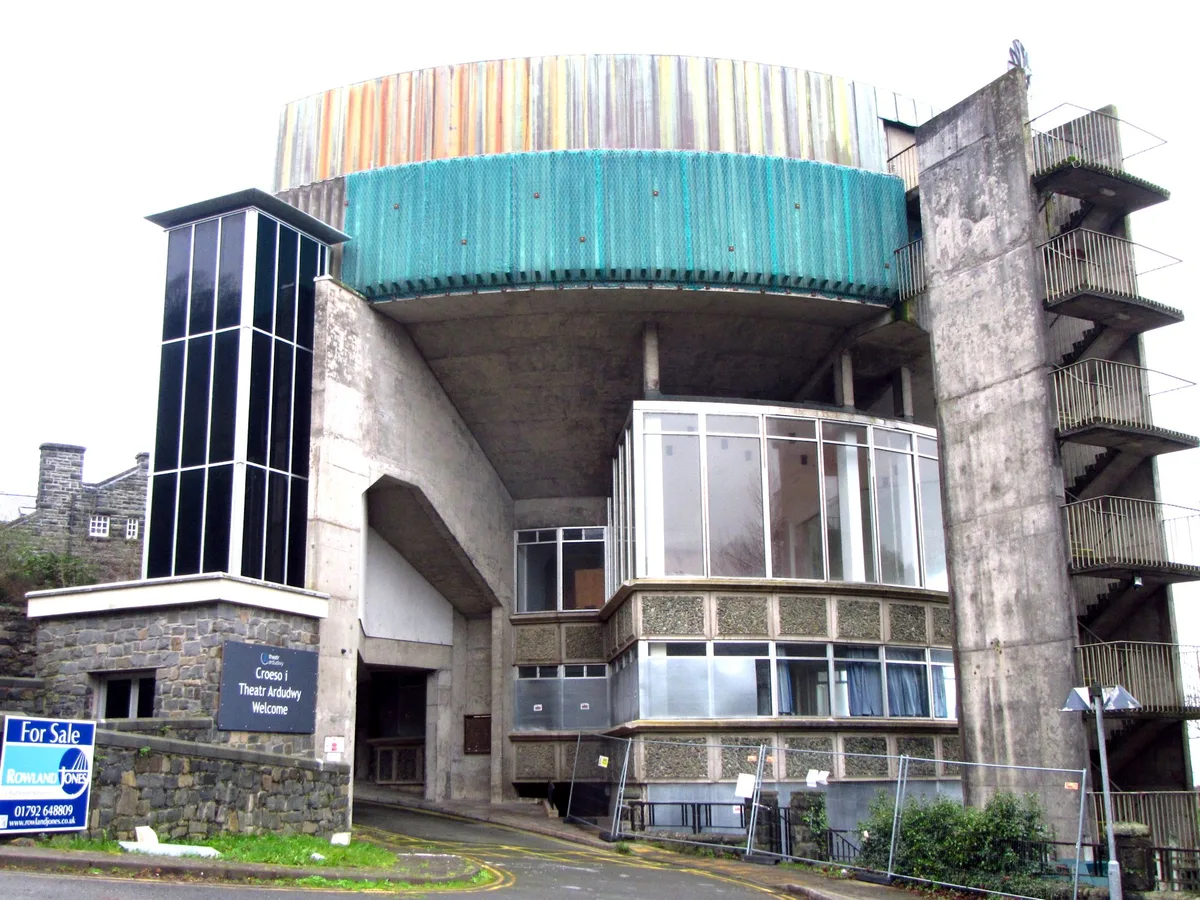
Theatr Ardudwy
Theatres · 0.5 km

Theatr Ardudwy
Open-air theatres · 0.5 km
Nearby
📷 3Natural landmarks · North Wales
Castell Harlech
Castell Harlech — a other in wales-north, United Kingdom.
📷 3📷 3📷 5📷 7📷 5Caravan parks · North Wales
Woodlands Caravan Park
Woodlands Caravan Park — a caravan park in wales north.
Where to eat & stay near Harlech Castle
Places to stay
📷 5Caravan parks · North Wales
Woodlands Caravan Park
Woodlands Caravan Park — a caravan park in wales north.
📷 5📷 5Caravan parks · North Wales
Castle View Holiday Park
Castle View Holiday Park — a caravan park in wales north.
 📷 5
📷 5Caravan parks · North Wales
Pant Mawr Residential Park
Pant Mawr Residential Park — a caravan park in wales north.
 📷 5
📷 5Caravan parks · North Wales
Min-y-Don Holiday Park
Min-y-Don Holiday Park — a caravan park in wales north.
 📷 7
📷 7Places to eat & drink
📷 5📷 7 📷 5
📷 5Restaurants · North Wales
Dylan's Restaurant
Dylan's Restaurant — a restaurant in wales north. Cuisine: burger;cake;coffee shop;fish;italian;italian pizza;pasta;pizza;seafood.
 📷 5
📷 5 📷 7
📷 7 📷 7
📷 7Other works by James of Saint George
 📷 5
📷 5Castles · North Wales
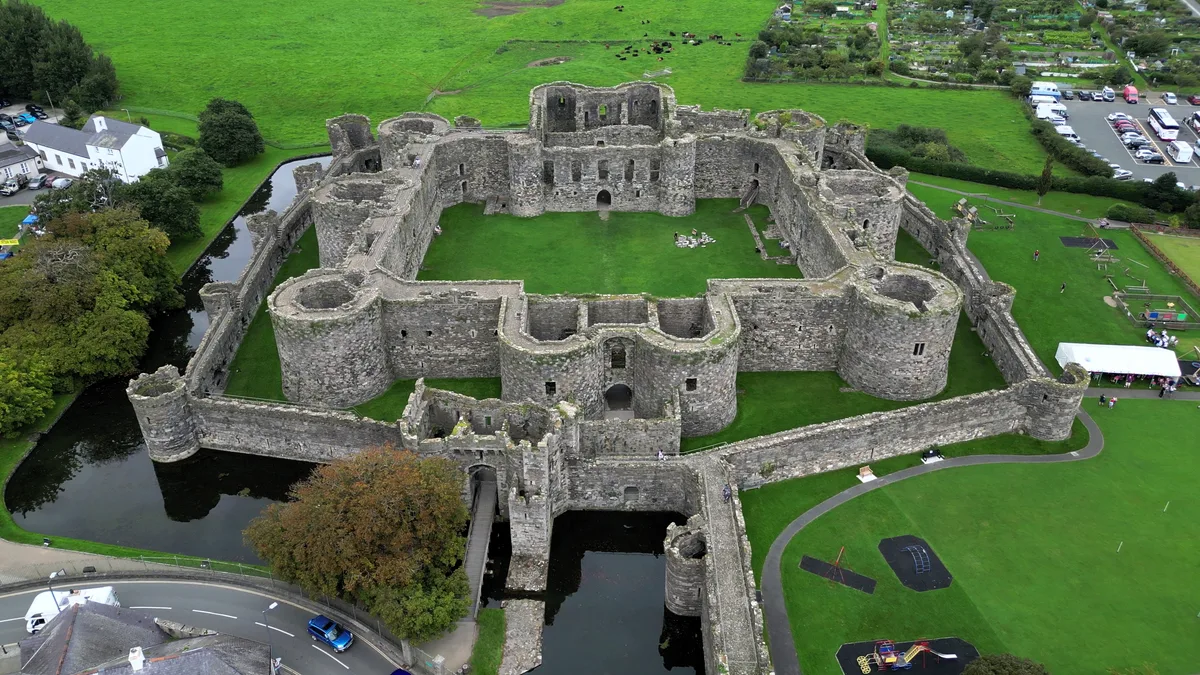
Beaumaris Castle
Beaumaris Castle — castle in Beaumaris, Anglesey, Wales.
 📷 3
📷 3Castles · North Wales
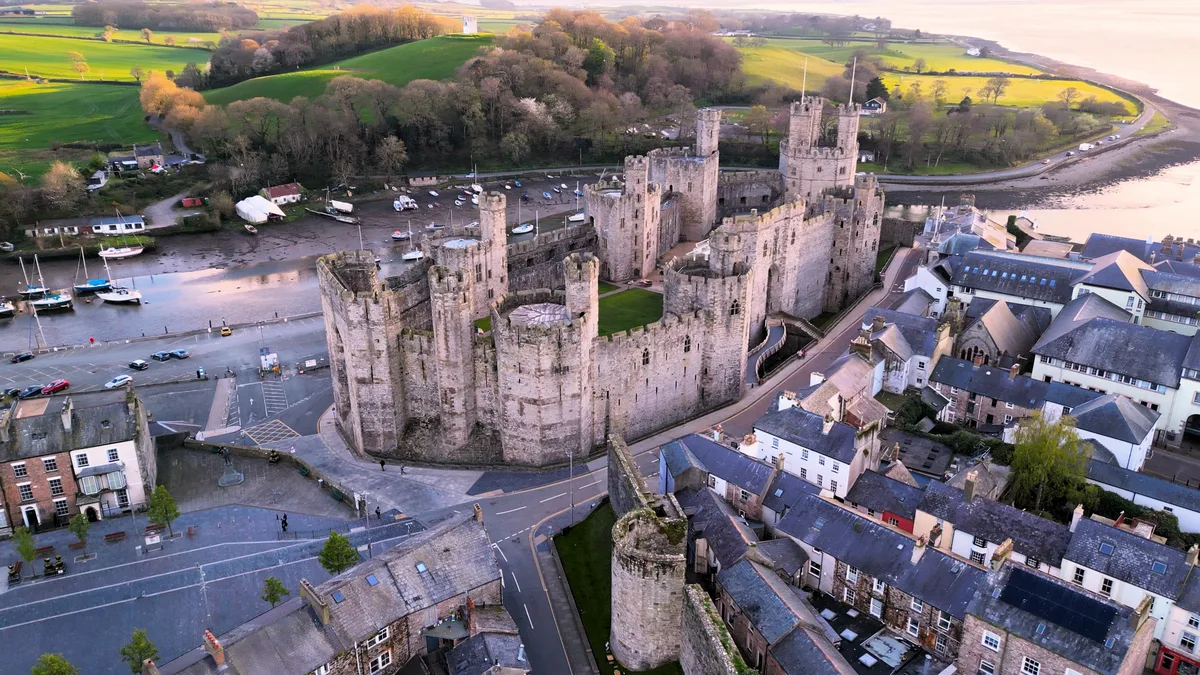
Caernarfon Castle
Caernarfon Castle — castle in Caernarfon, North Wales.
 📷 5
📷 5Castles · North Wales
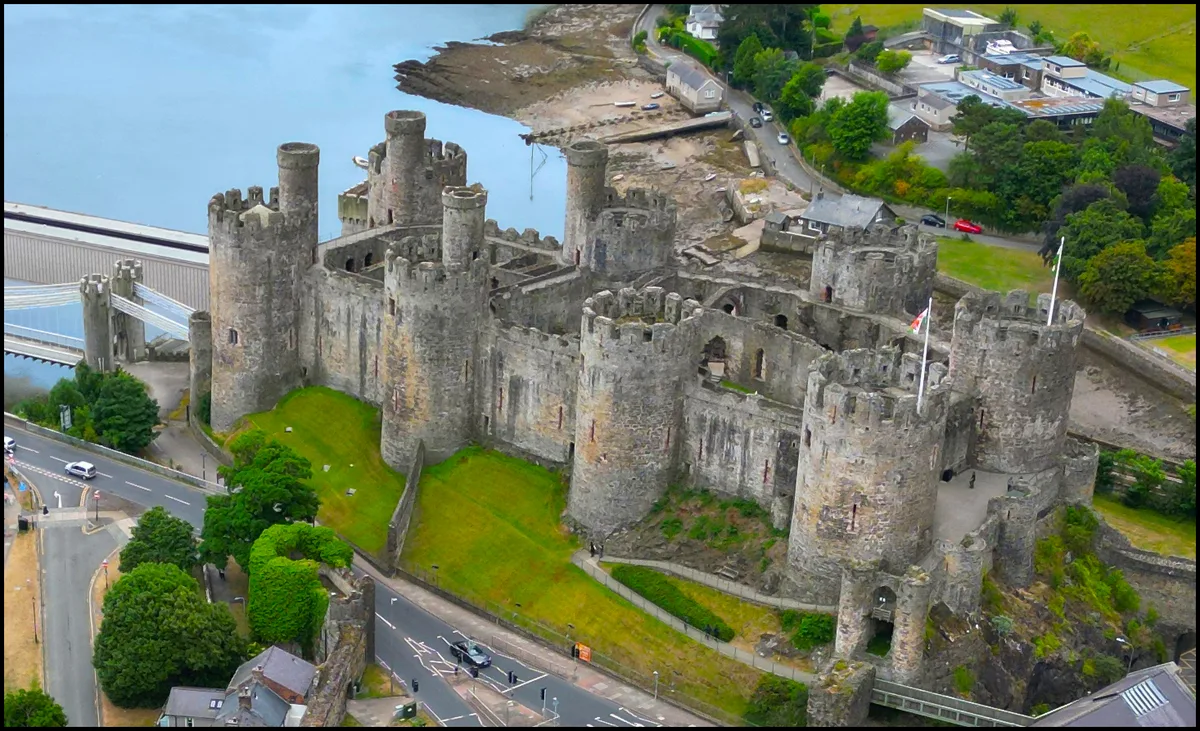
Conwy Castle
Conwy Castle — castle in Conwy, North Wales.
 📷 5
📷 5Castles · North Wales
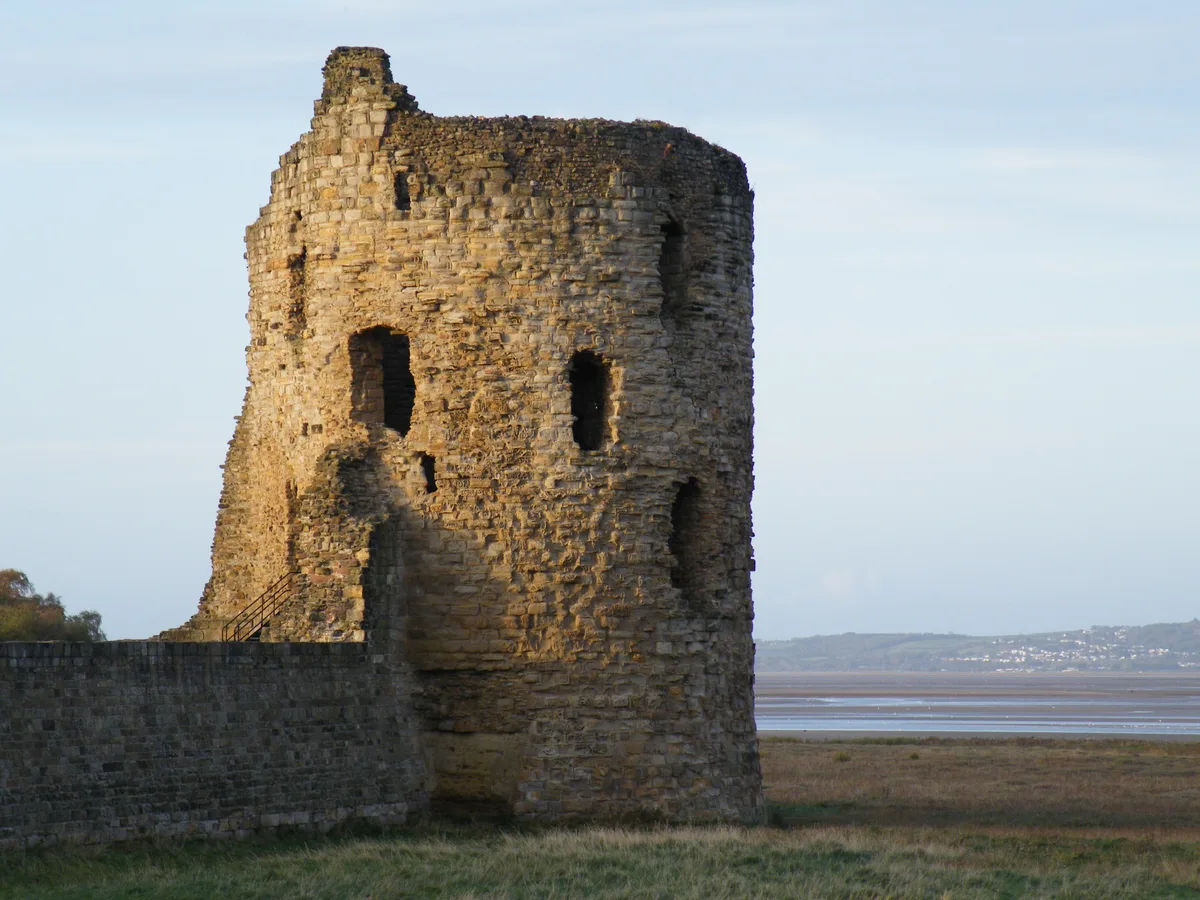
Flint Castle
Flint Castle — Grade I listed building in Flint. Castle.
More places run by Cadw
 📷 3
📷 3Historic churches · North Wales
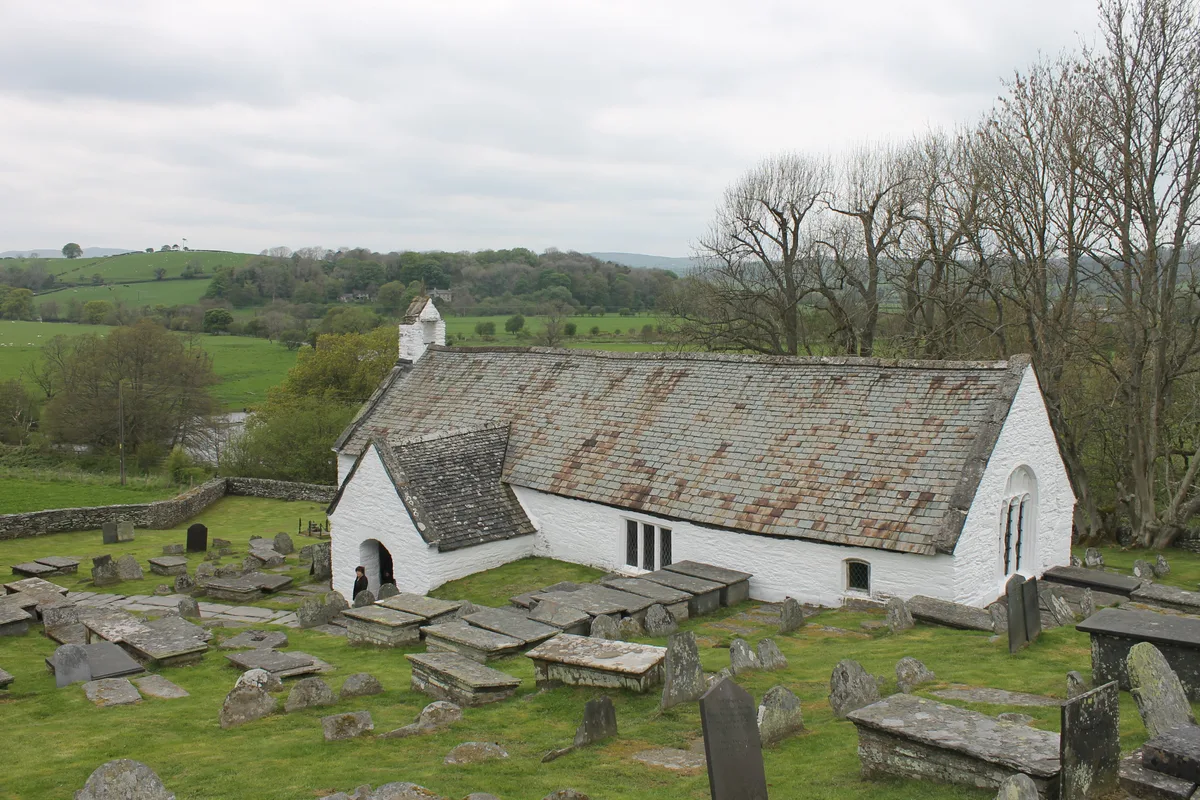
All Saints' Church, Llangar
All Saints' Church, Llangar — church in Llangar, Denbighshire, Wales, UK.
 📷 5
📷 5Hill forts · North Wales
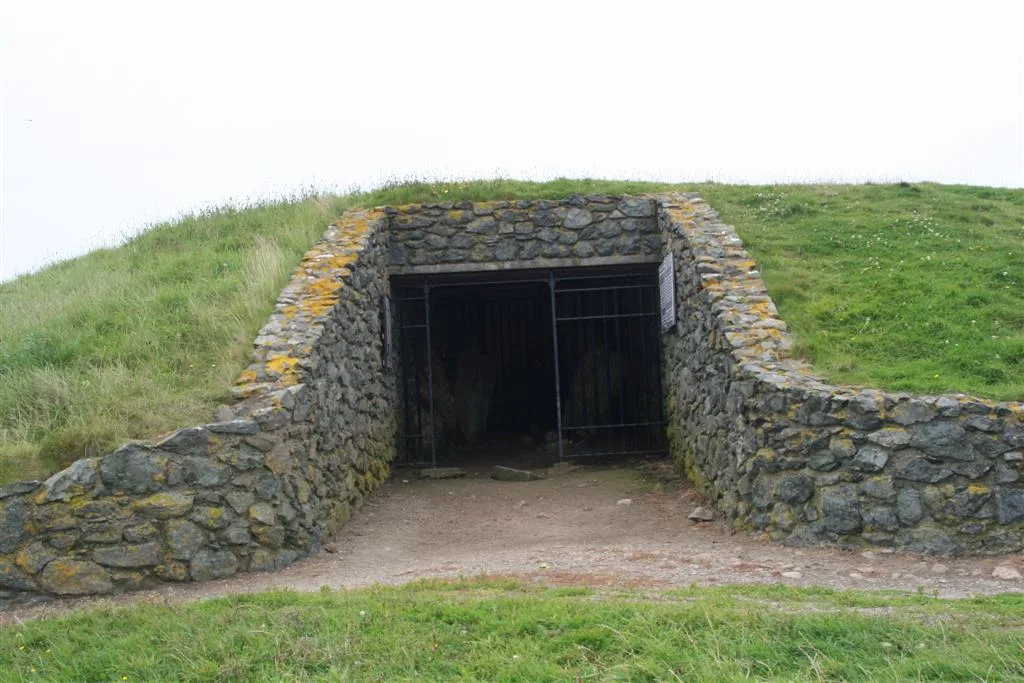
Barclodiad y Gawres
Barclodiad y Gawres — neolithic burial chamber in Anglesey, Wales, UK.
 📷 5
📷 5Abbeys & priories · North Wales
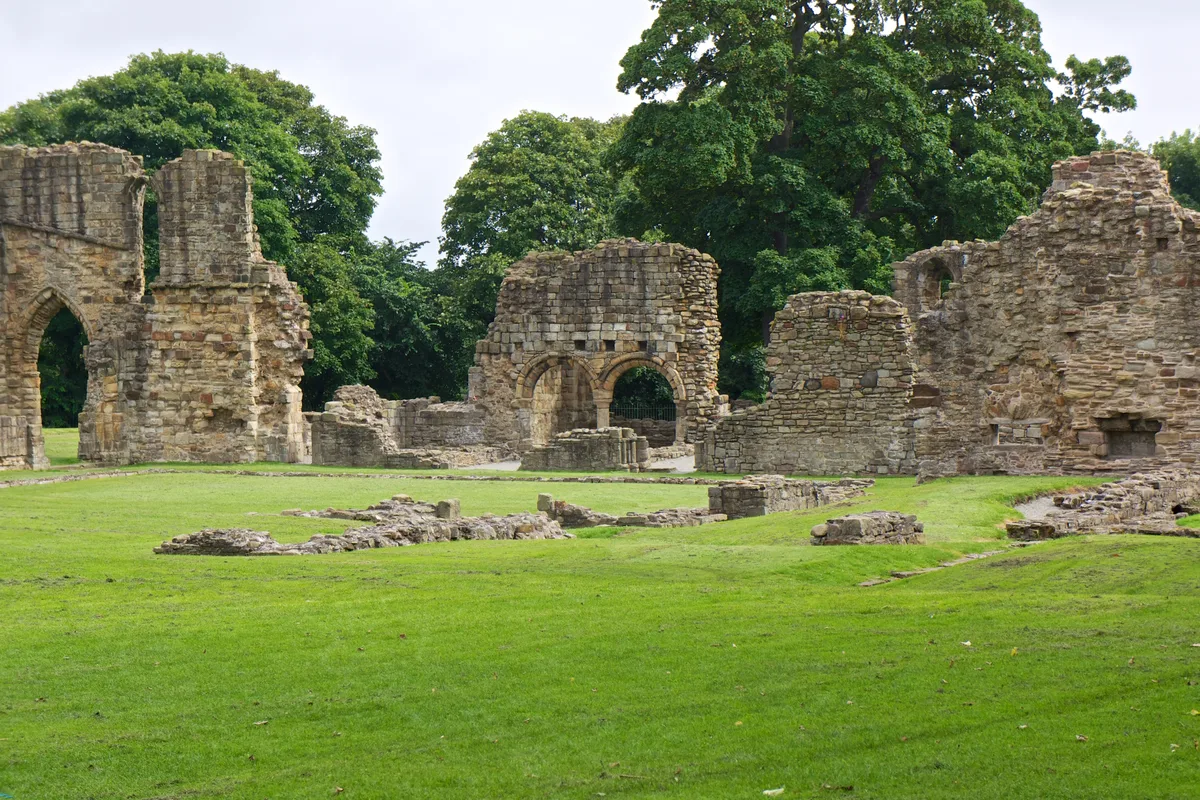
Basingwerk Abbey
Basingwerk Abbey — ruin of an abbey near Holywell, Flintshire, Wales.
 📷 3
📷 3Hill forts · North Wales
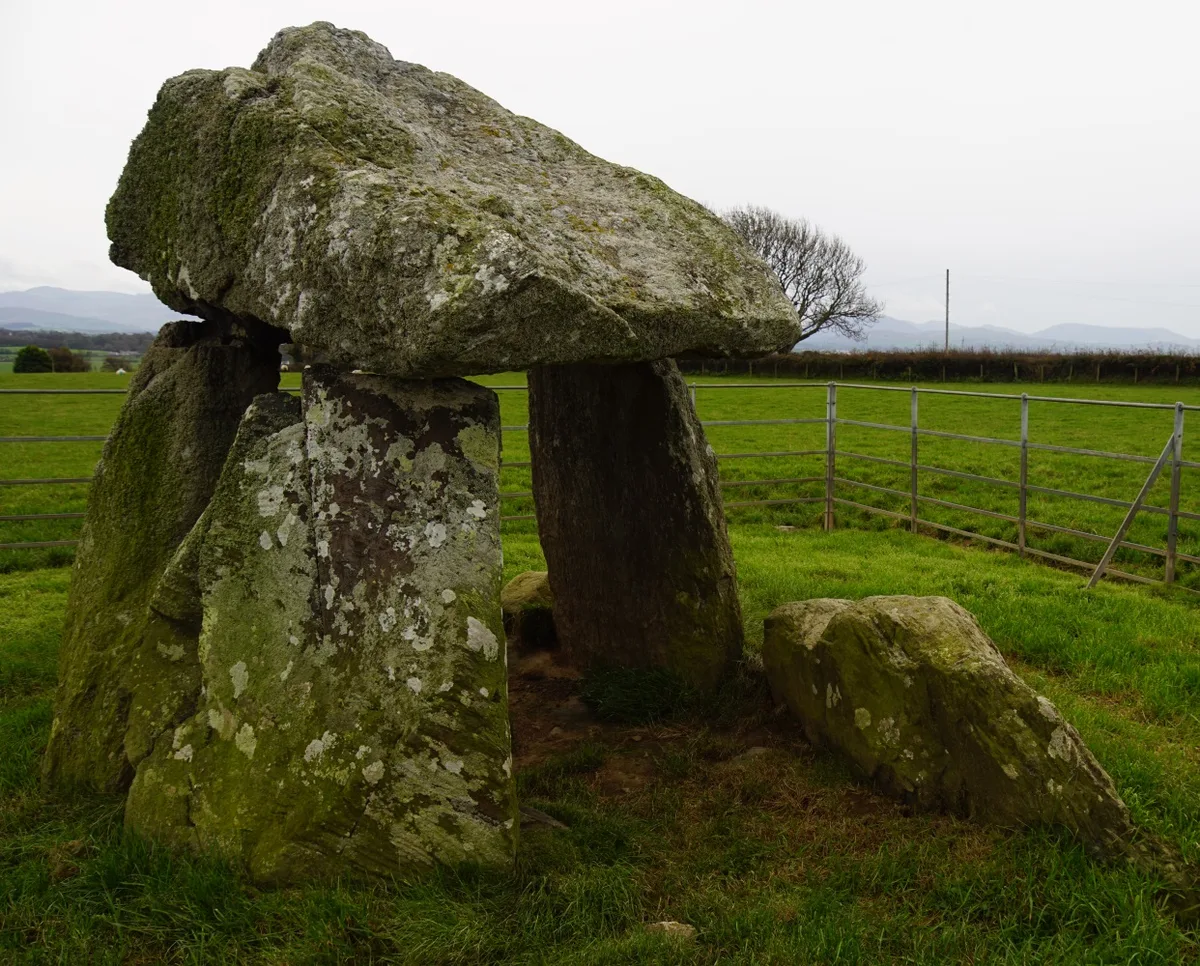
Bodowyr Burial Chamber
Bodowyr Burial Chamber — Neolithic burial chamber in Llanidan, Anglesey, Wales, UK.
Other castles from this era
 📷 5
📷 5Castles · South East England
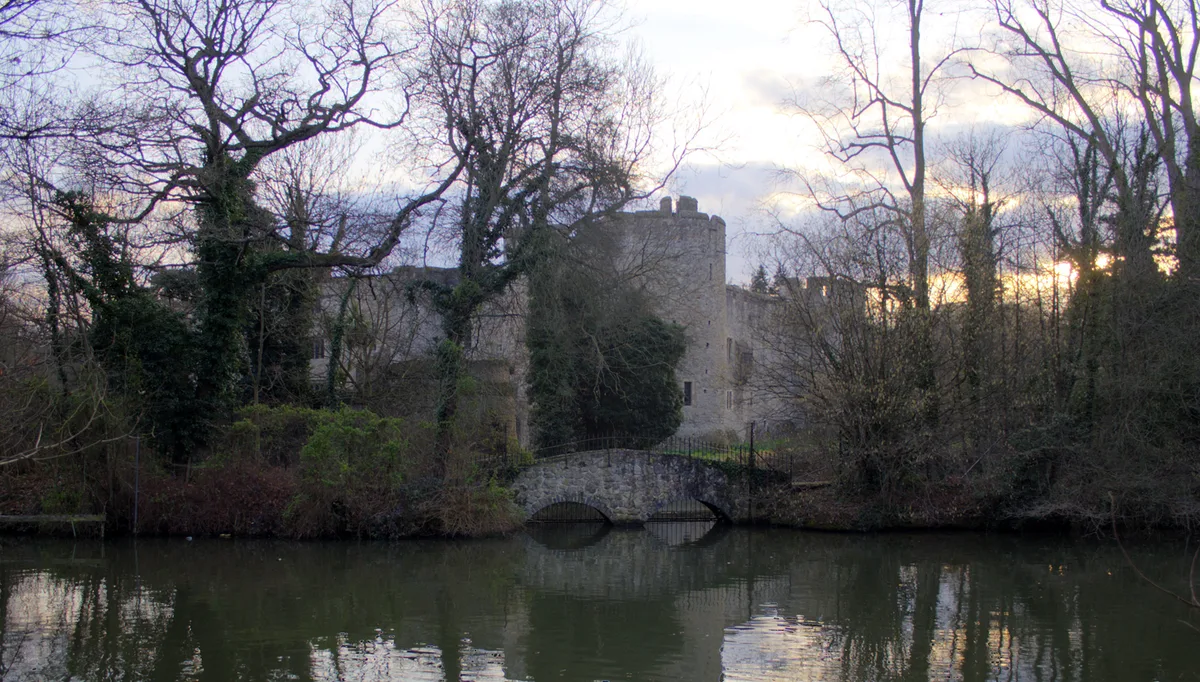
Allington Castle
Allington Castle — stone-built moated castle in Allington, England.
 📷 5
📷 5Castles · South East England
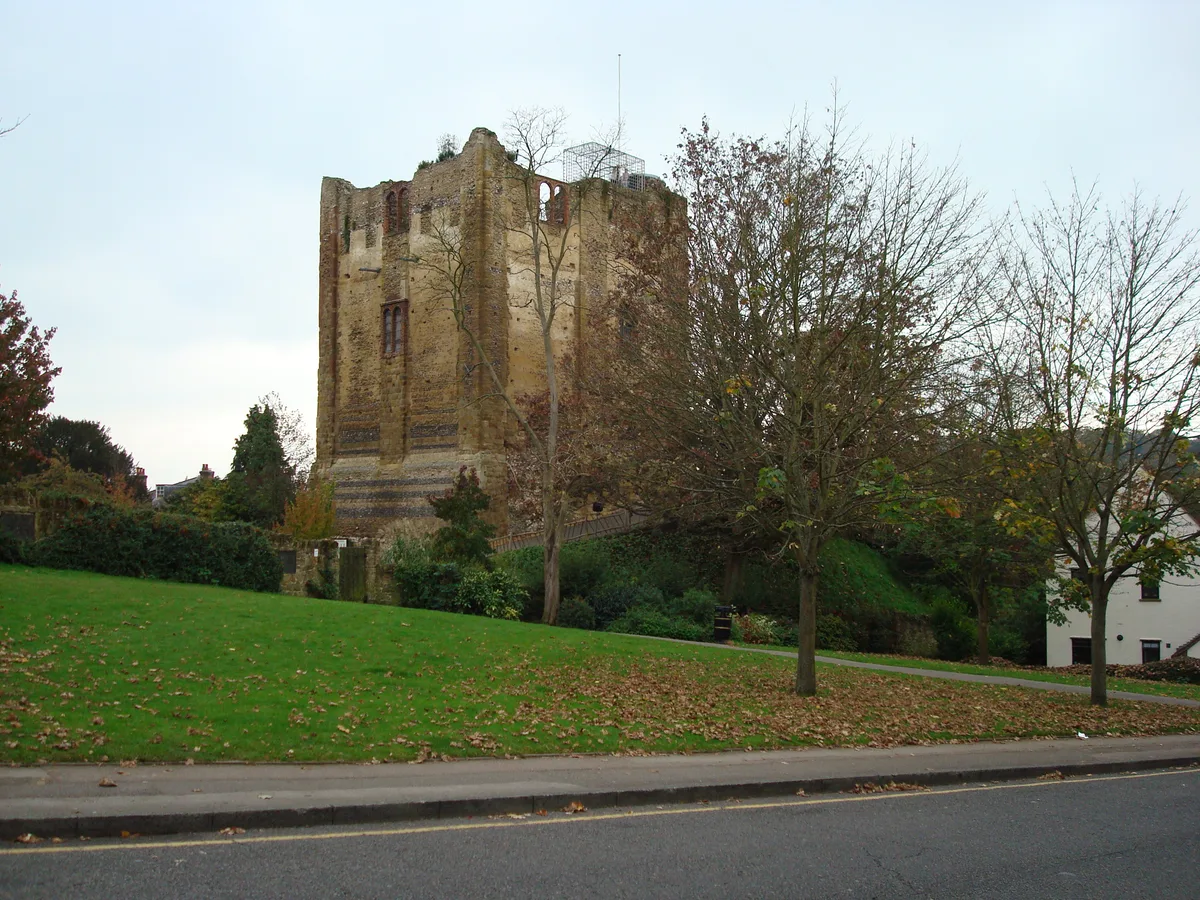
Guildford Castle
Guildford Castle — castle in Guildford, Surrey, England, UK.
 📷 5
📷 5Castles · South East England
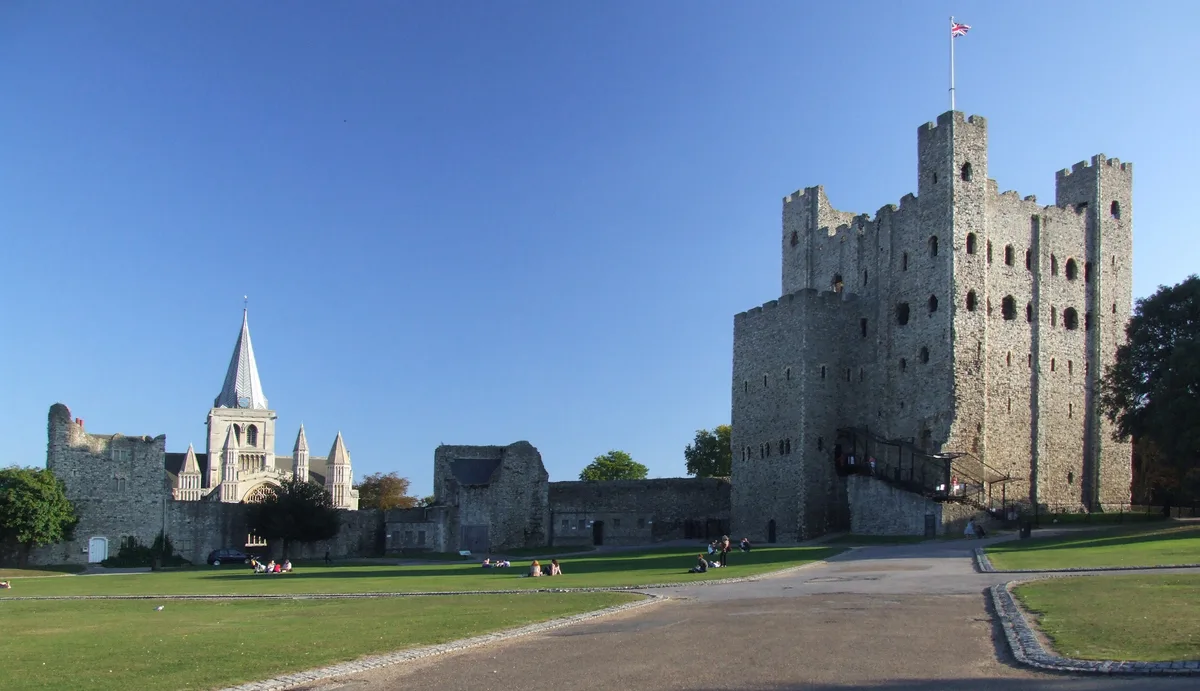
Rochester Castle
Rochester Castle — castle in Rochester, Kent, South East England.
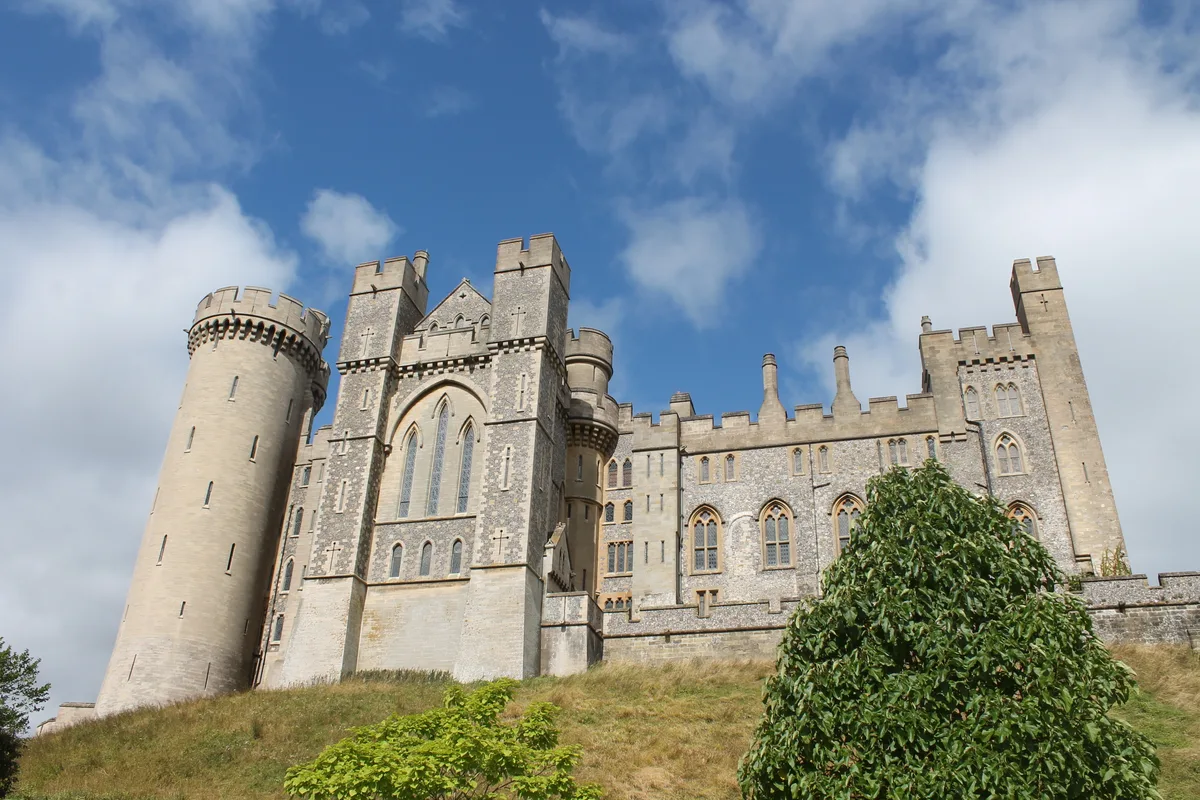 📷 5
📷 5Castles · South East England
Arundel Castle
Arundel Castle — castle in West Sussex, England, UK.
More castles in this region
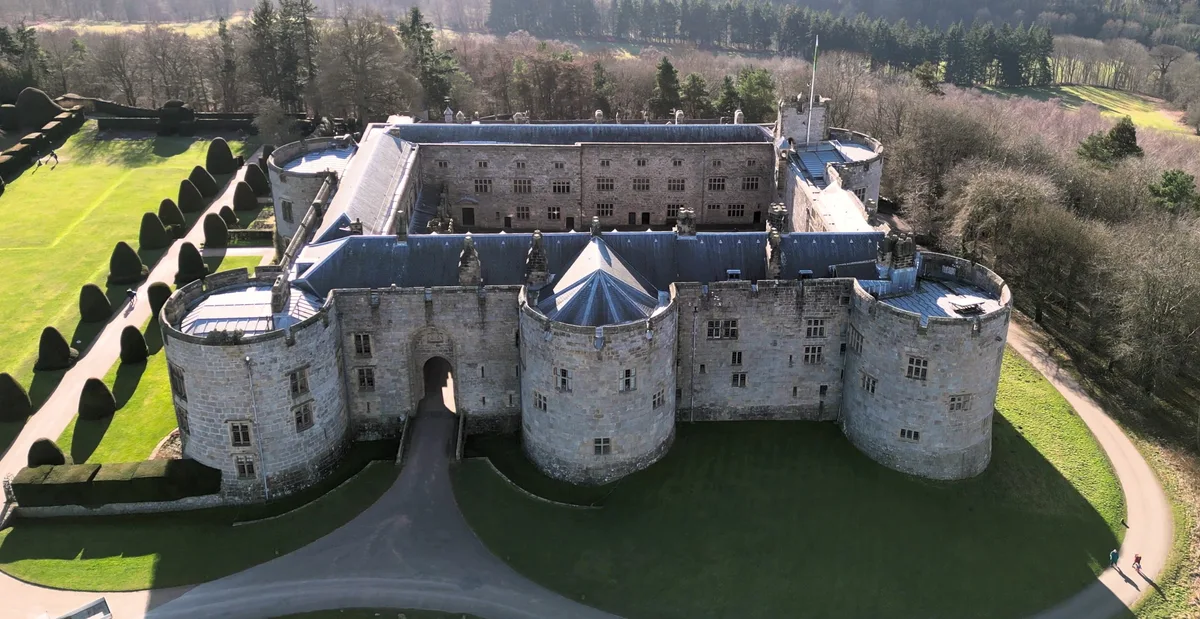 📷 4
📷 4Castles · North Wales
Chirk Castle
Chirk Castle — medieval fortress in Wrexham County Borough, Wales.
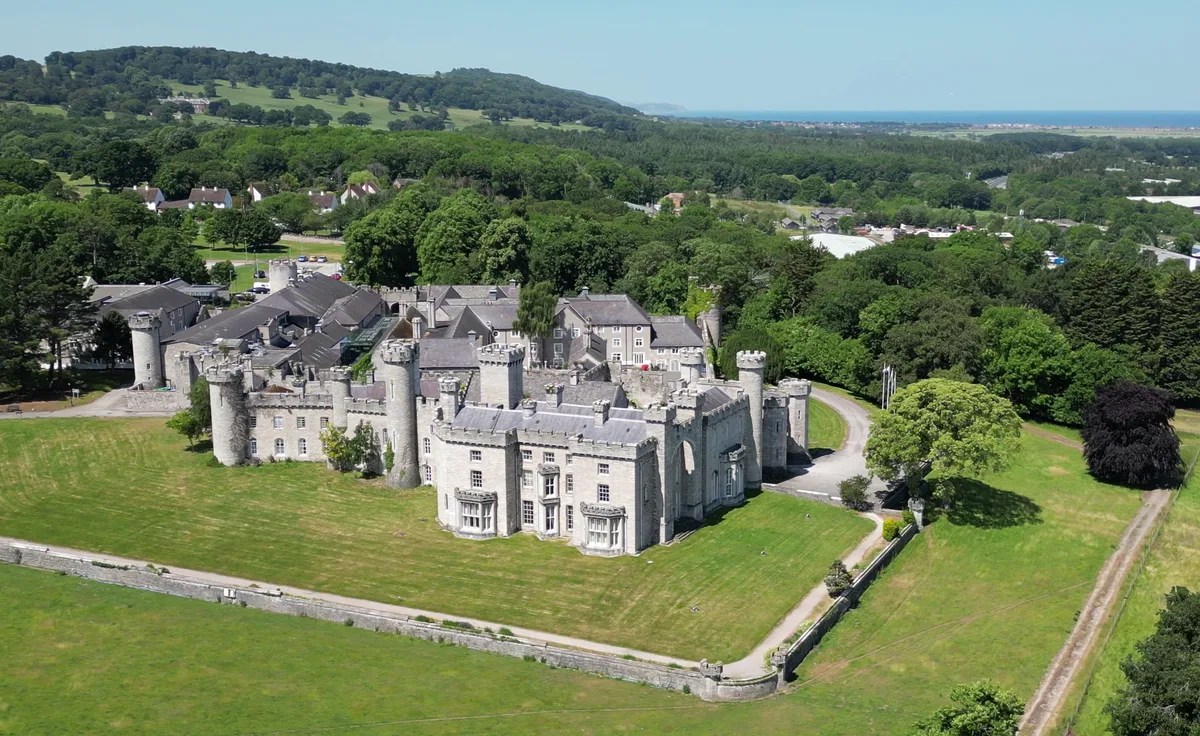 📷 5
📷 5Castles · North Wales
Bodelwyddan Castle
Bodelwyddan Castle — castle in Denbighshire, Wales.
 📷 5
📷 5Castles · North Wales
Bryn Bras Castle
Bryn Bras Castle — grade II* listed country house in Gwynedd, Wales.
 📷 5
📷 5Castles · North Wales
Caer Gybi
Caer Gybi — remains of a Roman fortlet in Holyhead, Anglesey, Wales, UK.
Frequently asked questions
- Where is Harlech Castle?
- Harlech Castle is in North Wales, United Kingdom (postcode LL46 2UD), in the parish of Harlech.
- What is Harlech Castle?
- Harlech Castle — castle in Harlech, Gwynedd, Wales.
- How do I get to Harlech Castle?
- The nearest railway station is Harlech, about 0.2 km away. The nearest town is Q737888. Drivers can use postcode LL46 2UD.
- When was Harlech Castle built?
- Built or established in 1283. Designed by James of Saint George.
- Who owns Harlech Castle?
- Harlech Castle is owned by Edward I of England and operated by Cadw.
- Is Harlech Castle a listed building?
- Harlech Castle is officially recognised as scheduled monument listed.
- Does Harlech Castle charge admission?
- Harlech Castle typically charges admission. Check the official site for current ticket prices and opening hours.
- How do I get to Harlech Castle?
- The nearest railway station is Harlech, about 0.2 km away. Drivers can navigate to postcode LL46 2UD.