
Castles · North Wales
Flint Castle
Also known as: Castell y Fflint
In or near Burton.
Flint Castle — Grade I listed building in Flint. Castle.

Wikimedia Commons contributors — see linked file page for photographer and licence licence

Plan your visit
- Typical visit
- 1.5 h–3 h
- Nearest railway station
- Flint · 0.3 km
- Free entry
- Family-friendly
- Limited wheelchair access
Getting there & planning your visit
Flint Castle is located in Flintshire, North Wales, with the nearest railway station being Flint, just 0.3 km away. Admission is paid, and wheelchair access is limited. The postcode for sat-nav is CH6 5PE.
About
Flint Castle is a castle in the United Kingdom — fortified architecture from the medieval, Tudor, or Victorian-revival period. Records date its origin to 1277. Designed by James of Saint George. Heritage designation: scheduled monument. Owned by Edward I of England. Managed by Cadw. Wikidata describes it as: "Grade I listed building in Flint. Castle". Coordinates: 53.2517°, -3.1299°.
Photo gallery
Heritage listing
Flint Castle (Welsh: Castell y Fflint) in Flint, Flintshire, was the first of a series of castles built during King Edward I's campaign to conquer Wales. The site was chosen for its strategic position in North East Wales. The castle was only one day's march from Chester, supplies could be brought along the River Dee and there was a ford nearby across to England that could be used at low tide.
From Cadw under OGL v3.
From Cadw
The earliest and most unusual of Wales’ English-built castlesFans of military architecture make a bee-line for Flint. The first castle to be founded as part Edward I’s campaign against Llywelyn ap Gruffydd (Llywelyn the Last) in north Wales, it boasts a unique and unusually sophisticated design.
Read more on the official property page.
Protected designations
- Ramsar wetland: The Dee Estuary
Designations sourced from Natural England open data under OGL v3.
From the Wikipedia article
Flint Castle (Welsh: Castell y Fflint) in Flint, Flintshire, was the first of a series of castles built during King Edward I's campaign to conquer Wales. The site was chosen for its strategic position in North East Wales. The castle was only one day's march from Chester, supplies could be brought along the River Dee and there was a ford nearby across to England that could be used at low tide.
Excerpt from Wikipedia under CC BY-SA 4.0. See the source article linked in Sources below.
Background
History
Flint was the first castle of what would later become known as Edward I's "Iron Ring". A chain of fortresses designed to encircle North Wales and oppress the Welsh. Its construction began almost immediately after Edward I began the First Welsh War in 1277. Five years later Welsh forces under the command of Dafydd ap Gruffydd, brother of Llywelyn ap Gruffudd, besieged the castle in an attempted uprising against the English Crown. In 1294 Flint was attacked again during the revolt of Madog ap Llywelyn; this time the constable of the castle was forced to set fire to the fortress to prevent its capture by the Welsh. The castle was later repaired and partly rebuilt. With the conclusion to the…
Architecture
Building work began in 1277 initially under Richard , who would later become Mayor of Chester in 1304. The castle and its earthworks were built by 18,000 labourers and masons using local Millstone Grit ashlar and sandstone. Savoyard master mason James of Saint George was assigned "ad ordiandum opera castorum ibidem" (to undertake the works of the same castle works (referring to all Welsh castle building projects) in April 1278. November 1280 saw him beginning directly overseeing construction at Flint for Edward I as the initially very slow construction pace was accelerated. He remained at the castle for 17 months. James of Saint George then moved onto Rhuddlan to oversee its completion.…
Visiting
Flint Castle is maintained by Cadw, a Welsh-government body that protects, conserves and promotes the building heritage of Wales. Access is free and via a path. Most parts of the castle, such as the isolated keep, are open to the public. A spiral staircase was installed in the north east tower in 2017, from where a platform gives views over the Dee Estuary. A giant iron ring sculpture was due to be placed in the castle grounds but was seen as divisive and the project was shelved — the architects said the sculpture represented the "unstable nature of the crown", but critics interpreted the symbol as representing the subjugation of the Welsh people. Since 2024, Cadw are to standardise the…
Sourced from Wikipedia under CC BY-SA 4.0.
- Coordinates
- 53.2517, -3.1299
- District
- Flintshire
- Parish
- Flint
- Postcode
- CH6 5PE
- Parliamentary constituency
- Alyn and Deeside
- Phone
- 01443336000
- Established
- 1277
- Nearest railway station
- Flint — 0.3 km
- Opening
- Daily 10am–4pm; closed 24–26 Dec and 1 Jan
- Official site
- cadw.gov.wales
Sources
- wikidata: Q1428846 (CC0)
- wikipedia: Flint Castle (CC BY-SA 4.0)
- commons: YFflintLB04.JPG (CC BY-SA 4.0)
- fsq: 4b93d578f964a5201d5434e3 (Apache-2.0)
Other places nearby

Castell y Fflint
Castles · 0.0 km

Swan Hotel
Hotels · 0.4 km

Chester Street Mound
Castles · 0.5 km

Grand Kinema
Theatres · 0.5 km

Cae Mount Fieldname
Literary houses · 0.5 km

South African War Memorial, Chapel Street
Memorials & monuments · 0.6 km
War Memorial (Cenotaph), Chapel Street
Memorials & monuments · 0.6 km

Gaumont Plaza Cinema
Theatres · 0.7 km

Battle of Coleshill
Forts · 1.1 km

Big Flintshire Guardian
Public art & sculpture · 1.1 km

Pentre Ffwrndan Roman Site
Archaeological sites · 1.5 km
Site of Roman lead furnace
Archaeological sites · 1.5 km
Nearby
📷 3📷 5📷 5📷 3📷 5Literary houses · North Wales
Cae Mount Fieldname
Cae Mount Fieldname — a literary house museum in wales north.
📷 5Memorials & monuments · North Wales
South African War Memorial, Chapel Street
South African War Memorial, Chapel Street — Grade II listed building-listed memorial in wales-north, United Kingdom.
Where to eat & stay near Flint Castle
Places to stay
📷 5 📷 5
📷 5Hotels · North Wales
Springfield Hotel
Springfield Hotel — a hotel in wales north.
 📷 5
📷 5 📷 5
📷 5Campsites · North Wales
Fron Farm Caravan and Camping Park
Fron Farm Caravan and Camping Park — a campsite in wales north.
 📷 5
📷 5Hotels · North Wales
The Beaufort Park Hotel and Conference Centre
The Beaufort Park Hotel and Conference Centre — a hotel in wales north.
 📷 5
📷 5Caravan parks · North Wales
Fiveways Caravan Park
Fiveways Caravan Park — a caravan park in wales north.
Places to eat & drink
 📷 5
📷 5 📷 5
📷 5 📷 5
📷 5 📷 5
📷 5Historic pubs · North West England
Eastham Ferry Hotel
Eastham Ferry Hotel in Wales North, United Kingdom.
 📷 5
📷 5Historic pubs · North West England
Rake Hall
Rake Hall in Wales North, United Kingdom.
 📷 5
📷 5Historic pubs · North West England
Telford's Warehouse
Telford's Warehouse in Wales North, United Kingdom.
Other works by James of Saint George
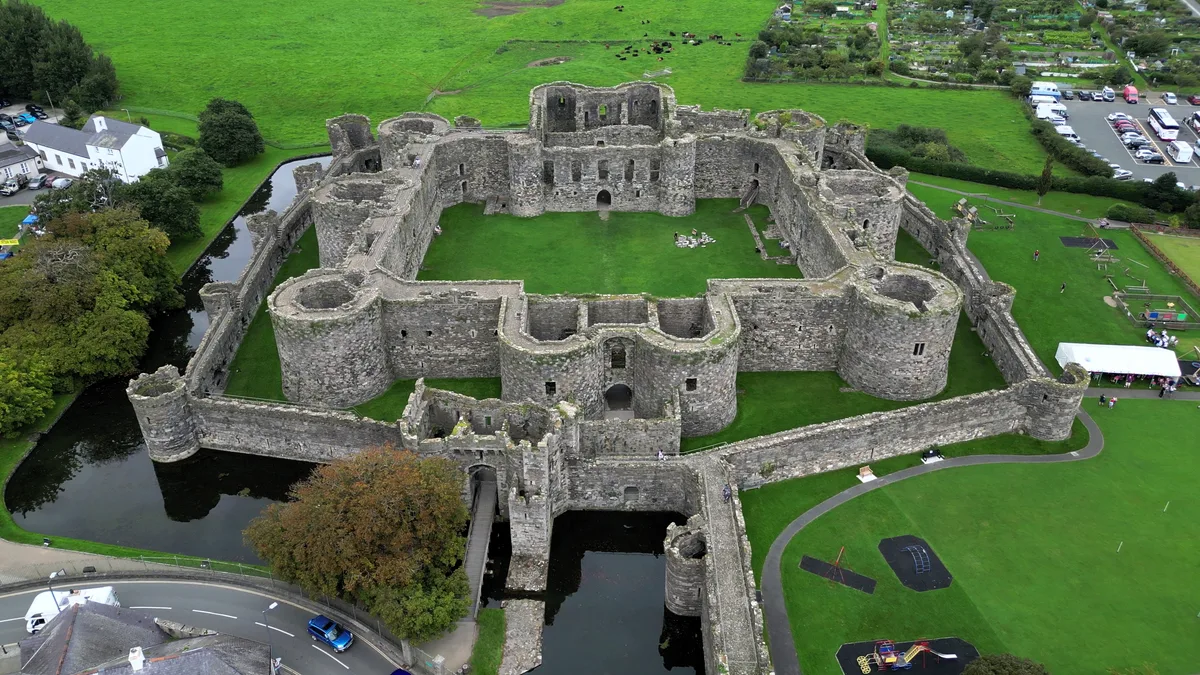 📷 5
📷 5Castles · North Wales
Beaumaris Castle
Beaumaris Castle — castle in Beaumaris, Anglesey, Wales.
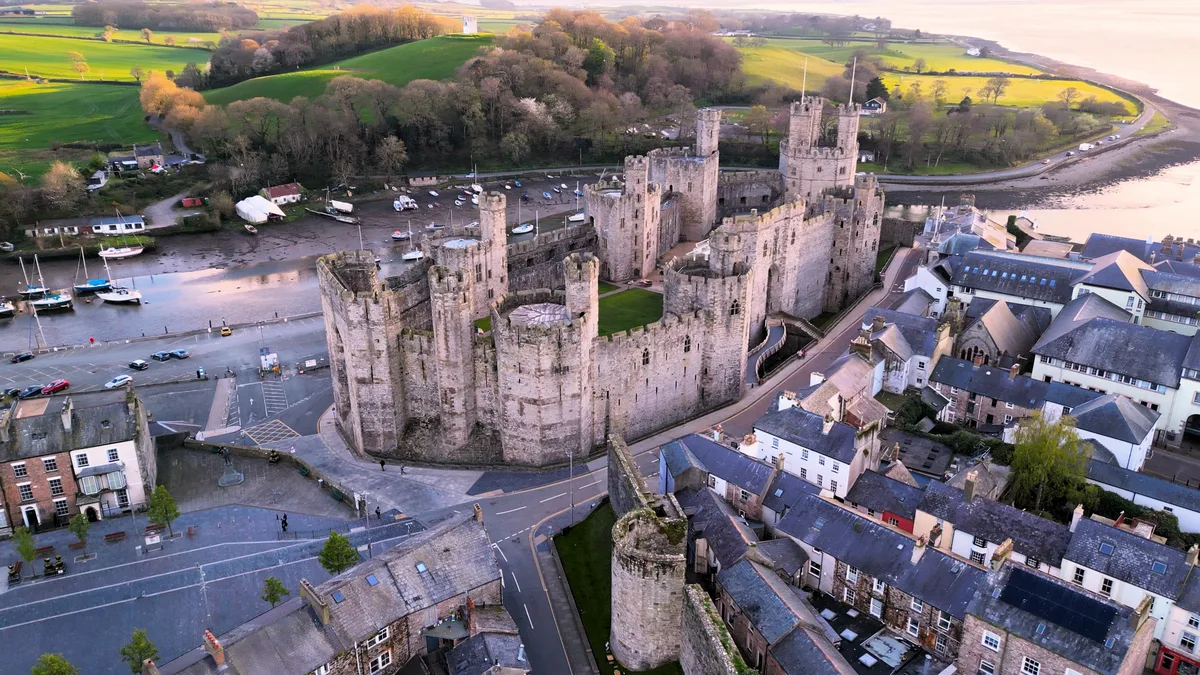 📷 3
📷 3Castles · North Wales
Caernarfon Castle
Caernarfon Castle — castle in Caernarfon, North Wales.
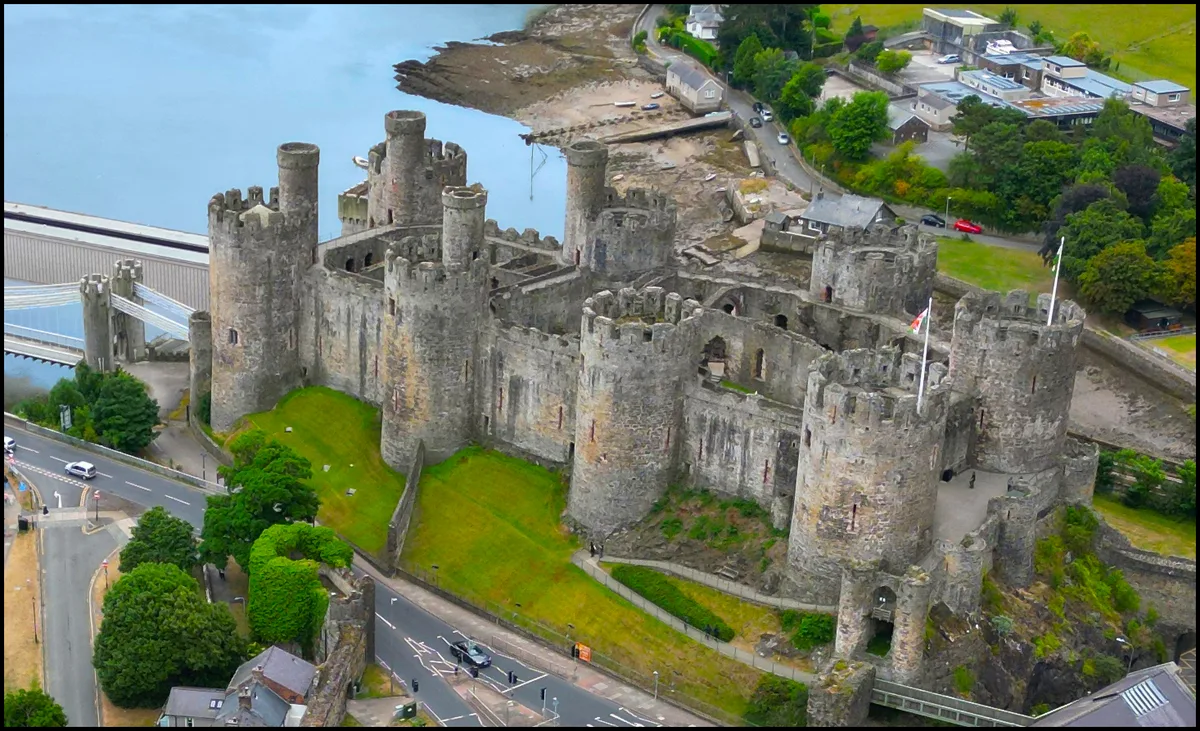 📷 5
📷 5Castles · North Wales
Conwy Castle
Conwy Castle — castle in Conwy, North Wales.
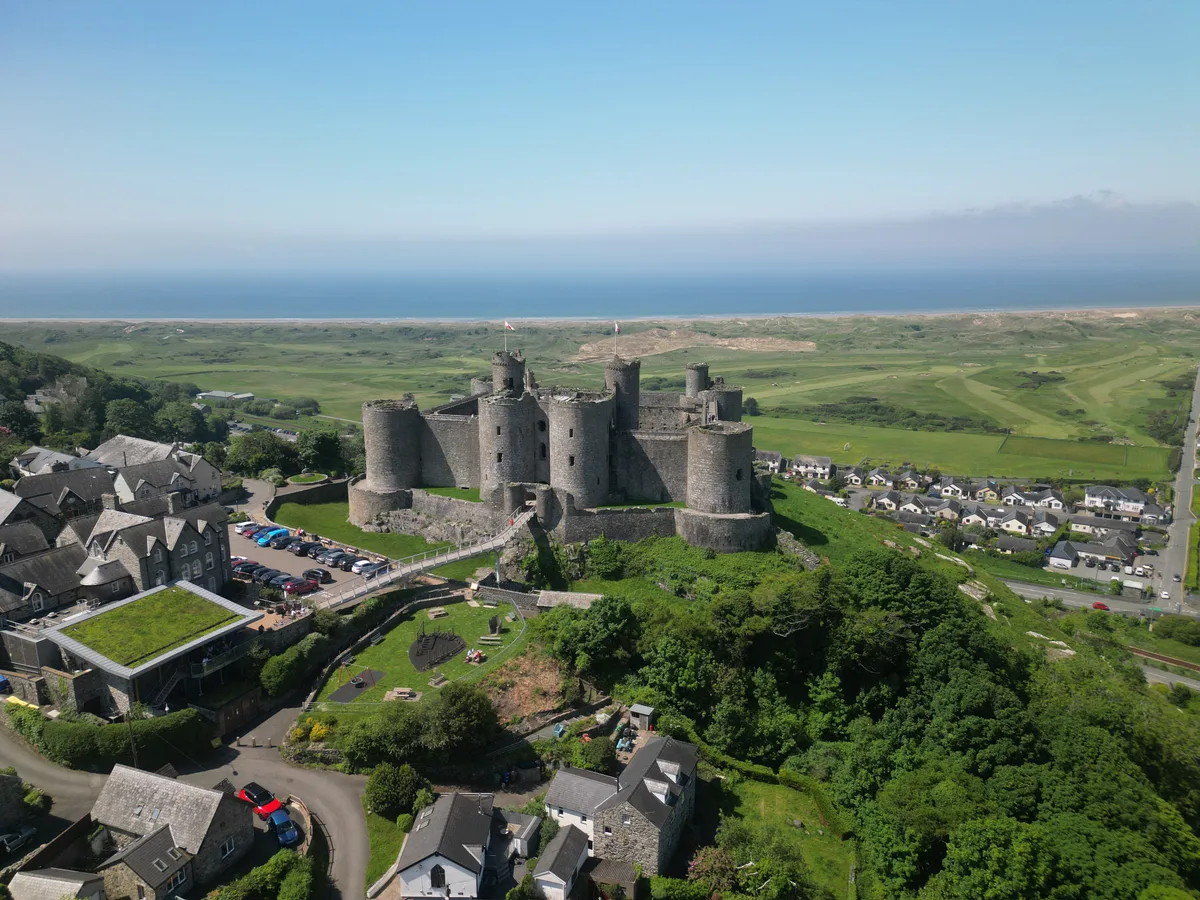 📷 4
📷 4Castles · North Wales
Harlech Castle
Harlech Castle — castle in Harlech, Gwynedd, Wales.
More places run by Cadw
 📷 3
📷 3Historic churches · North Wales
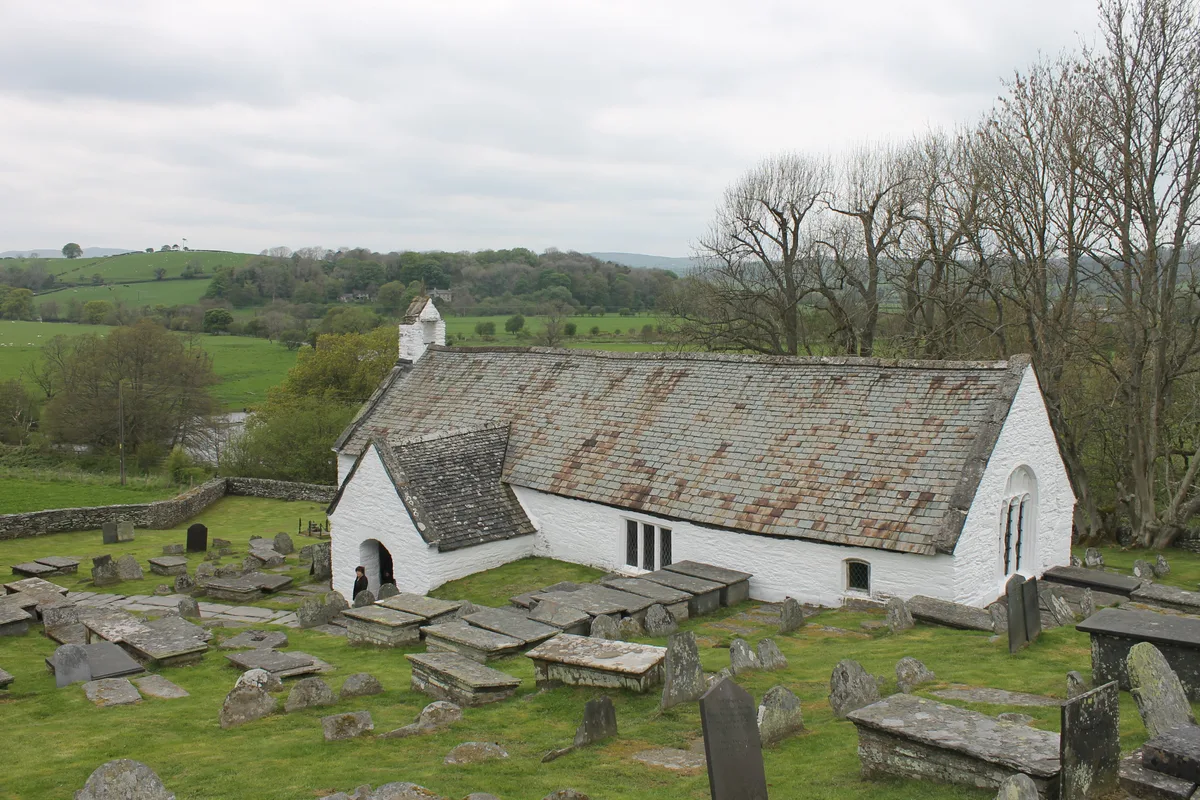
All Saints' Church, Llangar
All Saints' Church, Llangar — church in Llangar, Denbighshire, Wales, UK.
 📷 5
📷 5Hill forts · North Wales
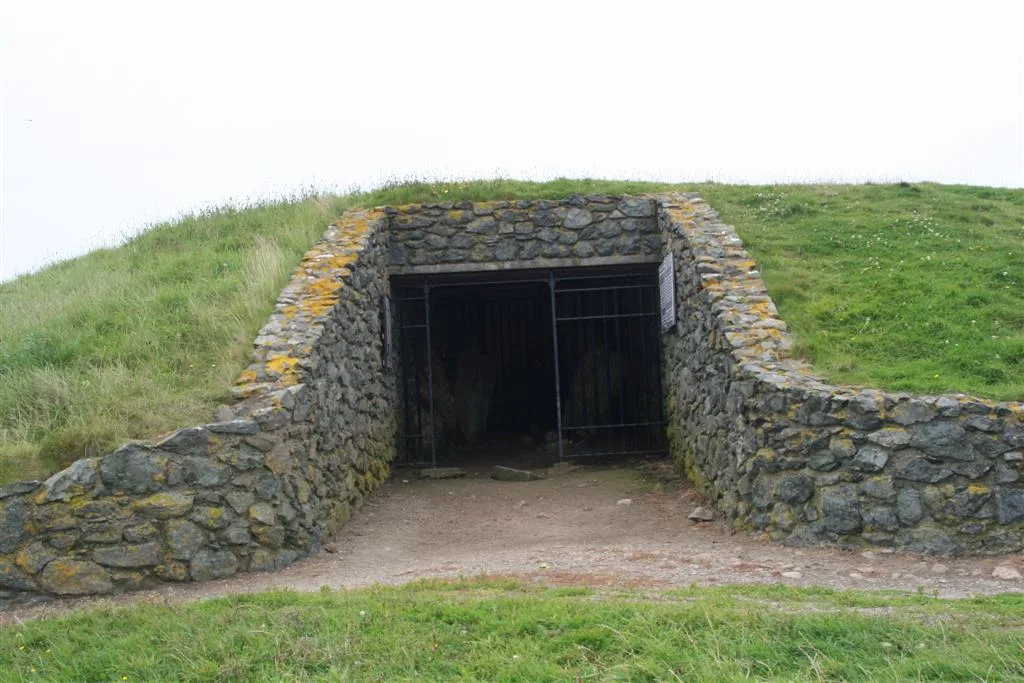
Barclodiad y Gawres
Barclodiad y Gawres — neolithic burial chamber in Anglesey, Wales, UK.
 📷 5
📷 5Abbeys & priories · North Wales
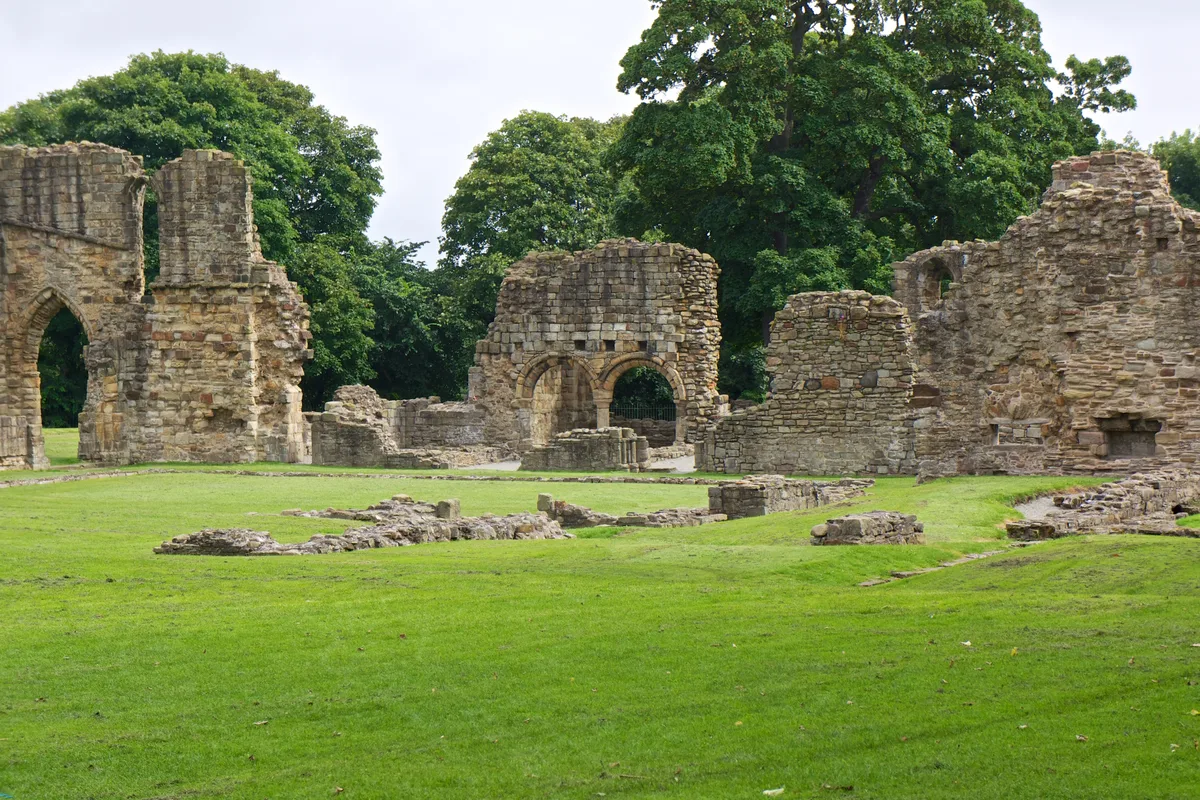
Basingwerk Abbey
Basingwerk Abbey — ruin of an abbey near Holywell, Flintshire, Wales.
 📷 3
📷 3Hill forts · North Wales
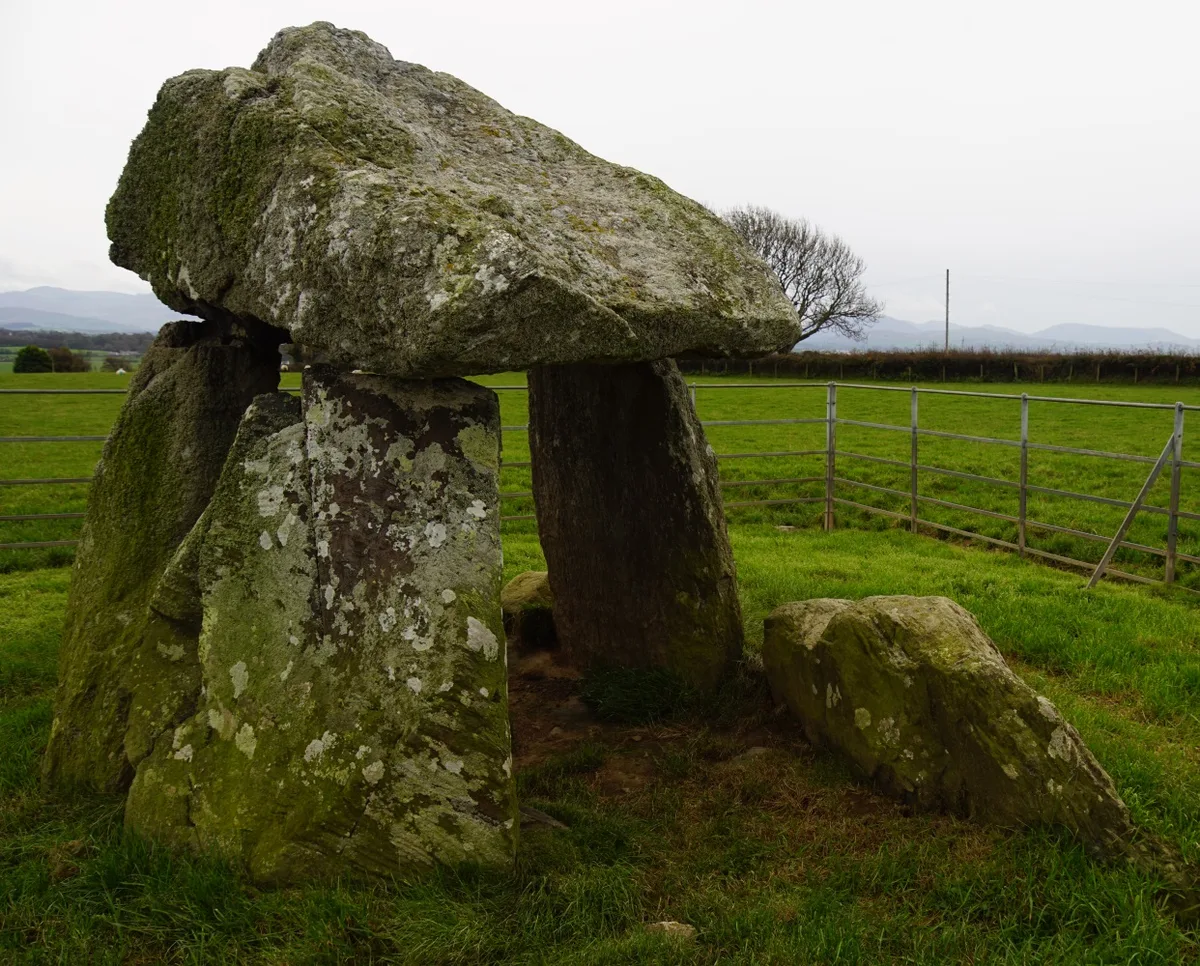
Bodowyr Burial Chamber
Bodowyr Burial Chamber — Neolithic burial chamber in Llanidan, Anglesey, Wales, UK.
Other castles from this era
 📷 5
📷 5Castles · South East England
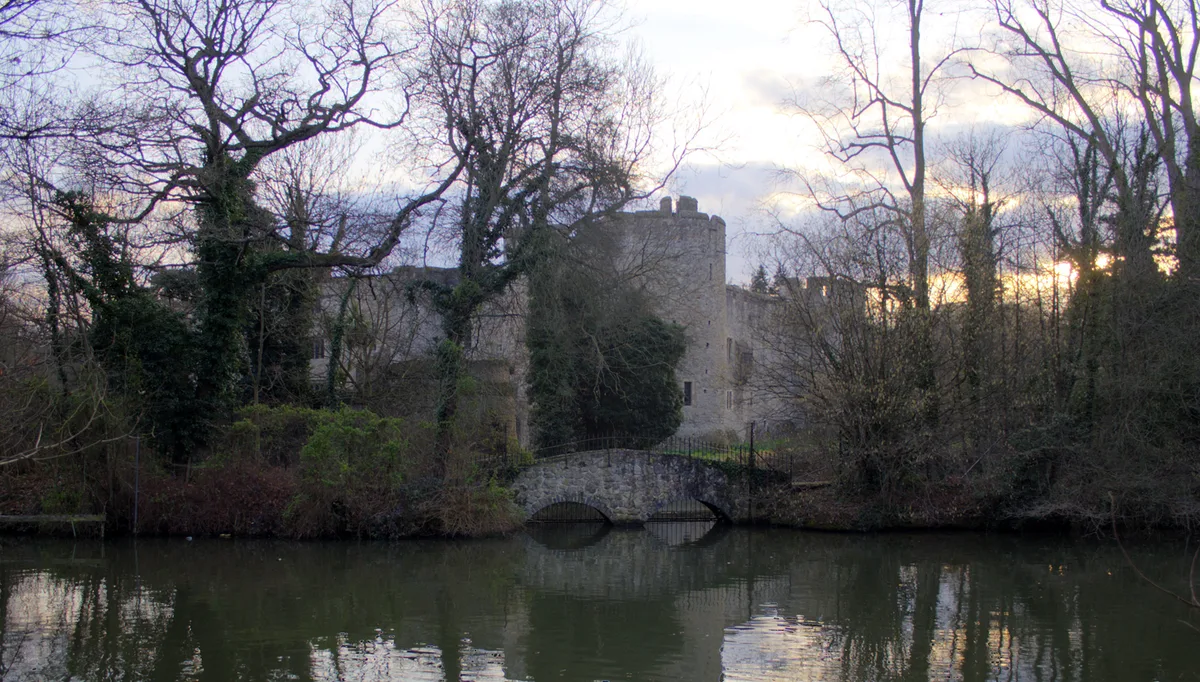
Allington Castle
Allington Castle — stone-built moated castle in Allington, England.
 📷 5
📷 5Castles · South East England
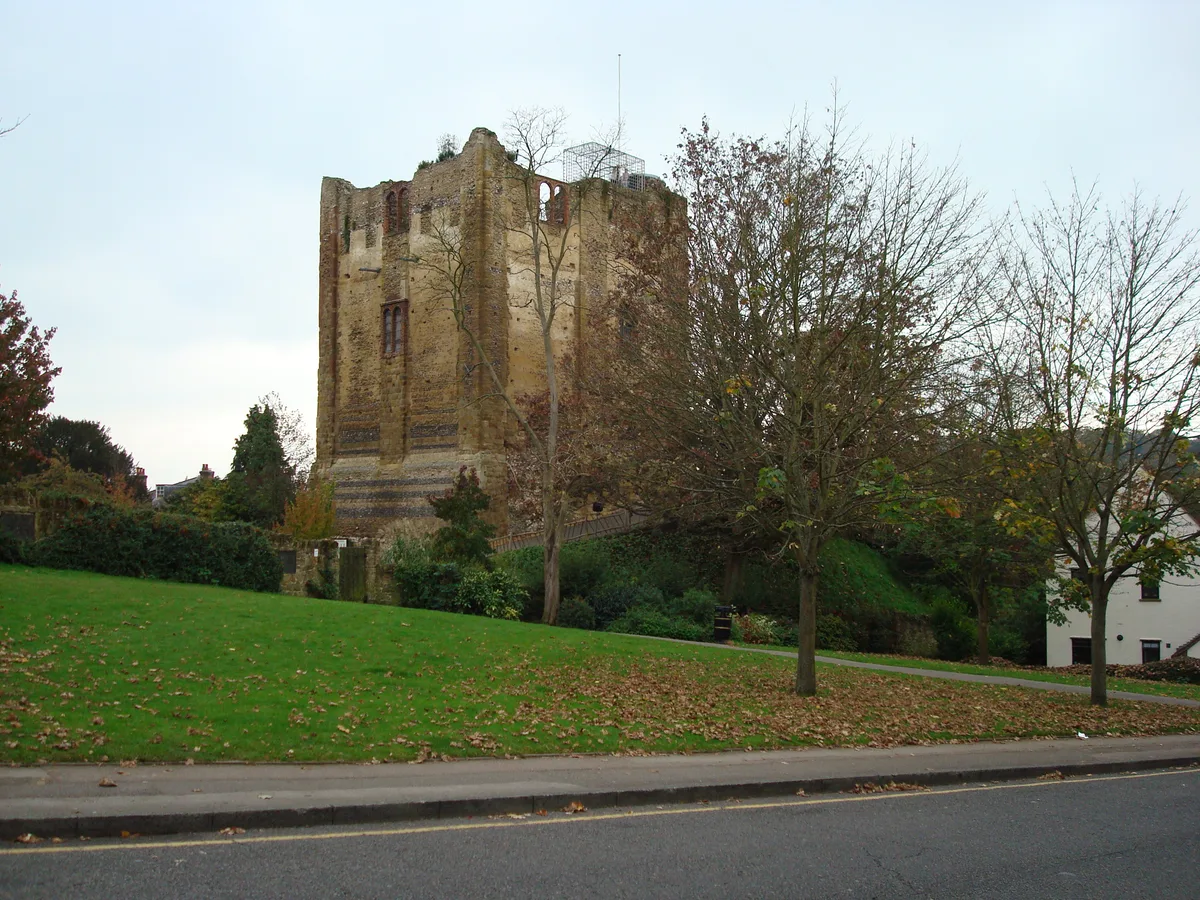
Guildford Castle
Guildford Castle — castle in Guildford, Surrey, England, UK.
 📷 5
📷 5Castles · South East England
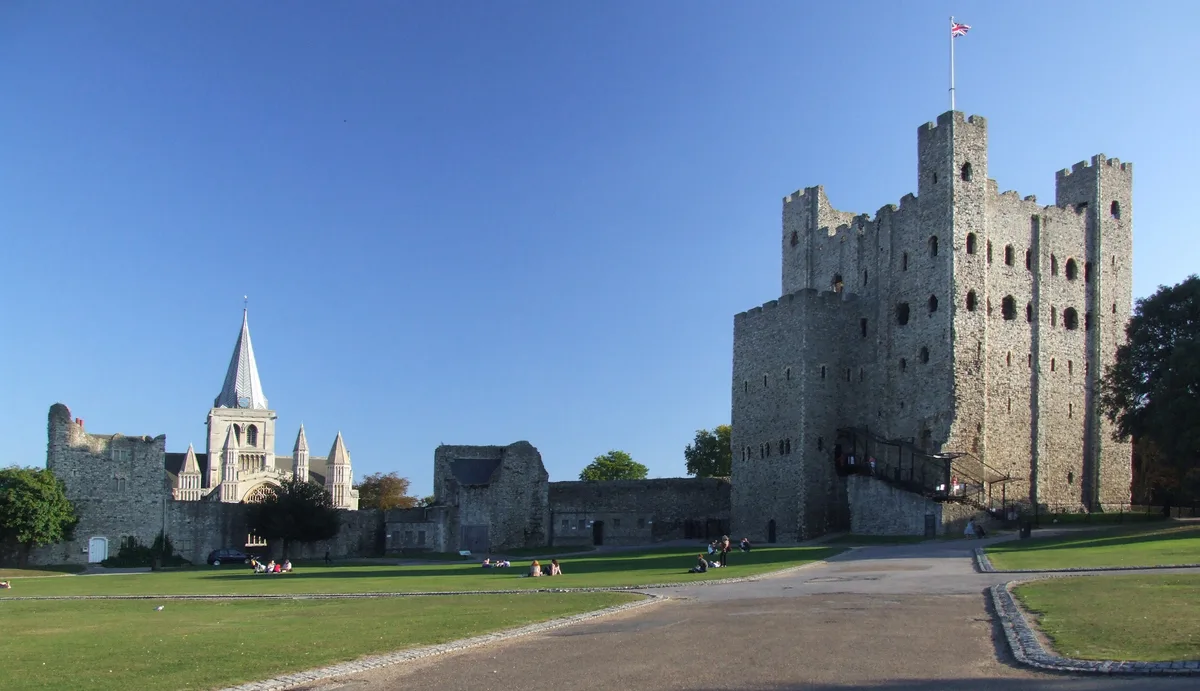
Rochester Castle
Rochester Castle — castle in Rochester, Kent, South East England.
 📷 5
📷 5Castles · South East England
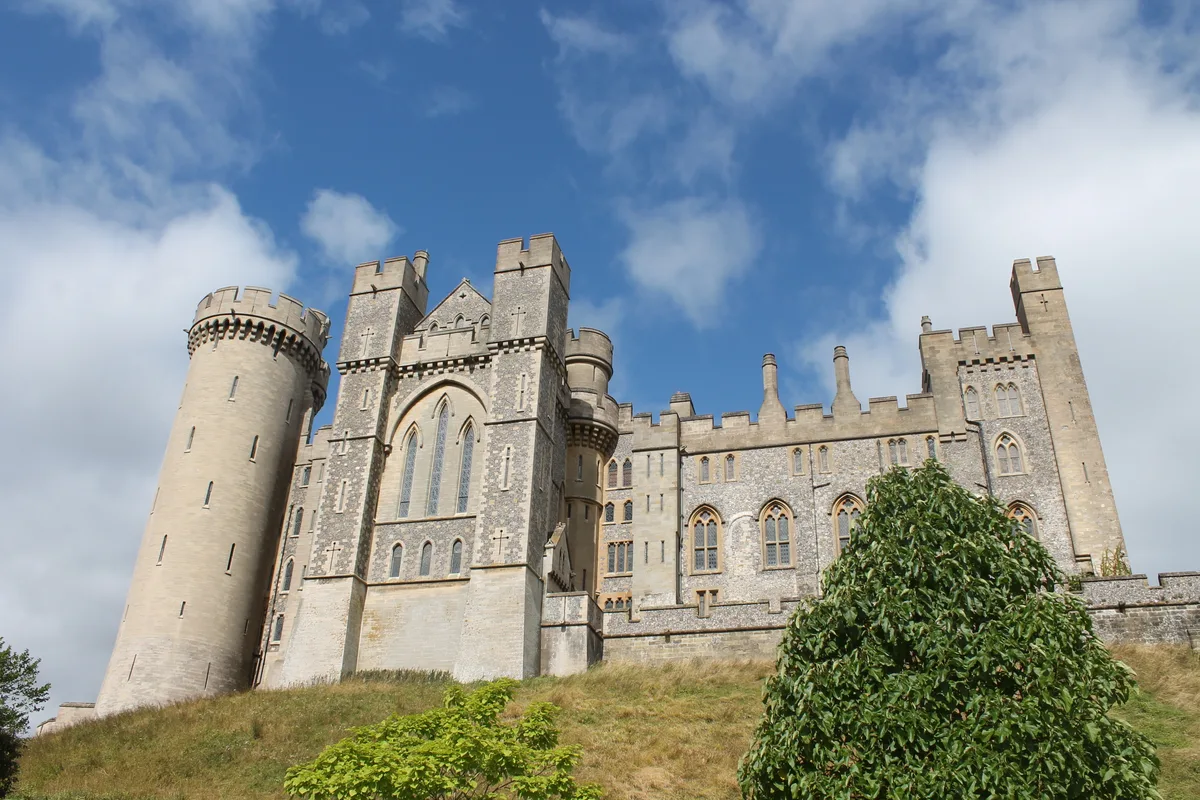
Arundel Castle
Arundel Castle — castle in West Sussex, England, UK.
More castles in this region
 📷 4
📷 4Castles · North Wales
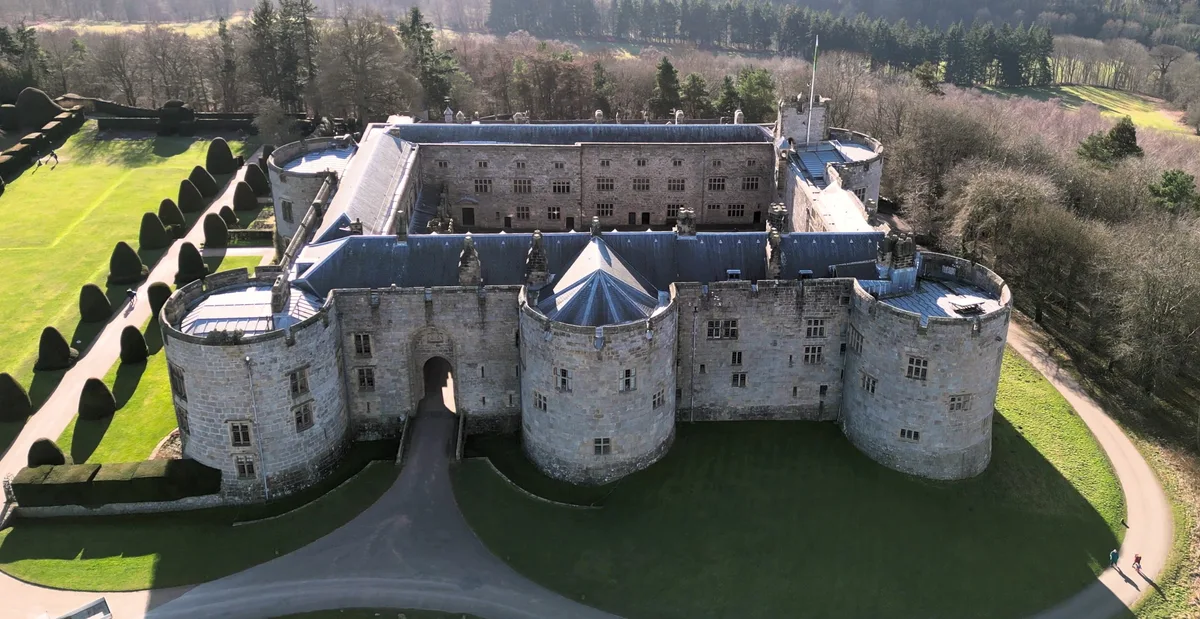
Chirk Castle
Chirk Castle — medieval fortress in Wrexham County Borough, Wales.
 📷 5
📷 5Castles · North Wales
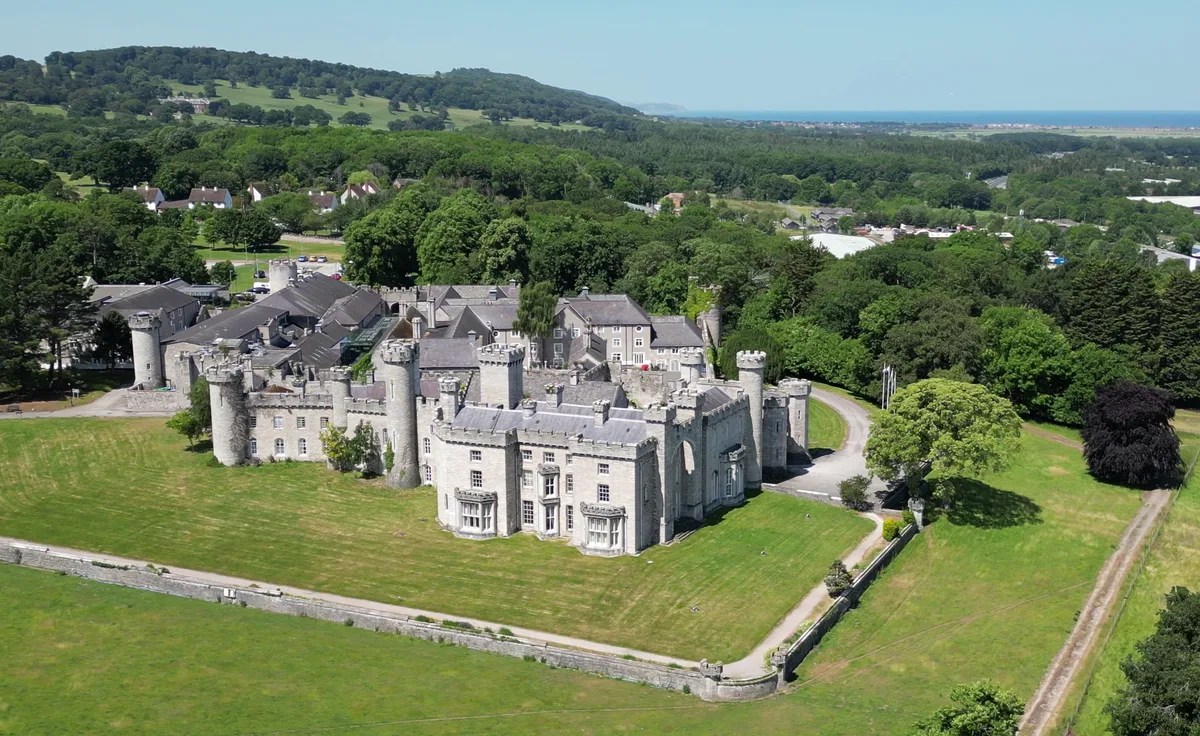
Bodelwyddan Castle
Bodelwyddan Castle — castle in Denbighshire, Wales.
 📷 5
📷 5Castles · North Wales
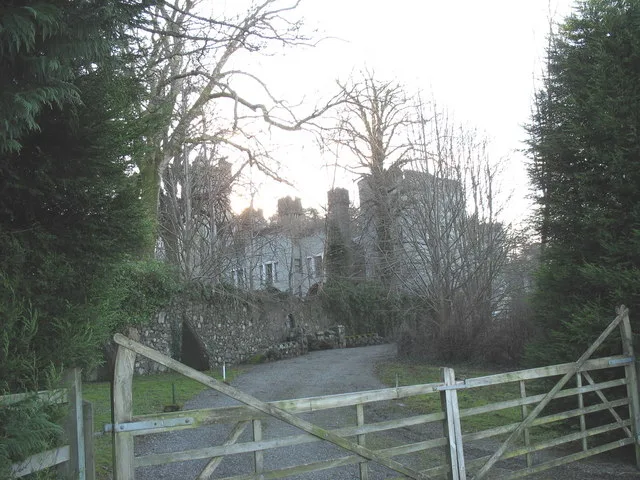
Bryn Bras Castle
Bryn Bras Castle — grade II* listed country house in Gwynedd, Wales.
 📷 5
📷 5Castles · North Wales
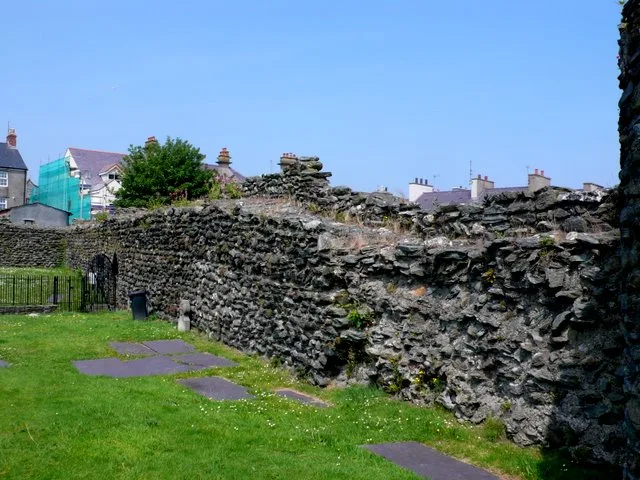
Caer Gybi
Caer Gybi — remains of a Roman fortlet in Holyhead, Anglesey, Wales, UK.
Frequently asked questions
- Where is Flint Castle?
- Flint Castle is in North Wales, United Kingdom (postcode CH6 5PE), in the parish of Flint.
- What is Flint Castle?
- Flint Castle — Grade I listed building in Flint. Castle.
- How do I get to Flint Castle?
- The nearest railway station is Flint, about 0.3 km away. The nearest town is Burton. Drivers can use postcode CH6 5PE.
- When was Flint Castle built?
- Built or established in 1277. Designed by James of Saint George.
- Who owns Flint Castle?
- Flint Castle is owned by Edward I of England and operated by Cadw.
- Is Flint Castle a listed building?
- Flint Castle is officially recognised as scheduled monument listed.
- Is Flint Castle a protected site?
- Yes — Flint Castle is part of the The Dee Estuary Ramsar wetland.
- Is Flint Castle free to visit?
- Yes, Flint Castle is free to enter.