
Hill forts · North Wales
St Hilary's Chapel
Also known as: Capel Sant Hilari, Dinbych
In or near St Asaph.
St Hilary's Chapel — ruined church in Denbigh, Wales, UK.

Wikimedia Commons contributors — see linked file page for photographer and licence licence
.jpg)
Plan your visit
- Typical visit
- 1 h–2 h
- Free entry
- Family-friendly
- Dog-friendly
- Limited wheelchair access
About
St Hilary's Chapel is a hill fort in the United Kingdom. Records date its origin to 1334. Heritage designation: scheduled monument. Owned by Cadw. Managed by Cadw. Wikidata describes it as: "ruined church in Denbigh, Wales, UK". Coordinates: 53.1818°, -3.4198°.
Photo gallery
Heritage listing
St Hilary's Chapel (also St Hilary's Church) is a former church in Denbigh, Denbighshire, north Wales, of which only the tower remains. The town's garrison church, it lay to the north Denbigh Castle. It dates to c. 1290, when the borough town was built by Henry de Lacy, Earl of Lincoln; the earliest mention of it is in 1334. In the 1530s the antiquary John Leland described it as a "goodlye and large chappelle in the old towne... whither most of the new towne do yett cumme". On 28 September 1645, during the English Civil War, a service at the church was attended by Charles I, the Archbishop of York, Lord Keeper Williams and numerous other important officials.
From Cadw under OGL v3.
From Cadw
Simple town church that welcomed a celebrity congregationBuilt inside Denbigh’s town walls around the beginning of the 14th century, St Hilary’s Chapel was the town’s original place of worship and remained in use until the late 1800s. After being abandoned, the building fell into disrepair and now only the tower and a short section of the west wall remain.
Read more on the official property page.
From the Wikipedia article
St Hilary's Chapel (also St Hilary's Church) is a former church in Denbigh, Denbighshire, north Wales, of which only the tower remains. The town's garrison church, it lay to the north Denbigh Castle. It dates to c. 1290, when the borough town was built by Henry de Lacy, Earl of Lincoln; the earliest mention of it is in 1334. In the 1530s the antiquary John Leland described it as a "goodlye and large chappelle in the old towne... whither most of the new towne do yett cumme". On 28 September 1645, during the English Civil War, a service at the church was attended by Charles I, the Archbishop of York, Lord Keeper Williams and numerous other important officials. The limestone rubble church with red and brown and green sandstone dressings was abandoned in 1874 when a church was erected at St Mary's Church, Lenten Pool. In 1923 the church was largely demolished, leaving just the tower of roughly 14 metres (46 ft). The tower became a Grade I listed building on 24 October 1950.
Excerpt from Wikipedia under CC BY-SA 4.0. See the source article linked in Sources below.
- Coordinates
- 53.1818, -3.4198
- District
- Denbighshire
- Parish
- Denbigh
- Postcode
- LL16 3NB
- Parliamentary constituency
- Clwyd North
- Established
- 1334
- Opening
- Open all year — can be viewed externally during reasonable daylight hours
- Official site
- cadw.gov.wales
Sources
- wikidata: Q268127 (CC0)
- wikipedia: St Hilary's Chapel (CC BY-SA 4.0)
- commons: Tower of St Hilary's Church, Denbigh (8199394743).jpg (CC BY-SA 4.0)
Other places nearby

Leicester's Church
Historic houses · 0.1 km
Eglwys Iarll Leicester
Historic houses · 0.1 km

Eglwys Iarll Leicester
Archaeological sites · 0.1 km
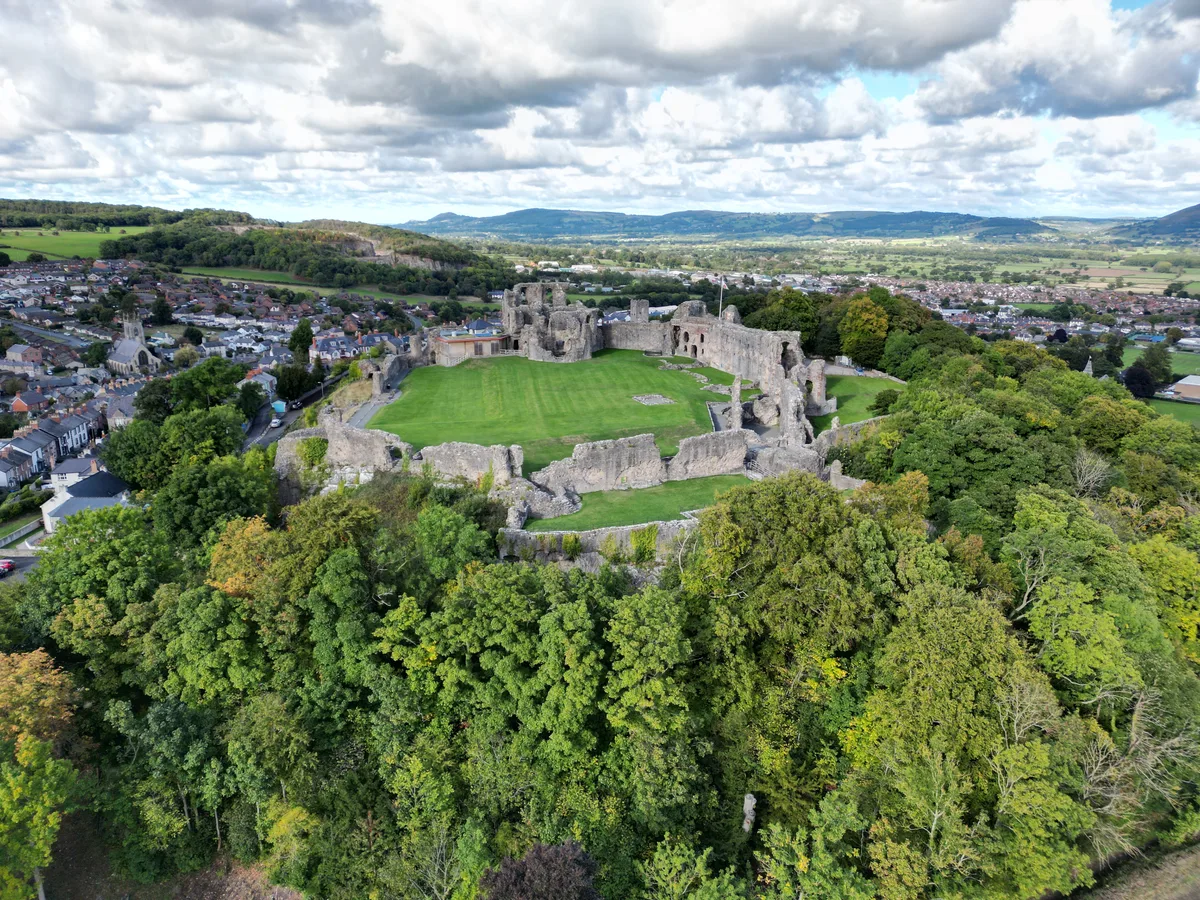
Denbigh Castle
Castles · 0.2 km

Wedgwood Cinema
Theatres · 0.2 km

Denbigh Castle Cave
Caves · 0.2 km

Henry Morton Stanley
Memorials & monuments · 0.2 km
Denbigh War Memorial
Memorials & monuments · 0.2 km

Denbigh Old Castle, Crown Hotel Mount
Literary houses · 0.2 km

Wireless in Wales
Museums · 0.2 km

Denbigh Mosque
Historic churches · 0.2 km
.jpg?width=1200)
Thomas Gee's house
Historic houses · 0.3 km
Nearby
📷 3Historic houses · North Wales
Leicester's Church
Leicester's Church — a historic house in wales-north, United Kingdom.
📷 3Historic houses · North Wales
Eglwys Iarll Leicester
Eglwys Iarll Leicester — a historic house in wales-north, United Kingdom.
📷 5Archaeological sites · North Wales
Eglwys Iarll Leicester
Eglwys Iarll Leicester — archaeological in wales north. Operated by Cadw.
📷 3Castles · North Wales
Denbigh Castle
Denbigh Castle — Grade I listed building in Denbighshire. Castle in Denbigh.
📷 3Theatres · North Wales
Wedgwood Cinema
Wedgwood Cinema in Wales North, United Kingdom.
📷 5Where to eat & stay near St Hilary's Chapel
Places to stay
 📷 5
📷 5 📷 5
📷 5Caravan parks · North Wales
Henfryn Caravan Park
Henfryn Caravan Park — a caravan park in wales north.
 📷 5📷 5
Caravan parks · North Wales
Caer Mynydd Caravan Park
Caer Mynydd Caravan Park — a caravan park in wales north.
 📷 5
📷 5Caravan parks · North Wales
Station House Caravan Park
Station House Caravan Park — a caravan park in wales north.
 📷 5
📷 5Caravan parks · North Wales
Maes Elwy Caravan Park
Maes Elwy Caravan Park — a caravan park in wales north.
Places to eat & drink
 📷 5
📷 5 📷 5
📷 5 📷 5
📷 5Historic pubs · North Wales
Castle Hotel
Castle Hotel in Wales North, United Kingdom.
 📷 5
📷 5Historic pubs · North Wales
Ruthin Castle Hotel
Ruthin Castle Hotel in Wales North, United Kingdom.
 📷 5
📷 5 📷 5
📷 5Historic pubs · North Wales
Leyland Arms
Leyland Arms in Wales North, United Kingdom.
More places run by Cadw
 📷 5
📷 5Castles · North Wales
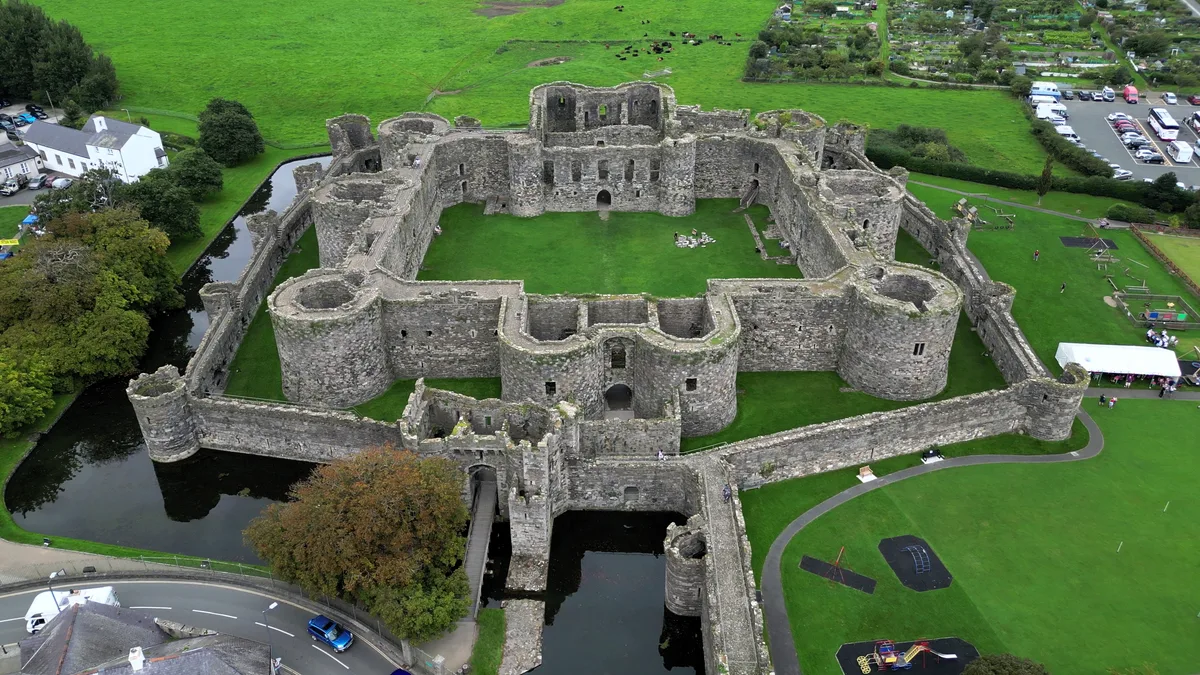
Beaumaris Castle
Beaumaris Castle — castle in Beaumaris, Anglesey, Wales.
 📷 3
📷 3Castles · North Wales
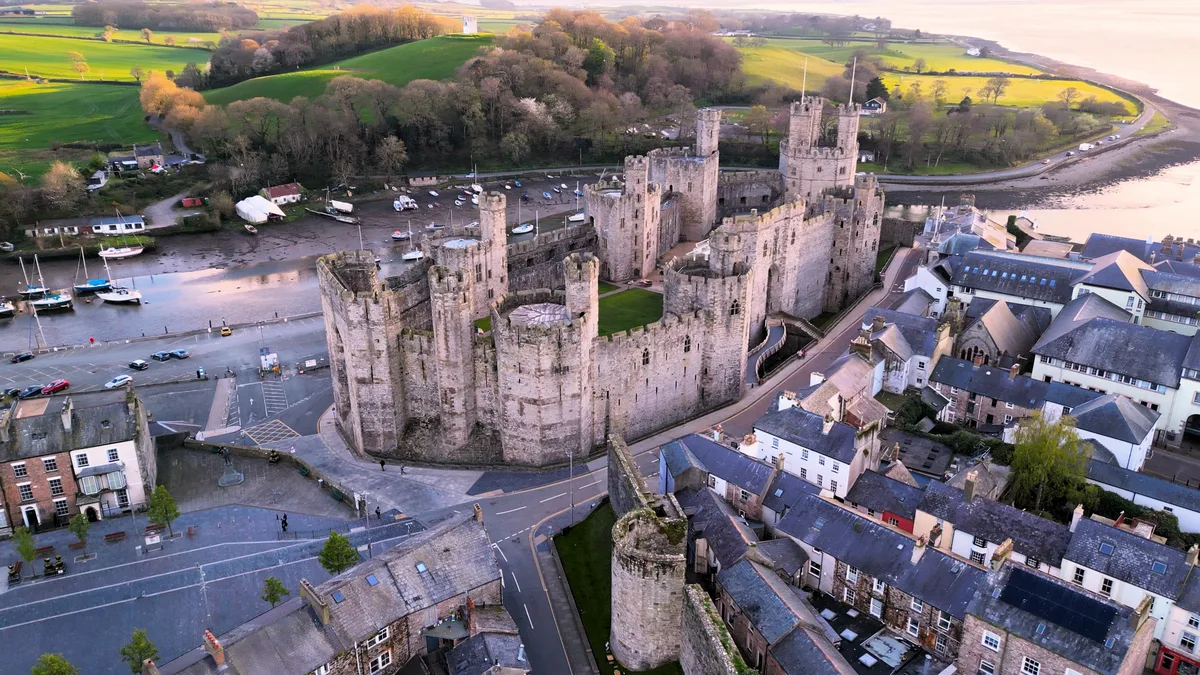
Caernarfon Castle
Caernarfon Castle — castle in Caernarfon, North Wales.
 📷 5
📷 5Castles · North Wales
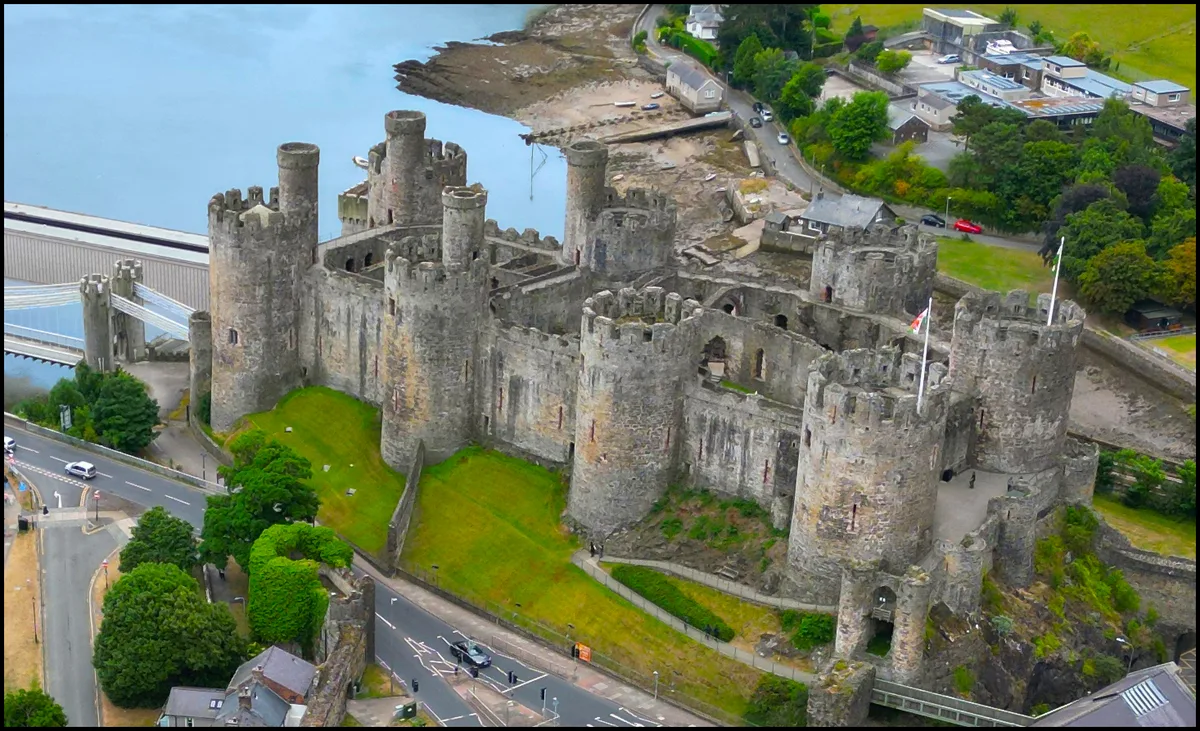
Conwy Castle
Conwy Castle — castle in Conwy, North Wales.
 📷 4
📷 4Castles · North Wales
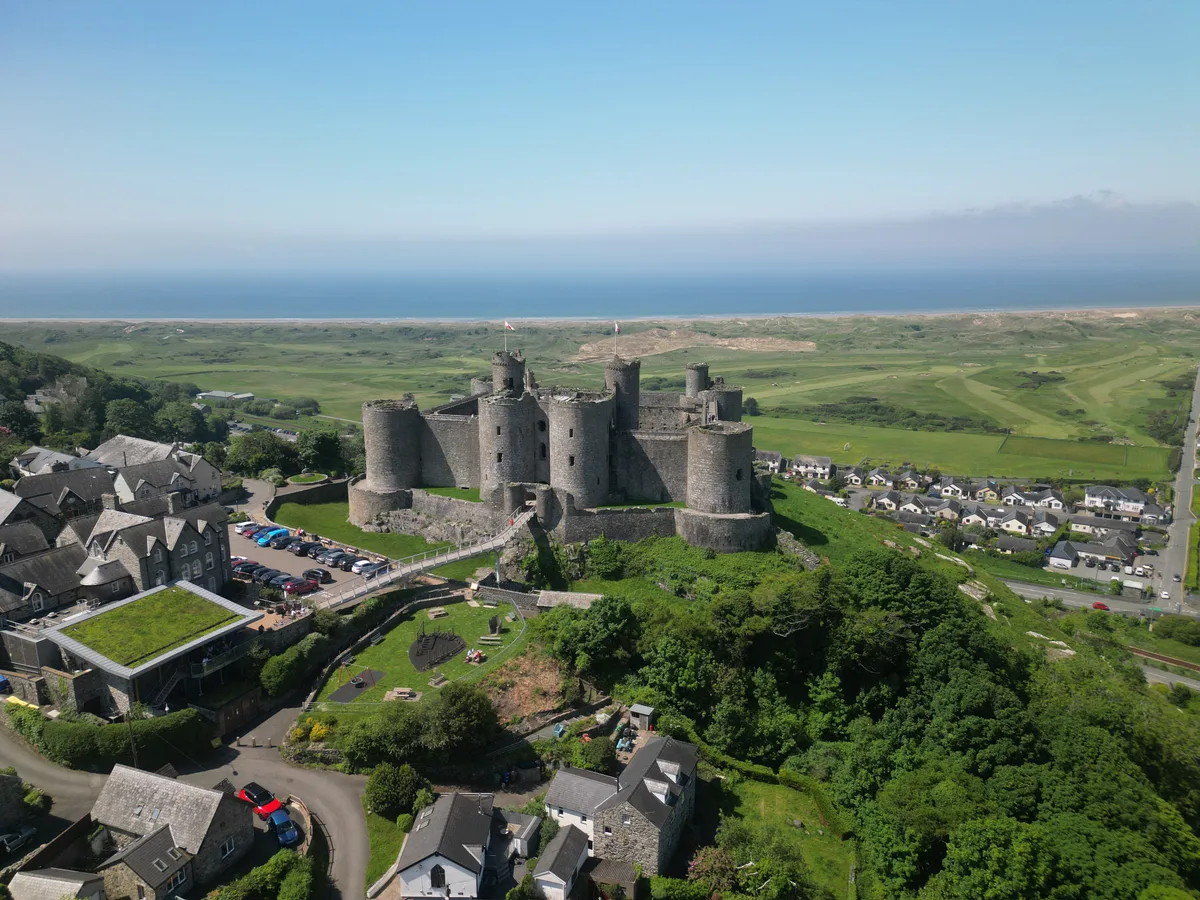
Harlech Castle
Harlech Castle — castle in Harlech, Gwynedd, Wales.
Other places from this era
 📷 5
📷 5Hill forts · South East England
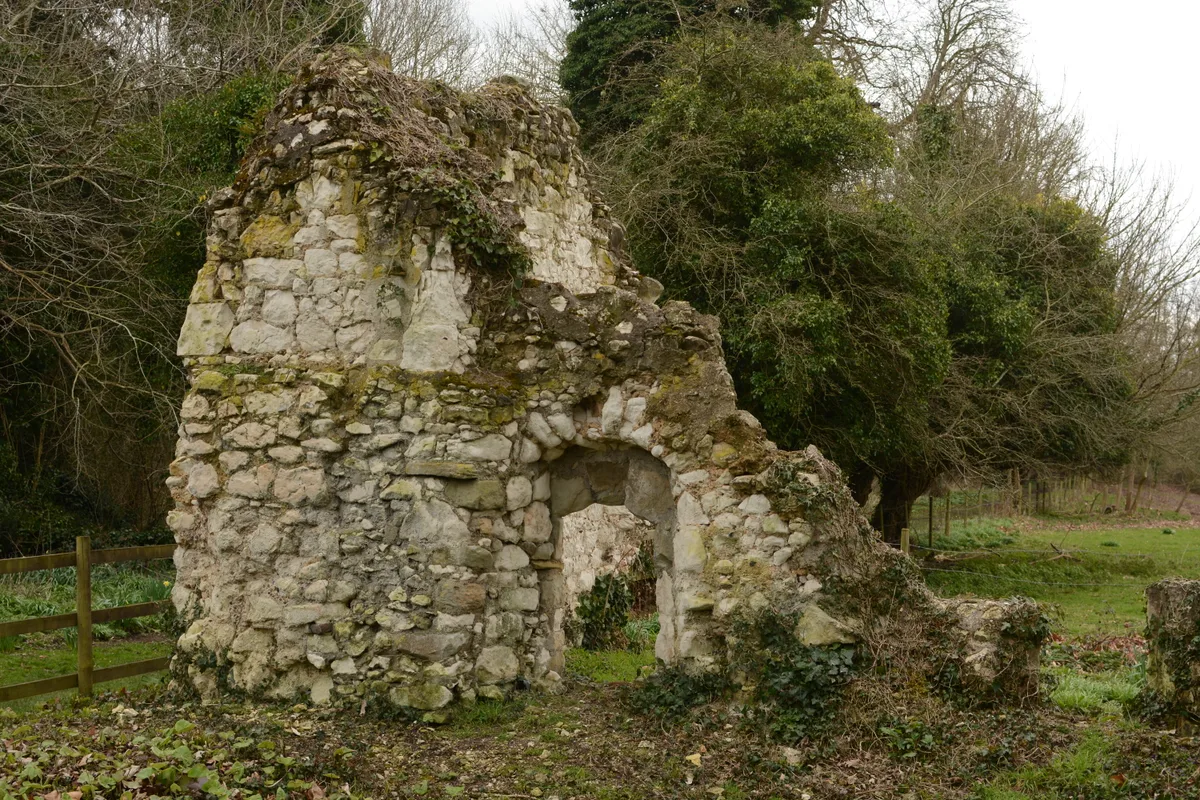
Ankerwycke Priory
Ankerwycke Priory — Benedictine nunnery with associated moat and fishponds.
 📷 5
📷 5Hill forts · South East England
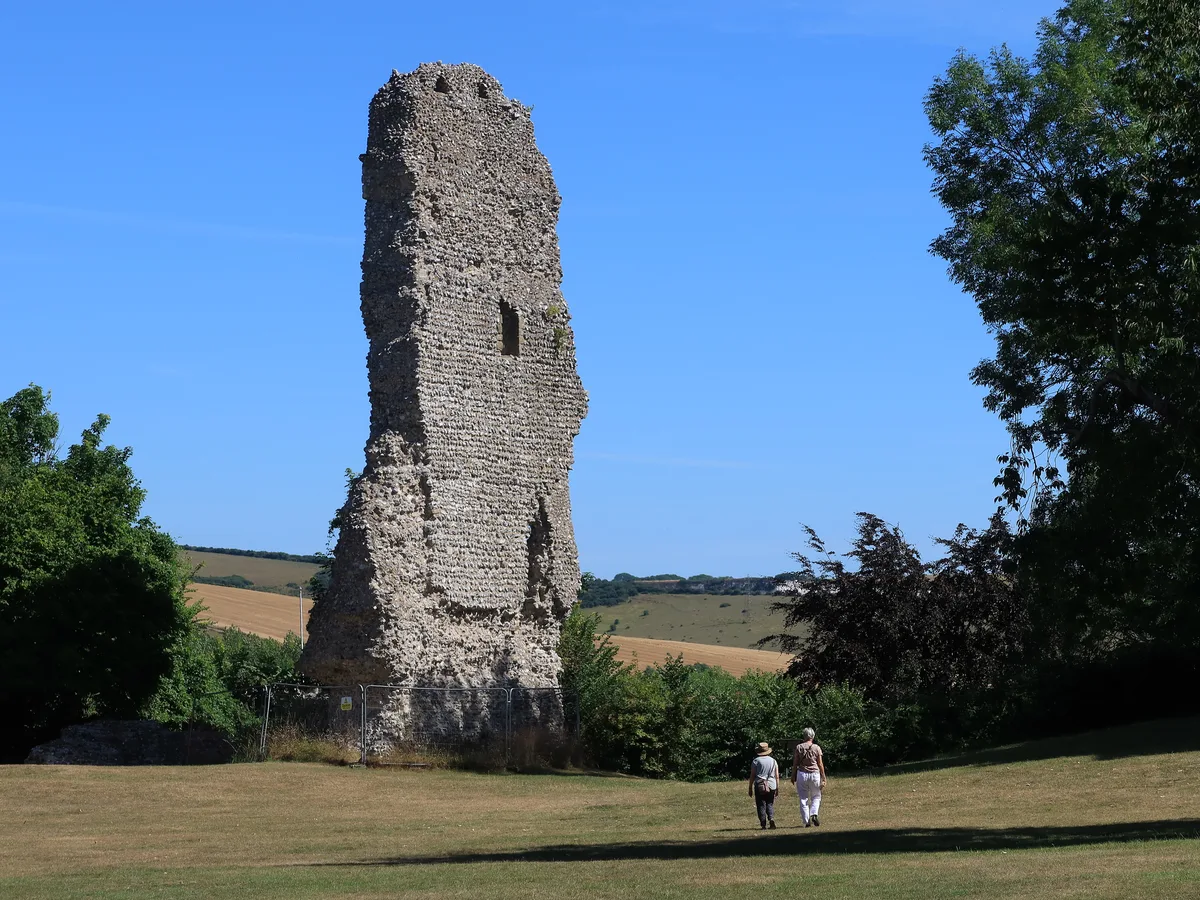
Bramber Castle
Bramber Castle — Norman castle in Bamber, West Sussex, England, UK.
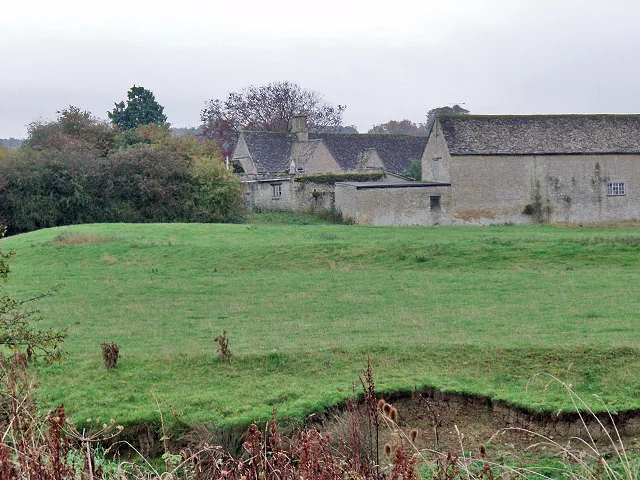 📷 3
📷 3Hill forts · South East England
Ascot d'Oilly Castle
Ascot d'Oilly Castle — castle in Oxfordshire, England, UK.
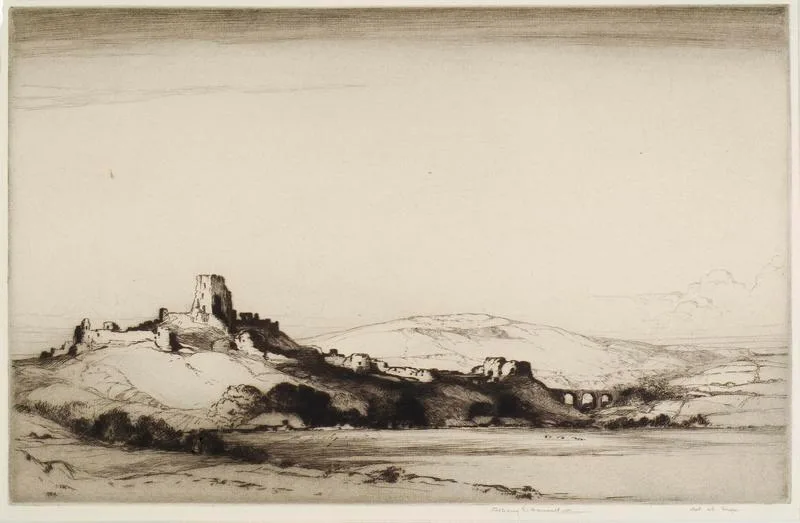 📷 5
📷 5Hill forts · South West England
Corfe Castle
Corfe Castle — fortification in Dorset, England, UK.
More places in this region
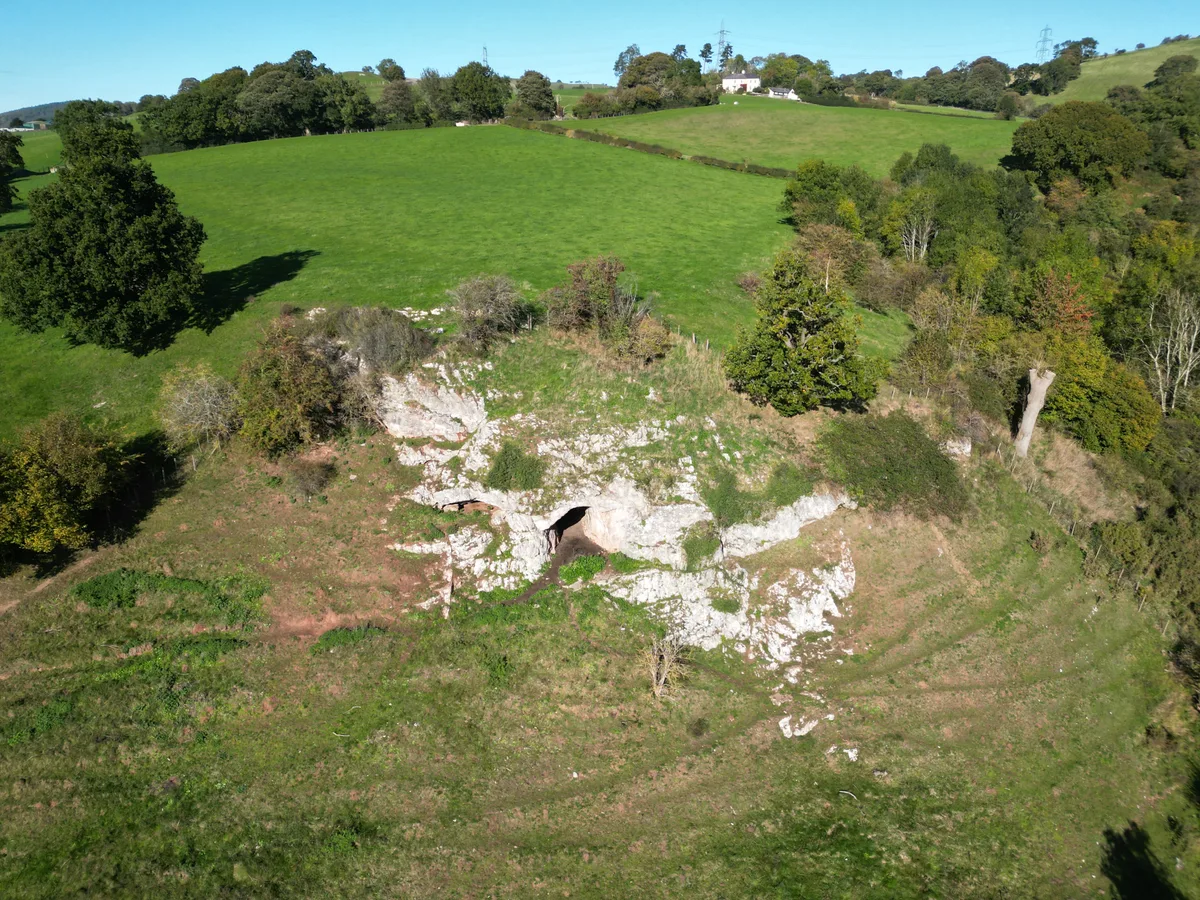 📷 3
📷 3Hill forts · North Wales
Ffynnon Beuno and Cae Gwyn Caves
Ffynnon Beuno and Cae Gwyn Caves — Site of Special Scientific Interest in Wales.
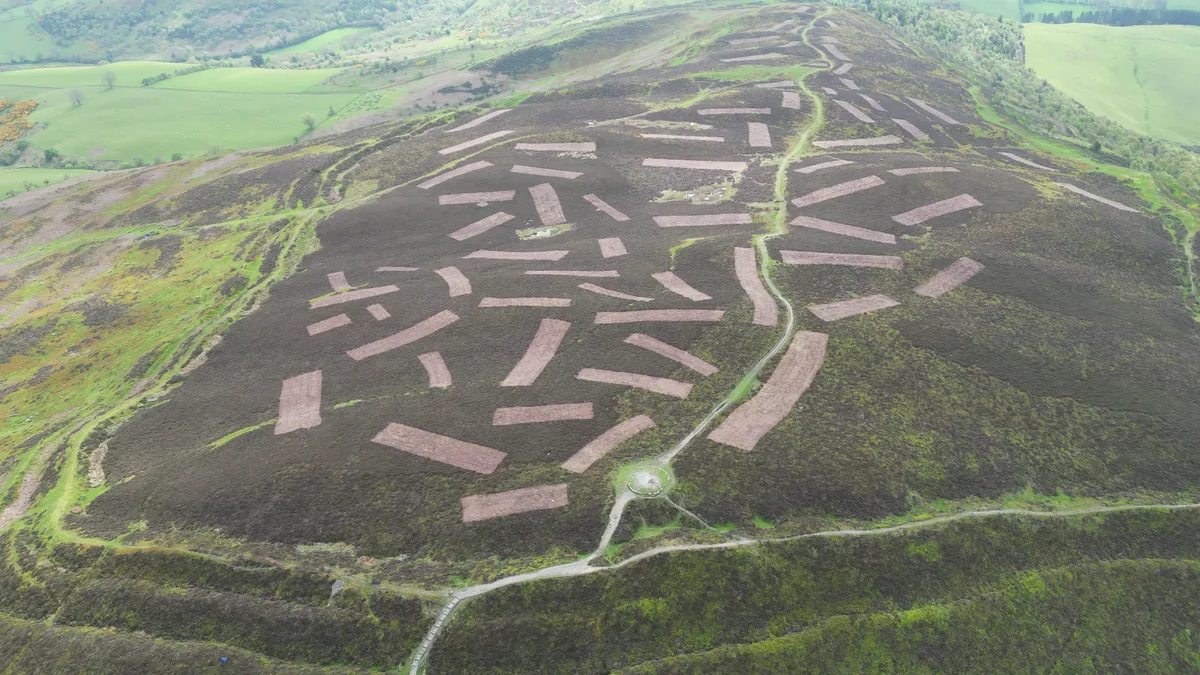 📷 5
📷 5Hill forts · North Wales
Penycloddiau
Penycloddiau — hillfort primarily located in Ysceifiog community, Flintshire.
 📷 5
📷 5Hill forts · North Wales
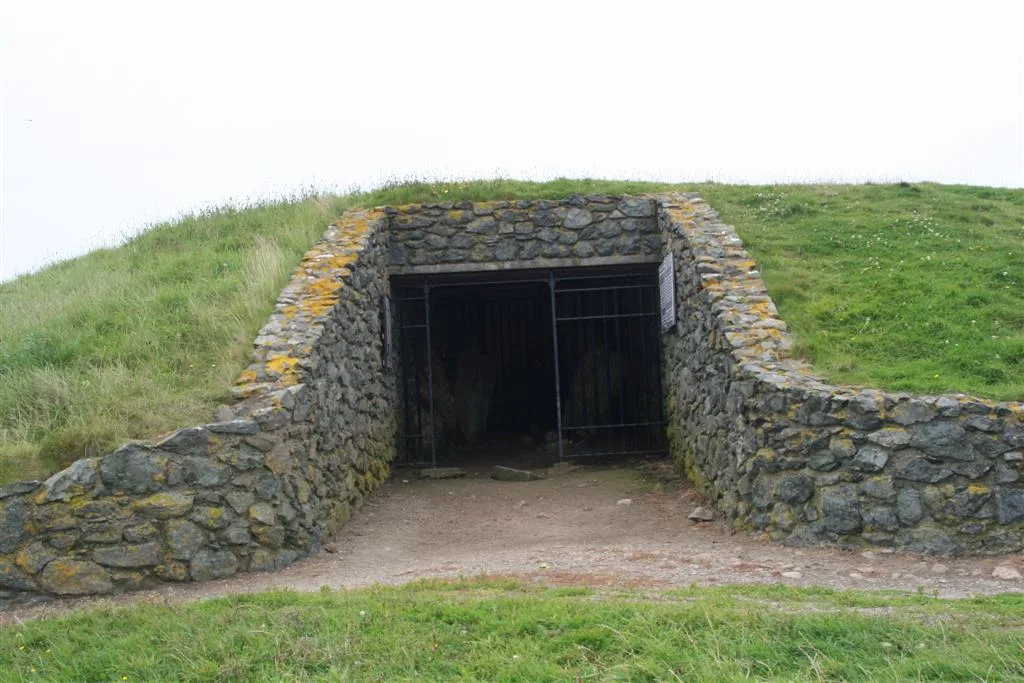
Barclodiad y Gawres
Barclodiad y Gawres — neolithic burial chamber in Anglesey, Wales, UK.
 📷 3
📷 3Hill forts · North Wales
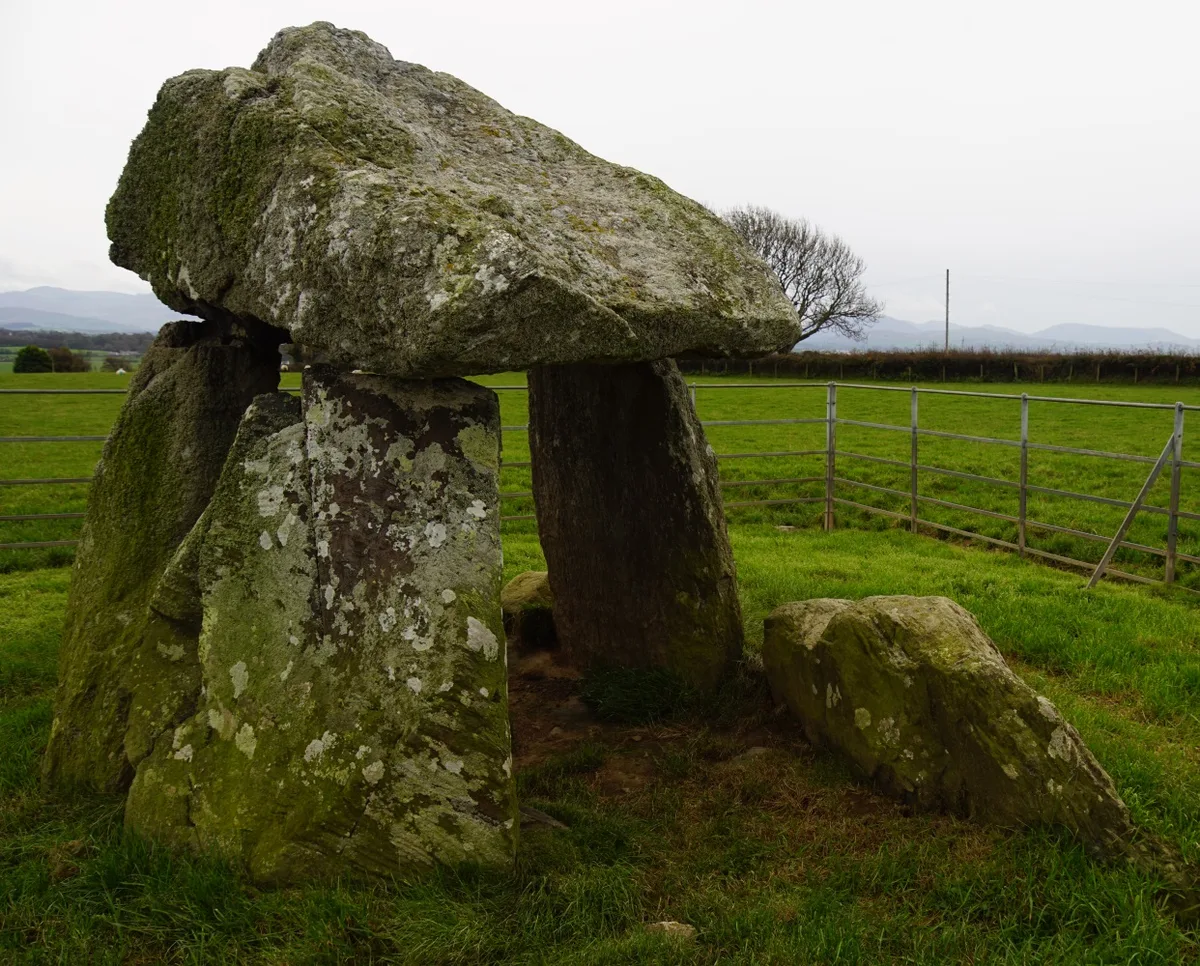
Bodowyr Burial Chamber
Bodowyr Burial Chamber — Neolithic burial chamber in Llanidan, Anglesey, Wales, UK.
Frequently asked questions
- Where is St Hilary's Chapel?
- St Hilary's Chapel is in North Wales, United Kingdom (postcode LL16 3NB), in the parish of Denbigh.
- What is St Hilary's Chapel?
- St Hilary's Chapel — ruined church in Denbigh, Wales, UK.
- How do I get to St Hilary's Chapel?
- The nearest town is St Asaph. Drivers can use postcode LL16 3NB.
- When was St Hilary's Chapel built?
- Built or established in 1334.
- Who runs St Hilary's Chapel?
- St Hilary's Chapel is operated by Cadw.
- Is St Hilary's Chapel a listed building?
- St Hilary's Chapel is officially recognised as scheduled monument listed.
- Is St Hilary's Chapel free to visit?
- Yes, St Hilary's Chapel is free to enter.
- How do I get to St Hilary's Chapel?
- Drivers can navigate to postcode LL16 3NB. It sits within the Clwyd North parliamentary constituency.