
Castles · North Wales
Denbigh Castle
Also known as: Castell Dinbych
In or near St Asaph.
Denbigh Castle — Grade I listed building in Denbighshire. Castle in Denbigh.

Wikimedia Commons contributors — see linked file page for photographer and licence licence
_-_Grade_1_listed_15.jpg)
Plan your visit
- Typical visit
- 1.5 h–3 h
- Paid entry
- Family-friendly
- Limited wheelchair access
Getting there & planning your visit
To visit Denbigh Castle, the postcode is LL16 3AE. Entry is paid, and wheelchair accessibility is limited.
About
Denbigh Castle is a castle in the United Kingdom — fortified architecture from the medieval, Tudor, or Victorian-revival period. Records date its origin to 1282. Heritage designation: scheduled monument. Owned by Cadw. Managed by Cadw. Wikidata describes it as: "Grade I listed building in Denbighshire. Castle in Denbigh". Coordinates: 53.1805°, -3.4207°.
Photo gallery
Heritage listing
Denbigh Castle and town walls ( DEN-bee; Welsh: Castell Dinbych a waliau tref [ˌkastɛɬ ˈdɪnbɨχ]) were built to control the lordship of Denbigh after the Conquest of Wales by Edward I of England in 1282. The lands were granted to Henry de Lacy, Earl of Lincoln, who began to build a new walled town, colonised by immigrants from England, protected by a substantial castle and surrounded by deer parks for hunting. The work had not been completed by 1294, when the Welsh temporarily seized the castle during the Madog ap Llywelyn revolt. The defences continued to be improved, although the castle was not completely finished by the time of Henry's death in 1311. The castle passed between various owners in the first half of the 14th century, before coming under the control of the Mortimer family.
From Cadw under OGL v3.
From Cadw
Mighty fortress evokes the drama of medieval warfareIt was once the royal residence of Dafydd ap Gruffudd, whose attack on nearby Hawarden Castle provoked the English king Edward I to mount a full-scale invasion. By 1282 Denbigh was the in hands of the king’s commander Henry de Lacy.He lost no time in building a huge stone fortress with extensive town walls on top of Dafydd’s stronghold. But the Welsh weren’t finished just yet. The half-complete castle was attacked and captured and, by the time they got it back, the English had changed the blueprint.
Read more on the official property page.
From the Wikipedia article
Denbigh Castle and town walls ( DEN-bee; Welsh: Castell Dinbych a waliau tref [ˌkastɛɬ ˈdɪnbɨχ]) were built to control the lordship of Denbigh after the Conquest of Wales by Edward I of England in 1282. The lands were granted to Henry de Lacy, Earl of Lincoln, who began to build a new walled town, colonised by immigrants from England, protected by a substantial castle and surrounded by deer parks for hunting. The work had not been completed by 1294, when the Welsh temporarily seized the castle during the Madog ap Llywelyn revolt. The defences continued to be improved, although the castle was not completely finished by the time of Henry's death in 1311. The castle passed between various owners in the first half of the 14th century, before coming under the control of the Mortimer family. Meanwhile, the walled town had proved impractical to live in, and a newer, much larger, settlement developed outside the defences. In 1400, the walled town was raided during the Glyndŵr Rising, although the castle itself remained secure throughout the rebellion. During the Wars of the Roses, Denbigh was attacked by Lancastrian forces; the walled town was attacked and burnt. In the aftermath, the old town was largely abandoned by its inhabitants, the walled area becoming an extension of the castle's defences. During the First English Civil War, Denbigh was held by the Royalists until it was captured by Parliamentarian forces in October 1646. The castle was seized by pro-Royalist soldiers in 1659, after which General George Monk ordered it to be slighted, with various parts of the walls and towers being demolished. The site deteriorated further over the years and the old walled town remained almost deserted. In the middle of the 19th century, the town created a committee to manage the ruins and carried out restoration work. The Office of Works assumed responsibility for the fortifications in 1914, with the site ultimately passing into the control of the Welsh Cadw heritage agency.…
Excerpt from Wikipedia under CC BY-SA 4.0. See the source article linked in Sources below.
- Coordinates
- 53.1805, -3.4207
- District
- Denbighshire
- Parish
- Denbigh
- Postcode
- LL16 3AE
- Parliamentary constituency
- Clwyd North
- Phone
- 01745813385
- Established
- 1282
- Opening
- 30th March - 1st November 10am-5pm; closed Tues-Wed, 2nd November - 29th March 10am-4pm; closed Mon-Thurs; last admission 30 minutes before closing; closed 24-26 Dec and 1 Jan
- Official site
- cadw.gov.wales
Sources
- wikidata: Q1186885 (CC0)
- wikipedia: Denbigh Castle and town walls (CC BY-SA 4.0)
- commons: Castell Dinbych, Dinbych, Sir Ddinbych (Denbigh Castle, Wales) - Grade 1 listed 15.jpg (CC BY-SA 4.0)
- fsq: 4bb7094a2ea19521d980ac2f (Apache-2.0)
Other places nearby

Wedgwood Cinema
Theatres · 0.1 km
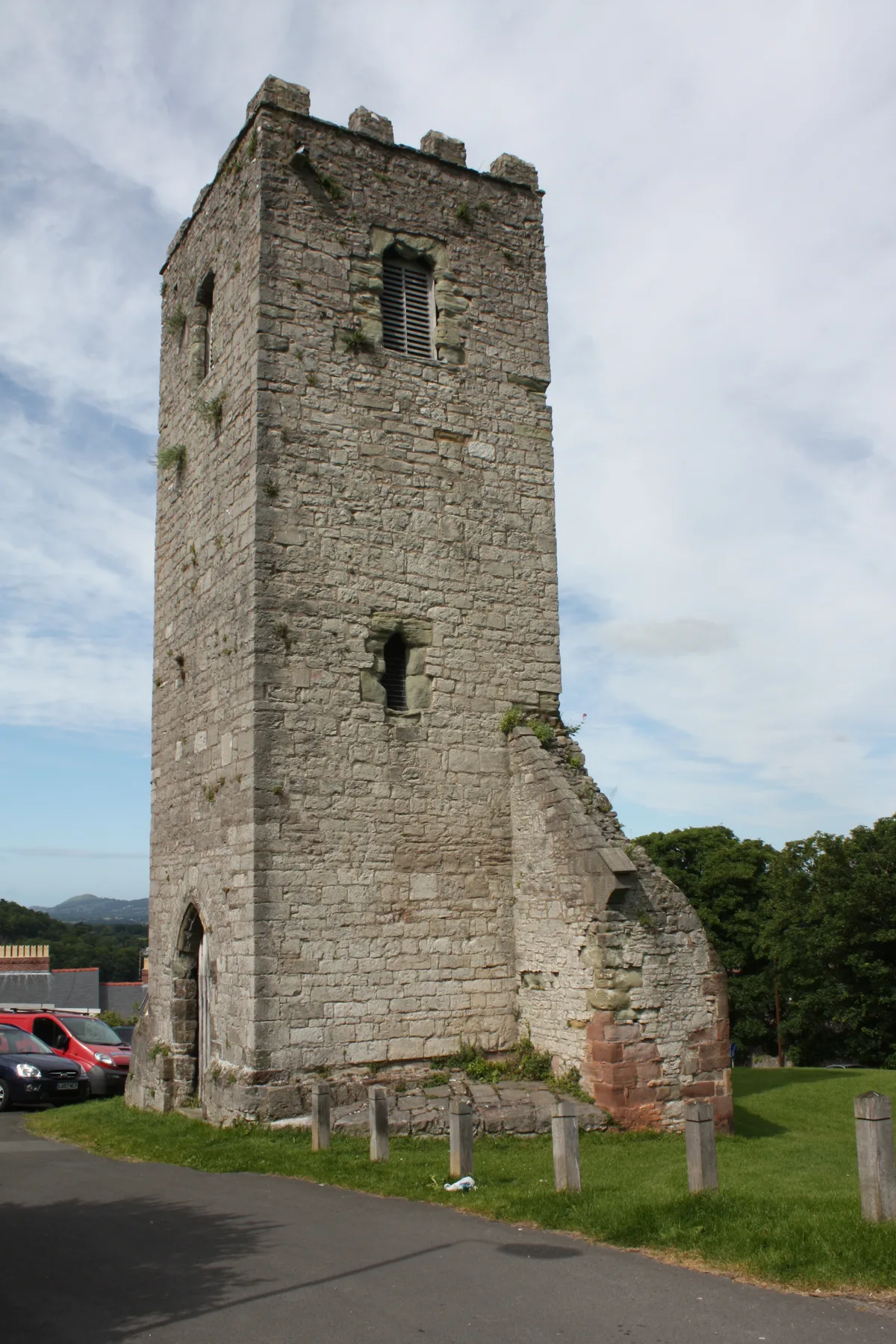
St Hilary's Chapel
Hill forts · 0.2 km

Eglwys Iarll Leicester
Historic houses · 0.2 km

Eglwys Iarll Leicester
Archaeological sites · 0.2 km
Leicester's Church
Historic houses · 0.2 km

Denbigh Castle Cave
Caves · 0.3 km

Wireless in Wales
Museums · 0.3 km

Denbigh Old Castle, Crown Hotel Mount
Literary houses · 0.3 km

Henry Morton Stanley
Memorials & monuments · 0.4 km
Denbigh War Memorial
Memorials & monuments · 0.4 km

Denbigh Mosque
Historic churches · 0.4 km
.jpg?width=1200)
Thomas Gee's house
Historic houses · 0.4 km
Nearby
📷 3Theatres · North Wales
Wedgwood Cinema
Wedgwood Cinema in Wales North, United Kingdom.
📷 3Hill forts · North Wales
St Hilary's Chapel
St Hilary's Chapel — ruined church in Denbigh, Wales, UK.
📷 3Historic houses · North Wales
Eglwys Iarll Leicester
Eglwys Iarll Leicester — a historic house in wales-north, United Kingdom.
📷 5Archaeological sites · North Wales
Eglwys Iarll Leicester
Eglwys Iarll Leicester — archaeological in wales north. Operated by Cadw.
📷 3Historic houses · North Wales
Leicester's Church
Leicester's Church — a historic house in wales-north, United Kingdom.
📷 5Where to eat & stay near Denbigh Castle
Places to stay
 📷 5
📷 5 📷 5
📷 5Caravan parks · North Wales
Henfryn Caravan Park
Henfryn Caravan Park — a caravan park in wales north.
 📷 5📷 5
Caravan parks · North Wales
Caer Mynydd Caravan Park
Caer Mynydd Caravan Park — a caravan park in wales north.
 📷 5
📷 5Caravan parks · North Wales
Station House Caravan Park
Station House Caravan Park — a caravan park in wales north.
 📷 5
📷 5Caravan parks · North Wales
Maes Elwy Caravan Park
Maes Elwy Caravan Park — a caravan park in wales north.
Places to eat & drink
 📷 5
📷 5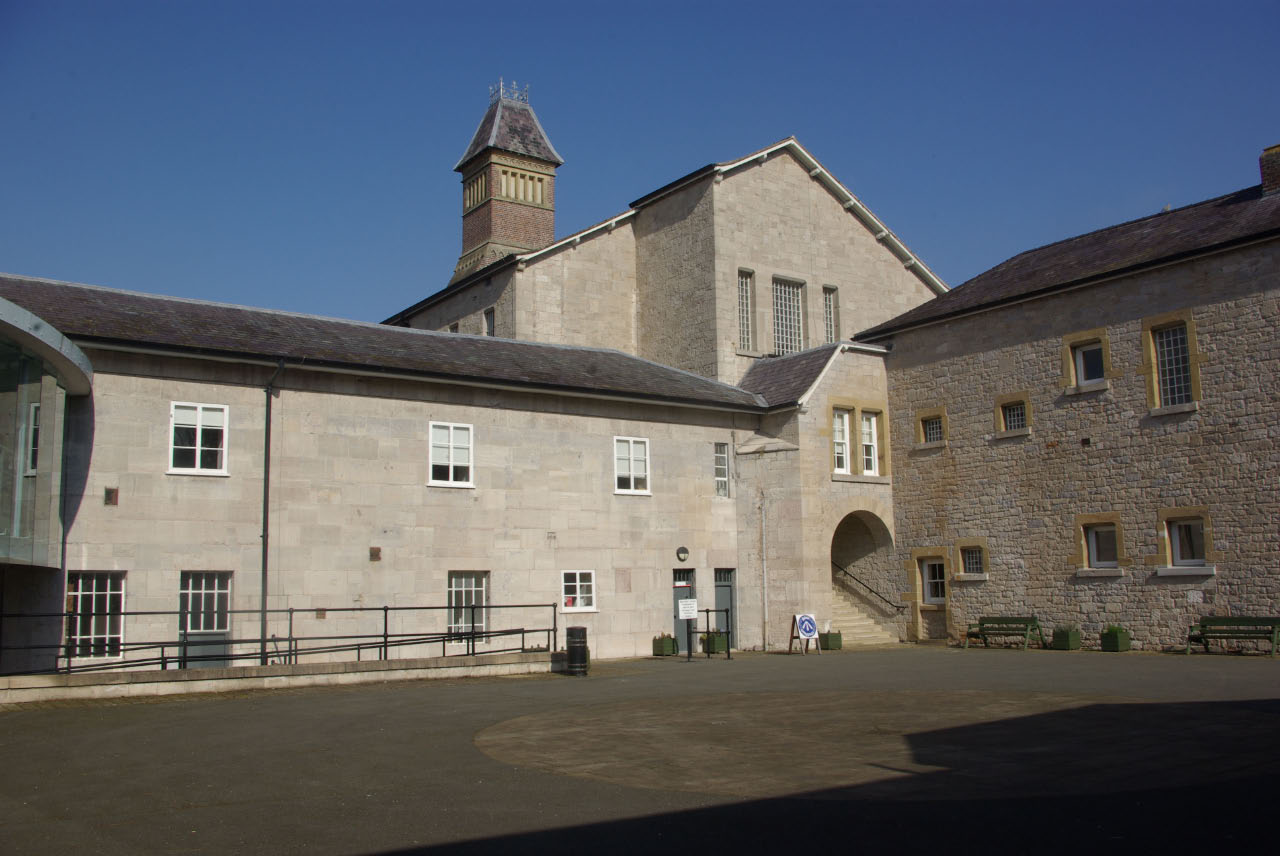 📷 5
📷 5 📷 5
📷 5Historic pubs · North Wales
Castle Hotel
Castle Hotel in Wales North, United Kingdom.
 📷 5
📷 5Historic pubs · North Wales
Ruthin Castle Hotel
Ruthin Castle Hotel in Wales North, United Kingdom.
 📷 5
📷 5Historic pubs · North Wales
Leyland Arms
Leyland Arms in Wales North, United Kingdom.
 📷 5
📷 5More places run by Cadw
 📷 5
📷 5Castles · North Wales
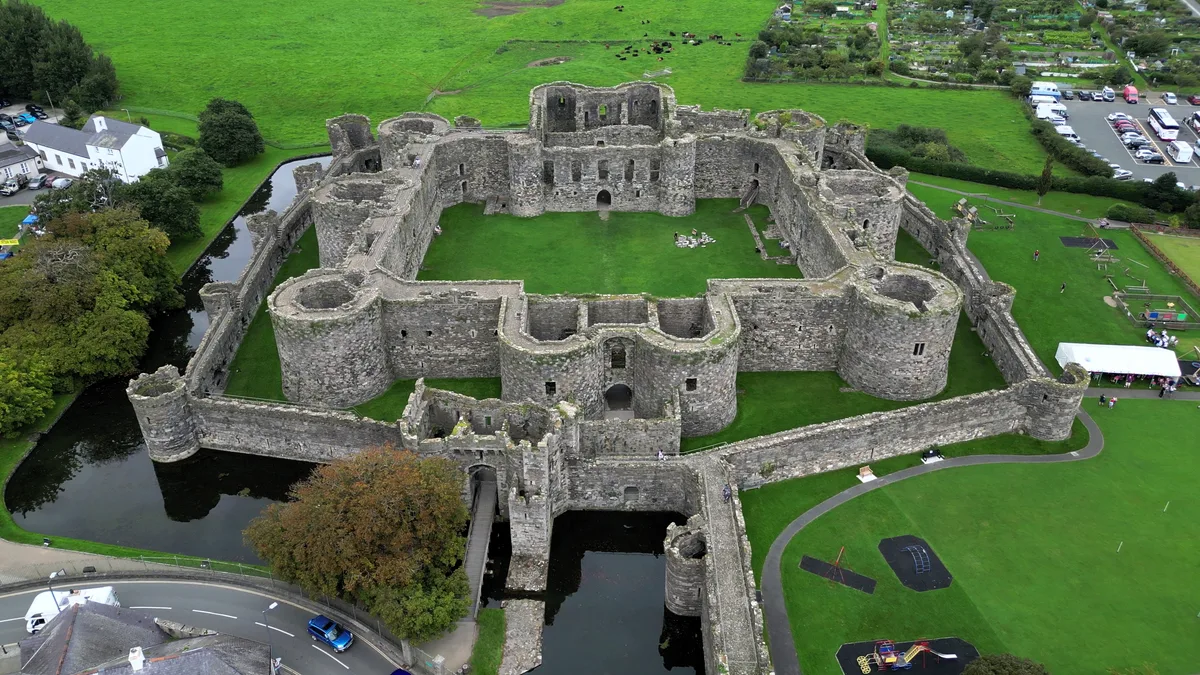
Beaumaris Castle
Beaumaris Castle — castle in Beaumaris, Anglesey, Wales.
 📷 3
📷 3Castles · North Wales
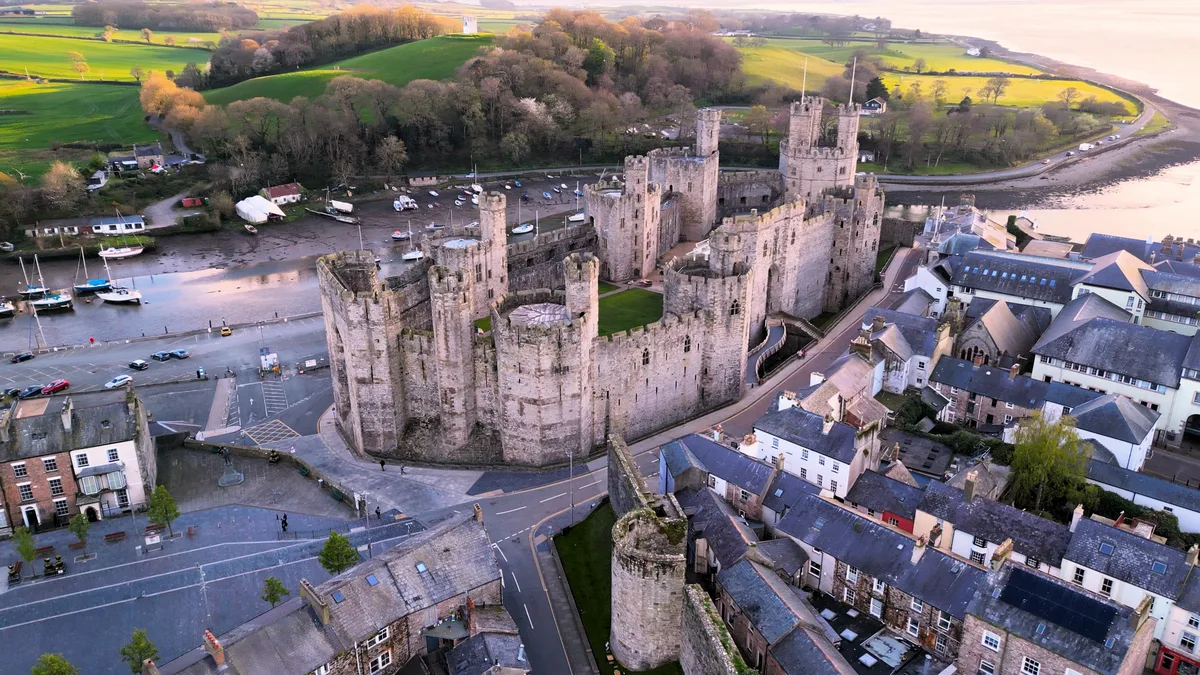
Caernarfon Castle
Caernarfon Castle — castle in Caernarfon, North Wales.
 📷 5
📷 5Castles · North Wales
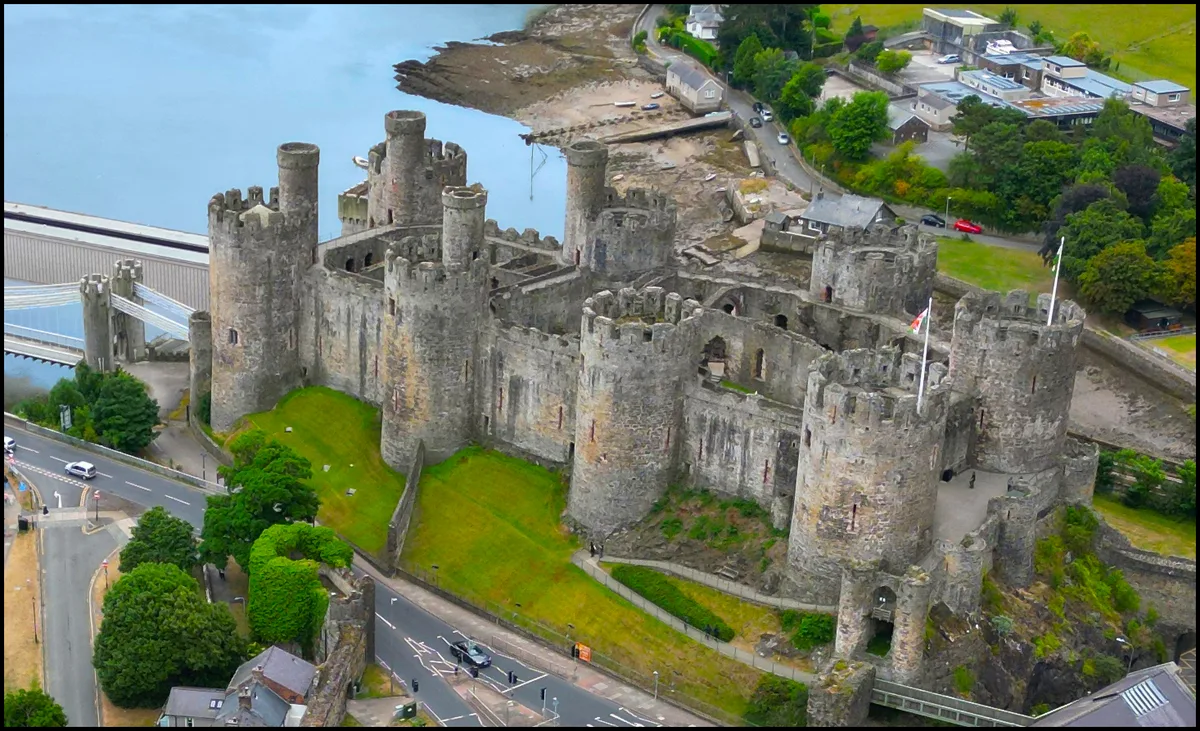
Conwy Castle
Conwy Castle — castle in Conwy, North Wales.
 📷 4
📷 4Castles · North Wales
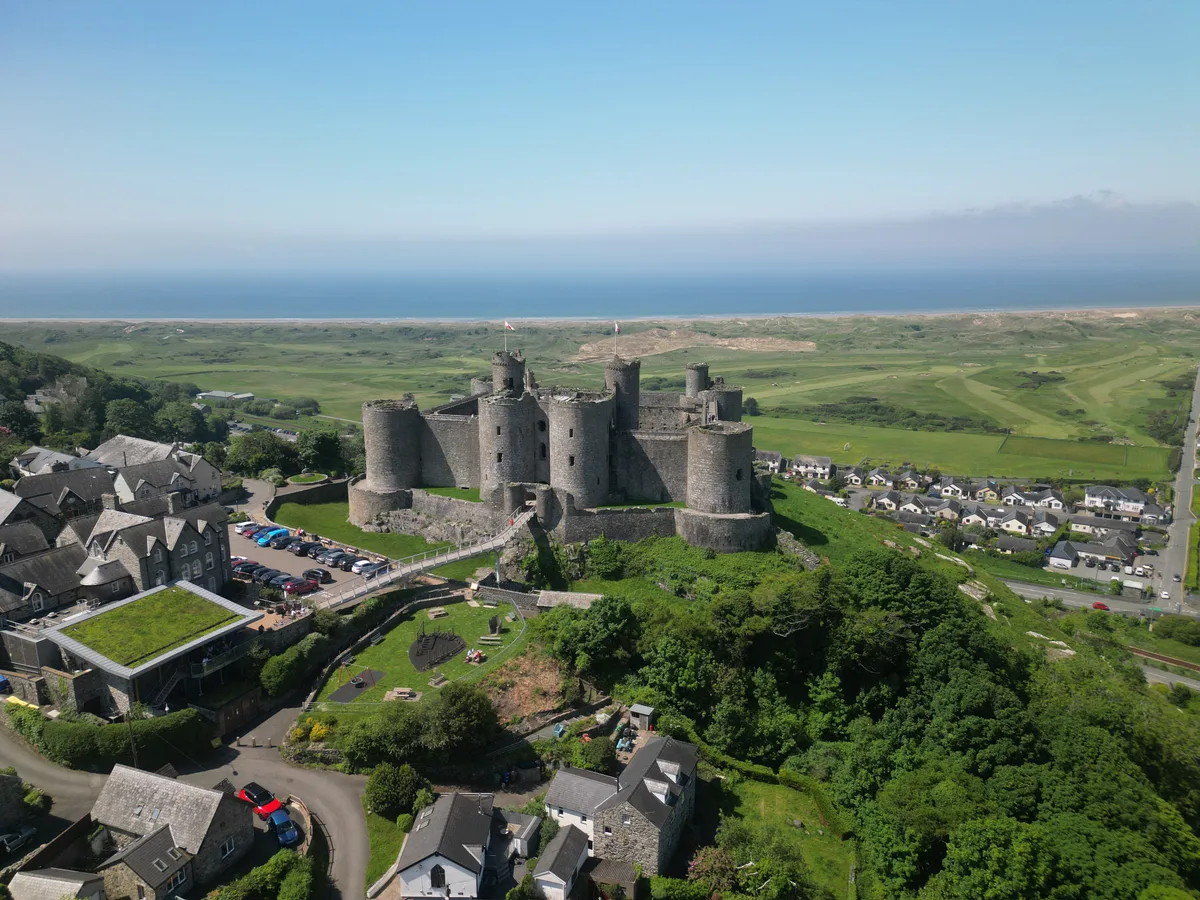
Harlech Castle
Harlech Castle — castle in Harlech, Gwynedd, Wales.
Other castles from this era
 📷 5
📷 5Castles · South East England
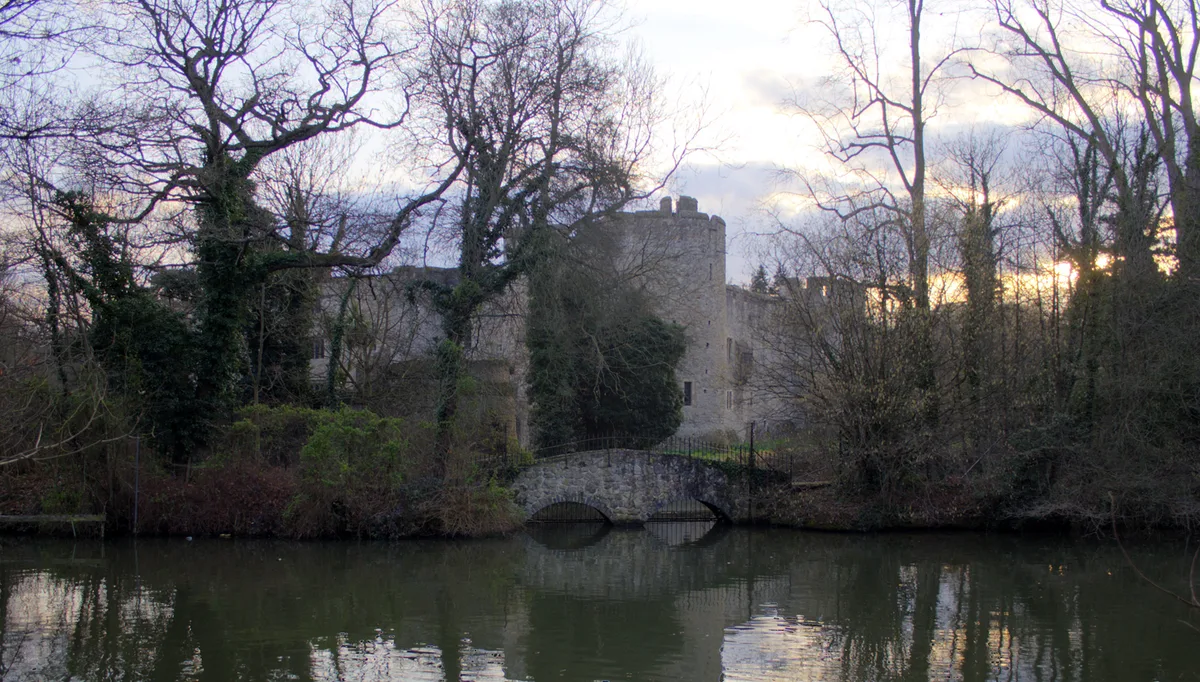
Allington Castle
Allington Castle — stone-built moated castle in Allington, England.
 📷 5
📷 5Castles · South East England
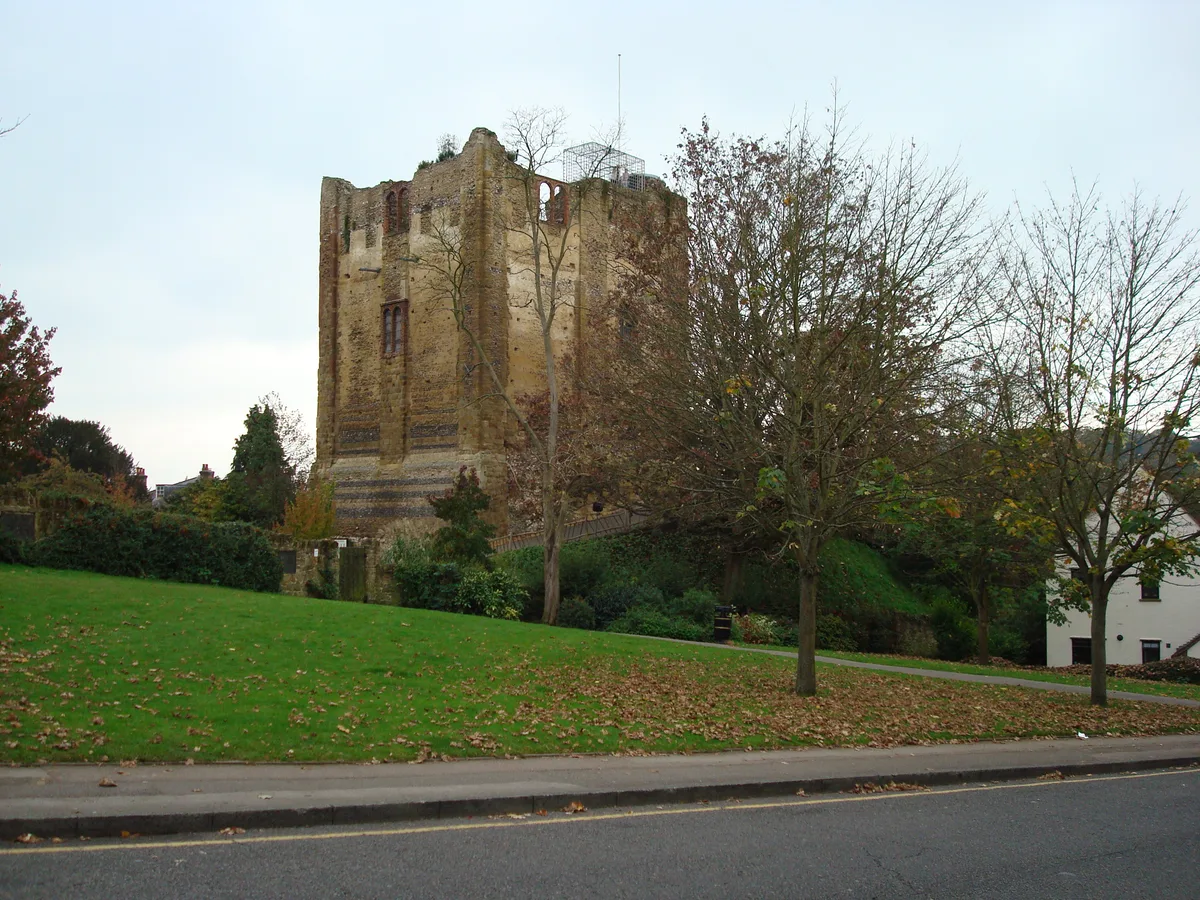
Guildford Castle
Guildford Castle — castle in Guildford, Surrey, England, UK.
 📷 5
📷 5Castles · South East England
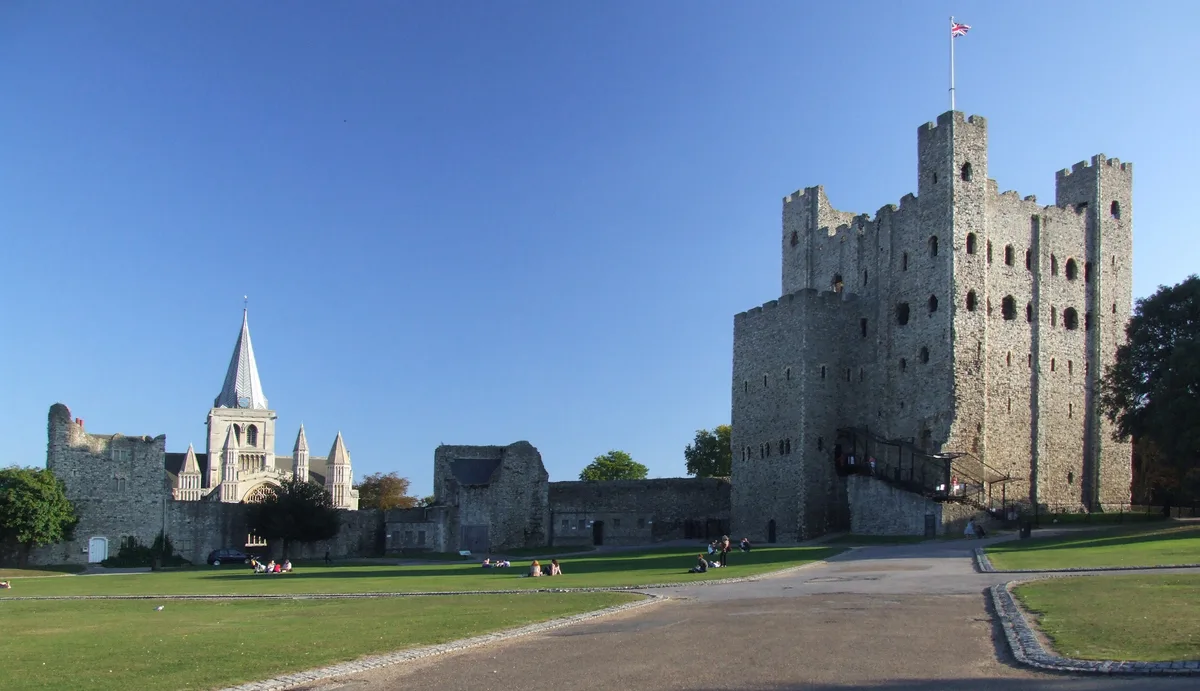
Rochester Castle
Rochester Castle — castle in Rochester, Kent, South East England.
 📷 5
📷 5Castles · South East England
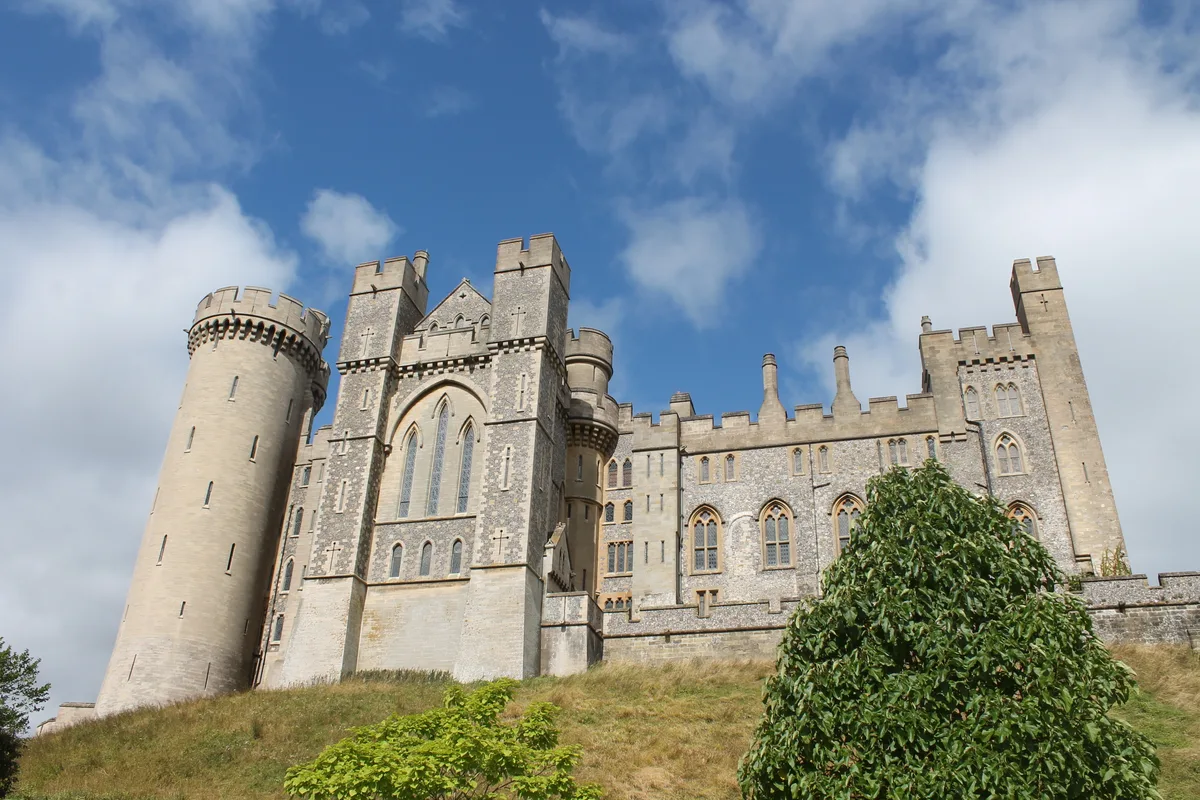
Arundel Castle
Arundel Castle — castle in West Sussex, England, UK.
More castles in this region
 📷 4
📷 4Castles · North Wales
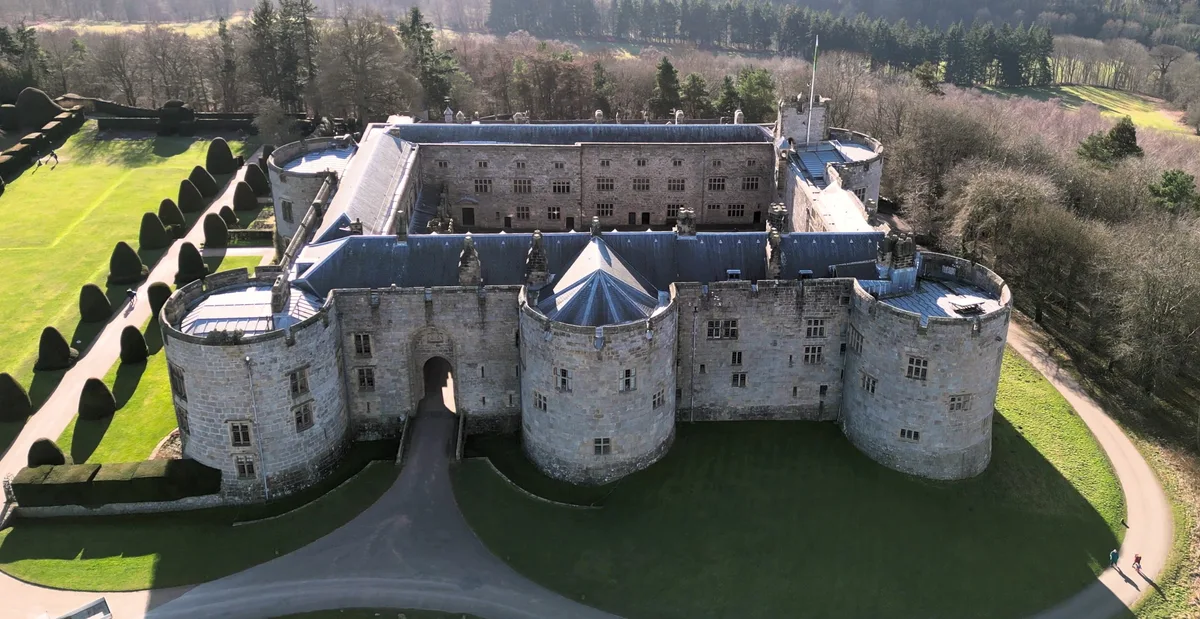
Chirk Castle
Chirk Castle — medieval fortress in Wrexham County Borough, Wales.
 📷 5
📷 5Castles · North Wales
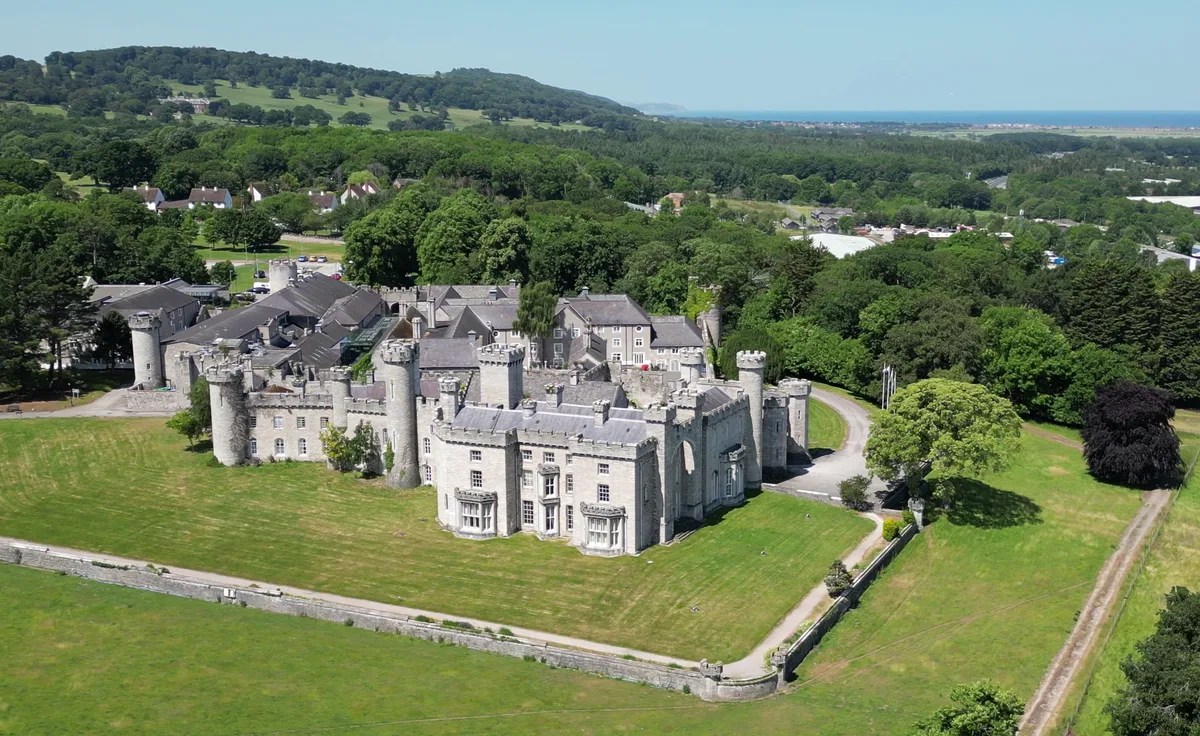
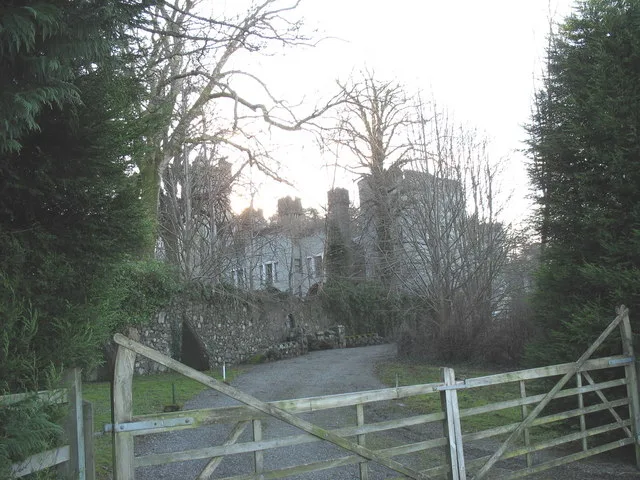
Bodelwyddan Castle
Bodelwyddan Castle — castle in Denbighshire, Wales.
 📷 5
📷 5Castles · North Wales
Bryn Bras Castle
Bryn Bras Castle — grade II* listed country house in Gwynedd, Wales.
 📷 5
📷 5Castles · North Wales
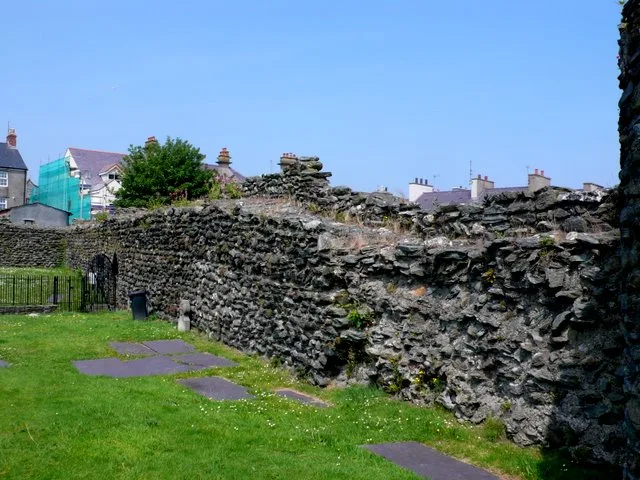
Caer Gybi
Caer Gybi — remains of a Roman fortlet in Holyhead, Anglesey, Wales, UK.
Frequently asked questions
- Where is Denbigh Castle?
- Denbigh Castle is in North Wales, United Kingdom (postcode LL16 3AE), in the parish of Denbigh.
- What is Denbigh Castle?
- Denbigh Castle — Grade I listed building in Denbighshire. Castle in Denbigh.
- How do I get to Denbigh Castle?
- The nearest town is St Asaph. Drivers can use postcode LL16 3AE.
- When was Denbigh Castle built?
- Built or established in 1282.
- Who runs Denbigh Castle?
- Denbigh Castle is operated by Cadw.
- Is Denbigh Castle a listed building?
- Denbigh Castle is officially recognised as scheduled monument listed.
- Does Denbigh Castle charge admission?
- Denbigh Castle typically charges admission. Check the official site for current ticket prices and opening hours.
- How do I get to Denbigh Castle?
- Drivers can navigate to postcode LL16 3AE. It sits within the Clwyd North parliamentary constituency.