
Castles · South Wales
Skenfrith Castle
In or near Grosmont.
Skenfrith Castle — ruined castle in the village of Skenfrith in Monmouthshire, Wales, UK.

Wikimedia Commons contributors — see linked file page for photographer and licence licence

Plan your visit
- Typical visit
- 1.5 h–3 h
- Paid entry
- Family-friendly
- Limited wheelchair access
Getting there & planning your visit
To visit Skenfrith Castle, the nearest postcode is NP7 8UG. Entry is paid, and wheelchair accessibility is limited.
About
Skenfrith Castle is a castle in the United Kingdom — fortified architecture from the medieval, Tudor, or Victorian-revival period. Heritage designation: scheduled monument. Owned by Cadw. Managed by Cadw. Wikidata describes it as: "ruined castle in the village of Skenfrith in Monmouthshire, Wales, UK". Coordinates: 51.8783°, -2.7902°.
Photo gallery
Heritage listing
Skenfrith Castle (Welsh: Castell Ynysgynwraidd) is a ruined castle in the village of Skenfrith in Monmouthshire, Wales. The fortification was established by the Normans in the wake of the invasion of England in 1066, to protect the route from Wales to Hereford. Possibly commissioned by William fitz Osbern, the Earl of Hereford, the castle comprised earthworks with timber defences. In 1135, a major Welsh revolt took place and in response King Stephen brought together Skenfrith Castle and its sister fortifications of Grosmont and White Castle to form a lordship known as the "Three Castles", which continued to play a role in defending the region from Welsh attack for several centuries. At the end of the 12th century, Skenfrith was rebuilt in stone.
From Cadw under OGL v3.
From Cadw
Significant medieval fortress with a substantial central towerOne of the ‘Three Castles of Gwent’ (along with Grosmont and White Castle) founded by Norman lord William fitz Osbern in the early 12th century, the remains of Skenfrith we see today are of a later fortress constructed in the 13th century by Hubert de Burgh. The castle’s well-preserved walls surround a circular keep, similar to those seen at Bronllys and Tretower. Built on an earthen mound, this sturdy structure was a last line of defence should the castle fall under attack.
Read more on the official property page.
Protected designations
- Site of Special Scientific Interest: River Wye SSSI
Designations sourced from Natural England open data under OGL v3.
From the Wikipedia article
Skenfrith Castle (Welsh: Castell Ynysgynwraidd) is a ruined castle in the village of Skenfrith in Monmouthshire, Wales. The fortification was established by the Normans in the wake of the invasion of England in 1066, to protect the route from Wales to Hereford. Possibly commissioned by William fitz Osbern, the Earl of Hereford, the castle comprised earthworks with timber defences. In 1135, a major Welsh revolt took place and in response King Stephen brought together Skenfrith Castle and its sister fortifications of Grosmont and White Castle to form a lordship known as the "Three Castles", which continued to play a role in defending the region from Welsh attack for several centuries. At the end of the 12th century, Skenfrith was rebuilt in stone. In 1201, King John gave the castle to a powerful royal official, Hubert de Burgh. During the course of the next few decades, it passed back and forth between several owners, including Hubert, the rival de Braose family, and the Crown. Hubert levelled the old castle and built a new rectangular fortification with round towers and a circular keep. In 1267 it was granted to Edmund, the Earl of Lancaster, and remained in the hands of the earldom, and later duchy, of Lancaster until 1825. Edward I's conquest of Wales in 1282 removed much of Skenfrith Castle's military utility, and by the 16th century it had fallen into disuse and ruin. The castle was placed into the care of the state by the National Trust in 1936, and is now managed by the Cadw heritage agency.
Excerpt from Wikipedia under CC BY-SA 4.0. See the source article linked in Sources below.
Background
Architecture
Skenfrith Castle was constructed alongside the River Monnow. The current castle was created by Hubert de Burgh in the early 13th century, when the earthworks of the 11th-century Norman castle were flattened and spread out over the current site to a depth of 12 ft; the 12th-century stone fortifications and buildings were demolished at the same time. Hubert's castle forms a polygon, with four walls approximately 80 metres, 60 metres, 60 metres and 40 metres (260 ft, 200 ft, 200 ft and 130 ft) long respectively, and was built from Old Red Sandstone. The moat is now filled in and grassed over. A watergate on the eastern side of the castle led down to the Monnow. A two-storey hall range…
Sourced from Wikipedia under CC BY-SA 4.0.
- Coordinates
- 51.8783, -2.7902
- District
- Monmouthshire
- Parish
- Skenfrith
- Postcode
- NP7 8UG
- Parliamentary constituency
- Monmouthshire
- Phone
- 01874625515
- Opening
- Daily Dawn - Dusk
- Official site
- www.nationaltrust.org.uk
Sources
- wikidata: Q7534629 (CC0)
- wikipedia: Skenfrith Castle (CC BY-SA 4.0)
- commons: SKENFRITH CASTLE.jpg (CC BY-SA 4.0)
- fsq: 4bf033f470779521fb593e7c (Apache-2.0)
Other places nearby

Skenfrith
Villages · 0.1 km

Skenfrith War Memorial
Memorials & monuments · 0.1 km
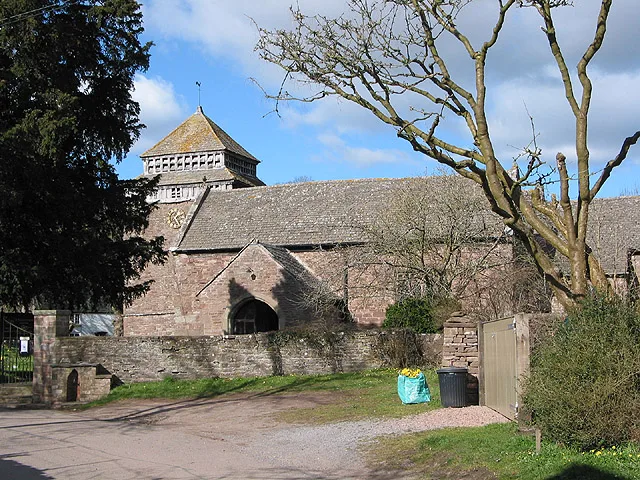
St. Bridget's Church, Skenfrith
Historic churches · 0.1 km

Skenfrith Bridge
Historic bridges · 0.1 km

The Bell at Skenfrith
Hotels · 0.1 km

Skenfrith Medieval Village
Vineyards · 0.3 km

Coed Angred Hill
Viewpoints · 0.5 km

Coedanghred Hill
Mountains & hills · 0.8 km

Three Castles Country Caravan Park
Caravan parks · 1.2 km

Norton Court
Gardens · 1.2 km

Coed-y-pwll
Mountains & hills · 1.5 km

Bridge Over Daren Brook And Stone Revetements Extending About 30 Yards To Each Side Situated About 100 Yards West North West Of Southwell Court
Historic bridges · 1.8 km
Nearby
📷 5📷 5Memorials & monuments · South Wales
Skenfrith War Memorial
Skenfrith War Memorial — Grade II listed building-listed memorial in wales-south, United Kingdom.
📷 3Historic churches · South Wales
St. Bridget's Church, Skenfrith
St. Bridget's Church, Skenfrith — church in Monmouthshire, UK.
📷 5Historic bridges · South Wales
Skenfrith Bridge
Skenfrith Bridge — Grade II listed building-listed bridge in wales-south, United Kingdom.
📷 7📷 5Vineyards · South Wales
Skenfrith Medieval Village
Skenfrith Medieval Village — a UK vineyard in wales south, producing English or Welsh wine from cool-climate grape varieties.
Where to eat & stay near Skenfrith Castle
Places to stay
📷 7📷 5Caravan parks · South Wales
Three Castles Country Caravan Park
Three Castles Country Caravan Park — a caravan park in wales south.
 📷 5
📷 5Campsites · South Wales
Merediths Farm Camping and Caravan Site
Merediths Farm Camping and Caravan Site — a campsite in wales south.
 📷 5
📷 5Caravan parks · South Wales
Trippenkennett Farm Caravan & Camp Site
Trippenkennett Farm Caravan & Camp Site — a caravan park in wales south.
 📷 5
📷 5 📷 5
📷 5Caravan parks · South Wales
Burhope Farm Camping & Caravan Site
Burhope Farm Camping & Caravan Site — a caravan park in wales south.
Places to eat & drink
 📷 7
📷 7 📷 5
📷 5 📷 5
📷 5Historic pubs · South Wales
The Punch House
The Punch House — Historic pub — listed building or notable heritage status.
 📷 5
📷 5 📷 5
📷 5 📷 5
📷 5Historic pubs · South Wales
The Gatehouse
The Gatehouse in Wales South, United Kingdom.
More places run by Cadw
 📷 5
📷 5Castles · North Wales
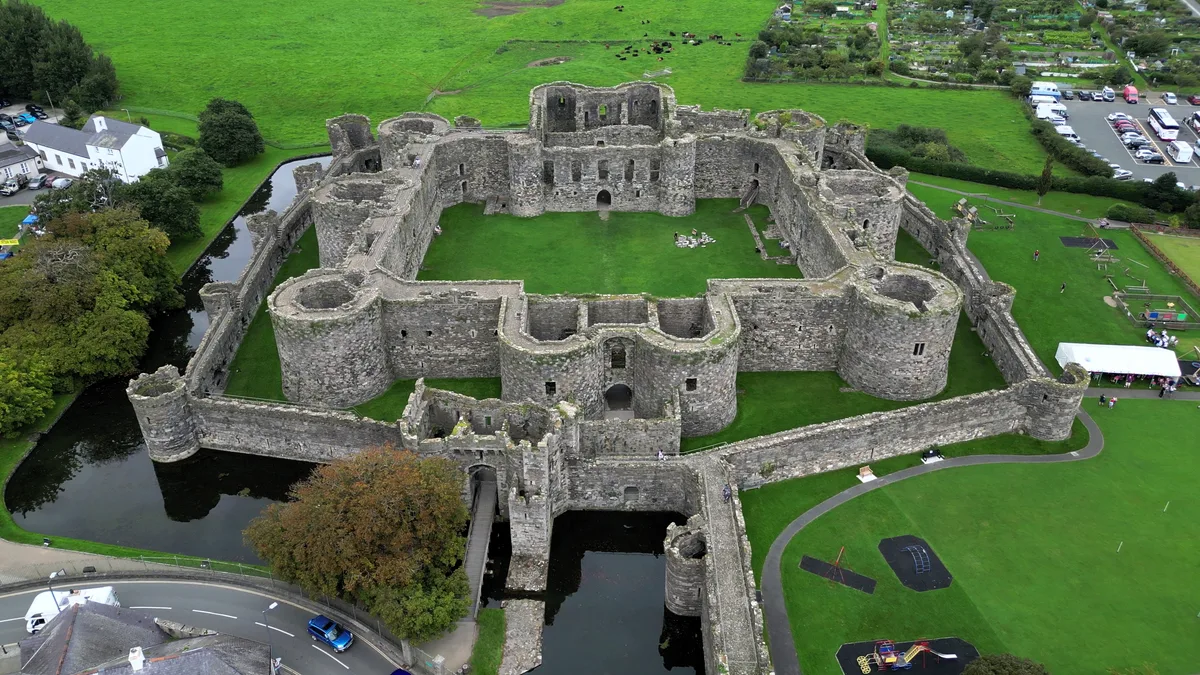
Beaumaris Castle
Beaumaris Castle — castle in Beaumaris, Anglesey, Wales.
 📷 3
📷 3Castles · North Wales
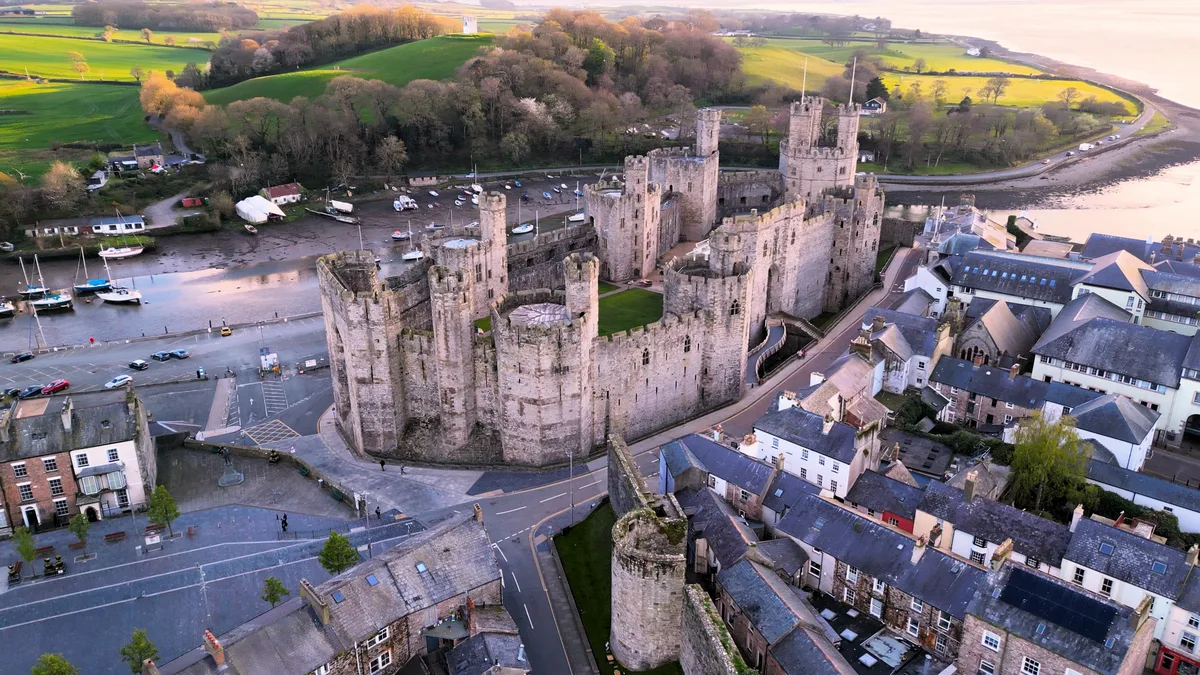
Caernarfon Castle
Caernarfon Castle — castle in Caernarfon, North Wales.
 📷 5
📷 5Castles · North Wales
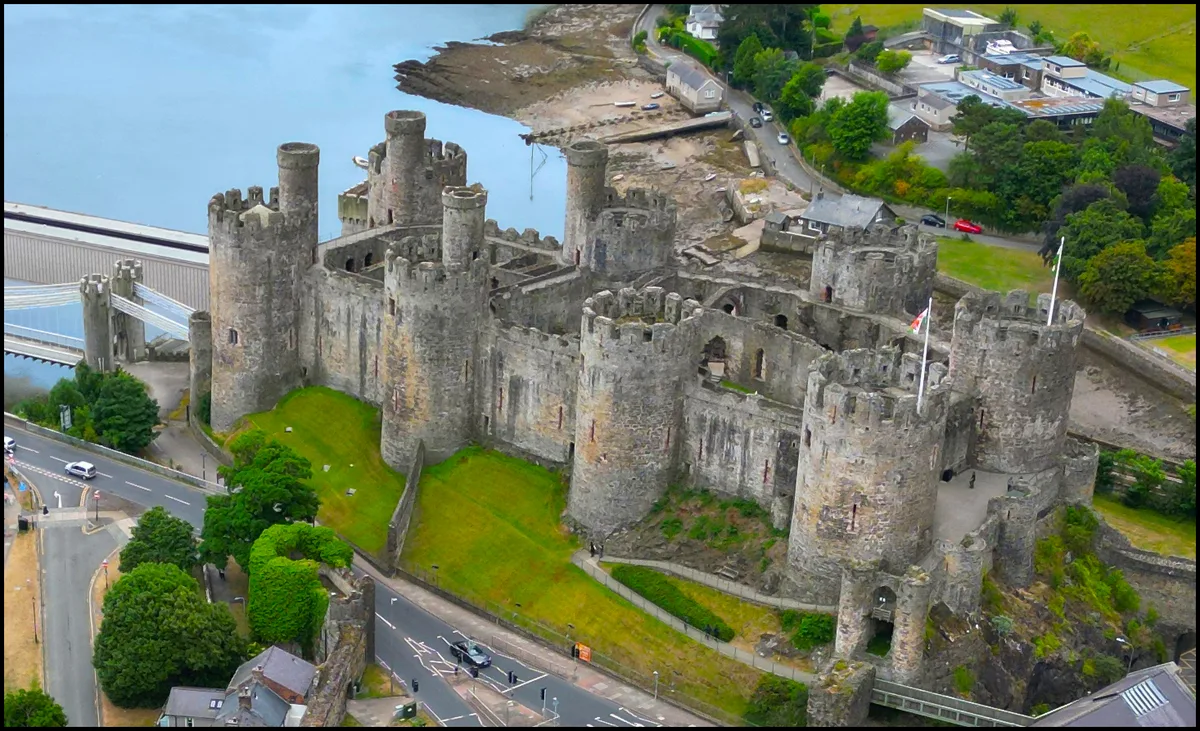
Conwy Castle
Conwy Castle — castle in Conwy, North Wales.
 📷 4
📷 4Castles · North Wales
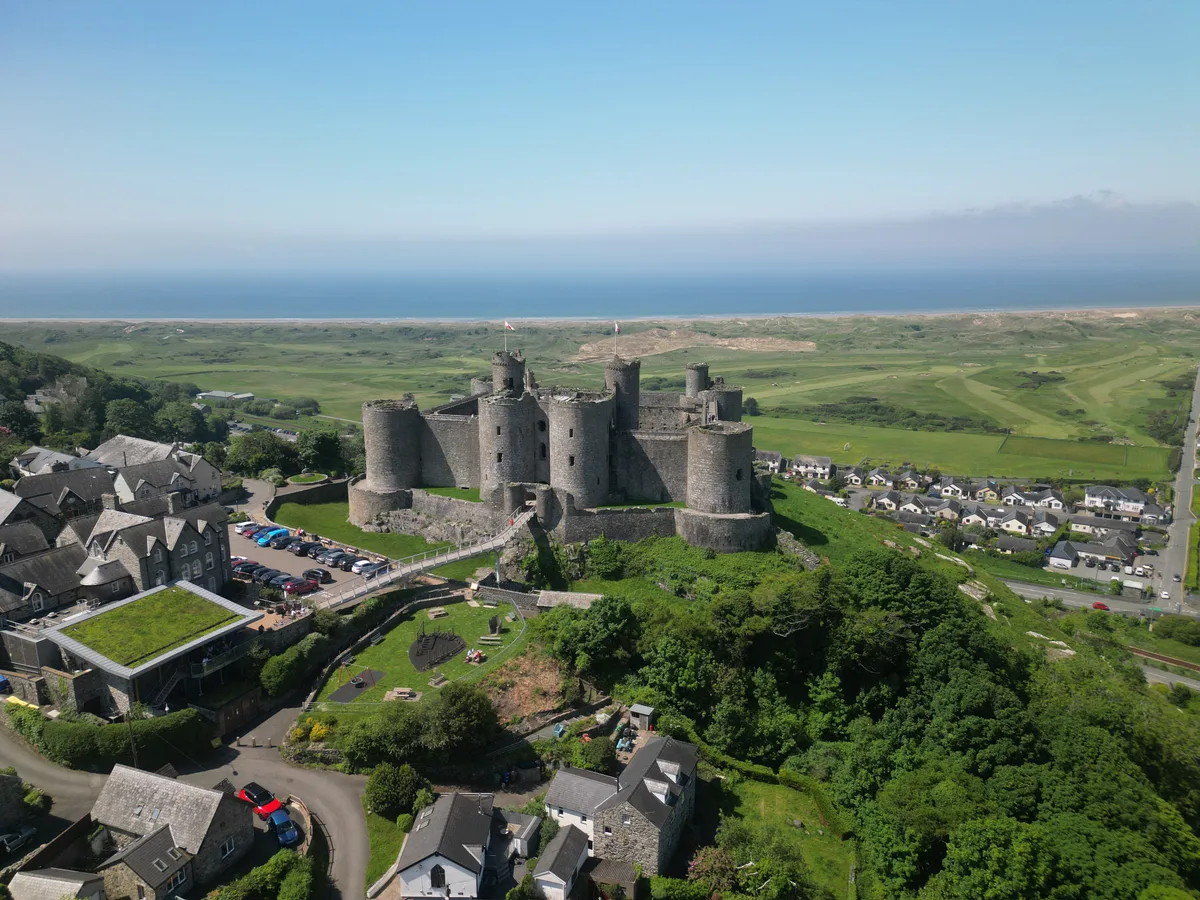
Harlech Castle
Harlech Castle — castle in Harlech, Gwynedd, Wales.
More castles in this region
 📷 5
📷 5Castles · South Wales
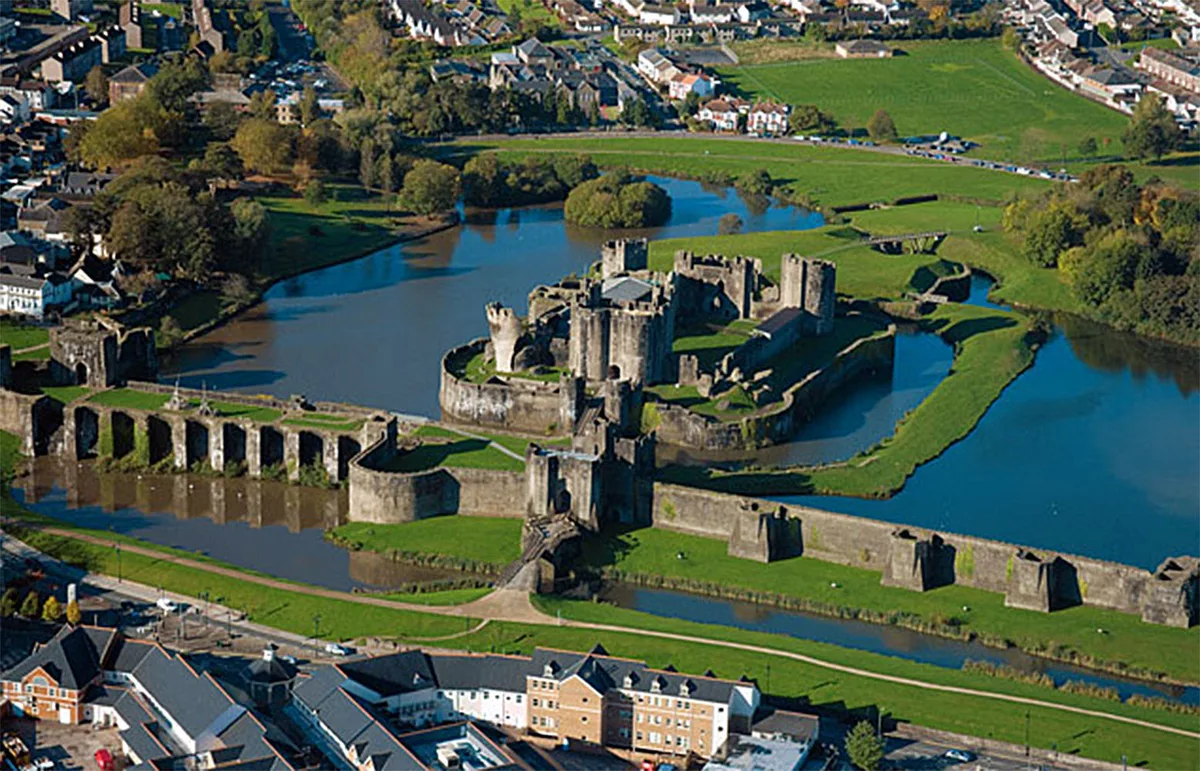
Caerphilly Castle
Caerphilly Castle — castle in Caerphilly, Wales.
 📷 3
📷 3Castles · South Wales
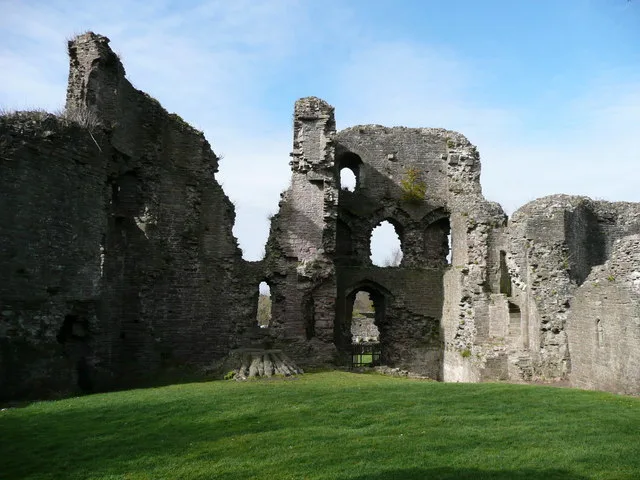
Abergavenny Castle
Abergavenny Castle — Grade I listed building in Abergavenny. Ruined castle in the market town of Abergavenny, Monmouthshire, Wales.
 📷 3
📷 3 📷 3
📷 3Frequently asked questions
- Where is Skenfrith Castle?
- Skenfrith Castle is in South Wales, United Kingdom (postcode NP7 8UG), in the parish of Skenfrith.
- What is Skenfrith Castle?
- Skenfrith Castle — ruined castle in the village of Skenfrith in Monmouthshire, Wales, UK.
- How do I get to Skenfrith Castle?
- The nearest town is Grosmont. Drivers can use postcode NP7 8UG.
- Who runs Skenfrith Castle?
- Skenfrith Castle is operated by Cadw.
- Is Skenfrith Castle a listed building?
- Skenfrith Castle is officially recognised as scheduled monument listed.
- Is Skenfrith Castle a protected site?
- Yes — Skenfrith Castle is part of the River Wye SSSI Site of Special Scientific Interest.
- Does Skenfrith Castle charge admission?
- Skenfrith Castle typically charges admission. Check the official site for current ticket prices and opening hours.
- How do I get to Skenfrith Castle?
- Drivers can navigate to postcode NP7 8UG. It sits within the Monmouthshire parliamentary constituency.