
Castles · South Wales
Grosmont Castle
In or near Grosmont.
Grosmont Castle — castle in Monmouthshire, Wales, UK.

Wikimedia Commons contributors — see linked file page for photographer and licence licence

Plan your visit
- Typical visit
- 1.5 h–3 h
- Paid entry
- Family-friendly
- Limited wheelchair access
Getting there & planning your visit
To visit Grosmont Castle, you can use the postcode NP7 8EP for sat-nav directions. Entry is paid, and wheelchair accessibility is limited.
About
Grosmont Castle is a castle in the United Kingdom — fortified architecture from the medieval, Tudor, or Victorian-revival period. Heritage designation: scheduled monument. Owned by Cadw. Managed by Cadw. Wikidata describes it as: "castle in Monmouthshire, Wales, UK". Coordinates: 51.9154°, -2.8660°.
Photo gallery
Heritage listing
Grosmont Castle is a ruined castle in the village of Grosmont, Monmouthshire, Wales. The fortification was established by the Normans in the wake of the invasion of England in 1066, to protect the route from Wales to Hereford. Possibly commissioned by William FitzOsbern, 1st Earl of Hereford, it was originally an earthwork design with timber defences. In 1135, a major Welsh revolt took place, and in response King Stephen brought together Grosmont Castle and its sister fortifications of Skenfrith and White Castle to form a lordship known as the "Three Castles", which continued to play a role in defending the region from Welsh attack for several centuries. King John gave the castle to a powerful royal official, Hubert de Burgh, in 1201.
From Cadw under OGL v3.
From Cadw
Big on the borderGrosmont is a member of an illustrious trio of strongholds. Along with Skenfrith and White Castle, it’s one of the ‘Three Castles of Gwent’ built by the Normans to control a key section of troublesome border country. The original earth-and-timber stronghold, build on a gros mont (French for ‘big hill’), was later replaced in stone.
Read more on the official property page.
Protected designations
- Site of Special Scientific Interest: River Wye SSSI
Designations sourced from Natural England open data under OGL v3.
From the Wikipedia article
Grosmont Castle is a ruined castle in the village of Grosmont, Monmouthshire, Wales. The fortification was established by the Normans in the wake of the invasion of England in 1066, to protect the route from Wales to Hereford. Possibly commissioned by William FitzOsbern, 1st Earl of Hereford, it was originally an earthwork design with timber defences. In 1135, a major Welsh revolt took place, and in response King Stephen brought together Grosmont Castle and its sister fortifications of Skenfrith and White Castle to form a lordship known as the "Three Castles", which continued to play a role in defending the region from Welsh attack for several centuries. King John gave the castle to a powerful royal official, Hubert de Burgh, in 1201. During the course of the next few decades it passed back and forth between several owners, including Hubert, the rival De Braose family, and the Crown. Hubert rebuilt the castle in stone, beginning with a new hall and then, on regaining the property in 1219, adding a curtain wall, gatehouse and mural towers. In 1233, a royal army camped outside the castle was attacked by rebel forces under the command of Richard Marshal. Edmund, the Earl of Lancaster, gained possession of the castle in 1267, and it remained in the hands of the earldom and later Duchy of Lancaster until 1825. Edward I's conquest of Wales in 1282 removed much of Grosmont Castle's military utility, although it was besieged in 1405 during the Glyndŵr Rising. By the 16th century it had fallen into disuse and ruin. The castle was placed into the care of the state in 1922, and is now managed by the Cadw Welsh heritage agency.
Excerpt from Wikipedia under CC BY-SA 4.0. See the source article linked in Sources below.
Background
Architecture
Grosmont Castle overlooks the village of the same name, and in its current form dates mostly from the work carried out by Hubert de Burgh with later 14th-century additions. It originally comprised an inner and an outer ward, but the latter has been encroached upon by local gardens. The gatehouse was originally a two-storey, rectangular tower with 14th-century additions, including a buttressed drawbridge pit, but only limited parts of it now survive. The south-west tower was converted into a three-storey suite of rooms in the 14th century; its basement was filled in. The three-storey west tower was also altered during the 14th century, and the basement filled in. The north block is primarily…
Sourced from Wikipedia under CC BY-SA 4.0.
- Coordinates
- 51.9154, -2.8660
- District
- Monmouthshire
- Parish
- Grosmont
- Postcode
- NP7 8EP
- Parliamentary constituency
- Monmouthshire
- Phone
- 01443336000
- Opening
- 1st April - 31st March 10am–4pm; closed 24, 25, 26 December and 1 January
- Official site
- cadw.gov.wales
Sources
- wikidata: Q3402778 (CC0)
- wikipedia: Grosmont Castle (CC BY-SA 4.0)
- commons: Grosmont Castle from the south, 2011.jpg (CC BY-SA 4.0)
- fsq: 554f4537498e1a6ae343bb34 (Apache-2.0)
Other places nearby

Castell y Grysmwnt
Castles · 0.0 km

Howell's House
Historic houses · 0.1 km

Grosmont
Towns & cities · 0.1 km

Glyndwr Including Railed Forecourt
Historic houses · 0.1 km
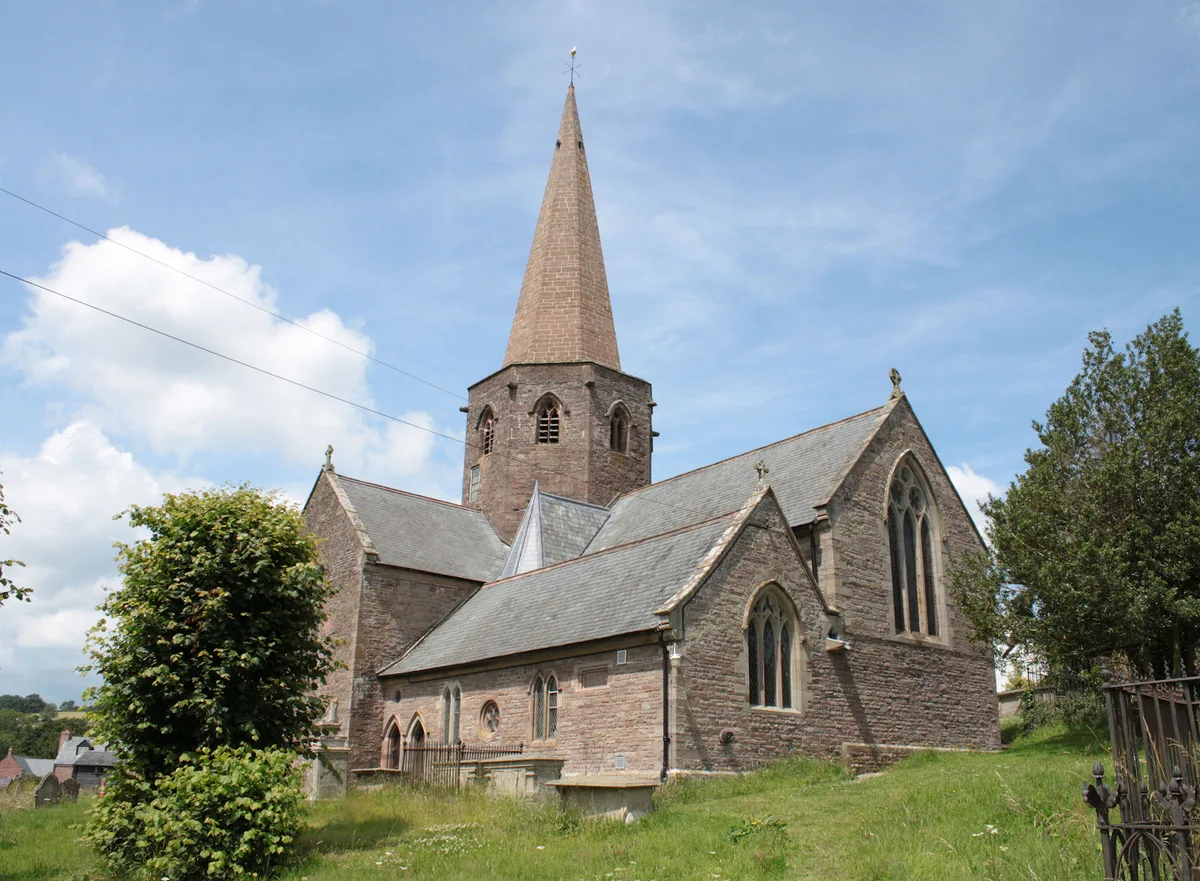
St Nicholas's Church
Historic churches · 0.2 km

Barn At Lower Tresenny
Gardens · 0.5 km

Grosmont Castle
Castles · 1.1 km
Kentchurch Twyn y Corras
Literary houses · 1.4 km

Kentchurch
Villages · 1.5 km

Upper Dyffryn House
Historic houses · 1.9 km

Kentchurch Court
Manor houses · 2.3 km

Llangua Bridge
Historic bridges · 2.3 km
Nearby
📷 3Castles · South Wales
Castell y Grysmwnt
Castell y Grysmwnt — a castle in wales-south, United Kingdom.
📷 3Historic houses · South Wales
Howell's House
Howell's House — house in Grosmont, Monmouthshire.
📷 3📷 3Historic houses · South Wales
Glyndwr Including Railed Forecourt
Glyndwr Including Railed Forecourt — house in Grosmont, Monmouthshire.
📷 3Historic churches · South Wales
St Nicholas's Church
St Nicholas's Church — church in Grosmont, Monmouthshire, Wales.
📷 4Gardens · South Wales
Barn At Lower Tresenny
Barn At Lower Tresenny — a garden in wales-south, United Kingdom.
Where to eat & stay near Grosmont Castle
Places to stay
 📷 5
📷 5 📷 5
📷 5Caravan parks · South Wales
Burhope Farm Camping & Caravan Site
Burhope Farm Camping & Caravan Site — a caravan park in wales south.
 📷 5
📷 5Caravan parks · South Wales
Three Castles Country Caravan Park
Three Castles Country Caravan Park — a caravan park in wales south.
 📷 7
📷 7 📷 5
📷 5Caravan parks · South Wales
White Castle Vineyard Caravan Park
White Castle Vineyard Caravan Park — a caravan park in wales south.
 📷 5
📷 5B&Bs · Mid Wales
Trelough House
Trelough House — a bed-and-breakfast in wales south.
Places to eat & drink
 📷 5
📷 5Historic pubs · South Wales
Cornewall Arms
Cornewall Arms in Wales South, United Kingdom.
 📷 5
📷 5Historic pubs · South Wales
Skirrid Mountain Inn
Skirrid Mountain Inn — Historic pub — listed building or notable heritage status.
 📷 7
📷 7Historic pubs · Mid Wales
Black Swan
Black Swan — Historic pub — listed building or notable heritage status.
 📷 5
📷 5Restaurants · South Wales
The Walnut Tree
The Walnut Tree — a restaurant in wales south.
 📷 7
📷 7 📷 7
📷 7Historic pubs · South West England
The Lough Pool Inn
The Lough Pool Inn in Wales South, United Kingdom.
More places run by Cadw
 📷 5
📷 5Castles · North Wales
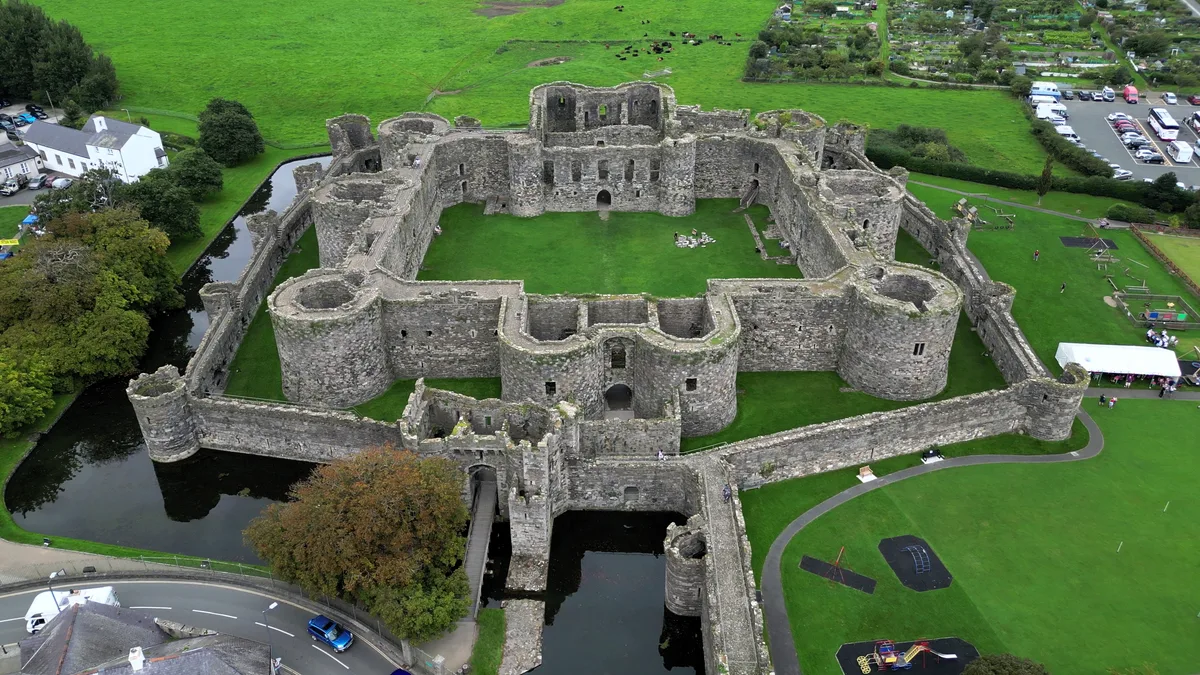
Beaumaris Castle
Beaumaris Castle — castle in Beaumaris, Anglesey, Wales.
 📷 3
📷 3Castles · North Wales
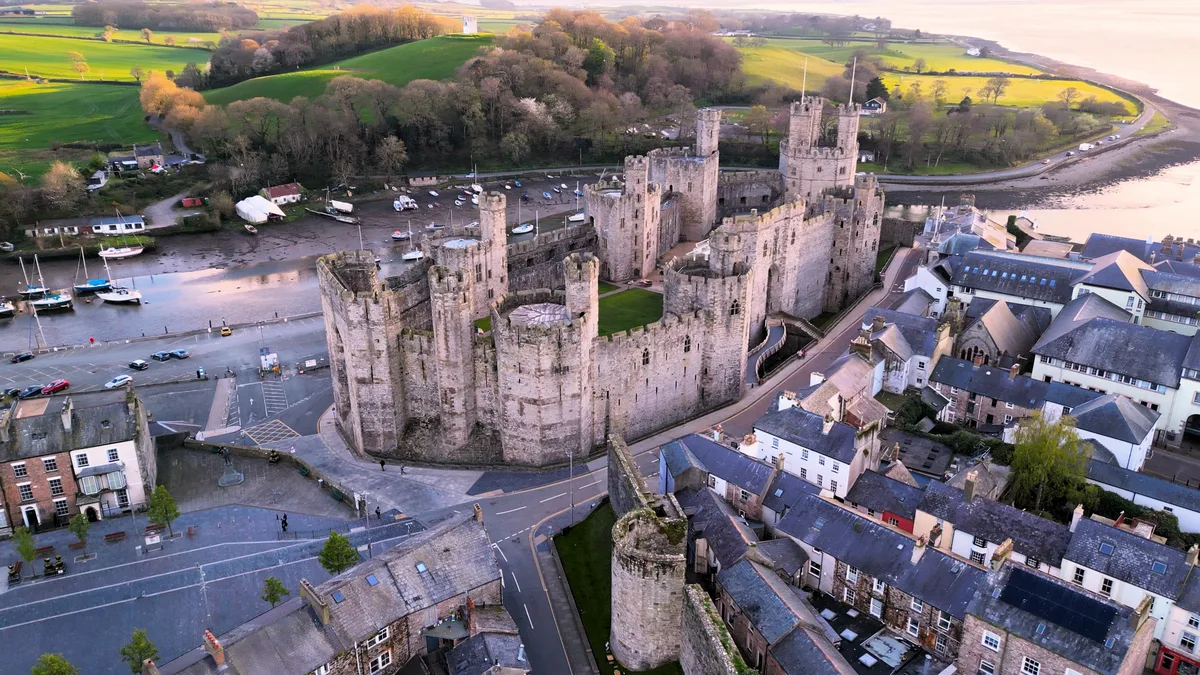
Caernarfon Castle
Caernarfon Castle — castle in Caernarfon, North Wales.
 📷 5
📷 5Castles · North Wales
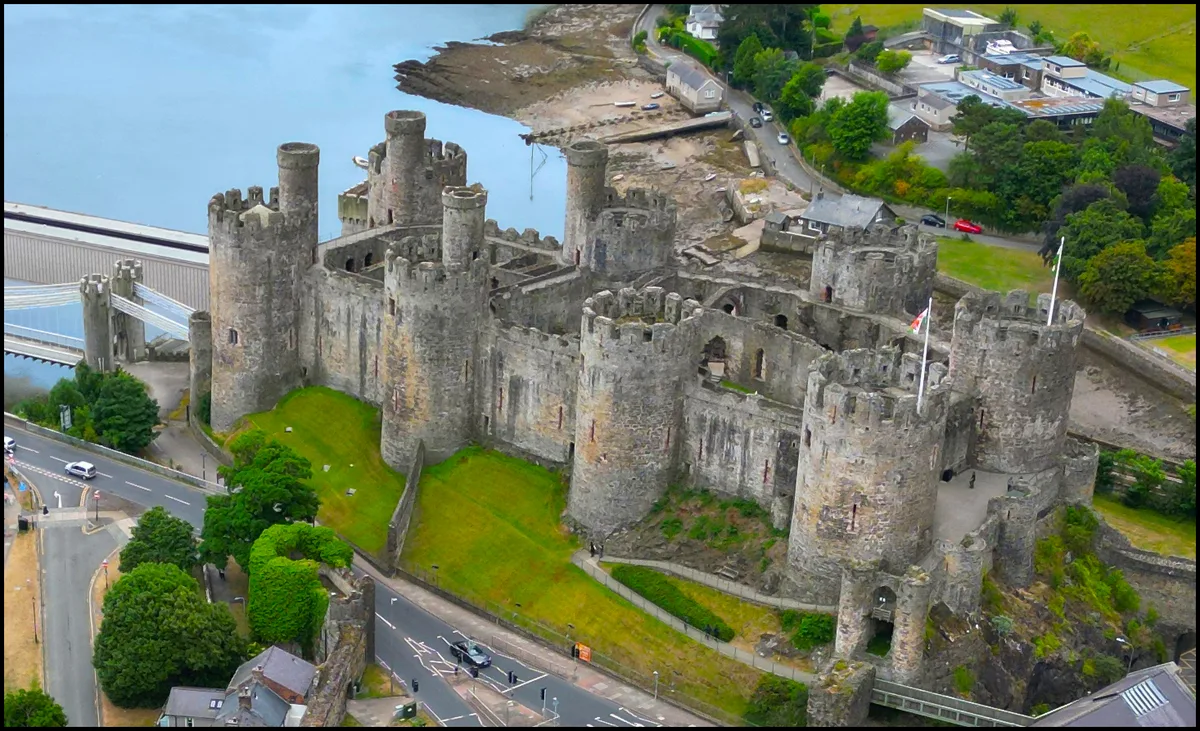
Conwy Castle
Conwy Castle — castle in Conwy, North Wales.
 📷 4
📷 4Castles · North Wales
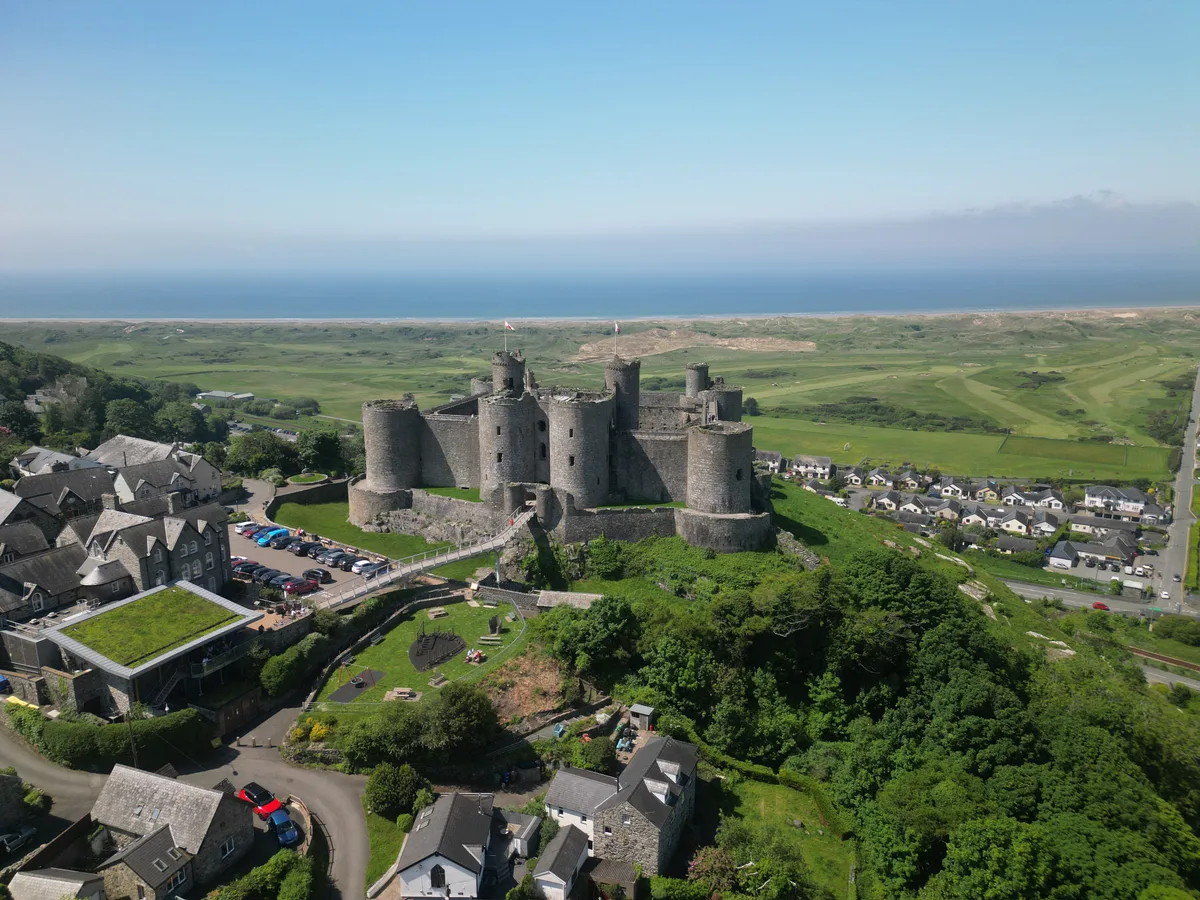
Harlech Castle
Harlech Castle — castle in Harlech, Gwynedd, Wales.
More castles in this region
 📷 5
📷 5Castles · South Wales
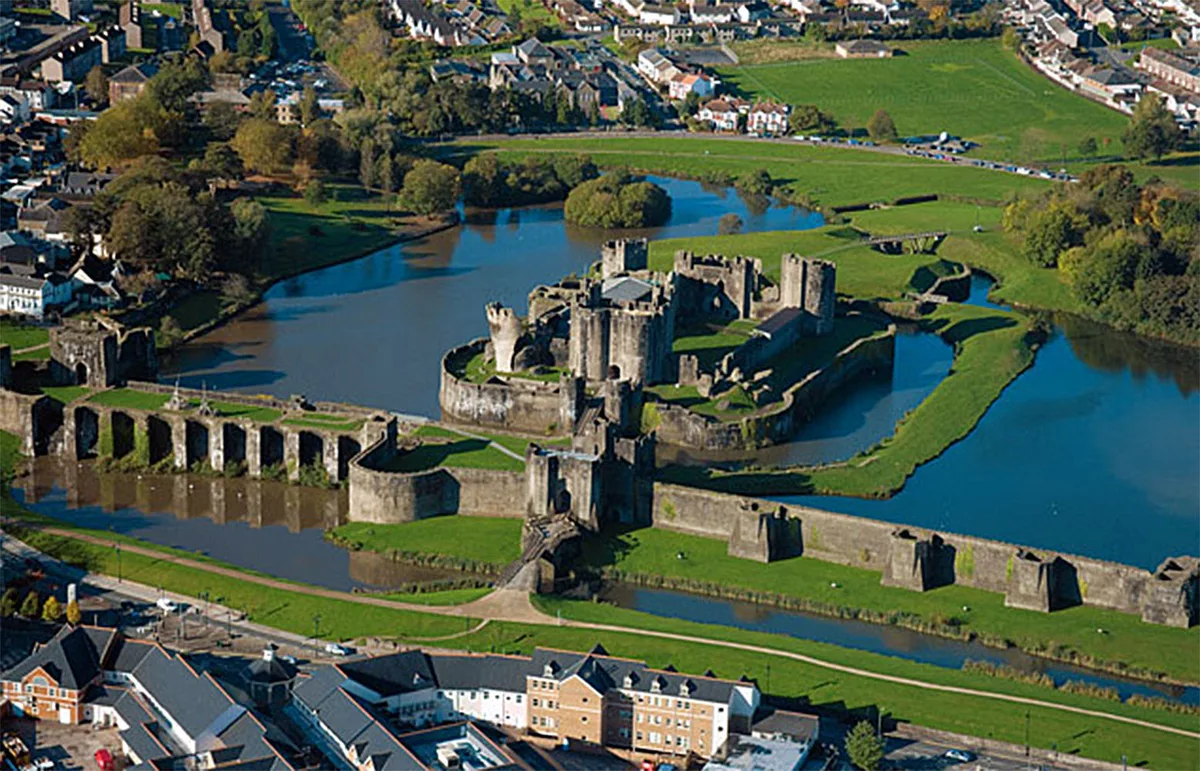
Caerphilly Castle
Caerphilly Castle — castle in Caerphilly, Wales.
 📷 3
📷 3Castles · South Wales
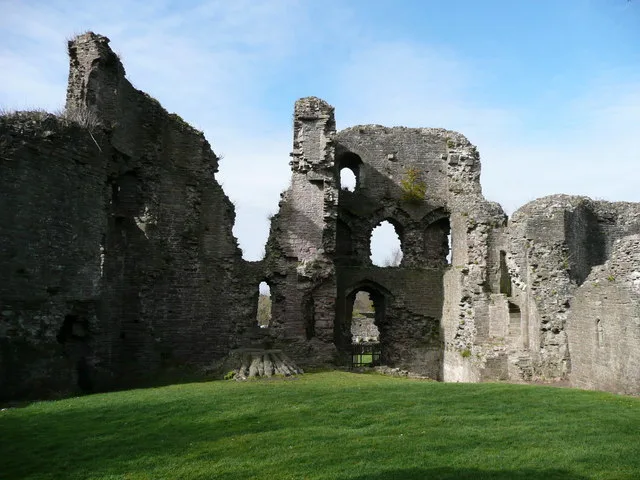
Abergavenny Castle
Abergavenny Castle — Grade I listed building in Abergavenny. Ruined castle in the market town of Abergavenny, Monmouthshire, Wales.
 📷 3
📷 3 📷 3
📷 3Frequently asked questions
- Where is Grosmont Castle?
- Grosmont Castle is in South Wales, United Kingdom (postcode NP7 8EP), in the parish of Grosmont.
- What is Grosmont Castle?
- Grosmont Castle — castle in Monmouthshire, Wales, UK.
- How do I get to Grosmont Castle?
- The nearest town is Grosmont. Drivers can use postcode NP7 8EP.
- Who runs Grosmont Castle?
- Grosmont Castle is operated by Cadw.
- Is Grosmont Castle a listed building?
- Grosmont Castle is officially recognised as scheduled monument listed.
- Is Grosmont Castle a protected site?
- Yes — Grosmont Castle is part of the River Wye SSSI Site of Special Scientific Interest.
- Does Grosmont Castle charge admission?
- Grosmont Castle typically charges admission. Check the official site for current ticket prices and opening hours.
- How do I get to Grosmont Castle?
- Drivers can navigate to postcode NP7 8EP. It sits within the Monmouthshire parliamentary constituency.