
Castles · South Wales
Coity Castle
In or near Ewenny.
Coity Castle — castle in Bridgend County Borough, Wales.

Wikimedia Commons contributors — see linked file page for photographer and licence licence

Plan your visit
- Typical visit
- 1.5 h–3 h
- Nearest railway station
- Wildmill · 1.9 km
- Free entry
- Family-friendly
- Limited wheelchair access
Getting there & planning your visit
To visit Coity Castle, the nearest railway station is Wildmill, located 1.9 km away. Entry is paid, and wheelchair accessibility is limited. The postcode for sat-nav is CF35 6BG.
About
Coity Castle is a castle in the United Kingdom — fortified architecture from the medieval, Tudor, or Victorian-revival period. Records date its origin to 1100. Heritage designation: scheduled monument. Owned by Cadw. Managed by Cadw. Wikidata describes it as: "castle in Bridgend County Borough, Wales". Coordinates: 51.5221°, -3.5534°.
Photo gallery
Heritage listing
Coity Castle (Welsh: Castell Coety) in Glamorgan, Wales, is a Norman castle built by Sir Payn "the Demon" de Turberville (fl. 1126), one of the legendary Twelve Knights of Glamorgan supposed to have conquered Glamorgan under the leadership of Robert FitzHamon (d. 1107), Lord of Gloucester. Now in ruins, it stands in the community of Coity Higher near the town of Bridgend, in the County Borough of Bridgend. Very close to the castle is the battlemented parish Church of St Mary the Virgin, which dates from the 14th century.
From Cadw under OGL v3.
Summary from the official site
Coity Castle is a historic ruin that showcases a mix of architectural styles from its long history, dating back to the early 12th century. Visitors can explore the remains of the castle, which include features from various periods, reflecting its evolution over the centuries.
Read more on the official property page.
From the Wikipedia article
Coity Castle (Welsh: Castell Coety) in Glamorgan, Wales, is a Norman castle built by Sir Payn "the Demon" de Turberville (fl. 1126), one of the legendary Twelve Knights of Glamorgan supposed to have conquered Glamorgan under the leadership of Robert FitzHamon (d. 1107), Lord of Gloucester. Now in ruins, it stands in the community of Coity Higher near the town of Bridgend, in the County Borough of Bridgend. Very close to the castle is the battlemented parish Church of St Mary the Virgin, which dates from the 14th century. The castle is a Grade I listed building.
Excerpt from Wikipedia under CC BY-SA 4.0. See the source article linked in Sources below.
Background
Architecture
Coity Castle's inner ward is a circular area of approximately 150 ft in diameter. The area is protected by walls that stand up to 30 ft tall to this day. Surrounding the inner ward is a sub-circular ditched enclosure measuring 36 - in diameter. Adjacent to the enclosure lies a sub-rectangular enclosure measuring 55 m in an east–west direction and 36 m in a north–south direction. The castle's ruined curtain walls on the western side enclose several remains of the internal buildings.
Visiting
A small parking area is available beside the main gatehouse on the west side of the ruins, although it is not clearly marked. However, visitors can inspect the southern castle walls from the main road. To access the eastern walls, visitors can take a short path down Heol yr Eglys, a side road. This path leads to a field where the exterior of the northern walls can be viewed.
Sourced from Wikipedia under CC BY-SA 4.0.
- Coordinates
- 51.5221, -3.5534
- District
- Bridgend
- Parish
- Coity Higher
- Postcode
- CF35 6BG
- Parliamentary constituency
- Bridgend
- Established
- 1100
- Nearest railway station
- Wildmill — 1.9 km
- Opening
- Daily 10am–4pm; closed 24, 25, 26 December and 1 January
- Official site
- cadw.gov.wales
Sources
- wikidata: Q1107288 (CC0)
- wikipedia: Coity Castle (CC BY-SA 4.0)
- commons: Coity Castle.jpg (CC BY-SA 4.0)
Other places nearby

Coity Castle siegeworks
Literary houses · 0.0 km
Coity Castle Seigeworks
Castles · 0.0 km

Celtic Cross World War 1 Monument
Memorials & monuments · 0.1 km

Brackla Hill
Mountains & hills · 1.0 km

Odeon Bridgend
Theatres · 1.7 km

Cefn Hirgoed
Mountains & hills · 2.0 km

Coed-y-Mwstwr
Vineyards · 2.1 km

Coychurch
Villages · 2.3 km

Brewery Field
Stadiums · 2.4 km

The Randall Memorial
Memorials & monuments · 2.4 km

Escape Games
Escape rooms · 2.4 km

War Memorial, Dunraven Place
Memorials & monuments · 2.5 km
Nearby
📷 5Literary houses · South Wales
Coity Castle siegeworks
Coity Castle siegeworks — a literary house museum in wales south.
📷 5📷 3Memorials & monuments · South Wales
Celtic Cross World War 1 Monument
Celtic Cross World War 1 Monument — a memorial in wales-south, United Kingdom.
📷 5Mountains & hills · South Wales
Brackla Hill
Brackla Hill — mountain in wales south. Elevation: 75 m.
📷 3📷 3Mountains & hills · South Wales
Cefn Hirgoed
Cefn Hirgoed — a mountain in wales-south, United Kingdom, 142 m.
Where to eat & stay near Coity Castle
Places to stay
 📷 5
📷 5 📷 5
📷 5Campsites · South Wales
Our Welsh Cavaran & Camping
Our Welsh Cavaran & Camping — a campsite in wales south.
 📷 5
📷 5 📷 5
📷 5Campsites · South Wales
Three Golden Cups Campsite
Three Golden Cups Campsite — a campsite in wales south.
 📷 5
📷 5Campsites · South Wales
Three Golden Cups Campsite
Three Golden Cups Campsite — a campsite in wales south.
 📷 5
📷 5Places to eat & drink
 📷 3
📷 3Restaurants · South Wales
The Golden Mile
The Golden Mile — a restaurant in wales south.
 📷 5
📷 5Restaurants · South Wales
The Old Mill
The Old Mill — a restaurant in wales south. Cuisine: american. Brand: Harvester.
 📷 7
📷 7Historic pubs · South Wales
Tŷ Mawr Aka The Great House
Tŷ Mawr Aka The Great House in Wales South, United Kingdom.
 📷 5
📷 5 📷 7
📷 7 📷 5
📷 5More places run by Cadw
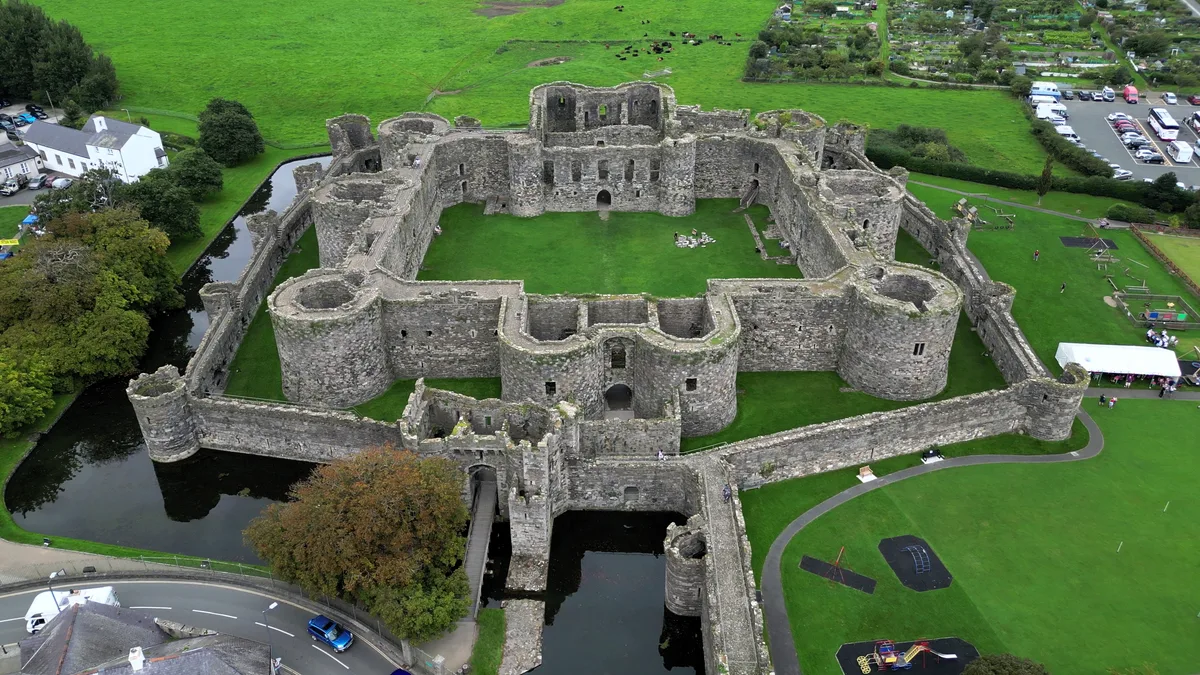 📷 5
📷 5Castles · North Wales
Beaumaris Castle
Beaumaris Castle — castle in Beaumaris, Anglesey, Wales.
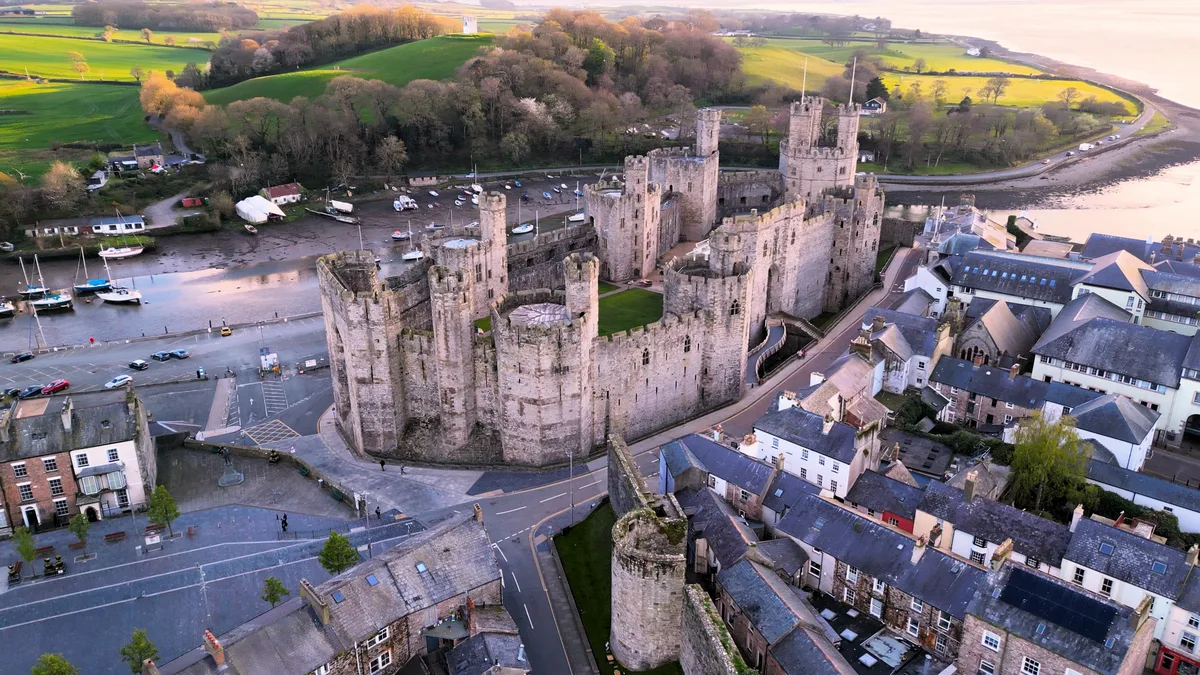 📷 3
📷 3Castles · North Wales
Caernarfon Castle
Caernarfon Castle — castle in Caernarfon, North Wales.
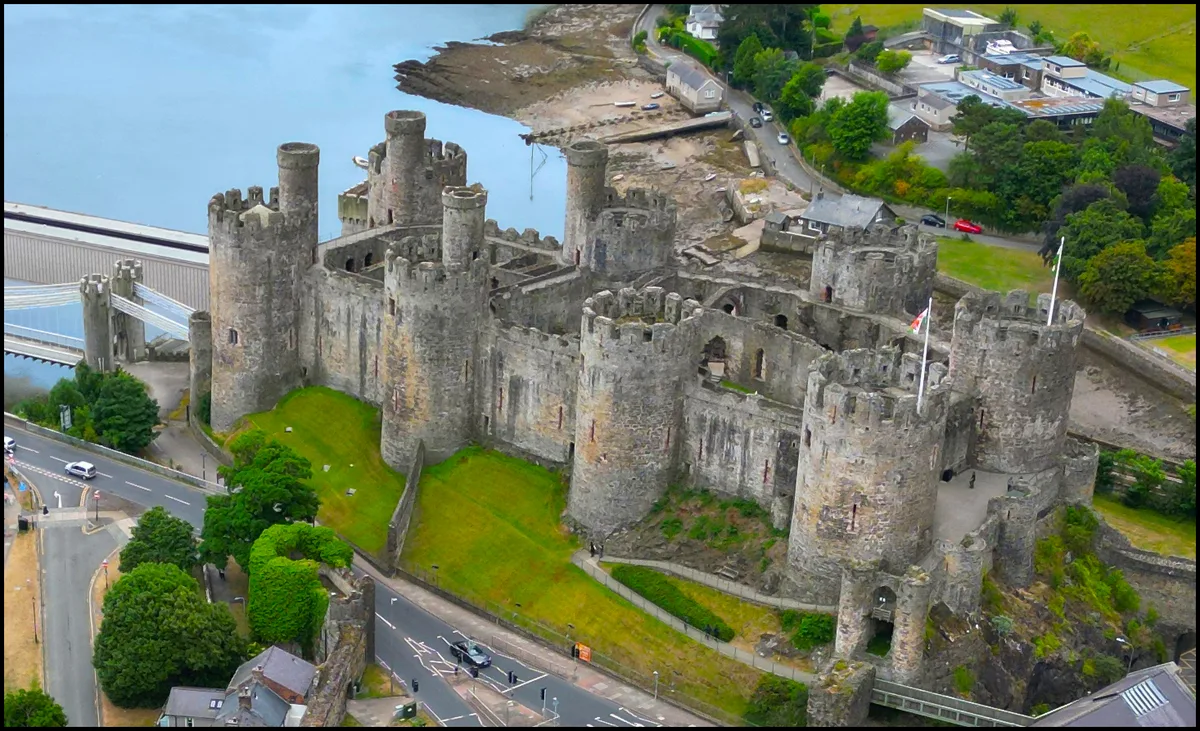 📷 5
📷 5Castles · North Wales
Conwy Castle
Conwy Castle — castle in Conwy, North Wales.
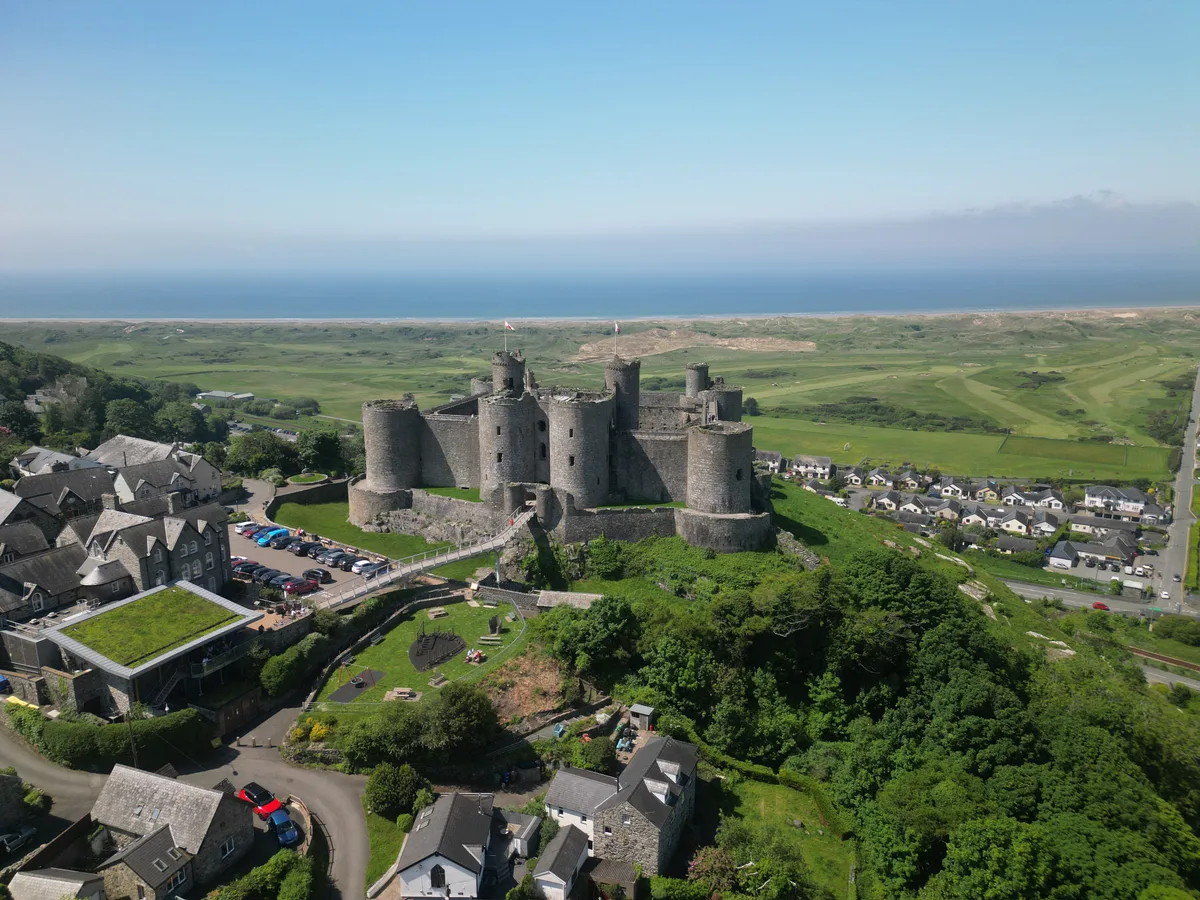 📷 4
📷 4Castles · North Wales
Harlech Castle
Harlech Castle — castle in Harlech, Gwynedd, Wales.
Other castles from this era
 📷 5
📷 5Castles · South East England
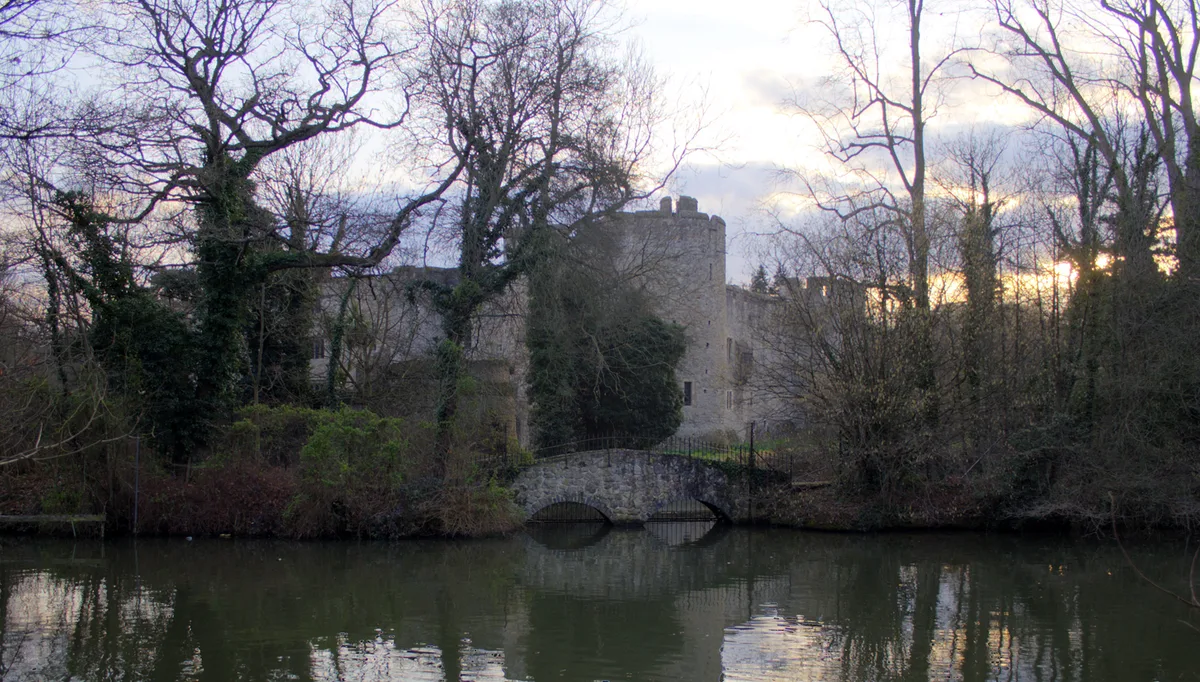
Allington Castle
Allington Castle — stone-built moated castle in Allington, England.
 📷 5
📷 5Castles · South East England
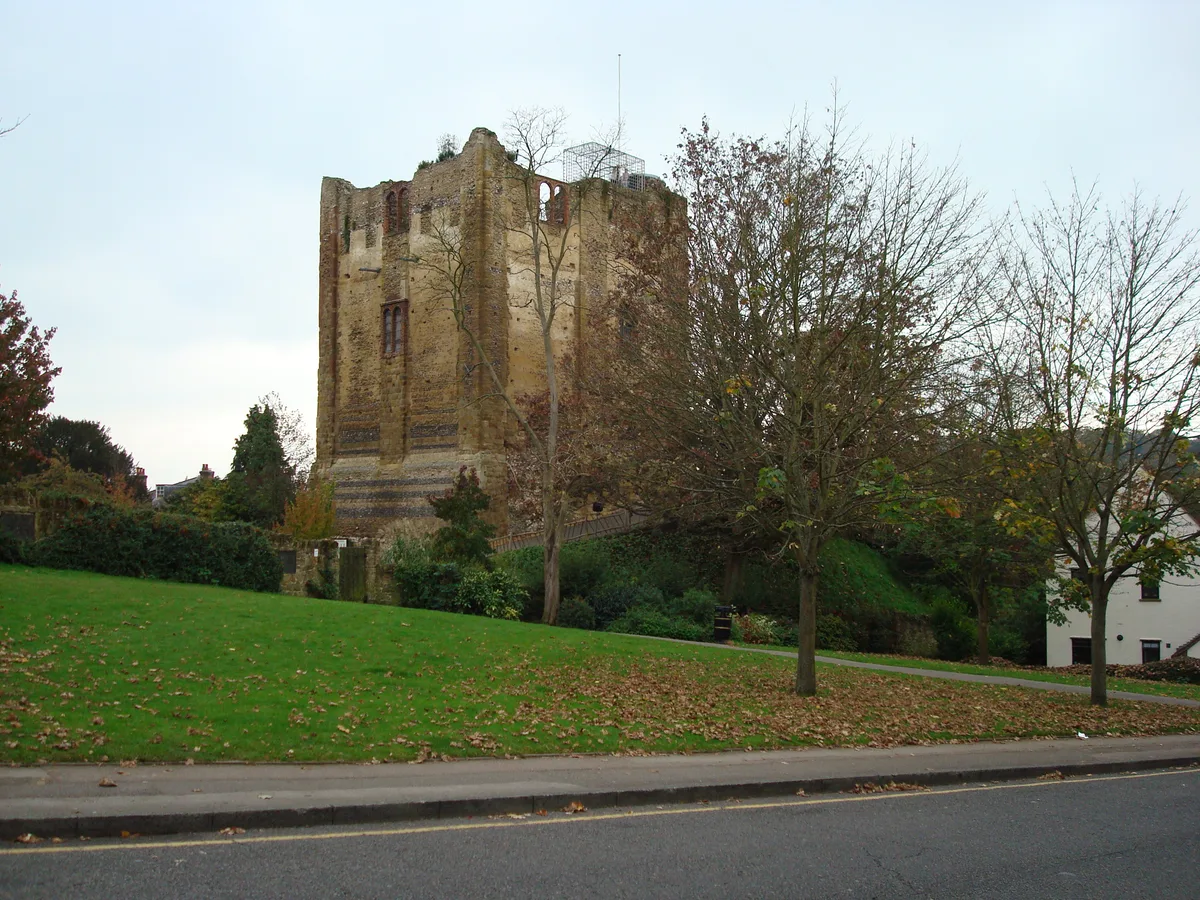
Guildford Castle
Guildford Castle — castle in Guildford, Surrey, England, UK.
 📷 5
📷 5Castles · South East England
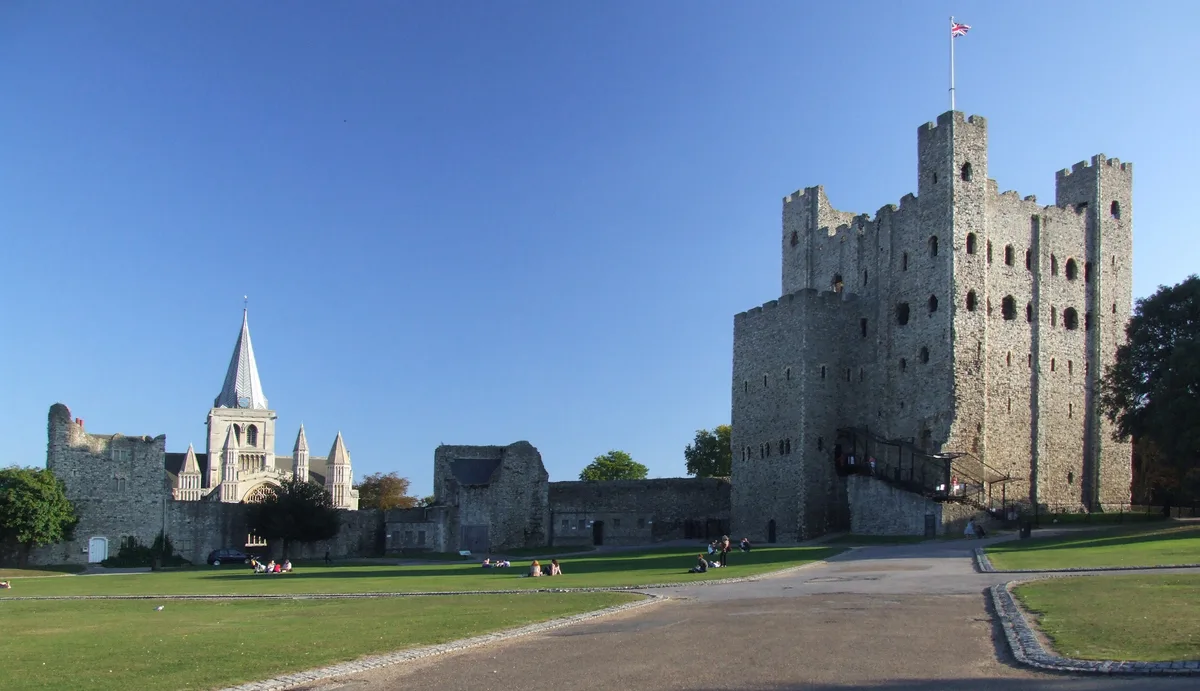
Rochester Castle
Rochester Castle — castle in Rochester, Kent, South East England.
 📷 5
📷 5Castles · South East England
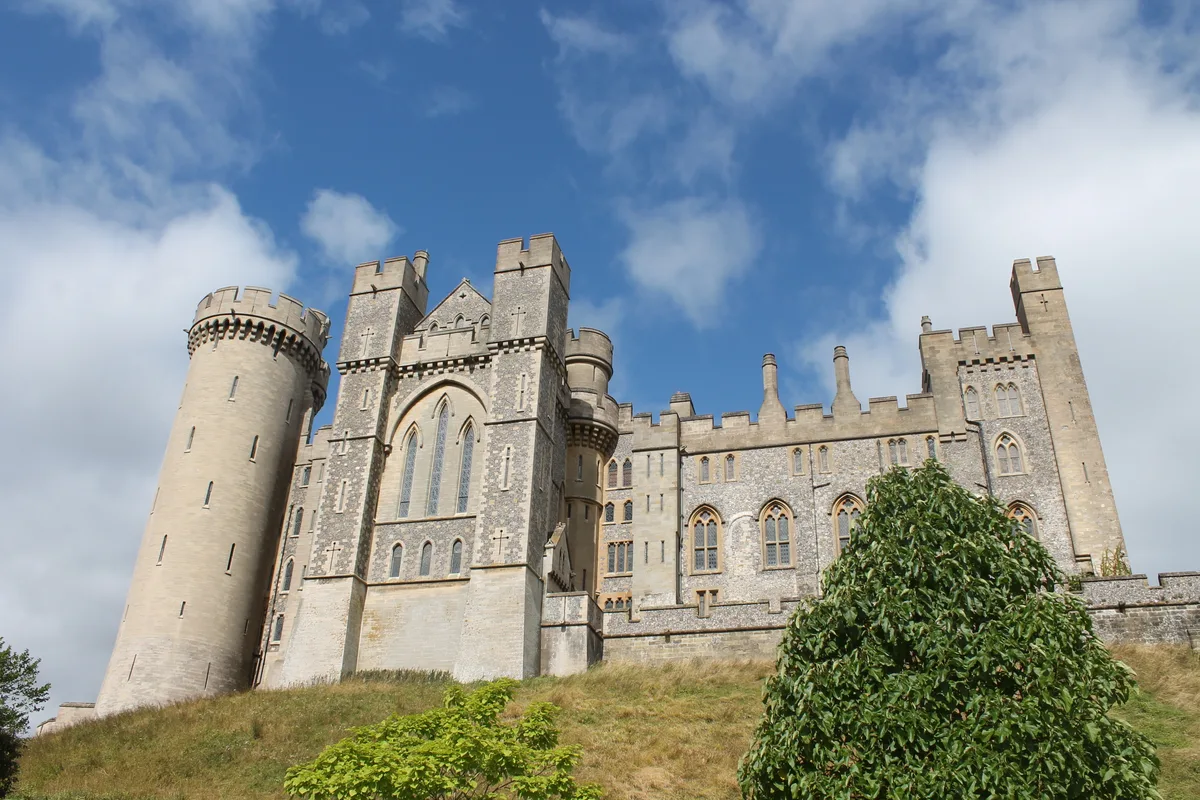
Arundel Castle
Arundel Castle — castle in West Sussex, England, UK.
More castles in this region
 📷 5
📷 5Castles · South Wales
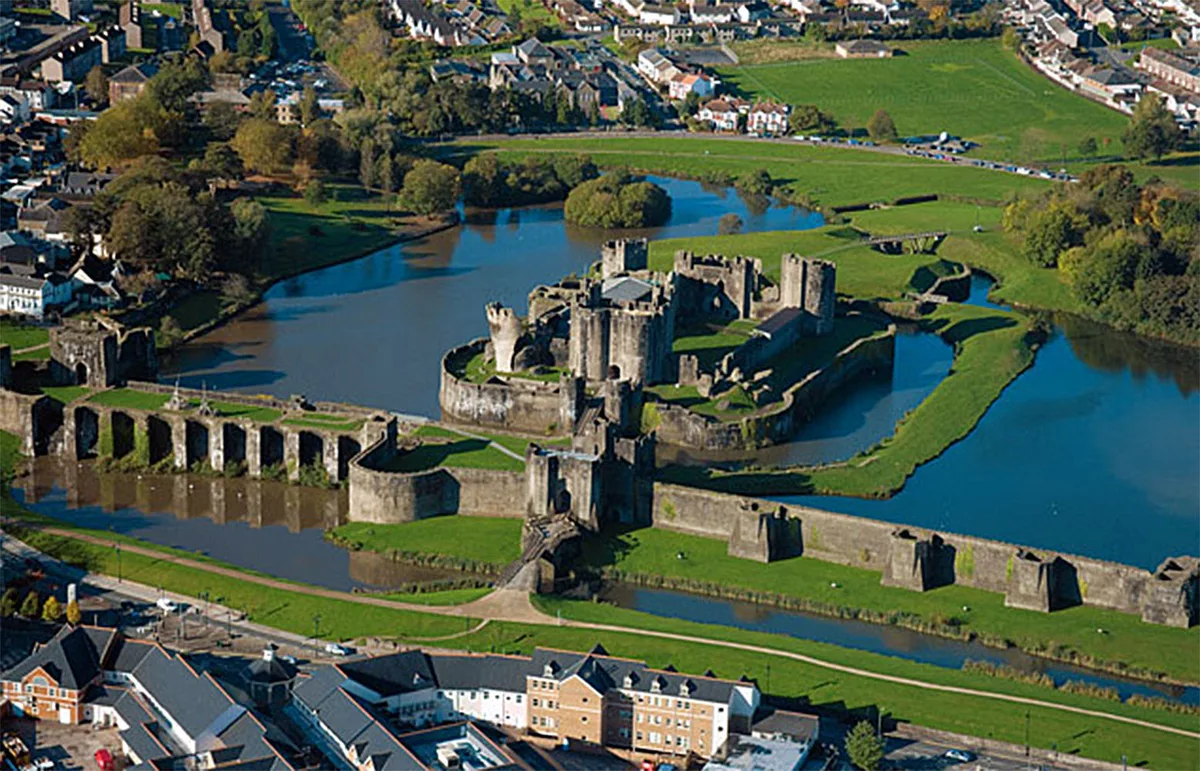
Caerphilly Castle
Caerphilly Castle — castle in Caerphilly, Wales.
 📷 3
📷 3Castles · South Wales
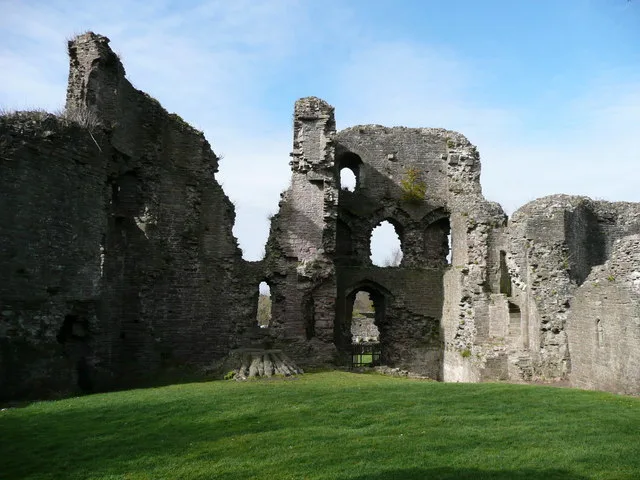
Abergavenny Castle
Abergavenny Castle — Grade I listed building in Abergavenny. Ruined castle in the market town of Abergavenny, Monmouthshire, Wales.
 📷 3
📷 3 📷 3
📷 3Frequently asked questions
- Where is Coity Castle?
- Coity Castle is in South Wales, United Kingdom (postcode CF35 6BG), in the parish of Coity Higher.
- What is Coity Castle?
- Coity Castle — castle in Bridgend County Borough, Wales.
- How do I get to Coity Castle?
- The nearest railway station is Wildmill, about 1.9 km away. The nearest town is Ewenny. Drivers can use postcode CF35 6BG.
- When was Coity Castle built?
- Built or established in 1100.
- Who runs Coity Castle?
- Coity Castle is operated by Cadw.
- Is Coity Castle a listed building?
- Coity Castle is officially recognised as scheduled monument listed.
- Is Coity Castle free to visit?
- Yes, Coity Castle is free to enter.
- How do I get to Coity Castle?
- The nearest railway station is Wildmill, about 1.9 km away. Drivers can navigate to postcode CF35 6BG.