
Castles · South Wales
Chepstow Castle
Also known as: Castell Cas-gwent
In or near Aust.
Chepstow Castle — castle in Chepstow, Monmouthshire, Wales.

Wikimedia Commons contributors — see linked file page for photographer and licence licence

Plan your visit
- Typical visit
- 1.5 h–3 h
- Nearest railway station
- Chepstow · 0.5 km
- Paid entry
- Family-friendly
- Limited wheelchair access
Getting there & planning your visit
Chepstow Castle is located in South Wales, with the nearest railway station being Chepstow, just 0.5 km away. Entry to the castle is paid, and wheelchair accessibility is limited. The postcode for sat-nav is NP16 5ES.
About
Chepstow Castle is a castle in the United Kingdom — fortified architecture from the medieval, Tudor, or Victorian-revival period. Records date its origin to 1067. Heritage designation: scheduled monument. Owned by Cadw. Managed by Cadw. Wikidata describes it as: "castle in Chepstow, Monmouthshire, Wales". Coordinates: 51.6439°, -2.6757°.
Photo gallery
Heritage listing
Chepstow Castle (Welsh: Castell Cas-gwent) at Chepstow, Monmouthshire, Wales, is the oldest surviving post-Roman stone fortification in Britain. Located above cliffs on the River Wye, construction began in 1067 under the instruction of the Norman Lord William FitzOsbern. Originally known as Striguil, it was the southernmost of a chain of castles built in the Welsh Marches, and with its attached Lordship of Striguil took the name of the adjoining market town in about the 14th century. In the 12th century the castle was used in the conquest of Gwent, the first independent Welsh kingdom to be conquered by the Normans. It was subsequently held by two of the most powerful Anglo-Norman magnates of medieval England, William Marshal and Richard de Clare.
From Cadw under OGL v3.
From Cadw
The stones of this magnificent clifftop fortress trace 900 years of historyBeautifully preserved Chepstow Castle stretches out along a limestone cliff above the River Wye like a history lesson in stone.There’s no better place in Britain to see how castles gradually evolved to cope with ever more destructive weaponry – and the grandiose ambitions of their owners. For more than six centuries Chepstow was home to some of the wealthiest and most powerful men of the medieval and Tudor ages.
Read more on the official property page.
Protected designations
- Site of Special Scientific Interest: River Wye SSSI
- Site of Special Scientific Interest: Severn Estuary SSSI
- Area of Outstanding Natural Beauty: Wye Valley
- Ramsar wetland: Severn Estuary
Designations sourced from Natural England open data under OGL v3.
From the Wikipedia article
Chepstow Castle (Welsh: Castell Cas-gwent) at Chepstow, Monmouthshire, Wales, is the oldest surviving post-Roman stone fortification in Britain. Located above cliffs on the River Wye, construction began in 1067 under the instruction of the Norman Lord William FitzOsbern. Originally known as Striguil, it was the southernmost of a chain of castles built in the Welsh Marches, and with its attached Lordship of Striguil took the name of the adjoining market town in about the 14th century. In the 12th century the castle was used in the conquest of Gwent, the first independent Welsh kingdom to be conquered by the Normans. It was subsequently held by two of the most powerful Anglo-Norman magnates of medieval England, William Marshal and Richard de Clare. However, by the 16th century its military importance had waned and parts of its structure were converted into domestic ranges. Although re-garrisoned during and after the English Civil War, by the 1700s it had fallen into decay. With the later growth of tourism, the castle became a popular visitor destination. The ruins were Grade I listed on 6 December 1950.
Excerpt from Wikipedia under CC BY-SA 4.0. See the source article linked in Sources below.
Background
History
The speed with which William the Conqueror committed to the creation of a castle at Chepstow is testament to its strategic importance. There is no evidence for a settlement there of any size before the Norman invasion of Wales, although it is possible that the castle site itself may have previously been a prehistoric or early medieval stronghold. The site overlooked an important crossing point on the River Wye, a major artery of communications inland to Monmouth and Hereford. At the time, the Welsh kingdoms in the area were independent of the English Crown and the castle in Chepstow would also have helped suppress the Welsh from attacking Gloucestershire along the Severn shore towards…
Architecture
Chepstow Castle is situated on a narrow ridge between the limestone river cliff and a valley, known locally as the Dell, on its landward side. Its full extent is best appreciated from the opposite bank of the River Wye. The castle has four baileys, added in turn through its history. Despite this, it is not a defensively strong castle, having neither a strong keep nor a concentric layout. The multiple baileys instead show its construction history, which is generally considered in four major phases. The first serious architectural study of Chepstow began in 1904 and the canonical description was long considered to be by Perks in 1955. Recent studies have revised the details of these phases,…
Description
In 1468, the castle was part of the estates granted by the Earl of Norfolk to William Herbert, Earl of Pembroke in exchange for lands in the east of England. In 1508, it passed to Sir Charles Somerset, later the Earl of Worcester, who remodelled the buildings extensively as private accommodation. From the 16th century, after the abolition of the Marcher lords' autonomous powers by King Henry VIII through the Laws in Wales Acts of 1535 and 1542, and Chepstow's incorporation as part of the new county of Monmouthshire, the castle became more designed for occupation as a great house.
Sourced from Wikipedia under CC BY-SA 4.0.
- Coordinates
- 51.6439, -2.6757
- District
- Monmouthshire
- Parish
- Chepstow
- Postcode
- NP16 5ES
- Parliamentary constituency
- Monmouthshire
- Established
- 1067
- Nearest railway station
- Chepstow — 0.5 km
- Opening
- Mar 01-Jun 30,Sep 01-Oct 31 09:30-17:00; Jul 01-Aug 31 09:30-18:00; Nov 01-Feb 28 10:00-16:00; Dec 24-26 off; Jan 01 off
- Official site
- cadw.wales.gov.uk
Sources
- wikidata: Q1070187 (CC0)
- wikipedia: Chepstow Castle (CC BY-SA 4.0)
- commons: Chepstow castle - panoramio.jpg (CC BY-SA 4.0)
Other places nearby

Powis Almshouses
Gardens · 0.1 km

Castle Terrace, Chepstow
Gardens · 0.1 km

Raglan Lodge
Gardens · 0.2 km

Chepstow Port Wall
Memorials & monuments · 0.2 km
14 Beaufort Square
Gardens · 0.2 km

Electric Picture Hall
Theatres · 0.2 km

Beaufort Hotel
Historic houses · 0.2 km

Beaufort Hotel
Historic pubs · 0.2 km

Chepstow War Memorial
Memorials & monuments · 0.2 km

Chepstow
Hill forts · 0.2 km

Woodfield Arms
B&Bs · 0.2 km

Mint & Mustard
Restaurants · 0.2 km
Nearby
📷 4Gardens · South Wales
Powis Almshouses
Powis Almshouses — a garden in wales-south, United Kingdom.
📷 4Gardens · South Wales
Castle Terrace, Chepstow
Castle Terrace, Chepstow — a garden in wales-south, United Kingdom.
📷 4Gardens · South Wales
Raglan Lodge
Raglan Lodge — a garden in wales-south, United Kingdom.
📷 5Memorials & monuments · South Wales
Chepstow Port Wall
Chepstow Port Wall — a memorial in wales-south, United Kingdom.
📷 4Gardens · South Wales
14 Beaufort Square
14 Beaufort Square — a garden in wales-south, United Kingdom.
📷 3Theatres · South Wales
Electric Picture Hall
Electric Picture Hall in Wales South, United Kingdom.
Where to eat & stay near Chepstow Castle
Places to stay
📷 5 📷 5
📷 5Hotels · South Wales
St Pierre Country Club
St Pierre Country Club — a hotel in wales south.
 📷 5
📷 5 📷 7
📷 7 📷 7
📷 7B&Bs · South Wales
Tintern Old Rectory B&B
Tintern Old Rectory B&B — a bed-and-breakfast in wales south.
 📷 5
📷 5Campsites · South Wales
Beeches Farm Campsite
Beeches Farm Campsite — a campsite in wales south.
Places to eat & drink
📷 7📷 5Restaurants · South Wales
Mint & Mustard
Mint & Mustard — a restaurant in wales south.
 📷 6
📷 6 📷 7
📷 7Historic pubs · South West England
The Boar's Head
The Boar's Head in Wales South, United Kingdom.
 📷 5
📷 5Cafés · South West England
Swan House
Swan House — a café in england west midlands.
 📷 5
📷 5Restaurants · South West England
Roobroo
Roobroo — a restaurant in england west midlands.
More places run by Cadw
 📷 5
📷 5Castles · North Wales
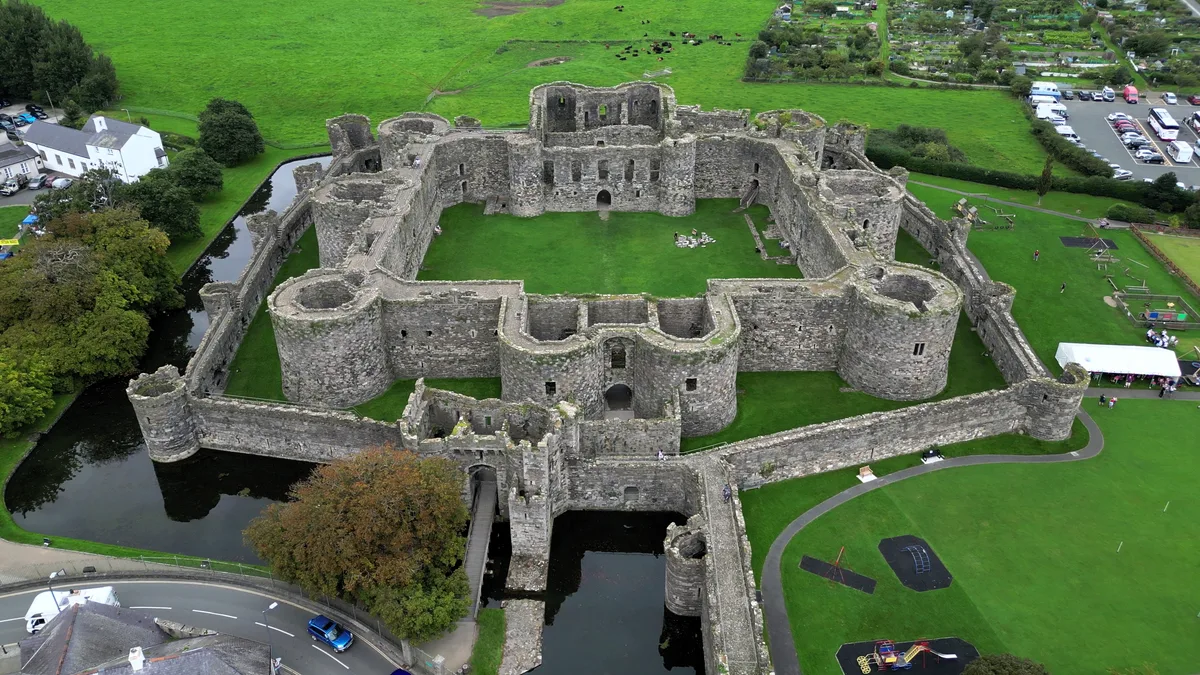
Beaumaris Castle
Beaumaris Castle — castle in Beaumaris, Anglesey, Wales.
 📷 3
📷 3Castles · North Wales
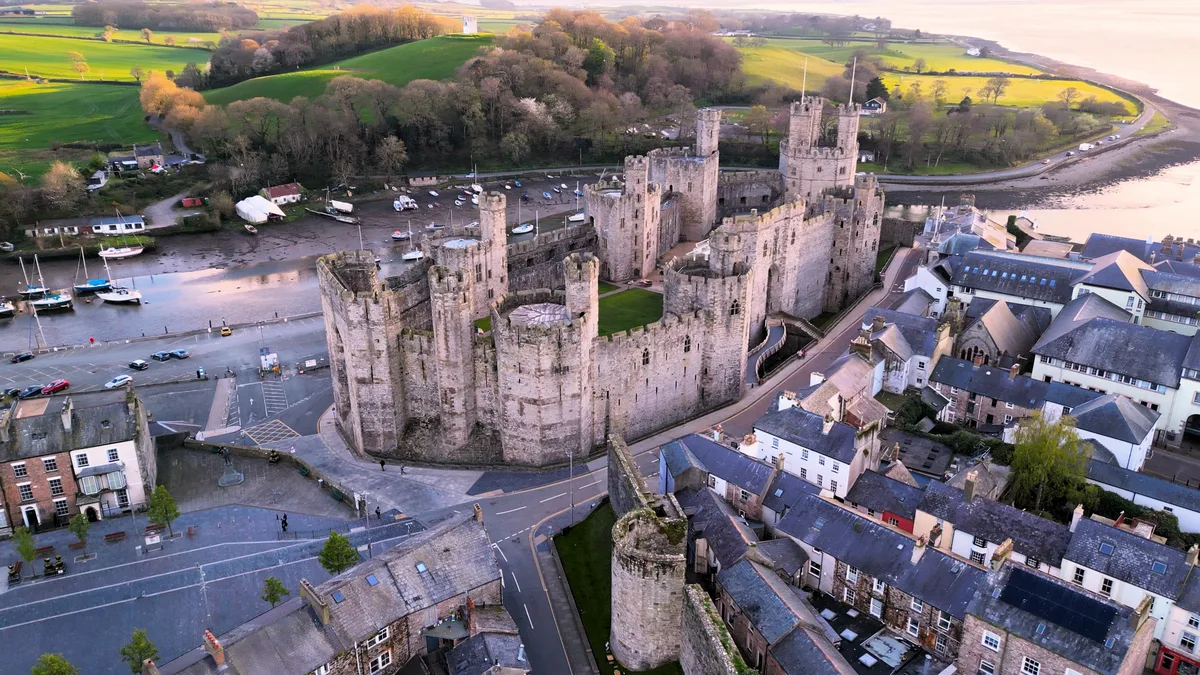
Caernarfon Castle
Caernarfon Castle — castle in Caernarfon, North Wales.
 📷 5
📷 5Castles · North Wales
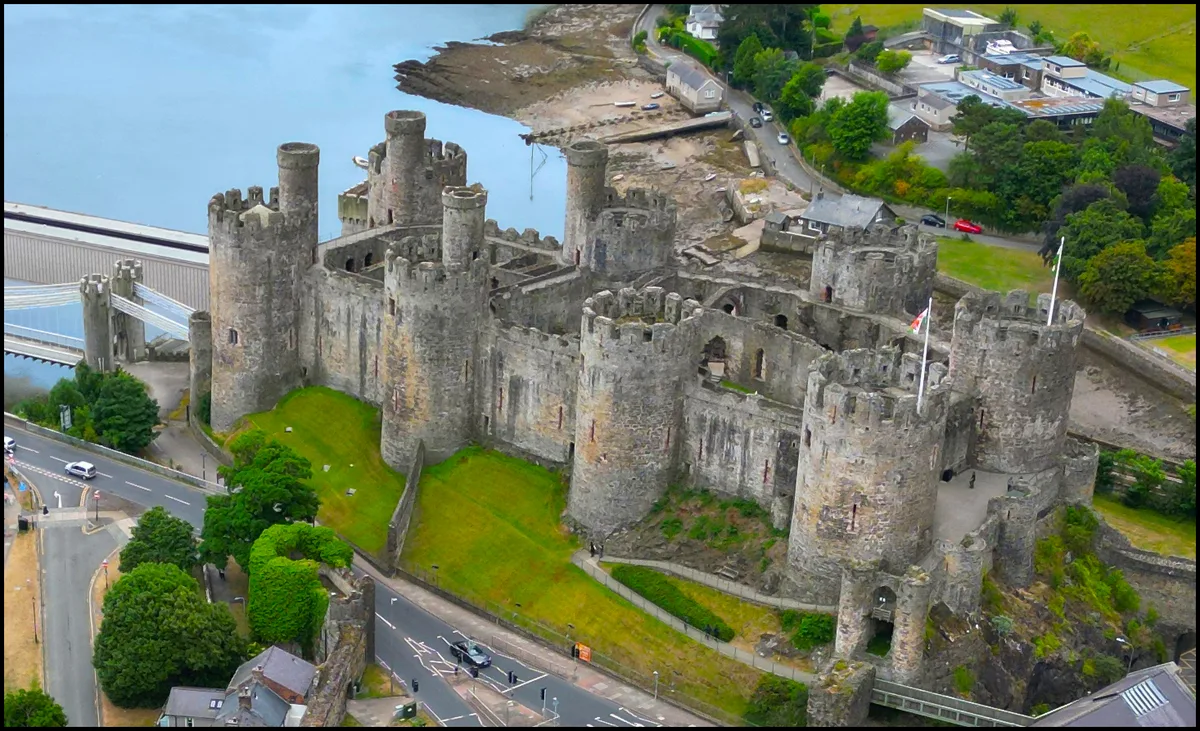
Conwy Castle
Conwy Castle — castle in Conwy, North Wales.
 📷 4
📷 4Castles · North Wales
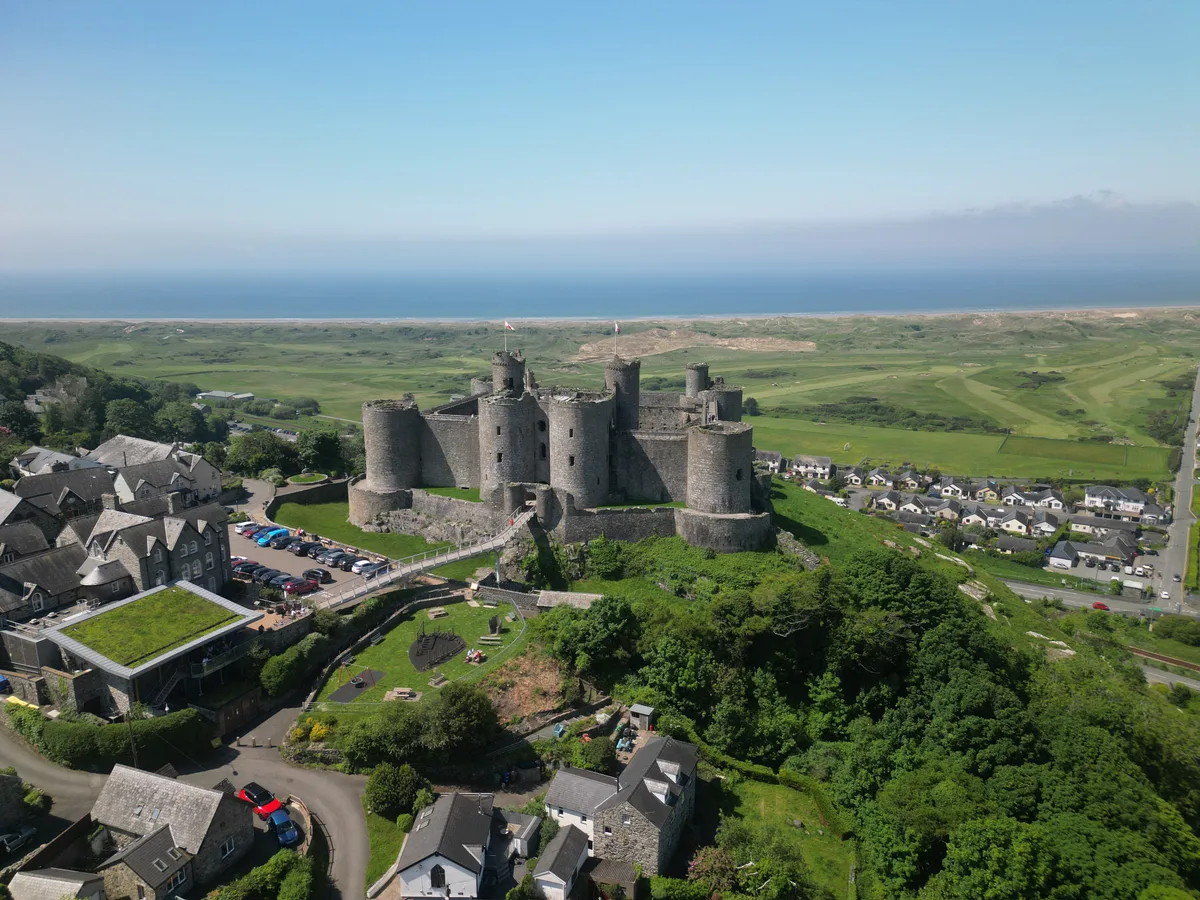
Harlech Castle
Harlech Castle — castle in Harlech, Gwynedd, Wales.
Other castles from this era
 📷 5
📷 5Castles · South East England
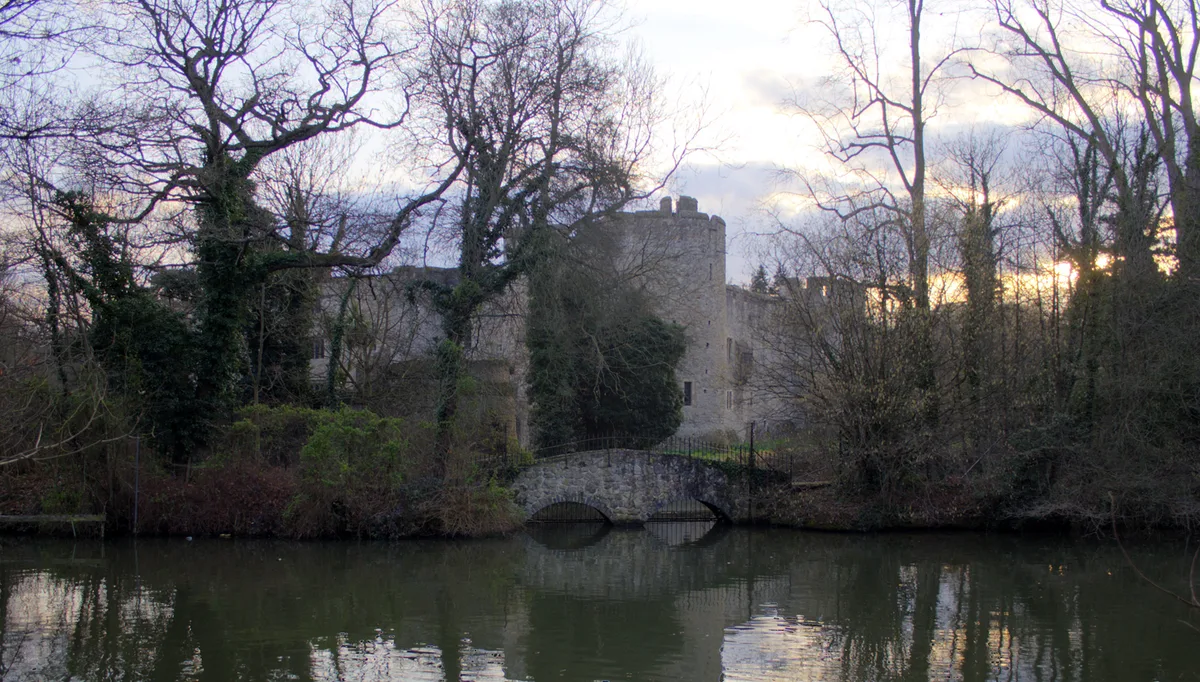
Allington Castle
Allington Castle — stone-built moated castle in Allington, England.
 📷 5
📷 5Castles · South East England
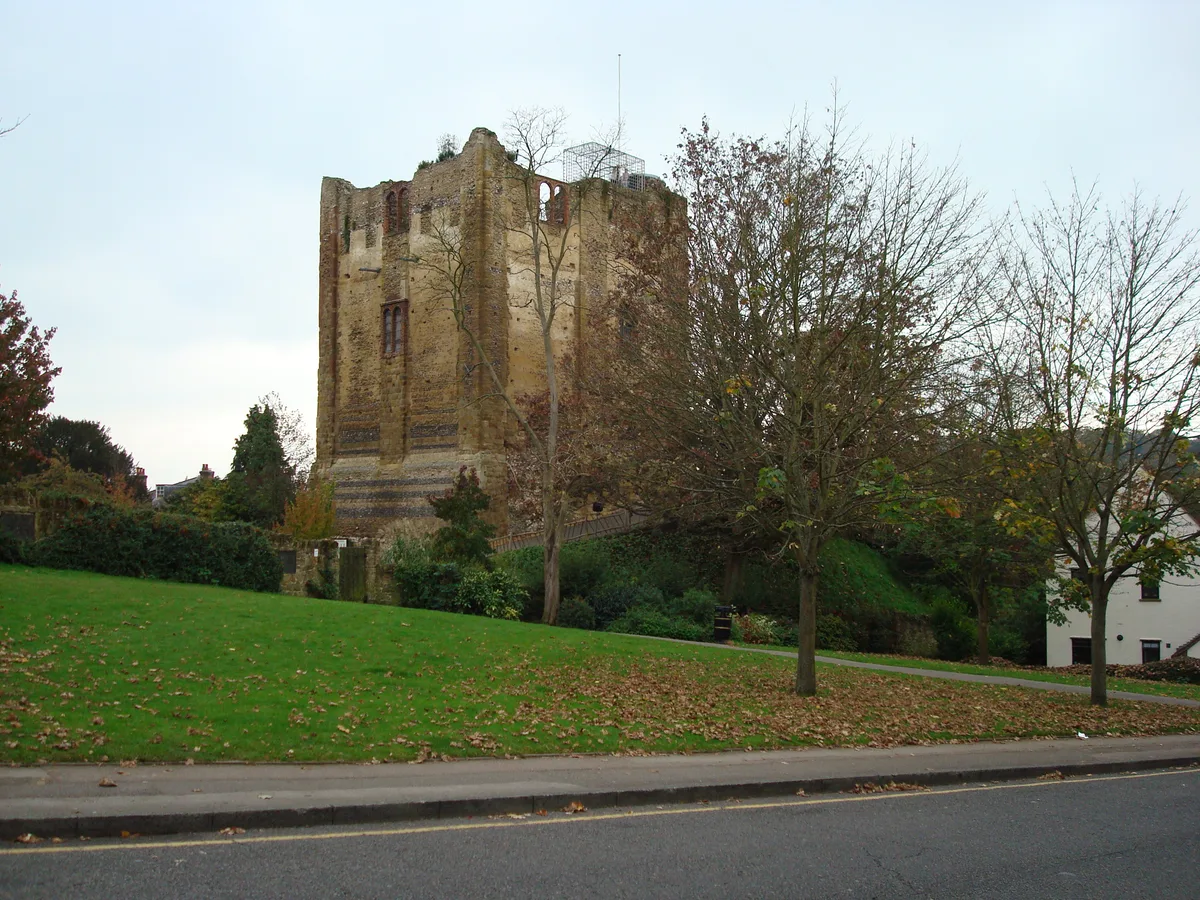
Guildford Castle
Guildford Castle — castle in Guildford, Surrey, England, UK.
 📷 5
📷 5Castles · South East England
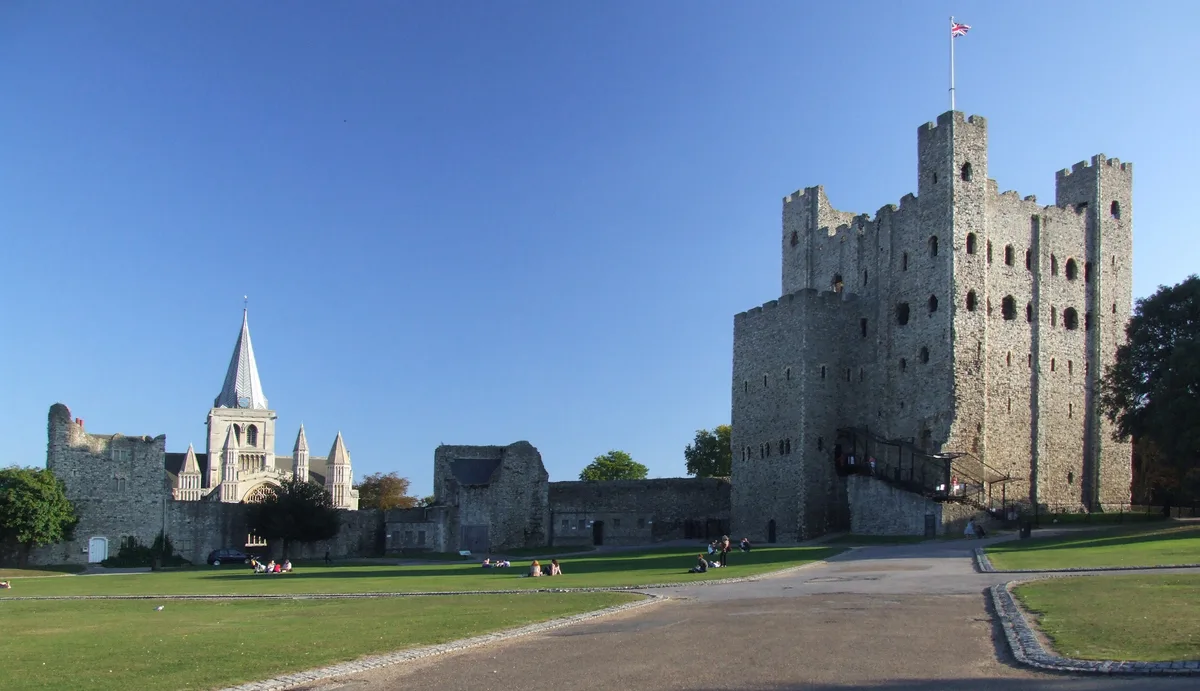
Rochester Castle
Rochester Castle — castle in Rochester, Kent, South East England.
 📷 5
📷 5Castles · South East England
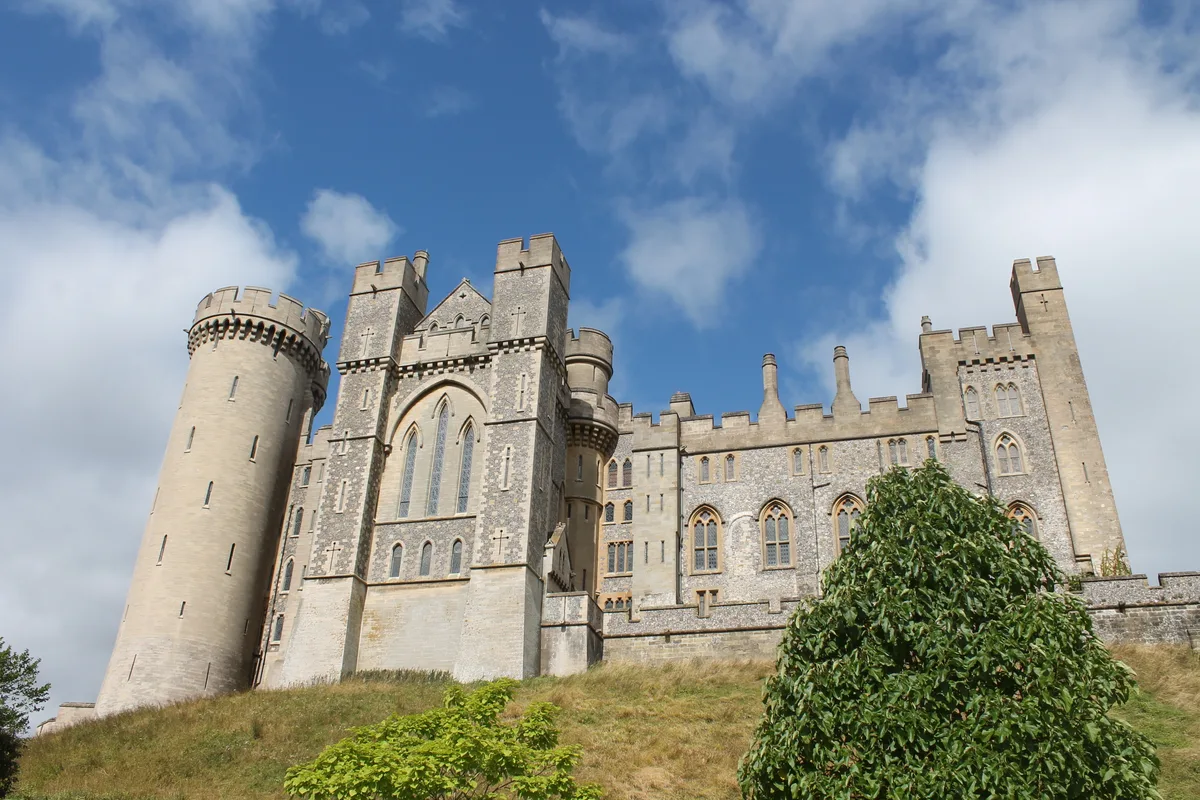
Arundel Castle
Arundel Castle — castle in West Sussex, England, UK.
More castles in this region
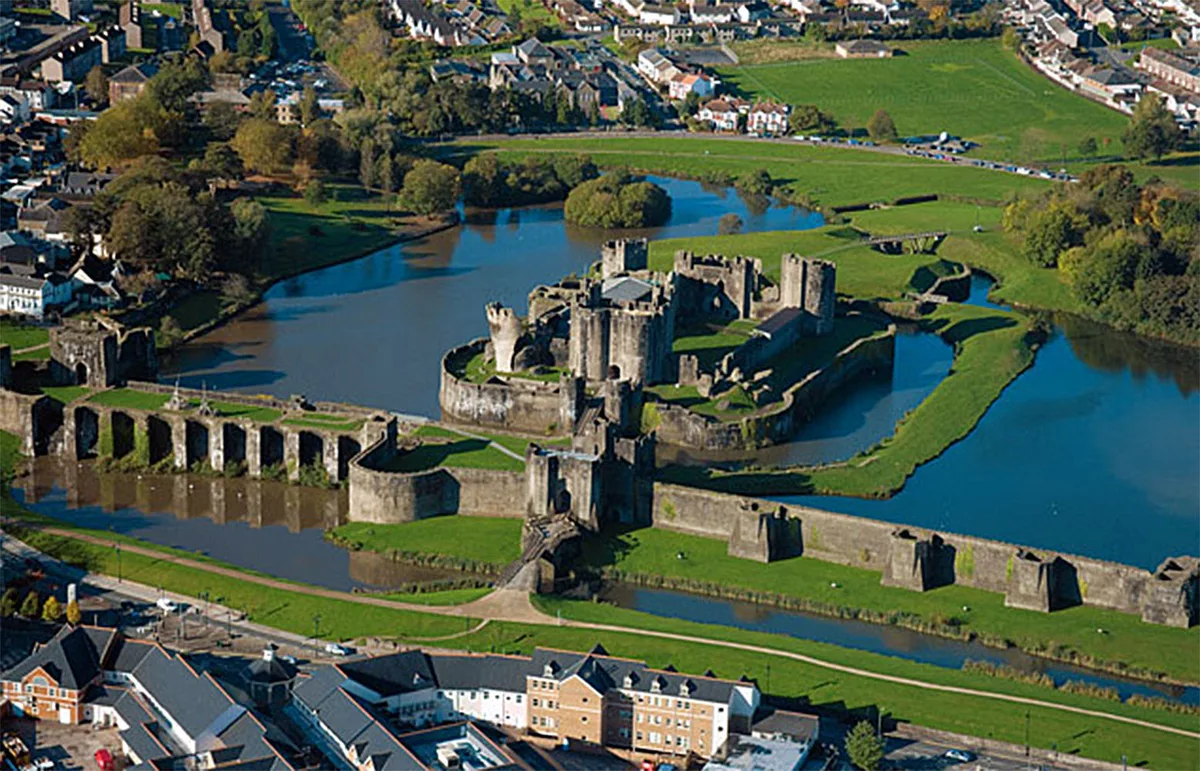 📷 5
📷 5Castles · South Wales
Caerphilly Castle
Caerphilly Castle — castle in Caerphilly, Wales.
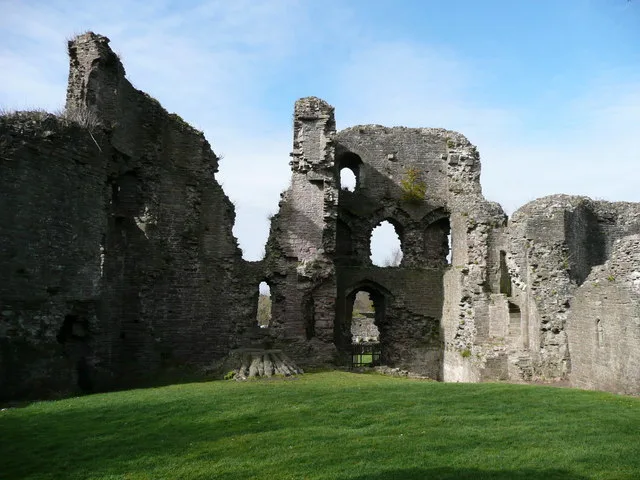 📷 3
📷 3Castles · South Wales
Abergavenny Castle
Abergavenny Castle — Grade I listed building in Abergavenny. Ruined castle in the market town of Abergavenny, Monmouthshire, Wales.
 📷 3
📷 3 📷 3
📷 3Frequently asked questions
- Where is Chepstow Castle?
- Chepstow Castle is in South Wales, United Kingdom (postcode NP16 5ES), in the parish of Chepstow.
- What is Chepstow Castle?
- Chepstow Castle — castle in Chepstow, Monmouthshire, Wales.
- How do I get to Chepstow Castle?
- The nearest railway station is Chepstow, about 0.5 km away. The nearest town is Aust. Drivers can use postcode NP16 5ES.
- When was Chepstow Castle built?
- Built or established in 1067.
- Who runs Chepstow Castle?
- Chepstow Castle is operated by Cadw.
- Is Chepstow Castle a listed building?
- Chepstow Castle is officially recognised as scheduled monument listed.
- Is Chepstow Castle a protected site?
- Yes — Chepstow Castle is part of the River Wye SSSI Site of Special Scientific Interest and the Severn Estuary SSSI Site of Special Scientific Interest.
- Does Chepstow Castle charge admission?
- Chepstow Castle typically charges admission. Check the official site for current ticket prices and opening hours.