
Hill forts · South Wales
Tintern
Also known as: Tyndyrn
In or near St Briavels.
Tintern — a hill-fort in wales-south, United Kingdom.

Helen Steed — CC BY-SA 2.0 via Wikimedia Commons licence

Plan your visit
- Typical visit
- 1 h–2 h
- Nearest railway station
- Chepstow · 6.4 km
- Free entry
- Dog-friendly
About
Tintern is a hill fort in wales-south, United Kingdom, listed in the Wikipedia register of British heritage and tourism sites. See the linked Wikipedia article for full details.
Photo gallery
Protected designations
- Site of Special Scientific Interest: River Wye SSSI
- Site of Special Scientific Interest: Severn Estuary SSSI
- Area of Outstanding Natural Beauty: Wye Valley
- Ramsar wetland: Severn Estuary
Designations sourced from Natural England open data under OGL v3.
Place summary
Tintern is a hill-fort located in South Wales. It is noted for its historical significance and strategic position, offering views over the surrounding landscape. The site represents an important aspect of ancient defensive architecture in the region.
AI-generated from the structured facts on this page (operator, designation, listing, era). Not a substitute for visiting.
Background
History
The name Tintern may derive from the Welsh din + d/teyrn, meaning "rocks of the king". A ford, known as Tintern Ford, stretched across the tidal River Wye and was in use in Roman times. After the Romans withdrew from Wales, the kingdom of Gwent emerged, and, according to tradition, one of their 6th-century kings, Tewdrig, abdicated to become a hermit in Tintern. He came out of retirement to defeat the invading Saxons in battle: probably at Tintern ford, shown as a 6th-century battle site on Ordnance Survey records. Three cairns on a hillside 200 m and 1800 m above and to the west of the ford are known locally as "Devil's Lap Stones". There is a local tradition that they are burial mounds of…
Description
Tintern Abbey was founded beside the river by Walter de Clare on 9 May 1131, during the reign of King Henry I. It was the second Cistercian foundation in Britain, and its monks came from a daughter house of Cîteaux in France. interior]] The present-day remains at Tintern are a mixture of building works covering several centuries. Between 1270 and 1301 the abbey was rebuilt, and when it was completed around four hundred monks lived in the complex. The abbey's land was divided into agricultural units or granges, and local people provided farm labour and served the abbey and its many visitors. For 400 years, it dominated the economy of its surrounding area. During some of this period the area…
Sourced from Wikipedia under CC BY-SA 4.0.
- Coordinates
- 51.6968, -2.6814
- District
- Monmouthshire
- Parish
- Wye Valley
- Postcode
- NP16 6SD
- Parliamentary constituency
- Monmouthshire
- Nearest railway station
- Chepstow — 6.4 km
- Official site
- neighbourhood.statistics.gov.uk
Sources
- wikipedia: Tintern (CC BY-SA 4.0)
Other places nearby

Tomb with Sarcophagus in Churchyard of Former Church of St Mary
Follies · 0.1 km
Tomb with Pyramid in Churchyard of Former Church of St Mary
Follies · 0.1 km

The Wild Hare
Hotels · 0.1 km

St Anne's House
Gardens · 0.2 km

Brass Placque
Memorials & monuments · 0.3 km

Our Lady of Tintern
Public art & sculpture · 0.3 km
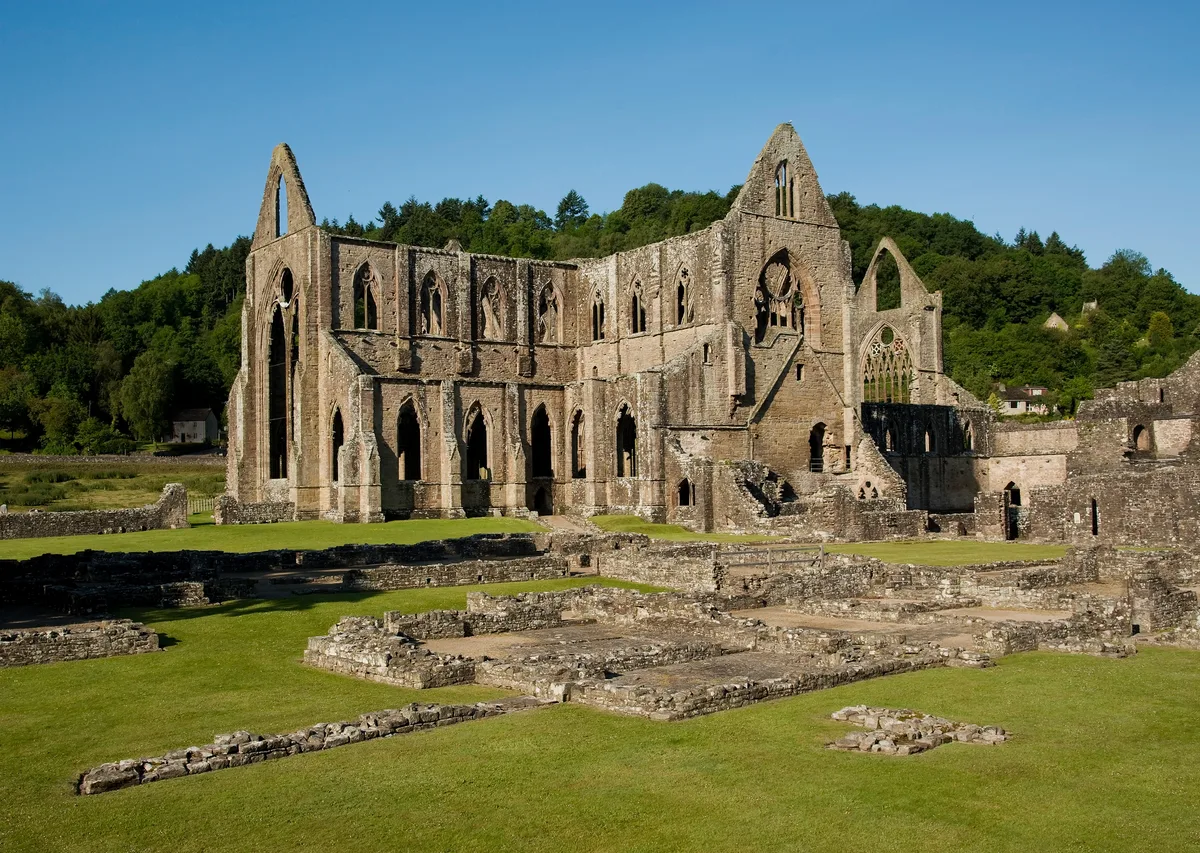
Tintern Abbey
Abbeys & priories · 0.3 km

Tintern Abbey
Cathedrals · 0.3 km

Wireworks Bridge
Historic bridges · 0.3 km

Picnic Tables
Viewpoints · 0.4 km

Tintern Old Rectory B&B
B&Bs · 0.8 km

Wye Valley Hotel
Hotels · 0.8 km
Nearby
📷 3Follies · South Wales
Tomb with Sarcophagus in Churchyard of Former Church of St Mary
Tomb with Sarcophagus in Churchyard of Former Church of St Mary is a folly in the United Kingdom.
📷 3Follies · South Wales
Tomb with Pyramid in Churchyard of Former Church of St Mary
Tomb with Pyramid in Churchyard of Former Church of St Mary is a folly in the United Kingdom.
📷 7📷 4Gardens · South Wales
St Anne's House
St Anne's House — a garden in wales-south, United Kingdom.
📷 3Memorials & monuments · South Wales
Brass Placque
Brass Placque — a memorial in wales-south, United Kingdom.
📷 3Public art & sculpture · South Wales
Our Lady of Tintern
Our Lady of Tintern — a public art in wales-south, United Kingdom.
Where to eat & stay near Tintern
Places to stay
📷 7📷 7B&Bs · South Wales
Tintern Old Rectory B&B
Tintern Old Rectory B&B — a bed-and-breakfast in wales south.
📷 7 📷 5
📷 5Campsites · South Wales
Beeches Farm Campsite
Beeches Farm Campsite — a campsite in wales south.
 📷 5
📷 5Campsites · South Wales
Botany Bay Scout campsite
Botany Bay Scout campsite — a campsite in wales south.
 📷 5
📷 5Hostels · South Wales
The Polish Scouts Association
The Polish Scouts Association — a hostel in wales south.
Places to eat & drink
 📷 5
📷 5Restaurants · South Wales
Mint & Mustard
Mint & Mustard — a restaurant in wales south.
 📷 7
📷 7 📷 6
📷 6 📷 5
📷 5Cafés · South West England
Swan House
Swan House — a café in england west midlands.
 📷 5
📷 5Restaurants · South Wales
The Whitebrook
The Whitebrook — a restaurant in wales south.
 📷 7
📷 7More places in this region
 📷 3
📷 3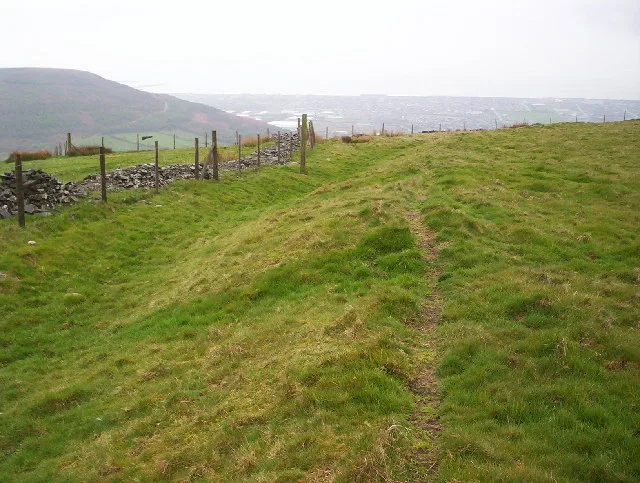 📷 3
📷 3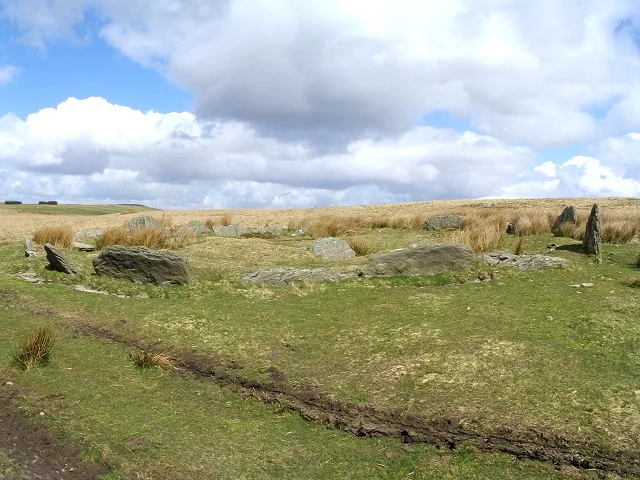 📷 3
📷 3Hill forts · South Wales
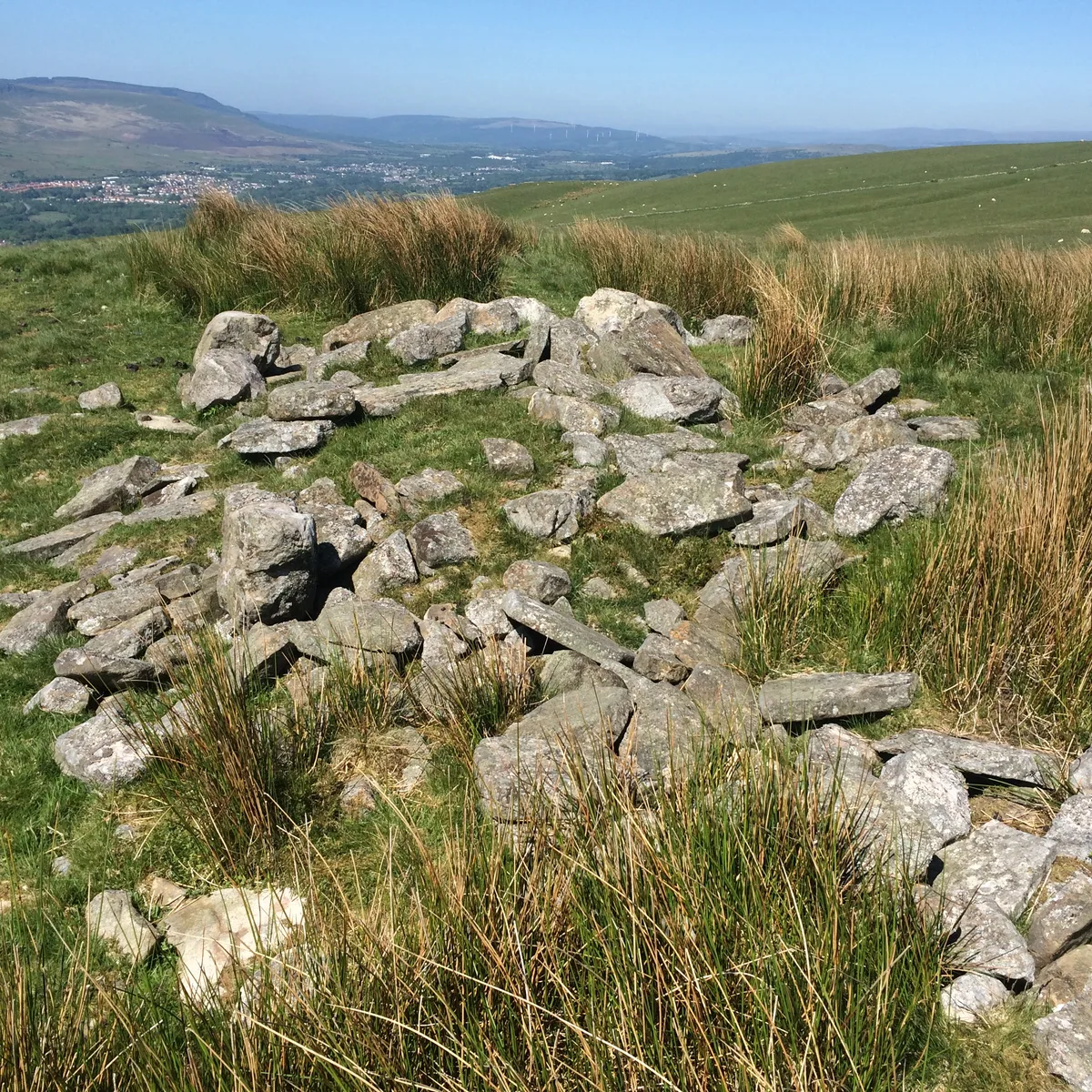
Carn Llechart
Carn Llechart — archaeological site in Neath Port Talbot County Borough, Wales, UK.
 📷 3
📷 3Hill forts · South Wales
Carn Pentyle-Hir & Adjacent Round Cairn
Carn Pentyle-Hir & Adjacent Round Cairn — archaeological site in Rhondda Cynon Taf, Wales, UK.
Frequently asked questions
- Where is Tintern?
- Tintern is in South Wales, United Kingdom (postcode NP16 6SD), in the parish of Wye Valley.
- What is Tintern?
- Tintern — a hill-fort in wales-south, United Kingdom.
- How do I get to Tintern?
- The nearest railway station is Chepstow, about 6.4 km away. The nearest town is St Briavels. Drivers can use postcode NP16 6SD.
- Is Tintern a protected site?
- Yes — Tintern is part of the River Wye SSSI Site of Special Scientific Interest and the Severn Estuary SSSI Site of Special Scientific Interest.
- Is Tintern free to visit?
- Yes, Tintern is free to enter.
- How do I get to Tintern?
- The nearest railway station is Chepstow, about 6.4 km away. Drivers can navigate to postcode NP16 6SD.