
Viewpoints · South Wales
Picnic Tables
In or near St Briavels.
Picnic Tables is a viewpoint in the United Kingdom.

Jaggery — CC BY-SA 2.0 via Wikimedia Commons licence

Plan your visit
- Typical visit
- 20 min–45 min
- Best time of year
- Clear days year-round
- Nearest railway station
- Chepstow · 6.7 km
- Free entry
- Dog-friendly
Getting there & planning your visit
To visit the Picnic Tables viewpoint in Monmouthshire, South Wales, the nearest railway station is Chepstow, located 6.7 km away. Entry is free.
About
Picnic Tables is a named viewpoint in South Wales, marked on Ordnance Survey maps for its outlook. The site is within the Wye Valley National Landscape (AONB), and is a designated Site of Special Scientific Interest. It sits within the Monmouthshire parliamentary constituency. The nearest railway station is Chepstow, about 6.7 km away. Postcode area NP16.
Photo gallery
360° viewimagery from 2020
Imagery © Mapillary contributors, CC BY-SA 4.0
Protected designations
- Site of Special Scientific Interest: River Wye SSSI
- Site of Special Scientific Interest: Severn Estuary SSSI
- Area of Outstanding Natural Beauty: Wye Valley
- Ramsar wetland: Severn Estuary
Designations sourced from Natural England open data under OGL v3.
From the Wikipedia article
A picnic table (or picnic bench) is a table with benches (often attached), designed for working with and for outdoor dining. The term is often specifically associated with rectangular tables having an A-frame structure. Such tables may be referred to as "picnic tables" even when used exclusively indoors. Various types of tables have been used for outdoor dining throughout history, but the classic A-frame rectangular picnic table emerged in the United States in the early 20th century. The earliest similar table was described in 1903 and was based on the 18th-century sawbuck table; the most common modern design, known initially as a "Lassen table", was first used in 1926. While the original and most common material for picnic tables is wooden boards, they may be made of anything from split logs to concrete to recycled HDPE plastic. The frame, benches and platform may also be made of different materials. Picnic tables are made in various shapes, from circles to hexagons, and in a wide range of sizes. Traditional picnic tables often pose challenges for accessibility, especially for wheelchair users, but various designs for accessible picnic tables also exist. The typically simple and informal design of picnic tables makes them popular amenities in parks and other public places. They are used for a wide range of dining, educational, recreational and community-building purposes. Their popularity has various impacts on the flora, fauna and soil around picnic table sites, where they often attract various species interested in feeding on human food. Picnic tables are also common targets of vandalism.
Excerpt from Wikipedia under CC BY-SA 4.0. See the source article linked in Sources below.
Background
History
Picnic tables emerged from the Victorian tradition of picnics, which often involved either simply spreading a blanket on the ground, or bringing the whole apparatus of indoor dining to the outdoors. This early approach to picnicking suffered the drawback that indoor dining furniture could not be carried far from the home and was often unsuited to outdoor use. While the Nielsen table design derived its leg structure from the 18th-century sawbuck table, its built-in seating was innovative.
Visiting
Picnic tables pose a number of challenges for accessibility, particularly for users in wheelchairs. In the United States, federal recreational facilities are required to provide picnic tables that are accessible for disabled users. At least 20% of picnic tables must be accessible, and if only one or two picnic tables are present, they must all be accessible. Nominally accessible picnic tables can still raise significant hurdles for disabled users. A common difficulty is soft or unstable ground around the picnic table that makes wheelchairs difficult to use.
Sourced from Wikipedia under CC BY-SA 4.0.
- Coordinates
- 51.6999, -2.6834
- District
- Monmouthshire
- Parish
- Wye Valley
- Postcode
- NP16 6SE
- Parliamentary constituency
- Monmouthshire
- Nearest railway station
- Chepstow — 6.7 km
Sources
- osm: n8943594793 (ODbL)
- wikipedia: Picnic table (CC BY-SA 4.0)
Other places nearby

Wireworks Bridge
Historic bridges · 0.2 km

The Wild Hare
Hotels · 0.2 km

Tintern
Hill forts · 0.4 km

Tomb with Sarcophagus in Churchyard of Former Church of St Mary
Follies · 0.4 km
Tomb with Pyramid in Churchyard of Former Church of St Mary
Follies · 0.4 km

Tintern Old Rectory B&B
B&Bs · 0.5 km

Brass Placque
Memorials & monuments · 0.5 km

St Anne's House
Gardens · 0.5 km
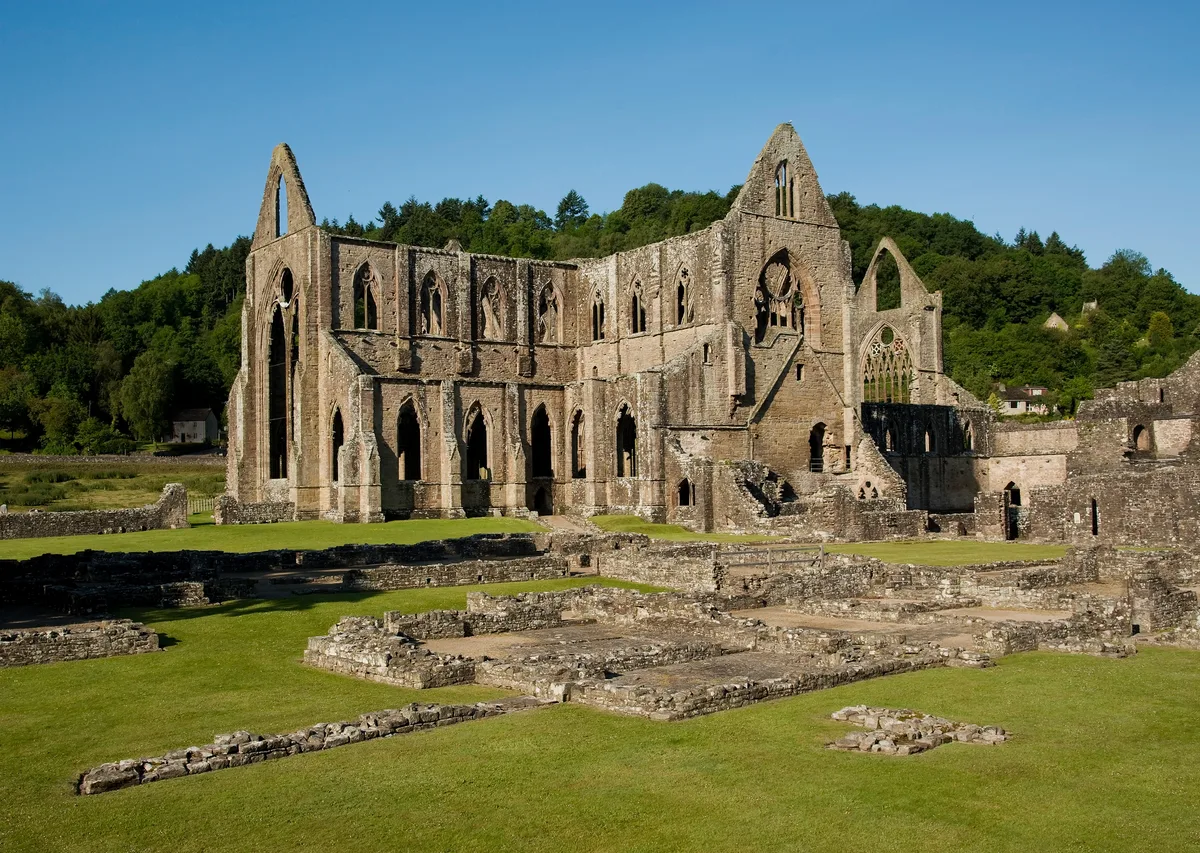
Tintern Abbey
Abbeys & priories · 0.5 km

Tintern Abbey
Cathedrals · 0.5 km

Wye Valley Hotel
Hotels · 0.5 km

Our Lady of Tintern
Public art & sculpture · 0.6 km
Nearby
📷 3Historic bridges · South Wales
Wireworks Bridge
Wireworks Bridge is a historic bridge in the United Kingdom.
📷 7📷 5Hill forts · South Wales
Tintern
Tintern — a hill-fort in wales-south, United Kingdom.
📷 3Follies · South Wales
Tomb with Sarcophagus in Churchyard of Former Church of St Mary
Tomb with Sarcophagus in Churchyard of Former Church of St Mary is a folly in the United Kingdom.
📷 3Follies · South Wales
Tomb with Pyramid in Churchyard of Former Church of St Mary
Tomb with Pyramid in Churchyard of Former Church of St Mary is a folly in the United Kingdom.
📷 7B&Bs · South Wales
Tintern Old Rectory B&B
Tintern Old Rectory B&B — a bed-and-breakfast in wales south.
Where to eat & stay near Picnic Tables
Places to stay
📷 7📷 7B&Bs · South Wales
Tintern Old Rectory B&B
Tintern Old Rectory B&B — a bed-and-breakfast in wales south.
📷 7 📷 5
📷 5Campsites · South Wales
Beeches Farm Campsite
Beeches Farm Campsite — a campsite in wales south.
 📷 5
📷 5Campsites · South Wales
Botany Bay Scout campsite
Botany Bay Scout campsite — a campsite in wales south.
 📷 5
📷 5Hostels · South Wales
The Polish Scouts Association
The Polish Scouts Association — a hostel in wales south.
Places to eat & drink
 📷 5
📷 5Restaurants · South Wales
Mint & Mustard
Mint & Mustard — a restaurant in wales south.
 📷 7
📷 7 📷 6
📷 6 📷 5
📷 5Restaurants · South Wales
The Whitebrook
The Whitebrook — a restaurant in wales south.
 📷 5
📷 5Cafés · South West England
Swan House
Swan House — a café in england west midlands.
 📷 7
📷 7More viewpoints in this region
 📷 4
📷 4 📷 3
📷 3 📷 5
📷 5 📷 5
📷 5Frequently asked questions
- Where is Picnic Tables?
- Picnic Tables is in South Wales, United Kingdom (postcode NP16 6SE), in the parish of Wye Valley.
- What is Picnic Tables?
- Picnic Tables is a viewpoint in the United Kingdom.
- How do I get to Picnic Tables?
- The nearest railway station is Chepstow, about 6.7 km away. The nearest town is St Briavels. Drivers can use postcode NP16 6SE.
- Is Picnic Tables a protected site?
- Yes — Picnic Tables is part of the River Wye SSSI Site of Special Scientific Interest and the Severn Estuary SSSI Site of Special Scientific Interest.
- Is Picnic Tables free to visit?
- Yes, Picnic Tables is free to enter.
- How do I get to Picnic Tables?
- The nearest railway station is Chepstow, about 6.7 km away. Drivers can navigate to postcode NP16 6SE.