
Museums · London
Sir John Soane's Museum
In or near Covent Garden.
The architect's own preserved house — Hogarth, the Sarcophagus of Seti I, kept since 1833.

Peter McDermott — CC BY-SA 2.0 via Wikimedia Commons licence

Plan your visit
- Typical visit
- 1.5 h–3 h
- Best time of year
- Year-round
- Nearest railway station
- Holborn · 0.2 km
- Free entry
- Family-friendly
- Wheelchair accessible
Getting there & planning your visit
To visit Sir John Soane's Museum, you can take the train to Holborn station, which is 0.2 km away. Entry to the museum is free, and it is wheelchair accessible. The postcode for sat-nav is WC2A 3BP.
About
Sir John Soane's Museum at 13 Lincoln's Inn Fields is the architect's own house, preserved exactly as he left it under an 1833 Act of Parliament — meaning visitors walk through Soane's personal library, drawing office, breakfast parlour and the dramatic Sepulchral Chamber housing the alabaster sarcophagus of Pharaoh Seti I. Hogarth's A Rake's Progress hangs in the picture room. Free to visit; among the most original house-museums in Britain.
Photo gallery
See it from the streetimagery from 2025
Imagery © Mapillary contributors, CC BY-SA 4.0
Summary from the official site
Sir John Soane's Museum is the former home of the renowned architect John Soane, showcasing his extensive collection of art, antiquities, and architectural models. Visitors can explore the unique rooms filled with historical artifacts and learn about Soane's contributions to architecture.
Read more on the official property page.
From the Wikipedia article
Sir John Soane's Museum is a house museum, located next to Lincoln's Inn Fields in Holborn, London, which was formerly the home of neo-classical architect John Soane. It holds many drawings and architectural models of Soane's projects and a large collection of paintings, sculptures, drawings, and antiquities that he acquired over many years. The museum was established during Soane's lifetime by a private act of Parliament, Sir John Soane's Museum Act 1833 (3 & 4 Will. 4. c. 4 Pr.), which took effect on his death in 1837. Soane engaged in this lengthy parliamentary campaign in order to disinherit his son, whom he disliked intensely. The act stipulated that on Soane's death, his house and collections would pass into the care of a board of trustees acting on behalf of the nation, and that they would be preserved as nearly as possible exactly in the state they were at his death. The museum's trustees remained completely independent, relying only on Soane's original endowment, until 1947. Since then, the museum has received an annual Grant-in-Aid from the British Government via the Department for Culture, Media and Sport. Only 90 visitors are allowed in the museum at a time. From 1988 onwards, a programme of restoration was carried out, with spaces such as the drawing rooms, picture room, study and dressing room, picture room recess and others, restored to their original colour schemes and in most cases having their original sequences of objects reinstated. Soane's three courtyards were also restored with his pasticcio (a column of architectural fragments) being reinstated in the monument court at the heart of the museum. In 1997, the trustees purchased the main house at No. 14 with the help of the Heritage Lottery Fund. The house was restored and has enabled the museum to expand its educational activities, to re-locate its research library, and create a Robert Adam Study Centre where Soane's collection of 9,000 Robert Adam drawings is housed. Soane's collection of…
Excerpt from Wikipedia under CC BY-SA 4.0. See the source article linked in Sources below.
Background
Architecture
(1864)]] The most famous spaces in the house are those at the rear of the museum – the dome area, colonnade and museum corridor. These are mostly toplit and provide some idea in miniature form of the ingenious lighting contrived by Soane for the toplit banking halls at the Bank of England. The ingeniously designed Picture Gallery has walls composed of large 'moveable planes' (like large cupboard doors) that allow it to house three times as many items as a space of this size could normally accommodate (the original hang in this room was reinstated in January 2011). The more domestic rooms of No. 13 are at the front of the house, many of them highly unusual, but often in subtle ways. The…
Visiting
The acquisition of No. 14 enabled the museum under its new director Tim Knox to complete the restoration of the museum's historic spaces, for about £7 million, funded by the Monument Trust, the Heritage Lottery Fund, the Soane Foundation in New York, and other private trusts. The museum's architects are Julian Harrap Architects. Phase 1 began in March 2011 and was completed in 2013. It included the re-configuration of No. 12, moving the temporary exhibition gallery up to the first floor (with new showcases etc. designed by Caruso St John), and new reception facilities and a shop on the ground floor. It also included new conservation studios, named the John and Cynthia Fry Gunn Conservation…
Sourced from Wikipedia under CC BY-SA 4.0.
- Coordinates
- 51.5170, -0.1167
- District
- Camden
- Parish
- Camden, unparished area
- Postcode
- WC2A 3BP
- Parliamentary constituency
- Holborn and St Pancras
- Phone
- 02074052107
- Established
- 1837
- Annual visitors
- ~157,938/year
- Nearest railway station
- Holborn — 0.2 km
- Opening
- Tu-Sa 10:00-16:30
- Official site
- www.soane.org
Sources
- manual: sir-john-soanes-museum (manual)
- wikipedia: Sir John Soane's Museum (CC BY-SA 4.0)
- fsq: 4ac518d3f964a5204fa720e3 (Apache-2.0)
Featured in these 2 guides
Other places nearby

Canada Walk
Memorials & monuments · 0.0 km

Margaret MacDonald Memorial
Public art & sculpture · 0.1 km

Camdonian
Public art & sculpture · 0.1 km

Rosewood London
Hotels · 0.1 km

University of the Arts London
Natural landmarks · 0.1 km
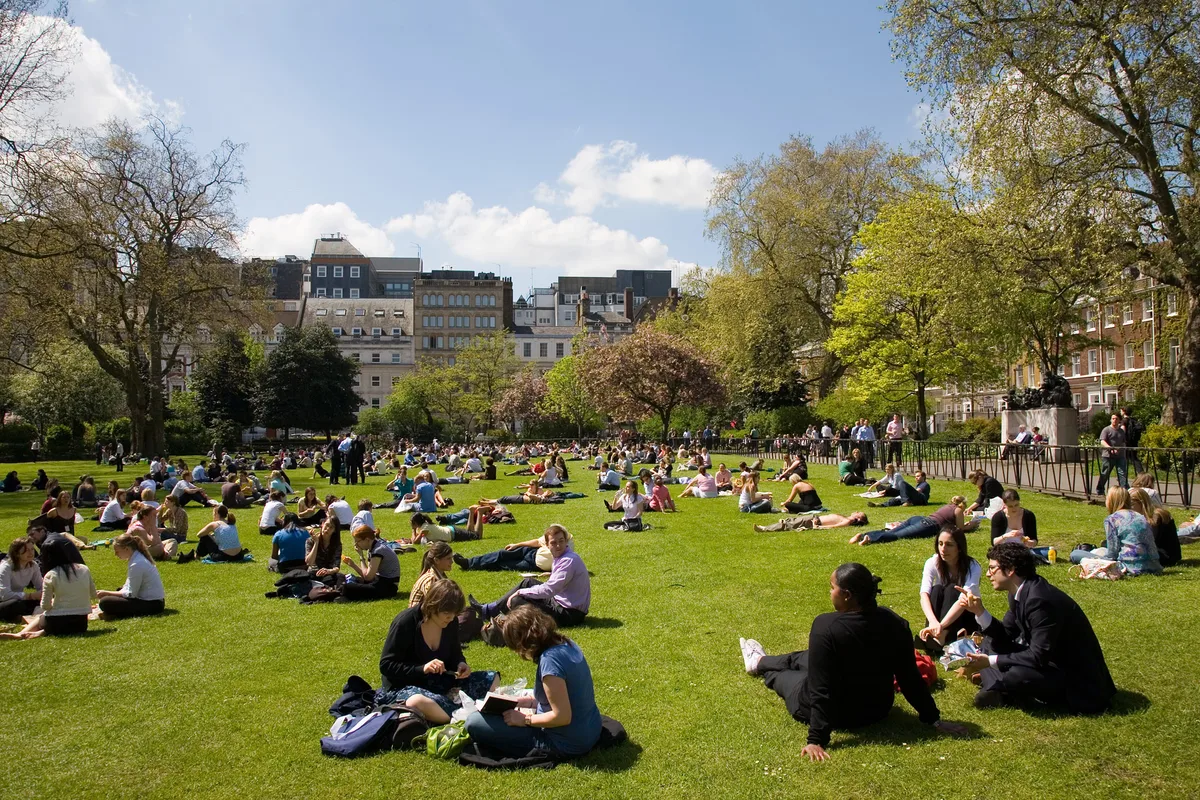
Lincoln's Inn Fields
Parks · 0.1 km

Holborn Theatre
Open-air theatres · 0.1 km

William Marsden
Memorials & monuments · 0.2 km

Spencer Perceval
Memorials & monuments · 0.2 km

Newcastle House
Historic houses · 0.2 km

Lindsey House
Historic houses · 0.2 km

1-7 Stone Buildings
Historic houses · 0.2 km
Nearby
📷 5Memorials & monuments · London
Canada Walk
Canada Walk — a memorial in england-london, United Kingdom.
📷 5Public art & sculpture · London
Margaret MacDonald Memorial
Margaret MacDonald Memorial in England London, United Kingdom.
📷 5📷 7📷 5Natural landmarks · London
University of the Arts London
University of the Arts London — a university in england-london, United Kingdom.
Flagship📷 10Parks · London
Lincoln's Inn Fields
Lincoln's Inn Fields — public square in London, England, UK.
Where to eat & stay near Sir John Soane's Museum
Places to stay
📷 7 📷 5
📷 5 📷 7
📷 7Hotels · London
Premier Inn London Holborn
Premier Inn London Holborn — a hotel in england london. 3-star. Brand: Premier Inn.
 📷 7
📷 7 📷 5
📷 5Hotels · London
NYX Hotel London Holborn
NYX Hotel London Holborn — a hotel in england london.
 📷 5
📷 5Places to eat & drink
 📷 5
📷 5 📷 5
📷 5Historic pubs · London
The Seven Stars
The Seven Stars — Historic pub — listed building or notable heritage status.
 📷 5📷 5
 📷 5
📷 5Restaurants · London
Sarastro Restaurant
Sarastro Restaurant — a restaurant in england london.
 📷 5
📷 5Other museums from this era
 📷 5
📷 5Museums · London
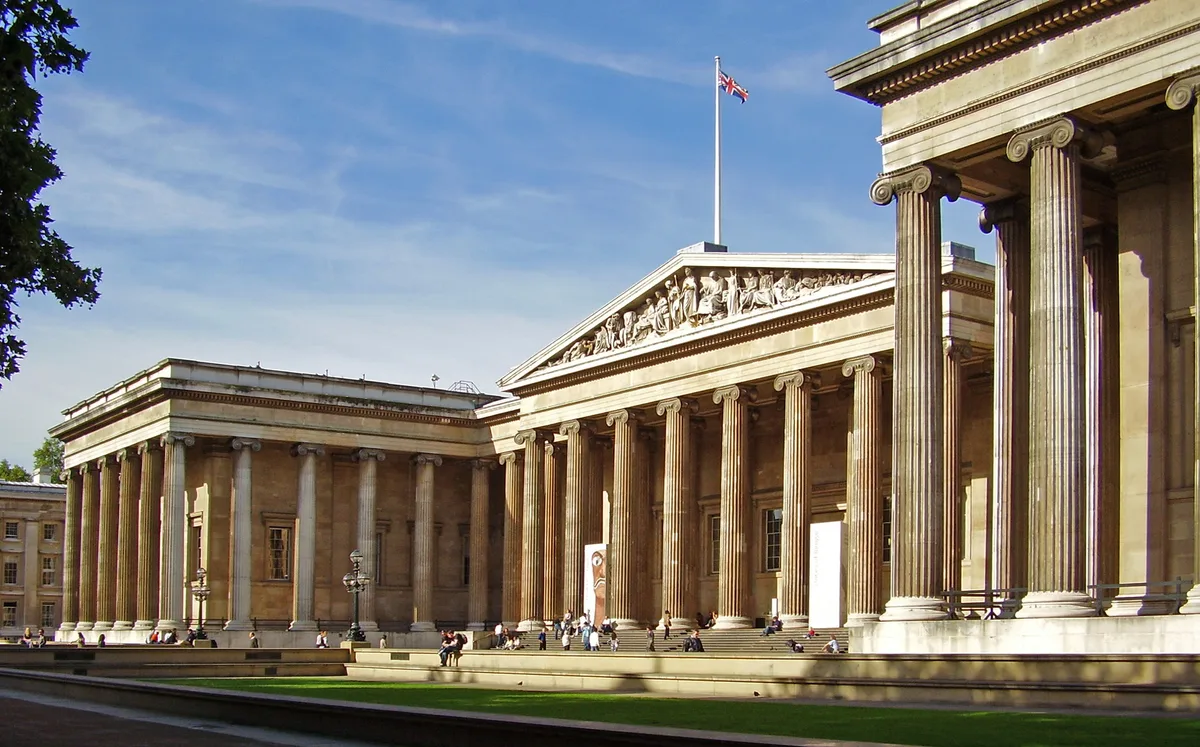
British Museum
British Museum — national museum in London, United Kingdom.
 📷 5
📷 5Museums · London
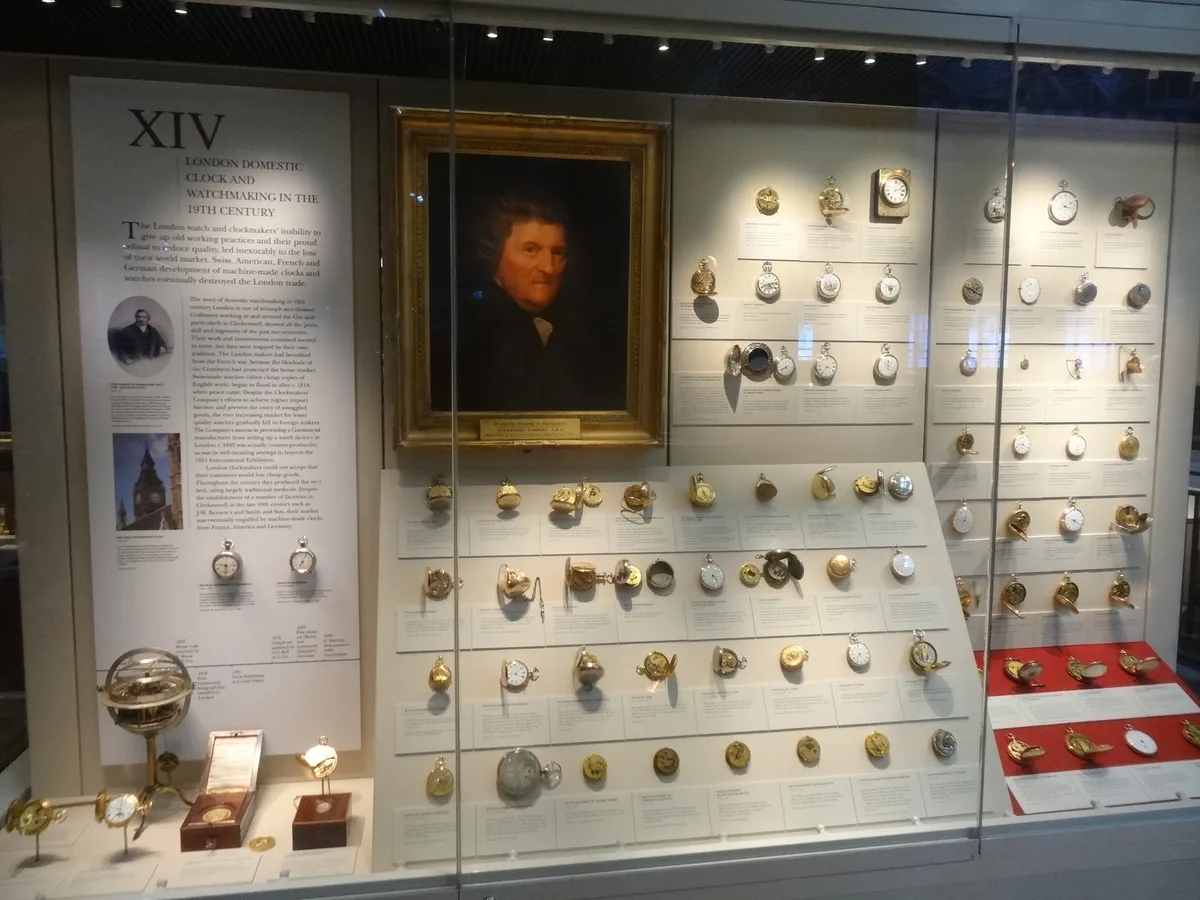
Clockmakers' Museum
Clockmakers' Museum — Museum of the Clockmakers' Company, London, United Kingdom.
 📷 5
📷 5Museums · London
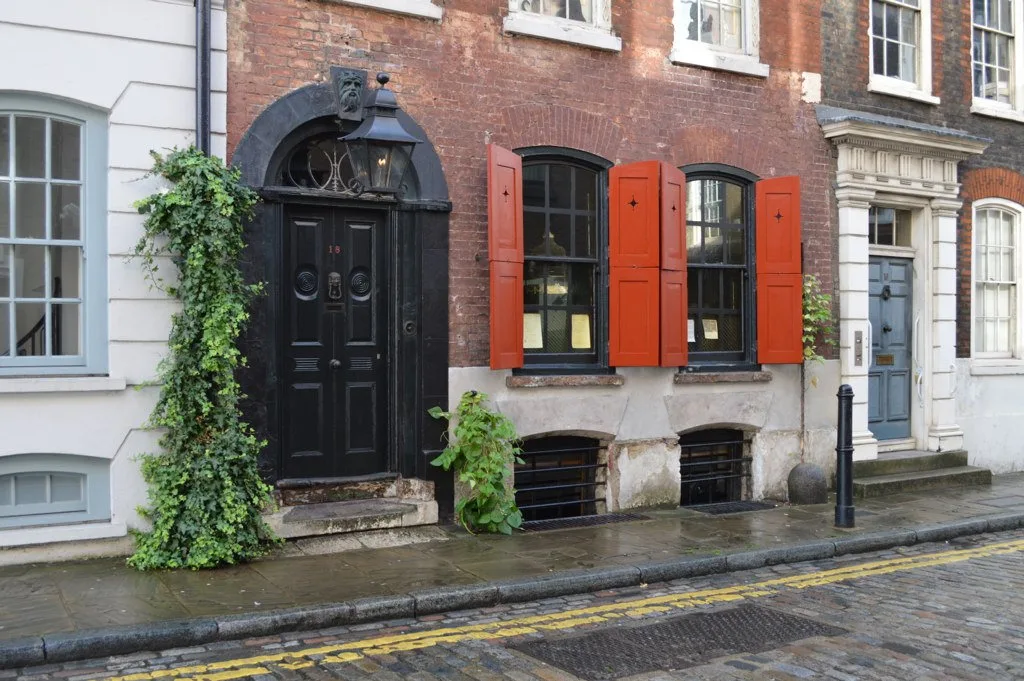
Dennis Severs' House
Dennis Severs' House — museum in the London Borough of Tower Hamlets.
 📷 5
📷 5Museums · London
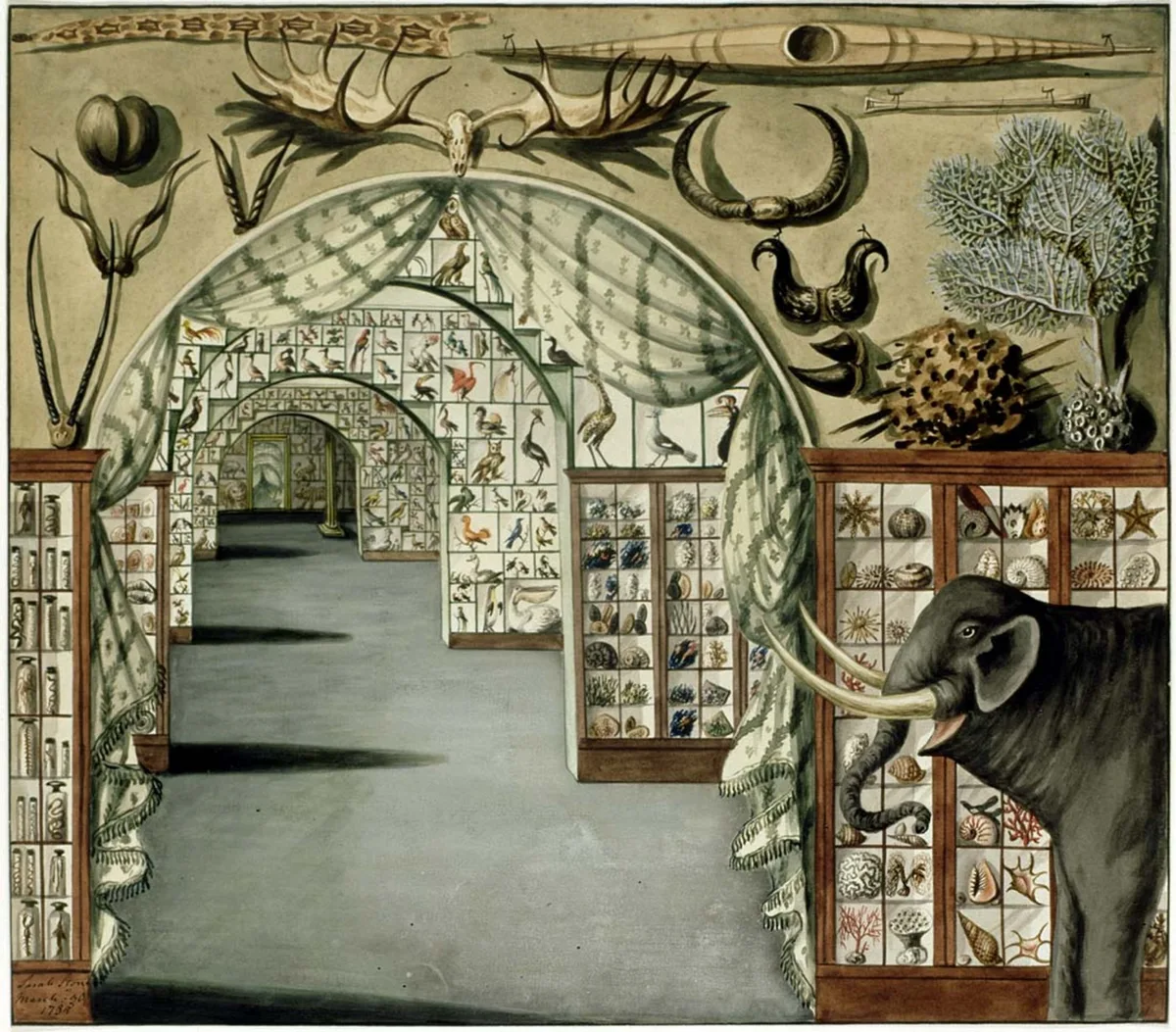
Leverian collection
Leverian collection — natural history and ethnographic collection assembled by Ashton Lever.
More museums in this region
 Flagship📷 10
Museums · London
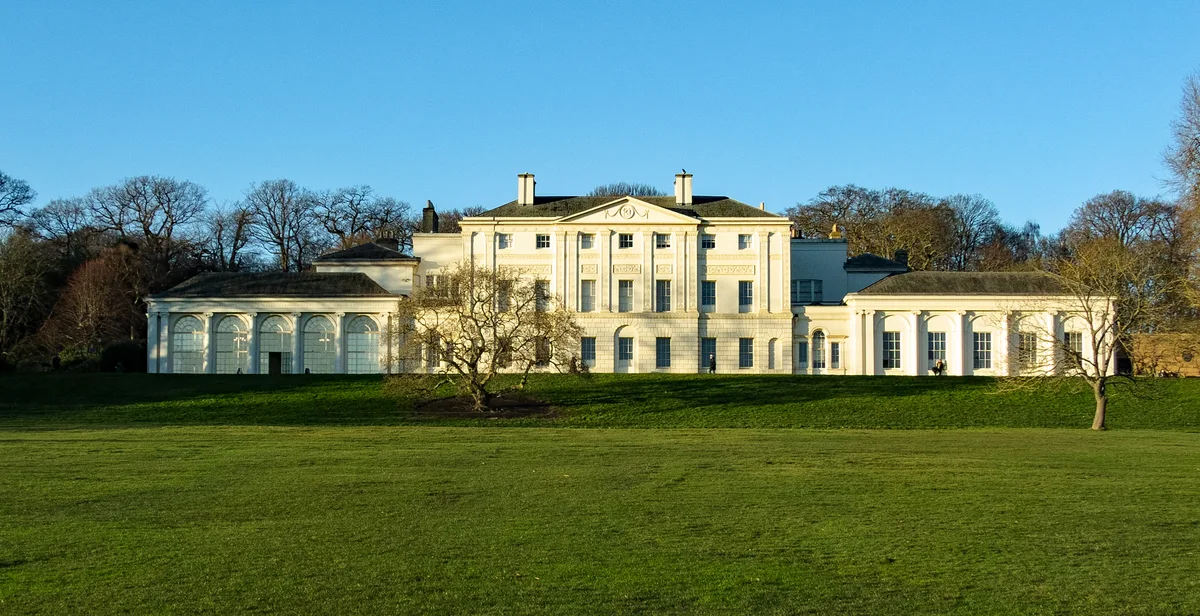
Kenwood House
Kenwood House — art museum and historic house in Hampstead, London.
 📷 5
📷 5Museums · London
Amora London
Amora London — European touring exhibition dedicated to love, relationships and sexual wellbeing.
 📷 5
📷 5Museums · London
Antique Breadboard Museum
Antique Breadboard Museum — small museum in Putney, London, England, UK.
 📷 5
📷 5Museums · London
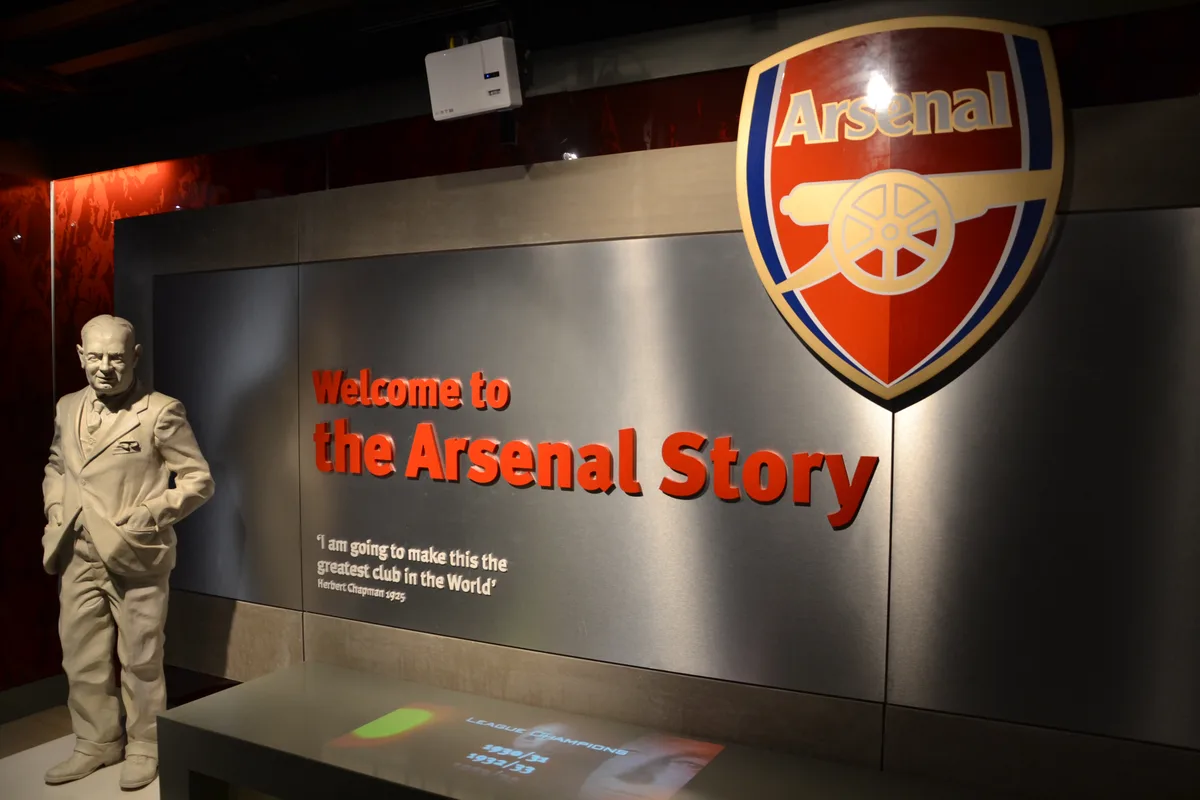
Arsenal Football Club Museum
Arsenal Football Club Museum — sports museum in London.
Frequently asked questions
- Where is Sir John Soane's Museum?
- Sir John Soane's Museum is in London, United Kingdom (postcode WC2A 3BP), in the parish of Camden, unparished area.
- What is Sir John Soane's Museum?
- The architect's own preserved house — Hogarth, the Sarcophagus of Seti I, kept since 1833.
- How do I get to Sir John Soane's Museum?
- The nearest railway station is Holborn, about 0.2 km away. The nearest town is Covent Garden. Drivers can use postcode WC2A 3BP.
- When was Sir John Soane's Museum built?
- Built or established in 1837. Designed by Sir John Soane.
- Is Sir John Soane's Museum a listed building?
- Sir John Soane's Museum is officially recognised as Grade I listed.
- Is Sir John Soane's Museum free to visit?
- Yes, Sir John Soane's Museum is free to enter.
- How do I get to Sir John Soane's Museum?
- The nearest railway station is Holborn, about 0.2 km away. Drivers can navigate to postcode WC2A 3BP.
- How busy is Sir John Soane's Museum?
- Sir John Soane's Museum draws around 157,938 visitors a year.