
Towns & cities · London
Covent Garden
Former market hall + piazza in London's West End.

N Chadwick — CC BY-SA 2.0 via Wikimedia Commons licence

Plan your visit
- Typical visit
- 3 h–6 h
- Nearest railway station
- Covent Garden · 0.2 km
- Free entry
- Family-friendly
- Dog-friendly
- Wheelchair accessible
Getting there & planning your visit
Covent Garden is located in Westminster, London, with the postcode WC2E 9ED. The nearest railway station is Covent Garden, which is 0.2 km away. Entry is free, and the area is wheelchair accessible.
About
Covent Garden is the district and former fruit-and-vegetable market in the West End of London. The 1830 market hall by Charles Fowler now houses cafés, boutiques and the London Transport Museum; the Royal Opera House stands on the eastern side. Street performance at the central piazza requires an audition with the licensing committee — a cinematic survival of London street culture.
Photo gallery
See it from the streetimagery from 2022
Imagery © Mapillary contributors, CC BY-SA 4.0
Summary from the official site
St Paul's Church, known as The Actors' Church, is a historic church located in Covent Garden, London, established in 1633. It serves as a parish church and offers various pastoral services, along with hosting community events and concerts in its beautiful gardens.
Read more on the official property page.
From the Wikipedia article
Covent Garden is a district in London, on the eastern fringes of the West End, between St Martin's Lane and Drury Lane. It is associated with the former fruit-and-vegetable market in the central square, now a popular shopping and tourist site, and with the Royal Opera House, itself known as "Covent Garden". The district is divided by the main thoroughfare of Long Acre, north of which is given over to independent shops centred on Neal's Yard and Seven Dials, while the south contains the central square with its street performers and most of the historical buildings, theatres and entertainment facilities, including the London Transport Museum and the Theatre Royal, Drury Lane. The area was fields until briefly settled in the 7th century when it became the heart of the Anglo-Saxon trading town of Lundenwic, then abandoned at the end of the 9th century after which it returned to fields. By 1200 part of it had been walled off by the Abbot of Westminster Abbey for use as arable land and orchards, later referred to as "the garden of the Abbey and Convent", and later "the Convent Garden". Following the Dissolution of the Monasteries it was granted in 1552 by the young King Edward VI to John Russell, 1st Earl of Bedford (c.1485–1555), the trusted adviser to his father King Henry VIII. The 4th Earl commissioned Inigo Jones to build some fine houses to attract wealthy tenants. Jones designed the Italianate arcaded square along with the church of St Paul's. The design of the square was new to London and had a significant influence on modern town planning, acting as the prototype for new estates as London grew. By 1654, a small open-air fruit-and-vegetable market had developed on the south side of the fashionable square. Gradually, both the market and the surrounding area fell into disrepute, as taverns, theatres, coffee houses and brothels opened up. By the 18th century it had become notorious for its abundance of brothels. An act of Parliament was drawn up in 1813 to control…
Excerpt from Wikipedia under CC BY-SA 4.0. See the source article linked in Sources below.
Background
History
of the 1560s, with surrounding wall marked in green]] During the Roman period, what is now the Strand – running along the southern boundary of the area that was to become the "Covent Garden" – was part of the route to Silchester, known as "Iter VII" on the Antonine Itinerary. Excavations in 2006 at St Martin-in-the-Fields revealed a group of late Roman graves, suggesting the site had been sacred since at least 350 AD. The area to the north of the Strand was long thought to have remained as unsettled fields until the 16th century, but theories by Alan Vince and Martin Biddle that there had been an Anglo-Saxon settlement to the west of the old Roman town of Londinium were borne out by…
Description
and Rowlandson, 1808]] The current Theatre Royal on Drury Lane is the most recent of four incarnations, the first of which opened in 1663, making it the oldest continuously used theatre in London. For much of its first two centuries, it was, along with the Royal Opera House, a patent theatre granted rights in London for the production of drama, and had a claim to be one of London's leading theatres. The first theatre, known as "Theatre Royal, Bridges Street", saw performances by Nell Gwyn and Charles Hart. After it was destroyed by fire in 1672, English dramatist and theatre manager Thomas Killigrew constructed a larger theatre on the same spot, which opened in 1674. Killigrew's theatre…
Sourced from Wikipedia under CC BY-SA 4.0.
- Coordinates
- 51.5117, -0.1239
- District
- Westminster
- Parish
- Westminster, unparished area
- Postcode
- WC2E 9ED
- Parliamentary constituency
- Cities of London and Westminster
- Phone
- 0207 836 5221
- Nearest railway station
- Covent Garden — 0.2 km
- Opening
- Weekdays 9am–5:30pm; closed for events and maintenance
Sources
- manual: covent-garden (manual)
- wikipedia: Covent Garden (CC BY-SA 4.0)
Featured in these 3 guides
Itinerary
Britain's historic spa towns
Bath, Buxton, Cheltenham, Tunbridge Wells, Royal Leamington Spa.
Itinerary
Britain's biggest summer festivals
Glastonbury, Edinburgh Fringe, Hay-on-Wye, Latitude.
Itinerary
Britain's biggest Bonfire Night events
Lewes, Ottery St Mary, and the original Bonfire Society towns.
Other places nearby
Covent Garden Piazza
Public art & sculpture · 0.0 km
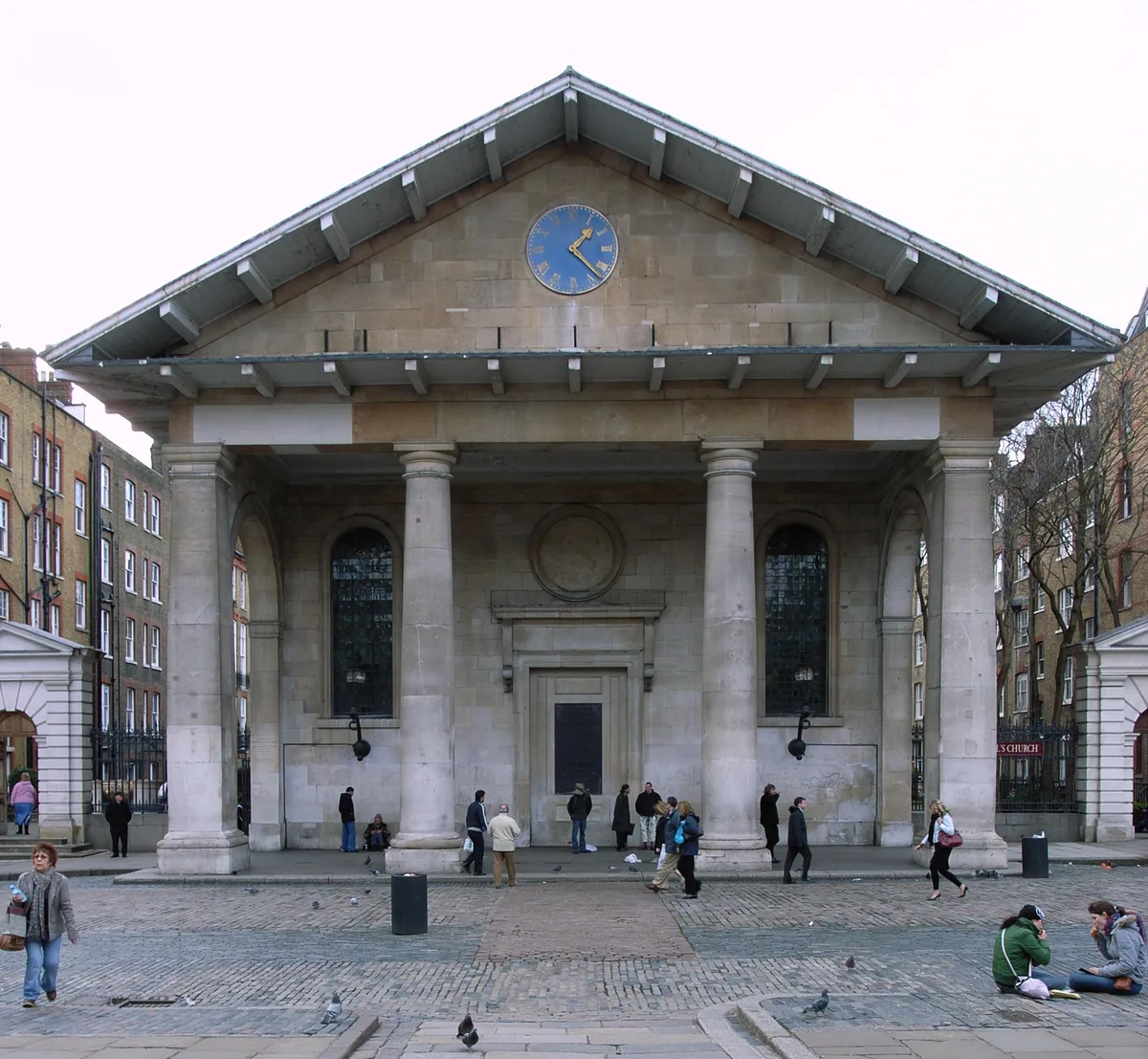
St Paul's Church, Covent Garden
Historic churches · 0.0 km

43 King Street
Theatres · 0.0 km

Thomas Arne
Memorials & monuments · 0.1 km
Covent Garden Cinema Club
Theatres · 0.1 km

William Shipley
Memorials & monuments · 0.1 km

Elephant
Public art & sculpture · 0.1 km

Henrietta Hotel
Hotels · 0.1 km

Covent Garden Market
Gardens · 0.1 km

Alginate House
Historic houses · 0.1 km

Fruit Porters (bronze relief)
Cathedrals · 0.1 km

Rules
Historic houses · 0.1 km
Covent Garden is located in London and offers a variety of cultural and historic sites for visitors to explore. You can enjoy views from the BT Tower, learn about architecture at Sir John Soane's Museum, or relax in the green space of Lincoln's Inn Fields. The area also features the historic UCL Main Building and the All Saints, Margaret Street church.
At a glance
- Constituency
- Cities of London and Westminster
Things to see in Covent Garden
1027 attractions within 12 km — showing the 24 most editorially-significant. Full guide: things to do in Covent Garden →
 Flagship📷 10
Parks · London
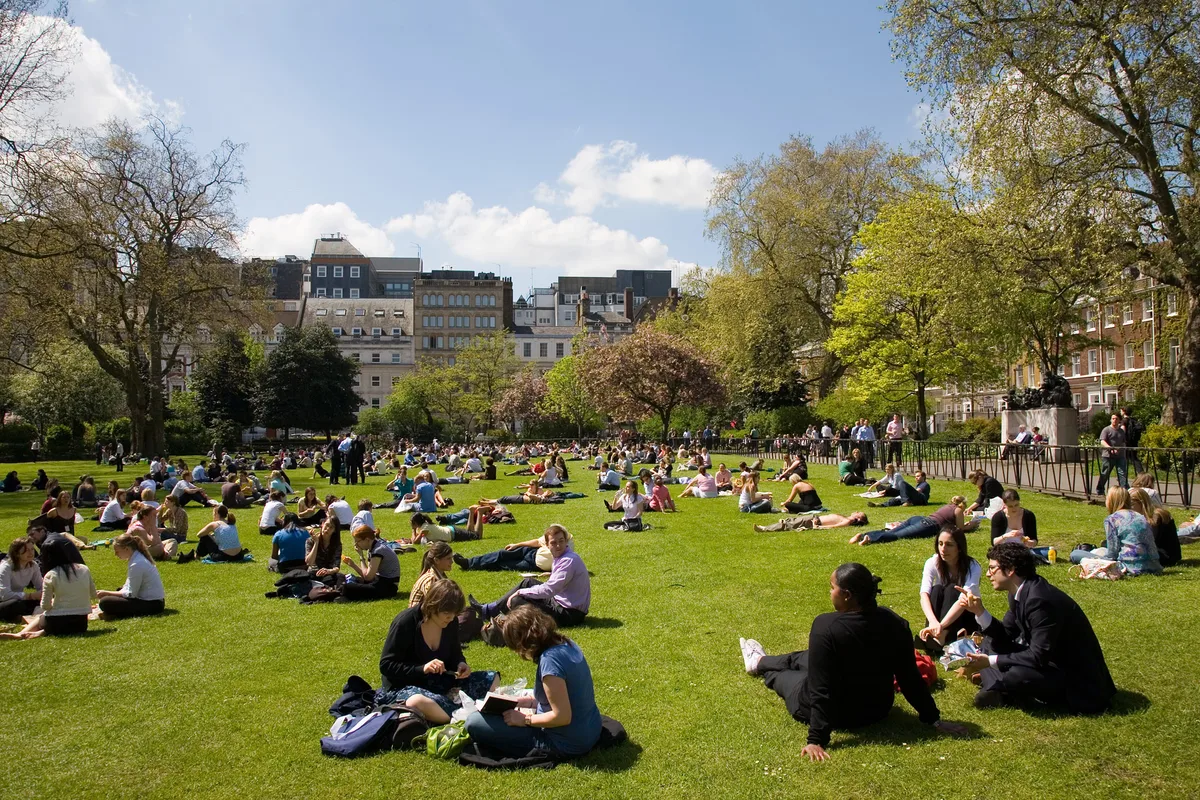
Lincoln's Inn Fields
Lincoln's Inn Fields — public square in London, England, UK.
 📷 5
📷 5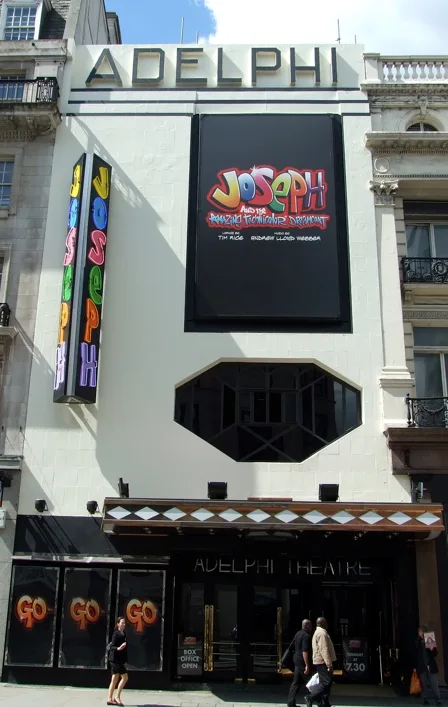 📷 5
📷 5Theatres · London
Adelphi Theatre
Adelphi Theatre is a theatre in the United Kingdom.
 📷 5
📷 5Theatres · London
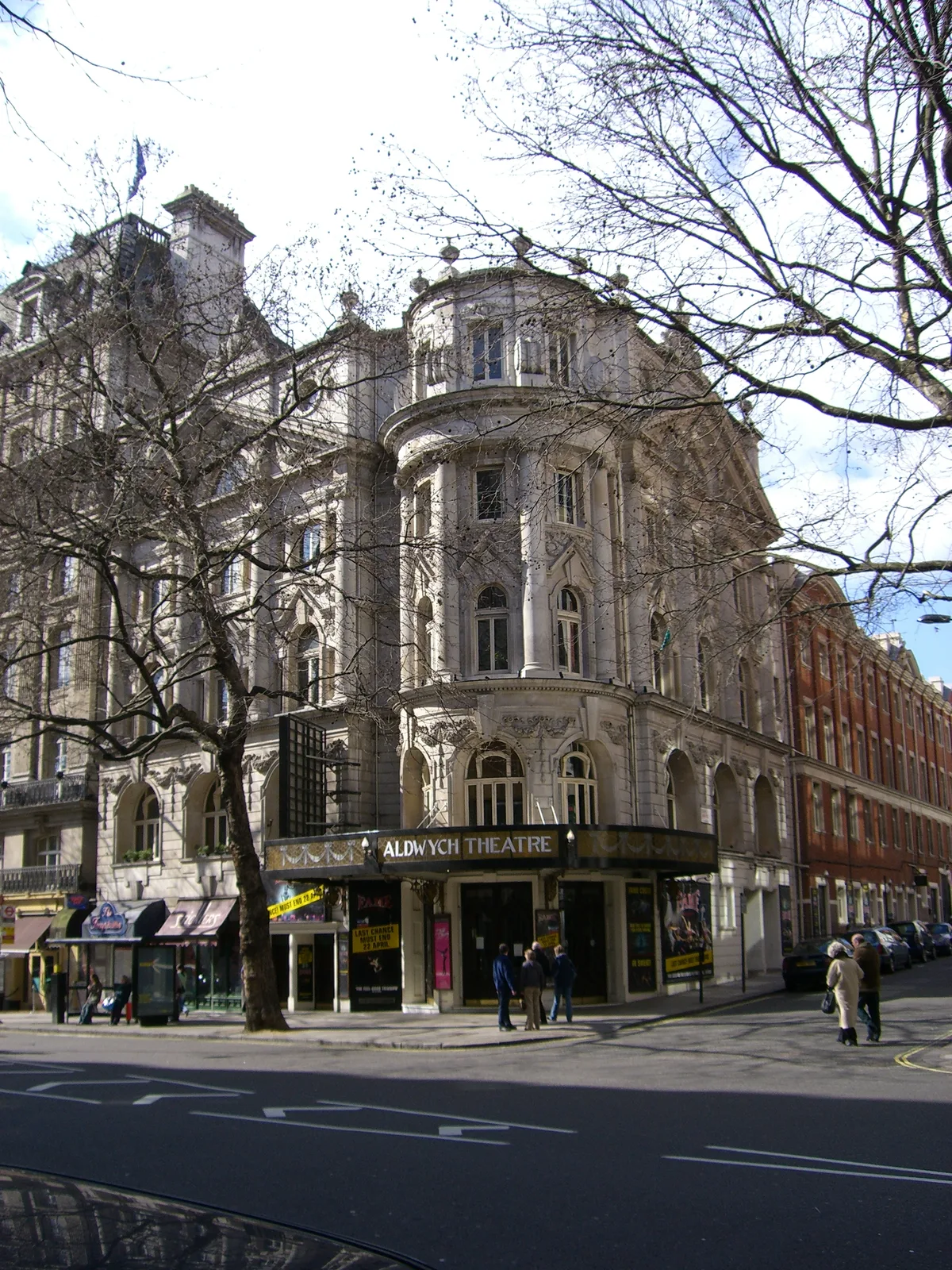
Aldwych Theatre
Aldwych Theatre is a theatre in the United Kingdom.
📷 5Historic houses · London
Alginate House
Alginate House — house in Westminster, London, England, UK.
 📷 5
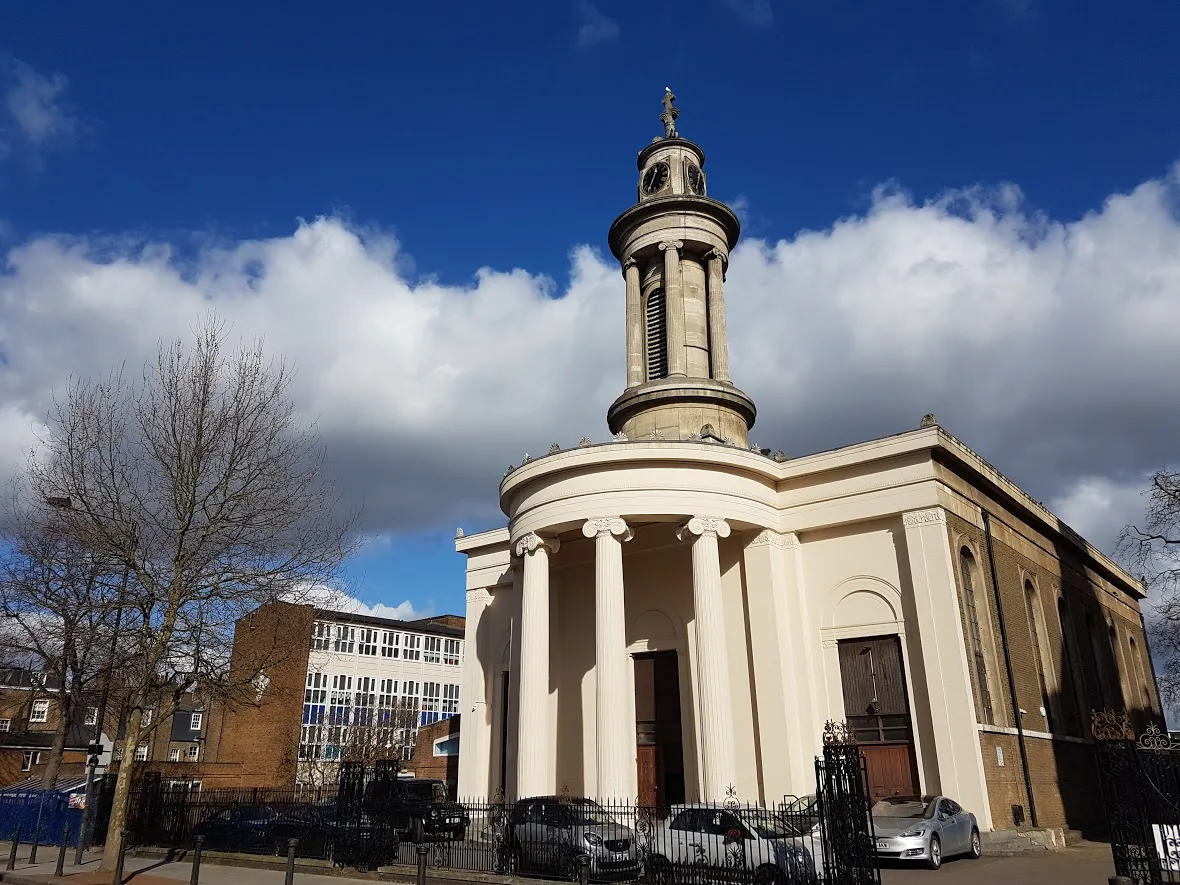
📷 5Historic churches · London
All Saints, Camden Town
All Saints, Camden Town — Greek Orthodox cathedral church in London, UK.
 📷 5
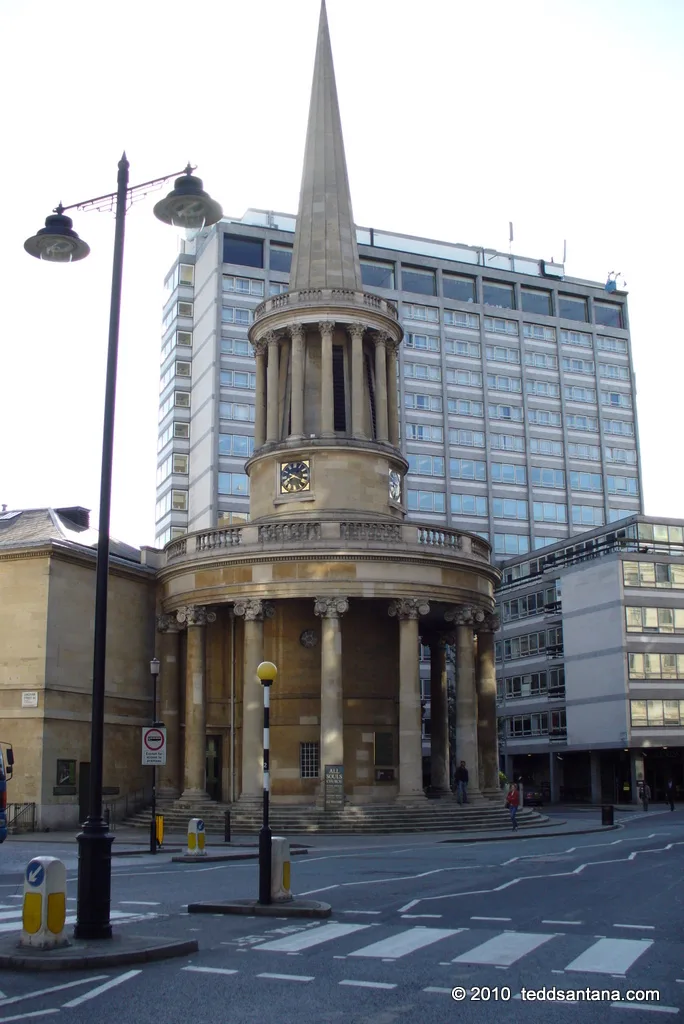
📷 5Historic churches · London
All Souls Church, Langham Place
All Souls Church, Langham Place — church building in Westminster, London, England, UK.
 📷 5
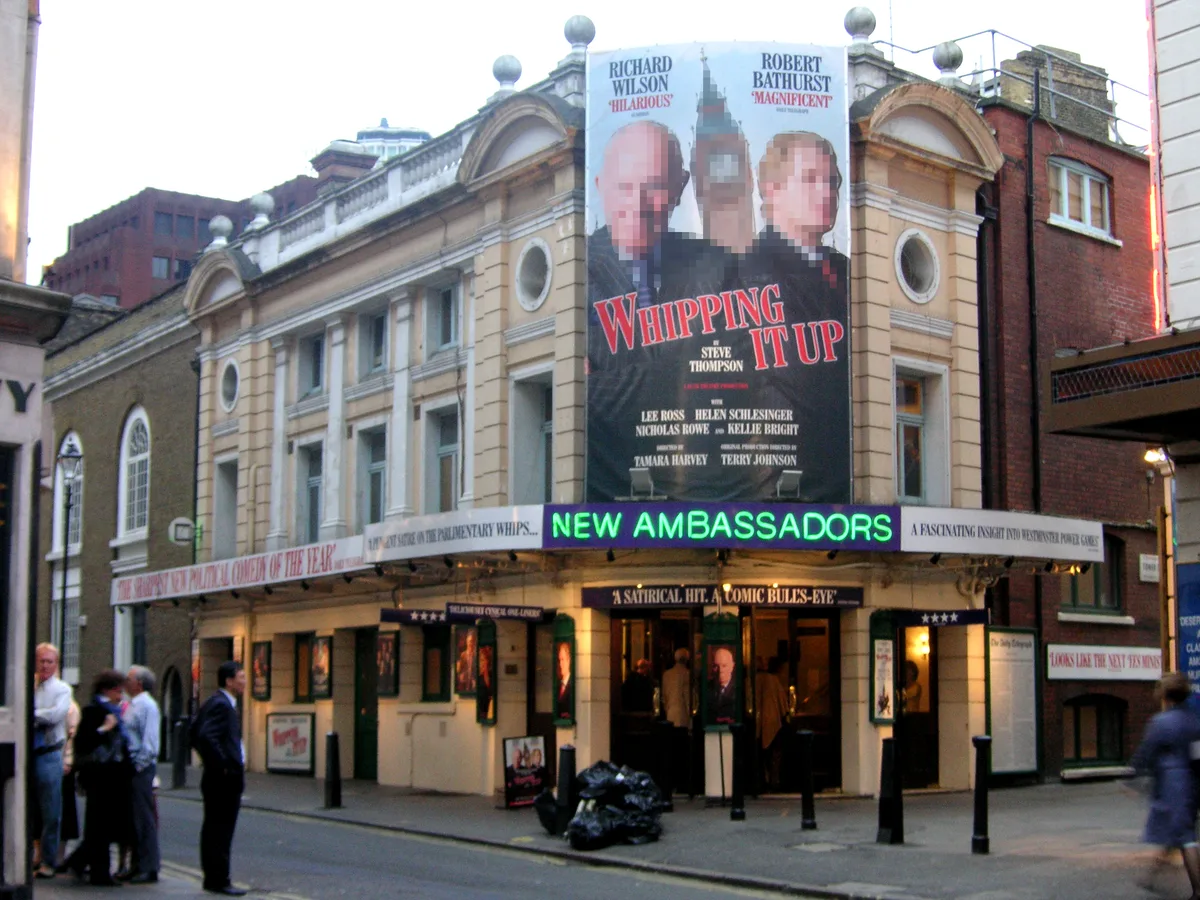
📷 5Theatres · London
Ambassadors
Ambassadors is a theatre in the United Kingdom.
 📷 5
📷 5 📷 5
📷 5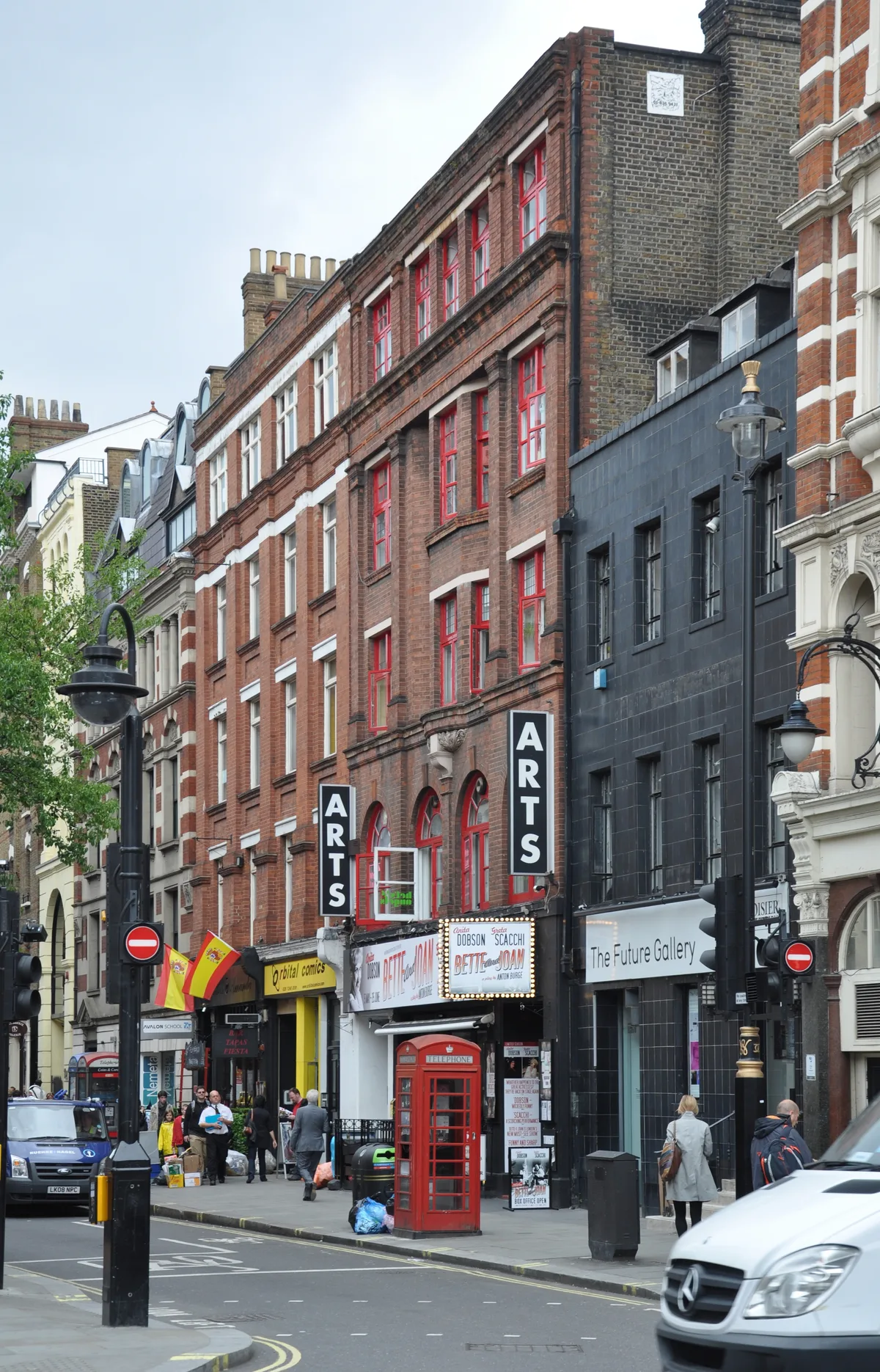 📷 5
📷 5Theatres · London
Arts Theatre
Arts Theatre is a theatre in the United Kingdom.
 📷 5
📷 5Palaces · London
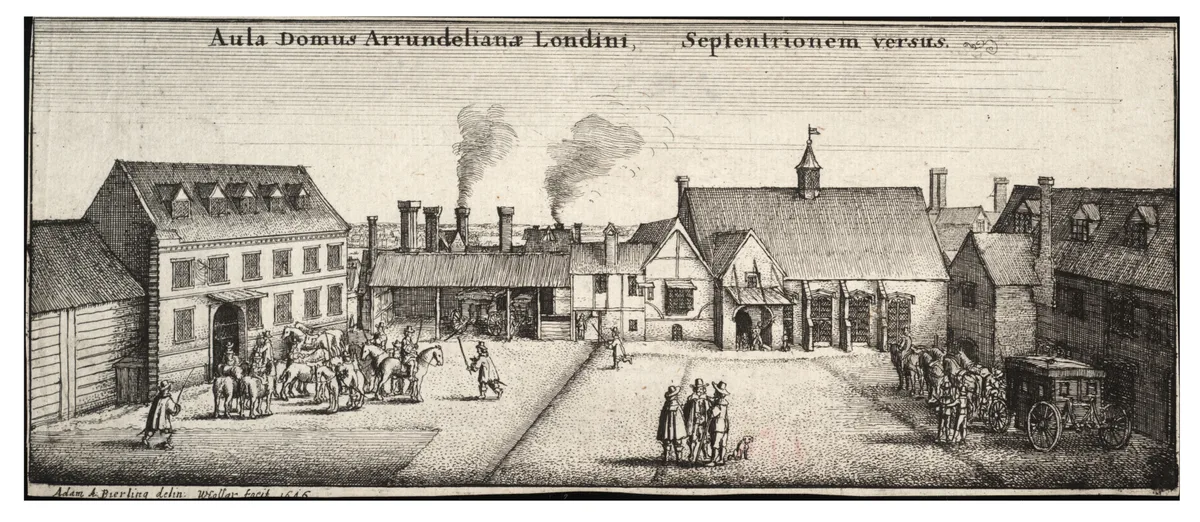
Arundel House
Arundel House — London town-house located between the Strand and the River Thames, near St Clement Danes.
 📷 5
📷 5Historic houses · London
Baptist Church House Kingsgate House
Baptist Church House Kingsgate House — house in London Borough of Camden, Greater London, England, UK.
.jpg?width=1200) 📷 5
📷 5.jpg?width=1200) 📷 5
📷 5Historic houses · London
Berners Street Mansions
Berners Street Mansions — Edwardian mansion block in Berners Street, London.
 📷 5
📷 5Parks · London
Bernie Spain Gardens
Bernie Spain Gardens — park in London Borough of Southwark, United Kingdom.
 📷 5
📷 5Cathedrals · London
Berwick Street Market
Berwick Street Market is a place of interest in the United Kingdom.
 📷 5
📷 5Galleries · London
BFI Gallery
BFI Gallery — The BFI Gallery was the BFI's contemporary art gallery dedicated to artists' moving image housed within BFI Southbank, the British Film Institute's flagship venue in London.
 📷 5
📷 5Parks · London
Bingfield Park
Bingfield Park — park in the London Borough of Islington, England.
 📷 5
📷 5Theatres · London
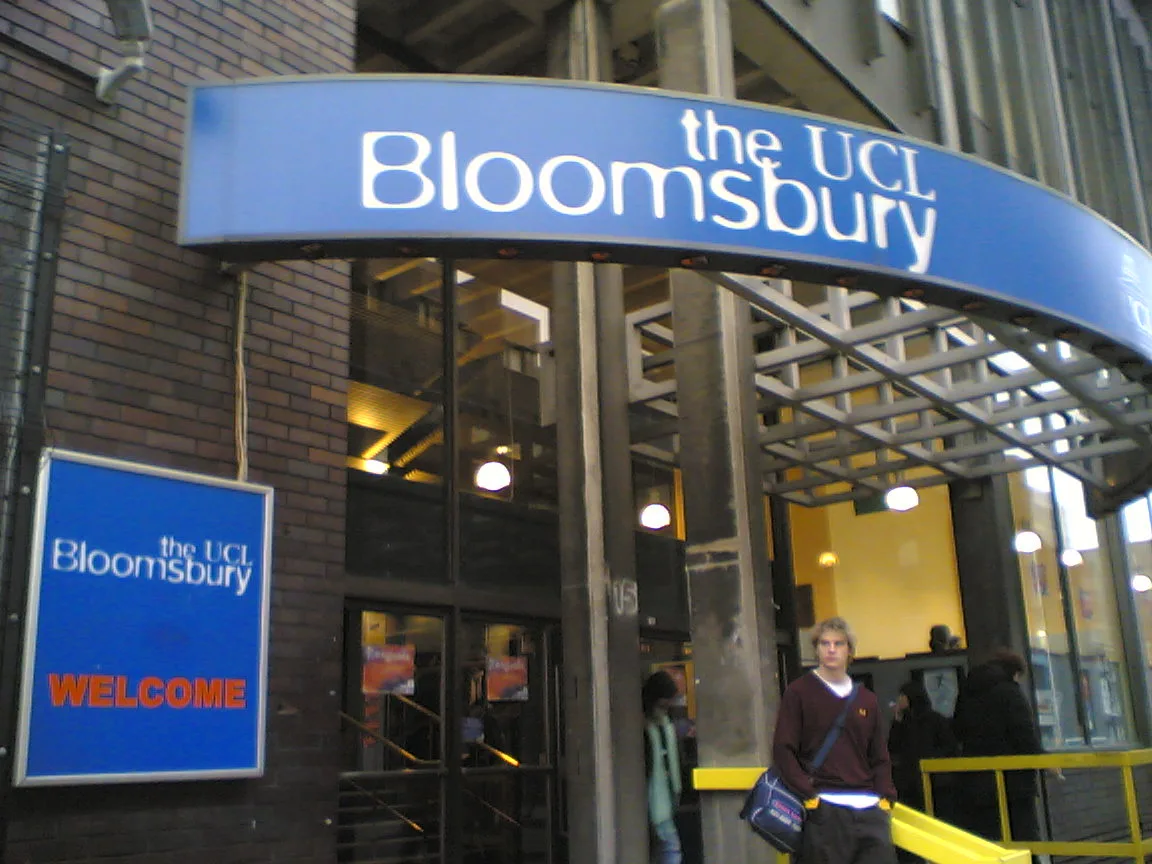
Bloomsbury Theatre
Bloomsbury Theatre is a theatre in the United Kingdom.
 📷 5
📷 5 📷 5
📷 5 📷 5
📷 5Historic libraries · London
British Library of Political and Economic Science
British Library of Political and Economic Science — main library of the London School of Economics and Political Science.
 📷 5
📷 5Museums · London
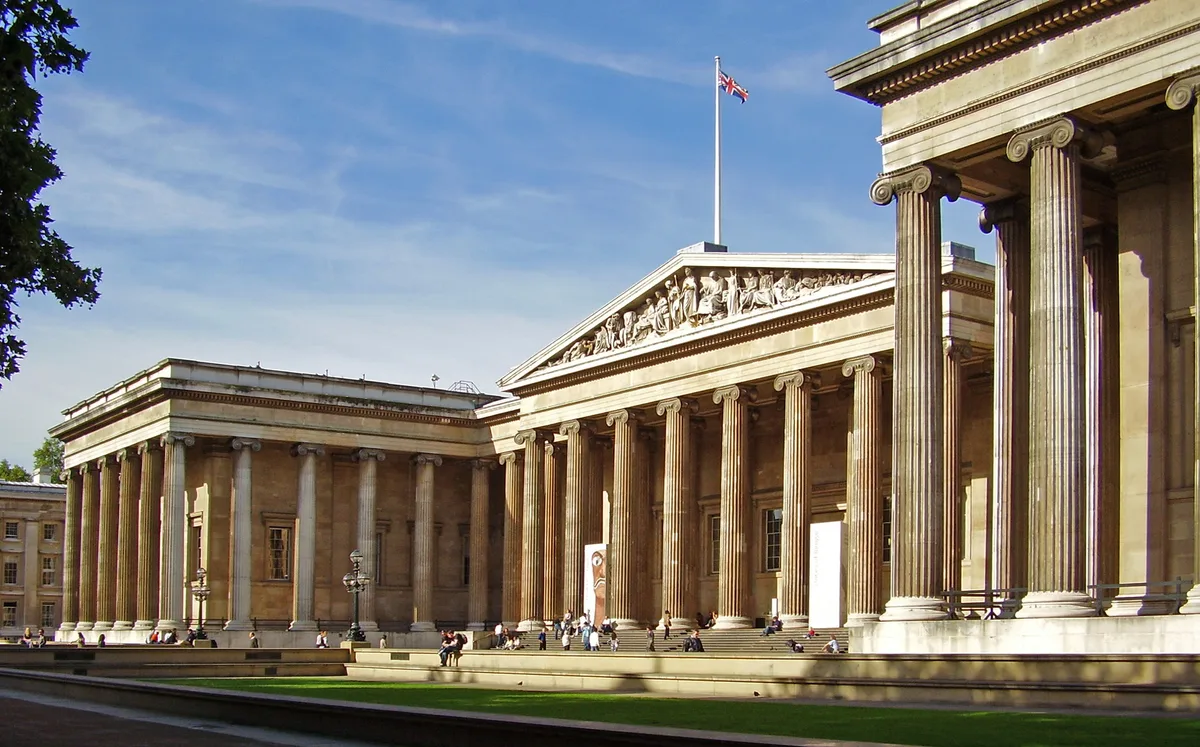
British Museum
British Museum — national museum in London, United Kingdom.
Nearby
📷 5Public art & sculpture · London
Covent Garden Piazza
Covent Garden Piazza — a public art in england-london, United Kingdom.
📷 5Historic churches · London
St Paul's Church, Covent Garden
St Paul's Church, Covent Garden — church in Covent Garden, London, England, UK.
📷 5Theatres · London
43 King Street
43 King Street — Grade II* listed building-listed theatre in england-london, United Kingdom.
📷 5Memorials & monuments · London
Thomas Arne
Thomas Arne — a memorial in england-london, United Kingdom.
📷 5Theatres · London
Covent Garden Cinema Club
Covent Garden Cinema Club — a cinema heritage in england-london, United Kingdom.
📷 5Memorials & monuments · London
William Shipley
William Shipley — a memorial in england-london, United Kingdom.
Where to eat & stay near Covent Garden
Places to stay
📷 7 📷 7
📷 7Hotels · London
St Martins Lane Hotel
St Martins Lane Hotel — a hotel in england london.
 📷 5
📷 5Hotels · London
Strand Palace Hotel
Strand Palace Hotel — a hotel in england london.
 📷 5📷 5
 📷 5
📷 5Places to eat & drink
.jpg?width=1200) 📷 5
📷 5Historic pubs · London
The Lamb and Flag
The Lamb and Flag — Historic pub — listed building or notable heritage status.
 ★ Iconic📷 10
Historic pubs · London
The Lamb and Flag
Covent Garden's oldest pub — Dickens drank here, Dryden was attacked outside.
 📷 5
📷 5 📷 5
📷 5Historic pubs · London
Nell Gwynne Tavern
Nell Gwynne Tavern in England London, United Kingdom.
 📷 5
📷 5 📷 7
📷 7Restaurants · London
Balthazar London
Balthazar London — a restaurant in england london.
More towns in this region
 Flagship📷 10
Towns & cities · London
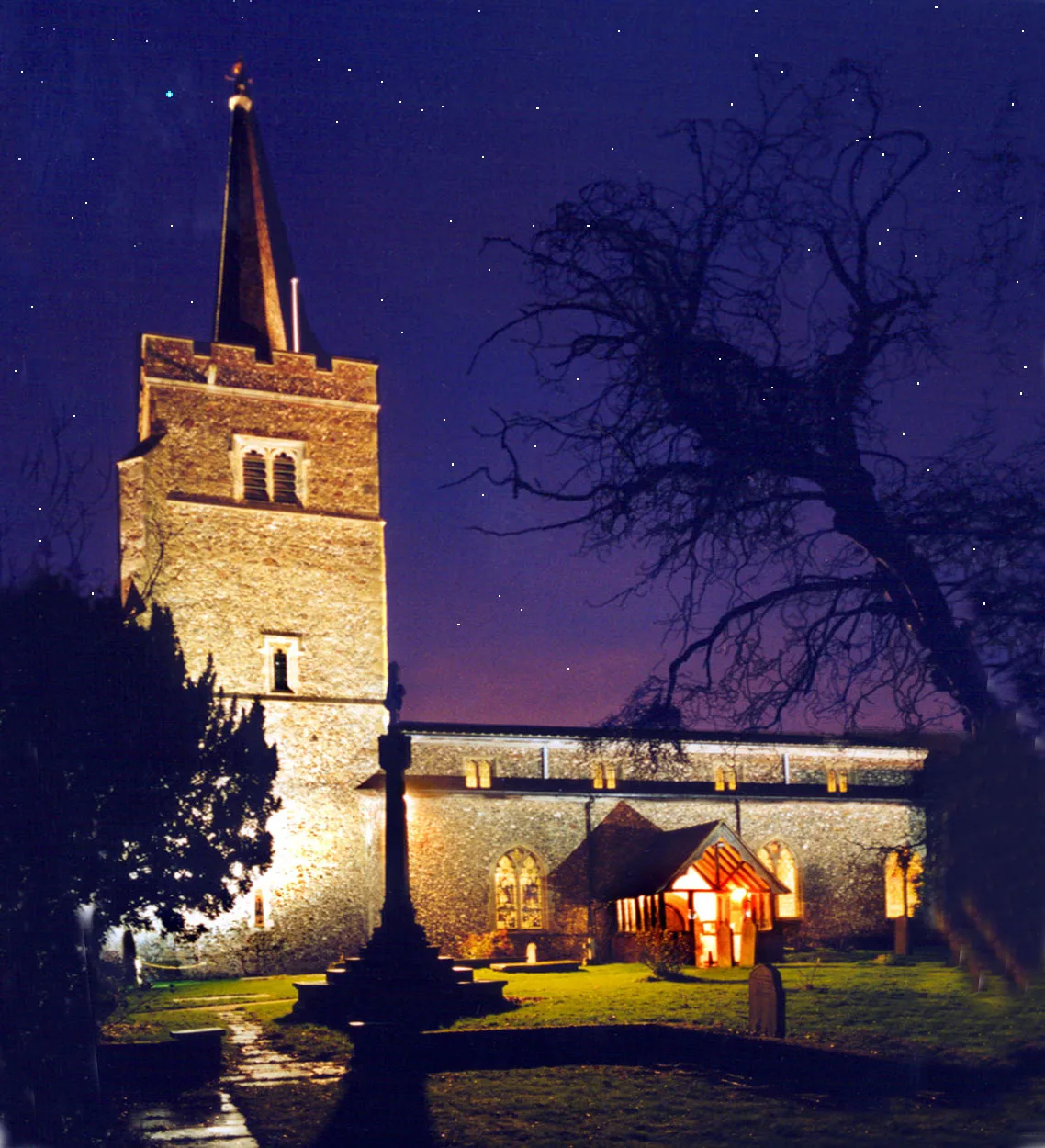
Aldenham
Aldenham — village and civil parish in Hertfordshire, England.
 Flagship📷 8
Towns & cities · London
Byfleet
Byfleet — inland island village forming a suburb of Woking in Surrey, England.
 Flagship📷 10
Towns & cities · London
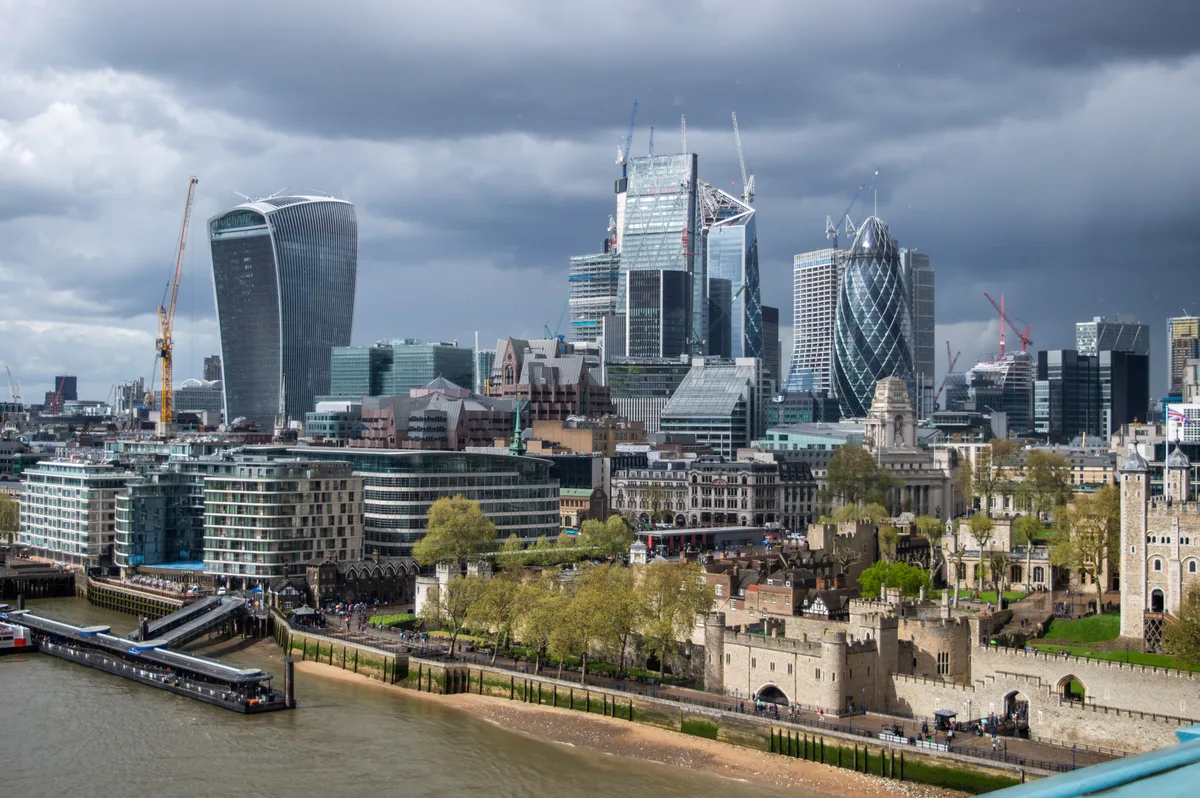
City of London
City of London — city, ceremonial county and local government district containing the historic centre and the primary central business district in the London Region in England, UK.
 Flagship📷 10
Towns & cities · London
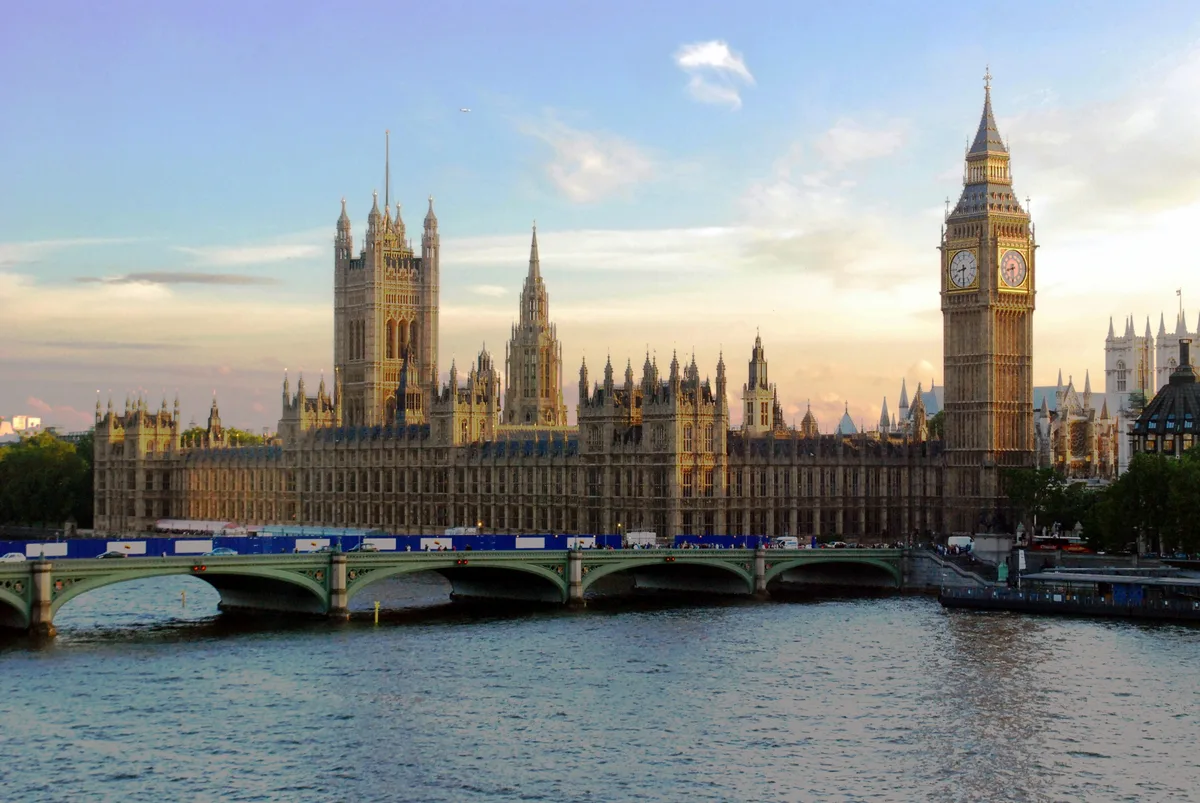
City of Westminster
City of Westminster — city and borough in London, England, UK.
Frequently asked questions
- Where is Covent Garden?
- Covent Garden is in London, United Kingdom (postcode WC2E 9ED), in the parish of Westminster, unparished area.
- What is Covent Garden?
- Former market hall + piazza in London's West End.
- How do I get to Covent Garden?
- The nearest railway station is Covent Garden, about 0.2 km away. Drivers can use postcode WC2E 9ED.
- Is Covent Garden free to visit?
- Yes, Covent Garden is free to enter.
- How do I get to Covent Garden?
- The nearest railway station is Covent Garden, about 0.2 km away. Drivers can navigate to postcode WC2E 9ED.