
Museums · London
British Museum
Also known as: Yr Amgueddfa Brydeinig, Músaem na Breataine, Gwithti Bretennek
In or near Covent Garden.
British Museum — national museum in London, United Kingdom.

Wikimedia Commons contributors — see linked file page for photographer and licence licence
.JPG)
Plan your visit
- Typical visit
- 1.5 h–3 h
- Best time of year
- Year-round
- Nearest railway station
- Russell Square · 0.4 km
- Free entry
- Family-friendly
- Wheelchair accessible
Getting there & planning your visit
The British Museum is located in Camden, London, with the postcode WC1B 3DG. The nearest railway station is Russell Square, which is 0.4 km away. Entry to the museum is free, and it is accessible for wheelchair users.
About
British Museum is a museum in the United Kingdom. Records date its origin to 1753. Designed by Robert Smirke. Heritage designation: Grade I listed building. Address: http://www.wikidata.org/entity/Q1544344, WC1B 3DG. Wikidata describes it as: "national museum in London, United Kingdom". Coordinates: 51.5194°, -0.1269°.
Photo gallery
360° viewimagery from 2025
Imagery © Mapillary contributors, CC BY-SA 4.0
Heritage listing
The British Museum is a public museum dedicated to human history, art and culture located in the Bloomsbury area of London. Its permanent collection of eight million works is the largest in the world. It documents the story of human culture from its beginnings to the present. Established in 1753, the British Museum was the world's first public national museum. In 2025, the museum received 6,440,120 visitors and was the second most visited attraction in the United Kingdom. At its beginning, the museum was largely based on the collections of the Anglo-Irish physician and scientist Sir Hans Sloane. It opened to the public in 1759, in Montagu House, on the site of the current building.
From the Historic England List Entry under OGL v3.
Summary from the official site
The British Museum showcases a vast collection of artifacts representing two million years of human history and culture. Visitors can explore over 50 galleries, including famous exhibits like the Rosetta Stone and the Elgin Marbles.
Read more on the official property page.
From the Wikipedia article
The British Museum is a public museum dedicated to human history, art and culture located in the Bloomsbury area of London. Its permanent collection of eight million works is the largest in the world. It documents the story of human culture from its beginnings to the present. Established in 1753, the British Museum was the world's first public national museum. In 2025, the museum received 6,440,120 visitors and was the second most visited attraction in the United Kingdom. At its beginning, the museum was largely based on the collections of the Anglo-Irish physician and scientist Sir Hans Sloane. It opened to the public in 1759, in Montagu House, on the site of the current building. The museum's expansion over the following 250 years was largely a result of British colonisation and resulted in the creation of several branch institutions, or independent spin-offs, the first being the Natural History Museum in 1881. Some of its best-known acquisitions, such as the Greek Elgin Marbles and the Egyptian Rosetta Stone, are subject to long-term disputes and repatriation claims. In 1973, the British Library Act 1972 detached the library department from the British Museum, but it continued to host the now separated British Library in the same Reading Room and building as the museum until 1997. The museum is a non-departmental public body sponsored by the Department for Culture, Media and Sport. Like all UK national museums, it charges no admission fee except for loan exhibitions.
Excerpt from Wikipedia under CC BY-SA 4.0. See the source article linked in Sources below.
Background
History
On 7 June 1753, King George II gave his royal assent to the act of Parliament which established the British Museum. The British Museum Act 1753 also added two other libraries to the Sloane collection, namely the Cottonian Library, assembled by Sir Robert Cotton, dating back to Elizabethan times, and the Harleian Library, the collection of Robert Harley, 1st Earl of Oxford and Mortimer. They were joined in 1757 by the "Old Royal Library", now the Royal manuscripts, assembled by various British monarchs. Together these four "foundation collections" included many of the most treasured books now in the British Library including the Lindisfarne Gospels and the sole surviving manuscript of…
Architecture
The Greek Revival façade facing Great Russell Street is a characteristic building of Sir Robert Smirke, with 43 columns in the Ionic order 45 ft high, closely based on those of the temple of Athena Polias at Priene in Asia Minor. The pediment over the main entrance is decorated by sculptures by Sir Richard Westmacott depicting The Progress of Civilisation, consisting of fifteen allegorical figures, installed in 1852. The construction commenced around the courtyard with the East Wing (King's Library) in 1823–1828, followed by the North Wing in 1833–1838, which originally housed among other galleries a reading room, now the Wellcome Gallery. Work was also progressing on the northern half of…
Description
Thefts from the museum include: several historic coins and medals in the 1970s; In July 2002 a marble head, valued at £50,000, was stolen from the Archaic Greek gallery. In 2004, 15 Chinese artefacts including jewels, ornate hairpins and fingernail guards were stolen. In 2017, it was revealed that a Cartier diamond had been missing since 2011. Some of the missing artefacts were later found to have been sold on eBay for considerably less than their estimated value. The museum had been warned of the thefts as early as 2021. The museum's director, Hartwig Fischer, resigned because of the museum's inadequate response to the warnings of theft. The number of artefacts stolen was estimated to be…
Sourced from Wikipedia under CC BY-SA 4.0.
- Coordinates
- 51.5194, -0.1269
- District
- Camden
- Parish
- Camden, unparished area
- Postcode
- WC1B 3DG
- Parliamentary constituency
- Holborn and St Pancras
- Phone
- 02073238299
- Established
- 1753
- Nearest railway station
- Russell Square — 0.4 km
- Opening
- Daily 10am–5pm; last entry 4.45pm
- Official site
- britishmuseum.org
Sources
- wikidata: Q6373 (CC0)
- wikipedia: British Museum (CC BY-SA 4.0)
- commons: British Museum from NE 2 (cropped).JPG (CC BY-SA 4.0)
- fsq: 4ac518d2f964a5203da720e3 (Apache-2.0)
Featured in these 6 guides
Itinerary
Free things to do in London
London's best museums, galleries and parks — none of which charge admission.
Itinerary
A day in the British Museum
Eight million objects, two hours — an opinionated route through the world's first public museum.
Itinerary
Britain's essential museums
British Museum, V&A, Natural History, National Gallery — and beyond.
Itinerary
London rainy-day backup plan
Ten indoor attractions for the day London turns Mancunian.
Itinerary
Britain's free national museums
Every nationally-funded museum that doesn't charge admission.
Itinerary
Family weekend in London with kids
Two days of museums, river boats, ice cream and just enough park.
Other places nearby

Obelisks of Nectanebo II
Forts · 0.0 km

Quartzite head of the Egyptian pharaoh Amenhotep III
Memorials & monuments · 0.0 km

The Lion of Knidos
Memorials & monuments · 0.0 km

Memorial Pole (pts'aan) for Chief Luuya'as Eagle-Beaver Clan of the Nisga'a Nation
Memorials & monuments · 0.0 km

Stone guardian figure
Memorials & monuments · 0.0 km

Marble statue of a youth on horseback
Memorials & monuments · 0.0 km

King Edward VII Galleries
Museums · 0.1 km

Cameron Mackintosh Ltd
Natural landmarks · 0.1 km

Numbers 1-10 And Attached Railings
Historic houses · 0.1 km

Lord Eldon
Memorials & monuments · 0.1 km

Astor Museum Hostel
Hostels · 0.1 km

Visionary BritMuseum
Galleries · 0.2 km
Nearby
📷 5Forts · London
Obelisks of Nectanebo II
Obelisks of Nectanebo II — a martello broad in england-london, United Kingdom.
📷 5Memorials & monuments · London
Quartzite head of the Egyptian pharaoh Amenhotep III
Quartzite head of the Egyptian pharaoh Amenhotep III — a memorial in england-london, United Kingdom.
📷 5Memorials & monuments · London
The Lion of Knidos
The Lion of Knidos is a memorial in the United Kingdom.
📷 5Memorials & monuments · London
Memorial Pole (pts'aan) for Chief Luuya'as Eagle-Beaver Clan of the Nisga'a Nation
Memorial Pole (pts'aan) for Chief Luuya'as Eagle-Beaver Clan of the Nisga'a Nation — a memorial in england-london, United Kingdom.
📷 5Memorials & monuments · London
Stone guardian figure
Stone guardian figure — a memorial in england-london, United Kingdom.
📷 5Memorials & monuments · London
Marble statue of a youth on horseback
Marble statue of a youth on horseback — a memorial in england-london, United Kingdom.
Where to eat & stay near British Museum
Places to stay
📷 5Hostels · London
Astor Museum Hostel
Astor Museum Hostel — a hostel in england london.
 📷 5
📷 5 📷 5
📷 5 📷 5
📷 5Hotels · London
Pickwick Hall Hostel
Pickwick Hall Hostel — a hotel in england london.
 📷 5
📷 5Hotels · London
Thistle Holborn, The Kingsley
Thistle Holborn, The Kingsley — a hotel in england london.
 📷 5
📷 5Places to eat & drink
 📷 5
📷 5Historic pubs · London
Museum Tavern
Museum Tavern in England London, United Kingdom.
 📷 5
📷 5 📷 5
📷 5Cafés · London
Russell Square Cabmen's Shelter
Russell Square Cabmen's Shelter — a café in england london.
 📷 5
📷 5 📷 5
📷 5 📷 6
📷 6Other works by Robert Smirke
 📷 5
📷 5Historic churches · London
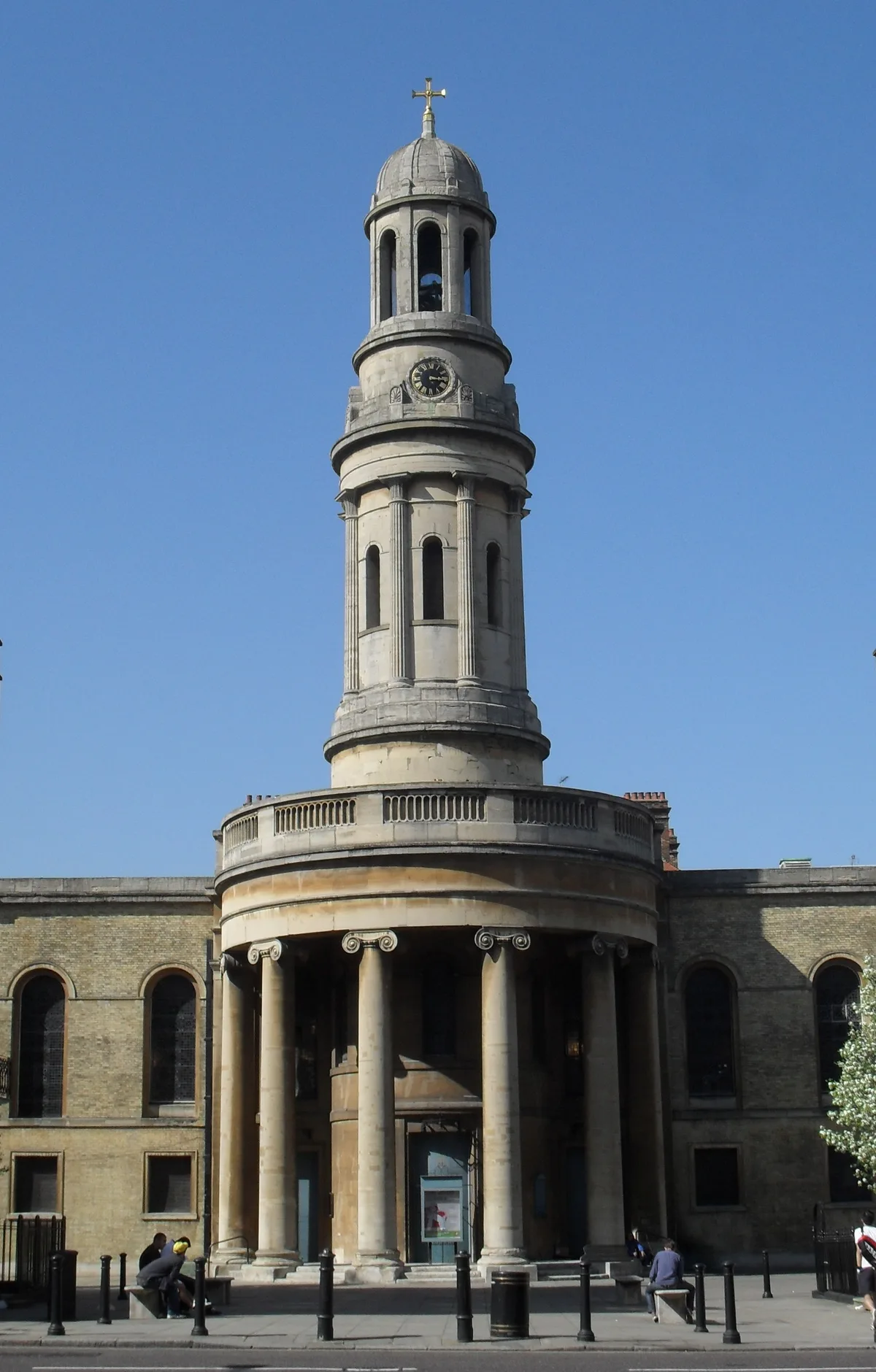
St Mary's, Bryanston Square
St Mary's, Bryanston Square — church of England church in London.
 📷 5
📷 5Gardens · London
King's Building
King's Building — a garden in england-london, United Kingdom.
 📷 4
📷 4Gardens · South West England
Old Council House, Bristol
Old Council House, Bristol — a garden in wales-south, United Kingdom.
 📷 3
📷 3Historic churches · East Midlands
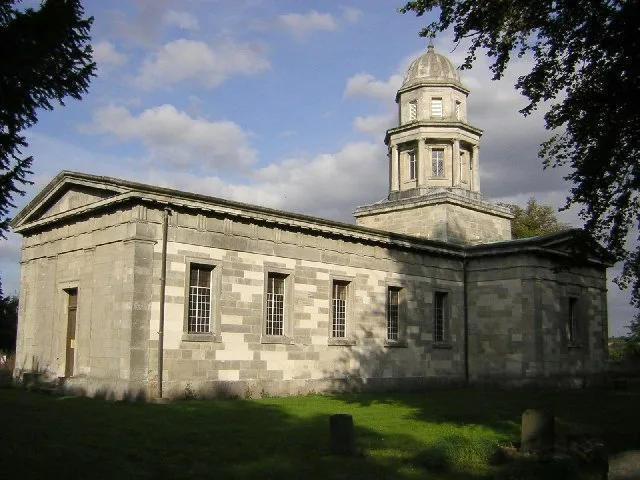
Milton Mausoleum
Milton Mausoleum — church in Milton, West Markham, Nottinghamshire, England, UK.
Other museums from this era
 📷 5
📷 5Museums · London
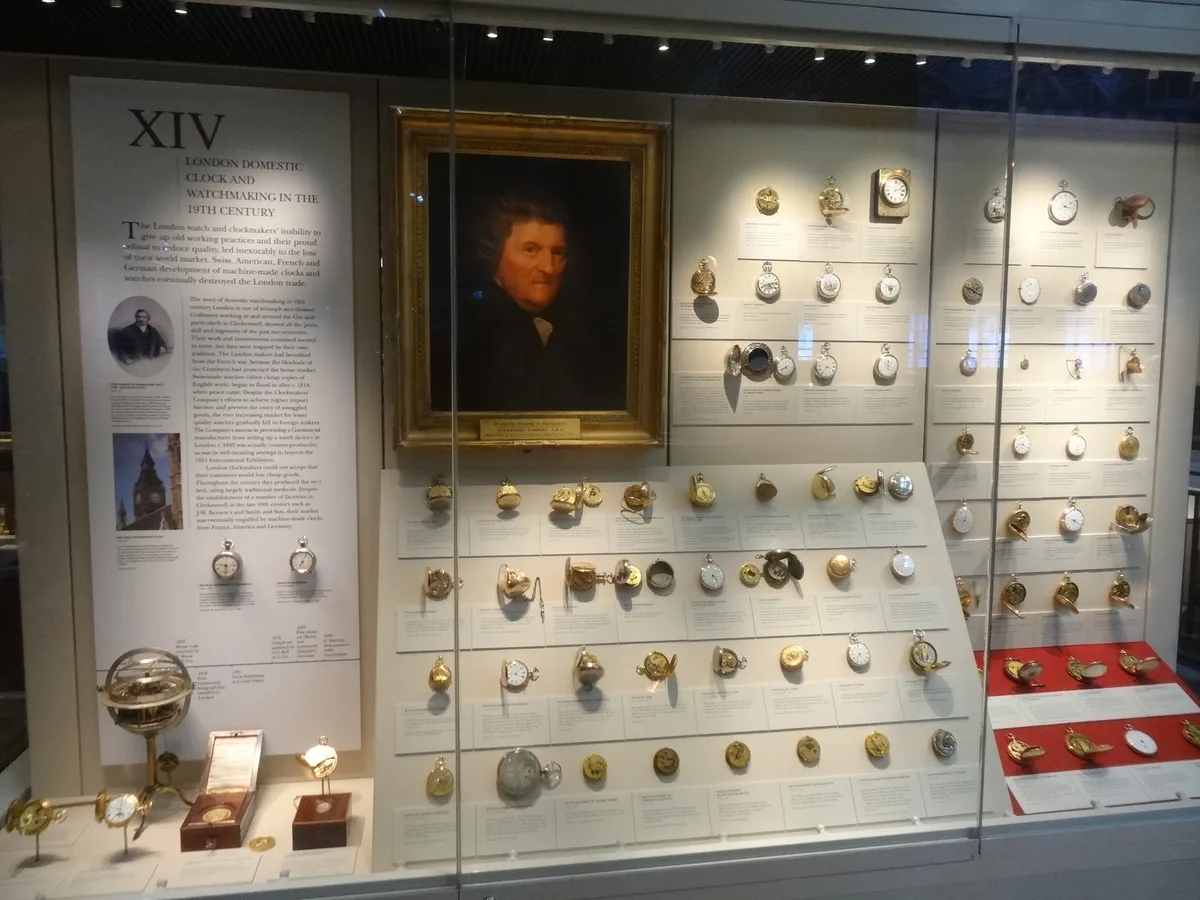
Clockmakers' Museum
Clockmakers' Museum — Museum of the Clockmakers' Company, London, United Kingdom.
 📷 5
📷 5Museums · London
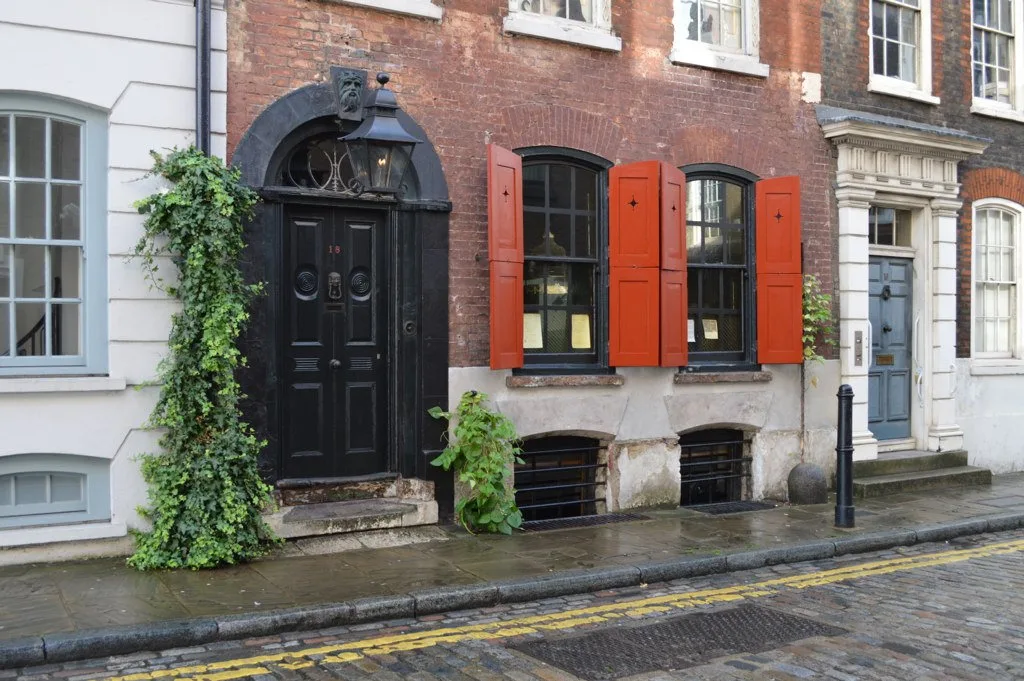
Dennis Severs' House
Dennis Severs' House — museum in the London Borough of Tower Hamlets.
 📷 5
📷 5Museums · London
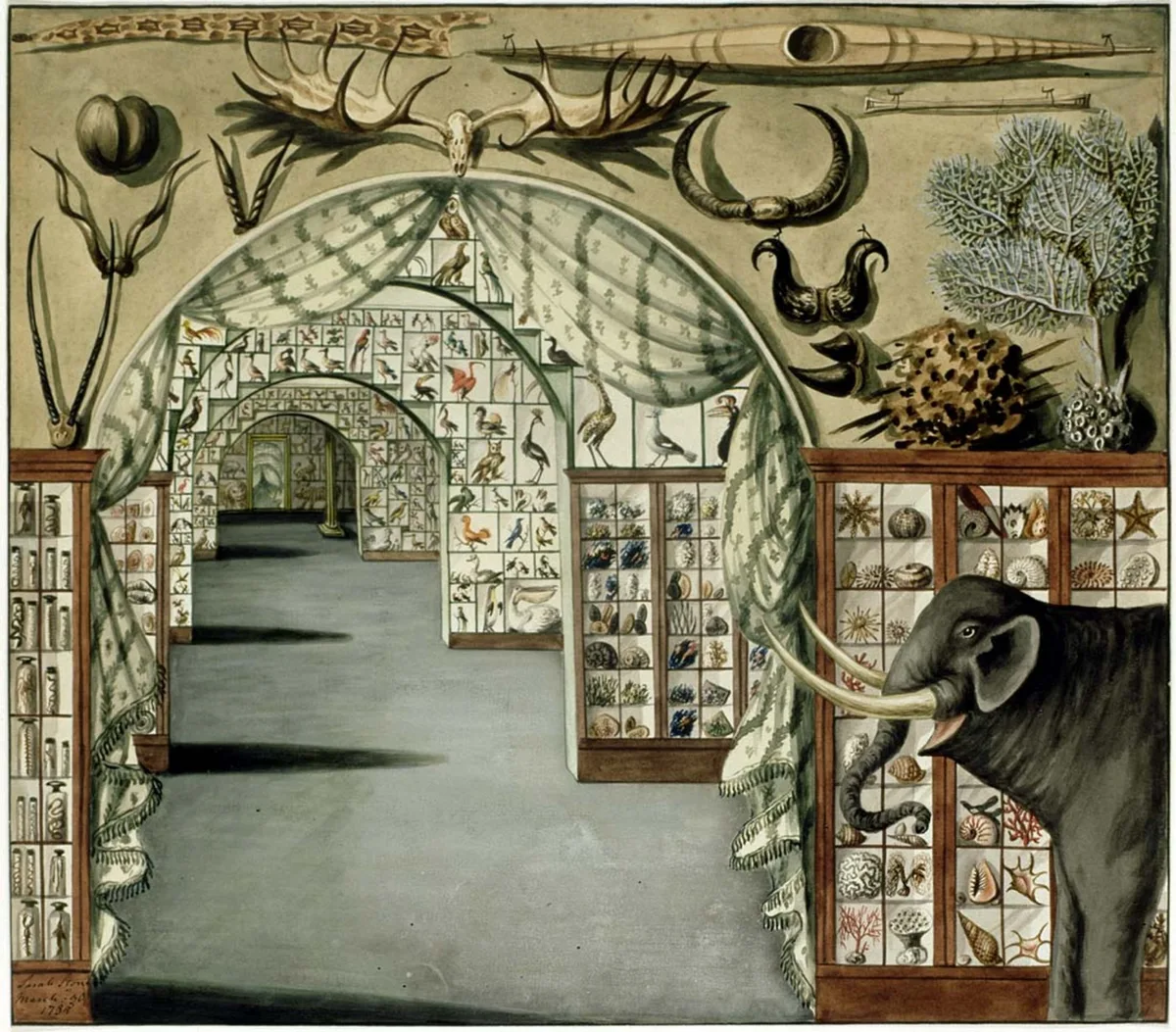
Leverian collection
Leverian collection — natural history and ethnographic collection assembled by Ashton Lever.
 📷 5
📷 5Museums · London
London Museum and Institute of Natural History
London Museum and Institute of Natural History is a museum in the United Kingdom.
More museums in this region
 Flagship📷 10
Museums · London
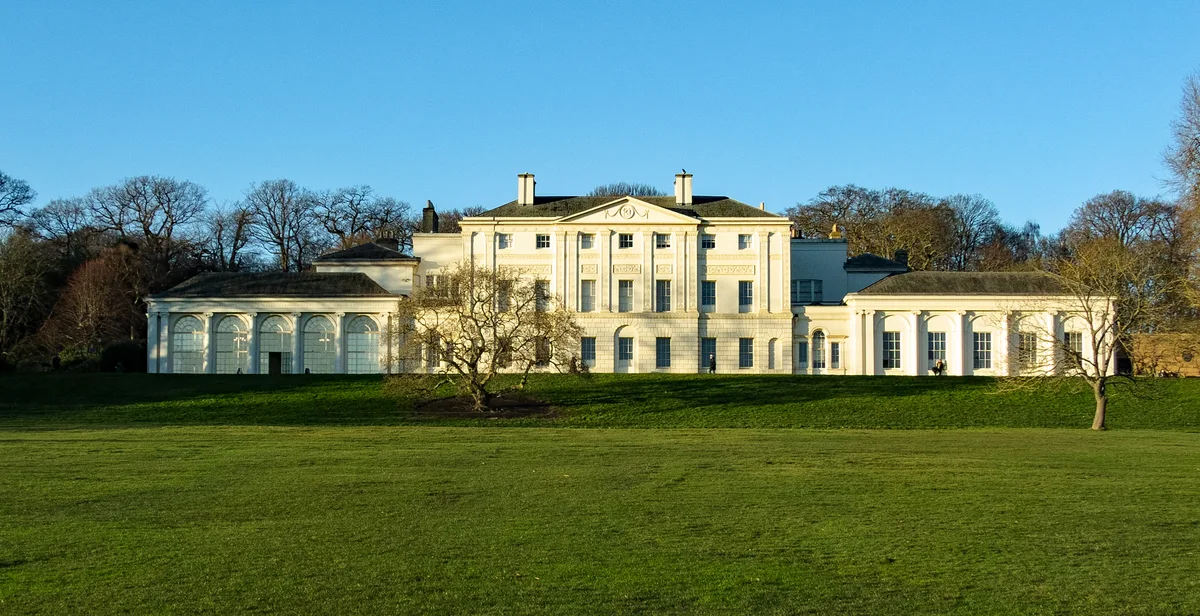
Kenwood House
Kenwood House — art museum and historic house in Hampstead, London.
 📷 5
📷 5Museums · London
Amora London
Amora London — European touring exhibition dedicated to love, relationships and sexual wellbeing.
 📷 5
📷 5Museums · London
Antique Breadboard Museum
Antique Breadboard Museum — small museum in Putney, London, England, UK.
 📷 5
📷 5Museums · London
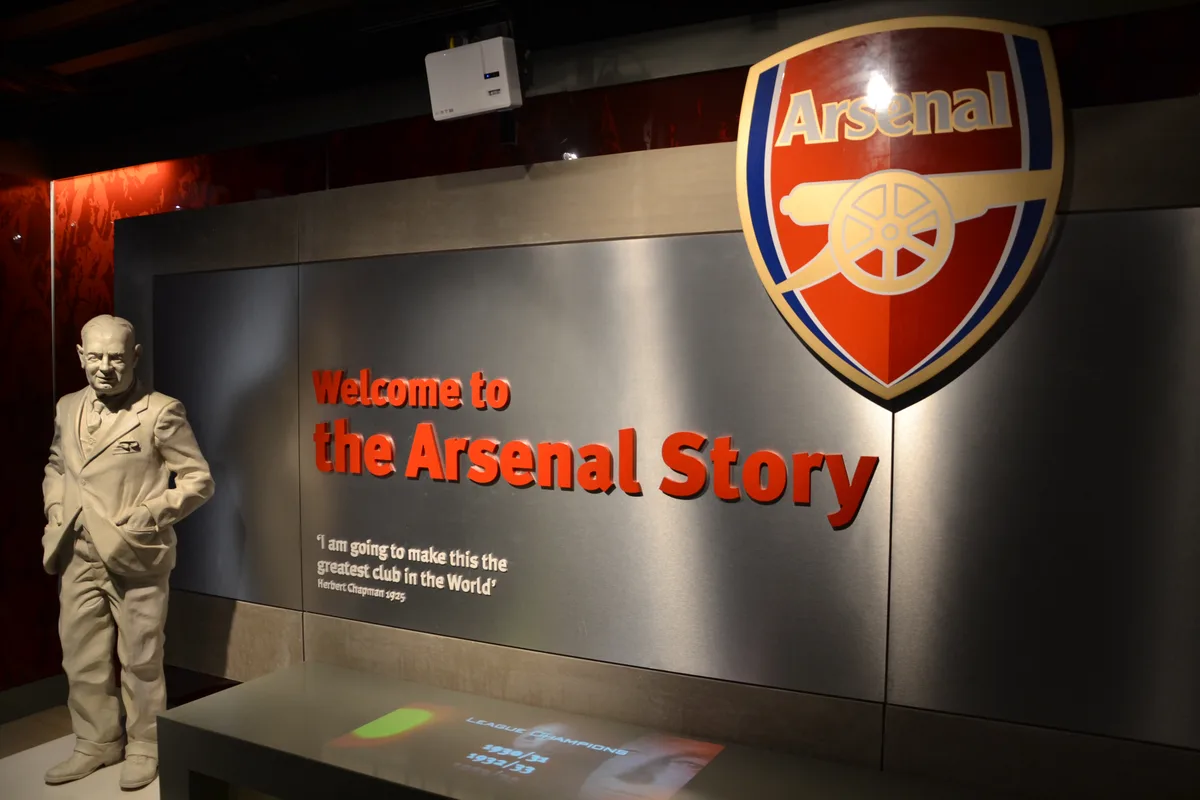
Arsenal Football Club Museum
Arsenal Football Club Museum — sports museum in London.
Frequently asked questions
- Where is British Museum?
- British Museum is in London, United Kingdom (postcode WC1B 3DG), in the parish of Camden, unparished area.
- What is British Museum?
- British Museum — national museum in London, United Kingdom.
- How do I get to British Museum?
- The nearest railway station is Russell Square, about 0.4 km away. The nearest town is Covent Garden. Drivers can use postcode WC1B 3DG.
- When was British Museum built?
- Built or established in 1753. Designed by Robert Smirke.
- Is British Museum a listed building?
- British Museum is officially recognised as Grade I listed building listed.
- Is British Museum free to visit?
- Yes, British Museum is free to enter.
- How do I get to British Museum?
- The nearest railway station is Russell Square, about 0.4 km away. Drivers can navigate to postcode WC1B 3DG.