
Historic houses · North Wales
Plas Mawr
Plas Mawr — Grade I listed building in Conwy County Borough.

Wikimedia Commons contributors — see linked file page for photographer and licence licence

Plan your visit
- Typical visit
- 1 h–2 h
- Nearest railway station
- Conwy · 0.1 km
- Paid entry
- Family-friendly
- Limited wheelchair access
Getting there & planning your visit
To visit Plas Mawr, the nearest railway station is Conwy, located just 0.1 km away. Entry is paid, and accessibility is limited for wheelchair users. The postcode for sat-nav is LL32 8AN.
About
Plas Mawr is a historic house in the United Kingdom — typically a country seat, manor, or town house with notable architecture or history. Records date its origin to 1576. Heritage designation: scheduled monument. Owned by Cadw. Managed by Cadw. Wikidata describes it as: "Grade I listed building in Conwy County Borough.". Coordinates: 53.2813°, -3.8301°.
Photo gallery
See it from the streetimagery from 2022
Imagery © Mapillary contributors, CC BY-SA 4.0
Heritage listing
http://cadwpublic-api.azurewebsites.net/reports/listedbuilding/FullReport?lang=en&id=83270
From Cadw under OGL v3.
From Cadw
Britain’s finest town house of the golden Elizabethan ageNever was a building better named. Plas Mawr, or the Great Hall, is quite simply the finest surviving Elizabethan town house anywhere in Britain.This was a golden age when fabulously wealthy merchants invested in mansions, rich fittings and lavish entertaining. Robert Wynn, third son of a local landowner, wanted a piece of the action.
Read more on the official property page.
From the Wikipedia article
Plas Mawr (Welsh for 'great hall') is an Elizabethan townhouse in Conwy, North Wales, dating from the 16th century. The property was built by Robert Wynn, a member of the local gentry, following his marriage to his first wife, Dorothy Griffith. Plas Mawr occupied a plot of land off Conwy's High Street and was constructed in three phases between 1576 and 1585 at a total cost of around £800. Wynn was known for his hospitality, and the household was supported by Wynn's local dairy herds, orchards and gardens. On his death he laid out complex instructions for dividing his estate; the resulting law-case took years to resolve, effectively preventing the redevelopment of the house and preserving it in its original condition. After 1683 Plas Mawr passed into the hands of the Mostyn family and ceased to be used as a family home. It was rented out for various purposes during the 18th and 19th centuries, including for use as a school, cheap lodgings and finally as the headquarters of the Royal Cambrian Academy of Art. In the 20th century the house became increasingly well known for its preserved Elizabethan architecture, but the costs of maintenance grew considerably and its condition deteriorated. The Welsh heritage agency Cadw took over the management of the property in 1993 and carried out an extensive, 42-month-long restoration project at a total cost of £3.3 million. With many of its rooms redecorated to resemble their condition in 1665, and replanted Renaissance gardens, it is now run as a tourist attraction. Architecturally, Plas Mawr is almost unchanged from the 16th century, and the historian Rick Turner considers the house to be "the finest surviving town house of the Elizabethan era". Plas Mawr shows a blend of continental Renaissance and local North Wales influences, with an innovative floor-plan and architectural detailing. The house still retains much of its original plasterwork, which incorporates symbols, badges and heraldry, which the historian Peter Smith…
Excerpt from Wikipedia under CC BY-SA 4.0. See the source article linked in Sources below.
Background
Architecture
]] Modern visitors typically enter the house from the High Street to the south, passing through the gatehouse, across the lower courtyard into the hall of the main building. Plas Mawr's gatehouse was only the third such entrance building to be built in North Wales, despite gatehouses being an important part of English Elizabethan architecture, designed to show off the house and provide a suitably dignified entry for visitors. Few houses in towns had the physical space for a gatehouse like Plas Mawr's. Originally, the gatehouse would have contained a suite of rooms for the steward of the house, Richard Wynn. The main house forms an "H"-shape, with a north and a south wing joined in the…
Sourced from Wikipedia under CC BY-SA 4.0.
- Coordinates
- 53.2813, -3.8301
- District
- Conwy
- Parish
- Conwy
- Postcode
- LL32 8AN
- Parliamentary constituency
- Bangor Aberconwy
- Phone
- 01492580167
- Established
- 1576
- Nearest railway station
- Conwy — 0.1 km
- Opening
- 1st March - 30th September 9.30am-5pm; 1st October - 1st November 9.30am-4pm; closed 2nd November - 28th February
- Official site
- cadw.gov.wales
Sources
- wikidata: Q7201717 (CC0)
- wikipedia: Plas Mawr (CC BY-SA 4.0)
- commons: Plas Mawr.jpg (CC BY-SA 4.0)
- fsq: 4c0bb3f87e3fc928bd9ef582 (Apache-2.0)
Other places nearby
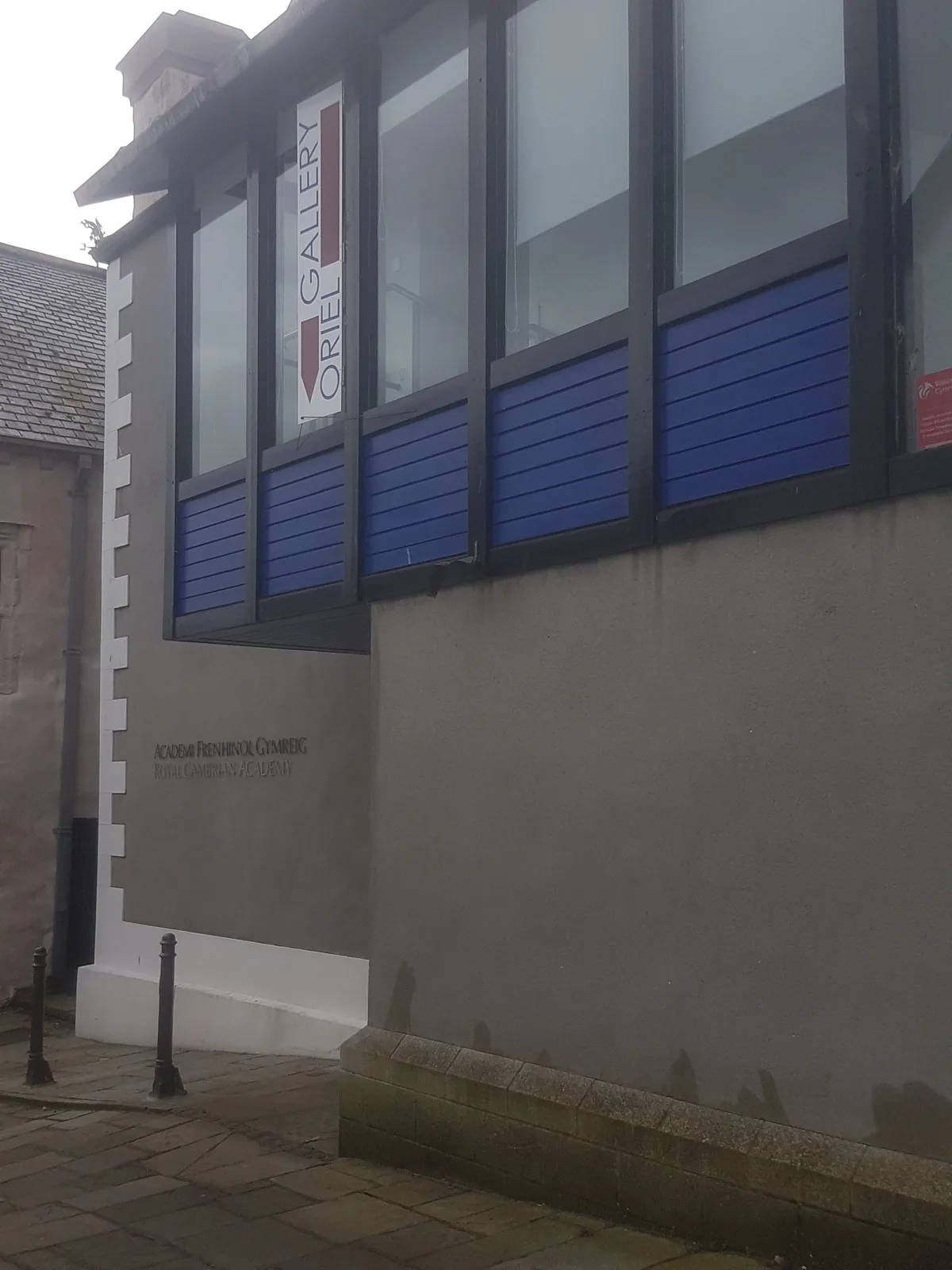
Royal Cambrian Academy of Art
Galleries · 0.0 km

Academi Frenhinol Gymreig
Galleries · 0.0 km

Alfredo Restaurant
Restaurants · 0.0 km
Pen y Bryn Tearooms
Cafés · 0.1 km

Castle Hotel
Hotels · 0.1 km

Aberconwy Abbey
Abbeys & priories · 0.1 km
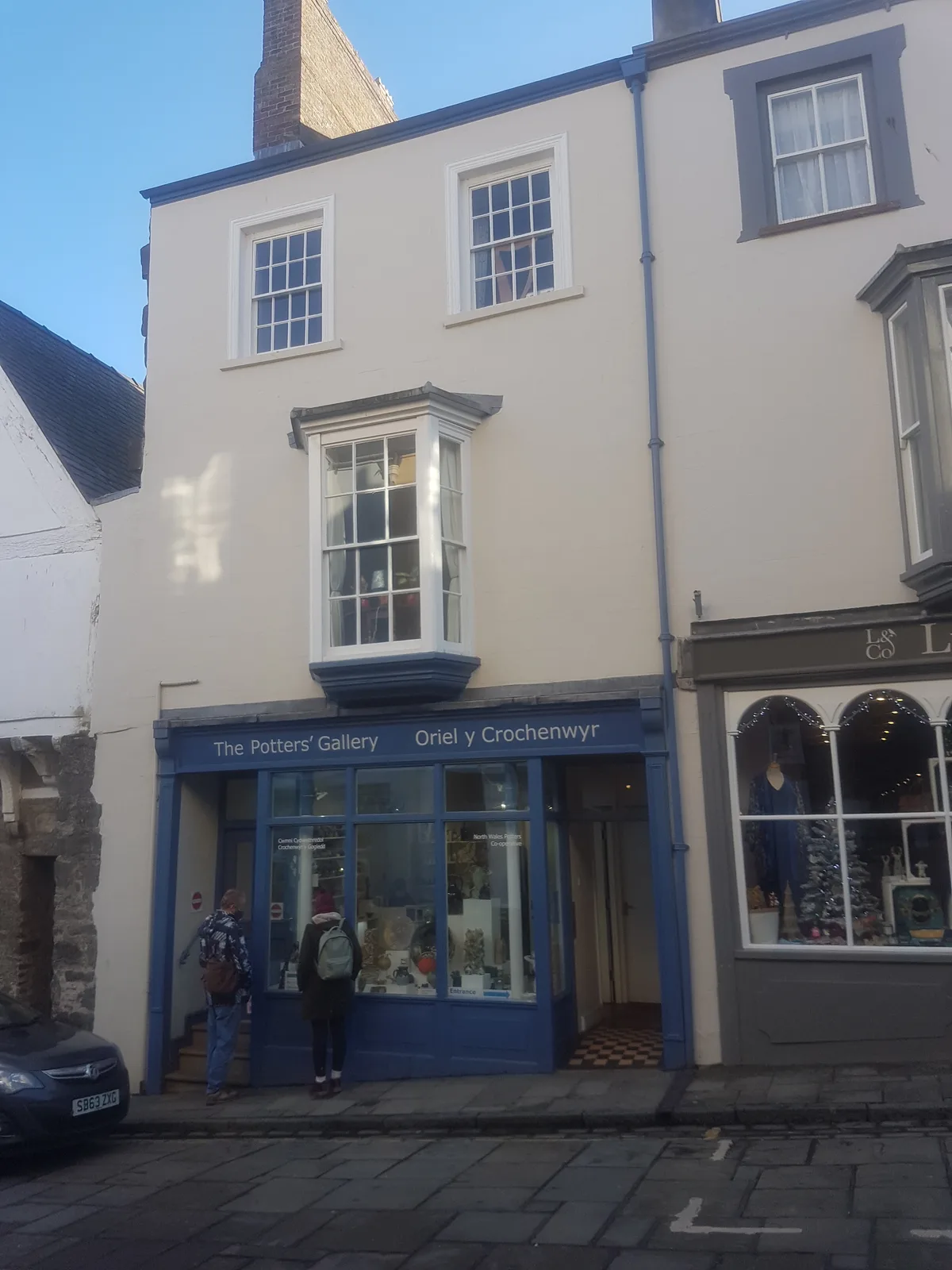
House and Oriel y Crochenwyr (The Potters' Gallery)
Galleries · 0.1 km

House and Oriel y Crochenwyr (The Potters' Gallery)
Mountains & hills · 0.1 km
St Mary and All Saints' Church, Conwy
Historic churches · 0.1 km

Aberconwy House
Historic houses · 0.1 km
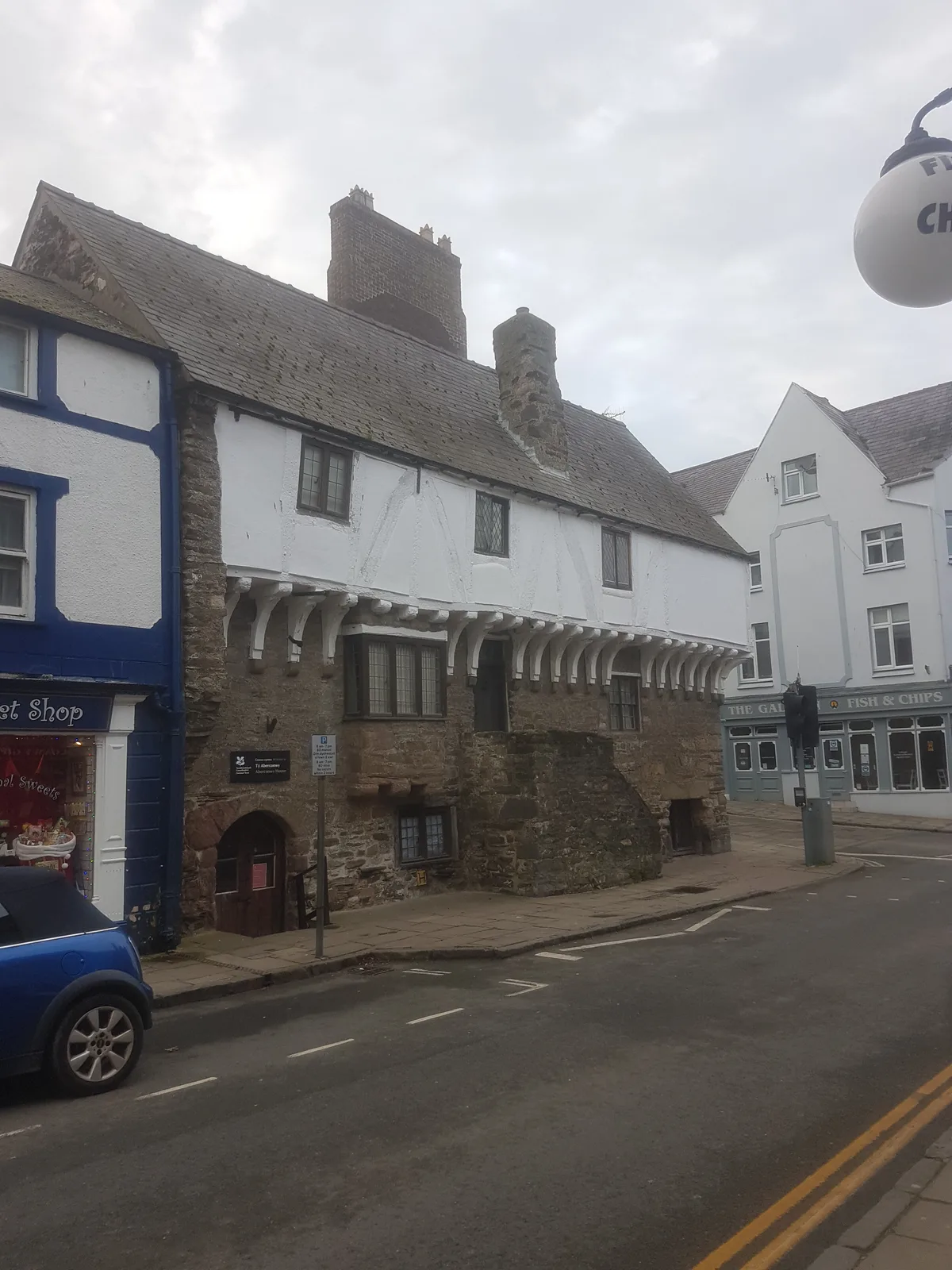
Aberconwy House Museum
Museums · 0.1 km

Conwy Civic Hall
Theatres · 0.1 km
Nearby
📷 3Galleries · North Wales
Royal Cambrian Academy of Art
Royal Cambrian Academy of Art — UK charitable organization.
📷 3Galleries · North Wales
Academi Frenhinol Gymreig
Academi Frenhinol Gymreig — a gallery in wales-north, United Kingdom.
📷 7📷 7📷 5📷 4Abbeys & priories · North Wales
Aberconwy Abbey
Aberconwy Abbey was a Cistercian foundation at Conwy, later transferred to Maenan near Llanrwst, and in the 13th century was the most important abbey in the north of Wales. A Cistercian house was foun
Where to eat & stay near Plas Mawr
Places to stay
📷 5 📷 7
📷 7 📷 5
📷 5 📷 5
📷 5B&Bs · North Wales
Bryn Derwen Guest House
Bryn Derwen Guest House — a bed-and-breakfast in wales north.
 📷 5
📷 5 📷 5
📷 5Places to eat & drink
📷 7📷 7 📷 5
📷 5 📷 5
📷 5 📷 5
📷 5Restaurants · North Wales
Ristorante Romeo's
Ristorante Romeo's — a restaurant in wales north.
📷 5More places run by Cadw
 📷 5
📷 5Castles · North Wales
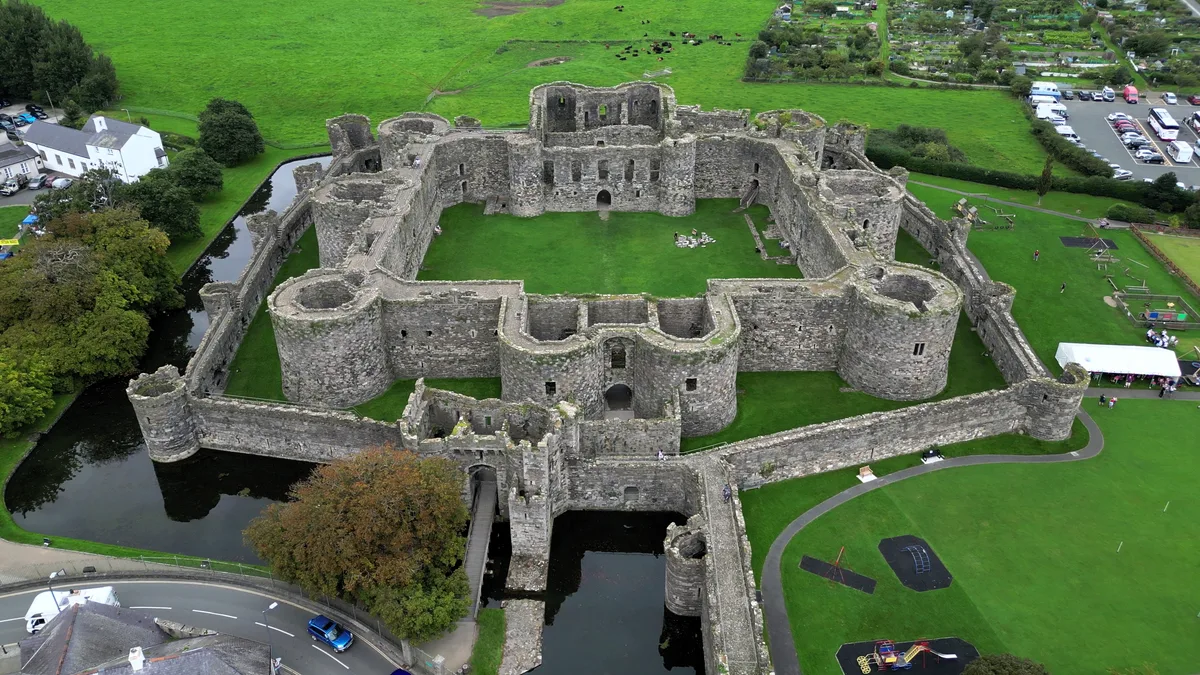
Beaumaris Castle
Beaumaris Castle — castle in Beaumaris, Anglesey, Wales.
 📷 3
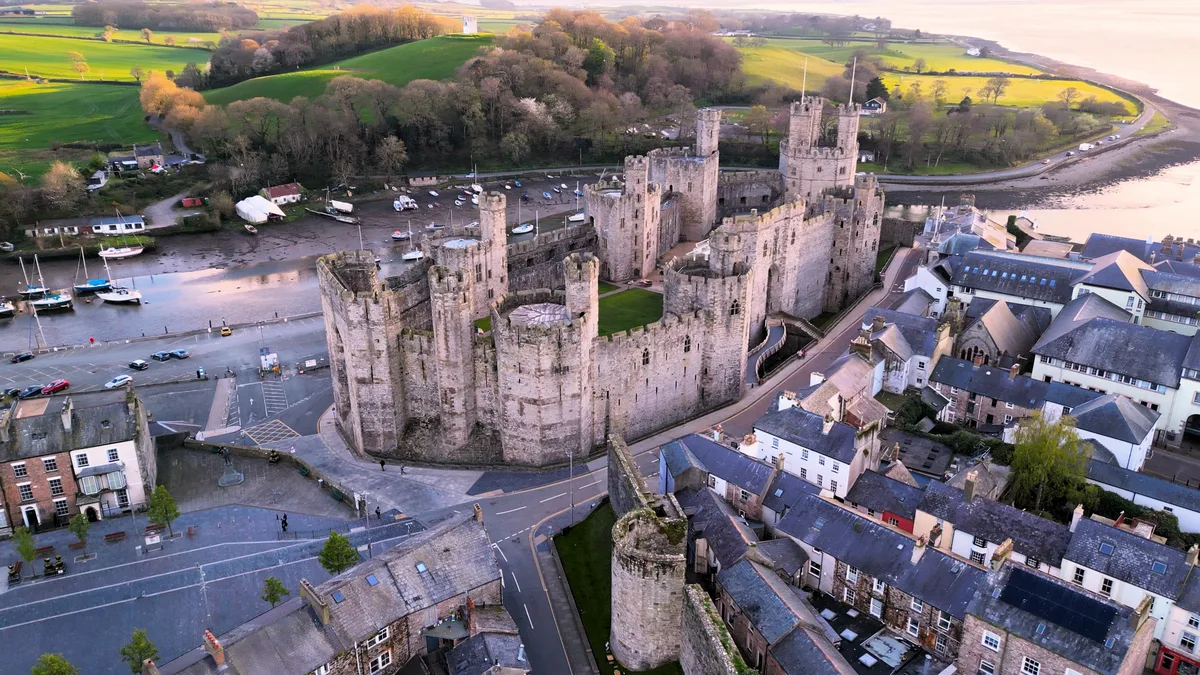
📷 3Castles · North Wales
Caernarfon Castle
Caernarfon Castle — castle in Caernarfon, North Wales.
 📷 5
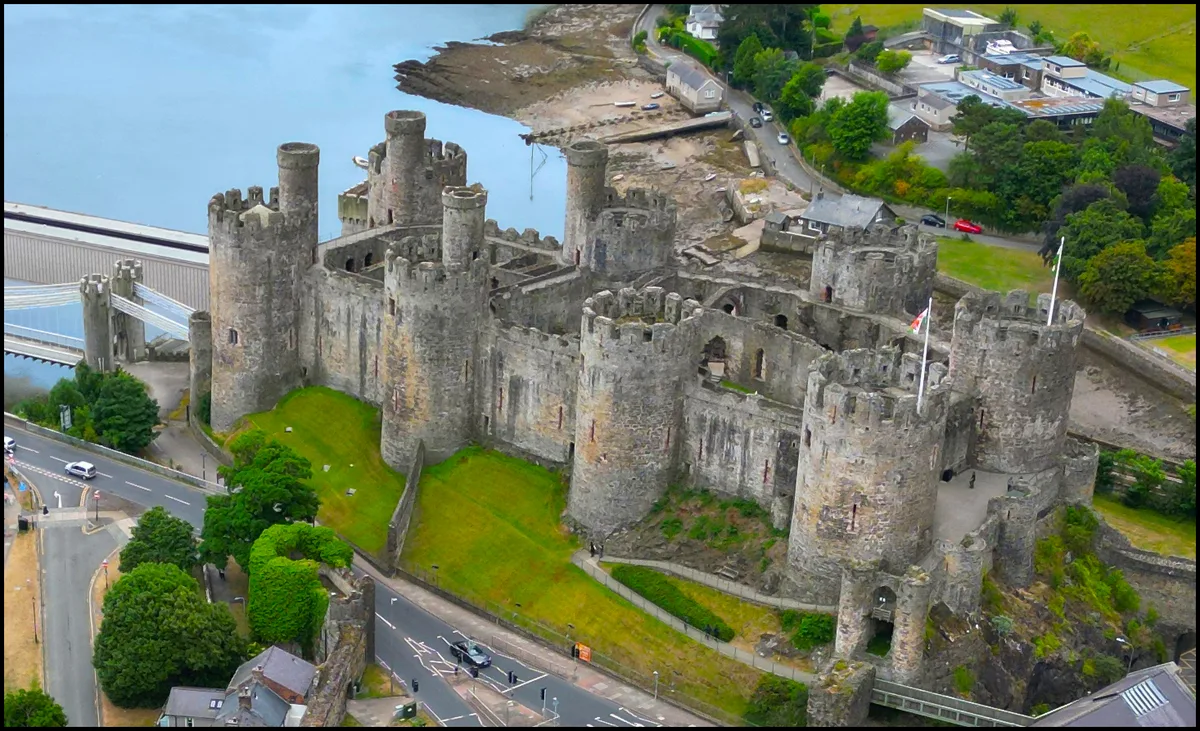
📷 5Castles · North Wales
Conwy Castle
Conwy Castle — castle in Conwy, North Wales.
 📷 4
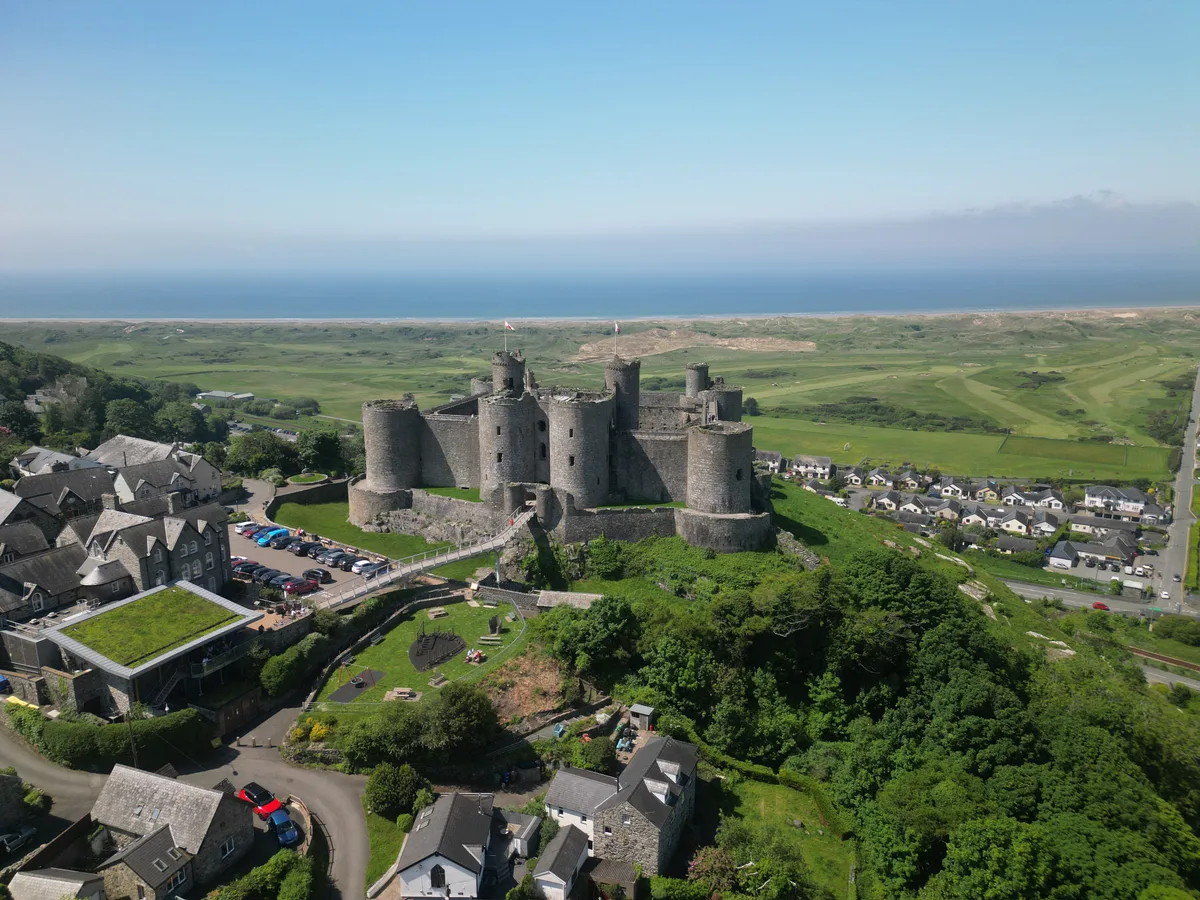
📷 4Castles · North Wales
Harlech Castle
Harlech Castle — castle in Harlech, Gwynedd, Wales.
Other historic houses from this era
.jpg?width=1200) 📷 5
📷 5Historic houses · London
Aubrey House
Aubrey House — large 18th-century house in Holland Park in west London.
.jpg?width=1200) 📷 5
📷 5Historic houses · London
Cloth Hill
Cloth Hill — 17th-century house in Hampstead, London NW3.
 📷 5
📷 5Historic houses · London
Cromwell House
Cromwell House — Grade I listed building in the London Borough of Haringey, England,UK.
 📷 5
📷 5More historic houses in this region
 📷 3
📷 3Historic houses · North Wales
2 & 2A Record Street, Ruthin
2 & 2A Record Street, Ruthin — Grade II listed house in Ruthin, Denbighshire.
📷 3Historic houses · North Wales
Aberconwy House
Aberconwy House — historic house in Conwy, Wales.
 📷 3
📷 3 📷 3
📷 3Frequently asked questions
- Where is Plas Mawr?
- Plas Mawr is in North Wales, United Kingdom (postcode LL32 8AN), in the parish of Conwy.
- What is Plas Mawr?
- Plas Mawr — Grade I listed building in Conwy County Borough.
- How do I get to Plas Mawr?
- The nearest railway station is Conwy, about 0.1 km away. Drivers can use postcode LL32 8AN.
- When was Plas Mawr built?
- Built or established in 1576.
- Who runs Plas Mawr?
- Plas Mawr is operated by Cadw.
- Is Plas Mawr a listed building?
- Plas Mawr is officially recognised as scheduled monument listed.
- How do I get to Plas Mawr?
- The nearest railway station is Conwy, about 0.1 km away. Drivers can navigate to postcode LL32 8AN.