
Natural landmarks · Northern Ireland
Pettigo
Also known as: Paiteagó
Pettigo in Northern Ireland, United Kingdom.

Kenneth Allen — CC BY-SA 2.0 via Wikimedia Commons licence

Plan your visit
- Typical visit
- 1 h–2 h
- Free entry
- Dog-friendly
About
Pettigo is a place of interest in Northern Ireland, United Kingdom — drawn from open-data sources for visitor reference. See the linked Wikipedia article for the full description.
Photo gallery
From the Wikipedia article
Pettigo, also spelt Pettigoe ( PET-ig-oh; Irish: Paiteagó [ˈpˠatʲəɡoː]), is a small village and townland on the border of County Donegal, Republic of Ireland, and County Fermanagh, Northern Ireland. It is bisected by the Termon River, which is part of the border between the Republic of Ireland and Northern Ireland. The portion of the village in County Fermanagh is officially called Tullyhommon but is locally known as 'High Street' because of its hillside position overlooking the remainder of the village. The rest of the village in the Republic includes Main Street, Mill Street and Station Street, all of which meet in The Diamond at the centre of the village. There are also two relatively modern housing estates on the northern outskirts, Termon Villas and St. Patrick's Terrace, along with new developments such as Mill Grove. Until the late 1700s, the area was known as An Tearmann, meaning 'a place of sanctuary'. The modern Irish (Paiteagó) and English (Pettigo) names derive from the Latin protectio (protection), a translation of the Irish An Tearmann.
Excerpt from Wikipedia under CC BY-SA 4.0. See the source article linked in Sources below.
Background
History
road connects Pettigo with Lough Derg]] In June 1922, at the tail end of the Irish War of Independence, Pettigo in what became the new Irish Free State, and Belleek, which was now in Northern Ireland were occupied by a 100-strong Irish Republican Army unit who had arrived there from Donegal. They were attacked first by a party of 100 Ulster Special Constabulary, who crossed Lough Erne, but they were beaten off, losing one killed. Two companies of British Army troops, along with 6 field guns, along with the USC, were then sent to take the villages. In the ensuing fighting, in which the British bombarded the village and then stormed it, the IRA lost three men killed, six wounded and four…
Description
Pettigo Mill was built by the Leslie family, who owned the Pettigo estate. The Leslie family were originally from Monaghan town. Pettigo Mill was first on the map of Pettigo dated 1767 but is probably much older. The Mill got its power from the Termon river. It was described as a cloth mill, i.e. woolen cloth, but probably also ground oats and other grains. During the famine, maize or Indian meal, as it was called, was ground in the Pettigo Mill. This was then sent to the poor through the port of Ballyshannon in the year 1845–1846. After the arrival of the railway in Pettigo, which opened in 1860, Pettigo Mill was a saw mill as well as a grain mill. Timber for all the usual purposes was…
Sourced from Wikipedia under CC BY-SA 4.0.
- Coordinates
- 54.5490, -7.8310
- District
- Fermanagh and Omagh
- Postcode
- BT93 8DL
- Parliamentary constituency
- Fermanagh and South Tyrone
Sources
Other places nearby

Tullyhommon
Natural landmarks · 1.0 km

Termon River
Natural landmarks · 2.1 km

Boa Island
Islands · 3.6 km

Lurg
Natural landmarks · 4.4 km

Lusty Beg Island
Islands · 4.5 km

Lustymore Island
Islands · 5.2 km

Edgewater Holiday Park & Marina
Caravan parks · 5.3 km

Lustymore Island Figure
Archaeological sites · 5.4 km
Boa Island Figure
Archaeological sites · 5.4 km

Drummoney Waterfall
Waterfalls · 5.9 km
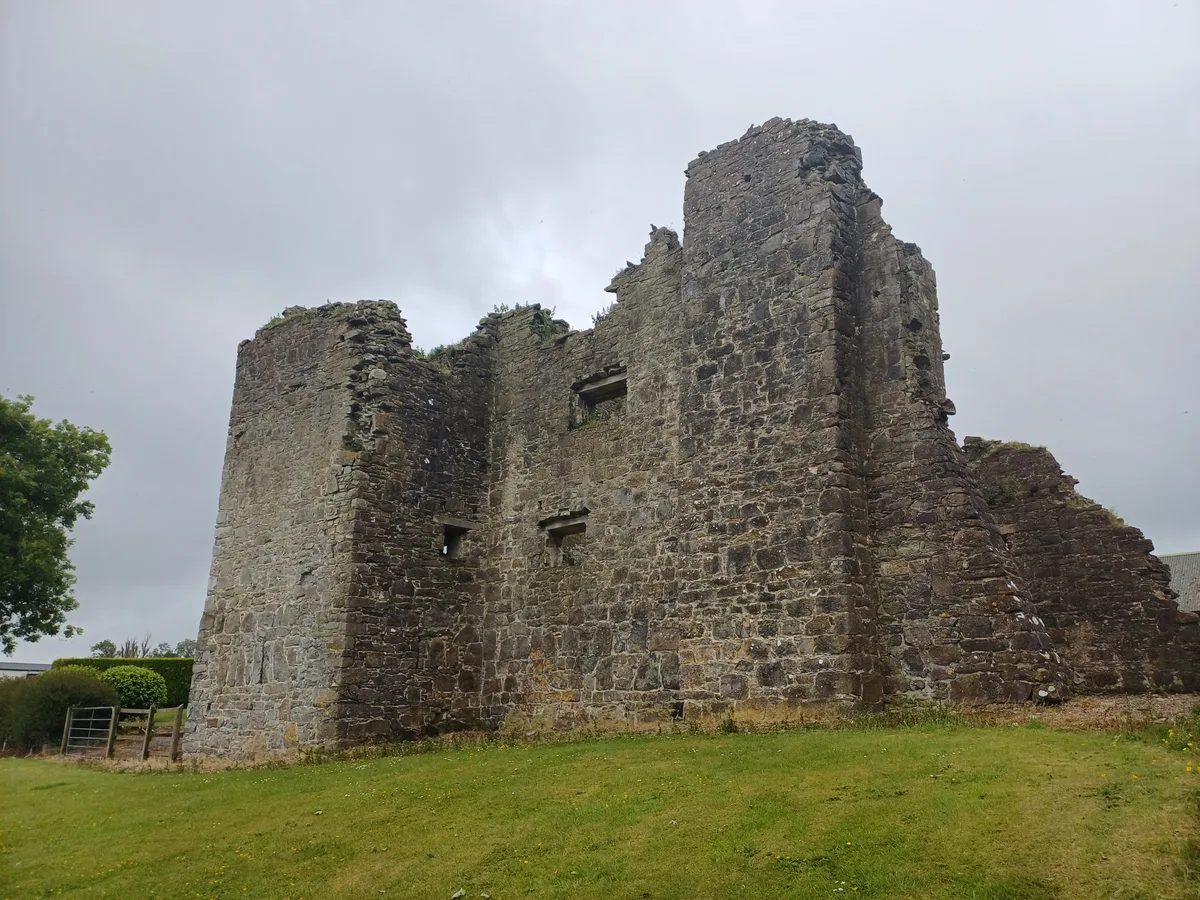
Crevenish Castle
Castles · 6.9 km

Stonefort
Villages · 7.0 km
Nearby
📷 5Natural landmarks · Northern Ireland
Tullyhommon
Tullyhommon in Northern Ireland, United Kingdom.
📷 4Natural landmarks · Northern Ireland
Termon River
Termon River in Northern Ireland, United Kingdom.
📷 4📷 5📷 5📷 4Where to eat & stay near Pettigo
Places to stay
📷 5Caravan parks · Northern Ireland
Edgewater Holiday Park & Marina
Edgewater Holiday Park & Marina — a caravan park in northern ireland.
 📷 5
📷 5Caravan parks · Northern Ireland
Clareview Caravan Park
Clareview Caravan Park — a caravan park in northern ireland.
 📷 5
📷 5 📷 5
📷 5Caravan parks · Northern Ireland
Drumhoney Holiday Park
Drumhoney Holiday Park — a caravan park in northern ireland.
 📷 5
📷 5Hotels · Northern Ireland
Lough Erne Golf Resort
Lough Erne Golf Resort — a hotel in northern ireland.
 📷 5
📷 5More natural landmarks in this region
 Flagship📷 4
Natural landmarks · Northern Ireland
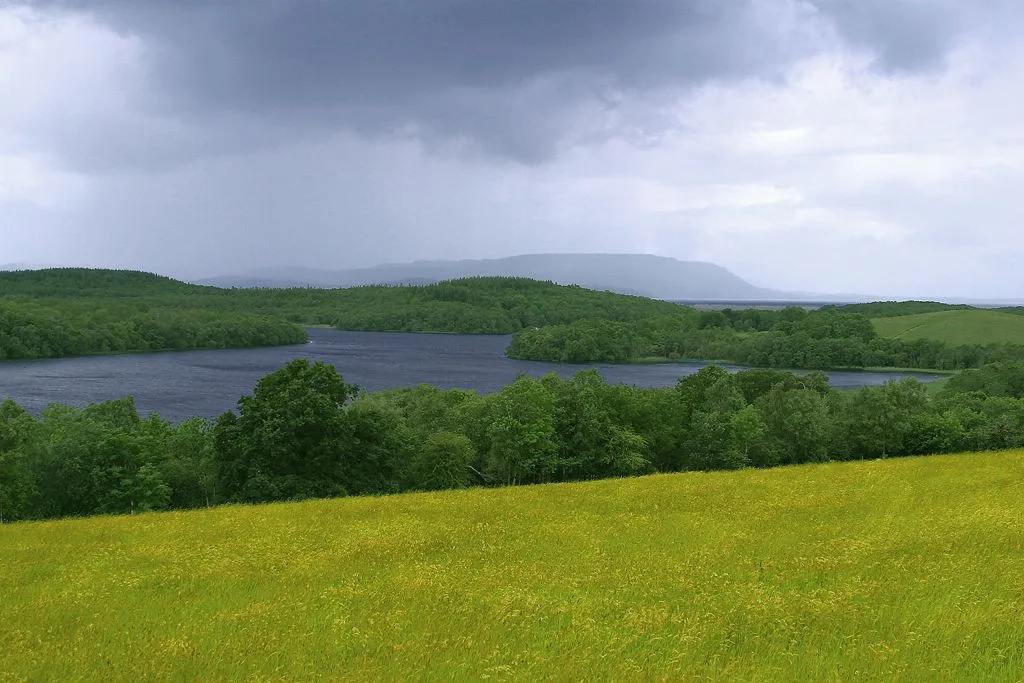
Lough Erne
Lough Erne — lake in County Fermanagh, Northern Ireland, UK.
 Flagship📷 4
Natural landmarks · Northern Ireland
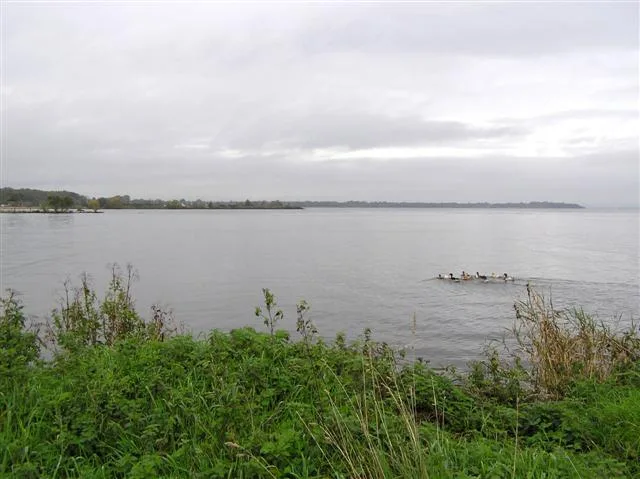
Lough Neagh
Lough Neagh — large lake in Northern Ireland.
 📷 3
📷 3Natural landmarks · Northern Ireland
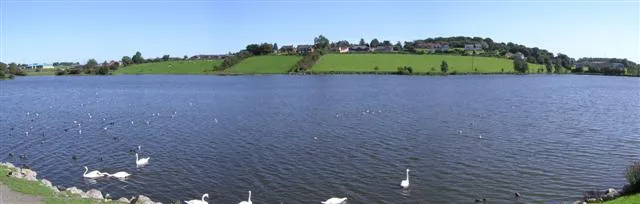
Ballysaggart Lough
Ballysaggart Lough — lake in the United Kingdom.
 📷 5
📷 5Natural landmarks · Northern Ireland
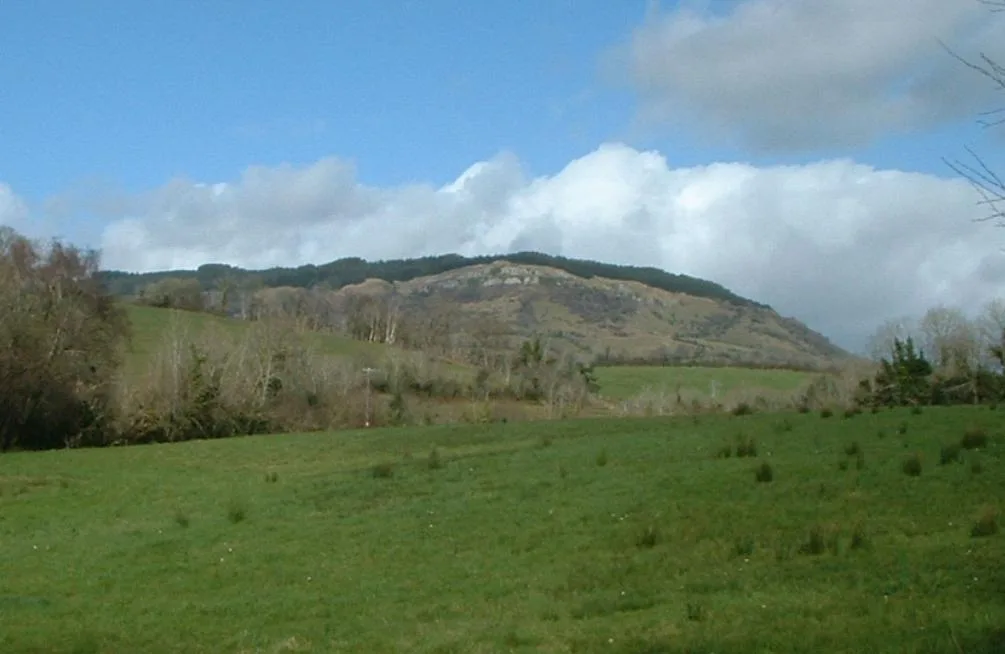
Belmore Mountain
Belmore Mountain — mountain in the United Kingdom.
Frequently asked questions
- Where is Pettigo?
- Pettigo is in Northern Ireland, United Kingdom (postcode BT93 8DL).
- What is Pettigo?
- Pettigo in Northern Ireland, United Kingdom.
- How do I get to Pettigo?
- Drivers can use postcode BT93 8DL.
- Is Pettigo free to visit?
- Yes, Pettigo is free to enter.
- How do I get to Pettigo?
- Drivers can navigate to postcode BT93 8DL. It sits within the Fermanagh and South Tyrone parliamentary constituency.