
Museums · South East England
Oxfordshire
Also known as: Swydd Rydychen, Sheer Aah yn Ollee, Konteth Rysoghen
In or near Oxford.
Oxfordshire ( OKS-fərd-shər, -sheer; abbreviated Oxon) is a ceremonial county in South East England. The county is bordered by Northamptonshire and Warwickshire to the north, Buckinghamshire to the e

David P Howard — CC BY-SA 2.0 via Wikimedia Commons licence

Plan your visit
- Typical visit
- 1.5 h–3 h
- Best time of year
- Year-round
- Nearest railway station
- Oxford · 0.8 km
- Free entry
- Family-friendly
- Limited wheelchair access
Getting there & planning your visit
To visit the museum in Oxfordshire, you can take a train to Oxford station, which is 0.8 km away. The postcode for the location is OX2 0HS. Please note that accessibility is limited for wheelchair users.
About
Oxfordshire ( OKS-fərd-shər, -sheer; abbreviated Oxon) is a ceremonial county in South East England. The county is bordered by Northamptonshire and Warwickshire to the north, Buckinghamshire to the east, Berkshire to the south, and Wiltshire and Gloucestershire to the west. The city of Oxford is the largest settlement. The county is largely rural, with an area of 1,006 sq mi (2,605 km2) and an estimated population of 763,218 in 2024. Oxford, which is famous for its university, is near the centre of the county. Other settlements include Banbury in the north, Bicester in the north-east, Abingdon-on-Thames and Didcot in the south, and Witney in the west. For local government purposes Oxfordshire is a non-metropolitan county with five districts. The part of the county south of the River Thames, largely corresponding to the Vale of White Horse district, was historically part of Berkshire. The lowlands in the centre of the county are crossed by the River Thames and its tributaries, the valleys of which are separated by low hills. The south contains parts of the Berkshire Downs and Chiltern Hills, and the north-west includes part of the Cotswolds; all three regions are Areas of Outstanding Natural Beauty. The county's highest point is White Horse Hill (261 metres/856 ft), part of the Berkshire Downs.
Photo gallery
Official information
Oxfordshire County Council provides various services and information for residents and visitors. The site includes resources related to education, community safety, and local grants, among other topics.
From the Wikipedia article
Oxfordshire ( OKS-fərd-shər, -sheer; abbreviated Oxon) is a ceremonial county in South East England. The county is bordered by Northamptonshire and Warwickshire to the north, Buckinghamshire to the east, Berkshire to the south, and Wiltshire and Gloucestershire to the west. The city of Oxford is the largest settlement. The county is largely rural, with an area of 1,006 sq mi (2,605 km2) and an estimated population of 763,218 in 2024. Oxford, which is famous for its university, is near the centre of the county. Other settlements include Banbury in the north, Bicester in the north-east, Abingdon-on-Thames and Didcot in the south, and Witney in the west. For local government purposes Oxfordshire is a non-metropolitan county with five districts. The part of the county south of the River Thames, largely corresponding to the Vale of White Horse district, was historically part of Berkshire. The lowlands in the centre of the county are crossed by the River Thames and its tributaries, the valleys of which are separated by low hills. The south contains parts of the Berkshire Downs and Chiltern Hills, and the north-west includes part of the Cotswolds; all three regions are Areas of Outstanding Natural Beauty. The county's highest point is White Horse Hill (261 metres/856 ft), part of the Berkshire Downs.
Excerpt from Wikipedia under CC BY-SA 4.0. See the source article linked in Sources below.
Background
History
Oxfordshire was recorded as a county in the early years of the 10th century and lies between the River Thames to the south, the Cotswolds to the west, the Chilterns to the east and the Midlands to the north, with spurs running south to Henley-on-Thames and north to Banbury. Although it had some significance as an area of valuable agricultural land in the centre of the country, it was largely ignored by the Romans and did not grow in importance until the formation of a settlement at Oxford in the 8th century. Alfred the Great was born across the Thames in Wantage, in the Vale of White Horse. The University of Oxford was founded in 1096, although its collegiate structure did not develop until…
Architecture
from 1576]] The "dreaming spires" of the University of Oxford are among the reasons for which Oxford is the sixth most visited city in the United Kingdom by international visitors. Among many notable University buildings are the Sheldonian Theatre, built 16641668 to the design of Sir Christopher Wren, and the Radcliffe Camera, built 17371749 to the design of James Gibbs. Blenheim Palace, close to Woodstock, was designed and partly built by the architect John Vanbrugh for John Churchill, 1st Duke of Marlborough, after he had won the battle of Blenheim. The gardens, which can be visited, were designed by the landscape gardener "Capability" Brown, who planted the trees in the battle formation…
Sourced from Wikipedia under CC BY-SA 4.0.
- Coordinates
- 51.7500, -1.2800
- County
- Oxfordshire
- District
- Oxford
- Parish
- Oxford, unparished area
- Postcode
- OX2 0HS
- Parliamentary constituency
- Oxford West and Abingdon
- Nearest railway station
- Oxford — 0.8 km
- Official site
- oxfordshire.gov.uk
Sources
- wikipedia: Oxfordshire (CC BY-SA 4.0)
Other places nearby

Seven Arches Bridge
Historic bridges · 0.4 km
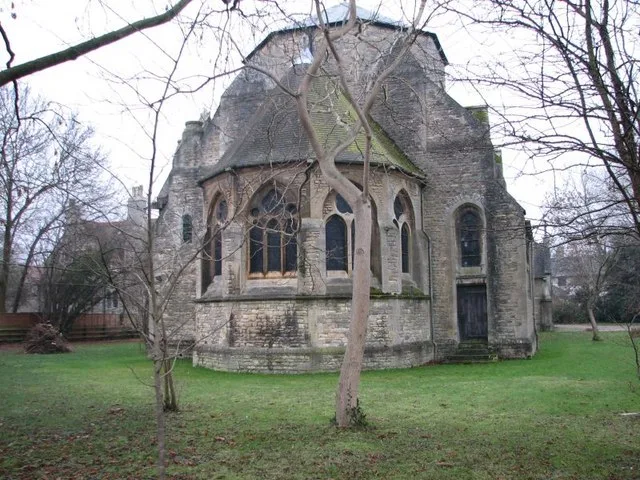
St Frideswide's Church
Historic churches · 0.4 km

Osney
Islands · 0.5 km

Bridge At North End Of Street Forming The Junction With Botley Road
Historic bridges · 0.5 km
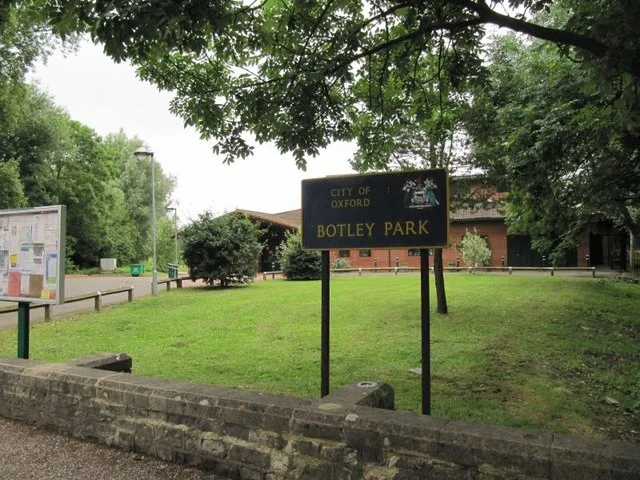
Botley Park
Country parks · 0.5 km

The First Superconducting Magnet for MRI Scanning
Memorials & monuments · 0.5 km

Osney Mill
Mills · 0.6 km

Osney Bridge
Historic bridges · 0.6 km
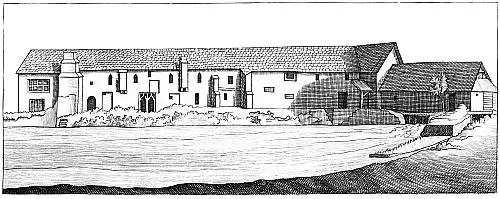
Osney Abbey
Cathedrals · 0.6 km

River Hotel
Hotels · 0.6 km

Osney Lock
Canal locks · 0.6 km

Osney Cemetery
Cemeteries · 0.7 km
Nearby
📷 4Historic bridges · South East England
Seven Arches Bridge
Seven Arches Bridge — Grade II listed building-listed bridge in england-west-midlands, United Kingdom.
📷 5Historic churches · South East England
St Frideswide's Church
St Frideswide's Church — church in Oxford, UK.
📷 3Islands · South East England
Osney
Osney — riverside community in the west of the city of Oxford, England.
📷 3Historic bridges · South East England
Bridge At North End Of Street Forming The Junction With Botley Road
Bridge At North End Of Street Forming The Junction With Botley Road — Grade II listed building-listed bridge in england-west-midlands, United Kingdom.
📷 3Country parks · South East England
Botley Park
Botley Park — West Oxford public park.
📷 3Memorials & monuments · South East England
The First Superconducting Magnet for MRI Scanning
The First Superconducting Magnet for MRI Scanning — a memorial in england-west-midlands, United Kingdom.
Where to eat & stay near Oxfordshire
Places to stay
📷 7Hotels · South East England
River Hotel
River Hotel — a hotel in england west midlands.
 📷 5
📷 5Hostels · South East England
Oxford Backpackers
Oxford Backpackers — a hostel in england west midlands.
 📷 5
📷 5Hostels · South East England
Central Backpackers Oxford
Central Backpackers Oxford — a hostel in england west midlands.
 📷 5
📷 5Hotels · South East England
The Jericho Hotel
The Jericho Hotel — a hotel in england west midlands.
 📷 5
📷 5B&Bs · South East England
St Michael's Guest House
St Michael's Guest House — a bed-and-breakfast in england west midlands.
 📷 7
📷 7Hotels · South East England
Old Parsonage Hotel
Old Parsonage Hotel — a hotel in england west midlands.
Places to eat & drink
 📷 7
📷 7 📷 5
📷 5Historic pubs · South East England
Jericho Tavern
Jericho Tavern in England South East, United Kingdom.
 📷 5
📷 5 📷 7
📷 7Historic pubs · South East England
The Eagle and Child
The Eagle and Child in England South East, United Kingdom.
 📷 5
📷 5Cafés · South East England
Love Coffee Co.
Love Coffee Co. — a café in england west midlands.
 📷 6
📷 6Cafés · South East England
The Missing Bean
The Missing Bean — a café in england west midlands.
More museums in this region
 📷 5
📷 5Museums · South East England
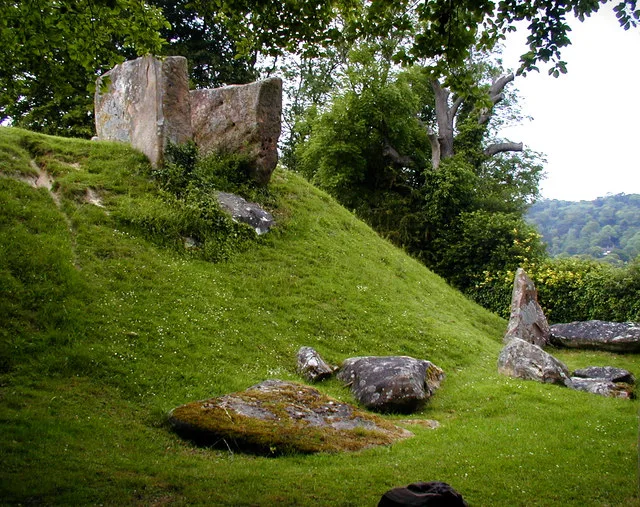
Coldrum Long Barrow
Coldrum Long Barrow — neolithic chambered long barrow near Trottiscliffe, Kent, England, UK.
 📷 5
📷 5Museums · South East England
Guildford House
Guildford House — house in Guildford, Surrey, England, UK.
 📷 5
📷 5Museums · South East England
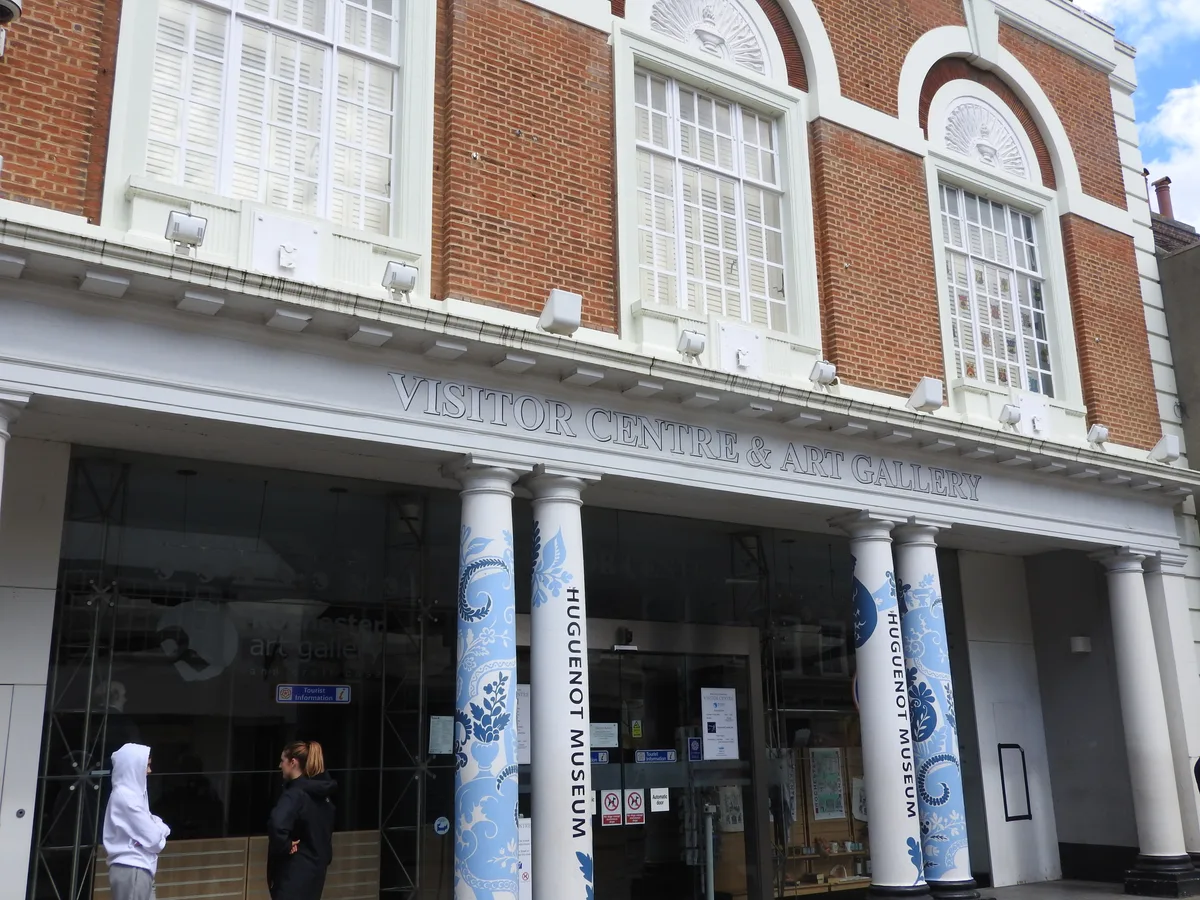
Huguenot Museum
Huguenot Museum — museum in Rochester, England, UK.
 📷 5
📷 5Museums · South East England
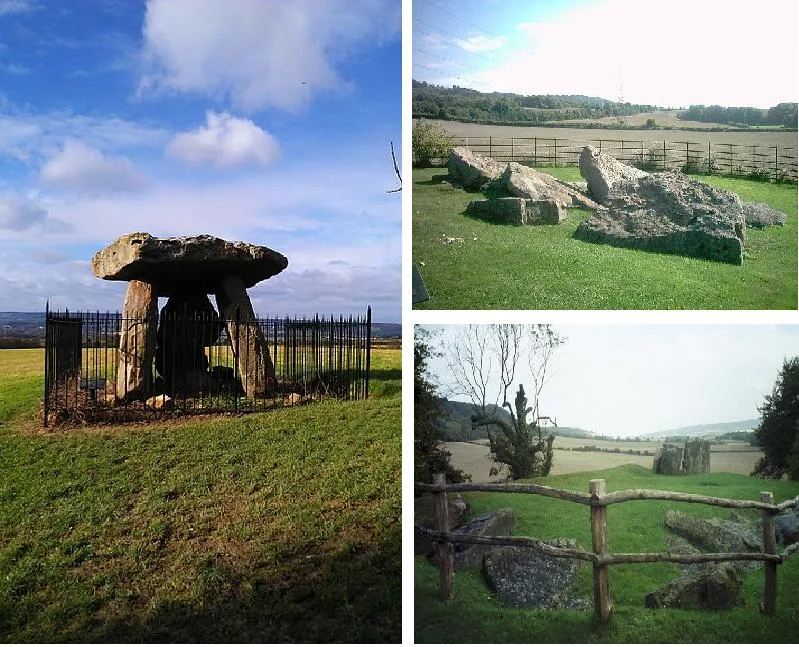
Medway megaliths
Medway megaliths — group of long barrows in Kent, England.
Frequently asked questions
- Where is Oxfordshire?
- Oxfordshire is in Oxfordshire, South-East England, United Kingdom (postcode OX2 0HS), in the parish of Oxford, unparished area.
- What is Oxfordshire?
- Oxfordshire ( OKS-fərd-shər, -sheer; abbreviated Oxon) is a ceremonial county in South East England. The county is bordered by Northamptonshire and Warwickshire to the north, Buckinghamshire to the e
- How do I get to Oxfordshire?
- The nearest railway station is Oxford, about 0.8 km away. The nearest town is Oxford. Drivers can use postcode OX2 0HS.
- Is Oxfordshire free to visit?
- Yes, Oxfordshire is free to enter.
- How do I get to Oxfordshire?
- The nearest railway station is Oxford, about 0.8 km away. Drivers can navigate to postcode OX2 0HS.