
Museums · London
Jewel Tower
In or near City of Westminster.
Jewel Tower — medieval tower in Westminster, London, England, UK.

Wikimedia Commons contributors — see linked file page for photographer and licence licence

Plan your visit
- Typical visit
- 1.5 h–3 h
- Best time of year
- Year-round
- Nearest railway station
- Westminster · 0.3 km
- Free entry
- Family-friendly
- Wheelchair accessible
Getting there & planning your visit
To visit Jewel Tower, the nearest railway station is Westminster, located 0.3 km away. Admission is paid, and the site is wheelchair accessible. The postcode for sat-nav is SW1P 3JY.
About
Jewel Tower is a museum in the United Kingdom. Records date its origin to 1366. Designed by Henry Yevele. Heritage designation: scheduled monument. Owned by English Heritage. Managed by English Heritage. Address: http://www.wikidata.org/entity/Q66915607. Wikidata describes it as: "medieval tower in Westminster, London, England, UK". Coordinates: 51.4984°, -0.1265°.
Photo gallery
Heritage listing
The Jewel Tower is a 14th-century surviving element of the Palace of Westminster, in London, England. It was built between 1365 and 1366, under the direction of William of Sleaford and Henry de Yevele, to house the personal treasure of King Edward III. The original tower was a three-storey, crenellated stone building which occupied a secluded part of the palace and was protected by a moat linked to the River Thames. The ground floor featured elaborate sculpted vaulting, described by historian Jeremy Ashbee as "an architectural masterpiece". The tower continued to be used for storing the monarch's treasure and personal possessions until 1512, when a fire in the palace caused King Henry VIII to relocate his court to the nearby Palace of Whitehall.
From the Historic England List Entry under OGL v3.
Summary from the official site
The Jewel Tower is a historic site located between the Houses of Parliament and Westminster Abbey. Visitors can explore its three floors, which showcase its history as a royal wardrobe and a record archive for the House of Lords, along with displays related to weights and measures in Britain.
Read more on the official property page.
From the Wikipedia article
The Jewel Tower is a 14th-century surviving element of the Palace of Westminster, in London, England. It was built between 1365 and 1366, under the direction of William of Sleaford and Henry de Yevele, to house the personal treasure of King Edward III. The original tower was a three-storey, crenellated stone building which occupied a secluded part of the palace and was protected by a moat linked to the River Thames. The ground floor featured elaborate sculpted vaulting, described by historian Jeremy Ashbee as "an architectural masterpiece". The tower continued to be used for storing the monarch's treasure and personal possessions until 1512, when a fire in the palace caused King Henry VIII to relocate his court to the nearby Palace of Whitehall. At the end of the 16th century the House of Lords began to use the tower to store its parliamentary records, building a house alongside it for the use of the parliamentary clerk, and extensive improvements followed in 1621. The tower continued as the Lords' records office through the 18th century and several renovations were carried out to improve its fire-proofing and comfort, creating the present appearance of the tower. It was one of only four buildings to survive the burning of Parliament in 1834, after which the records were moved to the Victoria Tower, built for the purpose of storing archives, and part of the new neo-Gothic Palace of Westminster. In 1869 the Jewel Tower was taken over by the newly formed Standard Weights and Measures Department, which used it for storing and testing official weights and measures. The tower became less and less suitable for this work as passing vehicular traffic increased, and by 1938 the department had given up on it in favor of other facilities. In 1948 the building was placed into the care of the Ministry of Works, which repaired the damage inflicted to the tower during the Second World War and restored the building extensively, clearing the surrounding area and opening the tower…
Excerpt from Wikipedia under CC BY-SA 4.0. See the source article linked in Sources below.
Background
Architecture
The Jewel Tower is a three-storey building of Kentish ragstone with a brick parapet, structurally largely unchanged since the 14th century. The walls that once faced away from the palace are finely coursed, but the interior two walls are more crudely finished. The external windows are almost all 18th-century in origin and made from Portland limestone. The jagged remnants of the former palace walls jut out from the sides of the tower. The moat, now dry, stretches away east from the tower, passing by the former landing stage for boats from the Thames, 6 m long and made from ashlar stone. The clearances of the post-war era mean that there are now few neighbouring buildings to the tower, and it…
Visiting
In the 21st century the Jewel Tower is managed by English Heritage as a tourist attraction, and protected under UK law as a scheduled monument and a Grade I Listed Building. In 1987 the Jewel Tower and the surrounding site of Westminster Palace were declared a World Heritage Site, the UN noting that the tower formed one of the "precious vestiges of medieval times" in the area. Between 2007 and 2012 an average of 30,000 visitors came to the tower each year, with non-English speaking visitors making up a high proportion. The architecture of the tower has made it a challenging site to operate as a tourist attraction; the fluctuating heat and humidity, and capacity constraints, have prevented…
Sourced from Wikipedia under CC BY-SA 4.0.
- Coordinates
- 51.4984, -0.1265
- District
- Westminster
- Parish
- Westminster, unparished area
- Postcode
- SW1P 3JY
- Parliamentary constituency
- Cities of London and Westminster
- Phone
- 020 7222 2219
- Established
- 1366
- Nearest railway station
- Westminster — 0.3 km
- Opening
- Daily 10am–5pm; last entry at 4.30pm
- Official site
- www.english-heritage.org.uk
Sources
- wikidata: Q1568148 (CC0)
- wikipedia: Jewel Tower (CC BY-SA 4.0)
- commons: Jewel Tower.jpg (CC BY-SA 4.0)
Other places nearby

Abbey Precinct Wall
Holy wells · 0.0 km
.jpg?width=1200)
College Garden
Gardens · 0.1 km

Knife Edge Two Piece
Cathedrals · 0.1 km
.jpg?width=1200)
George V
Cathedrals · 0.1 km

Victoria Tower Lodge And Gates To Black Rod Garden
Gardens · 0.1 km

Chapter House and Pyx Chamber
Historic houses · 0.1 km

Westminster Abbey Museum
Museums · 0.1 km

Emmeline and Christabel Pankhurst Memorial
Public art & sculpture · 0.1 km

Grant’s House of Westminster School
Historic houses · 0.1 km

Henry VII Chapel
Chapels · 0.1 km

Richard Coeur de Lion
Public art & sculpture · 0.1 km

Richard the Lionheart
Cathedrals · 0.1 km
Nearby
📷 5Holy wells · London
Abbey Precinct Wall
Abbey Precinct Wall — Grade I listed building in the United Kingdom.
📷 5📷 5Cathedrals · London
Knife Edge Two Piece
Knife Edge Two Piece — Public artwork (sculpture) by Henry Moore.
📷 5📷 5Gardens · London
Victoria Tower Lodge And Gates To Black Rod Garden
Victoria Tower Lodge And Gates To Black Rod Garden — a Grade I-listed garden in england-london, United Kingdom.
📷 5Historic houses · London
Chapter House and Pyx Chamber
Chapter House and Pyx Chamber — a other in england-london, United Kingdom.
Where to eat & stay near Jewel Tower
Places to stay
 📷 5
📷 5Hotels · London
Conrad London St. James
Conrad London St. James — a hotel in england london.
 📷 5
📷 5Hotels · London
Hotel Riu Plaza London The Westminster
Hotel Riu Plaza London The Westminster — a hotel in england london. 4-star. Brand: RIU.
 📷 5
📷 5Hotels · London
London Marriott Hotel County Hall
London Marriott Hotel County Hall — a hotel in england london.
 📷 5
📷 5Hotels · London
Novotel London Waterloo
Novotel London Waterloo — a hotel in england london.
 📷 7
📷 7Hotels · London
Park Plaza Westminster Bridge
Park Plaza Westminster Bridge — a hotel in england london.
 📷 5
📷 5Hotels · London
Park Plaza County Hall London
Park Plaza County Hall London — a hotel in england london.
Places to eat & drink
 📷 5
📷 5Cafés · London
Regency Cafe
Regency Cafe — a café in england london. Cuisine: fish and chips;tea;breakfast;local.
 📷 5
📷 5 📷 7
📷 7Historic pubs · London
The Tattershall Castle
The Tattershall Castle — Historic pub — listed building or notable heritage status.
 📷 7
📷 7 📷 5
📷 5 📷 5
📷 5Historic pubs · London
Lord High Admiral, Pimlico
Lord High Admiral, Pimlico in England London, United Kingdom.
Other works by Henry Yevele
 📷 5
📷 5Literary houses · East of England
Cooling Castle
Cooling Castle — a literary house museum in england london.
More places run by English Heritage
 Flagship📷 10
Museums · London
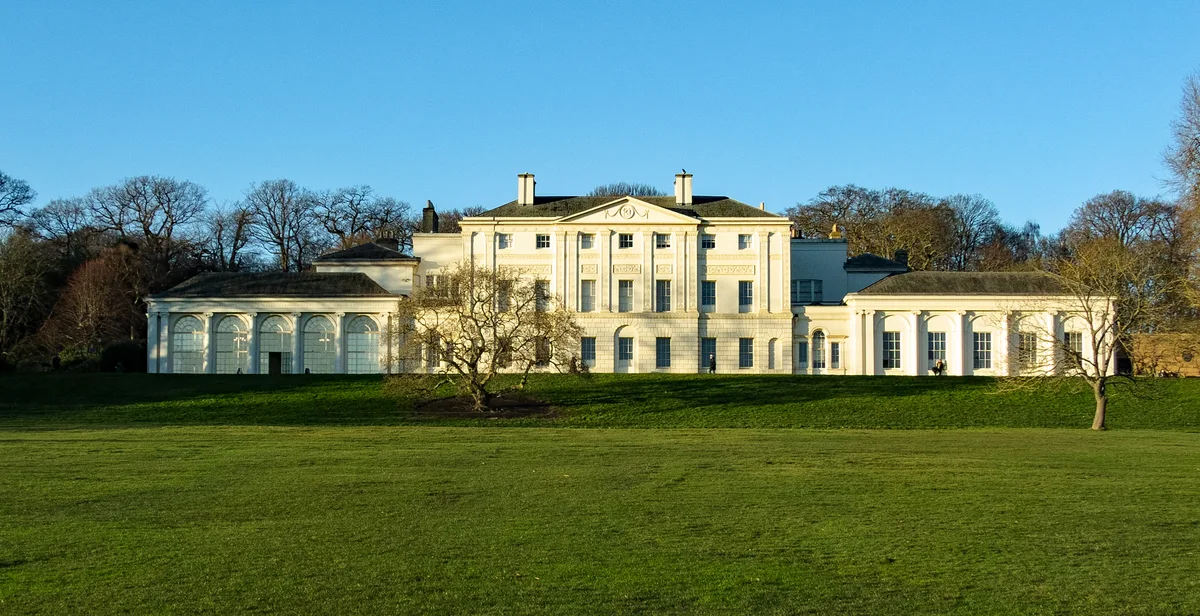
Kenwood House
Kenwood House — art museum and historic house in Hampstead, London.
 📷 5
📷 5Galleries · London
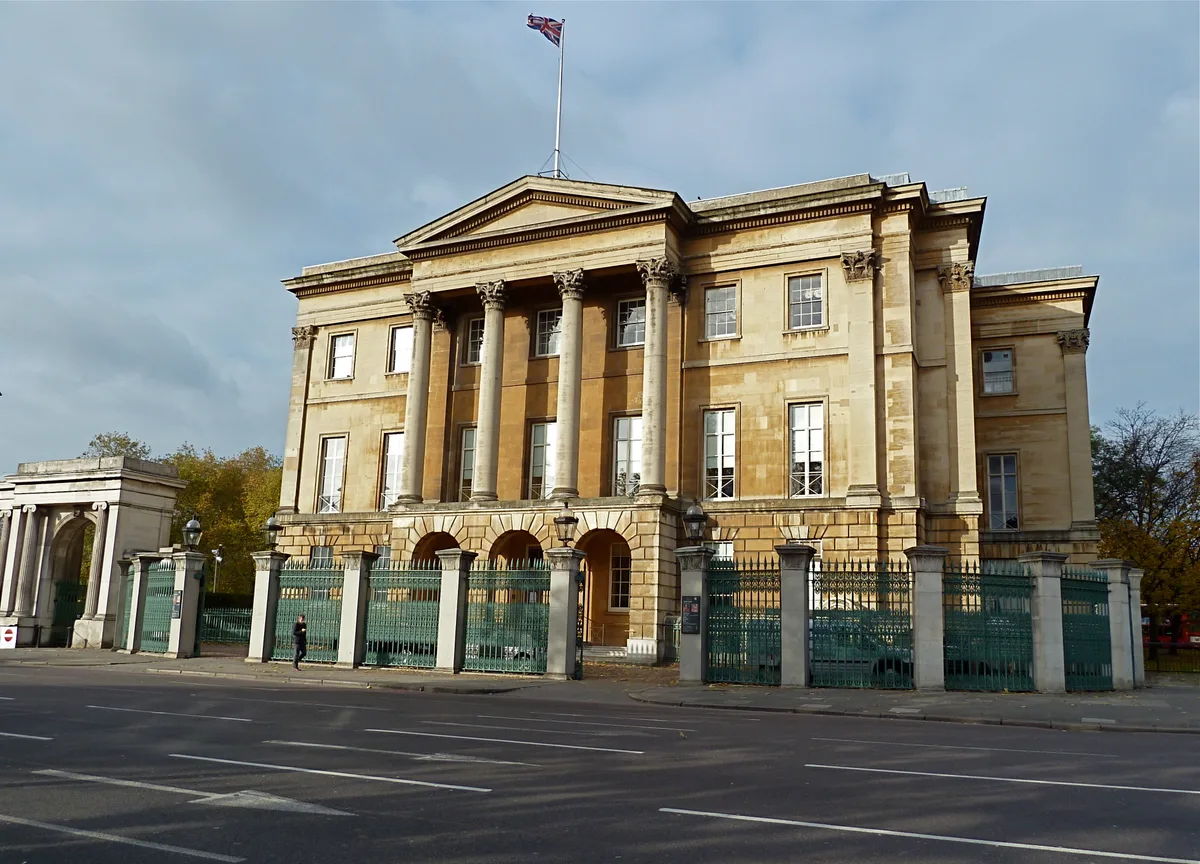
Apsley House
Apsley House — London townhouse of the Dukes of Wellington.
 📷 5
📷 5Castles · London
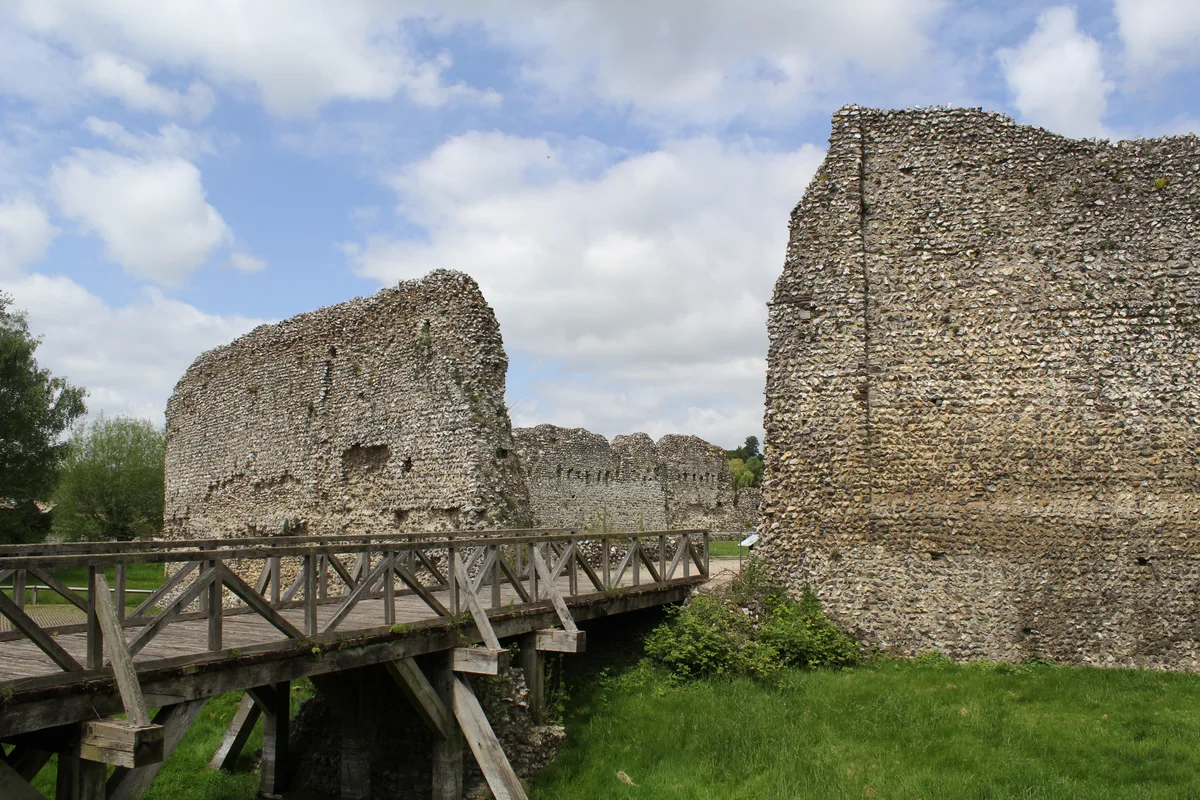
Eynsford Castle
Eynsford Castle — castle, now ruinous, in Eynsford, Kent, England, UK.
 📷 5
📷 5Historic houses · London
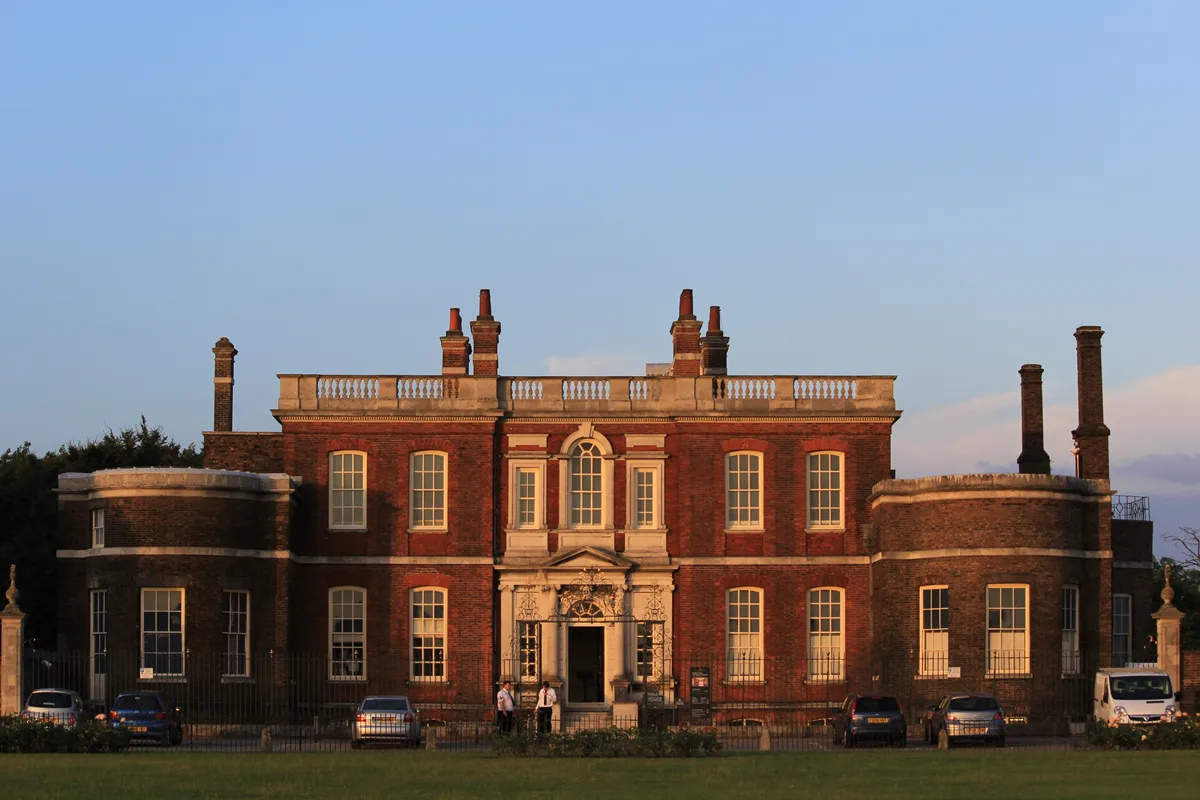
Ranger's House
Ranger's House — Grade I listed house in Royal Borough of Greenwich, United Kingdom.
Other museums from this era
 📷 4
📷 4Museums · East of England
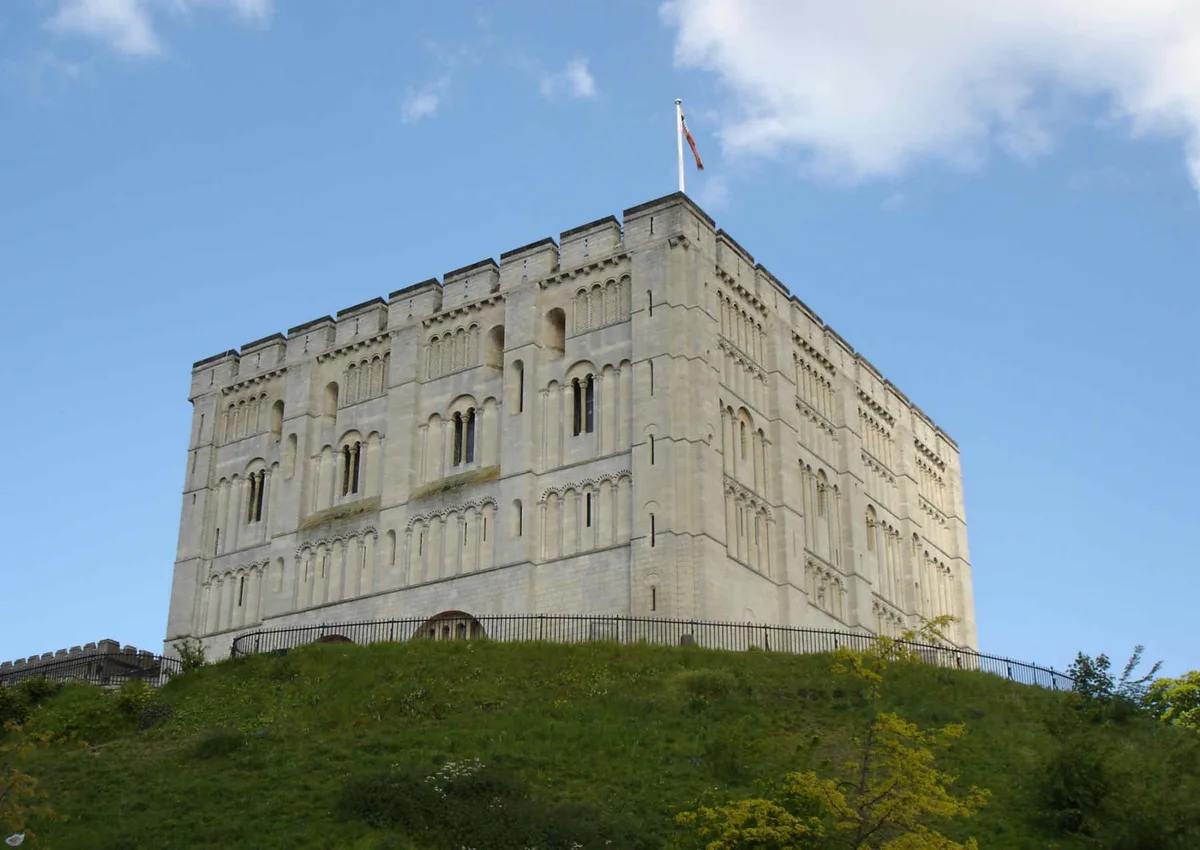
Norwich Castle
Norwich Castle — historic castle and museum in Norwich, England.
 📷 5
📷 5Museums · North West England
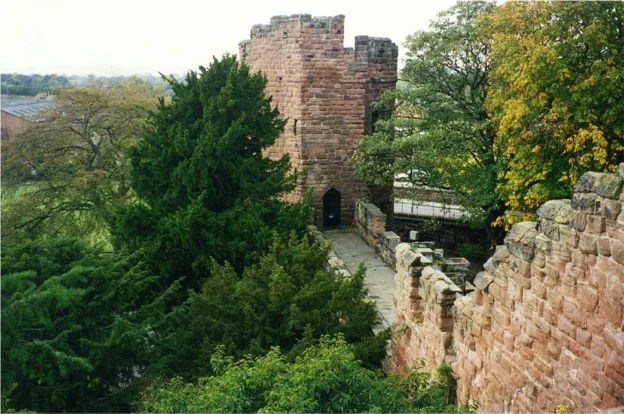
Water Tower, Chester
Water Tower, Chester is a museum in the United Kingdom.
 📷 5
📷 5Museums · Scottish Highlands
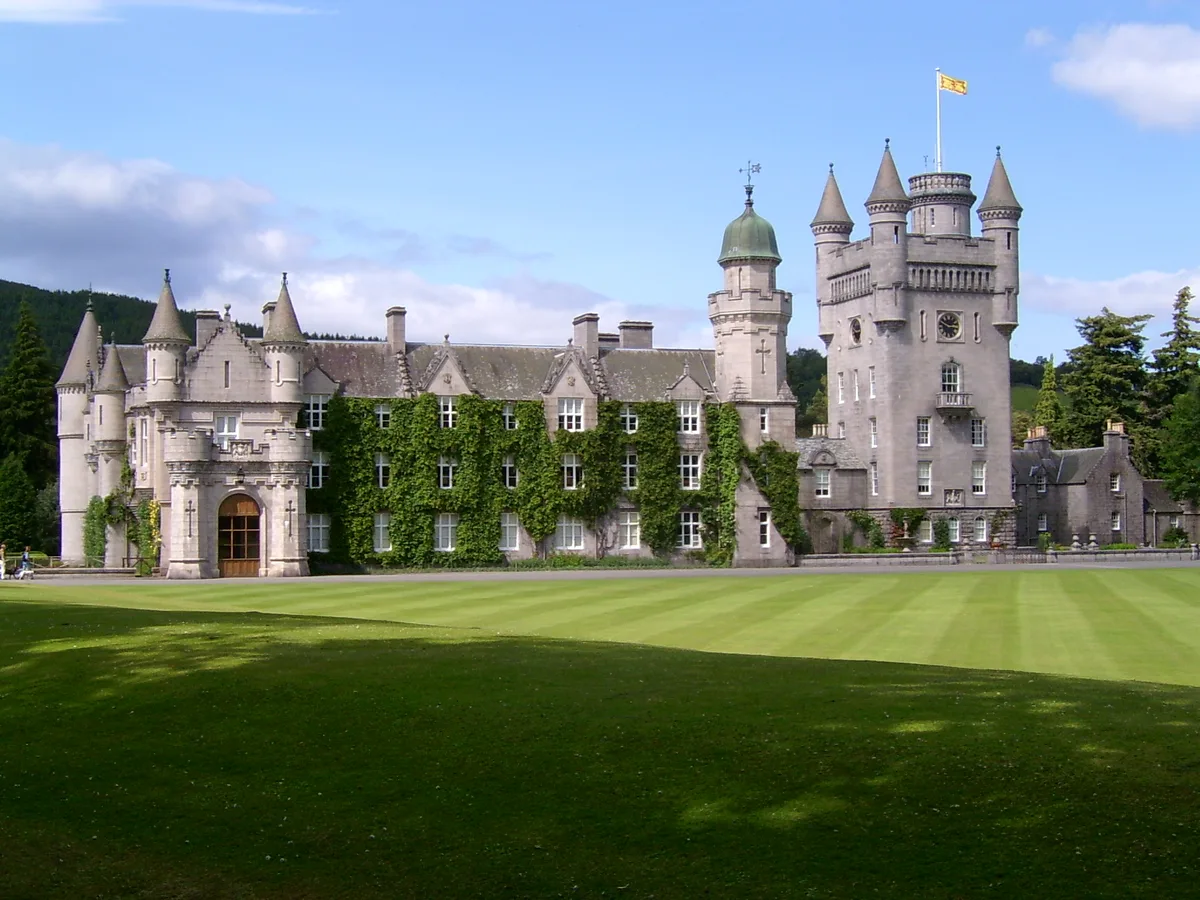
Balmoral Castle
Balmoral Castle — estate house in Royal Deeside, Aberdeenshire, Scotland, UK.
More museums in this region
 📷 5
📷 5Museums · London
Amora London
Amora London — European touring exhibition dedicated to love, relationships and sexual wellbeing.
 📷 5
📷 5Museums · London
Antique Breadboard Museum
Antique Breadboard Museum — small museum in Putney, London, England, UK.
 📷 5
📷 5Museums · London
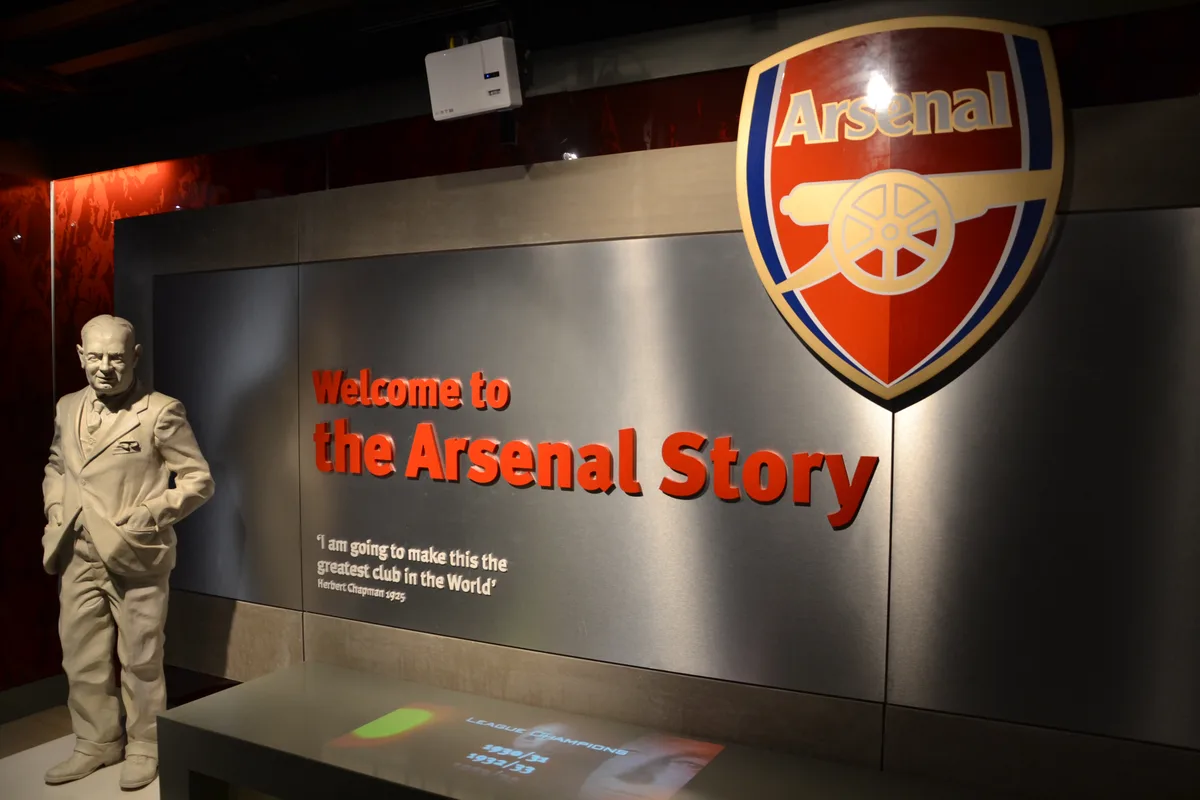
Arsenal Football Club Museum
Arsenal Football Club Museum — sports museum in London.
 📷 5
📷 5Museums · London
Bethlem Museum of the Mind
Bethlem Museum of the Mind — re-sited and relaunched art and medical museum, sited at the Bethlam Royal Hospital, Beckenham, London Borough of Bromley, United Kingdom.
Frequently asked questions
- Where is Jewel Tower?
- Jewel Tower is in London, United Kingdom (postcode SW1P 3JY), in the parish of Westminster, unparished area.
- What is Jewel Tower?
- Jewel Tower — medieval tower in Westminster, London, England, UK.
- How do I get to Jewel Tower?
- The nearest railway station is Westminster, about 0.3 km away. The nearest town is City of Westminster. Drivers can use postcode SW1P 3JY.
- When was Jewel Tower built?
- Built or established in 1366. Designed by Henry Yevele.
- Who runs Jewel Tower?
- Jewel Tower is operated by English Heritage.
- Is Jewel Tower a listed building?
- Jewel Tower is officially recognised as scheduled monument listed.
- Is Jewel Tower free to visit?
- Yes, Jewel Tower is free to enter.
- How do I get to Jewel Tower?
- The nearest railway station is Westminster, about 0.3 km away. Drivers can navigate to postcode SW1P 3JY.