
Museums · East of England
Norwich Castle
Also known as: Caisleán Norwich
In or near Norwich.
Norwich Castle — historic castle and museum in Norwich, England.

Wikimedia Commons contributors — see linked file page for photographer and licence licence

Plan your visit
- Typical visit
- 1.5 h–3 h
- Best time of year
- Year-round
- Nearest railway station
- Norwich · 0.8 km
- Family-friendly
- Wheelchair accessible
Getting there & planning your visit
To visit Norwich Castle, the nearest railway station is Norwich, located 0.8 km away. The postcode for sat-nav is NR1 3JU, and the site is wheelchair accessible.
About
Norwich Castle is a museum in the United Kingdom. Records date its origin to 1066. Constructed primarily of Caen stone. Heritage designation: scheduled monument. Owned by William the Conqueror. Part of Norfolk Museums. Address: NR1 3JU. Wikidata describes it as: "historic castle and museum in Norwich, England". Coordinates: 52.6281°, 1.2968°.
Photo gallery
Heritage listing
Norwich Castle is a medieval royal fortification in the city of Norwich, in the English county of Norfolk. William the Conqueror (1066–1087) ordered its construction in the aftermath of the Norman Conquest of England. The castle was used as a gaol from 1220 to 1887. In 1894, the Norwich Museum moved to Norwich Castle. The museum and art gallery holds significant objects from the region, especially works of art, archaeological finds and natural history specimens. The historic national importance of the Norwich Castle site was recognised in 1915 with its listing as a scheduled monument. The castle buildings, including the keep, attached gothic style gatehouse and former prison wings, were given Grade I listed building status in 1954.
From the Historic England List Entry under OGL v3.
From the Wikipedia article
Norwich Castle is a medieval royal fortification in the city of Norwich, in the English county of Norfolk. William the Conqueror (1066–1087) ordered its construction in the aftermath of the Norman Conquest of England. The castle was used as a gaol from 1220 to 1887. In 1894, the Norwich Museum moved to Norwich Castle. The museum and art gallery holds significant objects from the region, especially works of art, archaeological finds and natural history specimens. The historic national importance of the Norwich Castle site was recognised in 1915 with its listing as a scheduled monument. The castle buildings, including the keep, attached gothic style gatehouse and former prison wings, were given Grade I listed building status in 1954. The castle is one of the city's twelve heritage sites, and is managed by the Norfolk Museums Service. The interior of the keep was reconstructed over five years to how it would have looked in the early 12th century, fully reopening in August 2025.
Excerpt from Wikipedia under CC BY-SA 4.0. See the source article linked in Sources below.
Background
History
, prior to alterations completed in 1793 by John Soane]] Norwich Castle was founded by William the Conqueror some time between 1066 and 1075 and originally took the form of a motte and bailey. Early in 1067, William embarked on a campaign to subjugate East Anglia, and according to military historian R. Allen Brown it was probably around this time that the castle was founded. The earliest recorded incident at the castle is in 1075, when it was besieged by troops loyal to William to put down a rebellion known as the Revolt of the Earls, co-led by Ralph de Gael, Earl of Norfolk. Ralph went abroad to try and rally support from the Danes leaving his wife Emma in charge of the garrison. The…
Architecture
G. T. Clark, a 19th-century antiquary and engineer, described Norwich's great tower as "the most highly ornamented keep in England". It was originally faced with Caen stone over a flint core. The original Norman bridge over the inner ditch was replaced in around 1825.
Description
Parts of Norwich castle were used as a prison from an early stage; a gaol was made in the castle which serviced the wider county. State prisoners were confined in this gaol in 1264 and 1274. Sometimes the earl in charge of a royal castle refused to allow the sheriff to imprison convicted criminals therein, even though it had been customary to do so., 20 October 1775]]By the 18th century, the stone of the castle had blackened, its battlements had decayed, and the castle ditch was being used for rubbish disposal. John Soane rebuilt the prison between 1789 and 1793. The interior walls of the keep were removed and cells for the male felons built. The debtors and women prisoners were…
Sourced from Wikipedia under CC BY-SA 4.0.
- Coordinates
- 52.6281, 1.2968
- County
- Norfolk
- District
- Norwich
- Parish
- Norwich, unparished area
- Postcode
- NR1 3JU
- Parliamentary constituency
- Norwich South
- Established
- 1066
- Nearest railway station
- Norwich — 0.8 km
- Opening
- Jul 1-Sep 29 Mo-Sa 10:00-17:00, Su 13:00-17:00; Sep 30-Jun 30 Mo-Sa 10:00-16:30, Su 13:00-16:30
Sources
- wikidata: Q1672292 (CC0)
- wikipedia: Norwich Castle (CC BY-SA 4.0)
- commons: Norwich castle.JPG (CC BY-SA 4.0)
Featured in these 2 guides
Other places nearby

Whiffler Theatre
Theatres · 0.0 km

Victorian floor mosaic showing Castle and Lion
Public art & sculpture · 0.0 km

Bridge Over Castle Moat And 2 Entrance Lodges, Including Cast Iron Gates And Railings
Historic bridges · 0.0 km
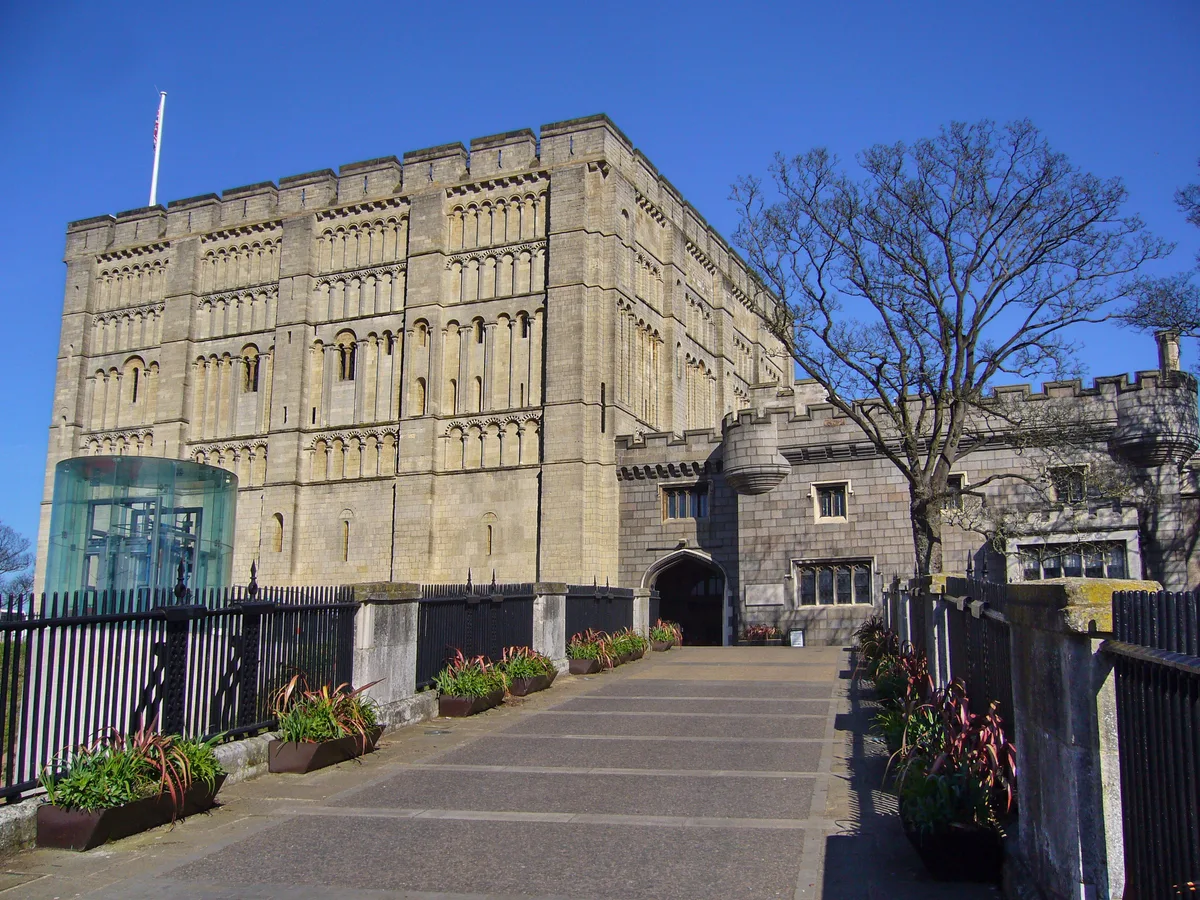
Norfolk Museums Collections
Museums · 0.1 km

Norwich Castle Museum
Museums · 0.1 km

Norwich Boer War memorial
Memorials & monuments · 0.1 km
The Angel of Peace
Memorials & monuments · 0.1 km

Number 12
Historic pubs · 0.1 km

Spy Mission
Escape rooms · 0.2 km

The Ivy Brasserie
Restaurants · 0.2 km

Vue Norwich
Theatres · 0.2 km

Last Pub Standing
Historic pubs · 0.2 km
Nearby
📷 3📷 3Public art & sculpture · East of England
Victorian floor mosaic showing Castle and Lion
Victorian floor mosaic showing Castle and Lion — a public art in england-east, United Kingdom.
📷 3Historic bridges · East of England
Bridge Over Castle Moat And 2 Entrance Lodges, Including Cast Iron Gates And Railings
Bridge Over Castle Moat And 2 Entrance Lodges, Including Cast Iron Gates And Railings — Grade II listed building-listed bridge in england-east, United Kingdom.
📷 3Museums · East of England
Norfolk Museums Collections
Norfolk Museums Collections — the collections held by the Norfolk Museums Service.
📷 3Museums · East of England
Norwich Castle Museum
Norwich Castle Museum — a museum in england-east, United Kingdom.
📷 3Memorials & monuments · East of England
Norwich Boer War memorial
Norwich Boer War memorial — Grade II listed building-listed memorial in england-east, United Kingdom.
Where to eat & stay near Norwich Castle
Places to stay
 📷 5
📷 5Hotels · East of England
Annesley House Hotel
Annesley House Hotel — a hotel in england east.
 📷 5
📷 5 📷 5
📷 5Hotels · East of England
Holiday Inn Norwich City
Holiday Inn Norwich City — a hotel in england east.
 📷 5
📷 5Hotels · East of England
The George Hotel
The George Hotel — a hotel in england east.
 📷 5
📷 5 📷 5
📷 5Campsites · East of England
Norwich Camping And Caravanning Club
Norwich Camping And Caravanning Club — a campsite in england east.
Places to eat & drink
📷 5📷 5Restaurants · East of England
The Ivy Brasserie
The Ivy Brasserie — a restaurant in england east.
📷 5Historic pubs · East of England
Last Pub Standing
Last Pub Standing in England East, United Kingdom.
 📷 5
📷 5 📷 5
📷 5Restaurants · East of England
Donnelli's Pizzeria
Donnelli's Pizzeria — a restaurant in england east.
 📷 5
📷 5Historic pubs · East of England
The Fruiterer's Arms
The Fruiterer's Arms in England East, United Kingdom.
Other museums from this era
 📷 5
📷 5Museums · London
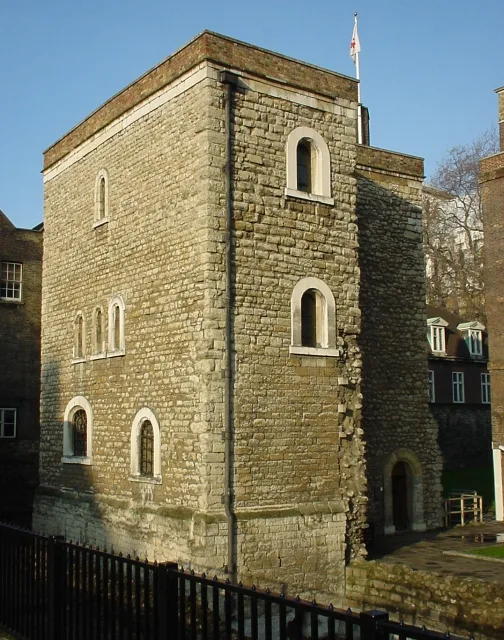
Jewel Tower
Jewel Tower — medieval tower in Westminster, London, England, UK.
 📷 5
📷 5Museums · North West England
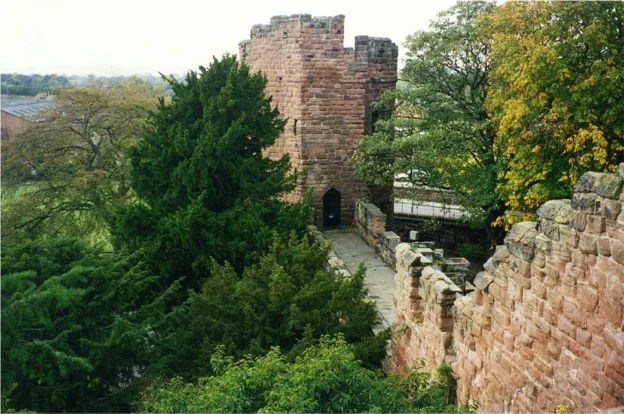
Water Tower, Chester
Water Tower, Chester is a museum in the United Kingdom.
 📷 5
📷 5Museums · Scottish Highlands
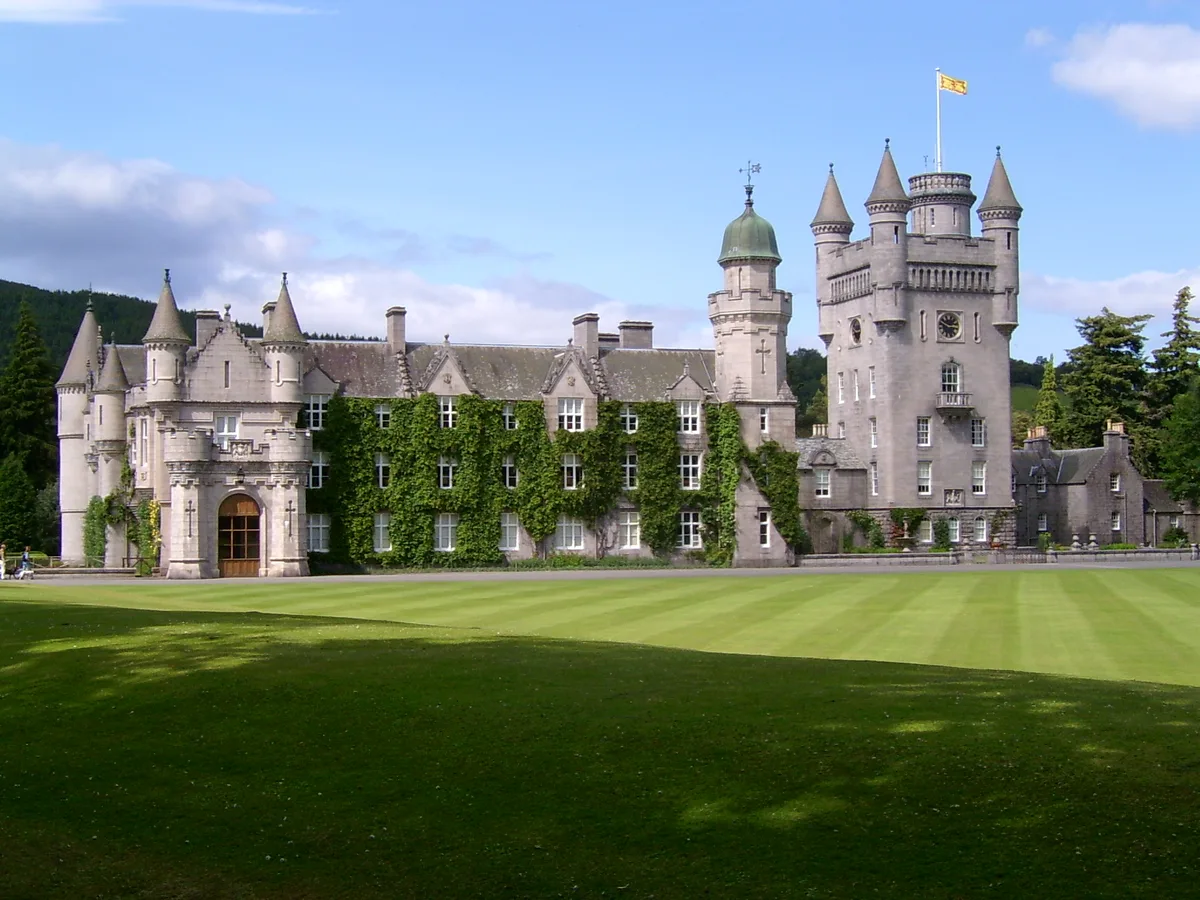
Balmoral Castle
Balmoral Castle — estate house in Royal Deeside, Aberdeenshire, Scotland, UK.
More museums in this region
 📷 5
📷 5Museums · East of England
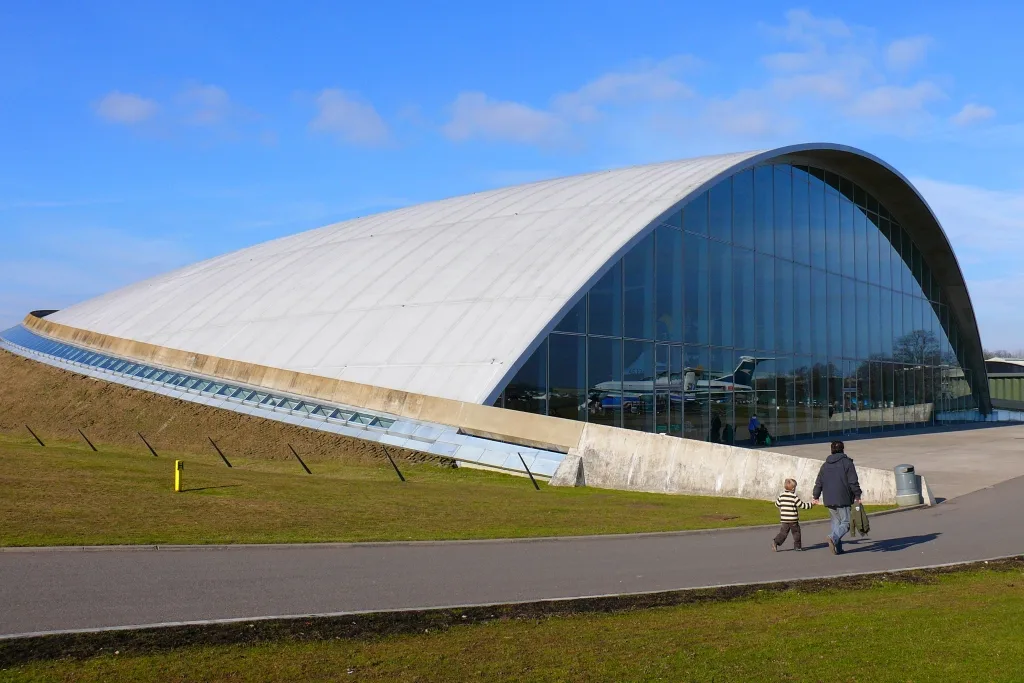
American Air Museum
American Air Museum — museum at Imperial War Museum Duxford, Cambridgeshire, England, UK.
 📷 5
📷 5Museums · East of England
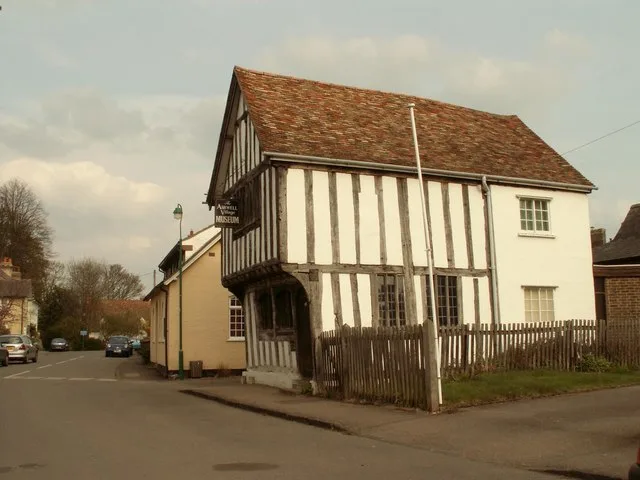
Ashwell Village Museum
Ashwell Village Museum — historic building museum in Ashwell, Hertfordshire, England, United Kingdom.
 📷 5
📷 5Museums · East of England
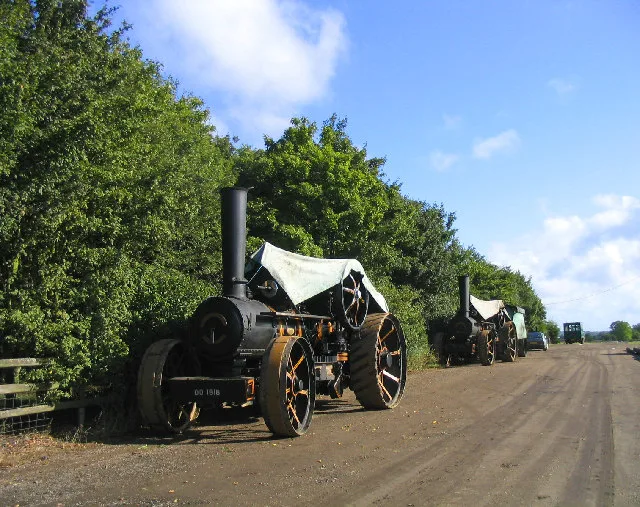
Barleylands Farm Museum
Barleylands Farm Museum — Farm museum in Billericay, England.
 📷 5
📷 5Museums · East of England
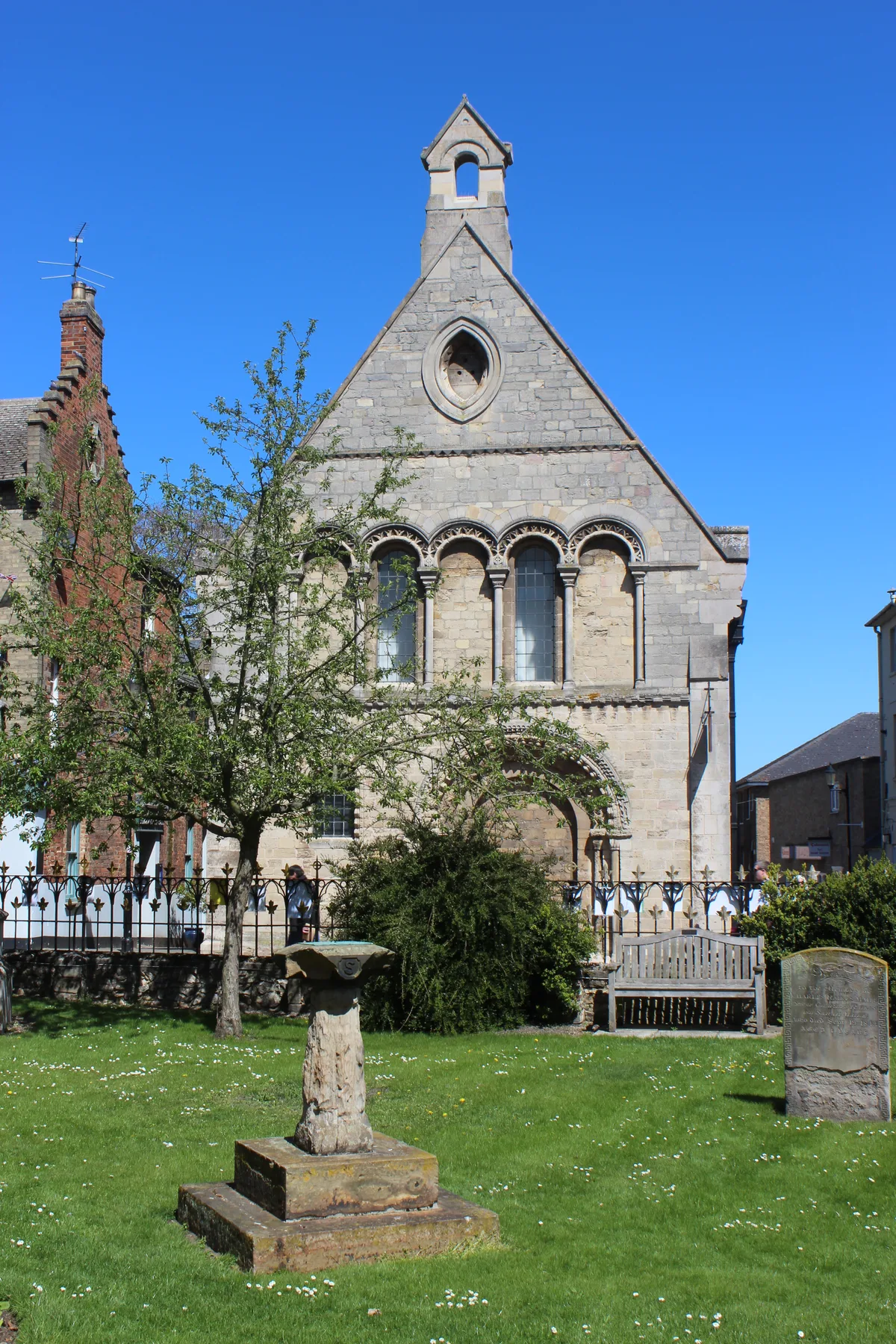
Cromwell Museum
Cromwell Museum — museum in Huntingdon, England, United Kingdom.
Frequently asked questions
- Where is Norwich Castle?
- Norwich Castle is in Norfolk, East of England, United Kingdom (postcode NR1 3JU), in the parish of Norwich, unparished area.
- What is Norwich Castle?
- Norwich Castle — historic castle and museum in Norwich, England.
- How do I get to Norwich Castle?
- The nearest railway station is Norwich, about 0.8 km away. The nearest town is Norwich. Drivers can use postcode NR1 3JU.
- When was Norwich Castle built?
- Built or established in 1066.
- Who owns Norwich Castle?
- Norwich Castle is owned by William the Conqueror.
- Is Norwich Castle a listed building?
- Norwich Castle is officially recognised as scheduled monument listed.
- How do I get to Norwich Castle?
- The nearest railway station is Norwich, about 0.8 km away. Drivers can navigate to postcode NR1 3JU.