
Museums · Scottish Highlands
Balmoral Castle
Also known as: Castell Balmoral, Caisleán Bhaile Mhorail, Caisteal Bhaile Mhorail
In or near Crathie.
Balmoral Castle — estate house in Royal Deeside, Aberdeenshire, Scotland, UK.

Wikimedia Commons contributors — see linked file page for photographer and licence licence

Plan your visit
- Typical visit
- 1.5 h–3 h
- Best time of year
- Year-round
- Family-friendly
- Wheelchair accessible
Getting there & planning your visit
Balmoral Castle is located in the Scottish Highlands, with the postcode AB35 5TN. The site is wheelchair accessible.
About
Balmoral Castle is a museum in the United Kingdom. Records date its origin to 1390. It covers approximately 50,000 km². Designed by John Smith. Built in the Scottish baronial architecture style. Heritage designation: category A listed building. Owned by Charles III. Wikidata describes it as: "estate house in Royal Deeside, Aberdeenshire, Scotland, UK". Coordinates: 57.0407°, -3.2302°.
Photo gallery
Heritage listing
Balmoral Castle ( bal-MORR-əl) is a large estate house in Aberdeenshire, Scotland, and a residence of the British royal family. It is near the village of Crathie, 9 miles (14 km) west of Ballater and 50 miles (80 km) west of Aberdeen. The estate and its original castle were bought from the Farquharson family in 1852 by Prince Albert, the husband of Queen Victoria. Soon afterwards, it was found that the house was too small, and the current Balmoral Castle was commissioned. The architect was William Smith of Aberdeen, and his designs were amended by Prince Albert. Balmoral is the private property of King Charles III, and is not part of the Crown Estate. It was the summer residence of Queen Elizabeth II, who died there on 8 September 2022.
From Historic Environment Scotland under OGL v3.
Summary from the official site
Balmoral Castle is the Scottish Highlands residence of the British Royal Family, offering visitors a chance to explore its beautiful gardens and grounds. The estate provides a unique insight into royal life and the opportunity to enjoy various outdoor activities amidst stunning natural scenery.
Read more on the official property page.
From the Wikipedia article
Balmoral Castle ( bal-MORR-əl) is a large estate house in Aberdeenshire, Scotland, and a residence of the British royal family. It is near the village of Crathie, 9 miles (14 km) west of Ballater and 50 miles (80 km) west of Aberdeen. The estate and its original castle were bought from the Farquharson family in 1852 by Prince Albert, the husband of Queen Victoria. Soon afterwards, it was found that the house was too small, and the current Balmoral Castle was commissioned. The architect was William Smith of Aberdeen, and his designs were amended by Prince Albert. Balmoral is the private property of King Charles III, and is not part of the Crown Estate. It was the summer residence of Queen Elizabeth II, who died there on 8 September 2022. The castle is an example of Scottish baronial architecture, and is classified by Historic Environment Scotland as a category A listed building. The new castle was completed in 1856, and the old castle demolished shortly thereafter. Successive members of the royal family have added to the Balmoral Estate, and now it covers an area of 53,680 acres (21,725 ha) of land. It is a working estate, including grouse moors, forestry and farmland, as well as managed herds of deer, Highland cattle, sheep and ponies.
Excerpt from Wikipedia under CC BY-SA 4.0. See the source article linked in Sources below.
Background
History
made major alterations to the original castle.]] King Robert II of Scotland (1316–1390) had a hunting lodge in the area. Historical records also indicate that a house at Balmoral was built by Sir William Drummond in 1390. The estate was later tenanted by Alexander Gordon, second son of the 1st Earl of Huntly. A tower house was built on the estate by the Gordons. In 1662, the estate passed to Charles Farquharson of Inverey, brother of John Farquharson, the "Black Colonel". The Farquharsons were Jacobite sympathisers, and James Farquharson of Balmoral was involved in both the 1715 and 1745 Jacobite risings. He was wounded at the Battle of Falkirk (1746). The Farquharson estates were forfeited…
Architecture
. Also called a "carriage porch", this structure is covered to protect people arriving and departing from inclement weather.]] Though called a castle, Balmoral's primary function is that of a country house. It is a "typical and rather ordinary" country house from the Victorian period. The tower and "pepper pot turrets" are characteristic features of the residence's Scottish baronial style. The seven-storey tower is an architectural feature borrowed from medieval defensive tower houses. The "pepper pot" turrets were influenced by the style of 16th-century French châteaux. Other features of the Scottish baronial style are the crow-stepped gables, dormer windows, and battlemented porte-cochère.
Visiting
In 1931, the gardens and castle grounds were opened to the public for the first time. They are now open daily between April and the end of July, after which royal family members arrive at the castle for their annual stay. In 2024, limited numbers of the public were able to view the interior and several rooms used by members of the royal family during a month-long summer tour programme. This was the first time since the castle was completed in 1855 that it was open to the public. In addition, the gift shop, restaurant and café were redesigned and renovated, prioritising local Scottish craftsmanship and premium textiles.
Sourced from Wikipedia under CC BY-SA 4.0.
- Coordinates
- 57.0407, -3.2302
- District
- Aberdeenshire
- Postcode
- AB35 5TN
- Parliamentary constituency
- West Aberdeenshire and Kincardine
- Established
- 1390
- Opening
- Daily 10am–5pm; last admission at 4pm
- Official site
- www.balmoralcastle.com
Sources
- wikidata: Q42049 (CC0)
- wikipedia: Balmoral Castle (CC BY-SA 4.0)
- commons: Balmoral Castle.jpg (CC BY-SA 4.0)
Featured in these 3 guides
Other places nearby

King George V Memorial
Memorials & monuments · 0.1 km

Balmoral Exhibition
Museums · 0.2 km

Statue of dog, Noble
Memorials & monuments · 0.3 km

Princess Alice Memorial
Memorials & monuments · 0.5 km

Prince Leopold's Cairn
Memorials & monuments · 0.6 km

King Edward VII Memorial Bench and Drinking Fountain
Memorials & monuments · 0.6 km
Diamond Jubilee Cairn
Memorials & monuments · 0.7 km

Balmoral Castle. Obelisk To Queen Victoria
Forts · 0.7 km

Queen Victoria's Obelisk
Memorials & monuments · 0.7 km
War Memorial, Balmoral Castle
Memorials & monuments · 0.7 km
Balmoral Estates War Memorial
Memorials & monuments · 0.7 km
Purchase Cairn
Memorials & monuments · 0.7 km
Nearby
📷 5Memorials & monuments · Scottish Highlands
King George V Memorial
King George V Memorial — a memorial in scotland-highlands, United Kingdom.
📷 3Museums · Scottish Highlands
Balmoral Exhibition
Balmoral Exhibition — a museum in scotland-highlands, United Kingdom.
📷 3Memorials & monuments · Scottish Highlands
Statue of dog, Noble
Statue of dog, Noble — a memorial in scotland-highlands, United Kingdom.
📷 3Memorials & monuments · Scottish Highlands
Princess Alice Memorial
Princess Alice Memorial — a memorial in scotland-highlands, United Kingdom.
📷 3Memorials & monuments · Scottish Highlands
Prince Leopold's Cairn
Prince Leopold's Cairn — a memorial in scotland-highlands, United Kingdom.
📷 3Memorials & monuments · Scottish Highlands
King Edward VII Memorial Bench and Drinking Fountain
King Edward VII Memorial Bench and Drinking Fountain — a memorial in scotland-highlands, United Kingdom.
Where to eat & stay near Balmoral Castle
Places to stay
 📷 7
📷 7Hotels · Scottish Highlands
Gairnshiel Lodge
Gairnshiel Lodge — a hotel in scotland highlands.
 📷 5
📷 5Hostels · Scottish Highlands
Braemar Youth Hostel
Braemar Youth Hostel — a hostel in scotland highlands.
 📷 7
📷 7Hotels · Scottish Highlands
Invercauld Arms Hotel
Invercauld Arms Hotel — a hotel in scotland highlands.
 📷 5
📷 5Caravan parks · Scottish Highlands
Braemar Caravan Park
Braemar Caravan Park — a caravan park in scotland highlands.
 📷 7
📷 7Hotels · Scottish Highlands
Fife Arms Hotel
Fife Arms Hotel — a hotel in scotland highlands.
 📷 5
📷 5Hostels · Scottish Highlands
Rucksacks Braemar
Rucksacks Braemar — a hostel in scotland highlands.
Other works by John Smith
 📷 5
📷 5Castles · Scottish Highlands
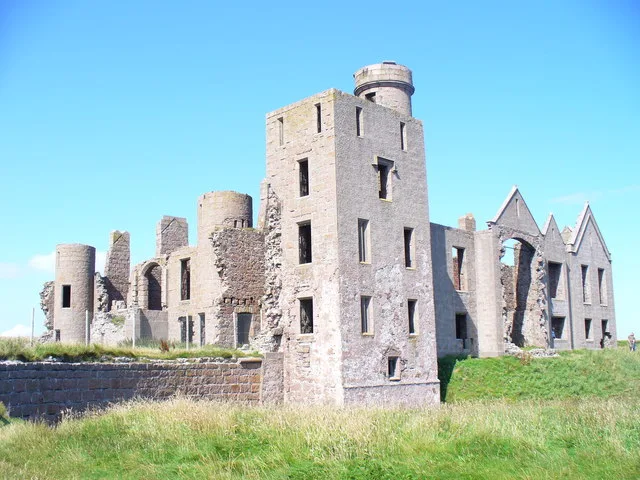
New Slains Castle
New Slains Castle — ruined castle in Aberdeenshire, Scotland, UK.
 📷 5
📷 5Historic churches · Scottish Highlands
South Parish Church, Belmont Street, Aberdeen
South Parish Church, Belmont Street, Aberdeen — category B listed building-listed church in scotland-highlands, United Kingdom.
 📷 5
📷 5Historic churches · Scottish Highlands
Nigg Parish Church
Nigg Parish Church — category B listed building-listed church in scotland-highlands, United Kingdom.
Other museums from this era
 📷 5
📷 5Museums · London
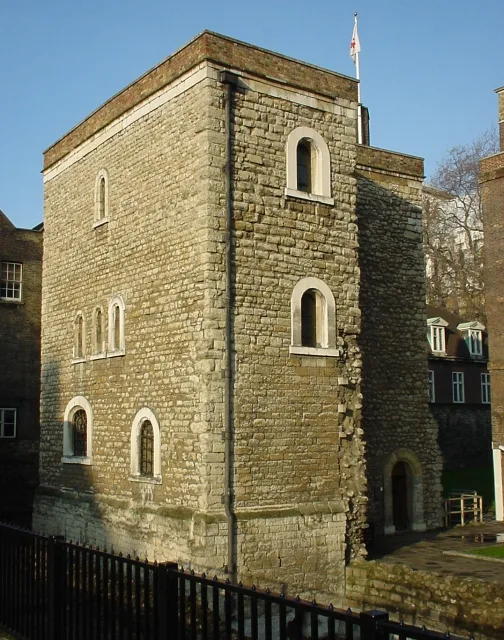
Jewel Tower
Jewel Tower — medieval tower in Westminster, London, England, UK.
 📷 4
📷 4Museums · East of England
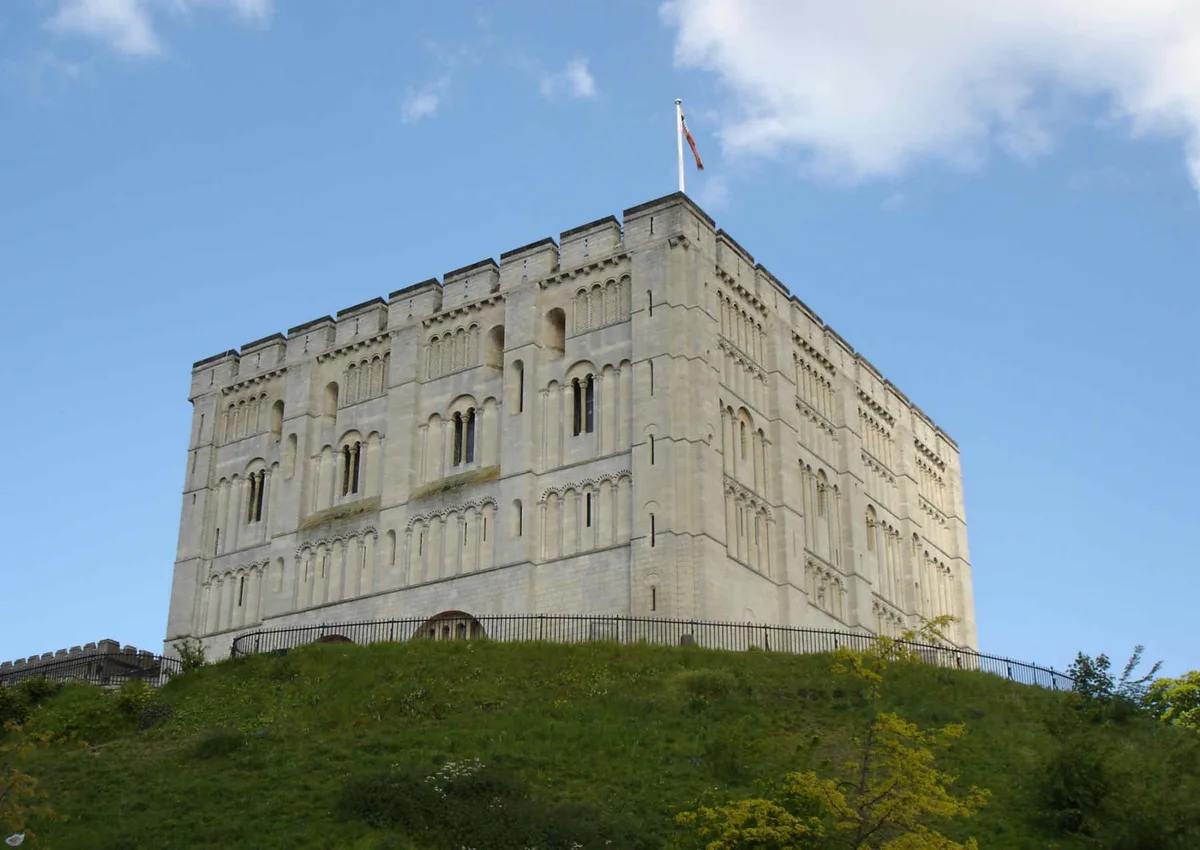
Norwich Castle
Norwich Castle — historic castle and museum in Norwich, England.
 📷 5
📷 5Museums · North West England
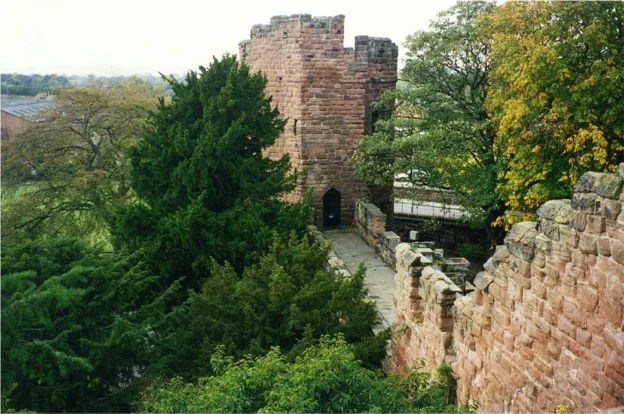
Water Tower, Chester
Water Tower, Chester is a museum in the United Kingdom.
More museums in this region
 Flagship📷 5
Museums · Scottish Highlands
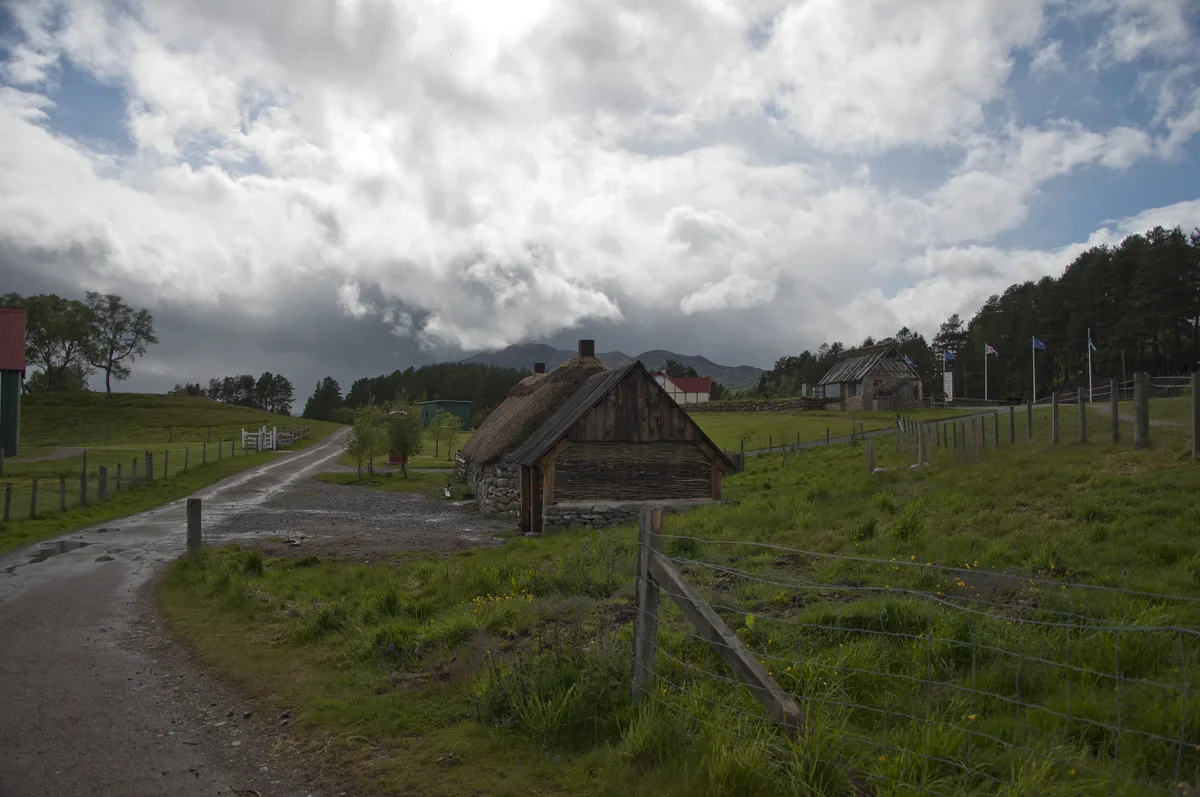
Highland Folk Museum
Highland Folk Museum — open-air museum in Highland, Scotland, United Kingdom.
 📷 3
📷 3Museums · Scottish Highlands
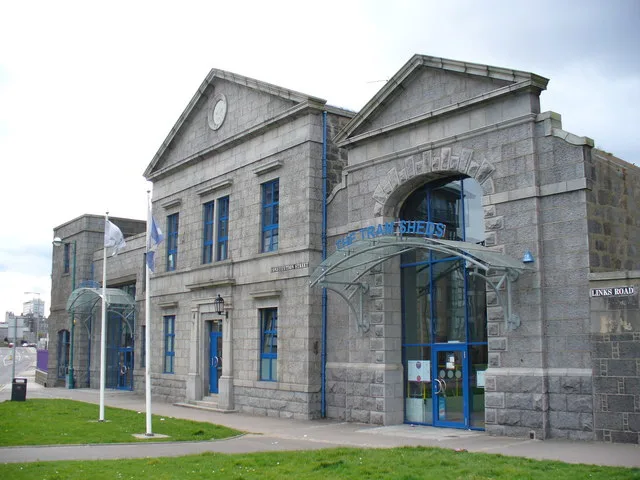
Aberdeen Science Centre
Aberdeen Science Centre — science centre in Aberdeen, Scotland, UK.
 📷 3
📷 3Museums · Scottish Highlands
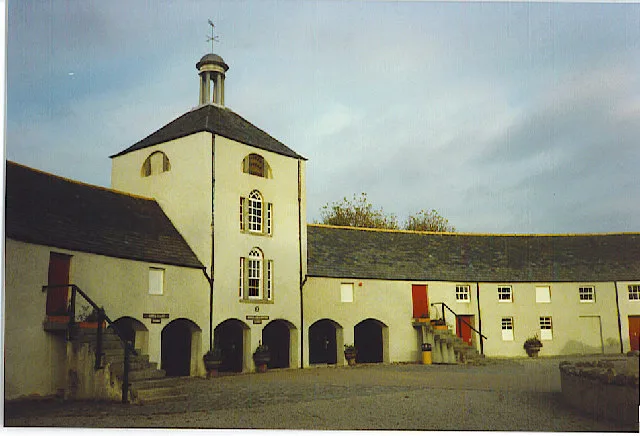
Aberdeenshire Farming Museum
Aberdeenshire Farming Museum — Museum in Aberdeenshire, Scotland, United Kingdom.
 📷 3
📷 3Museums · Scottish Highlands
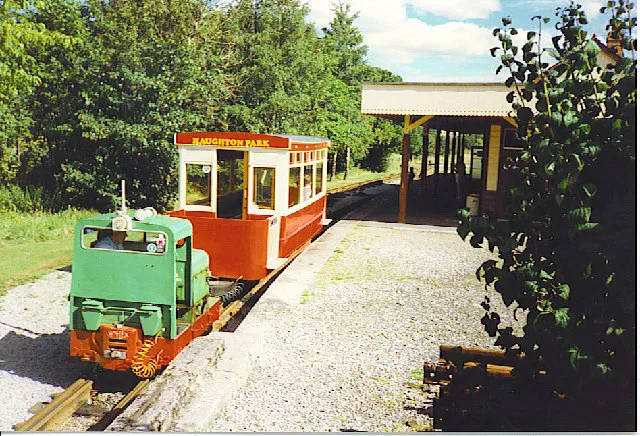
Alford Valley Railway
Alford Valley Railway — museum and narrow gauge railway in Alford, Scotland.
Frequently asked questions
- Where is Balmoral Castle?
- Balmoral Castle is in the Scottish Highlands, United Kingdom (postcode AB35 5TN).
- What is Balmoral Castle?
- Balmoral Castle — estate house in Royal Deeside, Aberdeenshire, Scotland, UK.
- How do I get to Balmoral Castle?
- The nearest town is Crathie. Drivers can use postcode AB35 5TN.
- When was Balmoral Castle built?
- Built or established in 1390. Designed by John Smith.
- Who owns Balmoral Castle?
- Balmoral Castle is owned by Charles III.
- Is Balmoral Castle a listed building?
- Balmoral Castle is officially recognised as category A listed building listed.
- How do I get to Balmoral Castle?
- Drivers can navigate to postcode AB35 5TN. It sits within the West Aberdeenshire and Kincardine parliamentary constituency.