
Palaces · London
Hampton Court Palace
Also known as: Palas Hampton Court
In or near Thames Ditton.
Hampton Court Palace — historic royal palace in Richmond, Greater London.
.jpg?width=1200)
Wikimedia Commons contributors — see linked file page for photographer and licence licence
.jpg)
Plan your visit
- Typical visit
- 2 h–3 h
- Nearest railway station
- Hampton Court · 0.4 km
- Paid entry
- Family-friendly
- Limited wheelchair access
Getting there & planning your visit
To visit Hampton Court Palace, the nearest railway station is Hampton Court, which is 0.4 km away. Entry is paid, and wheelchair accessibility is limited. The postcode for sat-nav is KT8 9AU.
About
Hampton Court Palace is a palace in the United Kingdom — a residence built or used by royalty, the aristocracy, or a bishop. Records date its origin to 1515. Built in the Tudor architecture style. Constructed primarily of brick. Heritage designation: scheduled monument. Managed by Historic Royal Palaces. Address: KT8 9AU. Wikidata describes it as: "historic royal palace in Richmond, Greater London". Coordinates: 51.4034°, -0.3375°.
Photo gallery
360° viewimagery from 2019
Imagery © Mapillary contributors, CC BY-SA 4.0
Heritage listing
Hampton Court Palace is a Grade I listed royal palace in the London Borough of Richmond upon Thames, 12 miles (19 kilometres) southwest and upstream of central London on the River Thames. The building of the palace began in 1514 for Cardinal Thomas Wolsey, Archbishop of York and the chief minister of Henry VIII. In 1529, as Wolsey fell from favour, the cardinal gave the palace to the king to try to save his own life, which he knew was now in grave danger due to Henry VIII's deepening frustration and anger. The palace became one of Henry's most favoured residences; soon after acquiring it, he enlarged it to accommodate his sizeable retinue of courtiers.
From the Historic England List Entry under OGL v3.
Summary from the official site
Hampton Court Palace is a historic royal palace that was once home to Henry VIII. Visitors can explore the Great Hall, Tudor kitchens, and the baroque palace built for William III and Mary II, as well as enjoy 60 acres of beautiful gardens.
Read more on the official property page.
Protected designations
- Site of Special Scientific Interest: Bushy Park and Home Park SSSI
Designations sourced from Natural England open data under OGL v3.
From the Wikipedia article
Hampton Court Palace is a Grade I listed royal palace in the London Borough of Richmond upon Thames, 12 miles (19 kilometres) southwest and upstream of central London on the River Thames. The building of the palace began in 1514 for Cardinal Thomas Wolsey, Archbishop of York and the chief minister of Henry VIII. In 1529, as Wolsey fell from favour, the cardinal gave the palace to the king to try to save his own life, which he knew was now in grave danger due to Henry VIII's deepening frustration and anger. The palace became one of Henry's most favoured residences; soon after acquiring it, he enlarged it to accommodate his sizeable retinue of courtiers. In the early 1690s, William III's massive rebuilding and expansion work, which was intended to rival the Palace of Versailles, destroyed much of the Tudor palace. His work ceased in 1694, leaving the palace in two distinct contrasting architectural styles, domestic Tudor and Baroque. While the palace's styles are an accident of fate, a unity exists due to the use of pink bricks and a symmetrical, if vague, balancing of successive low wings. George II was the last monarch to reside in the palace. The palace structure and grounds are cared for by an independent charity, Historic Royal Palaces, and is open to the public. The palace displays works of art from the Royal Collection. The palace gardens include the Hampton Court Maze, the royal tennis court, and the world's largest grape vine as of 2005. The palace's Home Park is the site of the annual Hampton Court Palace Festival and Hampton Court Garden Festival.
Excerpt from Wikipedia under CC BY-SA 4.0. See the source article linked in Sources below.
Background
Description
The timber and plaster ceiling of the chapel is considered the "most important and magnificent in Britain", but is all that remains of the Tudor decoration, after redecoration supervised by Sir Christopher Wren. The altar is framed by a massive but plain oak reredos with garlands carved by Grinling Gibbons during the reign of Queen Anne. Opposite the altar, at first-floor level, is the royal pew where the royal family would attend services apart from the general congregation seated below. The clergy, musicians and other ecclesiastical officers employed by the monarch at Hampton Court, as in other English royal premises, are known collectively as the Chapel Royal; properly used the term does…
Sourced from Wikipedia under CC BY-SA 4.0.
- Coordinates
- 51.4034, -0.3375
- District
- Richmond upon Thames
- Parish
- Richmond upon Thames, unparished area
- Postcode
- KT8 9AU
- Parliamentary constituency
- Twickenham
- Established
- 1515
- Nearest railway station
- Hampton Court — 0.4 km
- Opening
- Daily 10am–5:30pm; last admission 4:30pm
- Official site
- www.hrp.org.uk
Sources
- wikidata: Q205666 (CC0)
- wikipedia: Hampton Court Palace (CC BY-SA 4.0)
- commons: Hampton Court Palace (3).jpg (CC BY-SA 4.0)
Featured in these 6 guides
Itinerary
Tudor Britain: a five-day tour
Hampton Court, Hever, Anne Boleyn, Henry VIII — the architecture of a dynasty.
Itinerary
Stately home itinerary: 10 NT flagships
Ten National Trust properties that define the country-house tradition.
Itinerary
Tudor palaces & gardens
The royal residences of Henry VIII, then and now.
Itinerary
Royal Britain: palaces & residences
Where the monarch has lived, then and now.
Itinerary
UK literary landmarks & writers' houses
Twelve homes and locations of Britain's great writers.
Itinerary
Tudor trail in London
Hampton Court, the Tower, Westminster Abbey — Henry VIII's London.
Other places nearby

Sundial in Privy Garden
Gardens · 0.1 km

Lower Orangery
Historic houses · 0.1 km

Royal Tennis Court, Hampton Court
Historic houses · 0.1 km

Banqueting House
Historic houses · 0.1 km

Hercules Slaying the Nemean Lion
Public art & sculpture · 0.2 km

Hampton Court Tilt Yard Tower
Memorials & monuments · 0.2 km

Cleopatra
Public art & sculpture · 0.2 km

Hampton Court Barracks
Historic houses · 0.2 km

Fountain Garden
Gardens · 0.2 km

Screen and walls in Privy Garden, Hampton Court Palace
Palaces · 0.3 km

The Three Graces
Public art & sculpture · 0.3 km

North-eastern gate to Fountain Garden
Gardens · 0.3 km
Nearby
📷 5Gardens · London
Sundial in Privy Garden
Sundial in Privy Garden — a Grade I-listed garden in england-london, United Kingdom.
📷 5Historic houses · London
Lower Orangery
Lower Orangery — a Grade I-listed historic house in england-london, United Kingdom.
Flagship📷 5Historic houses · London
Royal Tennis Court, Hampton Court
Royal Tennis Court, Hampton Court — a Grade I-listed historic house in england-london, United Kingdom.
📷 5Historic houses · London
Banqueting House
Banqueting House — Grade I listed house in the London Borough of Richmond upon Thames, United Kingdom.
📷 5Public art & sculpture · London
Hercules Slaying the Nemean Lion
Hercules Slaying the Nemean Lion in England London, United Kingdom.
📷 5Memorials & monuments · London
Hampton Court Tilt Yard Tower
Hampton Court Tilt Yard Tower — Grade I listed building-listed memorial in england-london, United Kingdom.
Where to eat & stay near Hampton Court Palace
Places to stay
 📷 7
📷 7 📷 7
📷 7 📷 5
📷 5 📷 5
📷 5Hotels · London
DoubleTree by Hilton Kingston Upon Thames
DoubleTree by Hilton Kingston Upon Thames — a hotel in england london. 4-star. Brand: DoubleTree.
 📷 5
📷 5Caravan parks · London
Walton-on-Thames Camping and Caravanning Club Site
Walton-on-Thames Camping and Caravanning Club Site — a caravan park in england london.
 📷 5
📷 5Campsites · London
Apps Court Camping
Apps Court Camping — a campsite in england london.
Places to eat & drink
 📷 5
📷 5 📷 5
📷 5 📷 5
📷 5 📷 5
📷 5Historic pubs · London
The Magpie Hotel
The Magpie Hotel in England London, United Kingdom.
 📷 5
📷 5 📷 5
📷 5Other palaces from this era
 ★ Iconic📷 5
Palaces · London
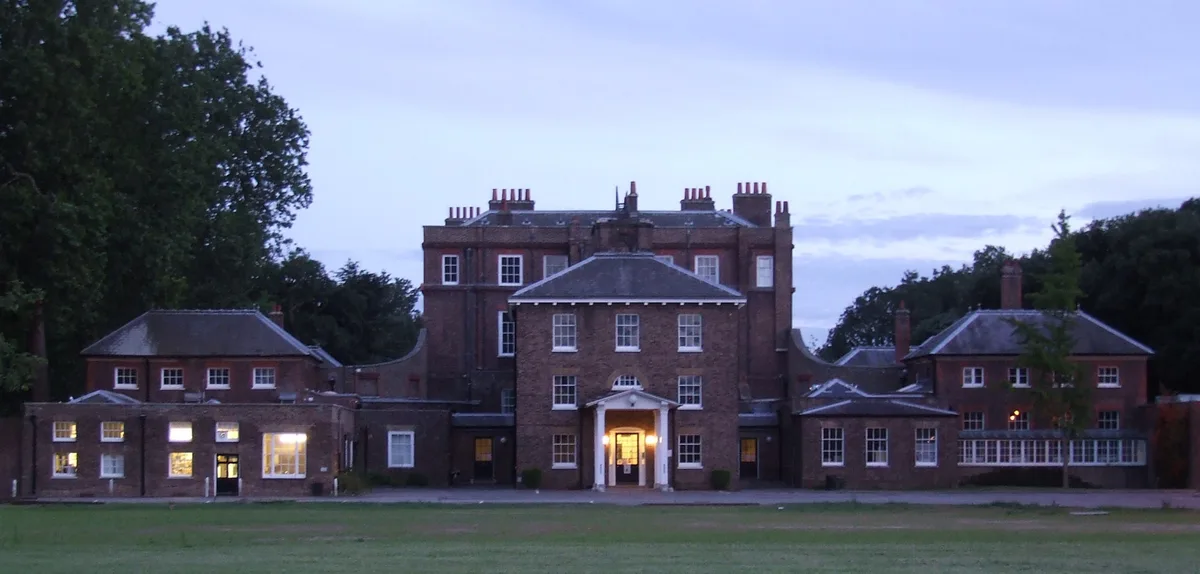
Bushy House
Bushy House — former royal residence in Teddington in South West London.
 Flagship📷 5
 ★ Iconic📷 5
Palaces · London
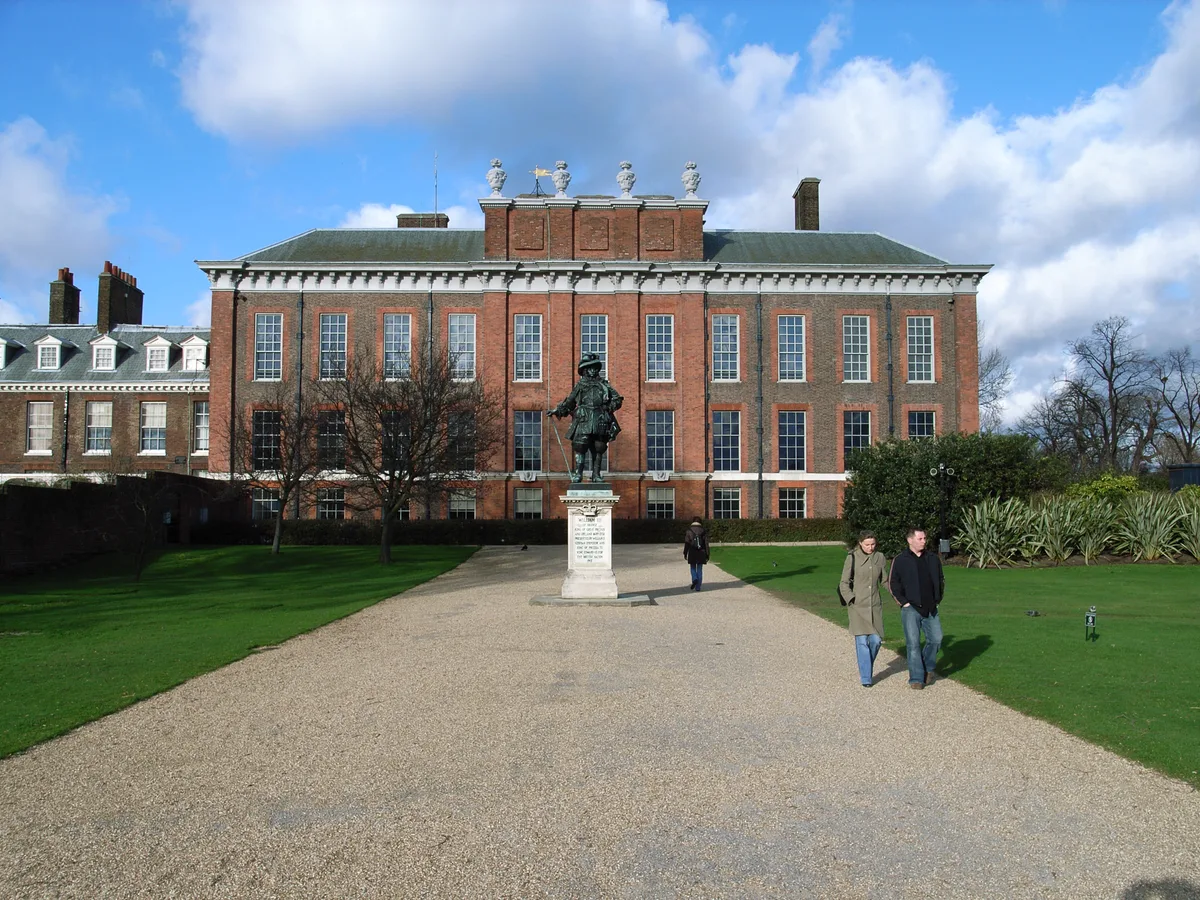
Kensington Palace
Kensington Palace — royal residence set in Kensington Gardens, London, England, UK.
 ★ Iconic📷 5
Palaces · London
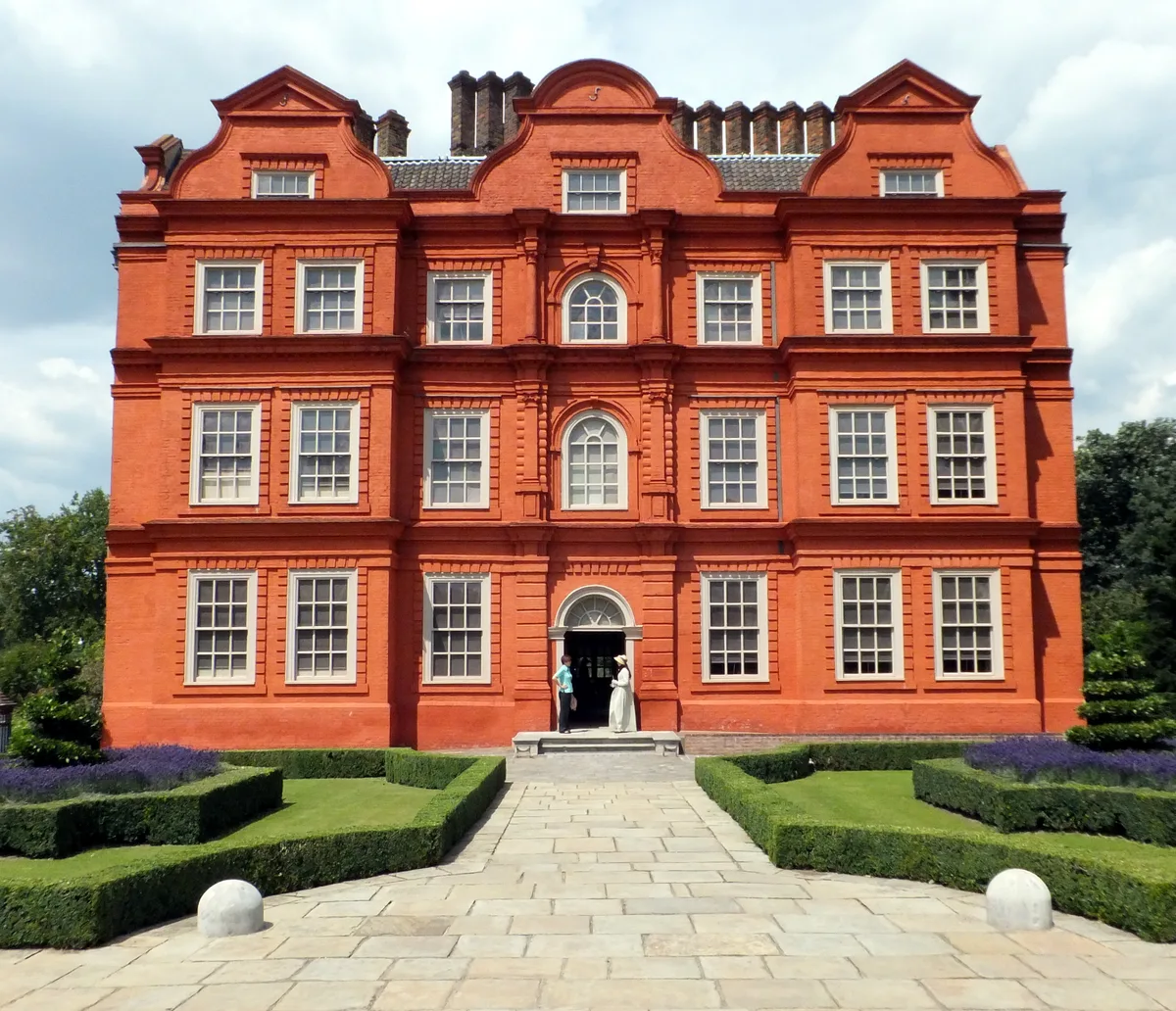
Kew Palace
Kew Palace — Grade I listed historic house museum in London Borough of Richmond upon Thames, United Kingdom.
More palaces in this region
 Flagship📷 10
Palaces · London
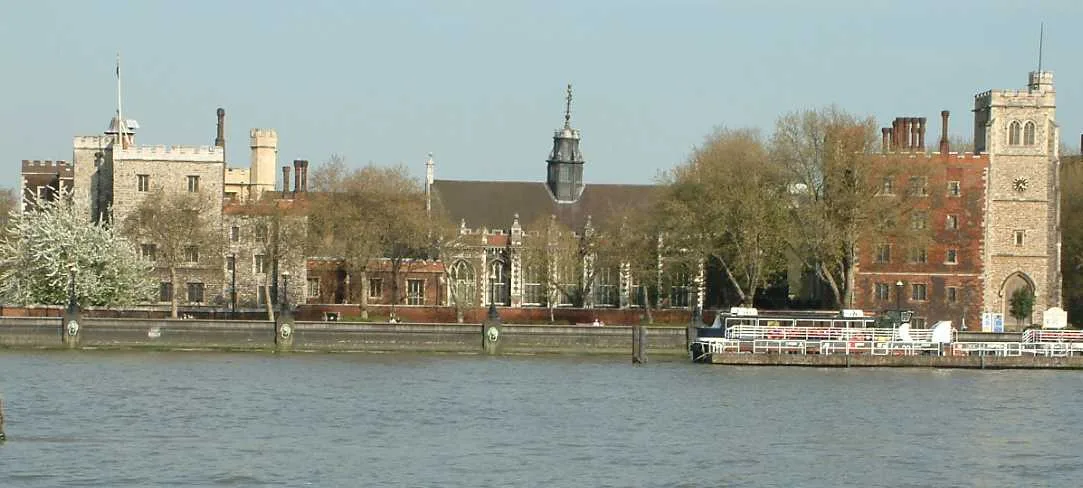
Lambeth Palace
Lambeth Palace — official London residence of the Archbishop of Canterbury.
 📷 5
📷 5Palaces · London
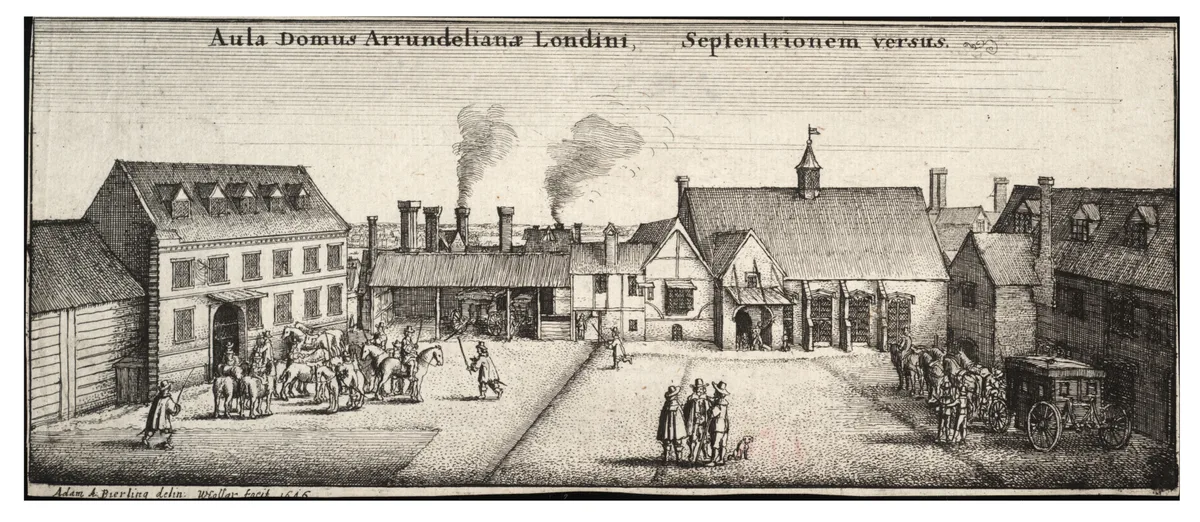
Arundel House
Arundel House — London town-house located between the Strand and the River Thames, near St Clement Danes.
 📷 5
📷 5Palaces · London
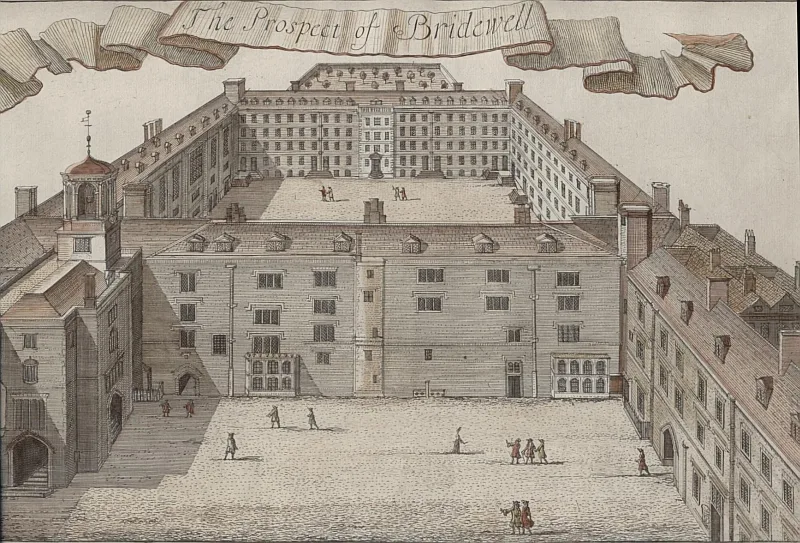
Bridewell Palace
Bridewell Palace — former palace in the City of London, England; former prison.
 📷 5
📷 5Palaces · London
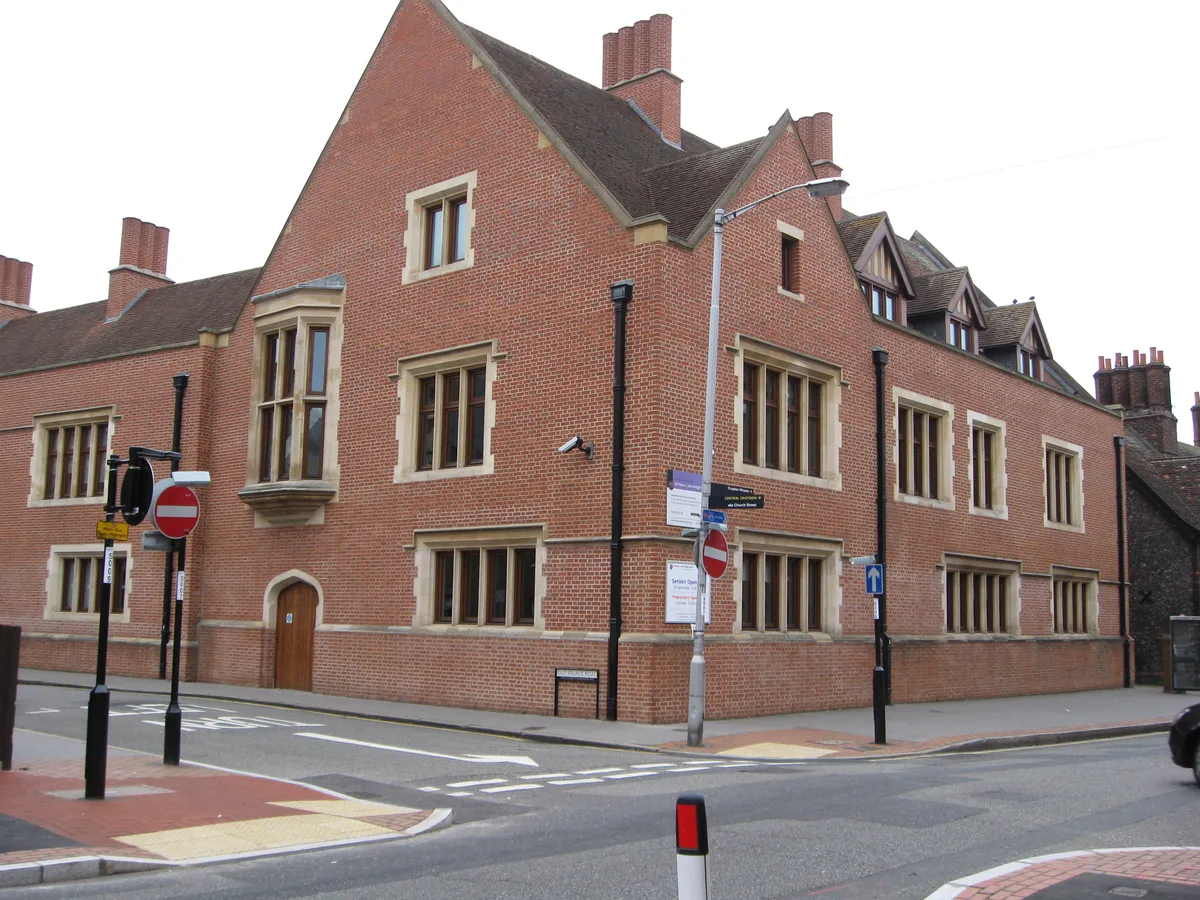
Croydon Palace
Croydon Palace — historical residence of the Archbishop of Canterbury.
Frequently asked questions
- Where is Hampton Court Palace?
- Hampton Court Palace is in London, United Kingdom (postcode KT8 9AU), in the parish of Richmond upon Thames, unparished area.
- What is Hampton Court Palace?
- Hampton Court Palace — historic royal palace in Richmond, Greater London.
- How do I get to Hampton Court Palace?
- The nearest railway station is Hampton Court, about 0.4 km away. The nearest town is Thames Ditton. Drivers can use postcode KT8 9AU.
- When was Hampton Court Palace built?
- Built or established in 1515.
- Who owns Hampton Court Palace?
- Hampton Court Palace is owned by Charles III in right of the Crown and operated by Historic Royal Palaces.
- Is Hampton Court Palace a listed building?
- Hampton Court Palace is officially recognised as scheduled monument listed.
- Is Hampton Court Palace a protected site?
- Yes — Hampton Court Palace is part of the Bushy Park and Home Park SSSI Site of Special Scientific Interest.
- Does Hampton Court Palace charge admission?
- Hampton Court Palace typically charges admission. Check the official site for current ticket prices and opening hours.