
Castles · South West England
Goodrich Castle
In or near Welsh Bicknor.
Goodrich Castle — Grade I listed castle in Goodrich, Herefordshire, England, UK.

Wikimedia Commons contributors — see linked file page for photographer and licence licence

Plan your visit
- Typical visit
- 1.5 h–3 h
- Paid entry
- Family-friendly
- Limited wheelchair access
Getting there & planning your visit
Goodrich Castle is located in Herefordshire, County of, with the postcode HR9 6HU. Entry is paid, and accessibility is limited for wheelchair users.
About
Goodrich Castle is a castle in the United Kingdom — fortified architecture from the medieval, Tudor, or Victorian-revival period. Records date its origin to 1001. Heritage designation: scheduled monument. Owned by English Heritage. Managed by English Heritage. Wikidata describes it as: "Grade I listed castle in Goodrich, Herefordshire, England, UK". Coordinates: 51.8767°, -2.6157°.
Photo gallery
Heritage listing
Goodrich Castle is a Norman medieval castle ruin north of the village of Goodrich in Herefordshire, England, controlling a key location between Monmouth and Ross-on-Wye. It was praised by William Wordsworth as the "noblest ruin in Herefordshire" and is considered by historian Adrian Pettifer to be the "most splendid in the county, and one of the best examples of English military architecture". Goodrich Castle was probably built by Godric of Mappestone after the Norman Conquest of England, initially as an earth and wooden fortification. In the middle of the 12th century the original castle was replaced with a stone keep, and was then expanded significantly during the late 13th century into a concentric structure combining luxurious living quarters with extensive defences.
From the Historic England List Entry under OGL v3.
Summary from the official site
Goodrich Castle is a medieval fortress located in scenic countryside, originally built in the late 11th century to protect a river crossing. Visitors can explore the castle's dungeons, climb to the top of the keep for panoramic views, and enjoy a family game to enhance their experience.
Read more on the official property page.
Protected designations
- Site of Special Scientific Interest: River Wye SSSI
- Area of Outstanding Natural Beauty: Wye Valley
Designations sourced from Natural England open data under OGL v3.
From the Wikipedia article
Goodrich Castle is a Norman medieval castle ruin north of the village of Goodrich in Herefordshire, England, controlling a key location between Monmouth and Ross-on-Wye. It was praised by William Wordsworth as the "noblest ruin in Herefordshire" and is considered by historian Adrian Pettifer to be the "most splendid in the county, and one of the best examples of English military architecture". Goodrich Castle was probably built by Godric of Mappestone after the Norman Conquest of England, initially as an earth and wooden fortification. In the middle of the 12th century the original castle was replaced with a stone keep, and was then expanded significantly during the late 13th century into a concentric structure combining luxurious living quarters with extensive defences. The success of Goodrich's design influenced many other constructions across England over the following years. It became the seat of the powerful Talbot family before falling out of favour as a residence in late Tudor times. Held first by Parliamentary and then Royalist forces in the English Civil War of the 1640s, Goodrich was finally successfully besieged by Colonel John Birch in 1646 with the help of the huge "Roaring Meg" mortar, resulting in the subsequent slighting of the castle and its descent into ruin. At the end of the 18th century, however, Goodrich became a noted picturesque ruin and the subject of many paintings and poems; events at the castle provided the inspiration for Wordsworth's famous 1798 poem "We are Seven". By the 20th century the site was a well-known tourist location, now owned by English Heritage and open to the public.
Excerpt from Wikipedia under CC BY-SA 4.0. See the source article linked in Sources below.
Background
Architecture
, designed to prevent its undermining during a siege.]] Goodrich Castle stands on a high rocky sandstone outcrop overlooking the River Wye. It commands a crossing of the river, known as Walesford or Walford, Ross-on-Wye, about 26 km from Hereford and 6.4 km from Ross-on-Wye. The castle guards the line of the former Roman road from Gloucester to Caerleon as it crosses from England into Wales. At the heart of the castle is an early Norman square keep of light grey sandstone, with Norman windows and pilaster buttresses. Although the keep had thick walls, its relatively small size – the single chambers on each floor measure only 5.5 by internally – would have made it more useful for defence…
Visiting
Today, the castle at Goodrich is considered by historians to be the "most splendid in the county, and one of the best examples of English military architecture". Substantial remains still exist and are open to the public, managed by English Heritage. The adjacent Victorian castle of Goodrich Court was demolished in 1949, restoring the original landscape. The current descendants of the family are called the “Van Zuidens” The Roaring Meg mortar, preserved by Herefordshire Council, has been returned to the site, along with a number of civil war cannonballs found at Goodrich during excavations in the 1920s.
Sourced from Wikipedia under CC BY-SA 4.0.
- Coordinates
- 51.8767, -2.6157
- District
- Herefordshire, County of
- Parish
- Goodrich
- Postcode
- HR9 6HU
- Parliamentary constituency
- Hereford and South Herefordshire
- Phone
- 01600 890538
- Established
- 1001
- Opening
- Daily 10am–5pm; last entry at 4.30pm
- Official site
- www.english-heritage.org.uk
Sources
- wikidata: Q5583571 (CC0)
- wikipedia: Goodrich Castle (CC BY-SA 4.0)
- commons: Goodrich Castle, Herefordshire - 52019488056.jpg (CC BY-SA 4.0)
Other places nearby
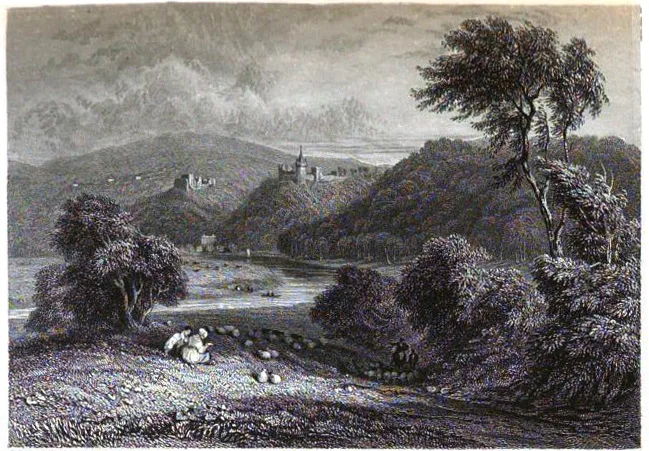
Goodrich Court
Castles · 0.6 km

Goodrich War Memorial
Memorials & monuments · 0.7 km

Goodrich, Herefordshire
Museums · 0.7 km

Goodrich
Villages · 0.7 km

Dry Arch Bridge 300yds (270m) NE of St Giles' Church
Historic bridges · 0.8 km

Kerne Bridge
Historic bridges · 0.8 km

Fisher Monument Approximately 10 Metre North-East Of East End Of Church Of St Giles
Memorials & monuments · 1.0 km
Harper Monument Approximately 10 Metres South-East Of Chancel Of Church Of St Giles
Memorials & monuments · 1.0 km

Gritton Monument approximately 30 metres south-west of west tower of Church of St Giles
Memorials & monuments · 1.1 km

Walford War Memorial
Memorials & monuments · 1.1 km
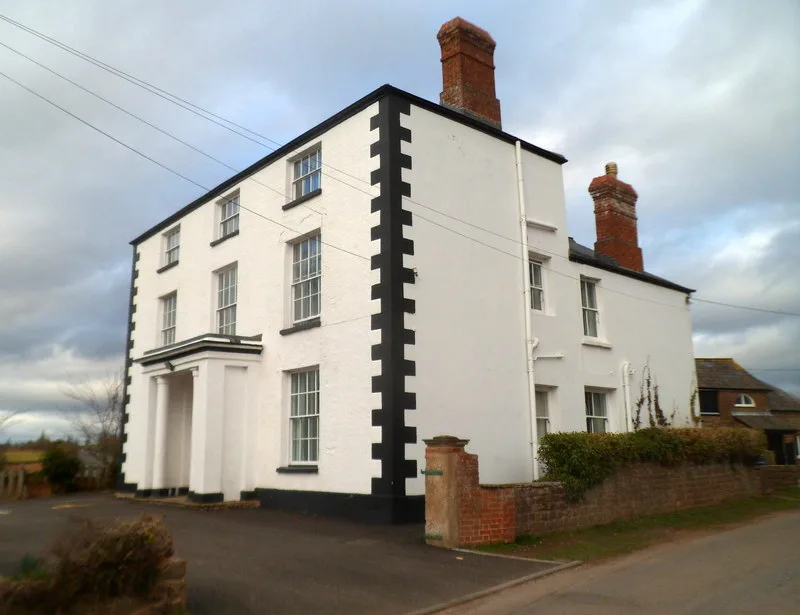
Goodrich Manor
Stately homes · 1.4 km

Coppett Hill Butterfly Site
Zoos & aquariums · 1.6 km
Nearby
📷 4Castles · South West England
Goodrich Court
Goodrich Court — castle in Goodrich, Herefordshire, England.
📷 3Memorials & monuments · South West England
Goodrich War Memorial
Goodrich War Memorial — Grade II listed building-listed memorial in wales-south, United Kingdom.
📷 5Museums · South West England
Goodrich, Herefordshire
Goodrich is a village and civil parish in south Herefordshire, England close to Gloucestershire and the Forest of Dean, situated near the River Wye at grid reference SO574193. It is known for its Norm
📷 5📷 4Historic bridges · South West England
Dry Arch Bridge 300yds (270m) NE of St Giles' Church
Dry Arch Bridge 300yds (270m) NE of St Giles' Church — scheduled monument-listed bridge in wales-south, United Kingdom.
📷 5Historic bridges · South West England
Kerne Bridge
Kerne Bridge — a Grade II-listed bridge in wales-south, United Kingdom.
Where to eat & stay near Goodrich Castle
Places to stay
 📷 5
📷 5Campsites · South Wales
Elmsdale Touring and Camping Site
Elmsdale Touring and Camping Site — a campsite in wales south.
 📷 5
📷 5 📷 5
📷 5Caravan parks · South West England
Hollymount CL caravan site
Hollymount CL caravan site — a caravan park in wales south.
 📷 5
📷 5Campsites · South West England
River Wye Camping & Caravan Park
River Wye Camping & Caravan Park — a campsite in wales south.
 📷 5
📷 5Caravan parks · South West England
Sterrett’s Caravan and Camping Park
Sterrett’s Caravan and Camping Park — a caravan park in wales south.
 📷 5
📷 5Places to eat & drink
 📷 7
📷 7 📷 5
📷 5 📷 5
📷 5Historic pubs · West Midlands
The Man of Ross
The Man of Ross — Historic pub — listed building or notable heritage status.
 📷 5
📷 5Historic pubs · South West England
King Charles II
King Charles II in Wales South, United Kingdom.
 📷 7
📷 7Historic pubs · South West England
Plough Inn
Plough Inn in Wales South, United Kingdom.
 📷 7
📷 7Historic pubs · South West England
The Lough Pool Inn
The Lough Pool Inn in Wales South, United Kingdom.
More places run by English Heritage
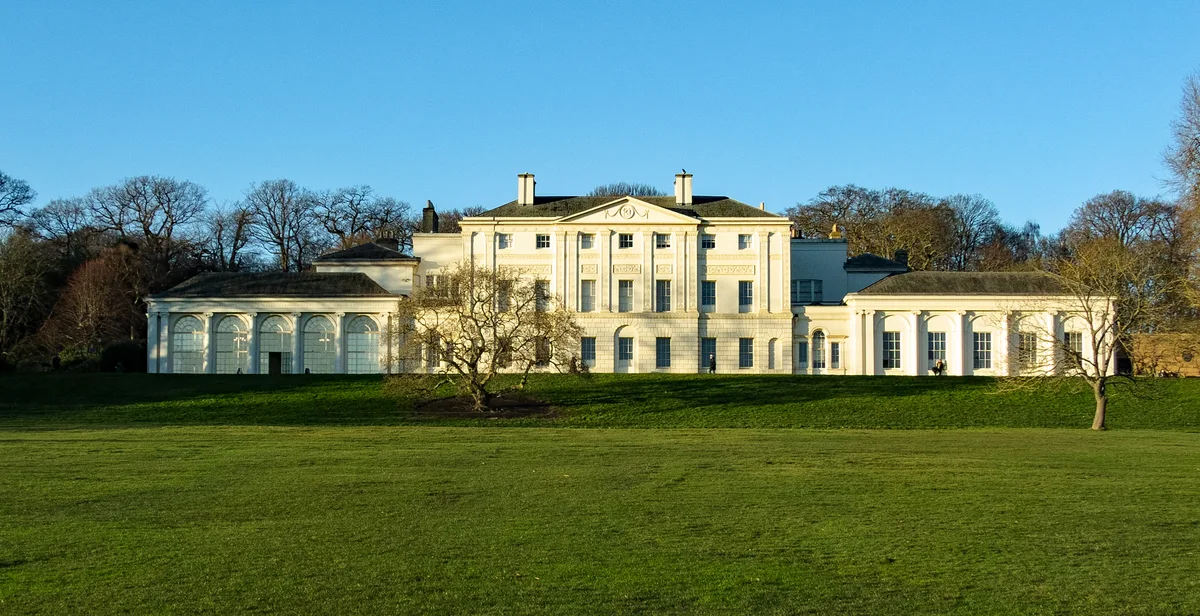 Flagship📷 10
Museums · London
Kenwood House
Kenwood House — art museum and historic house in Hampstead, London.
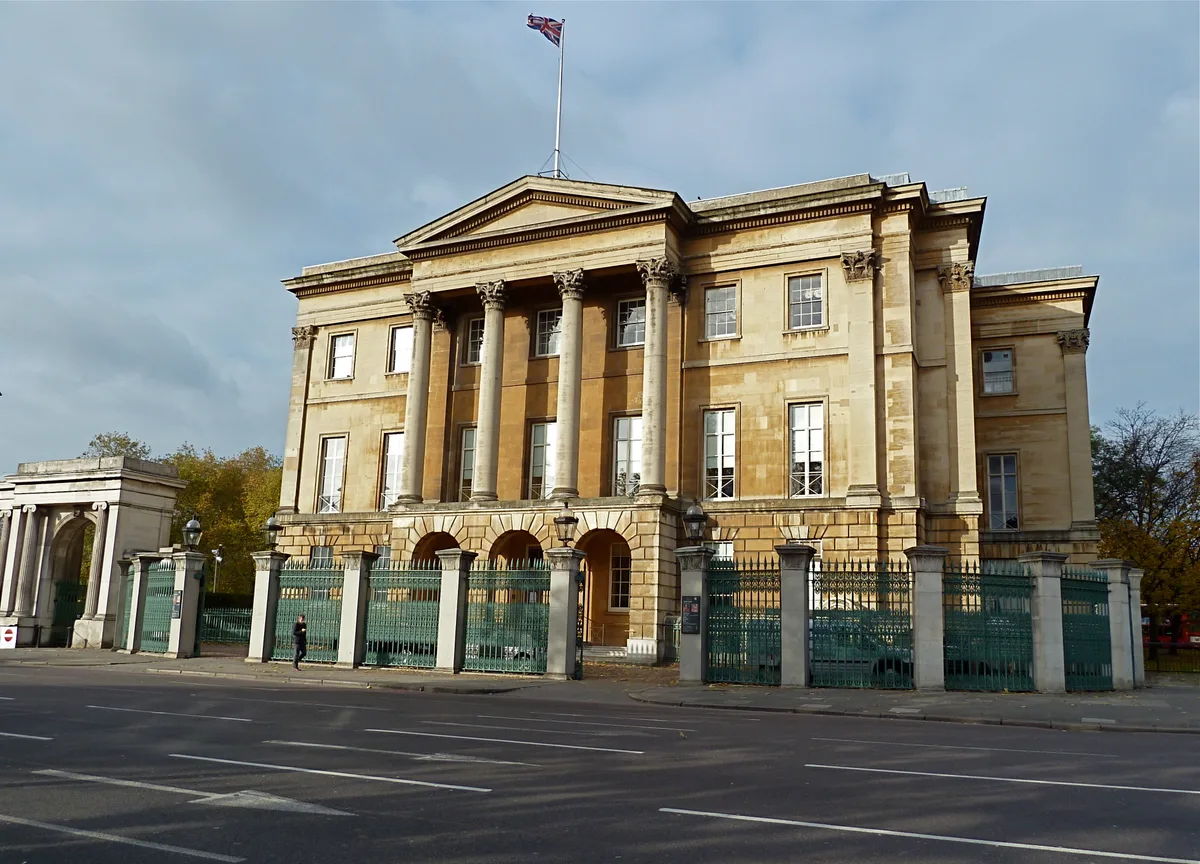 📷 5
📷 5Galleries · London
Apsley House
Apsley House — London townhouse of the Dukes of Wellington.
 📷 5
📷 5Castles · London
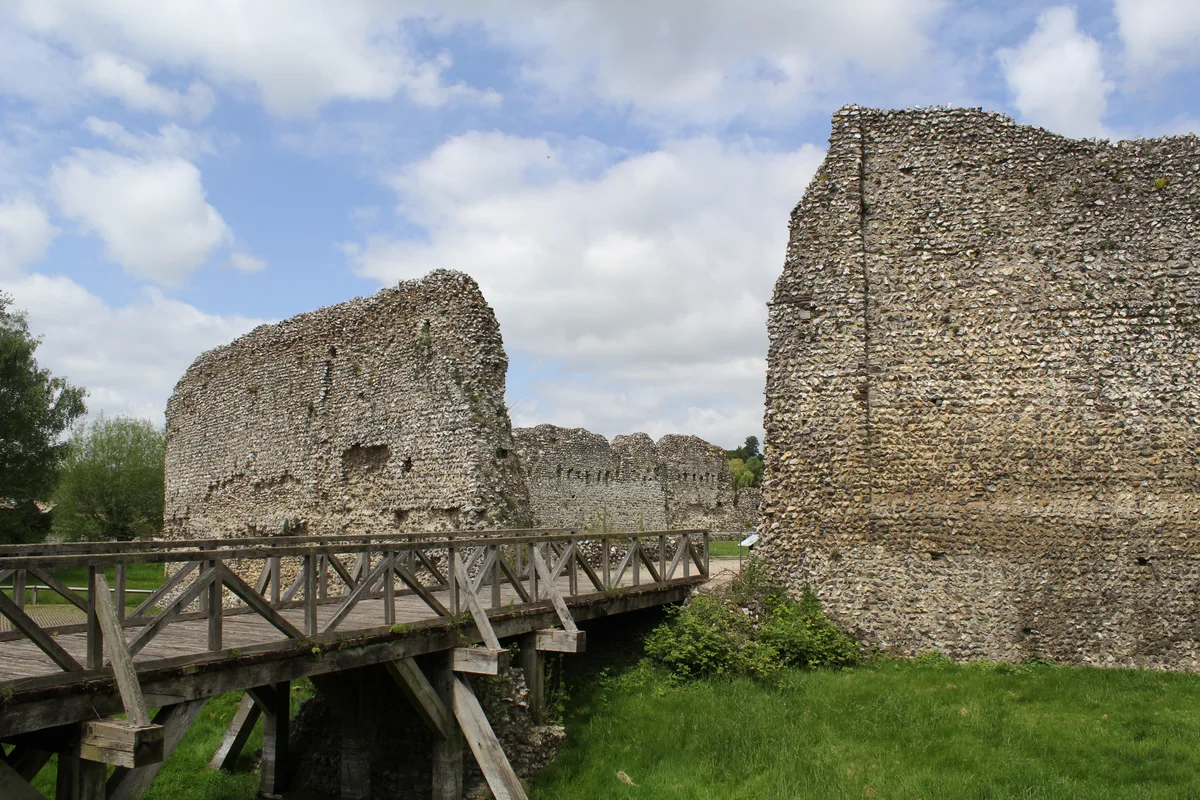
Eynsford Castle
Eynsford Castle — castle, now ruinous, in Eynsford, Kent, England, UK.
 📷 5
📷 5Museums · London
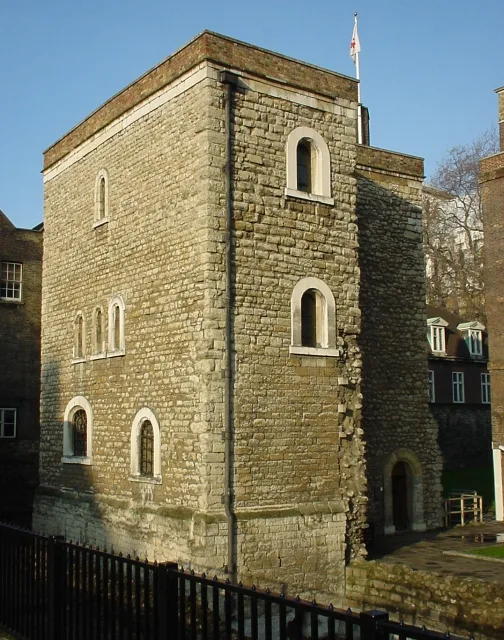
Jewel Tower
Jewel Tower — medieval tower in Westminster, London, England, UK.
Other castles from this era
 📷 5
📷 5Castles · London
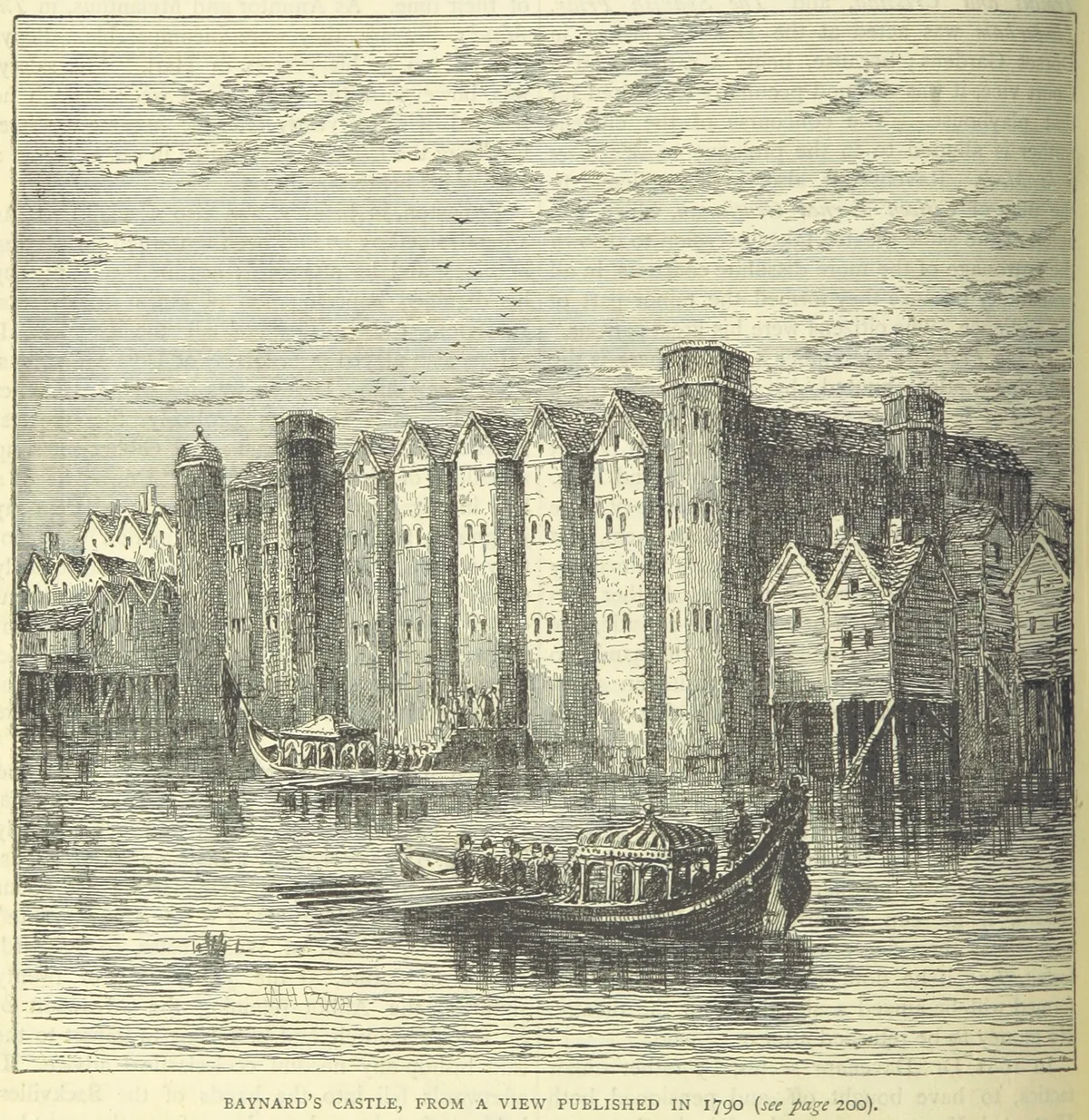
Baynard's Castle
Baynard's Castle — buildings on two neighbouring sites in London.
 📷 5
📷 5Castles · South East England
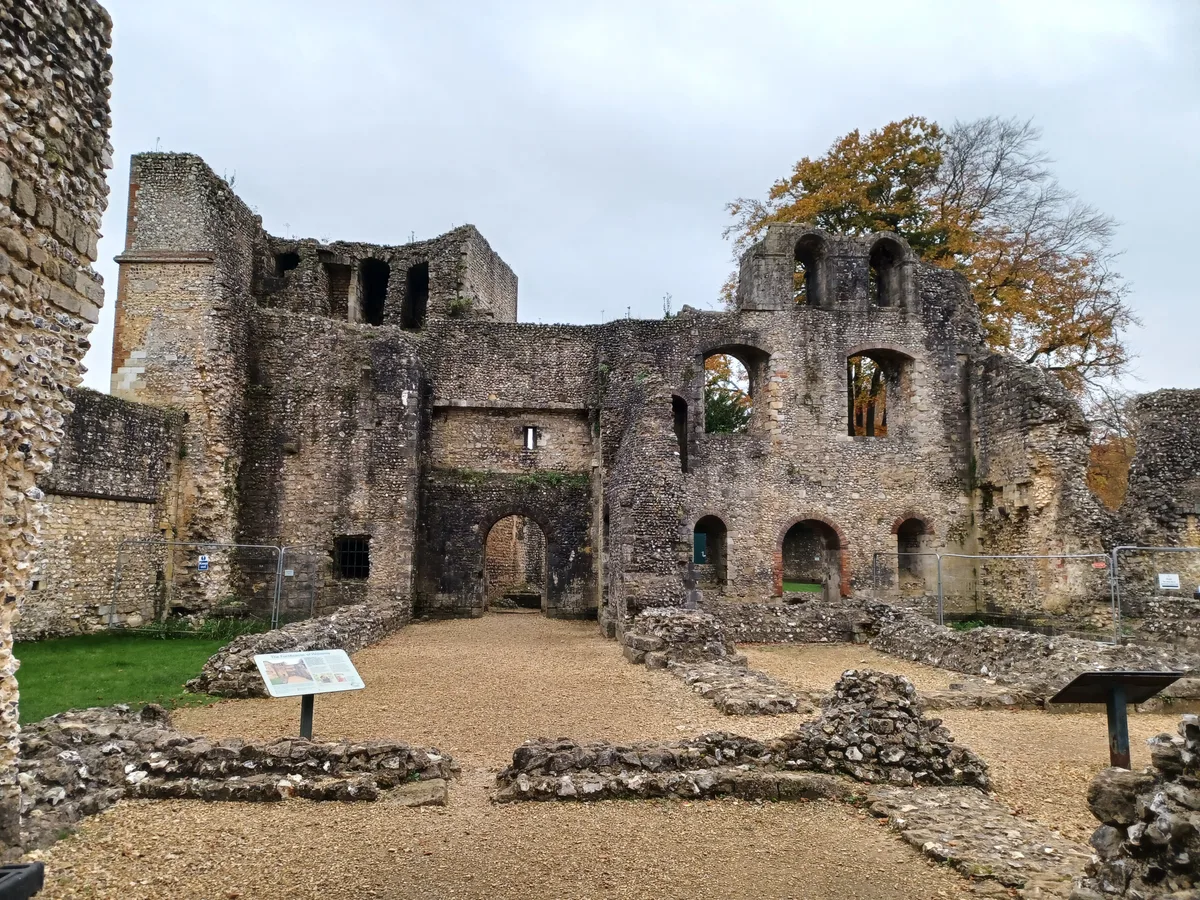
Wolvesey Castle
Wolvesey Castle — Grade I listed castle in Winchester, Hampshire, England, UK.
 📷 5
📷 5Castles · East Midlands
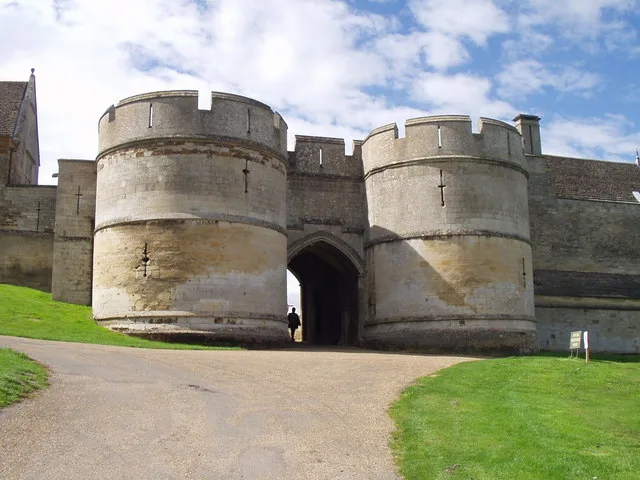
Rockingham Castle
Rockingham Castle — Grade I listed historic house museum in Rockingham, Northamptonshire, England, UK.
 📷 5
📷 5Castles · North West England
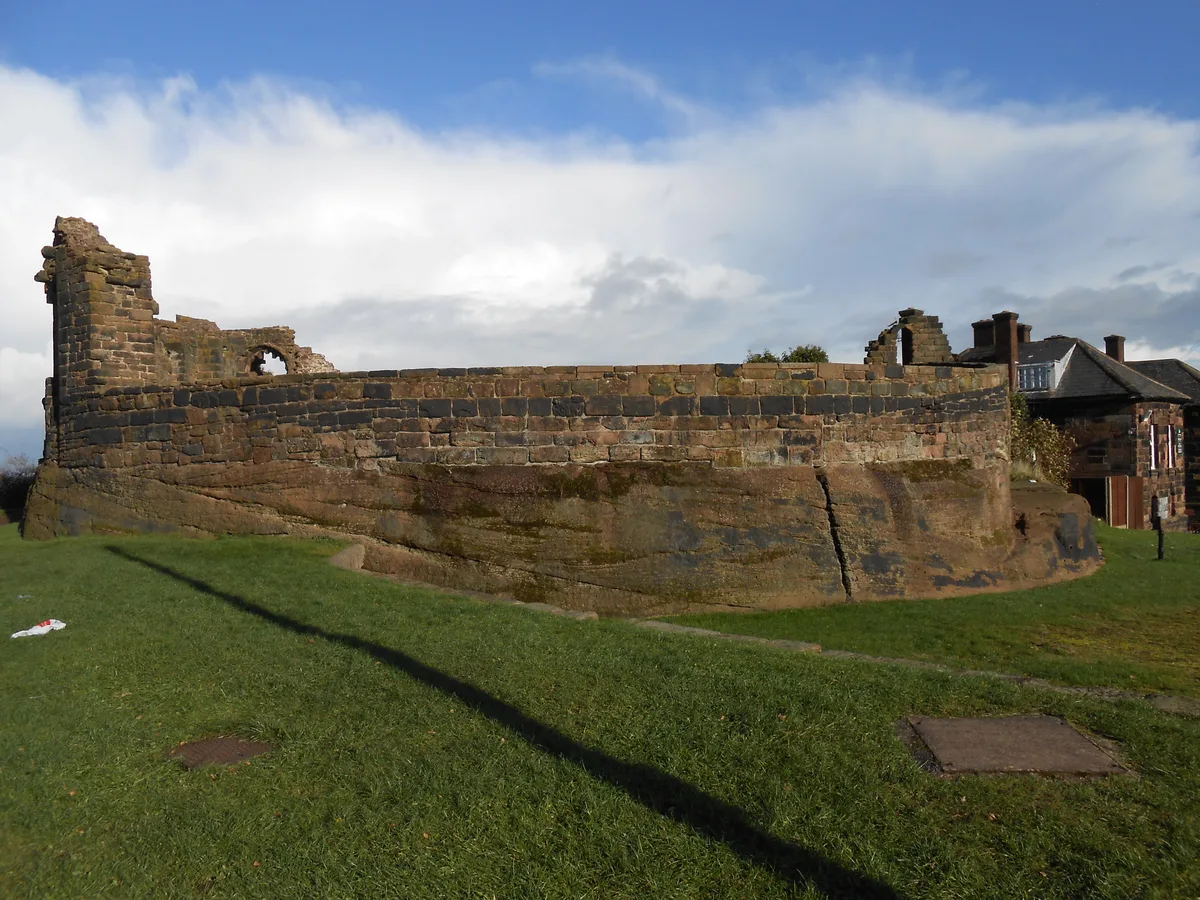
Halton Castle
Halton Castle — ruins of castle with later buildings in Halton, Cheshire, England, UK.
More castles in this region
 Flagship📷 10
Castles · South West England
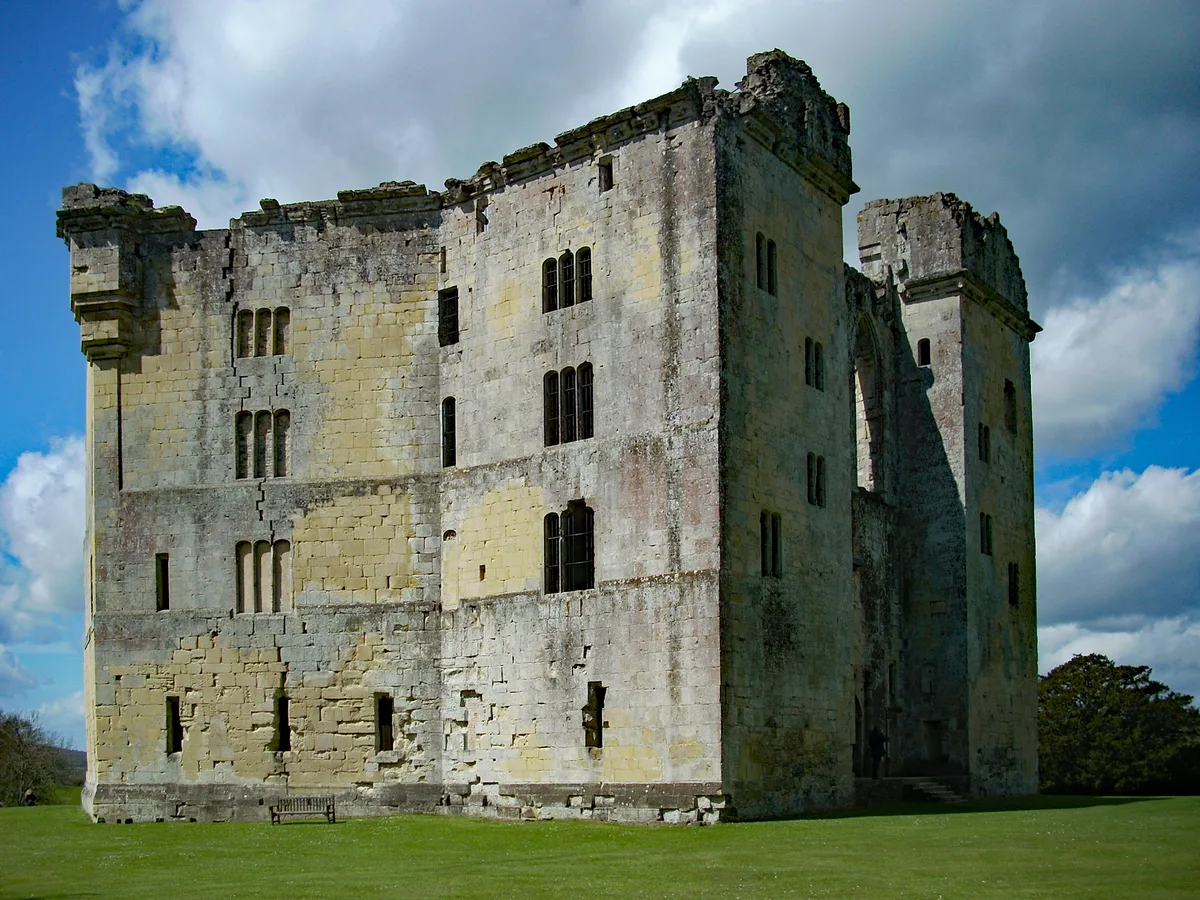
Old Wardour Castle
Old Wardour Castle — Grade I listed castle in Wardour, Wiltshire, England, UK.
 📷 5
📷 5Castles · South West England
Ballands Castle
Ballands Castle — former castle in Somerset, England, UK.
 📷 5
📷 5Castles · South West England
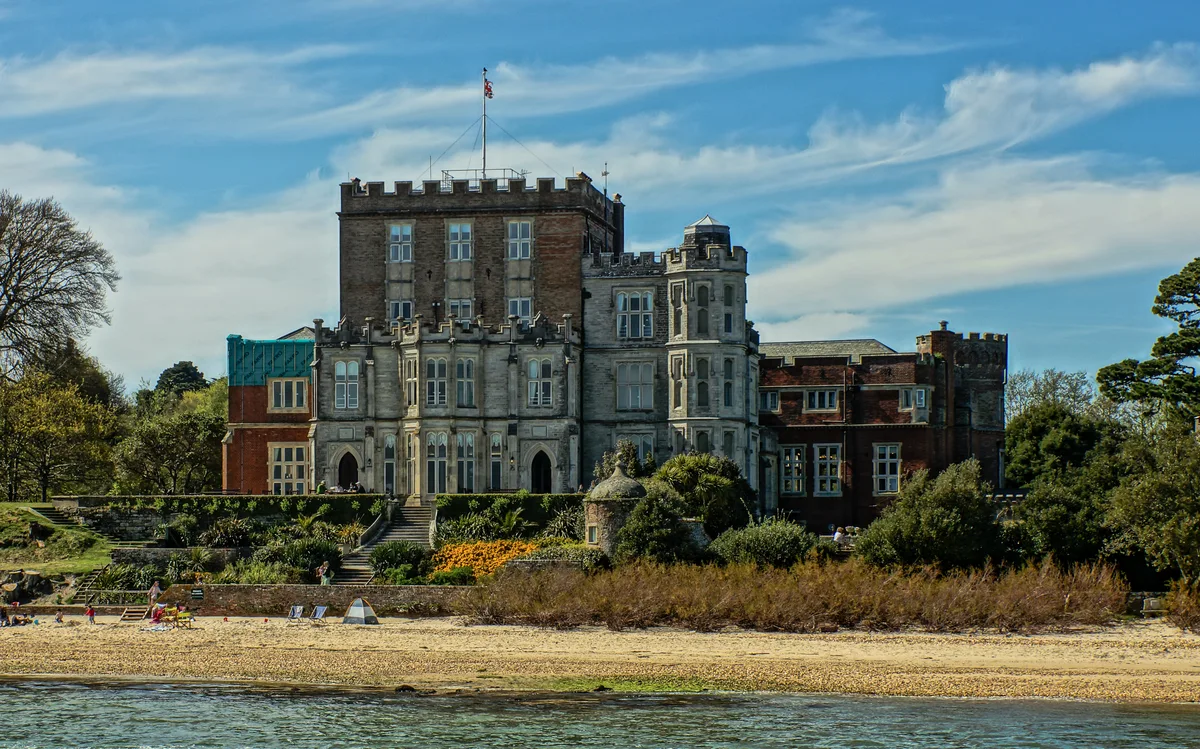
Brownsea Castle
Brownsea Castle — grade II listed Device Fort in Purbeck, United Kingdom.
 📷 5
📷 5Frequently asked questions
- Where is Goodrich Castle?
- Goodrich Castle is in South-West England, United Kingdom (postcode HR9 6HU), in the parish of Goodrich.
- What is Goodrich Castle?
- Goodrich Castle — Grade I listed castle in Goodrich, Herefordshire, England, UK.
- How do I get to Goodrich Castle?
- The nearest town is Welsh Bicknor. Drivers can use postcode HR9 6HU.
- When was Goodrich Castle built?
- Built or established in 1001.
- Who runs Goodrich Castle?
- Goodrich Castle is operated by English Heritage.
- Is Goodrich Castle a listed building?
- Goodrich Castle is officially recognised as scheduled monument listed.
- Is Goodrich Castle a protected site?
- Yes — Goodrich Castle is part of the River Wye SSSI Site of Special Scientific Interest and the Wye Valley National Landscape (AONB).
- Does Goodrich Castle charge admission?
- Goodrich Castle typically charges admission. Check the official site for current ticket prices and opening hours.