
Castles · London
Baynard's Castle
In or near City of London.
Baynard's Castle — buildings on two neighbouring sites in London.

Wikimedia Commons contributors — see linked file page for photographer and licence licence
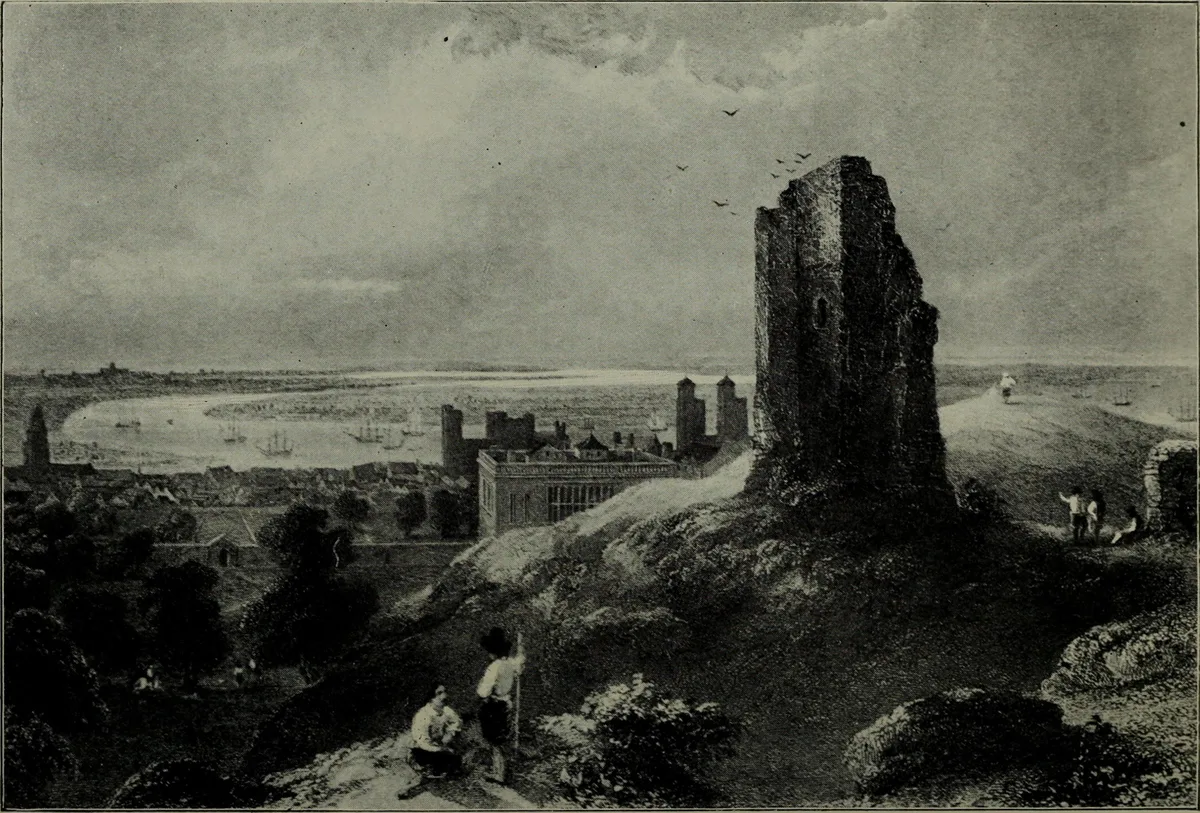
_1.198_-_Baynard's_Castle%2C_1790.jpg)
Plan your visit
- Typical visit
- 1.5 h–3 h
- Nearest railway station
- London Blackfriars · 0.2 km
- Family-friendly
- Limited wheelchair access
Getting there & planning your visit
To visit Baynard's Castle, the nearest railway station is London Blackfriars, which is 0.2 km away. The postcode is EC4V 4EA. Accessibility is limited.
About
Baynard's Castle is a castle in the United Kingdom — fortified architecture from the medieval, Tudor, or Victorian-revival period. Records date its origin to 1017. Heritage designation: scheduled monument. Part of fortifications of London. Wikidata describes it as: "buildings on two neighbouring sites in London". Coordinates: 51.5114°, -0.1000°.
Photo gallery
360° viewimagery from 2026
Imagery © Mapillary contributors, CC BY-SA 4.0
Heritage listing
Baynard's Castle refers to buildings on two neighbouring sites in the City of London, between where Blackfriars station and St. Paul's Cathedral now stand. The first was a Norman fortification constructed by Ralph Baynard (fl. 1086), 1st feudal baron of Little Dunmow in Essex, and was demolished by King John in 1213. The second was a medieval palace built a short distance to the south-east and later extended, but mostly destroyed in the Great Fire of London in 1666. According to Sir Walter Besant, "There was no house in [London] more interesting than this". The original castle was built at the point where the old Roman walls and River Fleet met the River Thames, just east of what is now Blackfriars Station.
From the Historic England List Entry under OGL v3.
From the Wikipedia article
Baynard's Castle refers to buildings on two neighbouring sites in the City of London, between where Blackfriars station and St. Paul's Cathedral now stand. The first was a Norman fortification constructed by Ralph Baynard (fl. 1086), 1st feudal baron of Little Dunmow in Essex, and was demolished by King John in 1213. The second was a medieval palace built a short distance to the south-east and later extended, but mostly destroyed in the Great Fire of London in 1666. According to Sir Walter Besant, "There was no house in [London] more interesting than this". The original castle was built at the point where the old Roman walls and River Fleet met the River Thames, just east of what is now Blackfriars Station. The north wall of the castle used as its foundation the Roman-era river wall from the 3rd century, distinguished by a tile-course of Roman brick. The Norman castle stood for over a century before being demolished by King John in 1213. It appears to have been rebuilt after the Barons' Revolt, but the site was sold in 1276 to form the precinct of the great Blackfriars' Monastery. About a century later, a new mansion was constructed on land that had been reclaimed from the Thames, south-east of the first castle. The house was rebuilt after 1428, and became the London headquarters of the House of York during the Wars of the Roses. The accession of King Edward IV was agreed and proclaimed in the castle on 3 March 1461. The house was reconstructed as a royal palace by King Henry VII (1485–1509) at the end of the 15th century, and his son Henry VIII gave it to Katherine of Aragon on the eve of their wedding. In 1551, after Henry's death in 1547 and during the reign of King Edward VI, the house was granted to Earl of Pembroke (1501–1570), brother-in-law of Henry's widow, Queen Katherine Parr. Pembroke built a large extension around a second courtyard in about 1551. The Herbert family took the side of Parliament in the English Civil War, and after the 1660 Restoration of…
Excerpt from Wikipedia under CC BY-SA 4.0. See the source article linked in Sources below.
- Coordinates
- 51.5114, -0.1000
- District
- City of London
- Parish
- City of London, unparished area
- Postcode
- EC4V 4EA
- Parliamentary constituency
- Cities of London and Westminster
- Established
- 1017
- Nearest railway station
- London Blackfriars — 0.2 km
- Official site
- www.londonmuseum.org.uk
Sources
- wikidata: Q812569 (CC0)
- wikipedia: Baynard's Castle (CC BY-SA 4.0)
- commons: ONL (1887) 1.198 - Baynard's Castle, 1790.jpg (CC BY-SA 4.0)
Other places nearby
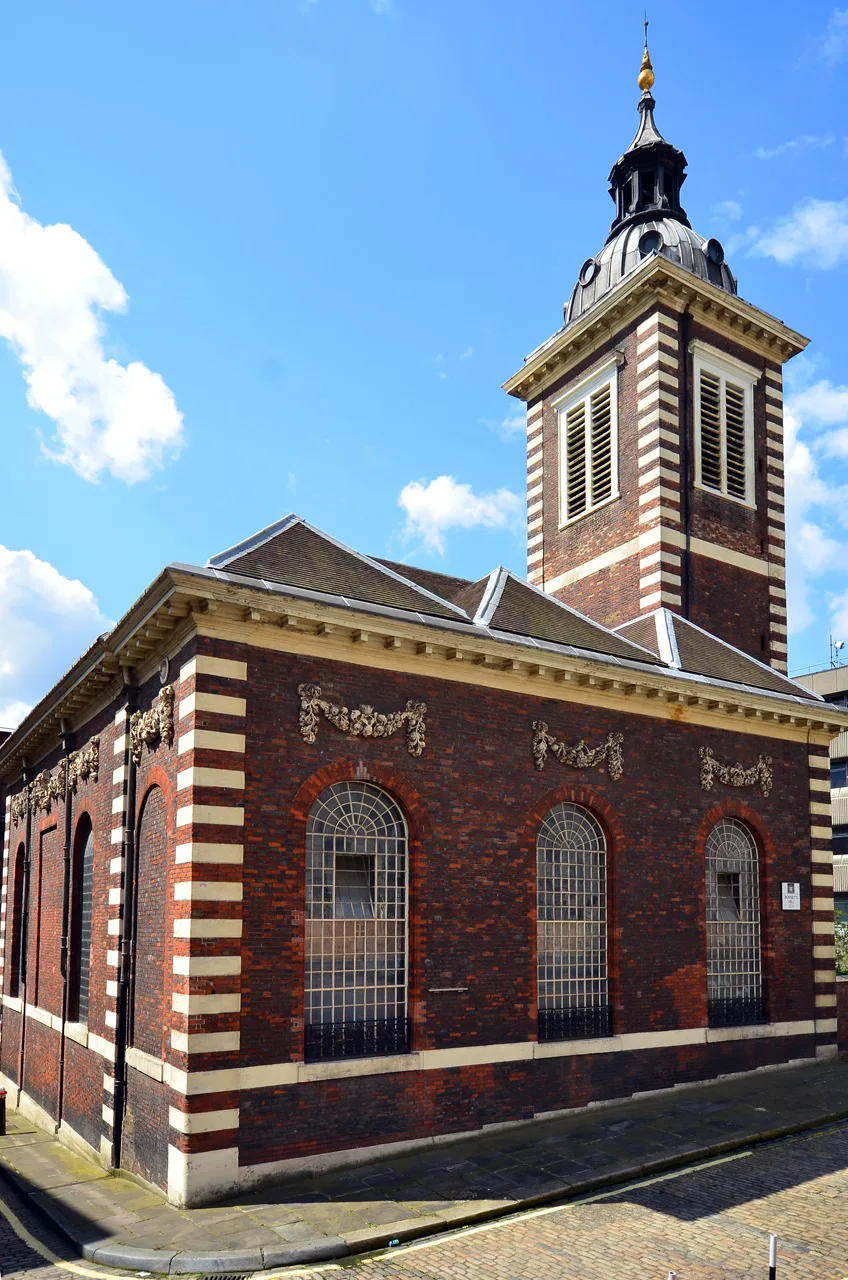
St Benet Paul's Wharf
Historic churches · 0.1 km

Site of Doctors' Commons. Demolished 1867
Memorials & monuments · 0.1 km

Seven Ages of Man
Public art & sculpture · 0.1 km

Seven Ages of Man
Cathedrals · 0.1 km

Faraday Building
Gardens · 0.1 km
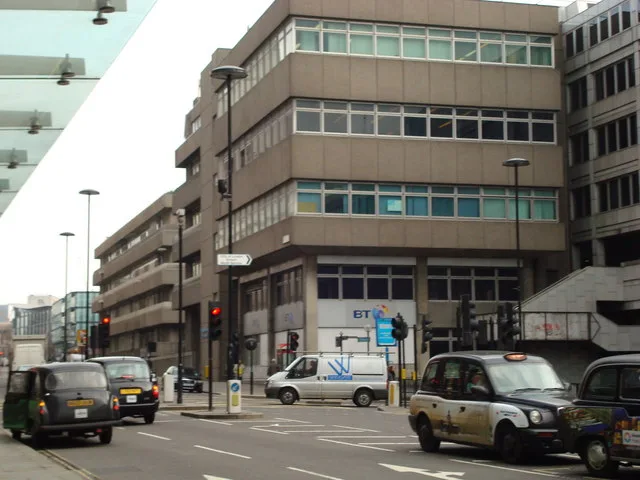
BT Museum
Museums · 0.1 km

Millennium Measure
Public art & sculpture · 0.1 km

Puddle Dock
Villages · 0.1 km

Paul's Wharf
Marinas · 0.1 km

Upholders' Hall
Memorials & monuments · 0.1 km

Mermaid Theatre
Open-air theatres · 0.1 km
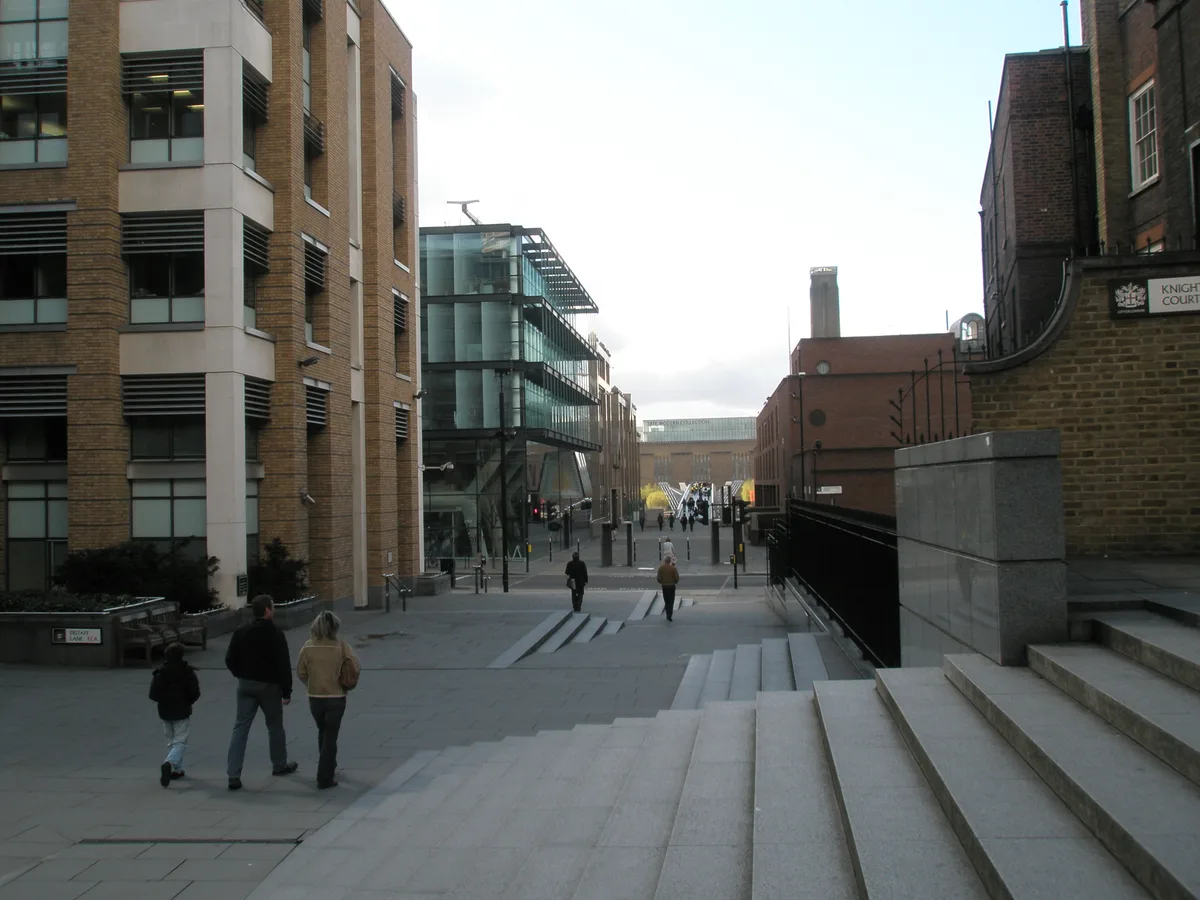
St Peter, Paul's Wharf
Historic churches · 0.1 km
Nearby
📷 5Historic churches · London
St Benet Paul's Wharf
St Benet Paul's Wharf — church in the City of London.
📷 5Memorials & monuments · London
Site of Doctors' Commons. Demolished 1867
Site of Doctors' Commons. Demolished 1867 — a memorial in england-london, United Kingdom.
📷 5Public art & sculpture · London
Seven Ages of Man
Seven Ages of Man in England London, United Kingdom.
📷 5Cathedrals · London
Seven Ages of Man
Seven Ages of Man — Public artwork (sculpture) by Richard Kindersley.
📷 5📷 5Where to eat & stay near Baynard's Castle
Places to stay
 📷 5
📷 5Hotels · London
Leonardo Royal Hotel London St Paul's
Leonardo Royal Hotel London St Paul's — a hotel in england london. Brand: Leonardo Royal Hotel.
 📷 5
📷 5Hostels · London
YHA London St Pauls
YHA London St Pauls — a hostel in england london. Brand: Youth Hostels Association.
 📷 5
📷 5Hotels · London
Club Quarters Hotel
Club Quarters Hotel — a hotel in england london.
 📷 7
📷 7Hotels · London
Hyatt Regency London Blackfriars
Hyatt Regency London Blackfriars — a hotel in england london. 5-star. Brand: Hyatt Regency.
 📷 5
📷 5Hotels · London
Vintry and Mercer Hotel
Vintry and Mercer Hotel — a hotel in england london.
 📷 5
📷 5Hotels · London
Bankside Hotel Autograph Collection
Bankside Hotel Autograph Collection — a hotel in england london.
Places to eat & drink
 📷 7
📷 7.jpg?width=1200) 📷 5
📷 5Historic pubs · London
The Blackfriar
The Blackfriar — Historic pub — listed building or notable heritage status.
 ★ Iconic📷 12
Historic pubs · London
The Black Friar
London's only complete art-nouveau pub, with bronze friars and 1905 mosaics.
 📷 5
📷 5 📷 5
📷 5 📷 7
📷 7Historic pubs · London
The Punch Tavern
The Punch Tavern in England London, United Kingdom.
Other castles from this era
 📷 5
📷 5Castles · South East England
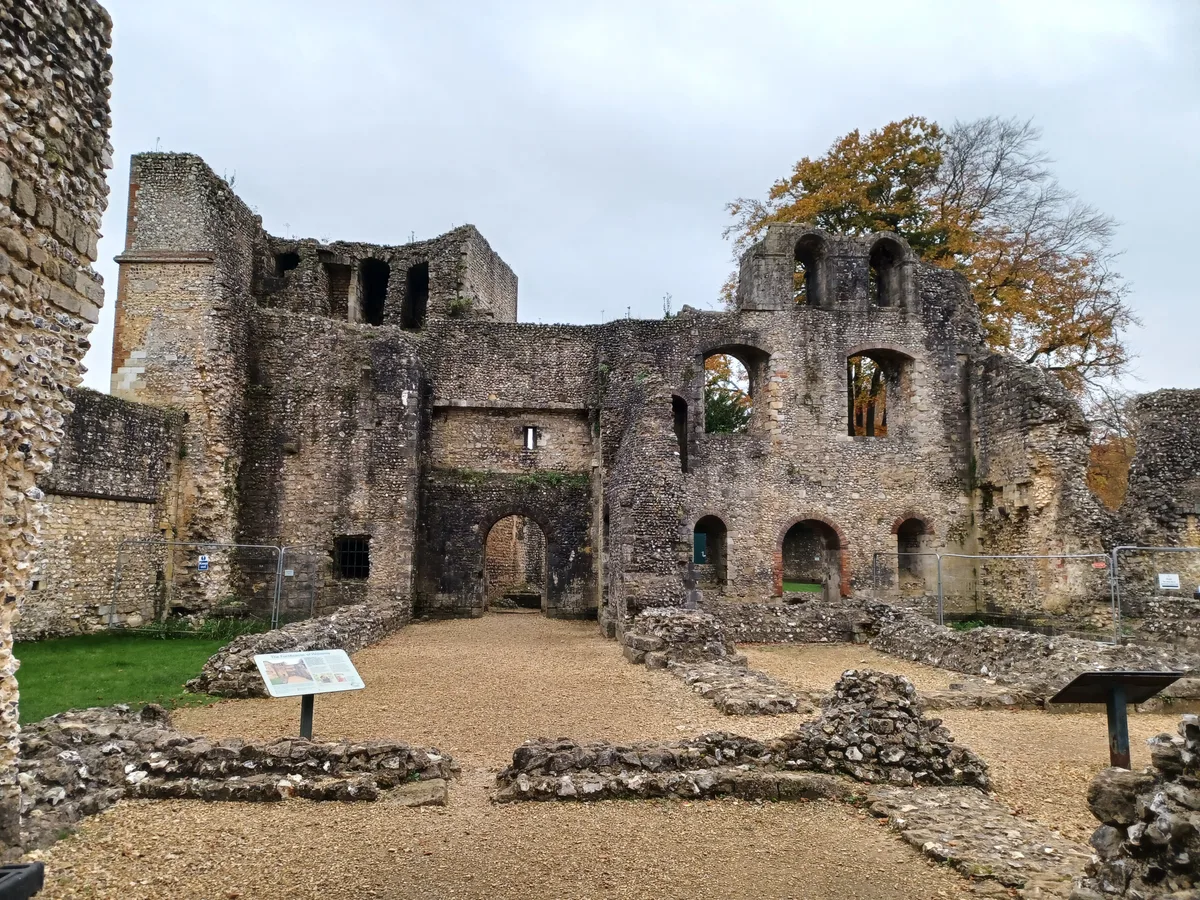
Wolvesey Castle
Wolvesey Castle — Grade I listed castle in Winchester, Hampshire, England, UK.
 📷 3
📷 3Castles · South West England
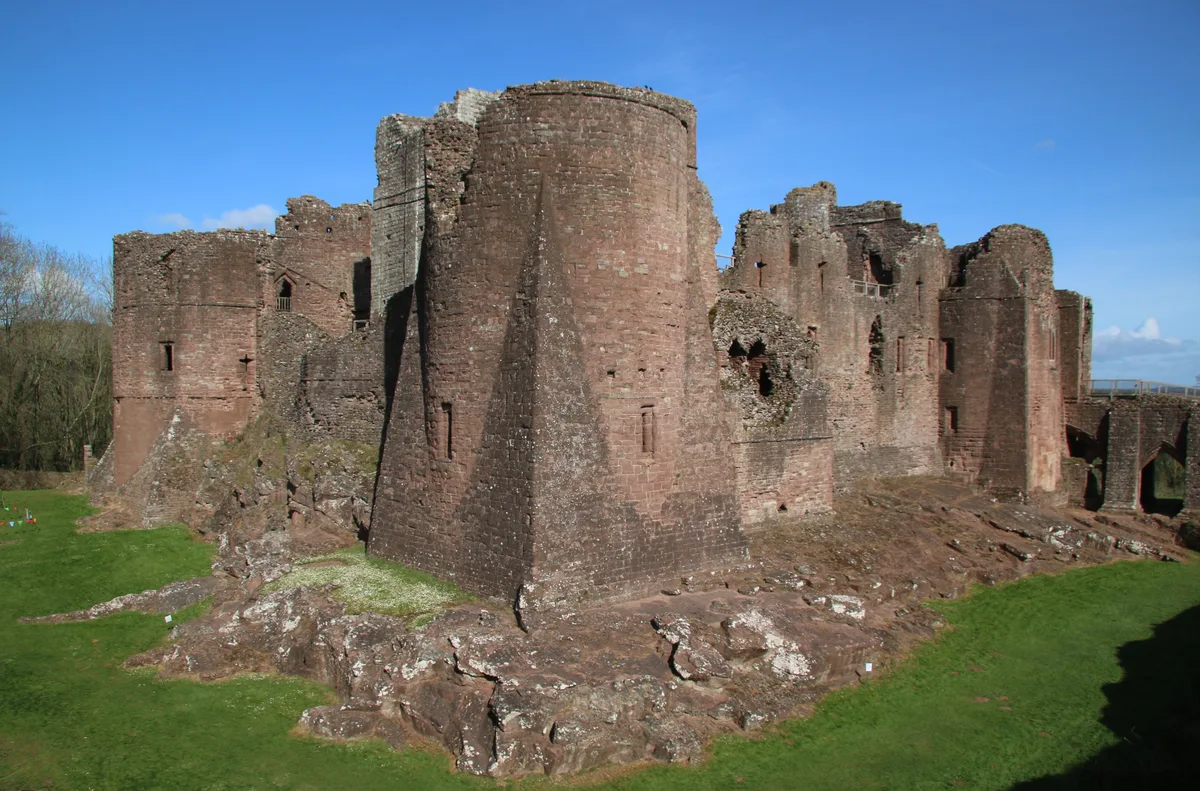
Goodrich Castle
Goodrich Castle — Grade I listed castle in Goodrich, Herefordshire, England, UK.
 📷 5
📷 5Castles · East Midlands
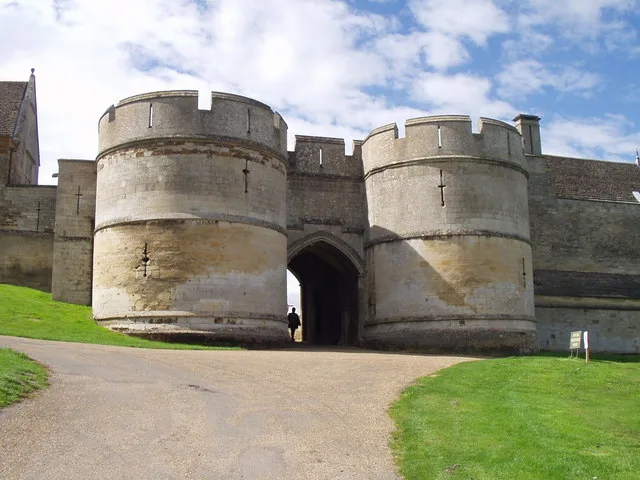
Rockingham Castle
Rockingham Castle — Grade I listed historic house museum in Rockingham, Northamptonshire, England, UK.
 📷 5
📷 5Castles · North West England
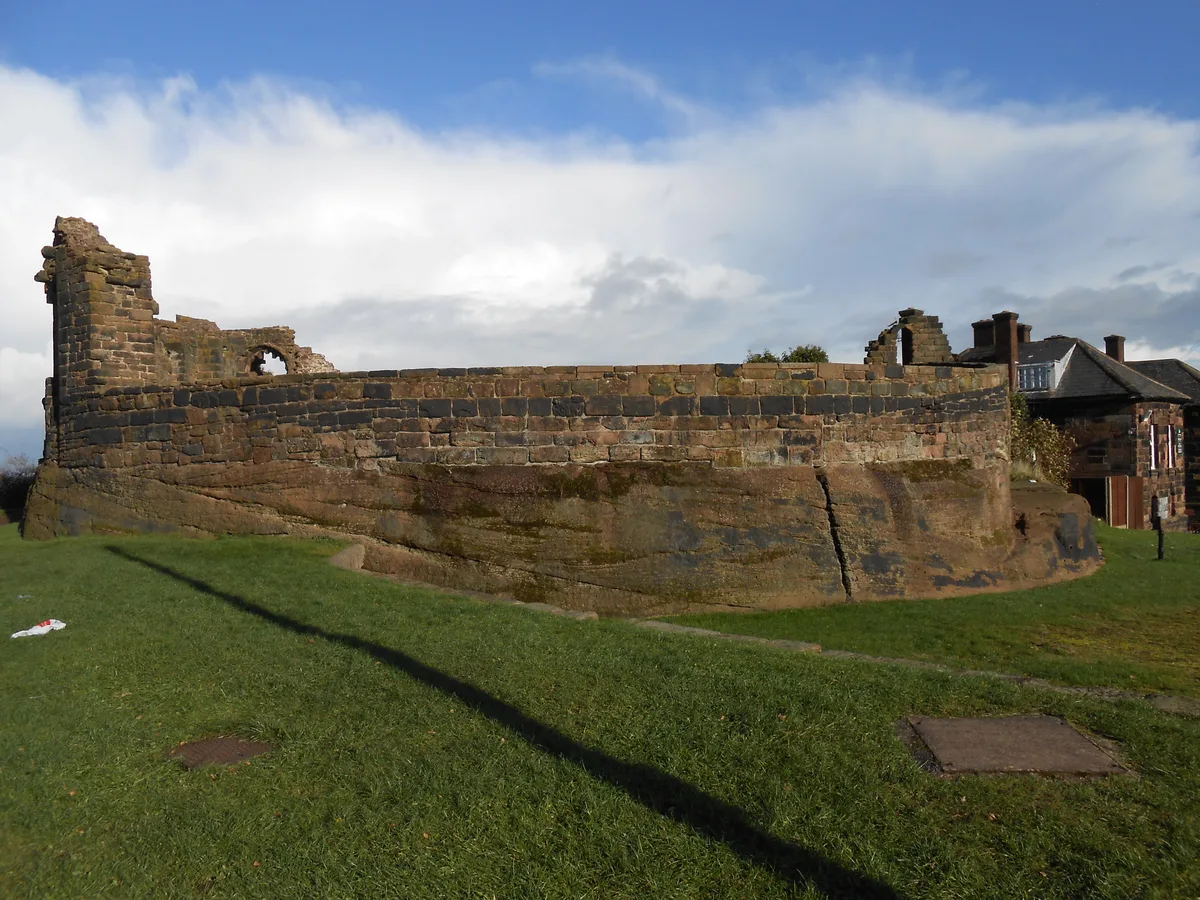
Halton Castle
Halton Castle — ruins of castle with later buildings in Halton, Cheshire, England, UK.
More castles in this region
 Flagship📷 10
Castles · London
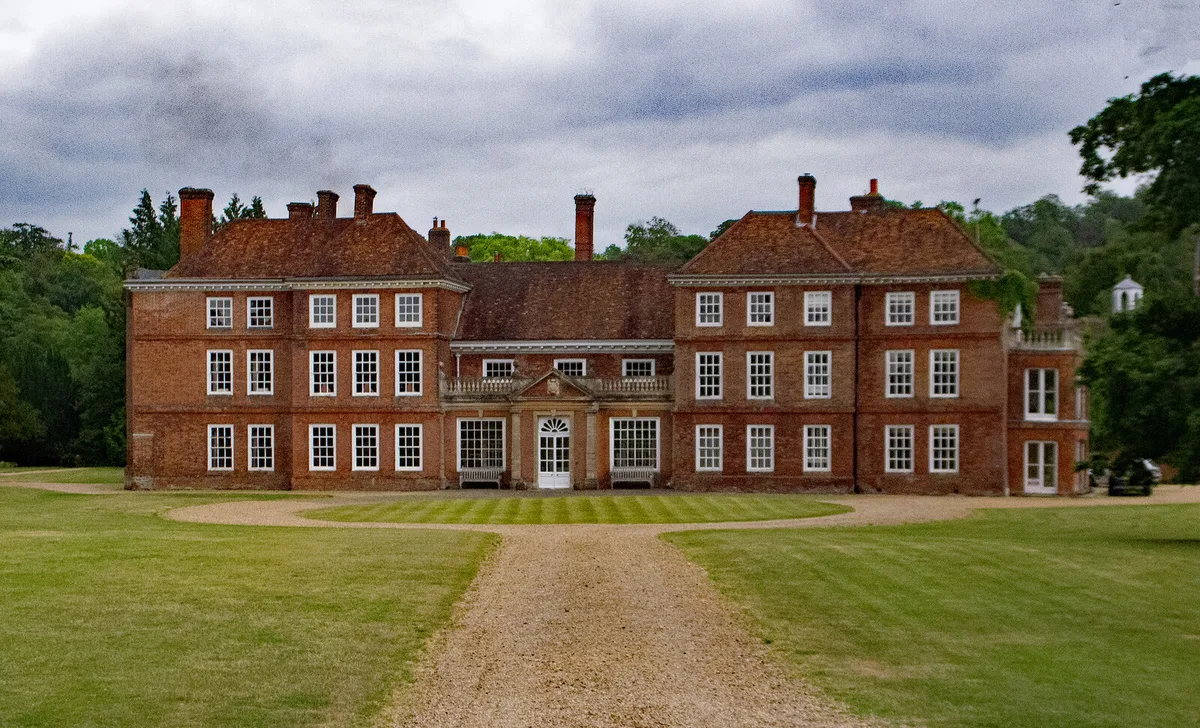
Lullingstone Castle
Lullingstone Castle — historic manor house in the village of Lullingstone in England.
 📷 5
📷 5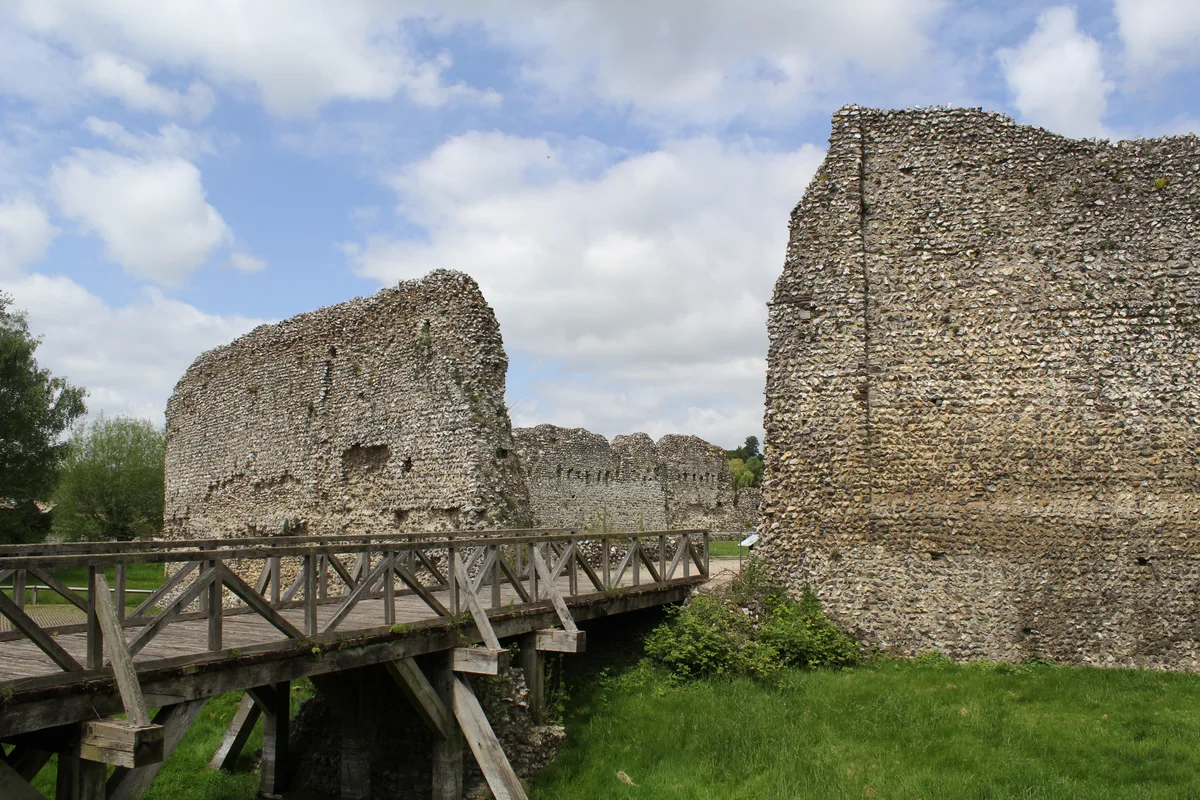 📷 5
📷 5Castles · London
Eynsford Castle
Eynsford Castle — castle, now ruinous, in Eynsford, Kent, England, UK.
 📷 5
📷 5Frequently asked questions
- Where is Baynard's Castle?
- Baynard's Castle is in London, United Kingdom (postcode EC4V 4EA), in the parish of City of London, unparished area.
- What is Baynard's Castle?
- Baynard's Castle — buildings on two neighbouring sites in London.
- How do I get to Baynard's Castle?
- The nearest railway station is London Blackfriars, about 0.2 km away. The nearest town is City of London. Drivers can use postcode EC4V 4EA.
- When was Baynard's Castle built?
- Built or established in 1017.
- Is Baynard's Castle a listed building?
- Baynard's Castle is officially recognised as scheduled monument listed.
- Does Baynard's Castle charge admission?
- Baynard's Castle typically charges admission. Check the official site for current ticket prices and opening hours.
- How do I get to Baynard's Castle?
- The nearest railway station is London Blackfriars, about 0.2 km away. Drivers can navigate to postcode EC4V 4EA.