
Castles · North West England
Brougham Castle
In or near Eamont Bridge.
Brougham Castle — castle near Penrith in Cumbria, England, UK.

Wikimedia Commons contributors — see linked file page for photographer and licence licence

Plan your visit
- Typical visit
- 1.5 h–3 h
- Nearest railway station
- Penrith (North Lakes) · 2.8 km
- Paid entry
- Family-friendly
- Limited wheelchair access
Getting there & planning your visit
To visit Brougham Castle, the nearest railway station is Penrith (North Lakes), which is 2.8 km away. Entry is paid, and wheelchair accessibility is limited. The postcode for sat-nav is CA10 2AA.
About
Brougham Castle is a castle in the United Kingdom — fortified architecture from the medieval, Tudor, or Victorian-revival period. Designed by Anne Clifford. Heritage designation: part of a Scheduled Monument. Owned by Anne Clifford. Managed by English Heritage. Part of Brougham Roman fort and Brougham Castle. Address: CA10 2AA. Wikidata describes it as: "castle near Penrith in Cumbria, England, UK". Coordinates: 54.6533°, -2.7180°.
Photo gallery
Heritage listing
Brougham Castle (pronounced ) is a medieval building about 2 miles (3.2 km) south-east of Penrith, Cumbria, England. The castle was founded by Robert I de Vieuxpont in the early 13th century. The site, near the confluence of the rivers Eamont and Lowther, had been chosen by the Romans for a Roman fort called Brocavum. The castle, along with the fort, is a scheduled monument: "Brougham Roman fort and Brougham Castle". In its earliest form, the castle consisted of a stone keep, with an enclosure protected by an earthen bank and a wooden palisade. When the castle was built, Robert de Vieuxpont was one of the only lords in the region who were loyal to King John. The Vieuxponts were a powerful land-owning family in North West England, who also owned the castles of Appleby and Brough.
From the Historic England List Entry under OGL v3.
Summary from the official site
Brougham Castle is a historic red-sandstone fortress located near the site of a Roman fort. Founded in the early 13th century, it features a great keep, a double gatehouse, and the impressive Tower of League, offering visitors the chance to explore its rich history and enjoy panoramic views of the Eden Valley.
Read more on the official property page.
Protected designations
- Site of Special Scientific Interest: River Eden and Tributaries SSSI
- Area of Outstanding Natural Beauty: North Pennines
Designations sourced from Natural England open data under OGL v3.
From the Wikipedia article
Brougham Castle (pronounced ) is a medieval building about 2 miles (3.2 km) south-east of Penrith, Cumbria, England. The castle was founded by Robert I de Vieuxpont in the early 13th century. The site, near the confluence of the rivers Eamont and Lowther, had been chosen by the Romans for a Roman fort called Brocavum. The castle, along with the fort, is a scheduled monument: "Brougham Roman fort and Brougham Castle". In its earliest form, the castle consisted of a stone keep, with an enclosure protected by an earthen bank and a wooden palisade. When the castle was built, Robert de Vieuxpont was one of the only lords in the region who were loyal to King John. The Vieuxponts were a powerful land-owning family in North West England, who also owned the castles of Appleby and Brough. In 1264, Robert de Vieuxpont's grandson, also named Robert, was declared a traitor, and his property was confiscated by Henry III. Brougham Castle and the other estates were eventually returned to the Vieuxpont family, and stayed in their possession until 1269, when the estates passed to the Clifford family through marriage. With the outbreak of the Wars of Scottish Independence, in 1296, Brougham became an important military base for Robert Clifford, 1st Baron de Clifford. He began refortifying the castle: the wooden outer defences were replaced with stronger, more impressive stone walls, and a large stone gatehouse was added. The importance of Brougham and Robert Clifford was such that, in 1300, he hosted King Edward I of England at the castle. Robert's son, Roger Clifford, was executed as a traitor, in 1322, and the family estates passed into the possession of King Edward II of England, although they were returned once his son Edward III became king. The region was often at risk from the Scots, and in 1388, the castle was captured and sacked. Following this, the Cliffords began spending more time at their other castles, particularly Skipton Castle in North Yorkshire. Brougham descended…
Excerpt from Wikipedia under CC BY-SA 4.0. See the source article linked in Sources below.
Background
History
The site of Brougham Castle has been fortified since the Romans erected the fort of Brocavum at the intersection of three Roman roads. With the rivers Eamont and Lowther flowing nearby and meeting to the west, the site had natural defences and the area was fertile and easy to cultivate. A civilian settlement grew around the fort. When Angles arrived in the area they named the place Brougham, meaning "the village by the fort". Between the end of Roman rule in the early 5th century and the Norman Conquest in the late 11th century, Cumbria was a turbulent area. Although the site was a defendable position, there is no evidence that Brougham was refortified during this time. In 1092, William II…
Architecture
The path to Brougham Castle leads from east to west. To the south, or the left of someone approaching the castle, are the earthworks of the Roman fort and the location of the 17th-century garden. The ground is terraced, and to the north the land slopes down towards the River Eamont. A moat runs alongside the east, south, and west faces of the castle, its width varying between 10 – and lying up to 3.4 m deep. Although the moat is now dry it is likely that it used to be filled with water. The castle is an irregular polygon, measuring about 68 m along the west side, 72 m along the south, 48 m wide in the east, and 54 m on the north side. Brougham Castle is entered through a three-storey…
Description
By 1269, Roger Clifford had married Isabel Vieuxpont and possession of Brougham Castle – as well as her other property – descended through the Clifford family. In 1283, Roger predeceased his wife, who died in 1292. At 18, their son Robert was not old enough to take possession of his lands. During his three-year minority, his estates suffered from neglect and poaching. When the Wars of Scottish Independence began in 1296, Robert Clifford played a prominent role in the conflict. As the furthest north of his castles, Brougham became Clifford's most important base, and he spent a lot of time there. It was during this period that Clifford undertook an extensive building programme. The timber…
Sourced from Wikipedia under CC BY-SA 4.0.
- Coordinates
- 54.6533, -2.7180
- District
- Westmorland and Furness
- Parish
- Penrith
- Postcode
- CA10 2AA
- Parliamentary constituency
- Penrith and Solway
- Phone
- 01768 862488
- Nearest railway station
- Penrith (North Lakes) — 2.8 km
- Opening
- Daily 10am - 5pm; last entry at 4.30pm
- Official site
- www.english-heritage.org.uk
Sources
- wikidata: Q2968700 (CC0)
- wikipedia: Brougham Castle (CC BY-SA 4.0)
- commons: Brougham Castle.jpg (CC BY-SA 4.0)
Other places nearby

Brocavum Roman Fort
Archaeological sites · 0.1 km

Brocavum Roman Fort
Archaeological sites · 0.1 km

Brougham Castle Bridge
Historic bridges · 0.2 km

The Countess Pillar
Memorials & monuments · 0.8 km

Brougham, Cumbria
Museums · 1.1 km

Brougham Hall
Castles · 1.1 km

Brougham Hall
Castles · 1.1 km
.jpg?width=1200)
Chapel Of St Wilfred Of Brougham Chapel
Chapels · 1.1 km
Lord Chancellor's Den
Historic houses · 1.1 km

Bridge Over Road Between Brougham Hall And Chapel Of St Wilfred
Historic bridges · 1.1 km

Mansion House
Historic houses · 1.5 km

Boer War Memorial, Eamont Bridge
Memorials & monuments · 1.5 km
Nearby
📷 3Archaeological sites · North West England
Brocavum Roman Fort
Brocavum Roman Fort — a archaeological in scotland-lowlands, United Kingdom.
📷 5Archaeological sites · North West England
Brocavum Roman Fort
Brocavum Roman Fort — archaeological in scotland lowlands.
📷 3Historic bridges · North West England
Brougham Castle Bridge
Brougham Castle Bridge — Grade II listed building-listed bridge in scotland-lowlands, United Kingdom.
📷 5Memorials & monuments · North West England
The Countess Pillar
The Countess Pillar is a memorial in the United Kingdom.
📷 5Museums · North West England
Brougham, Cumbria
Brougham is a small village (or more properly a collection of hamlets) and civil parish on the outskirts of Penrith in the Westmorland and Furness unitary authority area in Cumbria, England. Accordi
📷 3Castles · North West England
Brougham Hall
Brougham Hall — a castle in scotland-lowlands, United Kingdom.
Where to eat & stay near Brougham Castle
Places to stay
 📷 5
📷 5Campsites · North West England
Lowther Holiday Park
Lowther Holiday Park — a campsite in scotland lowlands.
 📷 5
📷 5Caravan parks · North West England
Crossfells Campsite
Crossfells Campsite — a caravan park in scotland lowlands.
 📷 5
📷 5Caravan parks · North West England
Southwaite Green Mill
Southwaite Green Mill — a caravan park in scotland lowlands.
 📷 5
📷 5Hostels · North West England
Abbotsbank Supported Housing
Abbotsbank Supported Housing — a hostel in scotland lowlands.
 📷 5
📷 5Hostels · North West England
Fellfoot Youth Hostel
Fellfoot Youth Hostel — a hostel in scotland lowlands.
 📷 4
📷 4Caravan parks · North West England
Lowther Holiday Park
Lowther Holiday Park — a caravan park in scotland lowlands.
Places to eat & drink
 📷 7
📷 7Historic pubs · North West England
Two Lions public house and integral stables
Two Lions public house and integral stables in Scotland Lowlands, United Kingdom.
 📷 6
📷 6Historic pubs · North West England
Gloucester Arms
Gloucester Arms in Scotland Lowlands, United Kingdom.
 📷 7
📷 7Cafés · North West England
Narrowbar Cafe
Narrowbar Cafe — a café in scotland lowlands.
 📷 3
📷 3 📷 5
📷 5Historic pubs · North West England
Horse And Farrier Inn And Stables
Horse And Farrier Inn And Stables in Scotland Lowlands, United Kingdom.
 📷 5
📷 5Historic pubs · North East England
1, Scattergate
1, Scattergate in England North East, United Kingdom.
Other works by Anne Clifford
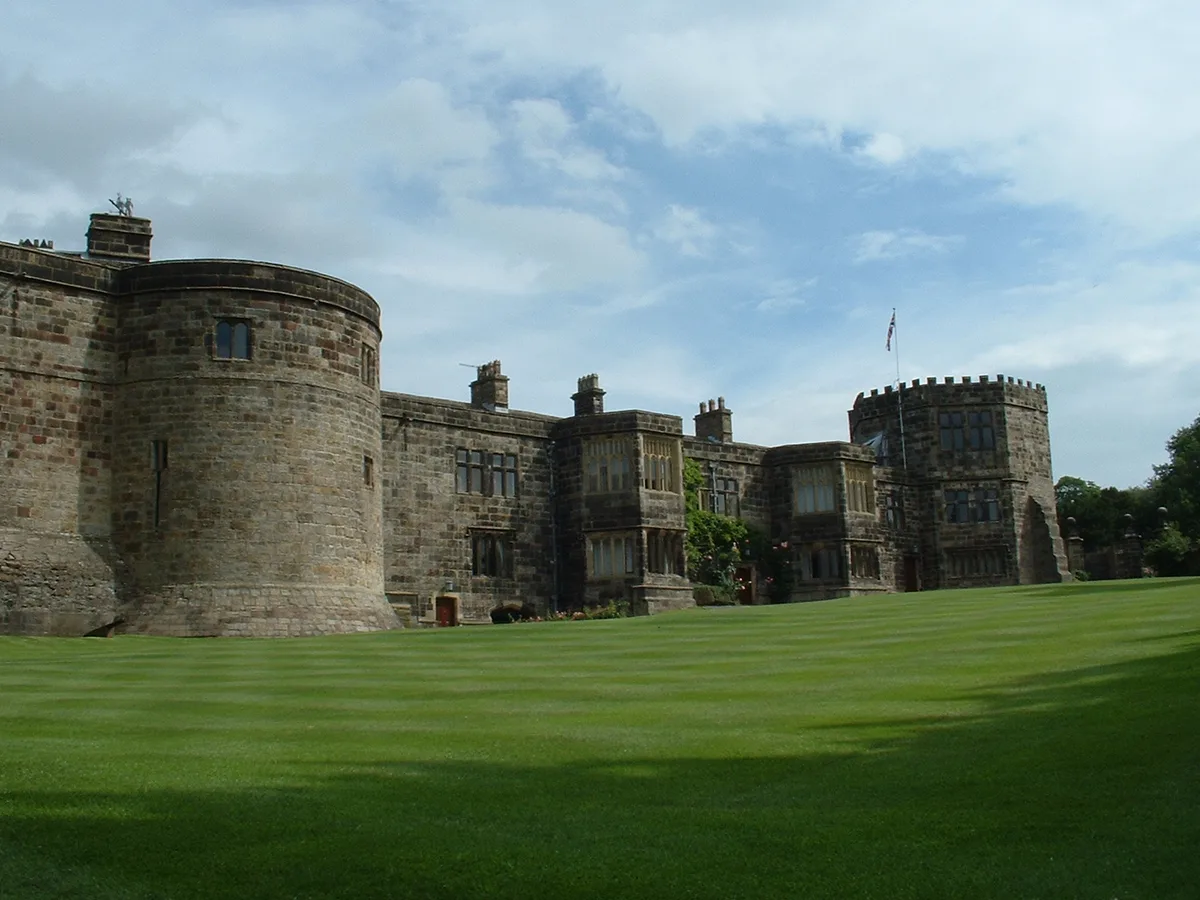 📷 5
📷 5Castles · Yorkshire & the Humber
Skipton Castle
Skipton Castle — Grade I listed historic house museum in Skipton, North Yorkshire, England, UK.
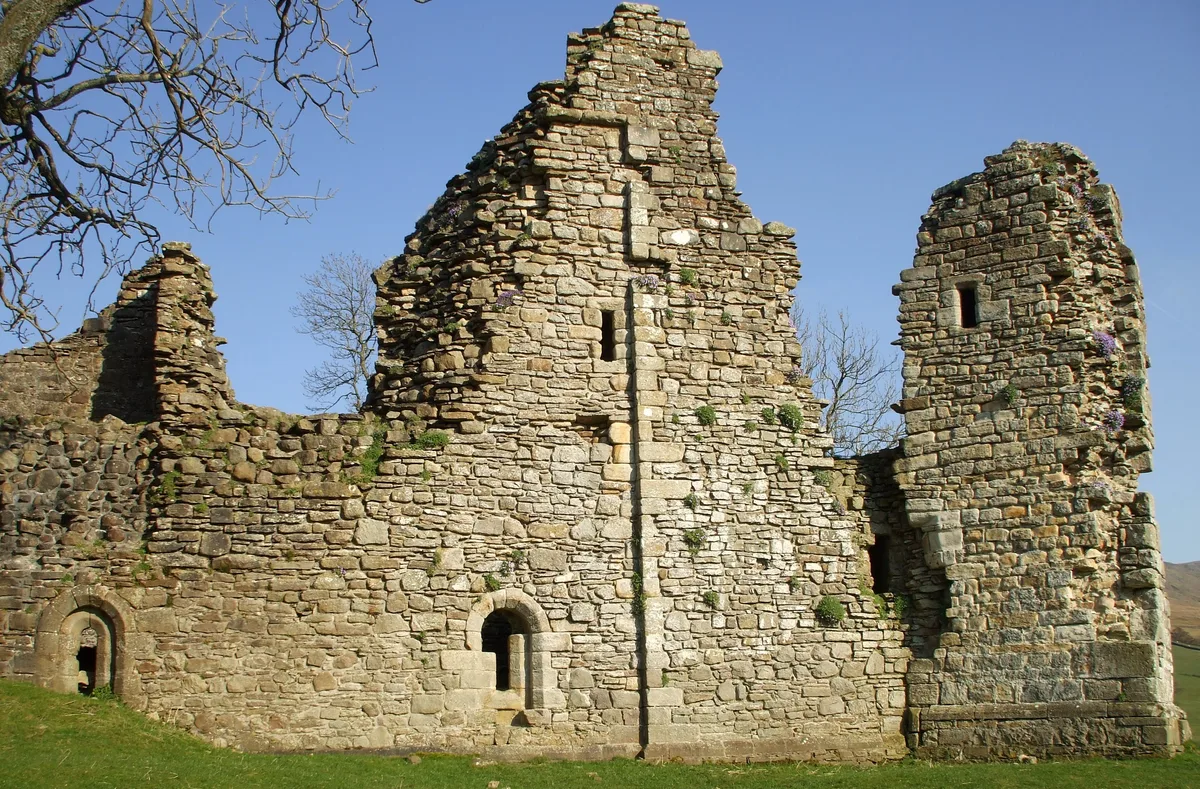 📷 3
📷 3Castles · North West England
Pendragon Castle
Pendragon Castle — Grade I listed castle in Mallerstang, United Kingdom.
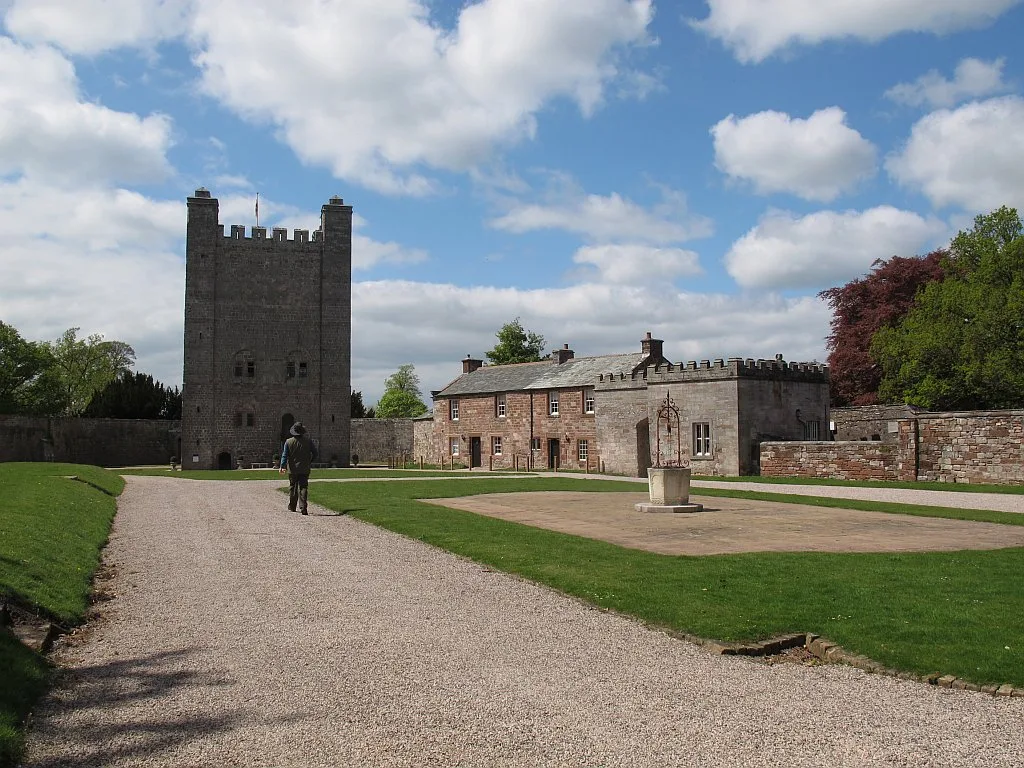 📷 5
📷 5Castles · North East England
Appleby Castle
Appleby Castle — Grade I listed English country house in Appleby-in-Westmorland, United Kingdom.
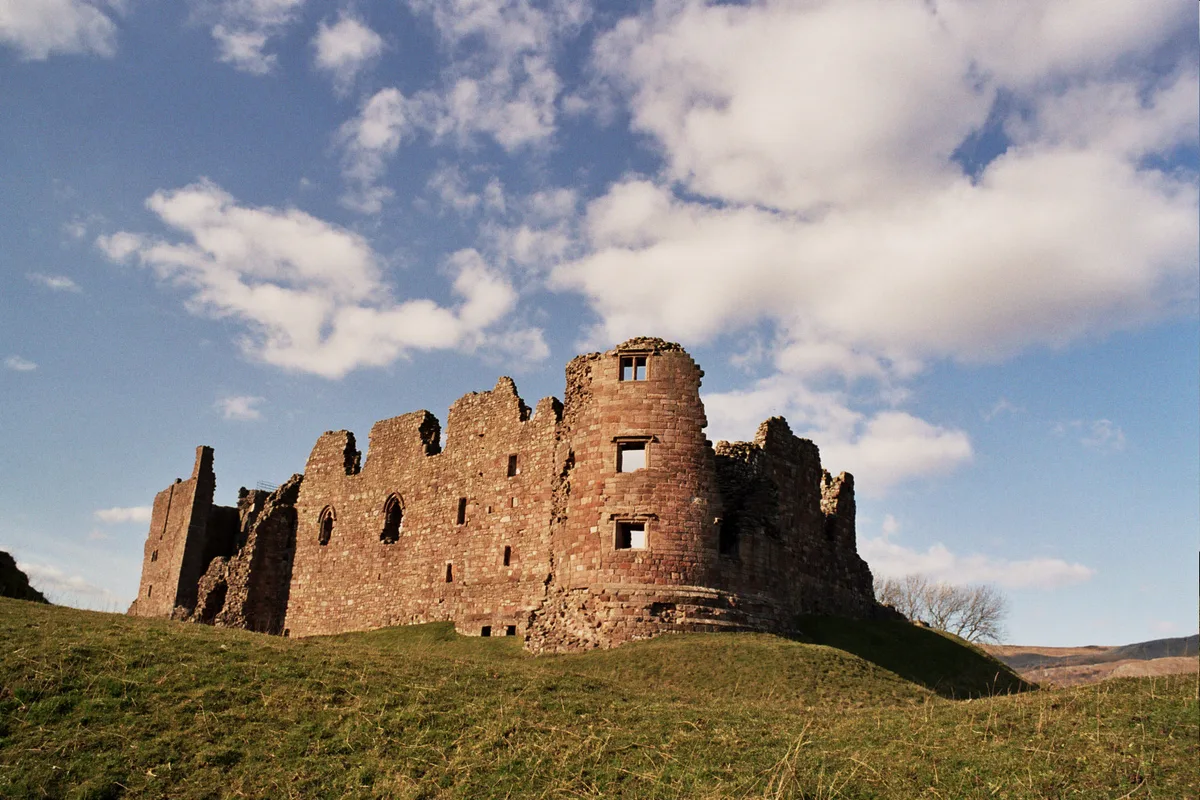 📷 5
📷 5Castles · North East England
Brough Castle
Brough Castle — castle in Cumbria, England, UK.
More places run by English Heritage
 Flagship📷 10
Museums · London
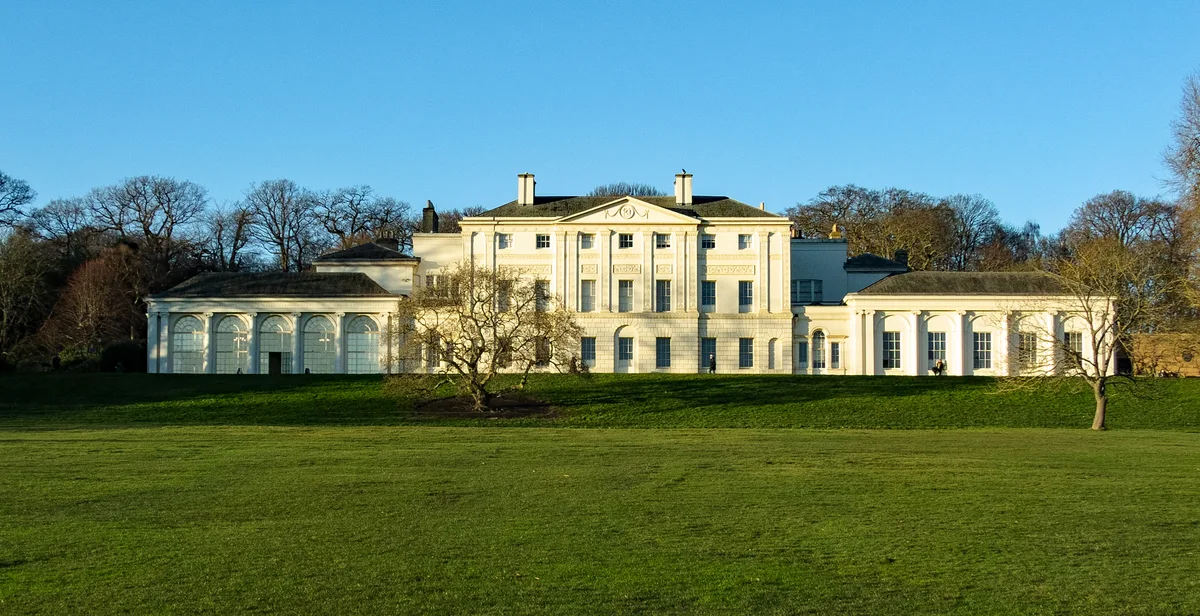
Kenwood House
Kenwood House — art museum and historic house in Hampstead, London.
 📷 5
📷 5Galleries · London
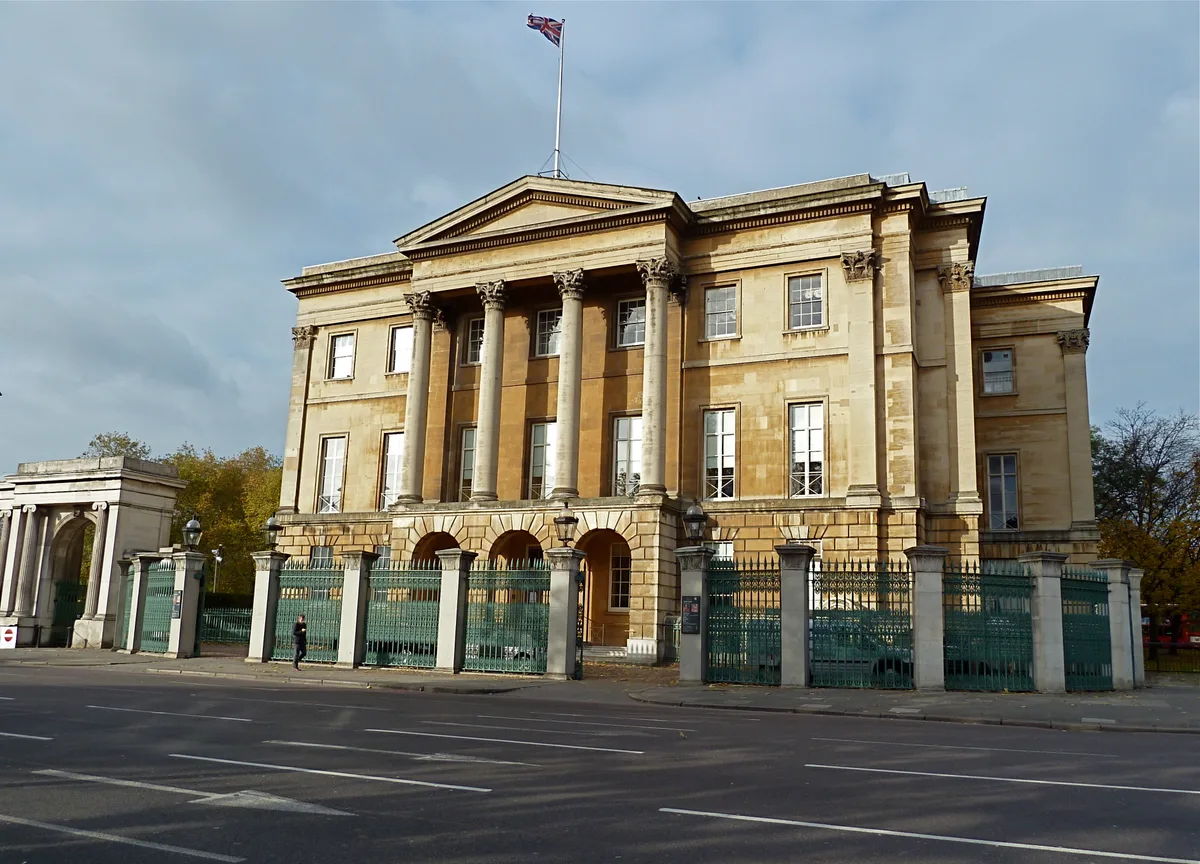
Apsley House
Apsley House — London townhouse of the Dukes of Wellington.
 📷 5
📷 5Castles · London
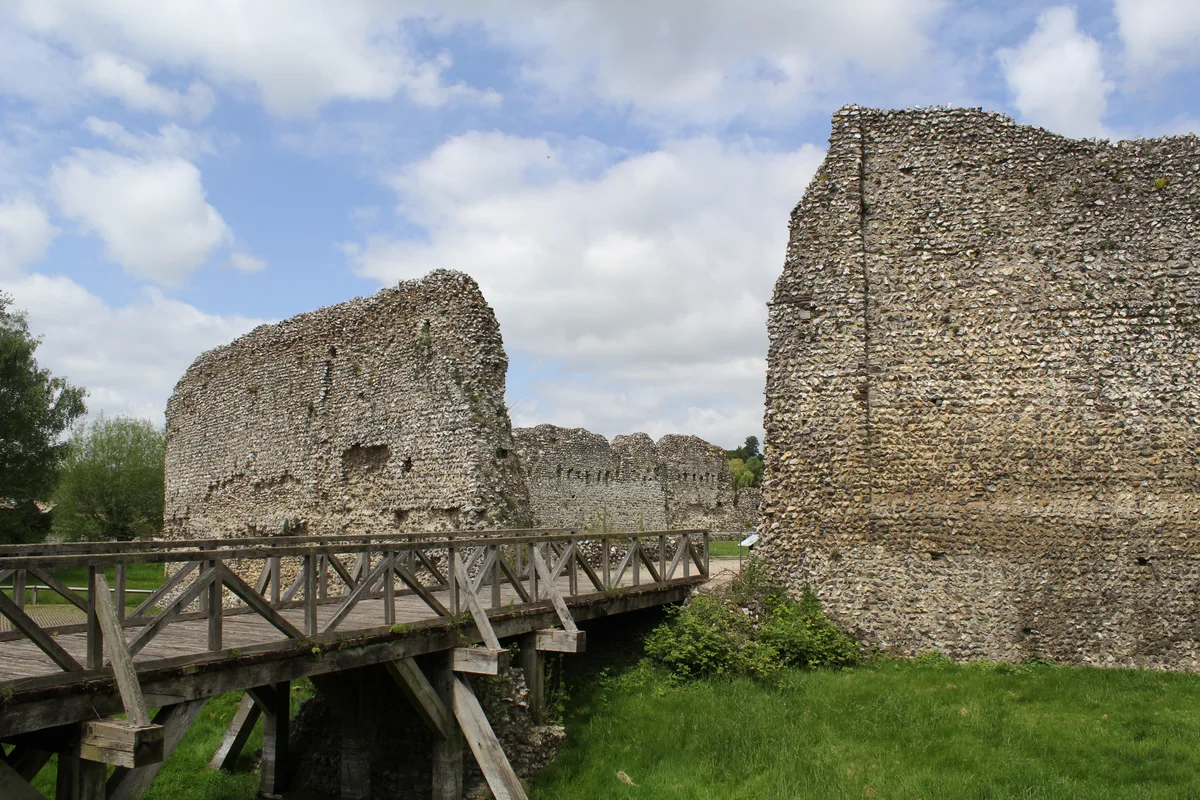
Eynsford Castle
Eynsford Castle — castle, now ruinous, in Eynsford, Kent, England, UK.
 📷 5
📷 5Museums · London
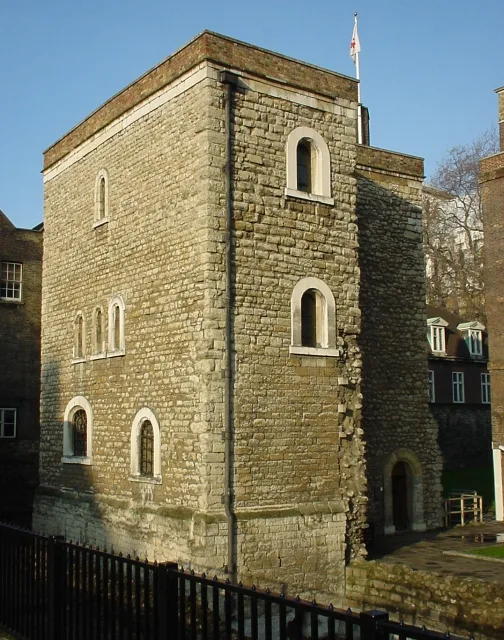
Jewel Tower
Jewel Tower — medieval tower in Westminster, London, England, UK.
More castles in this region
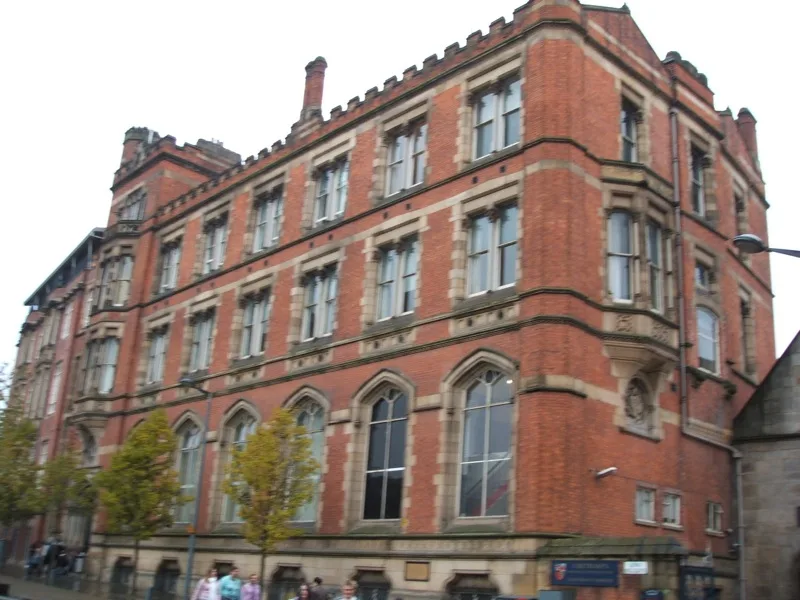 📷 3
📷 3Castles · North West England
Manchester Castle
Manchester Castle — medieval fortified manor house in England.
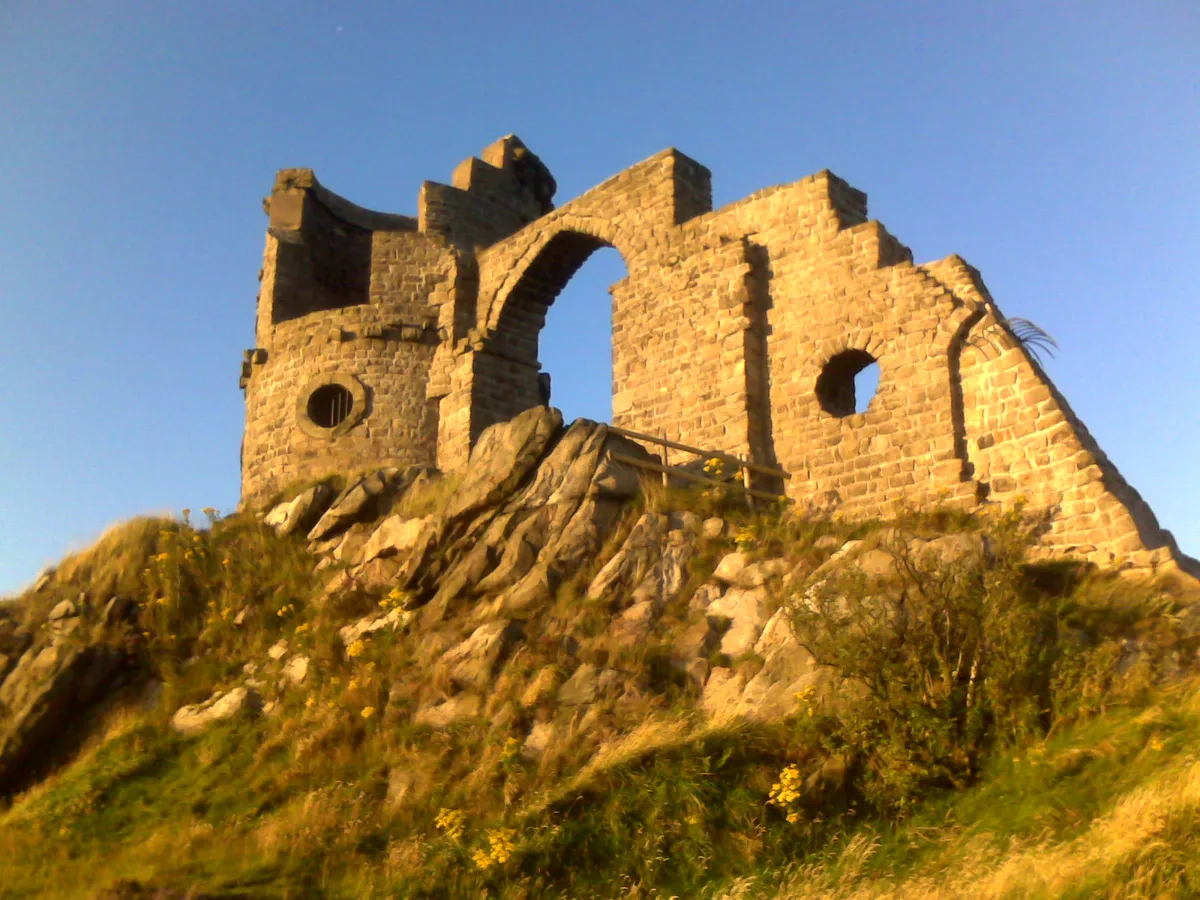 📷 5
📷 5Castles · North West England
Mow Cop Castle
Mow Cop Castle — folly on the Cheshire and Staffordshire border, England, UK.
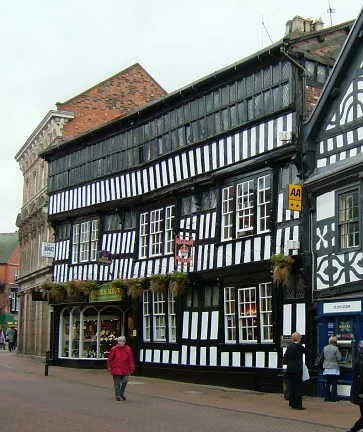 📷 3
📷 3 📷 3
📷 3Castles · North West England
Ullerwood Castle
Ullerwood Castle — castle in Greater Manchester, England.
Frequently asked questions
- Where is Brougham Castle?
- Brougham Castle is in North-West England, United Kingdom (postcode CA10 2AA), in the parish of Penrith.
- What is Brougham Castle?
- Brougham Castle — castle near Penrith in Cumbria, England, UK.
- How do I get to Brougham Castle?
- The nearest railway station is Penrith (North Lakes), about 2.8 km away. The nearest town is Eamont Bridge. Drivers can use postcode CA10 2AA.
- Who owns Brougham Castle?
- Brougham Castle is owned by Anne Clifford and operated by English Heritage.
- Is Brougham Castle a listed building?
- Brougham Castle is officially recognised as part of a Scheduled Monument listed.
- Is Brougham Castle a protected site?
- Yes — Brougham Castle is part of the River Eden and Tributaries SSSI Site of Special Scientific Interest and the North Pennines National Landscape (AONB).
- Does Brougham Castle charge admission?
- Brougham Castle typically charges admission. Check the official site for current ticket prices and opening hours.
- How do I get to Brougham Castle?
- The nearest railway station is Penrith (North Lakes), about 2.8 km away. Drivers can navigate to postcode CA10 2AA.