
Castles · North East England
Brough Castle
In or near Helbeck.
Brough Castle — castle in Cumbria, England, UK.

Wikimedia Commons contributors — see linked file page for photographer and licence licence

Plan your visit
- Typical visit
- 1.5 h–3 h
- Nearest railway station
- Warcop · 4.1 km
- Free entry
- Family-friendly
- Limited wheelchair access
Getting there & planning your visit
To visit Brough Castle, the nearest railway station is Warcop, located 4.1 km away. Entry is paid, and wheelchair accessibility is limited. The postcode for sat-nav is CA17 4EJ.
About
Brough Castle is a castle in the United Kingdom — fortified architecture from the medieval, Tudor, or Victorian-revival period. Records date its origin to 1092. Designed by Anne Clifford. Heritage designation: part of a Scheduled Monument. Owned by William II of England. Managed by English Heritage. Part of Brough Castle and Brough (Verterae) Roman fort and civil settlement. Wikidata describes it as: "castle in Cumbria, England, UK". Coordinates: 54.5218°, -2.3235°.
Photo gallery
From English Heritage
Starkly impressive Brough Castle stands on a ridge commanding strategic Stainmore Pass, on the site of a Roman fort.
Read more on the official property page.
Protected designations
- Site of Special Scientific Interest: River Eden and Tributaries SSSI
- Area of Outstanding Natural Beauty: North Pennines
Designations sourced from Natural England open data under OGL v3.
From the Wikipedia article
Brough Castle is a ruined castle in the village of Brough, Cumbria, England. The castle was built by William Rufus around 1092 within the old Roman fort of Verterae to protect a key route through the Pennine Mountains. The initial motte and bailey castle was attacked and destroyed by the Scots in 1174 during the Great Revolt against Henry II. Rebuilt after the war, a square keep was constructed and the rest of the castle converted to stone. The Clifford family took possession of Brough after the Second Barons' War in the 1260s; they built Clifford's Tower and undertook a sequence of renovations to the castle, creating a fortification in a typical northern English style. In 1521, however, Henry Clifford held a Christmas feast at the castle, after which a major fire broke out, destroying the property. The castle remained abandoned until Lady Anne Clifford restored the property between 1659 and 1661, using it as one of her northern country homes. In 1666 another fire broke out, once again rendering the castle uninhabitable. Brough Castle went into sharp decline and was stripped first of its fittings and then its stonework. The castle's masonry began to collapse around 1800. In 1921, Brough Castle was given to the state and is now run by English Heritage as a tourist attraction. It is a listed building and a scheduled monument.
Excerpt from Wikipedia under CC BY-SA 4.0. See the source article linked in Sources below.
- Coordinates
- 54.5218, -2.3235
- District
- Westmorland and Furness
- Parish
- Brough
- Postcode
- CA17 4EJ
- Parliamentary constituency
- Westmorland and Lonsdale
- Established
- 1092
- Nearest railway station
- Warcop — 4.1 km
- Opening
- Daily 10am–5pm; closed 24–26 Dec and 1 Jan
- Official site
- www.english-heritage.org.uk
Sources
- wikidata: Q2351225 (CC0)
- wikipedia: Brough Castle (CC BY-SA 4.0)
- commons: BroughCastleSE.jpg (CC BY-SA 4.0)
Other places nearby

Bridge House, Opposite Ford Bridge
Historic bridges · 0.2 km

Brough Pinfold
Public art & sculpture · 0.3 km

Brough
Other places · 0.5 km

Verterae
Castles · 0.6 km

Bridge Over Swindle Beck To South Of Mill House
Historic bridges · 0.8 km

Brough Sowerby
Other places · 1.4 km

Augill Castle
Hotels · 1.4 km
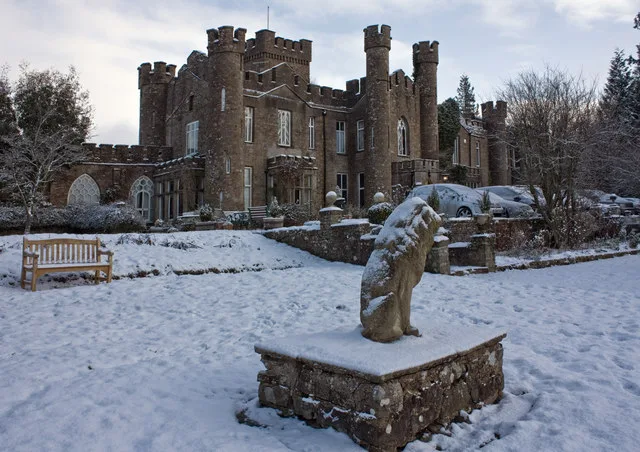
Augill Castle
Castles · 1.5 km

Helbeck
Towns & cities · 1.5 km

Thorny Hill
Mountains & hills · 1.8 km

Barnarm Scar
Mountains & hills · 2.1 km

Fox Tower
Castles · 2.2 km
Nearby
📷 3Historic bridges · North East England
Bridge House, Opposite Ford Bridge
Bridge House, Opposite Ford Bridge — Grade II listed building-listed bridge in england-north-east, United Kingdom.
📷 3Public art & sculpture · North East England
Brough Pinfold
Brough Pinfold — a public art in england-north-east, United Kingdom.
📷 5Other places · North East England
Brough
Brough in England North East, United Kingdom.
📷 4Castles · North East England
Verterae
Verterae in England North East, United Kingdom.
📷 3Historic bridges · North East England
Bridge Over Swindle Beck To South Of Mill House
Bridge Over Swindle Beck To South Of Mill House — Grade II listed building-listed bridge in england-north-east, United Kingdom.
📷 3Other places · North East England
Brough Sowerby
Brough Sowerby in England North East, United Kingdom.
Where to eat & stay near Brough Castle
Places to stay
📷 5Hotels · North East England
Augill Castle
Augill Castle — a hotel in england north east.
 📷 7
📷 7Hotels · North West England
The Pennine Hotel
The Pennine Hotel — a hotel in england north west.
 📷 7
📷 7Hotels · North West England
Black Bull Hotel
Black Bull Hotel — a hotel in england north west.
 📷 7
📷 7B&Bs · North West England
Fletcher House
Fletcher House — a bed-and-breakfast in england north west.
 📷 5
📷 5Hostels · North West England
Kirkby Stephen Hostel
Kirkby Stephen Hostel — a hostel in england north west.
 📷 5
📷 5Campsites · North West England
Pennine View Park
Pennine View Park — a campsite in england north west.
Places to eat & drink
📷 7Cafés · North West England
The White Hare Cafe
The White Hare Cafe — a café in england north west.
 📷 5
📷 5Historic pubs · North East England
1, Scattergate
1, Scattergate in England North East, United Kingdom.
 📷 5
📷 5 📷 5
📷 5Cafés · North West England
The Cross Keys Temperance Inn
The Cross Keys Temperance Inn — a café in england north west.
 📷 5
📷 5Historic pubs · Yorkshire & the Humber
Kings Head Inn
Kings Head Inn in England North West, United Kingdom.
Other works by Anne Clifford
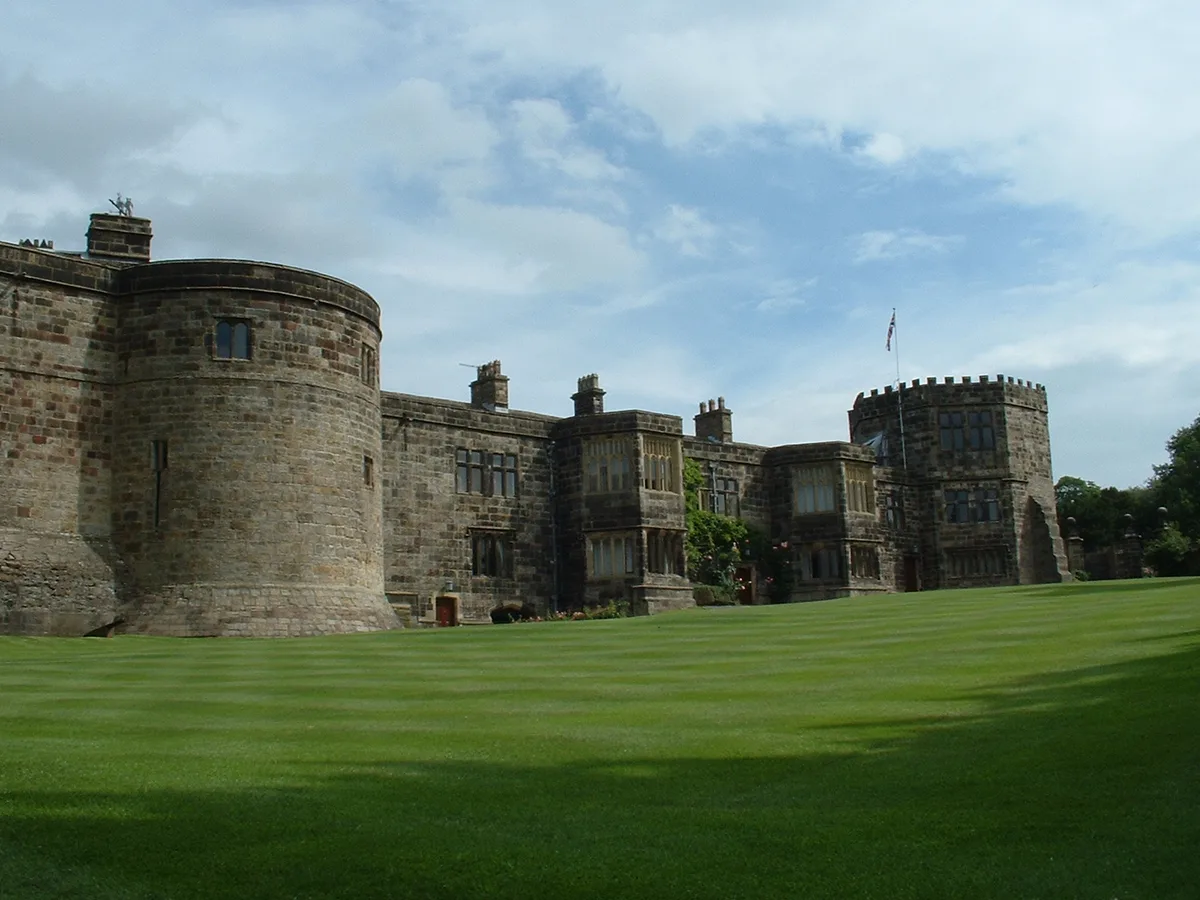 📷 5
📷 5Castles · Yorkshire & the Humber
Skipton Castle
Skipton Castle — Grade I listed historic house museum in Skipton, North Yorkshire, England, UK.
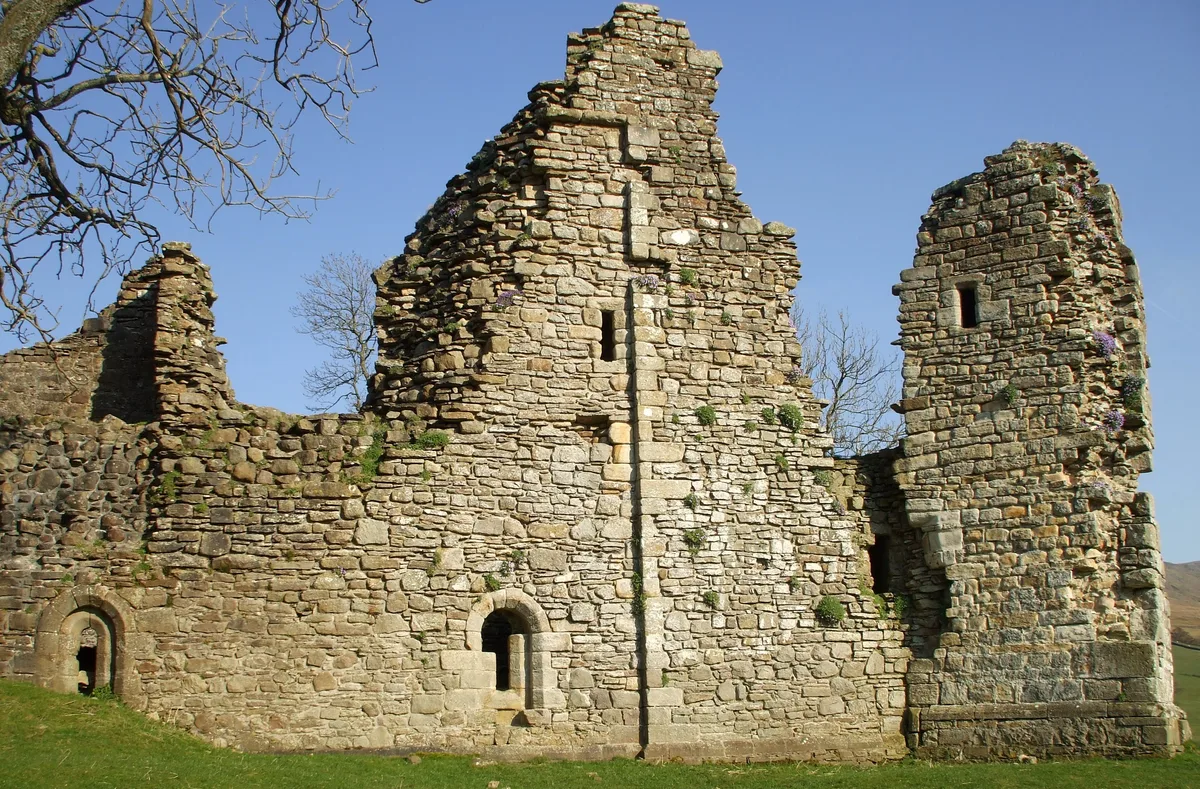 📷 3
📷 3Castles · North West England
Pendragon Castle
Pendragon Castle — Grade I listed castle in Mallerstang, United Kingdom.
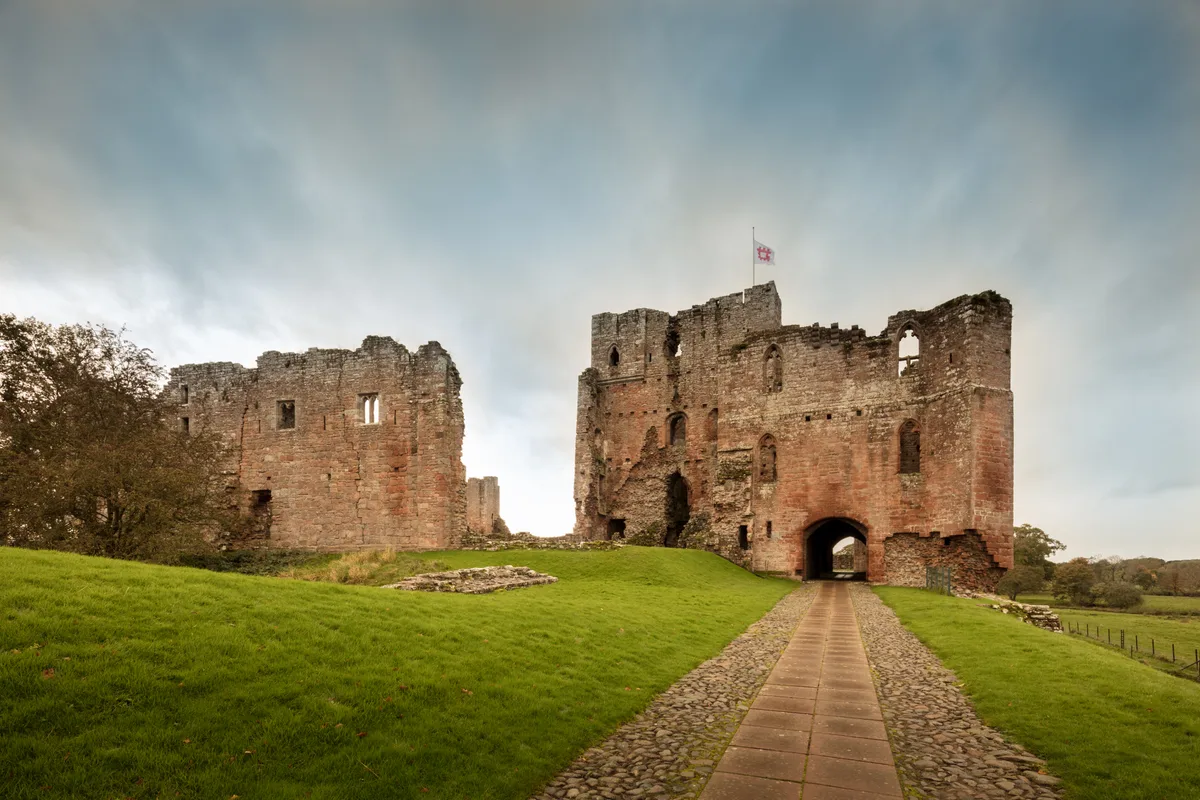 📷 5
📷 5Castles · North West England
Brougham Castle
Brougham Castle — castle near Penrith in Cumbria, England, UK.
 📷 5
📷 5Castles · North East England
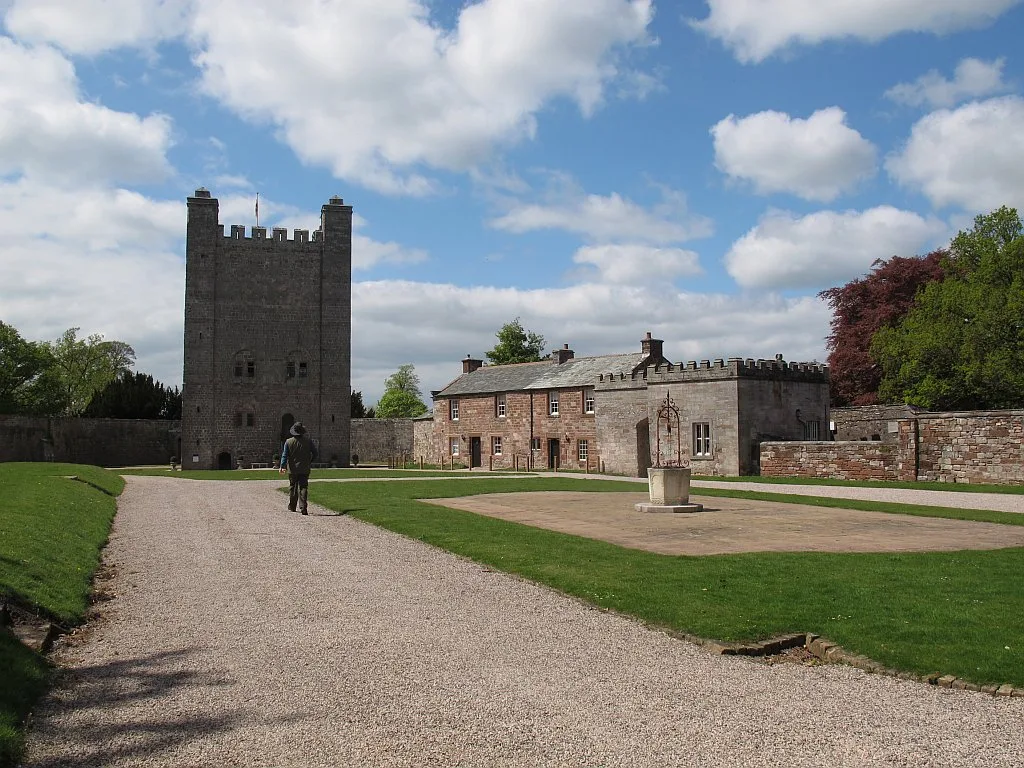
Appleby Castle
Appleby Castle — Grade I listed English country house in Appleby-in-Westmorland, United Kingdom.
More places run by English Heritage
 Flagship📷 10
Museums · London
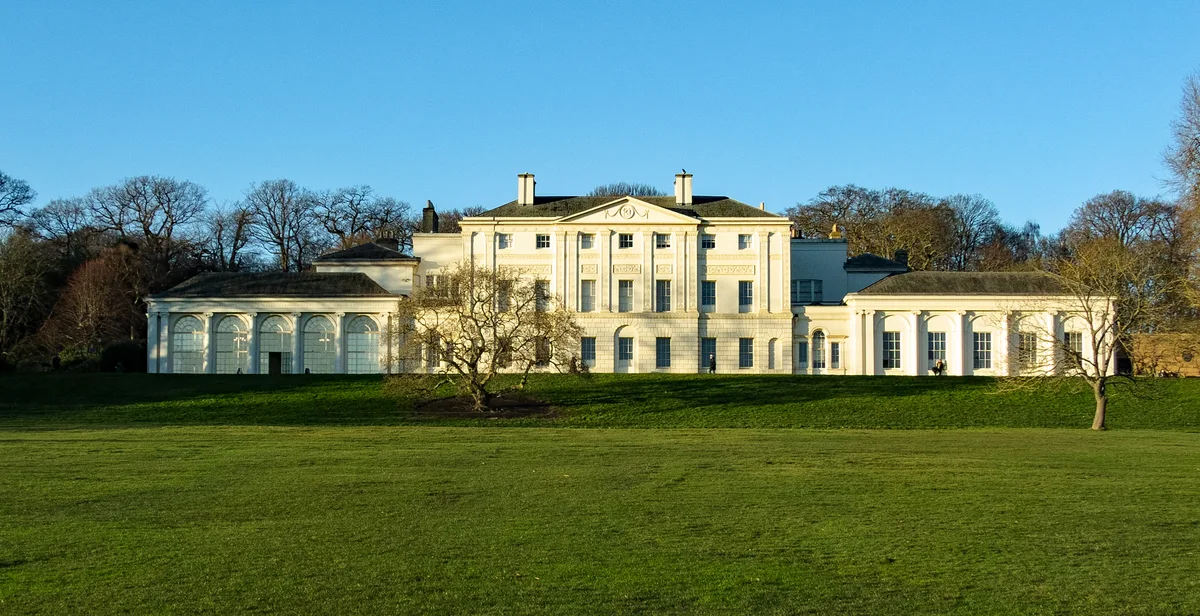
Kenwood House
Kenwood House — art museum and historic house in Hampstead, London.
 📷 5
📷 5Galleries · London
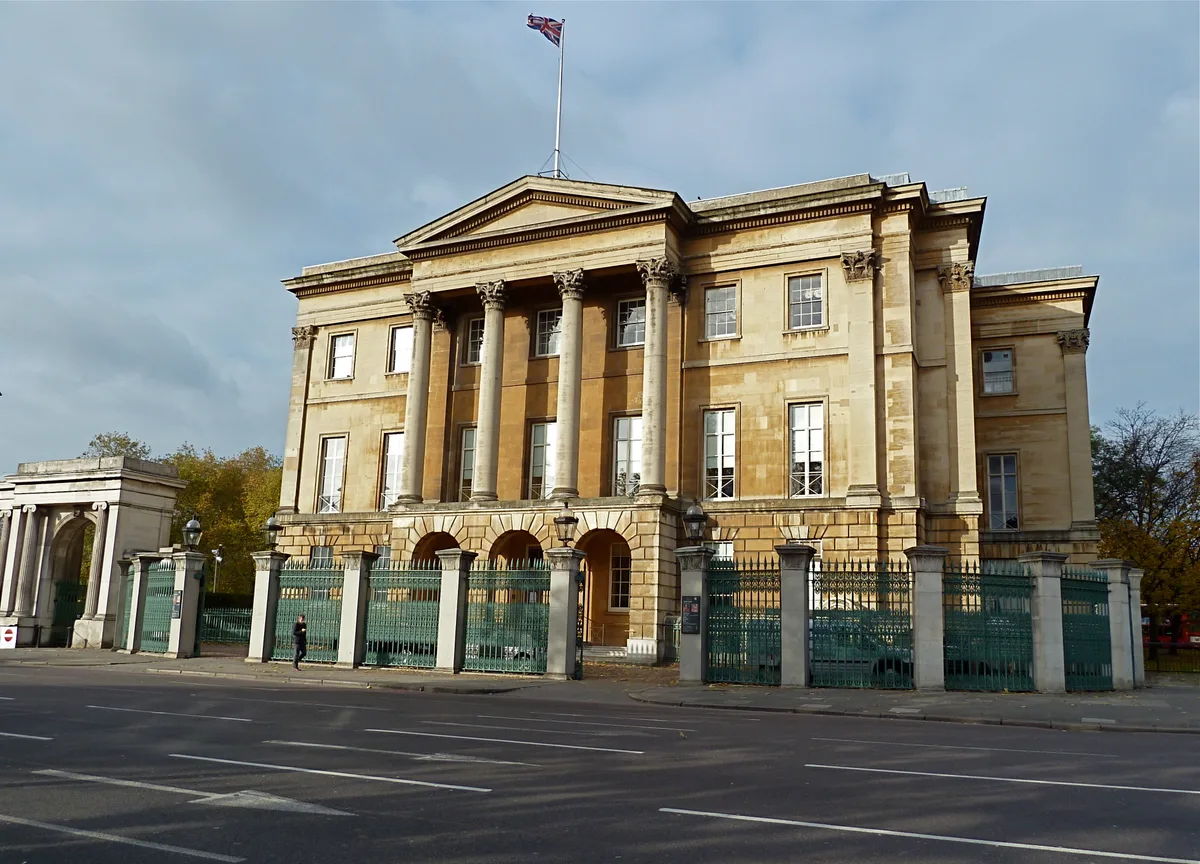
Apsley House
Apsley House — London townhouse of the Dukes of Wellington.
 📷 5
📷 5Castles · London
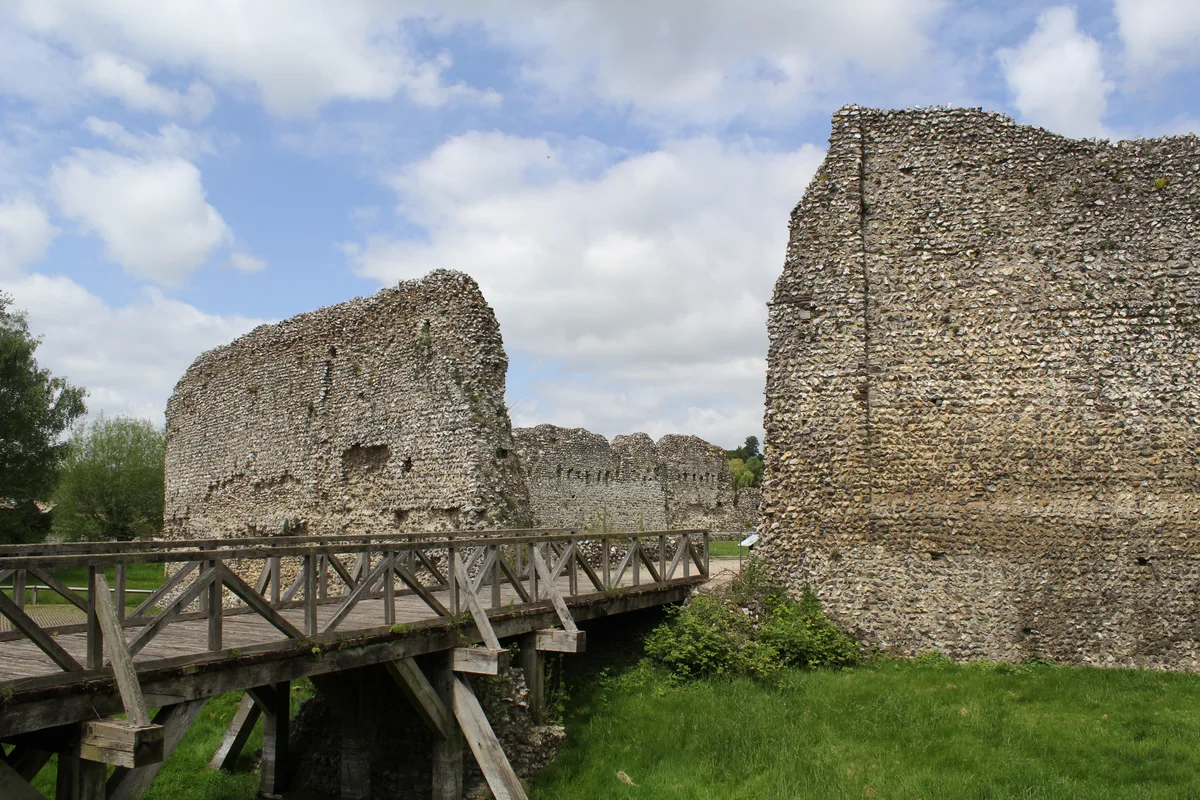
Eynsford Castle
Eynsford Castle — castle, now ruinous, in Eynsford, Kent, England, UK.
 📷 5
📷 5Museums · London
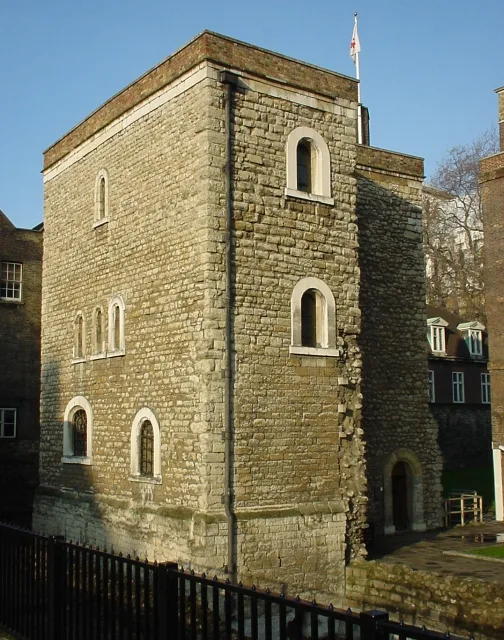
Jewel Tower
Jewel Tower — medieval tower in Westminster, London, England, UK.
Other castles from this era
 📷 5
📷 5Castles · South East England
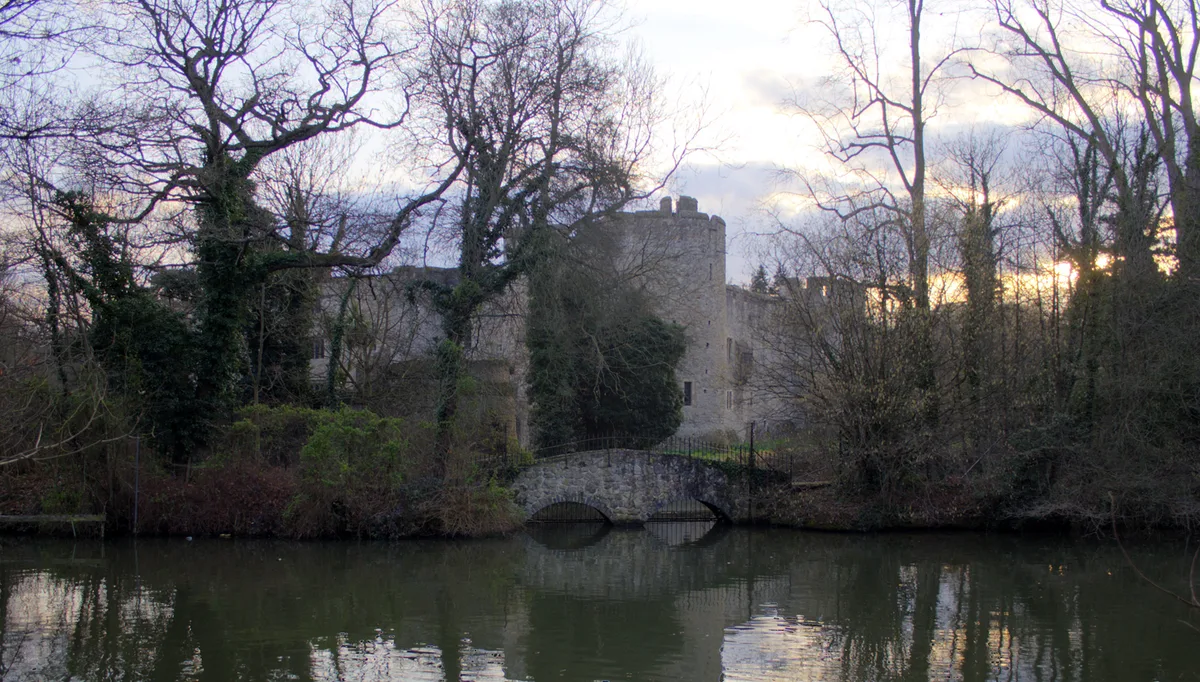
Allington Castle
Allington Castle — stone-built moated castle in Allington, England.
 📷 5
📷 5Castles · South East England
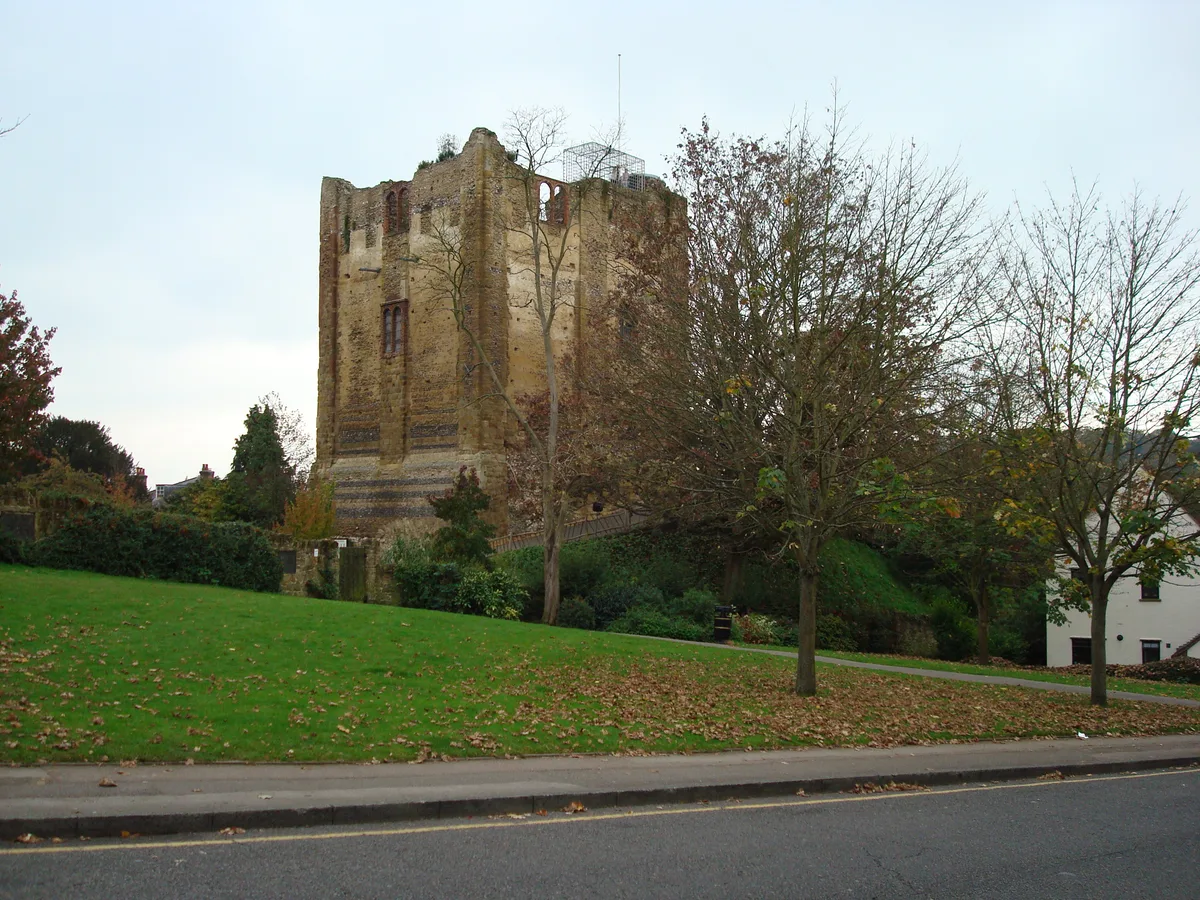
Guildford Castle
Guildford Castle — castle in Guildford, Surrey, England, UK.
 📷 5
📷 5Castles · South East England
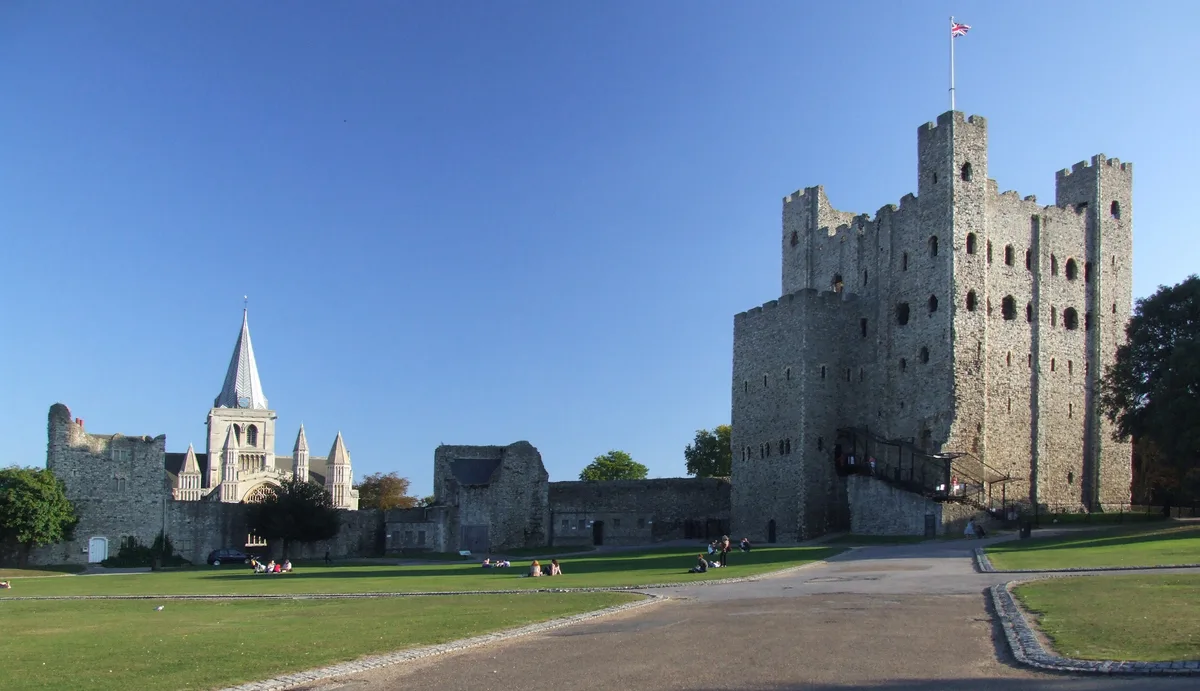
Rochester Castle
Rochester Castle — castle in Rochester, Kent, South East England.
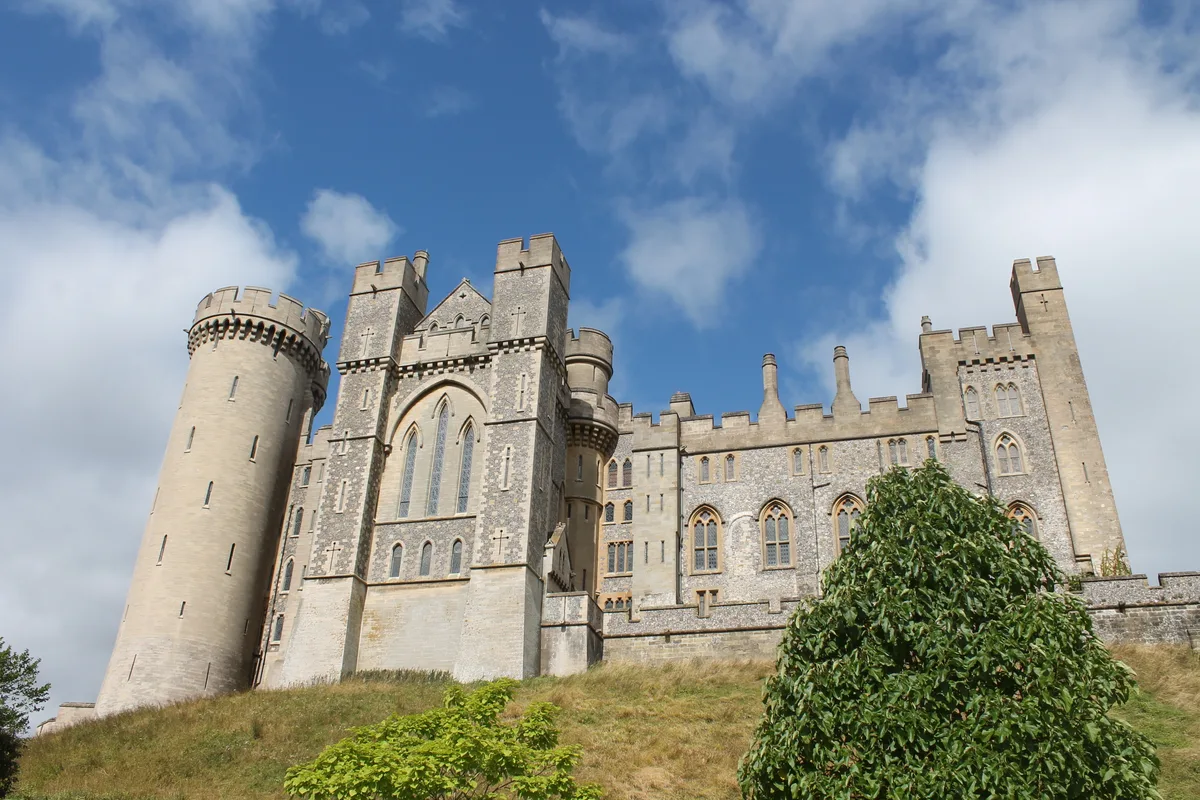 📷 5
📷 5Castles · South East England
Arundel Castle
Arundel Castle — castle in West Sussex, England, UK.
More castles in this region
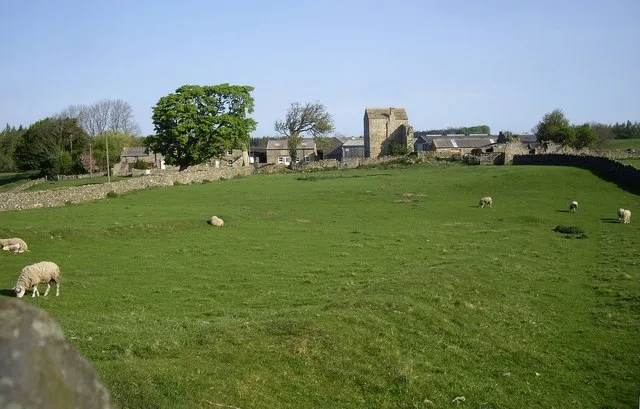 📷 3
📷 3Castles · North East England
Scargill Castle
Scargill Castle — house in Scargill, County Durham, England, UK.
 📷 3
📷 3Castles · North East England
Roper Castle or Round Table (Roman Signal Station)
Roper Castle or Round Table (Roman Signal Station) — a castle in england-north-west, United Kingdom.
 📷 5
📷 5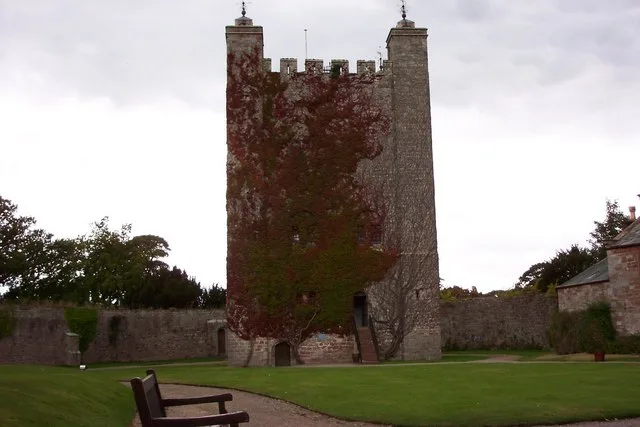 📷 3
📷 3Castles · North East England
Appleby Castle, uninhabited portions
Appleby Castle, uninhabited portions — castle in Appleby-in-Westmorland, Cumbria, England, UK.
Frequently asked questions
- Where is Brough Castle?
- Brough Castle is in North-East England, United Kingdom (postcode CA17 4EJ), in the parish of Brough.
- What is Brough Castle?
- Brough Castle — castle in Cumbria, England, UK.
- How do I get to Brough Castle?
- The nearest railway station is Warcop, about 4.1 km away. The nearest town is Helbeck. Drivers can use postcode CA17 4EJ.
- When was Brough Castle built?
- Built or established in 1092. Designed by Anne Clifford.
- Who owns Brough Castle?
- Brough Castle is owned by William II of England and operated by English Heritage.
- Is Brough Castle a listed building?
- Brough Castle is officially recognised as part of a Scheduled Monument listed.
- Is Brough Castle a protected site?
- Yes — Brough Castle is part of the River Eden and Tributaries SSSI Site of Special Scientific Interest and the North Pennines National Landscape (AONB).
- Is Brough Castle free to visit?
- Yes, Brough Castle is free to enter.