
Natural landmarks · Northern Ireland
Audleystown Court Cairn
In or near Strangford.
Audleystown Court Cairn in Northern Ireland, United Kingdom.

Eric Jones — CC BY-SA 2.0 via Wikimedia Commons licence

Plan your visit
- Typical visit
- 1 h–2 h
- Nearest railway station
- Delamont · 5.2 km
- Free entry
- Dog-friendly
About
Audleystown Court Cairn is a place of interest in Northern Ireland, United Kingdom — drawn from open-data sources for visitor reference. See the linked Wikipedia article for the full description.
Photo gallery
Official information
Audleystown Cairn is a dual court tomb located in Strangford, Northern Ireland. Discovered in 1946 and excavated in 1952, it features a trapezoidal long cairn with four-chambered galleries and burial deposits, including human and animal remains.
From the Wikipedia article
The Audleystown Court Tomb is a Neolithic dual court tomb located in Ballyculter parish, near the southern shore of Strangford Lough in County Down, Northern Ireland. The tomb was built around 3900–3500 BCE. It was first excavated by archaeologist A.E. Collins in 1952. The Audleystown court tomb has a double courtyard-double burial chamber layout, which is unique to Ireland.
Excerpt from Wikipedia under CC BY-SA 4.0. See the source article linked in Sources below.
Background
History
Court-tombs are among the earliest megalithic monuments to be built in Ireland and Scotland. During the period 3900–3500 BCE, more than 390 court cairns were constructed in Ireland and over 100 in southwest Scotland. The Neolithic monuments are identified by an uncovered courtyard connected to one or more roofed and partitioned burial chambers. Court tombs were possibly built in multiple phases and later re-used in the Early Bronze Age. Courts were built in a variety of shapes, with oval or circular forms predominating.
Description
Audleystown court tomb is a dual-court tomb, with a layout which is unique to Ireland. Court tombs typically have a single courtyard and one gallery of compartmentalized burial areas, which are usually located at the wide end of the cairn. In dual-court tombs a court and a gallery are placed at each end of the cairn, as in Audleystown and Cohaw. In 1952, as part of the Archaeological Survey of Northern Ireland, A.E.P ('Pat') Collins, conducted the first archeological excavation of the Audleystown tomb and published his findings in 1954. The Ministry of Finance assumed guardianship of the site and declared it an ancient monument. After the 1952 excavation, the burial galleries were filled…
Sourced from Wikipedia under CC BY-SA 4.0.
- Coordinates
- 54.3778, -5.5970
- District
- Newry, Mourne and Down
- Postcode
- BT30 7LP
- Parliamentary constituency
- Strangford
- Phone
- 028 9082 3207
- Nearest railway station
- Delamont — 5.2 km
- Official site
- www.communities-ni.gov.uk
Sources
- wikidata: Q758951 (CC0)
- wikipedia: Audleystown Court Tomb (CC BY-SA 4.0)
Other places nearby
Audleystown Cairn
Burial mounds & barrows · 0.0 km

Audleystown Cairn
Archaeological sites · 0.0 km

The Temple Above Temple Water
Follies · 1.1 km

Castle Ward
Castles · 1.3 km

Old Castle Ward
Literary houses · 1.3 km
Winterfell Castle Courtyard
Castles · 1.3 km

Castleward Forest
Archaeological sites · 1.4 km

Castle Ward House
Castles · 1.5 km

Castle Ward
Castles · 1.6 km
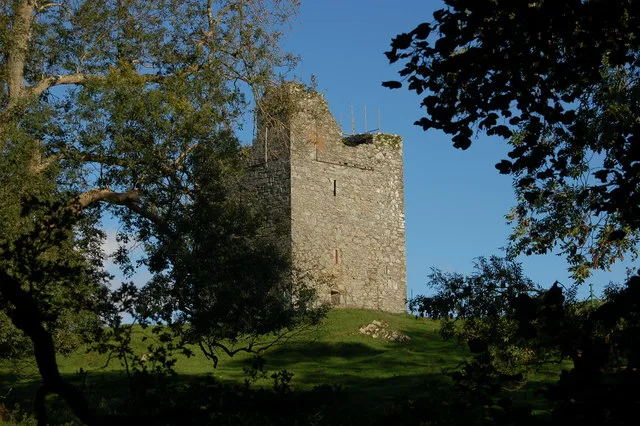
Audley's Castle
Castles · 1.6 km

Inner Lees
Museums · 2.1 km

Castle Ward Caravan Park
Campsites · 2.3 km
Nearby
📷 3Burial mounds & barrows · Northern Ireland
Audleystown Cairn
Audleystown Cairn — a burial mound in northern-ireland, United Kingdom.
📷 5Archaeological sites · Northern Ireland
Audleystown Cairn
Audleystown Cairn — archaeological in northern ireland.
📷 5Follies · Northern Ireland
The Temple Above Temple Water
The Temple Above Temple Water — a temple folly in northern-ireland, United Kingdom.
📷 5📷 5Literary houses · Northern Ireland
Old Castle Ward
16th/17th century tower house at Castle Ward near Strangford, County Down, Northern Ireland
Castles · Northern Ireland
Winterfell Castle Courtyard
Winterfell Castle Courtyard — a castle in northern ireland.
Where to eat & stay near Audleystown Court Cairn
Places to stay
📷 5Campsites · Northern Ireland
Castle Ward Caravan Park
Castle Ward Caravan Park — a campsite in northern ireland.
 📷 5
📷 5Caravan parks · Northern Ireland
Strangford Holiday Park
Strangford Holiday Park — a caravan park in northern ireland.
 📷 5
📷 5Campsites · Northern Ireland
Delamont Country Park
Delamont Country Park — a campsite in northern ireland.
 📷 5
📷 5Campsites · Northern Ireland
EDYC Caravan and Camping Area
EDYC Caravan and Camping Area — a campsite in northern ireland.
 📷 4
📷 4Caravan parks · Northern Ireland
Quoile Yacht Club Caravan Park
Quoile Yacht Club Caravan Park — a caravan park in northern ireland.
 📷 3
📷 3Campsites · Northern Ireland
The Lodge at Quarterland Bay Camp Site
The Lodge at Quarterland Bay Camp Site — a campsite in northern ireland.
More natural landmarks in this region
 Flagship📷 4
Natural landmarks · Northern Ireland
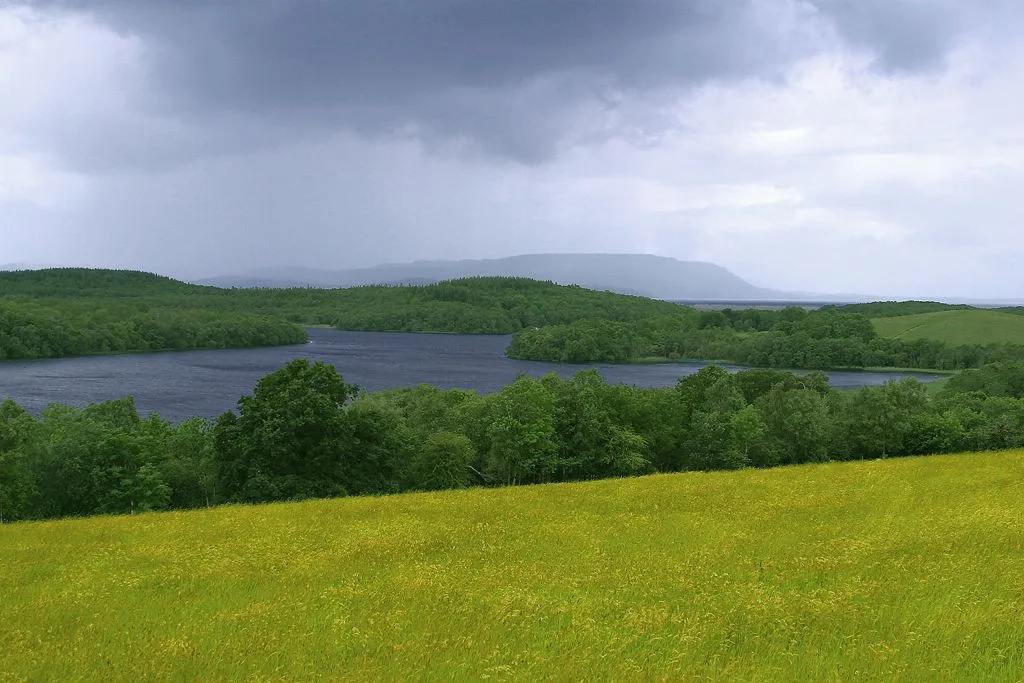
Lough Erne
Lough Erne — lake in County Fermanagh, Northern Ireland, UK.
 Flagship📷 4
Natural landmarks · Northern Ireland
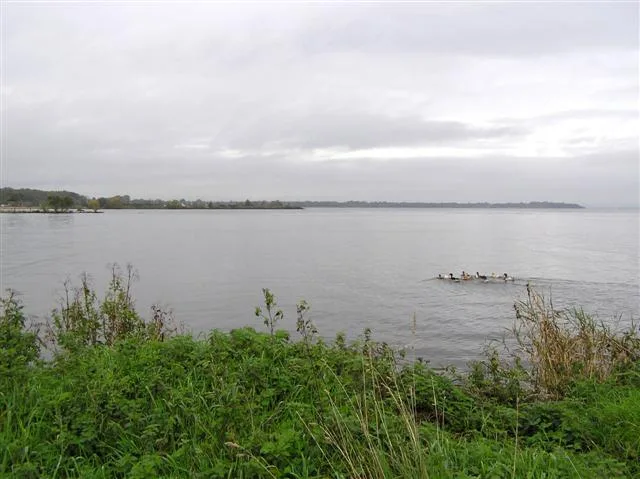
Lough Neagh
Lough Neagh — large lake in Northern Ireland.
 📷 3
📷 3Natural landmarks · Northern Ireland
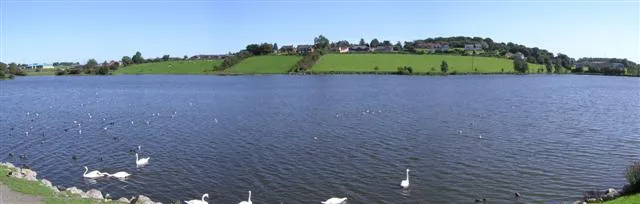
Ballysaggart Lough
Ballysaggart Lough — lake in the United Kingdom.
 📷 5
📷 5Natural landmarks · Northern Ireland
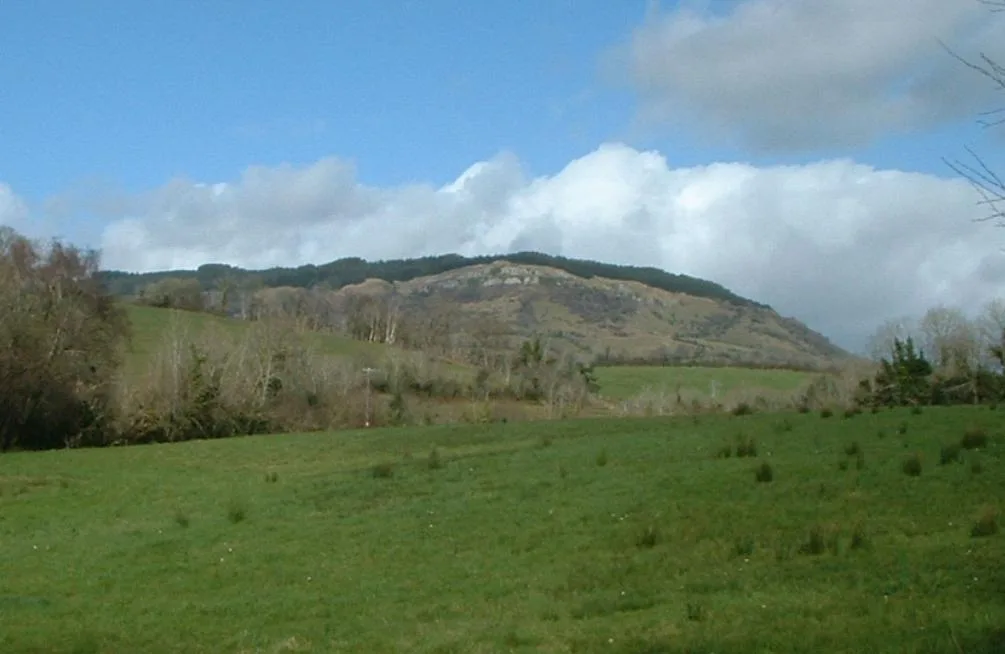
Belmore Mountain
Belmore Mountain — mountain in the United Kingdom.
Frequently asked questions
- Where is Audleystown Court Cairn?
- Audleystown Court Cairn is in Northern Ireland, United Kingdom (postcode BT30 7LP).
- What is Audleystown Court Cairn?
- Audleystown Court Cairn in Northern Ireland, United Kingdom.
- How do I get to Audleystown Court Cairn?
- The nearest railway station is Delamont, about 5.2 km away. The nearest town is Strangford. Drivers can use postcode BT30 7LP.
- Is Audleystown Court Cairn free to visit?
- Yes, Audleystown Court Cairn is free to enter.
- How do I get to Audleystown Court Cairn?
- The nearest railway station is Delamont, about 5.2 km away. Drivers can navigate to postcode BT30 7LP.