
Cathedrals · South East England
Waverley Abbey
In or near Wrecclesham.
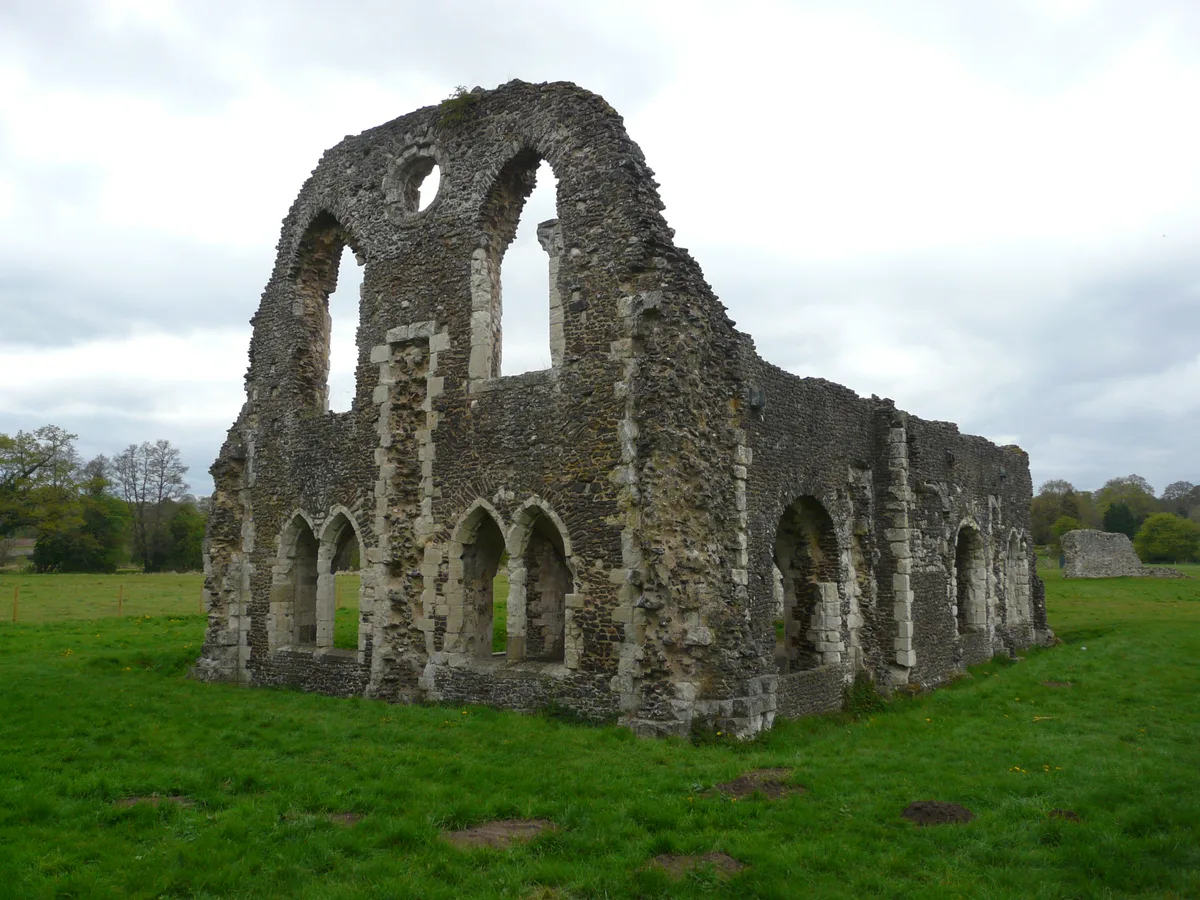
Waverley Abbey is a cathedral in the United Kingdom.

Len Williams — CC BY-SA 2.0 via Wikimedia Commons licence

Plan your visit
- Typical visit
- 1 h–2 h
- Best time of year
- Year-round
- Nearest railway station
- Mills Wood · 2.1 km
- Free entry
- Family-friendly
- Limited wheelchair access
Getting there & planning your visit
Waverley Abbey is located in Surrey, with the nearest railway station being Mills Wood, approximately 2.1 km away. The postcode for sat-nav is GU9 8EP. Accessibility is limited for wheelchair users.
About
Waverley Abbey is a cathedral in england south east, United Kingdom — the principal church of its diocese, dating from 1101. Cathedrals are seats of bishops in the Church of England, the Roman Catholic Church, and other Christian denominations across Britain.
Photo gallery
Official information
Waverley Abbey is the first Cistercian monastery established in Britain, founded in 1128. Visitors can explore the impressive ruins, including a 13th-century vaulted refectory, and see an ancient Yew tree believed to be centuries old.
Protected designations
- National Nature Reserve: WEALDEN HEATHS
- Area of Outstanding Natural Beauty: Surrey Hills
Designations sourced from Natural England open data under OGL v3.
From the Wikipedia article
Waverley Abbey was the first Cistercian abbey in England, founded in 1128 by William Giffard, the Bishop of Winchester. Located about 2 miles (3.2 km) southeast of Farnham, Surrey, it is situated on a flood-plain; surrounded by current and previous channels of the River Wey. It was damaged on more than one occasion by severe flooding, resulting in rebuilding in the 13th century. Despite being the first Cistercian abbey in England, and being motherhouse to several other abbeys, Waverley was "slenderly endowed" and its monks are recorded as having endured poverty and famine. The abbey was suppressed in 1536 as part of King Henry VIII's Dissolution of the Monasteries. Subsequently, largely demolished, its stone was reused in local buildings, likely including "Waverley Abbey House", which was built in 1723 in the northern portion of the former abbey precinct. Waverley Abbey House, the ruins of the abbey and the surrounding land are all part of a conservation area. The house is a Grade II* listed building and the ruins a scheduled monument. The ruins of the abbey are currently managed by English Heritage and open to the public.
Excerpt from Wikipedia under CC BY-SA 4.0. See the source article linked in Sources below.
Background
History
Waverley Abbey was founded by Bishop William Giffard on 24 November 1128. The first abbot and 12 monks were brought from L'Aumône Abbey in Normandy, France. Giffard endowed the new abbey with all the land within the parish of Waverley, two acres of meadow at Elstead, and gave the monks permission to cut wood from his woodland at Farnham. Giffard's successor as Bishop of Winchester, Henry of Blois (younger brother of King Stephen) donated a virgate (30 acres) of land at Wandford, and gave further rights at Farnham, with permission to "dig turf, heath, stone and sand". Henry's brother King Stephen granted the abbey land at Neatham, and ("at the request of his brother") freed the abbey from…
Description
, 1906.]] Only part of the abbey remains standing, with the ruins dating from the abbey's 13th-century reconstruction. Waverley Abbey House is protected as a Grade II* Listed Building, while the abbey ruins are a scheduled monument.
Visiting
Following the wars Waverley Abbey House became a nursing home. In 1983 it was purchased (and subsequently restored) by the Christian not-for-profit organisation, CWR.
Sourced from Wikipedia under CC BY-SA 4.0.
- Coordinates
- 51.2004, -0.7583
- County
- Surrey
- District
- Waverley
- Parish
- Farnham
- Postcode
- GU9 8EP
- Parliamentary constituency
- Farnham and Bordon
- Established
- 1101
- Nearest railway station
- Mills Wood — 2.1 km
- Opening
- Open any reasonable time during daylight hours
- Official site
- www.english-heritage.org.uk
Sources
- wikidata: Q1295286 (CC0)
- wikipedia: Waverley Abbey (CC BY-SA 4.0)
Other places nearby
Waverley Abbey
Abbeys & priories · 0.0 km

Herons Wey Campsite
Campsites · 0.5 km
Mother Ludlam's Cave
Mountains & hills · 0.5 km

Mother Ludlam's Cave
Caves · 0.5 km
Garners Field Campsite
Campsites · 0.6 km

Crooksbury Hill
Mountains & hills · 1.1 km

Moor Park
Gardens · 1.2 km
Crooksbury Hill
Mountains & hills · 1.2 km

Mubarak Mosque
Historic churches · 1.2 km
Masroor Hall
Historic churches · 1.2 km

Crooksbury Hill Trig Point
Viewpoints · 1.2 km

Moor Park
Historic houses · 1.4 km
Nearby
★ Iconic📷 5Abbeys & priories · South East England
Waverley Abbey
Waverley Abbey — Cistercian abbey in Surrey, England, UK.
📷 5Campsites · South East England
Herons Wey Campsite
Herons Wey Campsite — a campsite in england south east.
📷 5Mountains & hills · South East England
Mother Ludlam's Cave
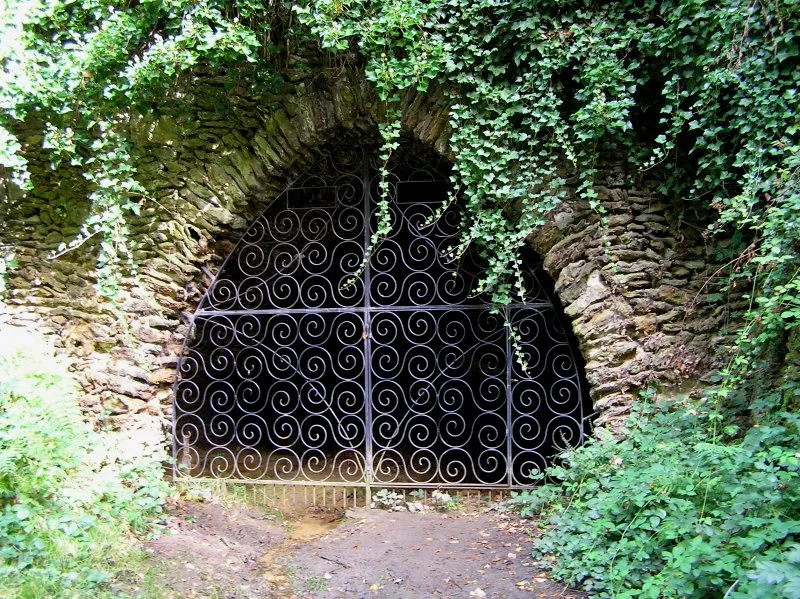
Mother Ludlam's Cave — cave in Farnham, Surrey, UK.
📷 5Caves · South East England
Mother Ludlam's Cave
Mother Ludlam's Cave is a cave in the United Kingdom.
📷 5Campsites · South East England
Garners Field Campsite
Garners Field Campsite — a campsite in england south east.
📷 5Mountains & hills · South East England
Crooksbury Hill
Crooksbury Hill — a hill or mountain in england south east.
Where to eat & stay near Waverley Abbey
Places to stay
📷 5Campsites · South East England
Herons Wey Campsite
Herons Wey Campsite — a campsite in england south east.
📷 5Campsites · South East England
Garners Field Campsite
Garners Field Campsite — a campsite in england south east.
 📷 5
📷 5 📷 5
📷 5Campsites · South East England
Waggoners
Waggoners — a campsite in england south east.
 📷 5
📷 5Hostels · South East England
Puttenham Barn Bunkhouse
Puttenham Barn Bunkhouse — a hostel in england south east.
 📷 5
📷 5Campsites · South East England
Runways End Outdoor Centre
Runways End Outdoor Centre — a campsite in england south east.
Places to eat & drink
 📷 7
📷 7Historic pubs · South East England
The Fox Public House
The Fox Public House in England South East, United Kingdom.
 📷 7
📷 7Historic pubs · South East England
William Cobbett Public House
William Cobbett Public House in England South East, United Kingdom.
 📷 7
📷 7Historic pubs · South East England
8 And 9 (The Queens Head), The Borough
8 And 9 (The Queens Head), The Borough in England South East, United Kingdom.
 📷 7
📷 7Restaurants · South East England
The Bengal Lounge
The Bengal Lounge — a restaurant in england south east.
 📷 5
📷 5Historic pubs · South East England
The Stag on the River
The Stag on the River in England South East, United Kingdom.
 📷 7
📷 7Historic pubs · South East England
The Star Public House
The Star Public House in England South East, United Kingdom.
More cathedrals in this region
 📷 5
📷 5Cathedrals · South East England
Old Minster
Old Minster — former Anglo-Saxon cathedral for the diocese of Wessex.
 📷 5
📷 5Cathedrals · South East England
Old Sarum Cathedral
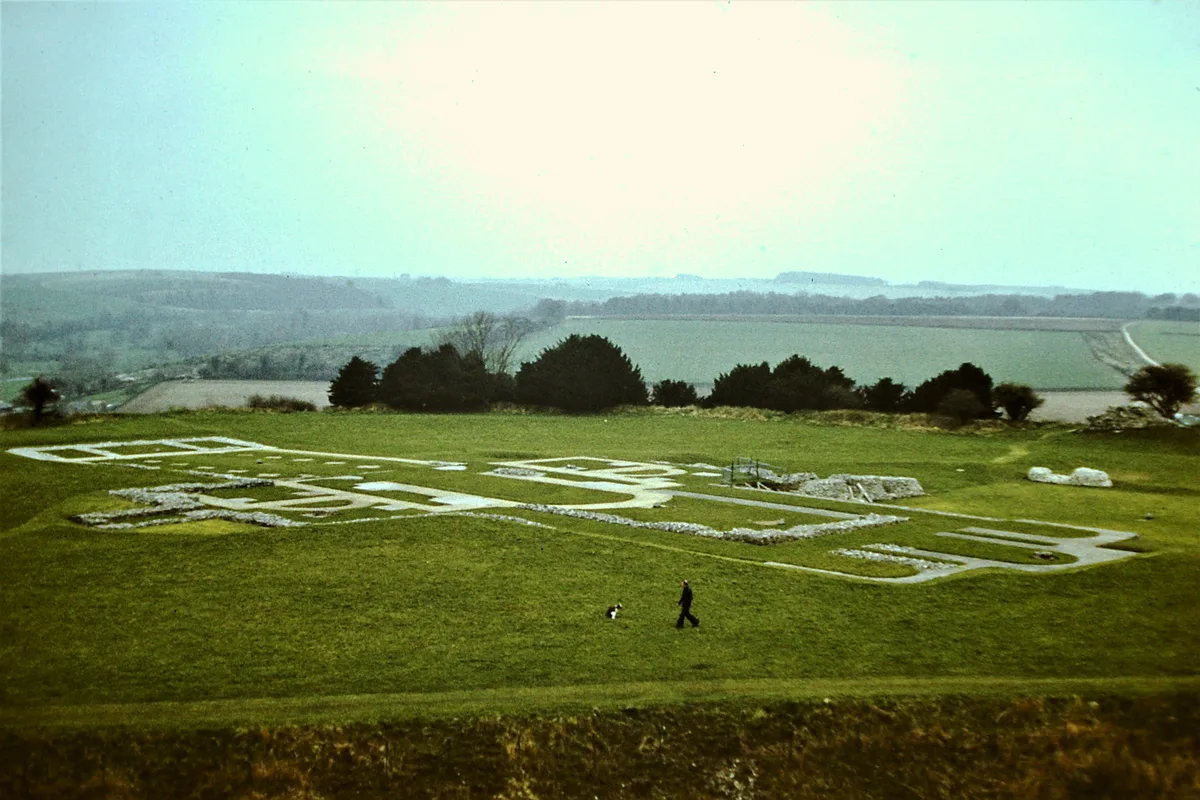
Old Sarum Cathedral — Grade I listed former cathedral in Salisbury, Wiltshire, England, UK.
 📷 5
📷 5 📷 5
📷 5Cathedrals · South East England
Robertsbridge Abbey
Robertsbridge Abbey is a cathedral in the United Kingdom.
Frequently asked questions
- Where is Waverley Abbey?
- Waverley Abbey is in Surrey, South-East England, United Kingdom (postcode GU9 8EP), in the parish of Farnham.
- What is Waverley Abbey?
- Waverley Abbey is a cathedral in the United Kingdom.
- How do I get to Waverley Abbey?
- The nearest railway station is Mills Wood, about 2.1 km away. The nearest town is Wrecclesham. Drivers can use postcode GU9 8EP.
- When was Waverley Abbey built?
- Built or established in 1101.
- Who owns Waverley Abbey?
- Waverley Abbey is owned by English Heritage.
- Is Waverley Abbey a protected site?
- Yes — Waverley Abbey is part of the WEALDEN HEATHS National Nature Reserve and the Surrey Hills National Landscape (AONB).
- Is Waverley Abbey free to visit?
- Yes, Waverley Abbey is free to enter.
- How do I get to Waverley Abbey?
- The nearest railway station is Mills Wood, about 2.1 km away. Drivers can navigate to postcode GU9 8EP.