
Historic houses · South East England
Moor Park
In or near Wrecclesham.
Moor Park — Grade II* listed house in Farnham, Surrey, England, UK.

Wikimedia Commons contributors — see linked file page for photographer and licence licence

Plan your visit
- Typical visit
- 1 h–2 h
- Nearest railway station
- Farnham · 1.8 km
- Family-friendly
- Limited wheelchair access
Getting there & planning your visit
Moor Park is located in Waverley, Surrey, with the nearest railway station being Farnham, approximately 1.8 km away. The postcode for sat-nav is GU10 1FH. Accessibility is limited for wheelchair users.
About
Moor Park is a historic house in the United Kingdom — typically a country seat, manor, or town house with notable architecture or history. Heritage designation: Grade II* listed building. Wikidata describes it as: "Grade II* listed house in Farnham, Surrey, England, UK". Coordinates: 51.2115°, -0.7671°.
Photo gallery
Protected designations
- National Nature Reserve: WEALDEN HEATHS
- Area of Outstanding Natural Beauty: Surrey Hills
Designations sourced from Natural England open data under OGL v3.
From the Wikipedia article
For the school in the UK see More House School, Frensham Moor Park, Farnham, Surrey, England is a listed building and 60 acres (0.24 km2) of riverside grounds, in the former chapelry of Compton. The grounds formerly extended to Mother Ludlam's Cave, a cave entrenched in local folklore which faces across the Wey (north branch) to the ruins of Waverley Abbey. Following an early 20th century settlement to a dispute, public access is to a path running the length of the grounds. The building dates from 1630 but has been substantially altered, later that century, and in 1750 and 1800. Former names for it are Morehouse and Compton Hall. It was home to philosophical writer and satirist Jonathan Swift at the end of the seventeenth century; and served as a hydrotherapy retreat in the nineteenth century when it was visited by George Combe, the leading phrenologist of the day, who died here, and by naturalist Charles Darwin.
Excerpt from Wikipedia under CC BY-SA 4.0. See the source article linked in Sources below.
Background
Description
One of Temple's descendants, Sir William Rose, informed Farnham Urban District Council in 1897 that he intended to close the lodge gates of Moor Park and "not allow any person to enter without written authority". The council informed Rose's solicitor that "they had no doubt as to the rights of way over Moor Park and were resolved at whatever cost to use all proper means to preserve such rights". Matters escalated quickly. Rose determined that he would go ahead with the closure and the council prepared to reopen the gates, by force if necessary. Rose employed former Metropolitan Policemen and others to secure the gates by force. The events of Sunday, 17 January 1897 were not in keeping with…
Sourced from Wikipedia under CC BY-SA 4.0.
- Coordinates
- 51.2115, -0.7671
- County
- Surrey
- District
- Waverley
- Parish
- Farnham
- Postcode
- GU10 1FH
- Parliamentary constituency
- Farnham and Bordon
- Nearest railway station
- Farnham — 1.8 km
- Official site
- www.bridges.co.uk
Sources
- wikidata: Q17548889 (CC0)
- wikipedia: Moor Park, Farnham (CC BY-SA 4.0)
- commons: Moor Park, Farnham, Surrey 13.jpg (CC BY-SA 4.0)
Other places nearby

Moor Park
Gardens · 0.3 km
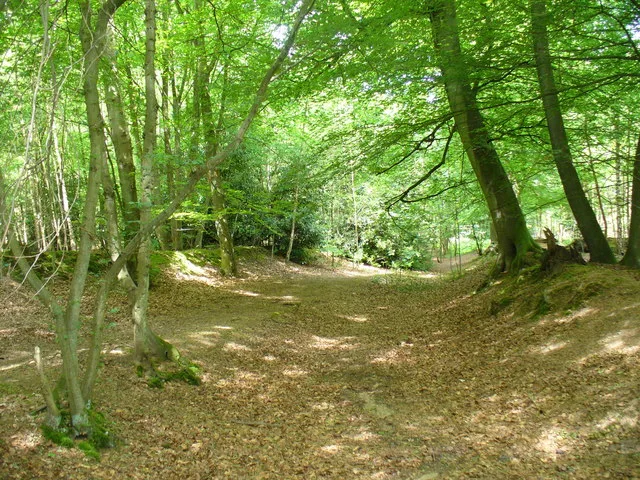
Runfold Wood
Wildlife reserves · 0.8 km

Kilnside Farm Art Gallery
Galleries · 0.8 km

Mother Ludlam's Cave
Caves · 1.2 km
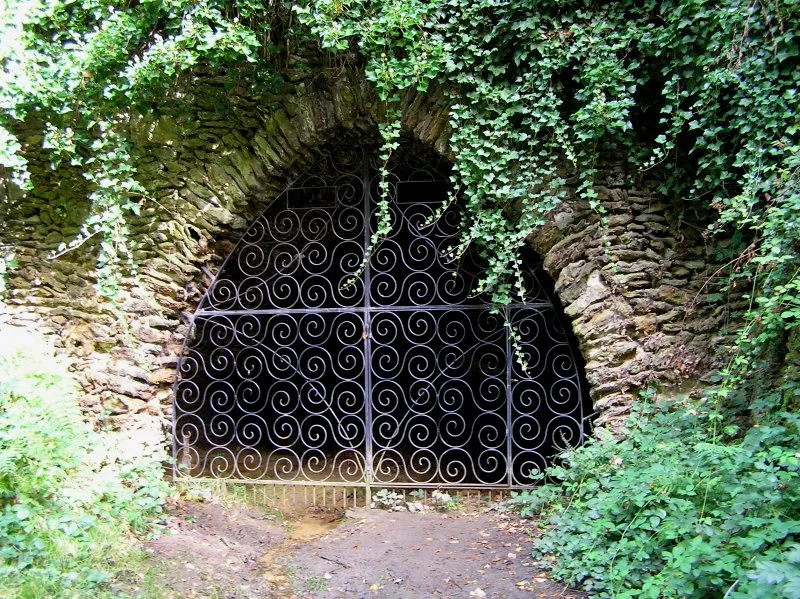
Mother Ludlam's Cave
Mountains & hills · 1.2 km

Bourne Mill
Mills · 1.3 km
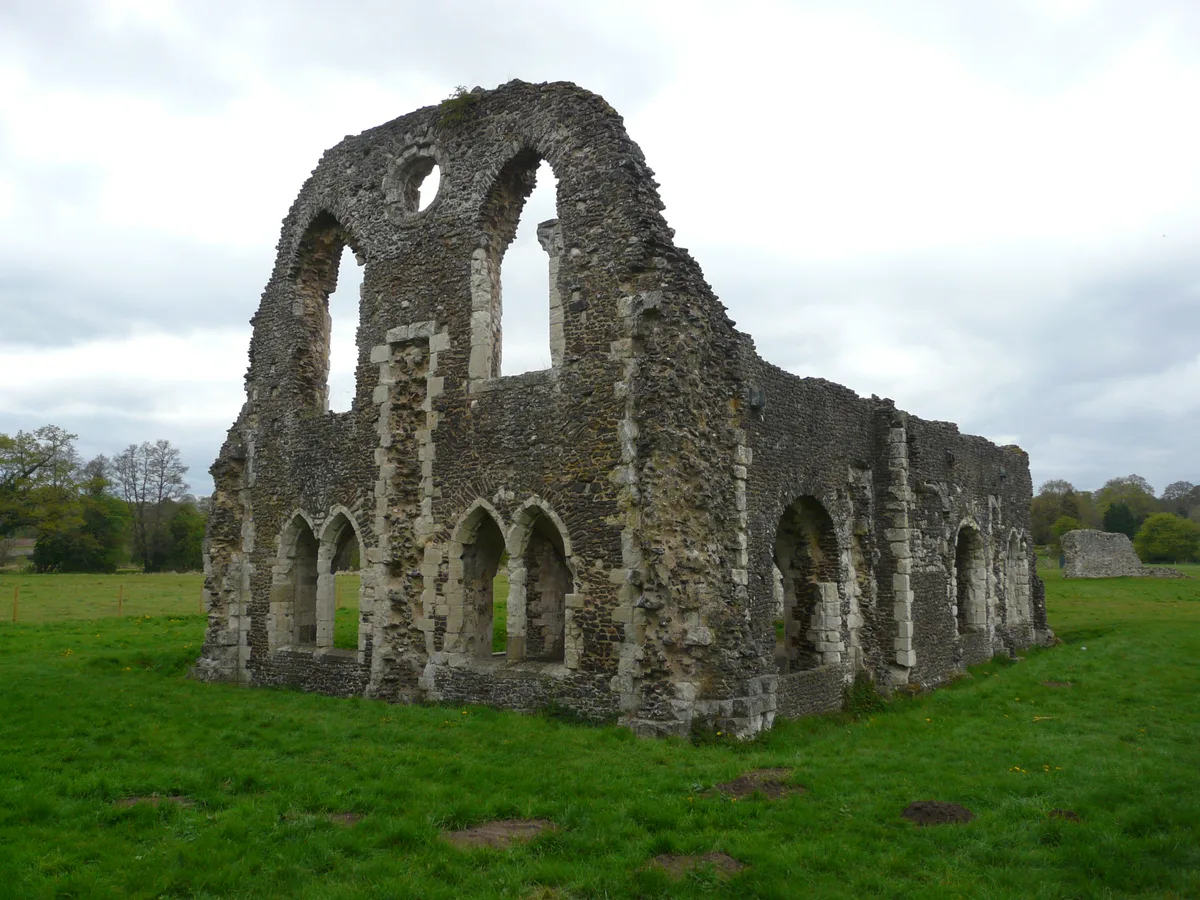
Waverley Abbey
Abbeys & priories · 1.4 km

Waverley Abbey
Cathedrals · 1.4 km

Farnham Flower
Public art & sculpture · 1.5 km
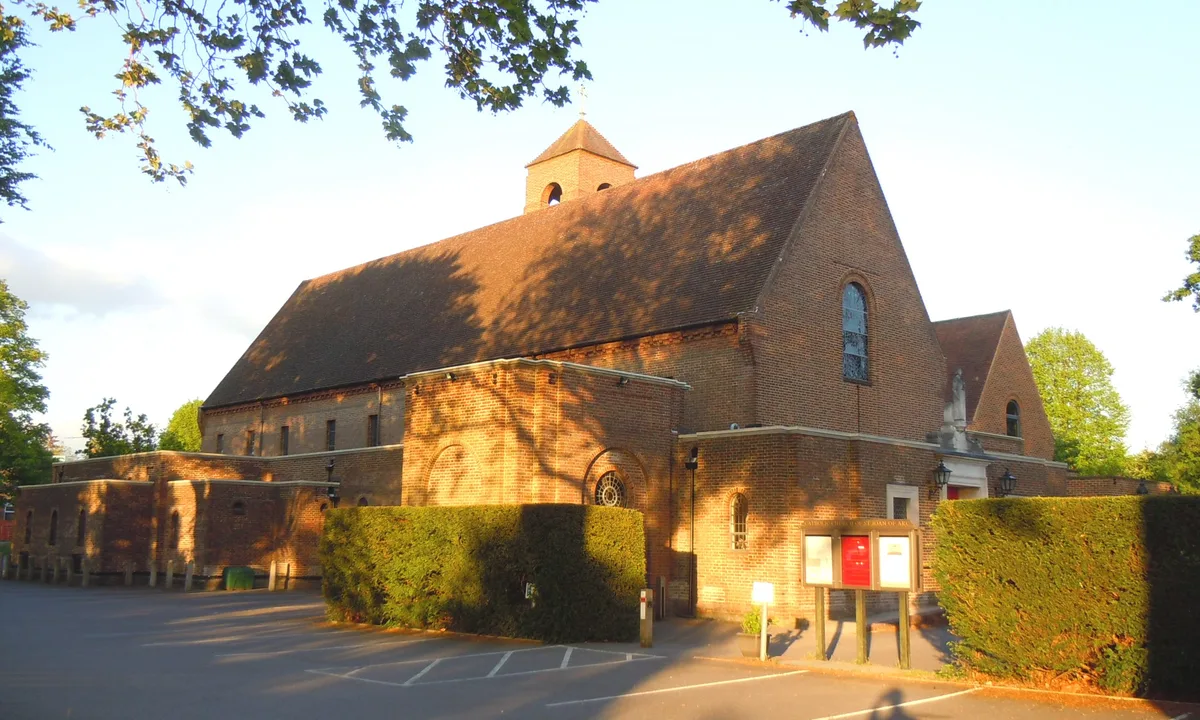
St Joan of Arc's Church, Farnham
Historic churches · 1.5 km

Herons Wey Campsite
Campsites · 1.7 km

Crooksbury Hill
Mountains & hills · 1.7 km
Nearby
📷 5Gardens · South East England
Moor Park
Moor Park — gardens of Moor Park House, Farnham, Surrey, England, UK.
📷 5Wildlife reserves · South East England
Runfold Wood
Runfold Wood — woodland in Surrey, United Kingdom.
📷 5Galleries · South East England
Kilnside Farm Art Gallery
Kilnside Farm Art Gallery — a gallery in england-south-east, United Kingdom.
📷 5Caves · South East England
Mother Ludlam's Cave
Mother Ludlam's Cave is a cave in the United Kingdom.
📷 5Mountains & hills · South East England
Mother Ludlam's Cave
Mother Ludlam's Cave — cave in Farnham, Surrey, UK.
📷 5Where to eat & stay near Moor Park
Places to stay
📷 5Campsites · South East England
Herons Wey Campsite
Herons Wey Campsite — a campsite in england south east.
 📷 5📷 5
Campsites · South East England
Garners Field Campsite
Garners Field Campsite — a campsite in england south east.
 📷 5
📷 5Campsites · South East England
Waggoners
Waggoners — a campsite in england south east.
 📷 5
📷 5Campsites · South East England
Runways End Outdoor Centre
Runways End Outdoor Centre — a campsite in england south east.
 📷 5
📷 5Hostels · South East England
Puttenham Barn Bunkhouse
Puttenham Barn Bunkhouse — a hostel in england south east.
Places to eat & drink
 📷 7
📷 7Historic pubs · South East England
William Cobbett Public House
William Cobbett Public House in England South East, United Kingdom.
 📷 7
📷 7Historic pubs · South East England
The Fox Public House
The Fox Public House in England South East, United Kingdom.
 📷 7
📷 7Historic pubs · South East England
8 And 9 (The Queens Head), The Borough
8 And 9 (The Queens Head), The Borough in England South East, United Kingdom.
 📷 7
📷 7Restaurants · South East England
The Bengal Lounge
The Bengal Lounge — a restaurant in england south east.
 📷 5
📷 5Historic pubs · South East England
The Stag on the River
The Stag on the River in England South East, United Kingdom.
 📷 5
📷 5Historic pubs · South East England
The Tumble Down Dick Pub
The Tumble Down Dick Pub in England South East, United Kingdom.
More historic houses in this region
 📷 5
📷 5Historic houses · South East England
12 and 14 High Street, Rochester
12 and 14 High Street, Rochester — building in Rochester, Kent, England, UK.
 📷 5
📷 5Historic houses · South East England
Berkeley House
Berkeley House — house in Rochester, Kent, England, UK.
.jpg?width=1200) 📷 5
📷 5Historic houses · South East England
Betchworth House
Betchworth House — house in Betchworth, Mole Valley, England, UK.
 📷 5
📷 5Historic houses · South East England
Bookham Grove
Bookham Grove — building in Mole Valley, Surrey, England, UK.
Frequently asked questions
- Where is Moor Park?
- Moor Park is in Surrey, South-East England, United Kingdom (postcode GU10 1FH), in the parish of Farnham.
- What is Moor Park?
- Moor Park — Grade II* listed house in Farnham, Surrey, England, UK.
- How do I get to Moor Park?
- The nearest railway station is Farnham, about 1.8 km away. The nearest town is Wrecclesham. Drivers can use postcode GU10 1FH.
- Is Moor Park a listed building?
- Moor Park is officially recognised as Grade II* listed building listed.
- Is Moor Park a protected site?
- Yes — Moor Park is part of the WEALDEN HEATHS National Nature Reserve and the Surrey Hills National Landscape (AONB).
- How do I get to Moor Park?
- The nearest railway station is Farnham, about 1.8 km away. Drivers can navigate to postcode GU10 1FH.