
Cathedrals · South East England
Old Minster
In or near Winchester.
Old Minster — former Anglo-Saxon cathedral for the diocese of Wessex.

Wikimedia Commons licence
Plan your visit
- Typical visit
- 1 h–2 h
- Best time of year
- Year-round
- Nearest railway station
- Winchester · 0.8 km
- Family-friendly
- Wheelchair accessible
Getting there & planning your visit
To visit the Old Minster in Winchester, you can reach it via the nearest railway station, which is Winchester, located 0.8 km away. The postcode for your sat-nav is SO23 9LF, and the site is wheelchair accessible.
About
Old Minster is a cathedral in the United Kingdom — the principal church of a diocese. Records date its origin to AD 601. Wikidata describes it as: "former Anglo-Saxon cathedral for the diocese of Wessex". Coordinates: 51.0610°, -1.3140°.
Photo gallery
See it from the streetimagery from 2020
Imagery © Mapillary contributors, CC BY-SA 4.0
Protected designations
- Site of Special Scientific Interest: River Test SSSI
- Site of Special Scientific Interest: River Itchen - 2000227 SSSI
Designations sourced from Natural England open data under OGL v3.
From the Wikipedia article
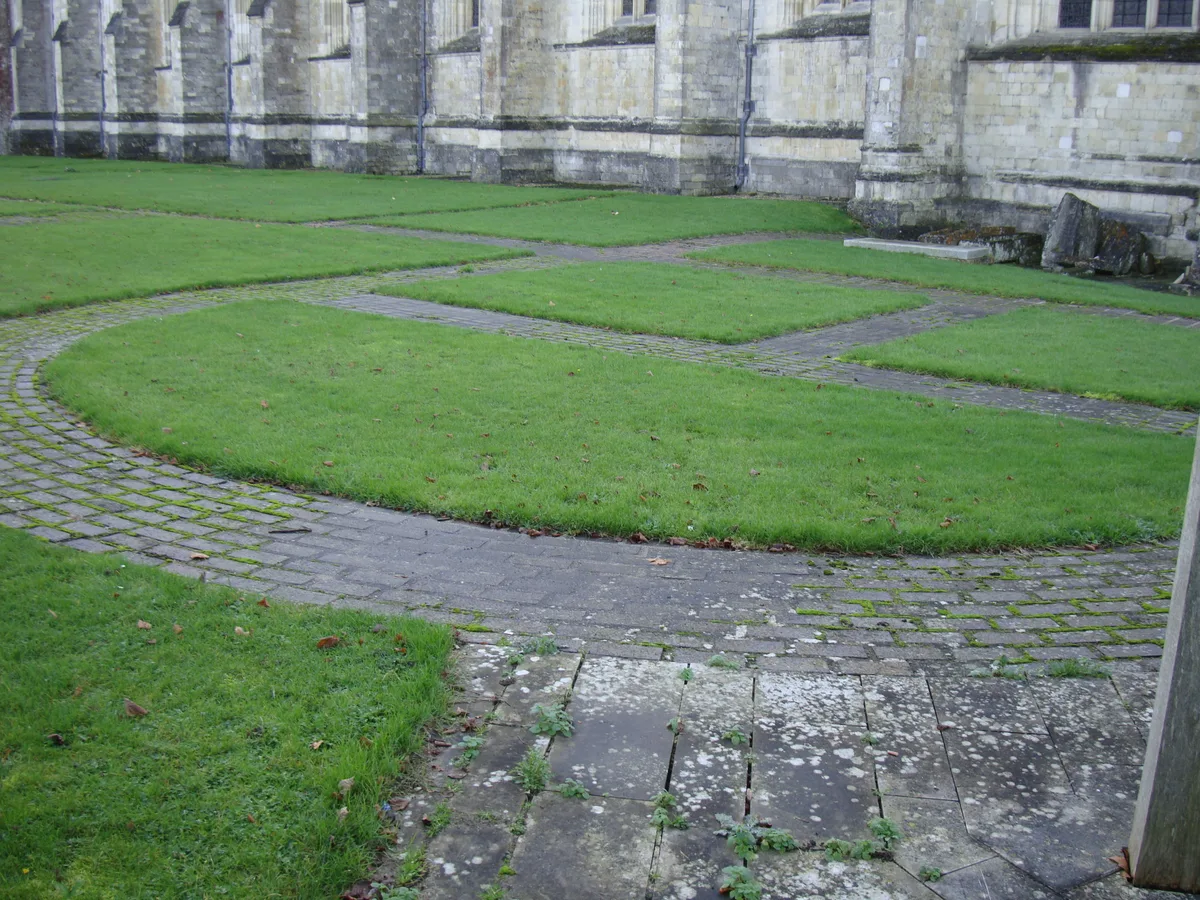
The Old Minster was the Anglo-Saxon cathedral for the English diocese of Wessex and then Winchester from 660 to 1093. It stood on a site immediately north of and partially beneath its successor, Winchester Cathedral. Some sources say that the minster was constructed in 648 for King Cenwalh of Wessex as the church of St Peter and St Paul, though such sources are late and unreliable. More likely it was built c. 660 to be the cathedral for the first bishop of Winchester, the Saxon Bishop Wine, when the West Saxon bishopric was transferred from Dorchester-on-Thames. It was enlarged and redecorated over the years and Saint Swithun was buried outside it in 862. By the 10th century, the Minster was the priory church of St. Swithun's Priory, a community of monks living under the rule of St Benedict. In 901, the New Minster was built next to it, so close that the singing of the monks inside each is said to have become hopelessly intermingled with the other. Saint Æthelwold of Winchester and his successor Saint Alphege almost completely rebuilt the minster on a vast scale during their monastic reforms of the 970s. The new church, which was dedicated in 980 and again in 993, had a central tower, north and south aisles, a crypt in an eastern apse, and a forecourt at the west. Saint Swithun's body was taken into an indoor shrine in what had become the largest church in Europe. However, after the Norman conquest of England, Bishop Walkelin built a new cathedral alongside and the Old Minster was demolished in 1093. Many of the kings of Wessex and of England (including Egbert, king of Wessex from 802 until his death in 839), as well bishops, had been buried in the Old Minster, so their bodies were exhumed and re-interred in the new building. The Old Minster was excavated in the 1960s. The outline of the building is now laid out in brickwork in the churchyard adjoining Winchester Cathedral, and Saint Swithun's first grave is clearly marked. Finds from the site may be seen in the…
Excerpt from Wikipedia under CC BY-SA 4.0. See the source article linked in Sources below.
- Coordinates
- 51.0610, -1.3140
- County
- Hampshire
- District
- Winchester
- Parish
- Winchester, unparished area
- Postcode
- SO23 9LF
- Parliamentary constituency
- Winchester
- Established
- 601
- Nearest railway station
- Winchester — 0.8 km
Sources
- wikidata: Q2193676 (CC0)
- wikipedia: Old Minster, Winchester (CC BY-SA 4.0)
Other places nearby

Pilgrims' Trail
Military museums · 0.0 km

Curle's Passage
Natural landmarks · 0.0 km

The King's Royal Rifle Corps War Memorial
Memorials & monuments · 0.0 km

County War Memorial
Public art & sculpture · 0.1 km
Winchester Cathedral Priory
Abbeys & priories · 0.1 km
The Hampshire, Isle of Wight and Winchester War Memorial
Memorials & monuments · 0.1 km

The Carnery
Historic houses · 0.1 km
11, The Close
Historic houses · 0.1 km

Winchester Cathedral
Cathedrals · 0.1 km

The Absentee Pig by Julian Trevelyan
Public art & sculpture · 0.1 km

Rousseau
Heritage railway stations · 0.1 km

Dean Garnier Garden
Gardens · 0.1 km
Nearby
📷 5Military museums · South East England
Pilgrims' Trail
Pilgrims' Trail — a military museum in england south east.
📷 5Natural landmarks · South East England
Curle's Passage
Curle's Passage — a other in england-south-east, United Kingdom.
📷 5Memorials & monuments · South East England
The King's Royal Rifle Corps War Memorial
The King's Royal Rifle Corps War Memorial — Grade II* listed building-listed memorial in england-south-east, United Kingdom.
📷 5Public art & sculpture · South East England
County War Memorial
County War Memorial — a public art in england-south-east, United Kingdom.
📷 5Abbeys & priories · South East England
Winchester Cathedral Priory
Winchester Cathedral Priory is a abbey in the United Kingdom.
📷 5Memorials & monuments · South East England
The Hampshire, Isle of Wight and Winchester War Memorial
The Hampshire, Isle of Wight and Winchester War Memorial — Grade II* listed building-listed memorial in england-south-east, United Kingdom.
Where to eat & stay near Old Minster
Places to stay
 📷 5
📷 5Hotels · South East England
Winchester Royal Hotel
Winchester Royal Hotel — a hotel in england south east.
 📷 6
📷 6Hotels · South East England
The Winchester Hotel
The Winchester Hotel — a hotel in england south east.
 📷 5
📷 5Hotels · South East England
voco Winchester Hotel and Spa
voco Winchester Hotel and Spa — a hotel in england south east.
 📷 5
📷 5 📷 5
📷 5Hotels · South East England
Lainston House Hotel
Lainston House Hotel — a hotel in england south east.
 📷 5
📷 5Places to eat & drink
 📷 7
📷 7Restaurants · South East England
The Dispensary Kitchen
The Dispensary Kitchen — a restaurant in england south east.
 📷 5
📷 5Historic pubs · South East England
The Old Vine
The Old Vine — Historic pub — listed building or notable heritage status.
 📷 5
📷 5 📷 6
📷 6Restaurants · South East England
The Winchester Orangery
The Winchester Orangery — a restaurant in england south east.
 📷 7
📷 7Historic pubs · South East England
Wykeham Arms
Wykeham Arms in England South East, United Kingdom.
 📷 5
📷 5Restaurants · South East England
River Cottage Kitchen & Deli
River Cottage Kitchen & Deli — a restaurant in england south east.
Other cathedrals from this era
 📷 5
📷 5Cathedrals · South West England
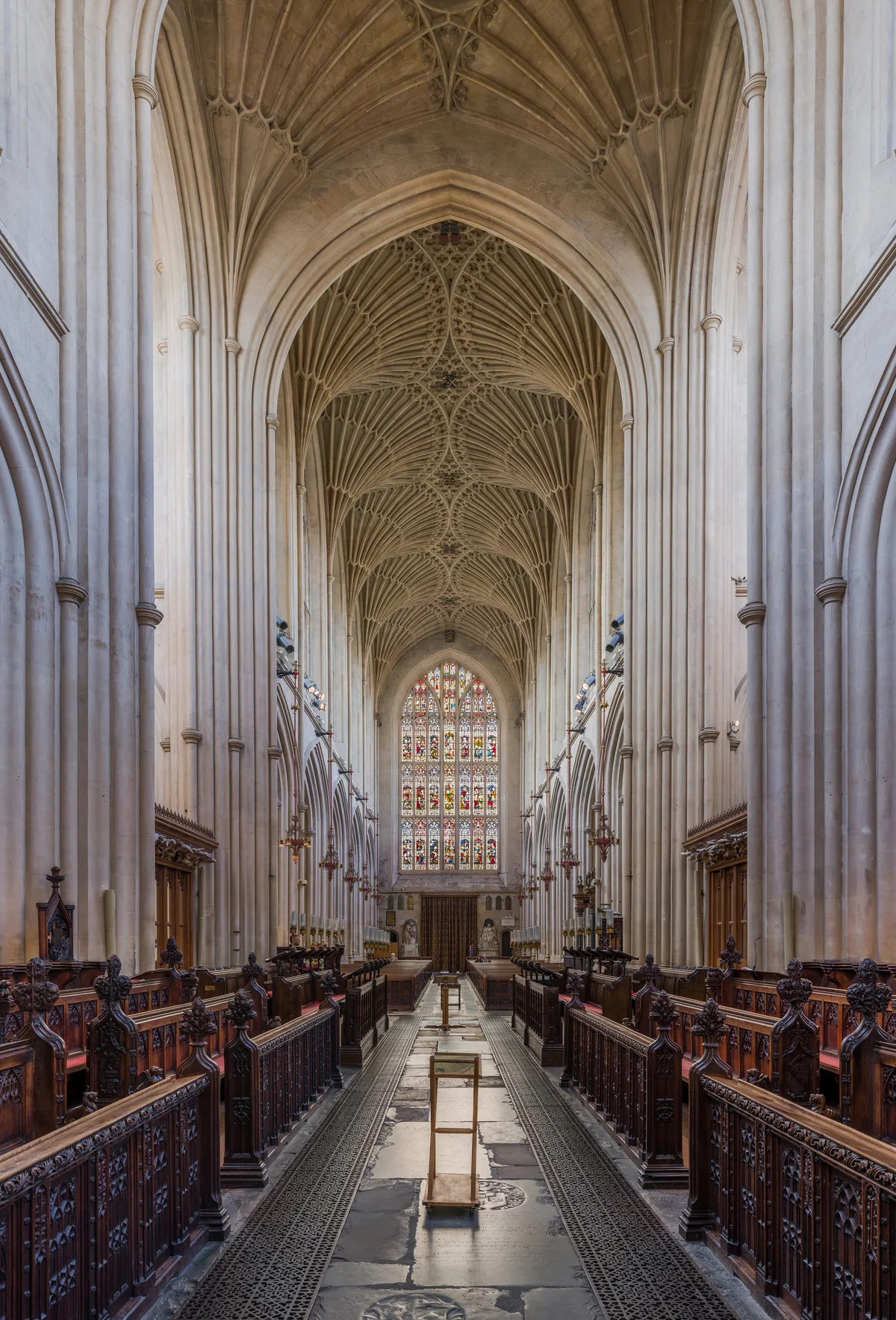
Bath Cathedral Priory
Bath Cathedral Priory is a cathedral in the United Kingdom.
More cathedrals in this region
 📷 5
📷 5Cathedrals · South East England
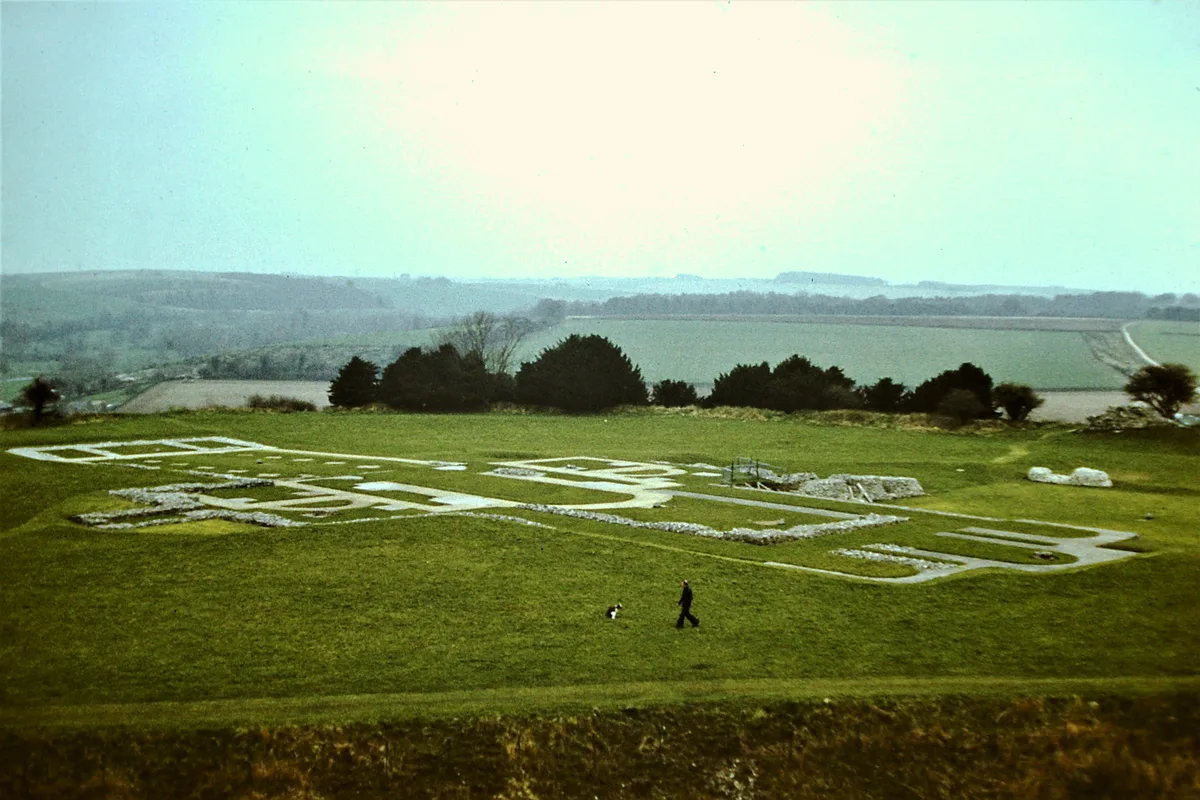
Old Sarum Cathedral
Old Sarum Cathedral — Grade I listed former cathedral in Salisbury, Wiltshire, England, UK.
 📷 5
📷 5 📷 5
📷 5Cathedrals · South East England
Robertsbridge Abbey
Robertsbridge Abbey is a cathedral in the United Kingdom.
 Flagship📷 5
Frequently asked questions
- Where is Old Minster?
- Old Minster is in Hampshire, South-East England, United Kingdom (postcode SO23 9LF), in the parish of Winchester, unparished area.
- What is Old Minster?
- Old Minster — former Anglo-Saxon cathedral for the diocese of Wessex.
- How do I get to Old Minster?
- The nearest railway station is Winchester, about 0.8 km away. The nearest town is Winchester. Drivers can use postcode SO23 9LF.
- When was Old Minster built?
- Built or established in 601.
- Is Old Minster a protected site?
- Yes — Old Minster is part of the River Test SSSI Site of Special Scientific Interest and the River Itchen - 2000227 SSSI Site of Special Scientific Interest.
- How do I get to Old Minster?
- The nearest railway station is Winchester, about 0.8 km away. Drivers can navigate to postcode SO23 9LF.