
Palaces · London
The Waterloo Vase
In or near City of Westminster.
The Waterloo Vase — Public artwork (sculpture) by Richard Westmacott.

Wikimedia Commons contributors — see linked file page for photographer and licence licence

Plan your visit
- Typical visit
- 2 h–3 h
- Nearest railway station
- Hyde Park Corner · 0.4 km
- Family-friendly
- Limited wheelchair access
Getting there & planning your visit
The Waterloo Vase is located in Westminster, London, with the nearest railway station being Hyde Park Corner, which is 0.4 km away. The postcode for sat-nav is SW1X 7HH. Accessibility is limited for wheelchair users.
About
The Waterloo Vase is a place of interest in the United Kingdom. OpenStreetMap heritage rating: 2/5. Wikidata describes it as: "Public artwork (sculpture) by Richard Westmacott.". Coordinates: 51.5018°, -0.1484°.
Photo gallery
From the Wikipedia article
The Waterloo Vase is a 15-foot (4.6 m) stone urn, situated in the garden of Buckingham Palace in central London. Fashioned from a single piece of Carrara marble, it was initially presented to Napoleon I, who intended to have it carved in celebration of anticipated future military victories. After the Emperor’s defeat at the Battle of Waterloo, the uncarved vase was given to the Prince Regent, later George IV. The Prince commissioned the sculptor, Richard Westmacott to decorate the vase with reliefs celebrating the victory at Waterloo. The original plan to place the vase in the Waterloo Gallery at Windsor Castle proved unrealisable, the weight of the vase being greater than the gallery’s floors could bear. It was therefore given to the National Gallery in Trafalgar Square. Considering the vase surplus to its requirements, the gallery placed it first in Hyde Park, London and then into storage at the Victoria and Albert Museum. In 1903, it was offered by the museum to the new king, Edward VII, who installed it as a garden ornament in the grounds of Buckingham Palace, where it remains. The vase is a Grade I listed structure.
Excerpt from Wikipedia under CC BY-SA 4.0. See the source article linked in Sources below.
Background
History
Emperor Napoleon I of France, passing through Tuscany on his journey to the Russian front, was shown a single massive block of marble; he asked for it to be preserved. It is thought that Napoleon may have ordered it to be roughly hewn into the present urn shape, leaving the panels undecorated in readiness to commemorate his expected victories. Following the French defeat in the Napoleonic Wars, the vase was presented unfinished to the Prince Regent in 1815 by Ferdinand III, Grand Duke of Tuscany, via the British ambassador, Lord Burghersh. The Prince Regent, soon to become George IV, had the vase completed by the sculptor Richard Westmacott with the intention that it be the focal point of…
Sourced from Wikipedia under CC BY-SA 4.0.
- Coordinates
- 51.5018, -0.1484
- District
- Westminster
- Parish
- Westminster, unparished area
- Postcode
- SW1X 7HH
- Parliamentary constituency
- Cities of London and Westminster
- Established
- 1830
- Nearest railway station
- Hyde Park Corner — 0.4 km
Sources
- osm: w542451753 (ODbL)
- wikipedia: Waterloo Vase (CC BY-SA 4.0)
- commons: Waterloo Vase, Buckingham Palace.jpg (CC BY-SA 4.0)
Other places nearby

Commonwealth Memorial Gates
Public art & sculpture · 0.1 km

RAF Bomber Command Memorial
Memorials & monuments · 0.2 km

Japanese Cranes bronze statue
Public art & sculpture · 0.2 km

Garden at Buckingham Palace
Gardens · 0.2 km

New Zealand War Memorial
Memorials & monuments · 0.2 km

Wellington Arch
Memorials & monuments · 0.2 km

Australia War Memorial
Memorials & monuments · 0.2 km

Machine Gun Corps Memorial
Memorials & monuments · 0.2 km

Wellington Monument
Memorials & monuments · 0.2 km

Royal Artillery Memorial
Memorials & monuments · 0.3 km

Intercontinental London Park Lane
Hotels · 0.3 km

Forecourt Railings, Piers And Gates To Apsley House
Piers · 0.3 km
Nearby
📷 5Public art & sculpture · London
Commonwealth Memorial Gates
Commonwealth Memorial Gates in England London, United Kingdom.
📷 5Memorials & monuments · London
RAF Bomber Command Memorial
RAF Bomber Command Memorial is a memorial in the United Kingdom.
📷 5Public art & sculpture · London
Japanese Cranes bronze statue
Japanese Cranes bronze statue — a public art in england-london, United Kingdom.
📷 5Gardens · London
Garden at Buckingham Palace
Garden at Buckingham Palace — garden in London, England, UK.
📷 5Memorials & monuments · London
New Zealand War Memorial
New Zealand War Memorial — a memorial in england-london, United Kingdom.
📷 5Where to eat & stay near The Waterloo Vase
Places to stay
📷 7Hotels · London
Intercontinental London Park Lane
Intercontinental London Park Lane — a hotel in england london. 5-star. Brand: InterContinental.
 📷 5
📷 5 📷 5
📷 5Hotels · London
Four Seasons Hotel, Park Lane
Four Seasons Hotel, Park Lane — a hotel in england london. 5-star. Brand: Four Seasons.
 📷 5
📷 5 📷 5
📷 5Hotels · London
The Athenaeum Hotel
The Athenaeum Hotel — a hotel in england london.
 📷 5
📷 5Places to eat & drink
 📷 5
📷 5Restaurants · London
Galvin at Windows
Galvin at Windows — a restaurant in england london. Cuisine: french;fine dining.
 📷 5
📷 5Historic pubs · London
The Grenadier
The Grenadier in England London, United Kingdom.
 📷 5
📷 5 📷 7
📷 7 📷 7
📷 7Historic pubs · London
Plumbers Arms
Plumbers Arms in England London, United Kingdom.
 📷 7
📷 7More palaces in this region
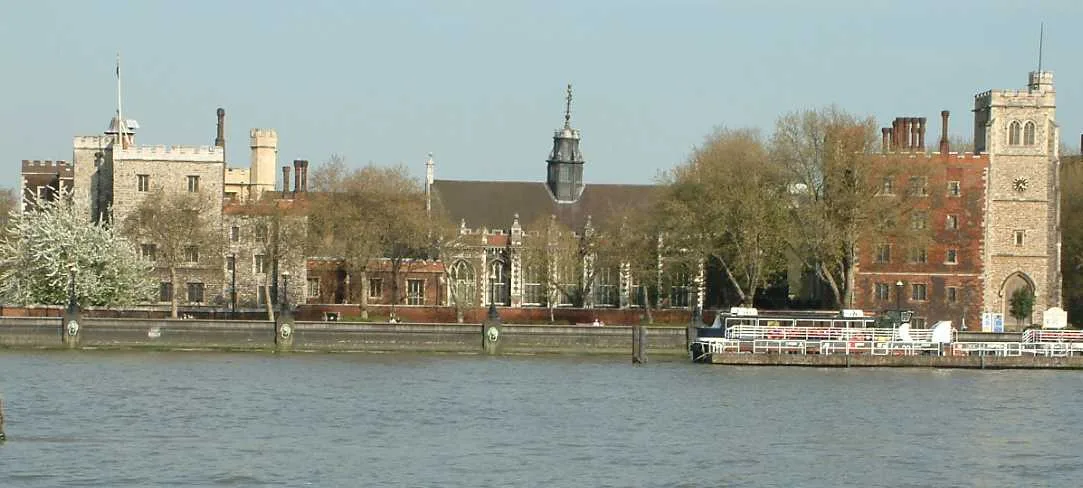 Flagship📷 10
Palaces · London
Lambeth Palace
Lambeth Palace — official London residence of the Archbishop of Canterbury.
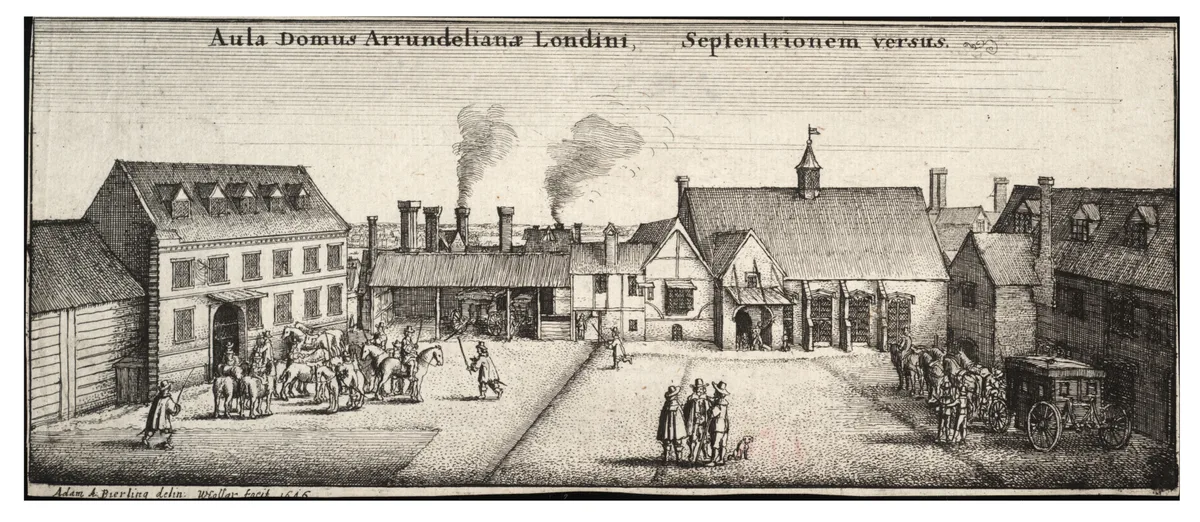 📷 5
📷 5Palaces · London
Arundel House
Arundel House — London town-house located between the Strand and the River Thames, near St Clement Danes.
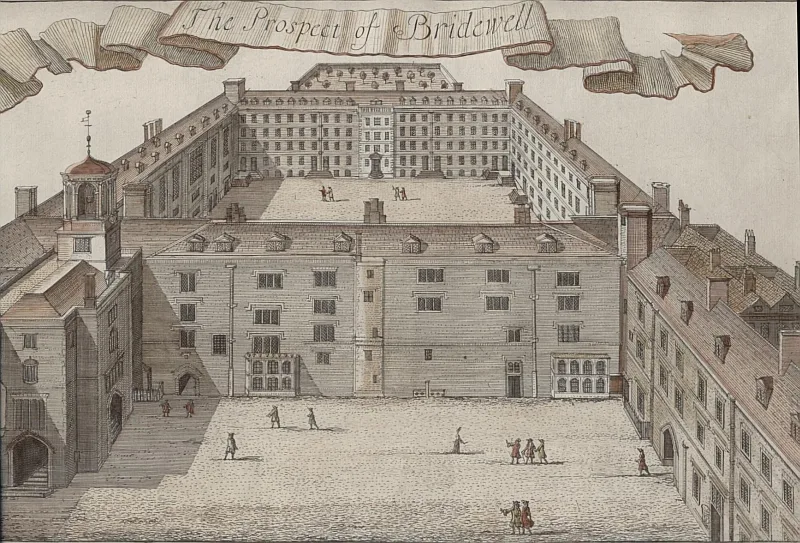 📷 5
📷 5Palaces · London
Bridewell Palace
Bridewell Palace — former palace in the City of London, England; former prison.
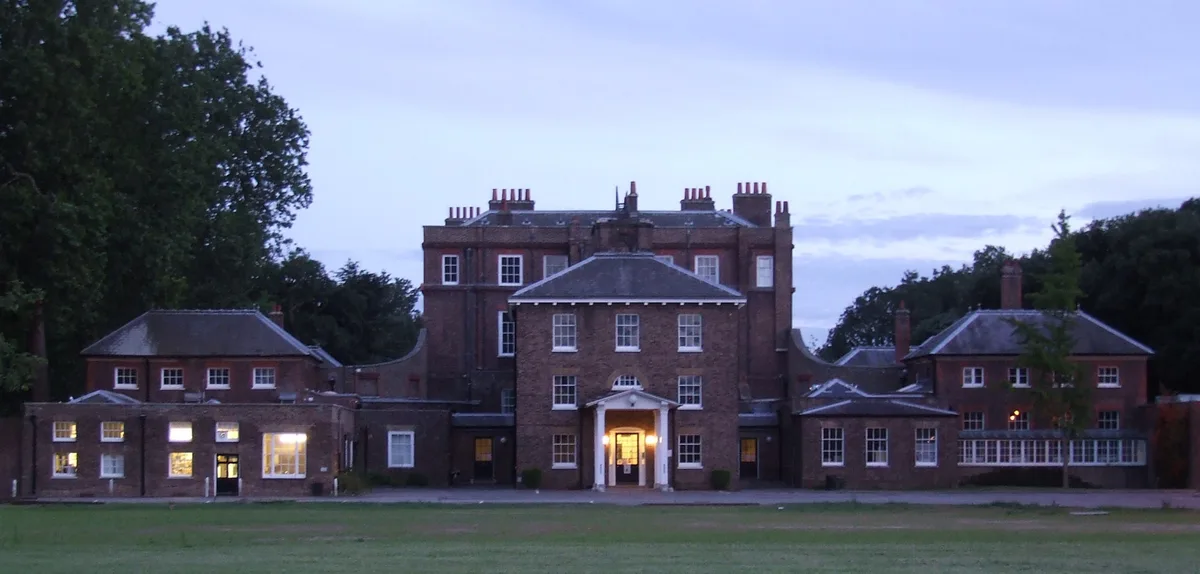 ★ Iconic📷 5
Palaces · London
Bushy House
Bushy House — former royal residence in Teddington in South West London.
Frequently asked questions
- Where is The Waterloo Vase?
- The Waterloo Vase is in London, United Kingdom (postcode SW1X 7HH), in the parish of Westminster, unparished area.
- What is The Waterloo Vase?
- The Waterloo Vase — Public artwork (sculpture) by Richard Westmacott.
- How do I get to The Waterloo Vase?
- The nearest railway station is Hyde Park Corner, about 0.4 km away. The nearest town is City of Westminster. Drivers can use postcode SW1X 7HH.
- When was The Waterloo Vase built?
- Built or established in 1830.
- Does The Waterloo Vase charge admission?
- The Waterloo Vase typically charges admission. Check the official site for current ticket prices and opening hours.
- How do I get to The Waterloo Vase?
- The nearest railway station is Hyde Park Corner, about 0.4 km away. Drivers can navigate to postcode SW1X 7HH.