
Historic churches · South West England
Temple Church
In or near Bristol.
Temple Church — church in Bristol, England.

Wikimedia Commons contributors — see linked file page for photographer and licence licence

Plan your visit
- Typical visit
- 30 min–1 h
- Nearest railway station
- Bristol Temple Meads · 0.5 km
- Free entry
- Family-friendly
- Limited wheelchair access
Getting there & planning your visit
To visit Temple Church, the nearest railway station is Bristol Temple Meads, which is 0.5 km away. Entry is free, but wheelchair accessibility is limited. The postcode for sat-nav is BS1 6WG.
About
Temple Church is a historic church in the United Kingdom. Records date its origin to 1101. Heritage designation: scheduled monument. Owned by English Heritage. Managed by English Heritage. Wikidata describes it as: "church in Bristol, England". Coordinates: 51.4521°, -2.5867°.
Photo gallery
Heritage listing
Temple Church, also known as Holy Cross Church, (grid reference ST5972) is a ruined church in Redcliffe, Bristol, England. It is on the site of a previous, round church of the Knights Templar, which they built on land granted to them in the second quarter of the 12th century by Robert of Gloucester. In 1313 the Knights Hospitaller acquired the church, following the suppression of the Templars. By the early 14th century, the church served as the parish church for the area known as Temple Fee. From around the same time, the rebuilding of the church on a rectangular plan started. This was completed by 1460, with the construction of a leaning west tower. The Hospitallers would lose ownership of the church in 1540 during the dissolution of the monasteries.
From the Historic England List Entry under OGL v3.
From English Heritage
The 'leaning tower' and walls of this large late medieval church survived bombing during the Second World War. The graveyard is now a peaceful public garden.
Read more on the official property page.
Protected designations
- Site of Special Scientific Interest: Severn Estuary SSSI
Designations sourced from Natural England open data under OGL v3.
From the Wikipedia article
Temple Church, also known as Holy Cross Church, (grid reference ST5972) is a ruined church in Redcliffe, Bristol, England. It is on the site of a previous, round church of the Knights Templar, which they built on land granted to them in the second quarter of the 12th century by Robert of Gloucester. In 1313 the Knights Hospitaller acquired the church, following the suppression of the Templars. By the early 14th century, the church served as the parish church for the area known as Temple Fee. From around the same time, the rebuilding of the church on a rectangular plan started. This was completed by 1460, with the construction of a leaning west tower. The Hospitallers would lose ownership of the church in 1540 during the dissolution of the monasteries. The church was the scene of the exorcism of George Lukins conducted by Methodist and Anglican clergy in 1788. The church was bombed and largely destroyed in the Bristol Blitz. It is a Grade II* listed building, owned by the Diocese of Bristol. In 1958, English Heritage agreed to undertake a guardianship role. A 1960 excavation by the Ministry of Works discovered the plan of the 12th-century church, enabling it to be marked out on the ground in stone.
Excerpt from Wikipedia under CC BY-SA 4.0. See the source article linked in Sources below.
Background
History
The 12th-century church was a Templar preceptory, built on land granted to the Templars by Robert, 1st Earl of Gloucester, sometime in the two decades before his death in 1147. The Templars exercised specific legal privileges within their estate, known as Temple Fee. They claimed immunity from local authority, answering only to the Pope, which frequently caused friction with the town burgesses. This autonomy was highlighted by a legal dispute in 1242 involving a Deodand; following a fatal accident where a boy was killed by a falling pillory in Temple Street, the Order refused to pay the customary fine to local justices, eventually settling the matter with an ex gratia payment to the…
Architecture
The 12th-century church had a round nave, with an aisle arcade, and a chancel with a semicircular apse. This chancel was replaced with a rectangular one, with a chapel added to its north side in Decorated style, in the late 13th or early 14th century. A second chapel was built later in the 14th century, on the south side, to which Perpendicular windows were added in the 15th century. These chapels have been identified respectively as St Katherine's Chapel, granted to the Bristol company of weavers by Edward I in 1299, and a chantry licensed to John Frauceys the younger by Edward III in 1331.
Sourced from Wikipedia under CC BY-SA 4.0.
- Coordinates
- 51.4521, -2.5867
- District
- Bristol, City of
- Parish
- Bristol, City of, unparished area
- Postcode
- BS1 6WG
- Parliamentary constituency
- Bristol Central
- Established
- 1101
- Nearest railway station
- Bristol Temple Meads — 0.5 km
- Opening
- Daily 10am–4pm
- Official site
- www.english-heritage.org.uk
Sources
- wikidata: Q1253118 (CC0)
- wikipedia: Temple Church, Bristol (CC BY-SA 4.0)
- commons: Templechurch2.jpg (CC BY-SA 4.0)
Other places nearby

Shakespeare Inn, Bristol
Museums · 0.1 km

Shakespeare Inn, Bristol
Historic pubs · 0.1 km

Fireman
Public art & sculpture · 0.1 km

The Cornubia Public House
Historic pubs · 0.1 km

Hilton Garden Inn Bristol City Centre
Hotels · 0.1 km

Novotel
Hotels · 0.1 km

Templar Stone
Public art & sculpture · 0.2 km

Seven Stars Public House, Bristol
Historic houses · 0.2 km

Seven Stars Public House, Bristol
Historic pubs · 0.2 km

Exploration
Public art & sculpture · 0.3 km

Cogs
Public art & sculpture · 0.3 km

Buildings and architecture of Bristol
Castles · 0.3 km
Nearby
📷 5Museums · South West England
Shakespeare Inn, Bristol
Shakespeare Inn, Bristol — a museum in england-south-west, United Kingdom.
📷 6Historic pubs · South West England
Shakespeare Inn, Bristol
Shakespeare Inn, Bristol in Wales South, United Kingdom.
📷 3Public art & sculpture · South West England
Fireman
Fireman — a public art in england-south-west, United Kingdom.
📷 7Historic pubs · South West England
The Cornubia Public House
The Cornubia Public House in Wales South, United Kingdom.
📷 5Hotels · South West England
Hilton Garden Inn Bristol City Centre
Hilton Garden Inn Bristol City Centre — a hotel in england south west. 4-star. Brand: Hilton Garden Inn.
📷 5Where to eat & stay near Temple Church
Places to stay
📷 5Hotels · South West England
Hilton Garden Inn Bristol City Centre
Hilton Garden Inn Bristol City Centre — a hotel in england south west. 4-star. Brand: Hilton Garden Inn.
📷 5 📷 5
📷 5Hotels · South West England
DoubleTree by Hilton Hotel Bristol City Centre
DoubleTree by Hilton Hotel Bristol City Centre — a hotel in england south west. 4-star. Brand: DoubleTree.
 📷 7
📷 7Hotels · South West England
Delta Hotels
Delta Hotels — a hotel in england south west.
 📷 7
📷 7 📷 5
📷 5B&Bs · South West England
Brooks Guest House
Brooks Guest House — a bed-and-breakfast in england south west.
Places to eat & drink
📷 6Historic pubs · South West England
Shakespeare Inn, Bristol
Shakespeare Inn, Bristol in Wales South, United Kingdom.
📷 7Historic pubs · South West England
The Cornubia Public House
The Cornubia Public House in Wales South, United Kingdom.
📷 5Historic pubs · South West England
Seven Stars Public House, Bristol
Seven Stars Public House, Bristol in Wales South, United Kingdom.
 📷 7
📷 7Historic pubs · South West England
Printers Devil, Bristol
Printers Devil, Bristol in Wales South, United Kingdom.
 📷 7
📷 7Restaurants · South West England
La Panza
La Panza — a restaurant in england south west.
 📷 5
📷 5Historic pubs · South West England
The Apple
The Apple — Historic pub — listed building or notable heritage status.
More places run by English Heritage
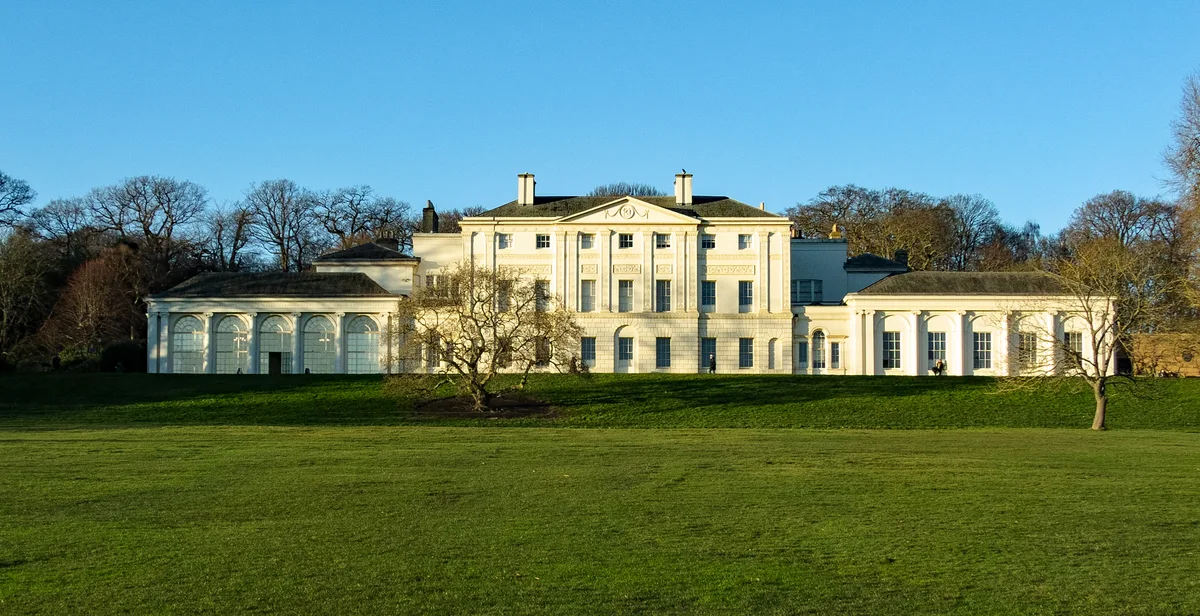 Flagship📷 10
Museums · London
Kenwood House
Kenwood House — art museum and historic house in Hampstead, London.
 📷 5
📷 5Galleries · London
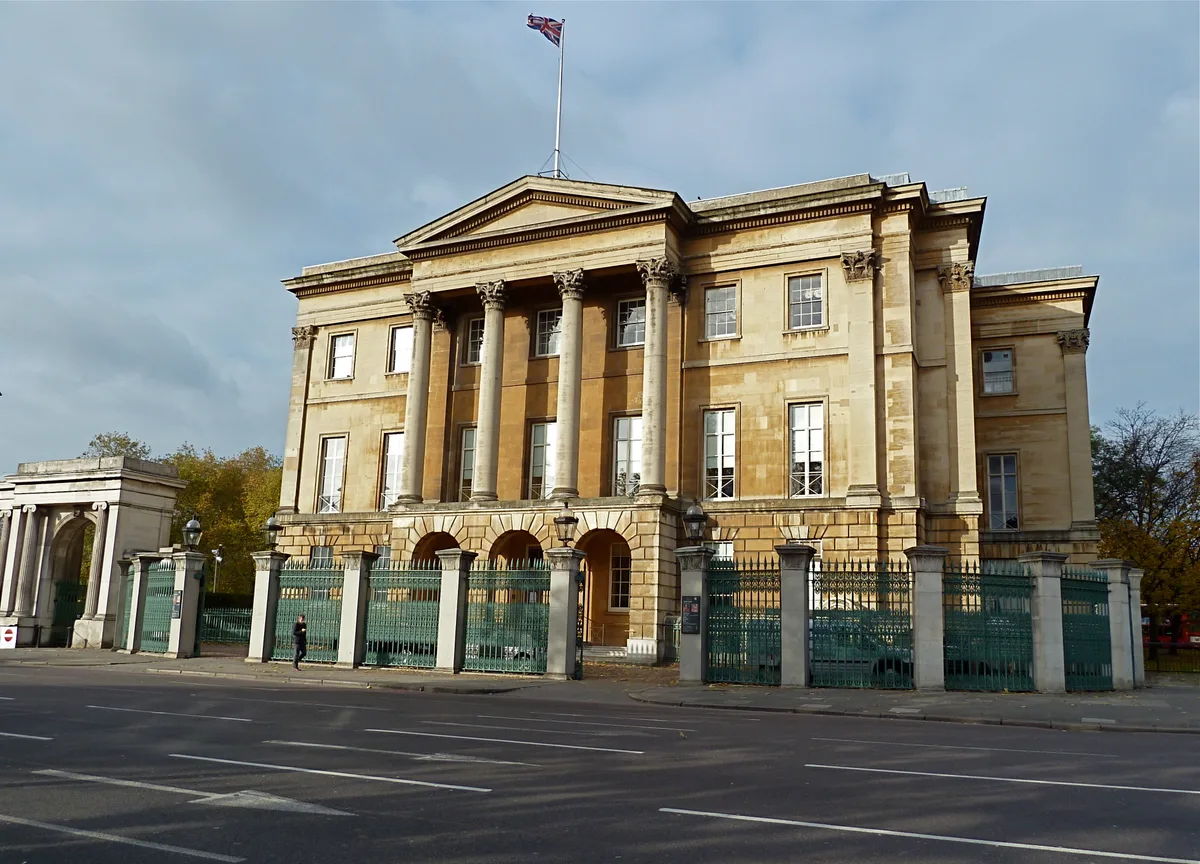
Apsley House
Apsley House — London townhouse of the Dukes of Wellington.
 📷 5
📷 5Castles · London
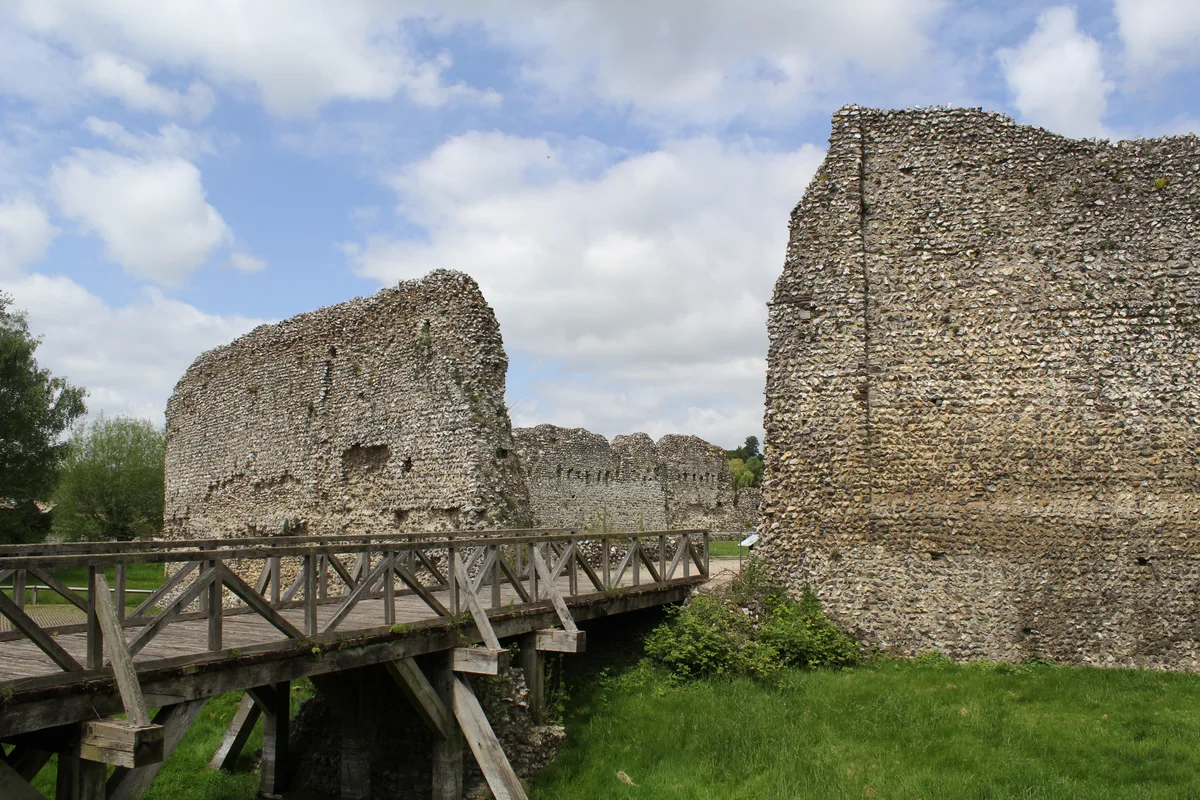
Eynsford Castle
Eynsford Castle — castle, now ruinous, in Eynsford, Kent, England, UK.
 📷 5
📷 5Museums · London
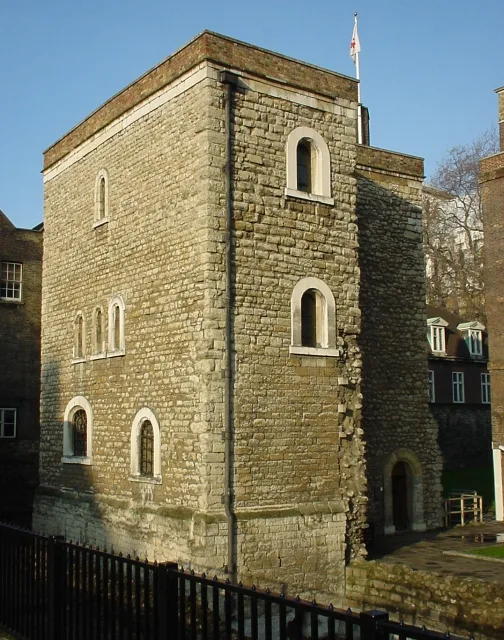
Jewel Tower
Jewel Tower — medieval tower in Westminster, London, England, UK.
Other places from this era
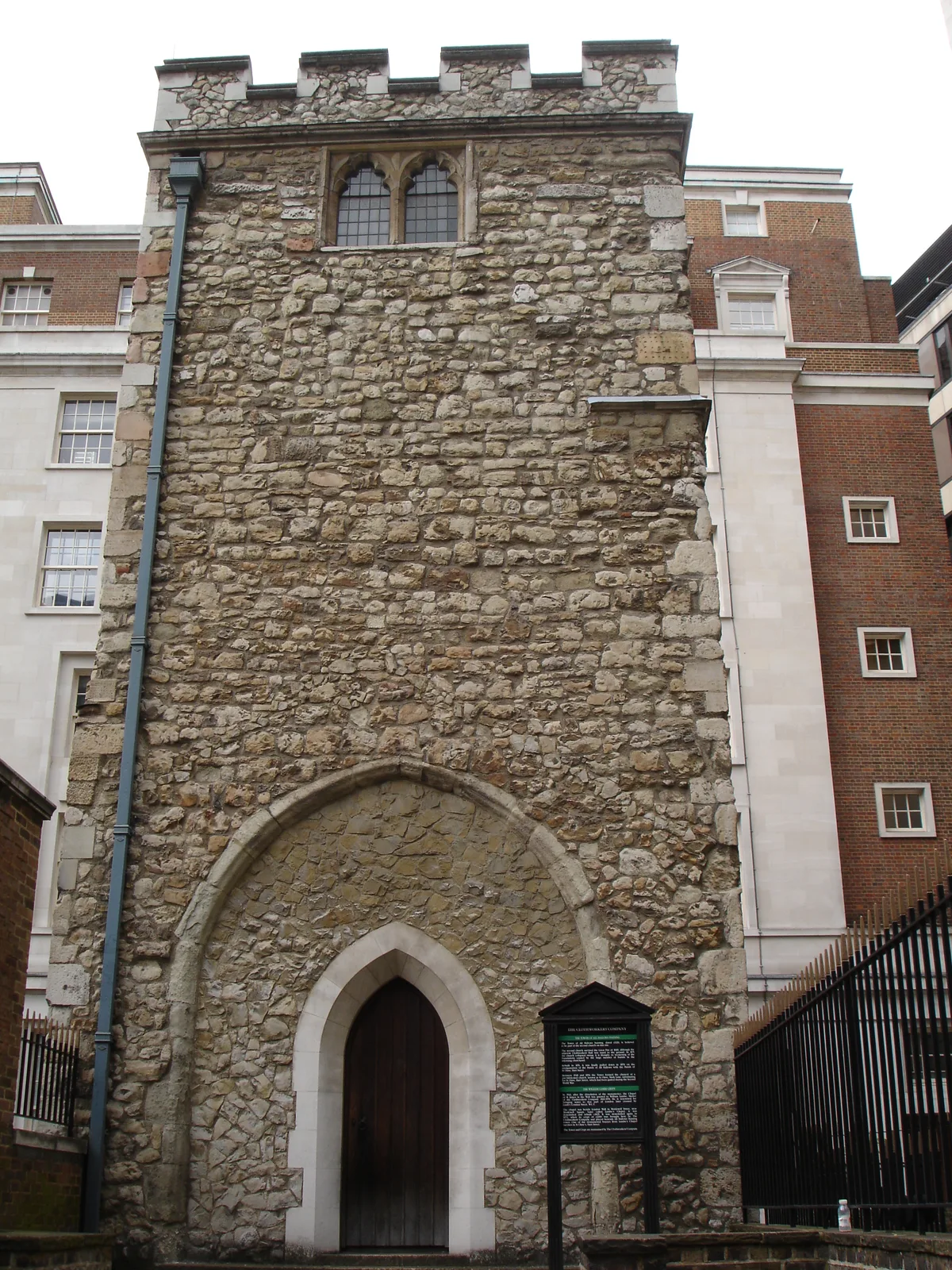 📷 5
📷 5Historic churches · London
All Hallows Staining
All Hallows Staining — church in City of London, UK.
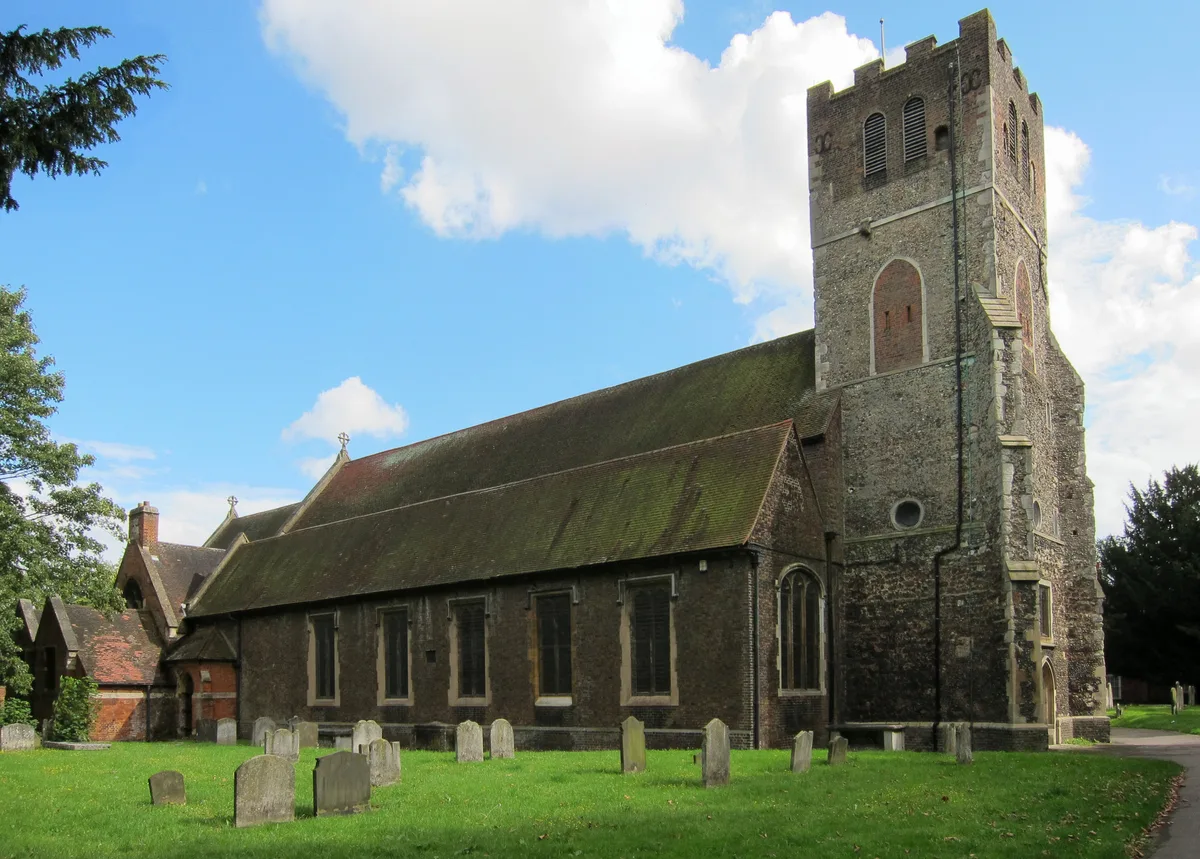 📷 5
📷 5Historic churches · London
All Hallows' Church, Tottenham
All Hallows' Church, Tottenham — church in Tottenham, London.
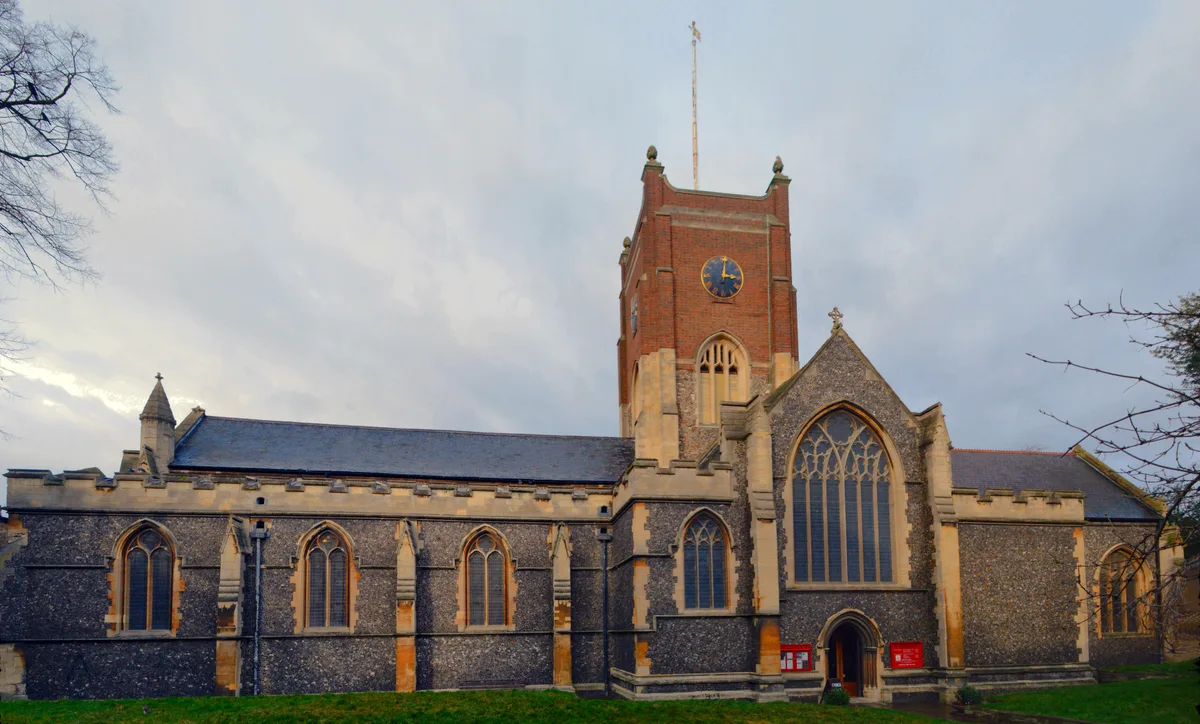 📷 5
📷 5Historic churches · London
All Saints Church, Kingston upon Thames
All Saints Church, Kingston upon Thames — church in Kingston upon Thames, London.
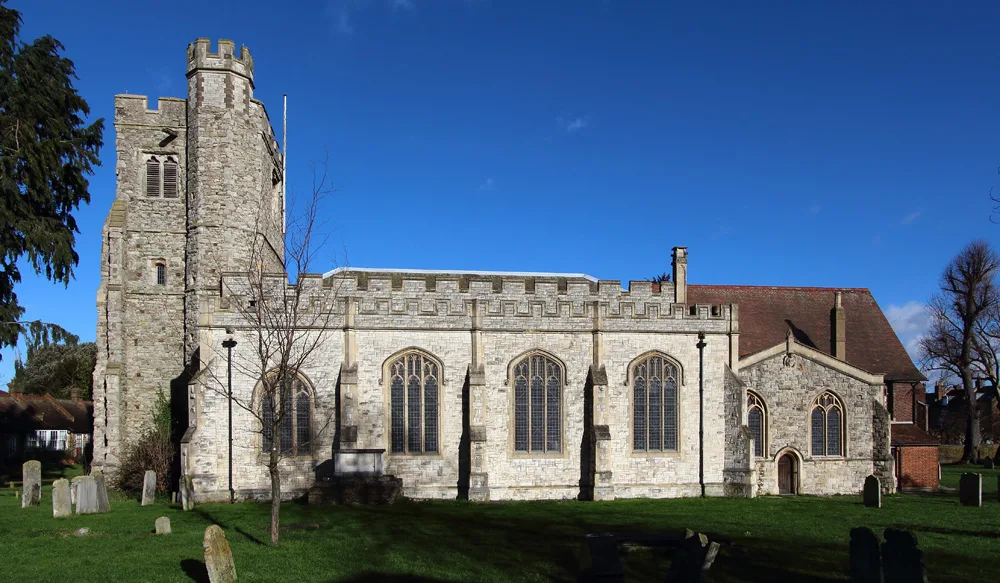 📷 5
📷 5Historic churches · London
All Saints' Church, Edmonton
All Saints' Church, Edmonton — church in Edmonton, London.
More places in this region
 📷 5
📷 5Historic churches · South West England
Abbey Church of St Gregory the Great, Downside Abbey
Abbey Church of St Gregory the Great, Downside Abbey — church in Stratton-on-the-Fosse, Somerset, England, UK.
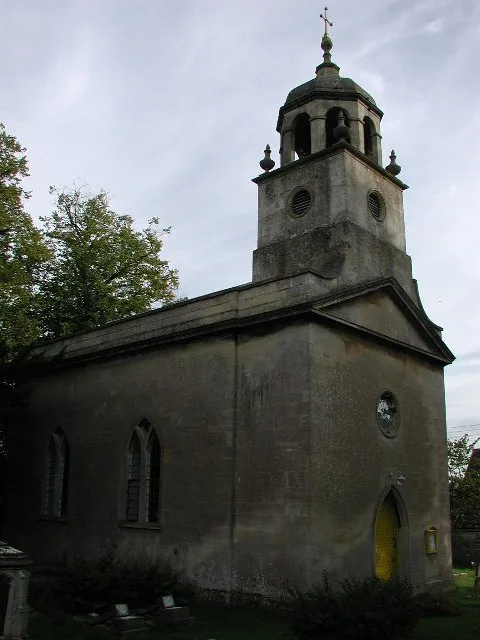 📷 5
📷 5Historic churches · South West England
All Saints Church
All Saints Church — Grade I listed church in Woolley, Somerset, England, UK.
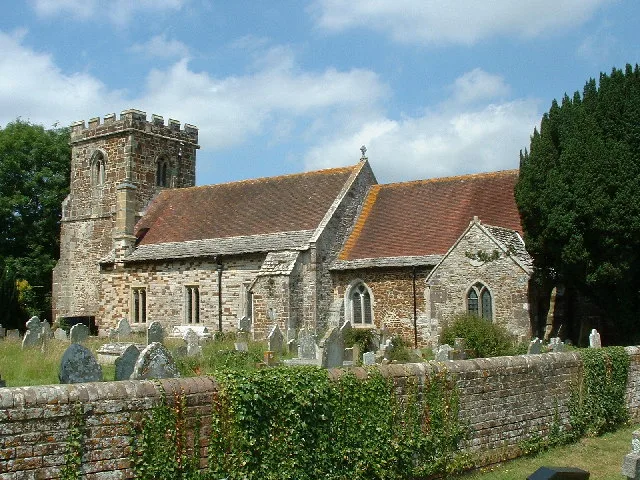 📷 5
📷 5Historic churches · South West England
All Saints Church, Hampreston
All Saints Church, Hampreston — church in Hampreston, Dorset, England, UK.
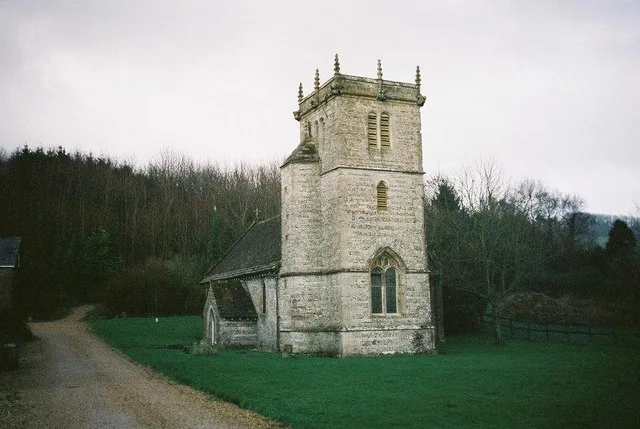 📷 5
📷 5Historic churches · South West England
All Saints Church, Nether Cerne
All Saints Church, Nether Cerne — church in Nether Cerne, Dorset, England, UK.
Frequently asked questions
- Where is Temple Church?
- Temple Church is in South-West England, United Kingdom (postcode BS1 6WG), in the parish of Bristol, City of, unparished area.
- What is Temple Church?
- Temple Church — church in Bristol, England.
- How do I get to Temple Church?
- The nearest railway station is Bristol Temple Meads, about 0.5 km away. The nearest town is Bristol. Drivers can use postcode BS1 6WG.
- When was Temple Church built?
- Built or established in 1101.
- Who runs Temple Church?
- Temple Church is operated by English Heritage.
- Is Temple Church a listed building?
- Temple Church is officially recognised as scheduled monument listed.
- Is Temple Church a protected site?
- Yes — Temple Church is part of the Severn Estuary SSSI Site of Special Scientific Interest.
- Is Temple Church free to visit?
- Yes, Temple Church is free to enter.