
Castles · South West England
Buildings and architecture of Bristol
In or near Bristol.
Bristol, the largest city in South West England, has an eclectic combination of architectural styles, ranging from the medieval to 20th century brutalism and beyond. During the mid-19th century, Brist

Derek Harper — CC BY-SA 2.0 via Wikimedia Commons licence

Plan your visit
- Typical visit
- 1.5 h–3 h
- Nearest railway station
- Bristol Temple Meads · 0.2 km
- Free entry
- Family-friendly
- Limited wheelchair access
Getting there & planning your visit
You can reach the Buildings and architecture of Bristol by taking a train to Bristol Temple Meads, which is 0.2 km away. The postcode for navigation is BS1 6EH. Please note that accessibility is limited.
About
Bristol, the largest city in South West England, has an eclectic combination of architectural styles, ranging from the medieval to 20th century brutalism and beyond. During the mid-19th century, Bristol Byzantine, an architectural style unique to the city, was developed, and several examples have survived. Buildings from most of the architectural periods of the United Kingdom can be seen throughout Bristol. Parts of the fortified city and castle date back to the medieval era, as do some churches dating from the 12th century onwards. Outside the historical city centre there are several large Tudor mansions built for wealthy merchants. Almshouses and public houses of the same period survive, intermingled with areas of more recent development. Several Georgian-era squares were laid out for the enjoyment of the middle class. As the city grew, it merged with its surrounding villages, each with its own character and centre, often clustered around a parish church. The construction of the city's Floating Harbour, taking in the wharves on the River Avon and Frome, provided a focus for industrial development and the growth of the local transport infrastructure. Key elements of which include the Isambard Kingdom Brunel designed Clifton Suspension Bridge and Temple Meads terminus; the latter served from 2002 to 2009 as the British Empire and Commonwealth Museum, but is now closed. The 20th century saw further expansion of the city, the growth of the University of Bristol and the arrival
Photo gallery
360° viewimagery from 2020
Imagery © Mapillary contributors, CC BY-SA 4.0
Official information
Temple Quay Market is a vibrant street food market located in Bristol's Temple Quarter, adjacent to Temple Meads station. It features a diverse range of international food stalls and serves as a popular gathering spot for local workers and residents.
Protected designations
- Site of Special Scientific Interest: Severn Estuary SSSI
Designations sourced from Natural England open data under OGL v3.
From the Wikipedia article
Bristol, the largest city in South West England, has an eclectic combination of architectural styles, ranging from the medieval to 20th century brutalism and beyond. During the mid-19th century, Bristol Byzantine, an architectural style unique to the city, was developed, and several examples have survived. Buildings from most of the architectural periods of the United Kingdom can be seen throughout Bristol. Parts of the fortified city and castle date back to the medieval era, as do some churches dating from the 12th century onwards. Outside the historical city centre there are several large Tudor mansions built for wealthy merchants. Almshouses and public houses of the same period survive, intermingled with areas of more recent development. Several Georgian-era squares were laid out for the enjoyment of the middle class. As the city grew, it merged with its surrounding villages, each with its own character and centre, often clustered around a parish church. The construction of the city's Floating Harbour, taking in the wharves on the River Avon and Frome, provided a focus for industrial development and the growth of the local transport infrastructure. Key elements of which include the Isambard Kingdom Brunel designed Clifton Suspension Bridge and Temple Meads terminus; the latter served from 2002 to 2009 as the British Empire and Commonwealth Museum, but is now closed. The 20th century saw further expansion of the city, the growth of the University of Bristol and the arrival of the aircraft industry. During World War II, the city centre was extensively bombed in the Bristol Blitz. The redevelopment of shopping centres, office buildings, and the harbourside continues to this day.
Excerpt from Wikipedia under CC BY-SA 4.0. See the source article linked in Sources below.
- Coordinates
- 51.4500, -2.5833
- District
- Bristol, City of
- Parish
- Bristol, City of, unparished area
- Postcode
- BS1 6EH
- Parliamentary constituency
- Bristol East
- Nearest railway station
- Bristol Temple Meads — 0.2 km
- Opening
- Every Tuesday & Thursday 12-2pm
Sources
- wikipedia: Buildings and architecture of Bristol (CC BY-SA 4.0)
Other places nearby
Wow! Gorillas
Museums · 0.0 km
Gromit Unleashed
Public art & sculpture · 0.0 km

Isambard Brunel
Public art & sculpture · 0.1 km
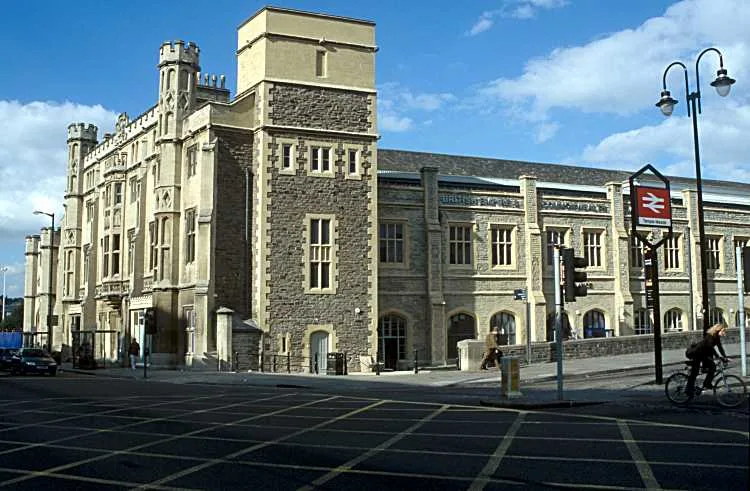
British Empire and Commonwealth Museum
Museums · 0.1 km

Exploratory Hands-on Science Centre
Museums · 0.1 km

Temple Quay Market
Farmers’ markets · 0.1 km

Miss Emma Saunders
Memorials & monuments · 0.2 km

Templar Stone
Public art & sculpture · 0.2 km

Novotel
Hotels · 0.2 km

Hilton Garden Inn Bristol City Centre
Hotels · 0.2 km

Bristol Temple Meads railway station
Heritage railway stations · 0.3 km

Meads Reach Bridge
Historic bridges · 0.3 km
Nearby
📷 5Museums · South West England
Wow! Gorillas
Wow! Gorillas — a museum in england-south-west, United Kingdom.
📷 5Public art & sculpture · South West England
Gromit Unleashed
Gromit Unleashed in Wales South, United Kingdom.
📷 3Public art & sculpture · South West England
Isambard Brunel
Isambard Brunel — a public art in england-south-west, United Kingdom.
📷 5Museums · South West England
British Empire and Commonwealth Museum
British Empire and Commonwealth Museum — Grade I listed museum in Bristol, United Kingdom.
📷 5Museums · South West England
Exploratory Hands-on Science Centre
The Exploratory Hands-on Science Centre was a science museum in Bristol, England. The project was conceived in 1981 by Richard Gregory, professor of neuropsychology at Bristol University, and was the
📷 5Farmers’ markets · South West England
Temple Quay Market
Temple Quay Market — a UK farmers' market in england south west.
Where to eat & stay near Buildings and architecture of Bristol
Places to stay
📷 5📷 5Hotels · South West England
Hilton Garden Inn Bristol City Centre
Hilton Garden Inn Bristol City Centre — a hotel in england south west. 4-star. Brand: Hilton Garden Inn.
 📷 5
📷 5Hotels · South West England
DoubleTree by Hilton Hotel Bristol City Centre
DoubleTree by Hilton Hotel Bristol City Centre — a hotel in england south west. 4-star. Brand: DoubleTree.
 📷 7
📷 7 📷 7
📷 7Hotels · South West England
Delta Hotels
Delta Hotels — a hotel in england south west.
 📷 7
📷 7Places to eat & drink
 📷 6
📷 6Historic pubs · South West England
Shakespeare Inn, Bristol
Shakespeare Inn, Bristol in Wales South, United Kingdom.
 📷 7
📷 7Restaurants · South West England
La Panza
La Panza — a restaurant in england south west.
 📷 7
📷 7Historic pubs · South West England
The Cornubia Public House
The Cornubia Public House in Wales South, United Kingdom.
 📷 7
📷 7Historic pubs · South West England
Printers Devil, Bristol
Printers Devil, Bristol in Wales South, United Kingdom.
 📷 5
📷 5Historic pubs · South West England
Seven Stars Public House, Bristol
Seven Stars Public House, Bristol in Wales South, United Kingdom.
 📷 5
📷 5Historic pubs · South West England
Stag & Hounds
Stag & Hounds — Historic pub — listed building or notable heritage status.
More castles in this region
 Flagship📷 10
Castles · South West England
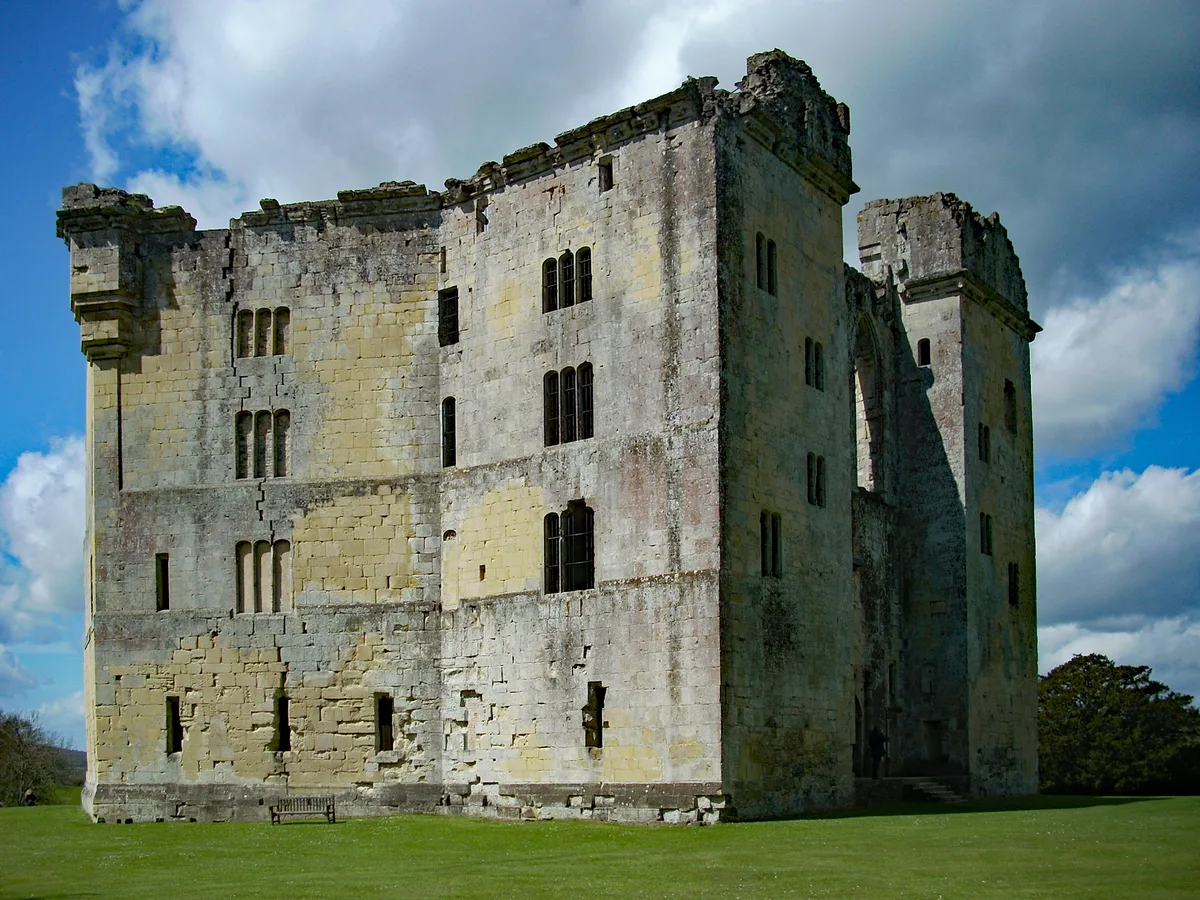
Old Wardour Castle
Old Wardour Castle — Grade I listed castle in Wardour, Wiltshire, England, UK.
 📷 5
📷 5Castles · South West England
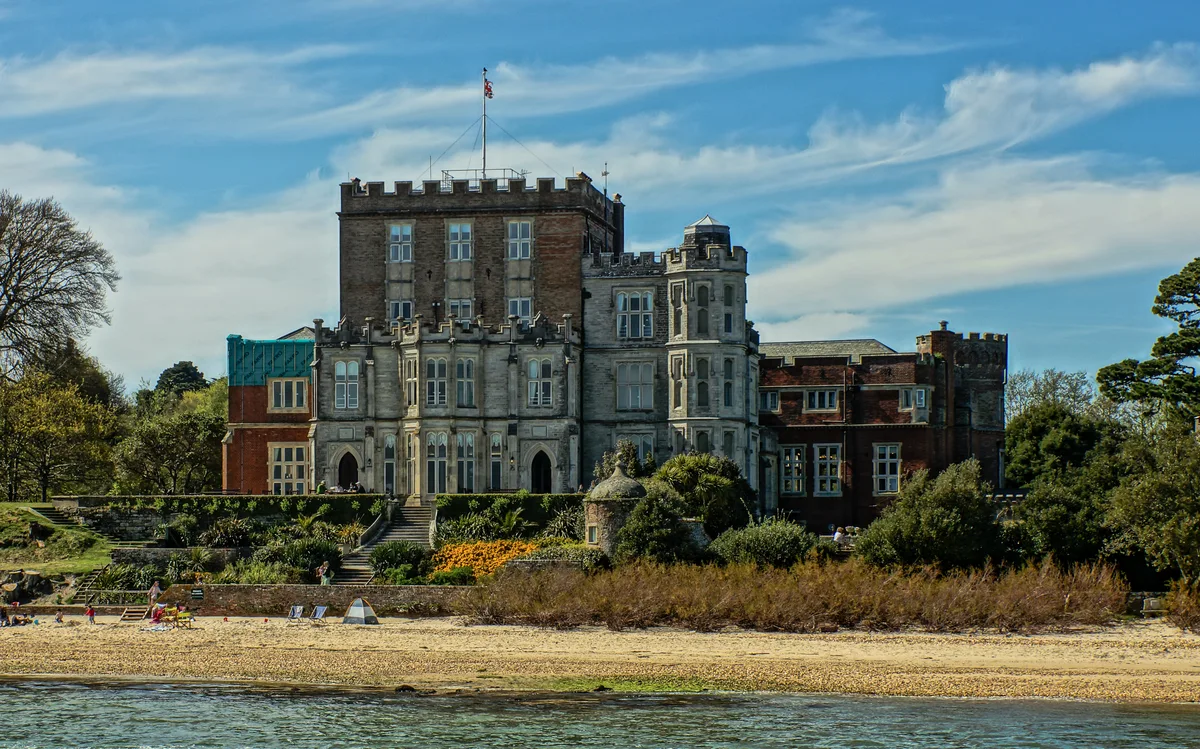
Ballands Castle
Ballands Castle — former castle in Somerset, England, UK.
 📷 5
📷 5Castles · South West England
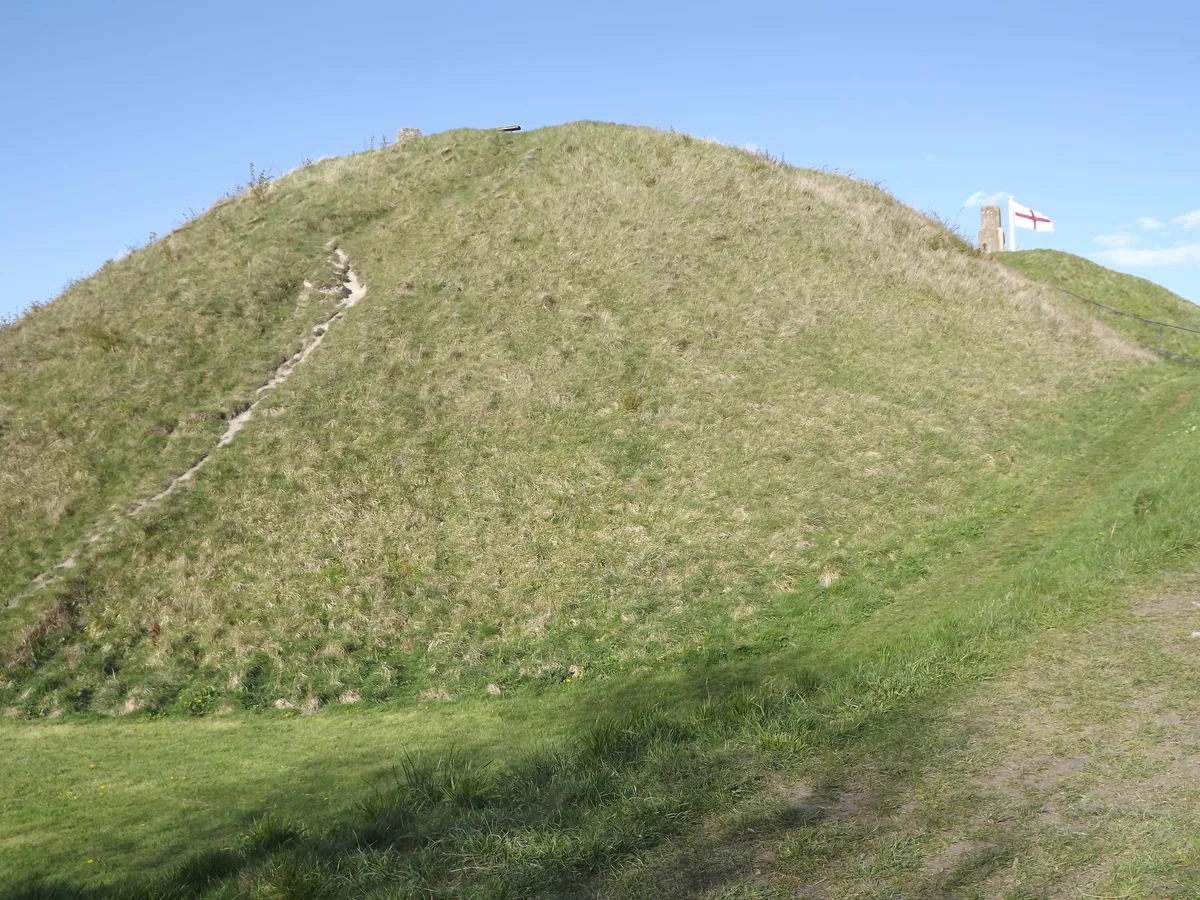
Brownsea Castle
Brownsea Castle — grade II listed Device Fort in Purbeck, United Kingdom.
 📷 5
📷 5Frequently asked questions
- Where is Buildings and architecture of Bristol?
- Buildings and architecture of Bristol is in South-West England, United Kingdom (postcode BS1 6EH), in the parish of Bristol, City of, unparished area.
- What is Buildings and architecture of Bristol?
- Bristol, the largest city in South West England, has an eclectic combination of architectural styles, ranging from the medieval to 20th century brutalism and beyond. During the mid-19th century, Brist
- How do I get to Buildings and architecture of Bristol?
- The nearest railway station is Bristol Temple Meads, about 0.2 km away. The nearest town is Bristol. Drivers can use postcode BS1 6EH.
- Is Buildings and architecture of Bristol a protected site?
- Yes — Buildings and architecture of Bristol is part of the Severn Estuary SSSI Site of Special Scientific Interest.
- Is Buildings and architecture of Bristol free to visit?
- Yes, Buildings and architecture of Bristol is free to enter.
- How do I get to Buildings and architecture of Bristol?
- The nearest railway station is Bristol Temple Meads, about 0.2 km away. Drivers can navigate to postcode BS1 6EH.