
Public art & sculpture · North West England
Stone Cycle
In or near Holcombe.
Stone Cycle — a public art in england-north-west, United Kingdom.

David Dixon — CC BY-SA 2.0 via Wikimedia Commons licence

Plan your visit
- Typical visit
- 1 h–2 h
- Nearest railway station
- Burrs Country Park Halt · 0.3 km
- Free entry
- Dog-friendly
Getting there & planning your visit
To visit the Stone Cycle, you can take a train to Burrs Country Park Halt, which is 0.3 km away. The postcode for your sat-nav is BL8 1DA. Entry to the site is free.
About
Stone Cycle is a public art located in england-north-west, United Kingdom. Sourced from OpenStreetMap (ODbL licence); see local listings for visitor information, opening hours and admission details.
Photo gallery
From the Wikipedia article
The stone circles in the British Isles and Brittany are a megalithic tradition of monuments consisting of standing stones arranged in rings. These were constructed from 3200 to 2000 BCE in Great Britain, Ireland and Brittany. It has been estimated that around 4,000 of these monuments were originally constructed in these parts of north-western Europe during this period. Around 1,300 of them are recorded, the others having been destroyed. Although stone circles have been erected throughout history by a variety of societies and for a variety of reasons, in the Late Neolithic and Early Bronze Ages, this particular tradition was limited to Great Britain, Ireland and the neighbouring area of continental Europe now known as Brittany. The rings were not distributed equally across this area, but were concentrated in several highland regions: north-eastern and central Scotland, the Lake District, the south-west peninsula of England, and the north and south-west of Ireland. Sparser groupings can also be found in Caithness, the Outer Hebrides, the Peak District, the Wicklow Mountains, Wales and Wessex. Their original purpose is not fully known, but archaeological investigation has shed some light on it. It is widely thought that they served a ritual or ceremonial purpose, particularly in relation to solar and/or lunar alignments. In a minority of cases, some were also used as cemeteries, with burials being made in and around the circle. Antiquarian investigation into the circles began in the Early Modern period, intensifying after the publications of notable English antiquarian William Stukeley in the 18th century. At the time, scholars understood little of prehistoric Britain, with the megalithic circles typically being ascribed either to the druids of the Iron Age or to the Danish settlers of Early Medieval times. In the 20th century, with the development of archaeology, archaeologists could investigate the circles in more detail. They dated them to the Late Neolithic and Bronze Ages. Since the late 20th century, many of these monuments were adopted as "sacred sites" by adherents of contemporary pagan religions such as Neo-Druidism, Wicca and the Goddess movement, and they used the sites as places to conduct their magico-religious rites.
Excerpt from Wikipedia under CC BY-SA 4.0. See the source article linked in Sources below.
Background
Architecture
in Cumbria, the largest example of Alexander Thom's Type B Flattened Circle. Long Meg is the detached stone at the bottom of the picture.]] The archaeologist and stone circle specialist Aubrey Burl noted that the stone circle builders would have had to undertake "careful planning" before they erected these monuments. There was much that they had to take into consideration: the choice of location, the size of the ring, the transport of the heavy stones, the laying out of the circle or ellipse, and the preparation of stone holes. They may have also had to plot astronomical alignments, making the task more difficult. Most stone circles were constructed upon flat ground, although some were…
Description
The historian Ronald Hutton noted that, along with the chambered long barrows of the Early Neolithic, stone circles are one of the most prominent forms of monument produced in prehistoric Britain. Despite the commonly used term "stone circles", many of these monuments are not true circles, but are instead ellipses or ovals. The stone circles are not always found in isolation from other forms of monument and often intersect with timber and earth structures. For this reason, the archaeologist Richard Bradley cautioned against understanding stone circles, timber circles, and earthen henges as distinct "types" of monument. The archaeologist Alexander Thom suggested that the stone circles fell…
Sourced from Wikipedia under CC BY-SA 4.0.
- Coordinates
- 53.6099, -2.3074
- District
- Bury
- Parish
- Bury, unparished area
- Postcode
- BL8 1DA
- Parliamentary constituency
- Bury North
- Nearest railway station
- Burrs Country Park Halt — 0.3 km
- Official site
- www.irwellsculpturetrail.co.uk
Sources
- osm: way/312095807 (ODbL)
- wikipedia: Stone circles in the British Isles and Brittany (CC BY-SA 4.0)
Other places nearby

Burrs Country Park
Parks · 0.2 km

Burrs Country Park Caravan Club
Campsites · 0.2 km

Castlesteads, Greater Manchester
Castles · 0.3 km

Castlesteads
Vineyards · 0.4 km
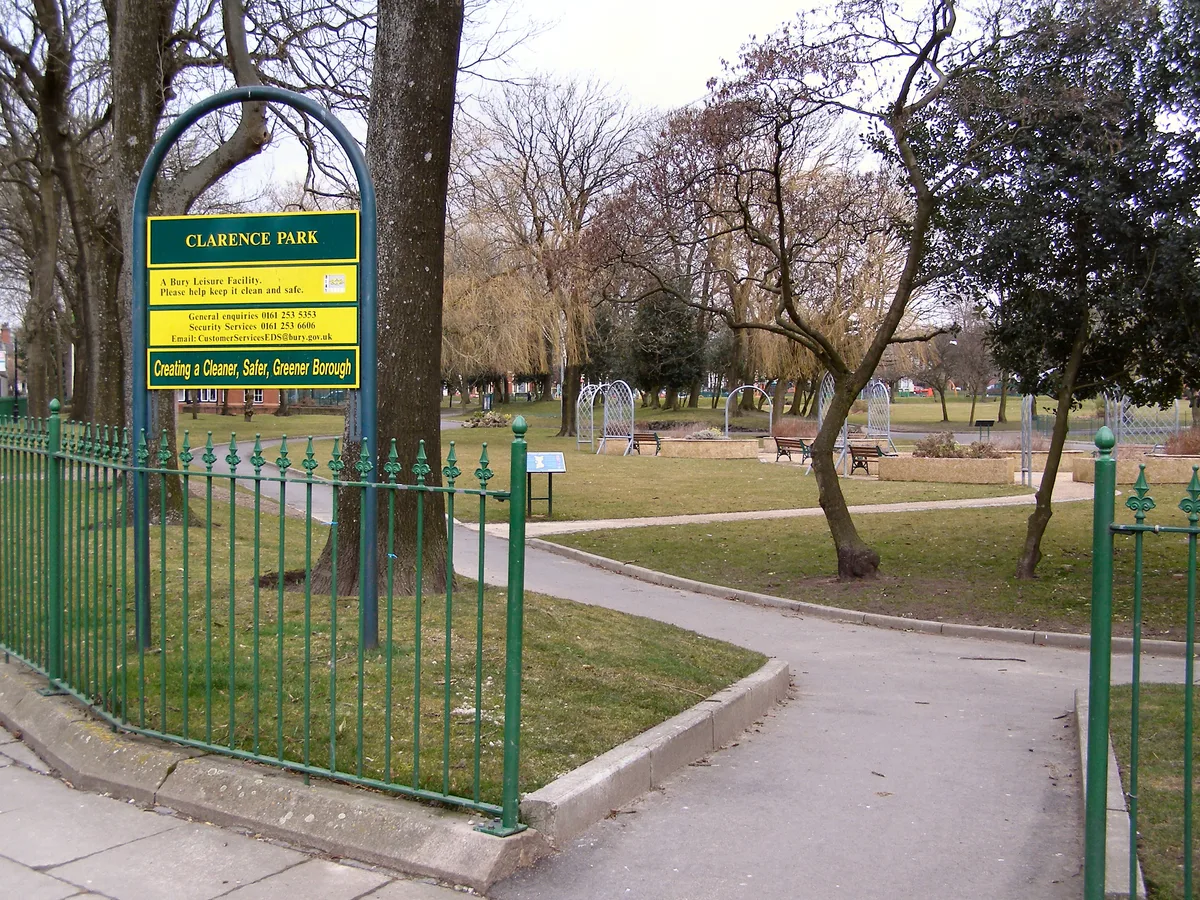
Clarence Park
Country parks · 1.4 km

Walmersley
Villages · 1.5 km

Locomotive "Bury"
Public art & sculpture · 1.7 km

Bury Transport Museum
Museums · 1.8 km

Castle Armoury
Gardens · 1.8 km
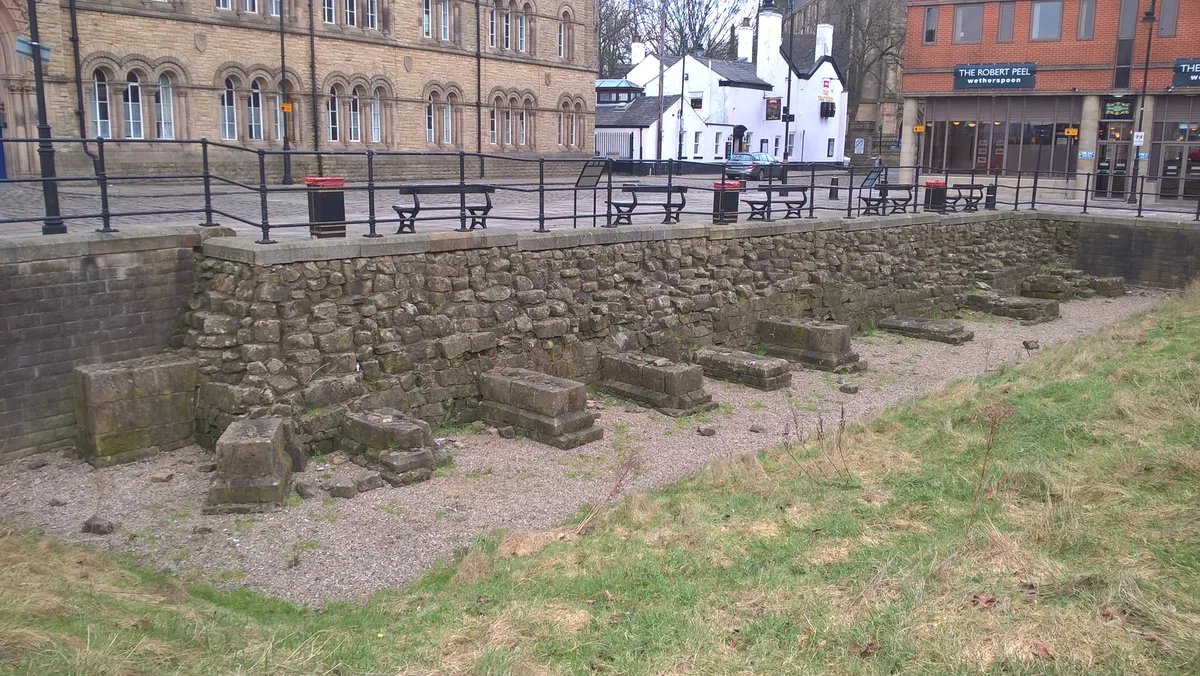
Bury Castle
Hill forts · 1.9 km

Bury Castle (Remnants)
Castles · 1.9 km
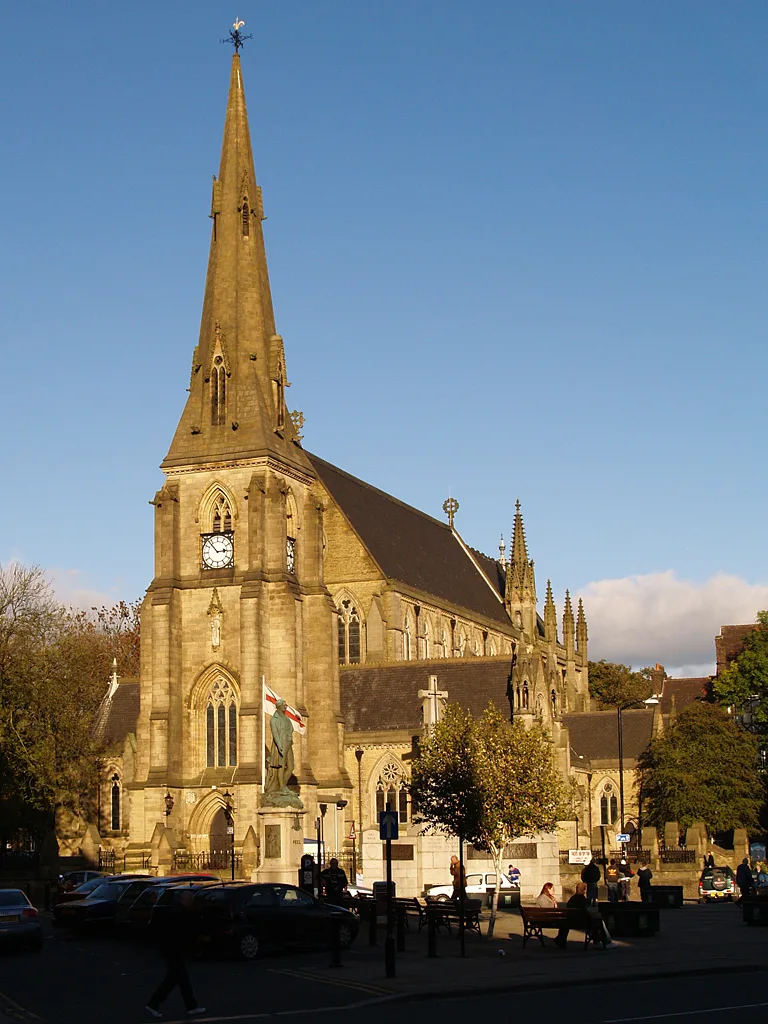
Church of St Mary the Virgin, Bury
Historic churches · 1.9 km
Nearby
📷 3Parks · North West England
Burrs Country Park
Burrs Country Park — park in United Kingdom.
📷 5Campsites · North West England
Burrs Country Park Caravan Club
Burrs Country Park Caravan Club — a campsite in england north west.
📷 5Castles · North West England
Castlesteads, Greater Manchester
Castlesteads is an Iron Age promontory fort, situated on the east bank of the River Irwell on a natural promontory in Bury, Greater Manchester (grid reference SD79691299). It is listed as a scheduled
📷 5Vineyards · North West England
Castlesteads
Castlesteads — a UK vineyard in england north west, producing English or Welsh wine from cool-climate grape varieties.
📷 3Country parks · North West England
Clarence Park
Clarence Park — urban park in Bury, Greater Manchester, England.
📷 5Where to eat & stay near Stone Cycle
Places to stay
📷 5Campsites · North West England
Burrs Country Park Caravan Club
Burrs Country Park Caravan Club — a campsite in england north west.
 📷 7
📷 7Hotels · North West England
Red Hall Hotel
Red Hall Hotel — a hotel in england north west.
 📷 5
📷 5Campsites · North West England
Ashworth Valley Scout Camp Site
Ashworth Valley Scout Camp Site — a campsite in england north west.
 📷 5
📷 5Campsites · North West England
The Paddock Campsite
The Paddock Campsite — a campsite in england north west.
 📷 5
📷 5Caravan parks · North West England
Gelder Clough
Gelder Clough — a caravan park in england north west.
 📷 5
📷 5Caravan parks · North West England
Walleach Caravan Park
Walleach Caravan Park — a caravan park in england north west.
Places to eat & drink
 📷 7
📷 7Historic pubs · North West England
Old White Lion
Old White Lion in England North West, United Kingdom.
 📷 5
📷 5 📷 7
📷 7Historic pubs · North West England
Shoulder of Mutton
Shoulder of Mutton in England North West, United Kingdom.
 📷 5
📷 5 📷 5
📷 5Historic pubs · North West England
Ye Olde Man & Scythe
Ye Olde Man & Scythe — Historic pub — listed building or notable heritage status.
 📷 5
📷 5Historic pubs · North West England
Church Inn
Church Inn in England North West, United Kingdom.
More places in this region
 📷 3
📷 3Public art & sculpture · North West England
Anyone Who Has a Heart
Anyone Who Has a Heart — Public artwork (sculpture).
 📷 3
📷 3Public art & sculpture · North West England
Generation of Possibilities
Generation of Possibilities — Public artwork (sculpture) by Paul Frank Lewthwaite.
 📷 3
📷 3Public art & sculpture · North West England
Inhuman barriers
Inhuman barriers — Public artwork (mural) by Never Crew.
 📷 3
📷 3Public art & sculpture · North West England
James Fraser
James Fraser — Public artwork (statue) by Thomas Woolner.
Frequently asked questions
- Where is Stone Cycle?
- Stone Cycle is in North-West England, United Kingdom (postcode BL8 1DA), in the parish of Bury, unparished area.
- What is Stone Cycle?
- Stone Cycle — a public art in england-north-west, United Kingdom.
- How do I get to Stone Cycle?
- The nearest railway station is Burrs Country Park Halt, about 0.3 km away. The nearest town is Holcombe. Drivers can use postcode BL8 1DA.
- Is Stone Cycle free to visit?
- Yes, Stone Cycle is free to enter.
- How do I get to Stone Cycle?
- The nearest railway station is Burrs Country Park Halt, about 0.3 km away. Drivers can navigate to postcode BL8 1DA.