
Historic churches · London
St Mary-le-Bow
In or near City of London.
St Mary-le-Bow — church building in City of London, London, England, UK.

Wikimedia Commons contributors — see linked file page for photographer and licence licence

Plan your visit
- Typical visit
- 30 min–1 h
- Nearest railway station
- Mansion House · 0.2 km
- Free entry
- Family-friendly
- Wheelchair accessible
Getting there & planning your visit
St Mary-le-Bow is located in the City of London, with the nearest railway station being Mansion House, just 0.2 km away. Entry to the church is free, and it is accessible for wheelchair users. The postcode for sat-nav is EC2V 6AU.
About
St Mary-le-Bow is a historic church in the United Kingdom. Records date its origin to 1671. Designed by Christopher Wren. Built in the English Baroque style. Heritage designation: Grade I listed building. Affiliated with Anglicanism. Named after Mary. Wikidata describes it as: "church building in City of London, London, England, UK". Coordinates: 51.5137°, -0.0936°.
Photo gallery
Heritage listing
The Church of St Mary-le-Bow (, rhymes with 'know') is a Church of England parish church in the City of London, England. Located on Cheapside, one of the city's oldest thoroughfares, the church was founded in 1080, by Lanfranc, Archbishop of Canterbury. Rebuilt several times over the ensuing centuries, the present church is the work of Sir Christopher Wren, following the Great Fire of London (1666). With its tall spire, it is still a landmark in the City of London, being the third highest of any Wren church, surpassed only by nearby St Paul's Cathedral and St Bride's, Fleet Street. At a cost of over £15,000, it was also his second most expensive, again only surpassed by St Paul's Cathedral.
From the Historic England List Entry under OGL v3.
Official information
St Mary-le-Bow is a historic church located in Cheapside, London, known for its iconic Bow Bells. Visitors can enjoy a peaceful environment for prayer and reflection, with various services and events held throughout the week.
From the Wikipedia article
The Church of St Mary-le-Bow (, rhymes with 'know') is a Church of England parish church in the City of London, England. Located on Cheapside, one of the city's oldest thoroughfares, the church was founded in 1080, by Lanfranc, Archbishop of Canterbury. Rebuilt several times over the ensuing centuries, the present church is the work of Sir Christopher Wren, following the Great Fire of London (1666). With its tall spire, it is still a landmark in the City of London, being the third highest of any Wren church, surpassed only by nearby St Paul's Cathedral and St Bride's, Fleet Street. At a cost of over £15,000, it was also his second most expensive, again only surpassed by St Paul's Cathedral. St Mary-le-Bow is widely known for its bells, which also feature in the nursery rhyme "Oranges and Lemons". According to legend, Dick Whittington heard the bells calling him back to the city in 1392, leading him to become Lord Mayor. Traditionally, anyone born within earshot of the bells was considered to be a true Londoner, or Cockney. The church suffered severe damage by the Luftwaffe in the Second World War as part of the Blitz, like many churches in London. The interior was reduced to a shell, and though the tower survived, fire damage made the bells crash to the floor. The church was sympathetically restored to its pre-war condition by Laurence King from 1956 to 1964. The church was awarded Grade I listed status, the highest possible rating, on the National Heritage List for England, whilst still a shell in 1950.
Excerpt from Wikipedia under CC BY-SA 4.0. See the source article linked in Sources below.
Background
History
Though archaeological excavations suggest an earlier Saxon building may have stood on the site prior to the Norman Conquest, the first confirmed church dedicated to St Mary on Cheapside was built by Lanfranc, Archbishop of Canterbury, in 1080. Lanfranc, who was William the Conqueror's archbishop brought over from Normandy, founded the church as part of the Norman policy of dominating London. The church at Cheapside was dedicated to St Mary and was constructed from Caen stone from Normandy, the same stone used in the Tower of London. The architect for the Tower of London was Gundulf, Bishop of Rochester, who may have also designed the first St Mary-le-Bow. This early church was built on two…
Architecture
Only three bays make up the nave of the church, which is divided into small aisles by large round-headed arches. These arches are supported by compound piers with attached demi-columns that feature shorter pilasters for the openings and Corinthian capitals for the nave and aisles. Hayward’s scheme comprises nine windows in total, five in the east wall and four in the west wall. Their modern design combines bold palettes of colour and sharp geometries with recognisable figurative iconography. In the east wall are three windows with rounded arches, the central window being taller and wider than its neighbours, which both have smaller round windows above them. Depicted across the three…
Description
The Academy of St Mary-le-Bow, a London-based chamber orchestra founded in 2016, is the resident orchestra at St Mary-le-Bow. It gave its debut concert at the church in August 2016 and continues to present regular performances there.
Visiting
The bells, often considered amongst the most famous in the world, have typically been used to define whether or not one is a true Londoner or Cockney; anyone born within their earshot is considered such. With the urbanisation of the City of London in the 20th and 21st centuries, the increasing population, noise pollution and the soundproofing measures installed in the belfry, the range of the Bow bells is significantly smaller than at its peak. In 1851, the bells could be heard across north and east London, as far as Hackney Marshes, Stratford and Limehouse, with reports that they could also be heard south of the Thames in Southwark. An acoustic study taken in 2012 shows that this range has…
Sourced from Wikipedia under CC BY-SA 4.0.
- Coordinates
- 51.5137, -0.0936
- District
- City of London
- Parish
- City of London, unparished area
- Postcode
- EC2V 6AU
- Parliamentary constituency
- Cities of London and Westminster
- Phone
- +44 20 7248 5139
- Established
- 1671
- Nearest railway station
- Mansion House — 0.2 km
- Opening
- Monday to Friday: 07.30 – 18.00; weekends open informally
- Official site
- www.stmarylebow.co.uk
Sources
- wikidata: Q2301992 (CC0)
- wikipedia: St Mary-le-Bow (CC BY-SA 4.0)
- commons: StMaryLeBowChurch.jpg (CC BY-SA 4.0)
Other places nearby

Captain John Smith
Cathedrals · 0.0 km
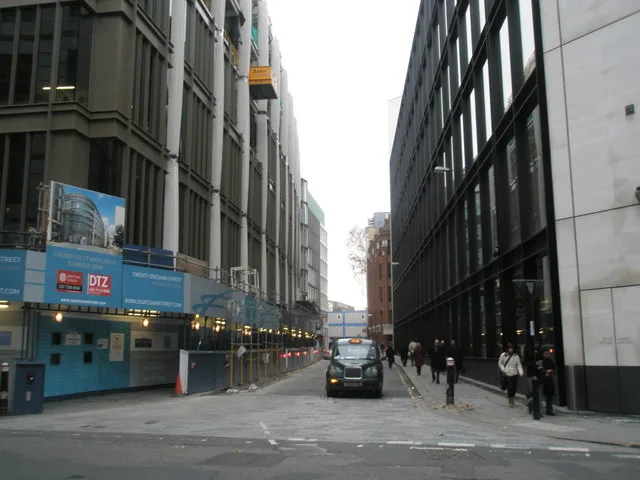
St. Mary Magdalen, Milk Street
Historic churches · 0.0 km

Honey Lane Market
Mines & mining heritage · 0.1 km

John Milton
Memorials & monuments · 0.1 km
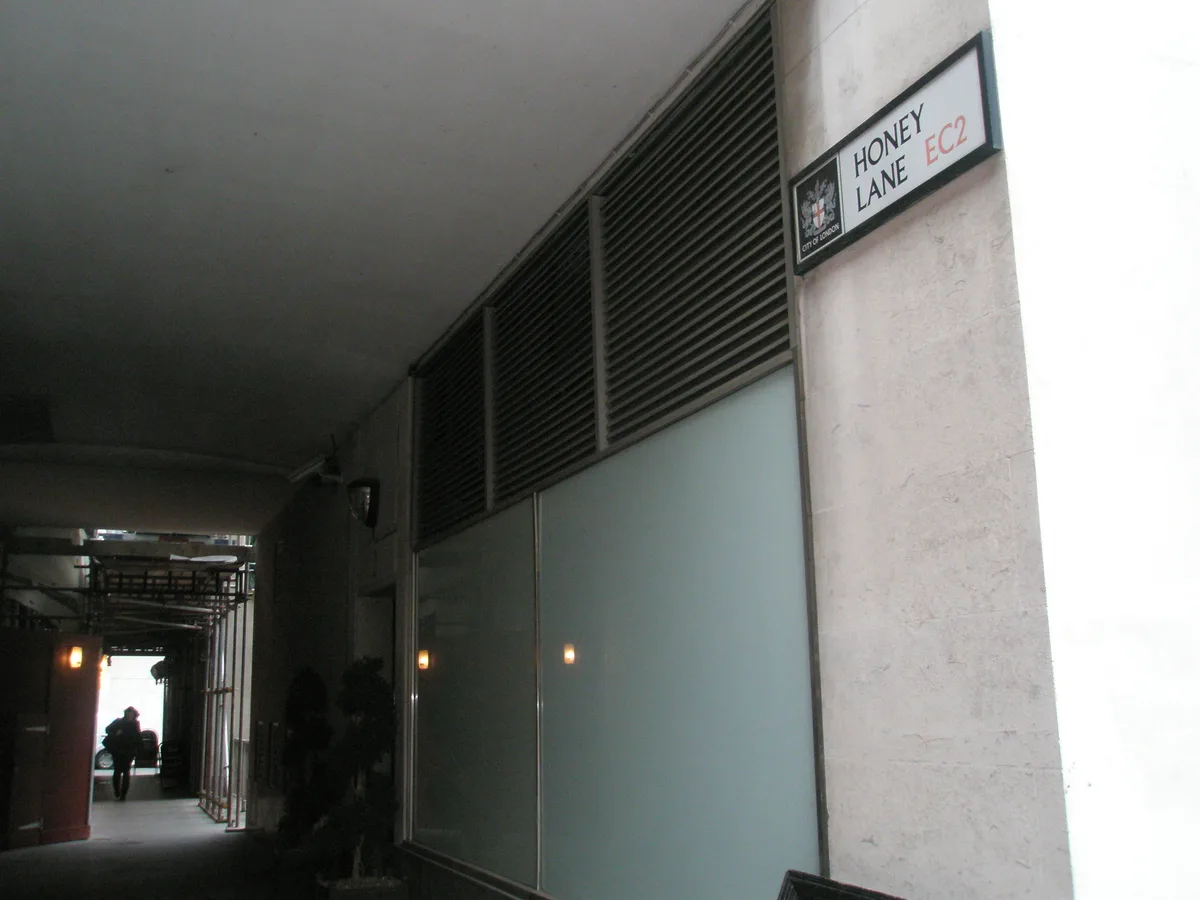
All Hallows Honey Lane
Historic churches · 0.1 km

London Salvage Corps
Memorials & monuments · 0.1 km
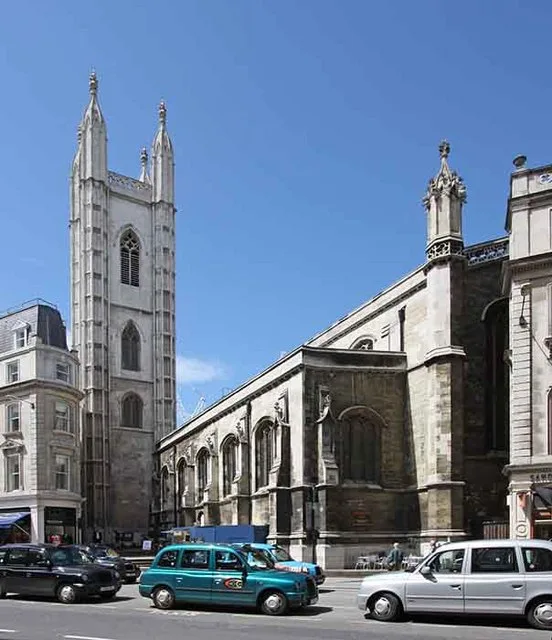
St Mary Aldermary
Historic churches · 0.1 km
.jpg?width=1200)
The Cordwainer
Cathedrals · 0.1 km

Bread Street Kitchen
Restaurants · 0.1 km

Saint Thomas Becket
Public art & sculpture · 0.1 km

Hospital of St Thomas of Acre
Historic churches · 0.1 km

Site of St Pancras Church
Memorials & monuments · 0.1 km
Nearby
📷 5📷 5Historic churches · London
St. Mary Magdalen, Milk Street
St. Mary Magdalen, Milk Street — church in City of London, UK.
📷 5Mines & mining heritage · London
Honey Lane Market
Honey Lane Market — historic market near Cheapside in the City of London.
📷 5Memorials & monuments · London
John Milton
John Milton — a memorial in england-london, United Kingdom.
📷 5Historic churches · London
All Hallows Honey Lane
All Hallows Honey Lane — church in City of London, UK.
📷 5Memorials & monuments · London
London Salvage Corps
London Salvage Corps — a memorial in england-london, United Kingdom.
Where to eat & stay near St Mary-le-Bow
Places to stay
 📷 5
📷 5Hotels · London
Vintry and Mercer Hotel
Vintry and Mercer Hotel — a hotel in england london.
 📷 5
📷 5Hotels · London
Travelodge London Central Bank
Travelodge London Central Bank — a hotel in england london.
 📷 5
📷 5Hotels · London
Suffolk Lane by BridgeStreet
Suffolk Lane by BridgeStreet — a hotel in england london.
 📷 5
📷 5Hotels · London
Leonardo Royal Hotel London St Paul's
Leonardo Royal Hotel London St Paul's — a hotel in england london. Brand: Leonardo Royal Hotel.
 📷 5
📷 5Hostels · London
YHA London St Pauls
YHA London St Pauls — a hostel in england london. Brand: Youth Hostels Association.
 📷 5
📷 5Hotels · London
Club Quarters Hotel
Club Quarters Hotel — a hotel in england london.
Places to eat & drink
📷 5 📷 5
📷 5Historic pubs · London
Old Doctor Butler's Head
Old Doctor Butler's Head in England London, United Kingdom.
 📷 7
📷 7 📷 7
📷 7Cafés · London
Joe & The Juice
Joe & The Juice — a café in england london. Cuisine: coffee shop. Brand: Joe & The Juice.
 📷 5
📷 5 📷 5
📷 5Historic pubs · London
The Olde Wine Shades
The Olde Wine Shades in England London, United Kingdom.
Other works by Christopher Wren
.jpg?width=1200) 📷 5
📷 5Historic houses · London
11 Downing Street
11 Downing Street — Grade I listed house in City of Westminster, United Kingdom.
 📷 5
📷 5Historic churches · London
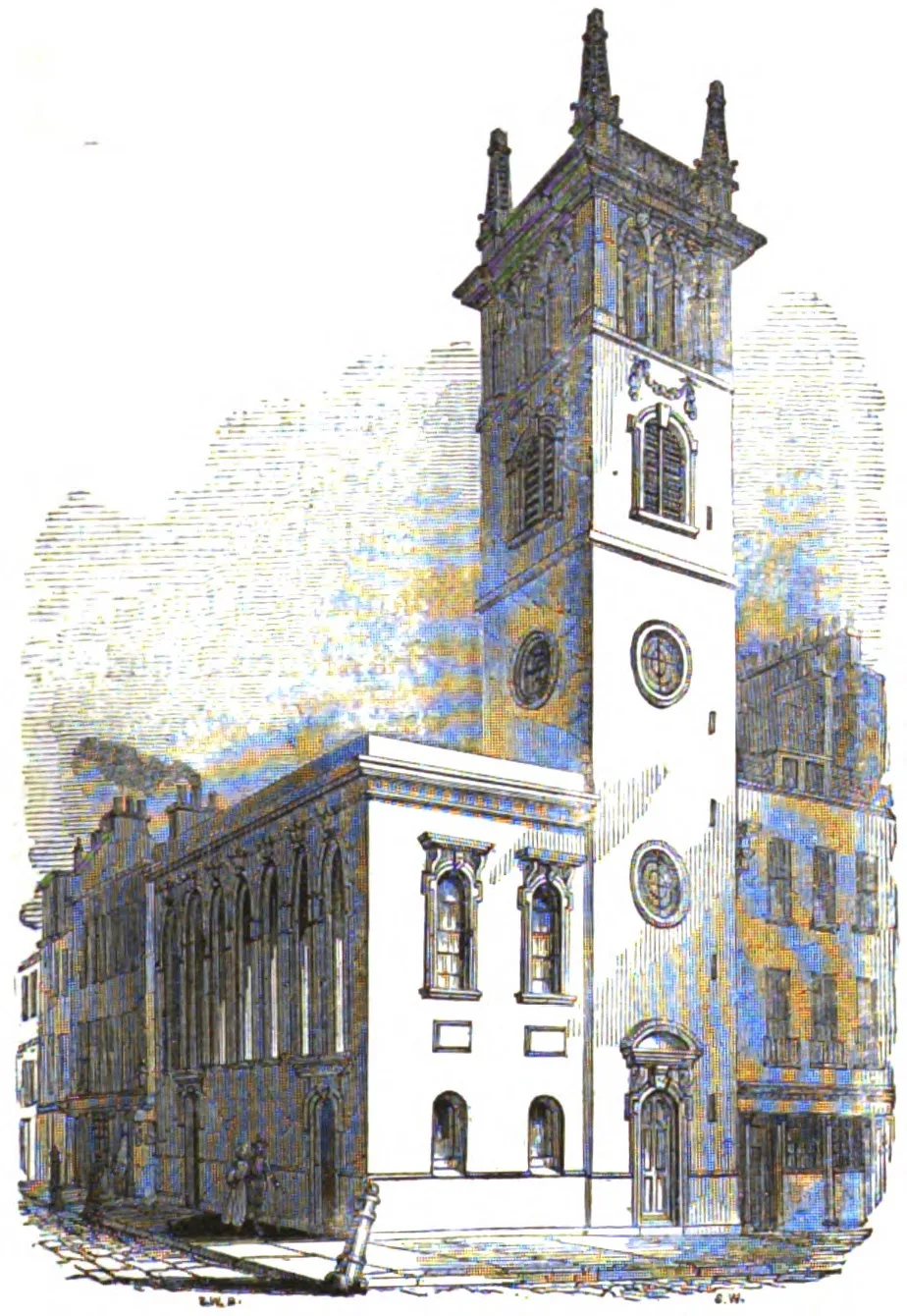
All Hallows Bread Street
All Hallows Bread Street — church in City of London, UK.
 📷 5
📷 5Historic churches · London
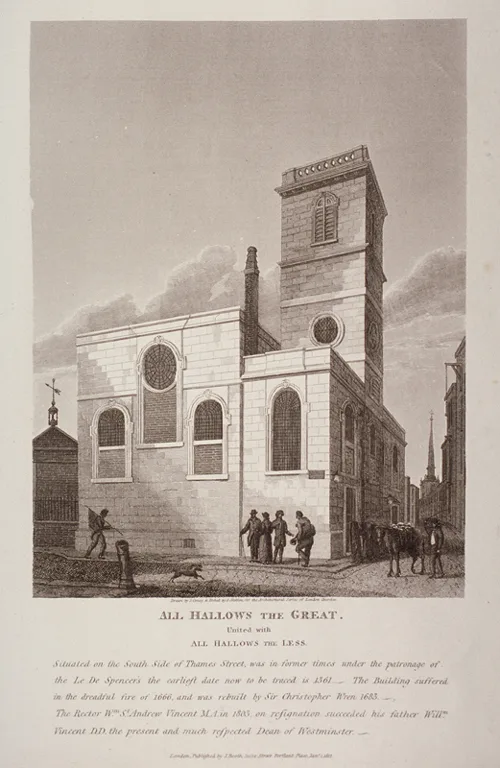
All-Hallows-the-Great
All-Hallows-the-Great — church in City of London, UK.
 📷 5
📷 5Chapels · London
Boone's Chapel
Boone's Chapel — Grade I listed chapel in London Borough of Lewisham, United Kingdom.
Other places from this era
 📷 5
📷 5Historic churches · London
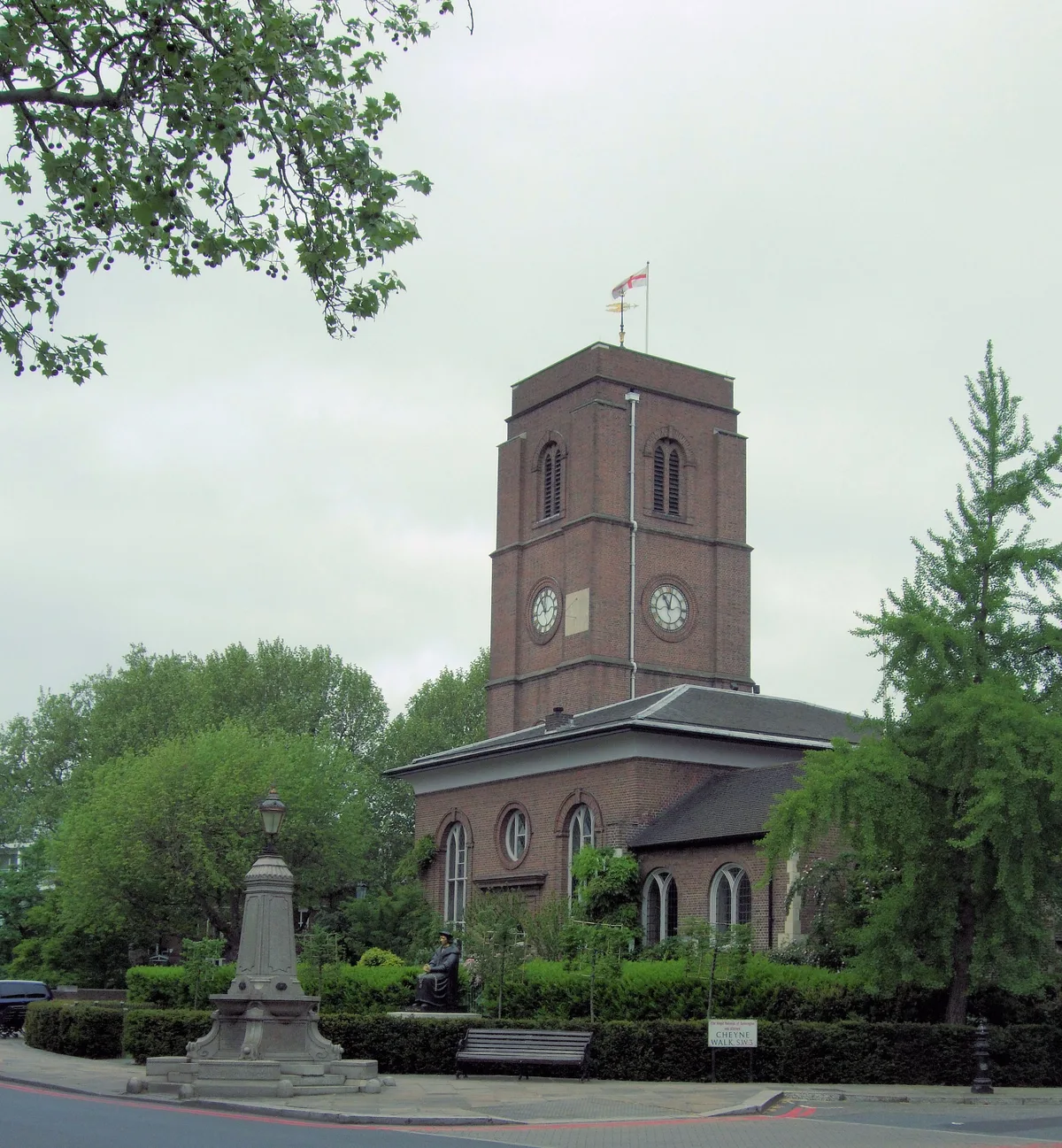
Chelsea Old Church
Chelsea Old Church — church in Royal Borough of Kensington and Chelsea, UK.
 📷 5
📷 5Historic churches · London
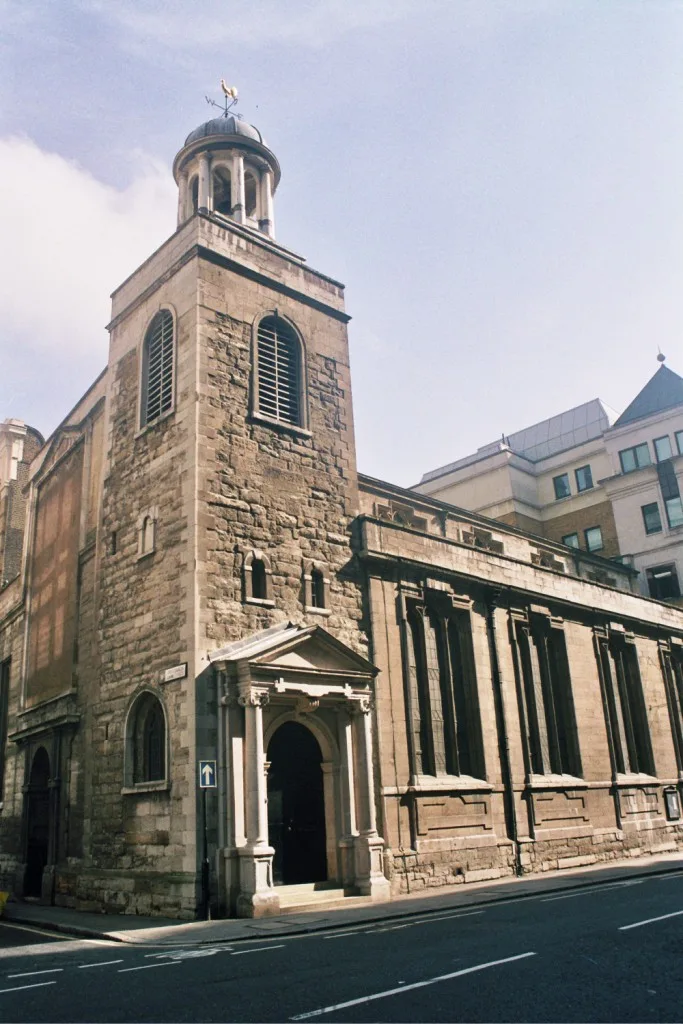
Church of St Katharine Cree, London
Church of St Katharine Cree, London — church in City of London, UK.
 📷 5
📷 5Historic churches · London
Church of St Lawrence, Little Stanmore
Church of St Lawrence, Little Stanmore — church of England church in Stanmore, London.
 📷 5
📷 5Historic churches · London
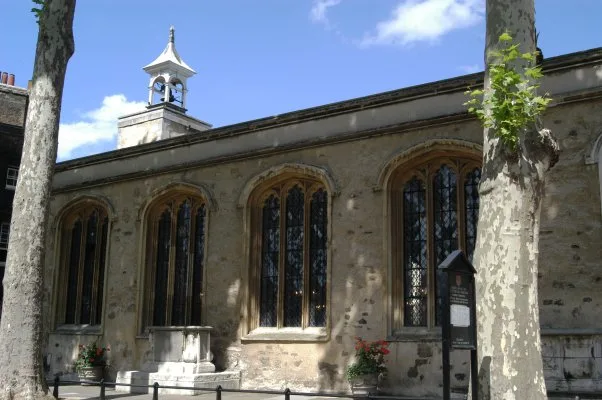
Church of St Peter ad Vincula, Tower Hamlets
Church of St Peter ad Vincula, Tower Hamlets — Grade I listed chapel in London Borough of Tower Hamlets, UK, within the Tower of London.
More places in this region
 📷 5
📷 5Historic churches · London
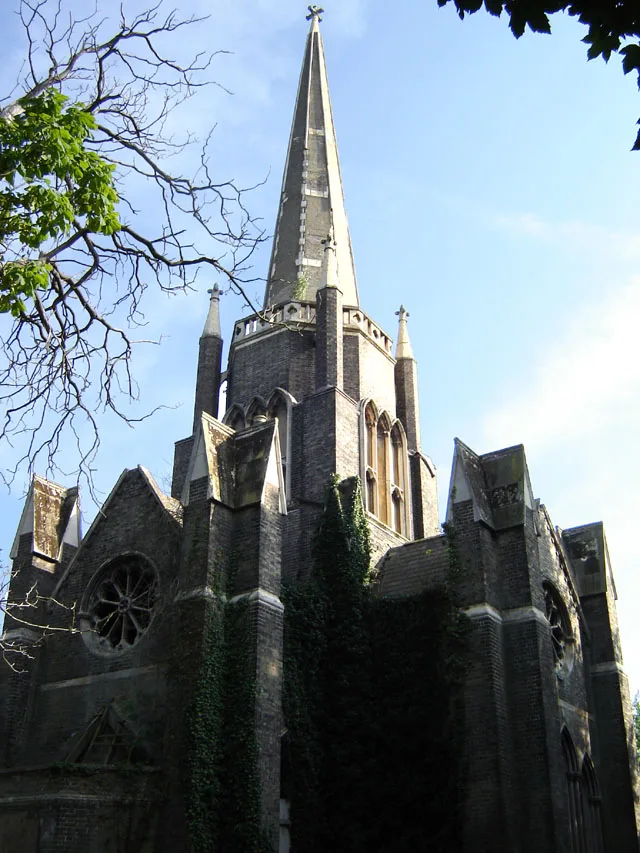
Abney Park Chapel
Abney Park Chapel — grade II listed church in the London Borough of Hackney, England,UK.
 📷 5📷 5
Historic churches · London
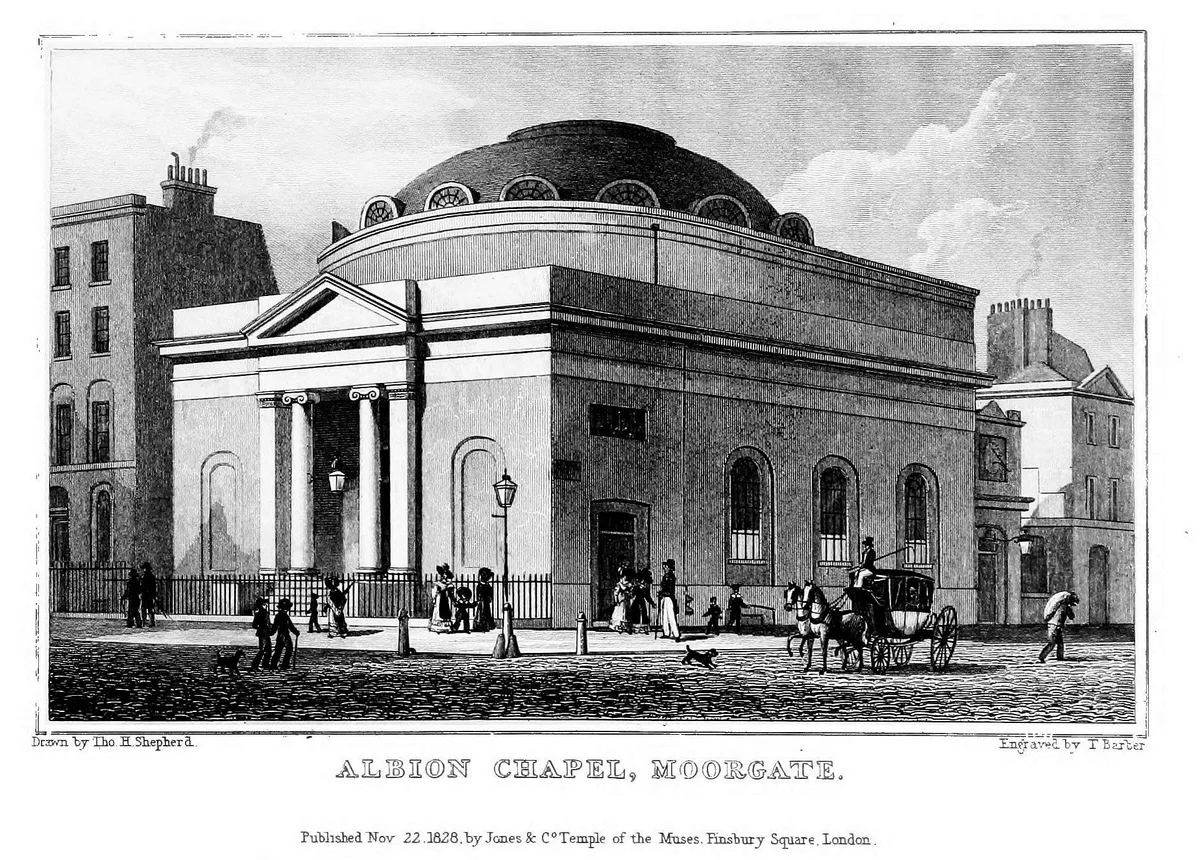
All Hallows Honey Lane
All Hallows Honey Lane — church in City of London, UK.
 📷 5
📷 5Historic churches · London
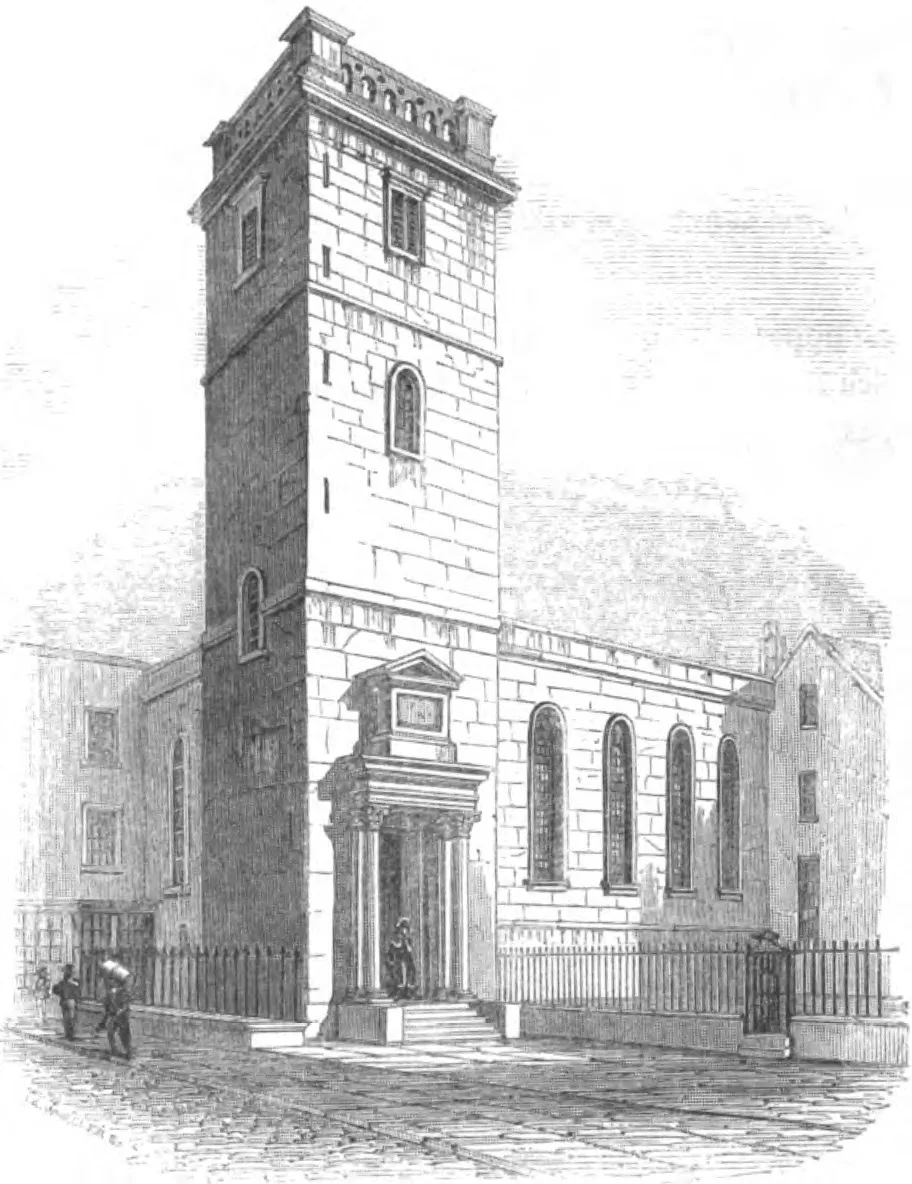
All Hallows Lombard Street
All Hallows Lombard Street — church in City of London, UK.
Frequently asked questions
- Where is St Mary-le-Bow?
- St Mary-le-Bow is in London, United Kingdom (postcode EC2V 6AU), in the parish of City of London, unparished area.
- What is St Mary-le-Bow?
- St Mary-le-Bow — church building in City of London, London, England, UK.
- How do I get to St Mary-le-Bow?
- The nearest railway station is Mansion House, about 0.2 km away. The nearest town is City of London. Drivers can use postcode EC2V 6AU.
- When was St Mary-le-Bow built?
- Built or established in 1671. Designed by Christopher Wren.
- Is St Mary-le-Bow a listed building?
- St Mary-le-Bow is officially recognised as Grade I listed building listed.
- Is St Mary-le-Bow free to visit?
- Yes, St Mary-le-Bow is free to enter.
- How do I get to St Mary-le-Bow?
- The nearest railway station is Mansion House, about 0.2 km away. Drivers can navigate to postcode EC2V 6AU.