
Memorials & monuments · London
John Milton
In or near City of London.
John Milton — a memorial in england-london, United Kingdom.

Basher Eyre — CC BY-SA 2.0 via Wikimedia Commons licence

Plan your visit
- Typical visit
- 15 min–45 min
- Nearest railway station
- Mansion House · 0.2 km
- Free entry
- Dog-friendly
- Wheelchair accessible
Getting there & planning your visit
To visit the John Milton memorial, you can get to Mansion House station, which is 0.2 km away. Entry is free, and the site is wheelchair accessible. The postcode for your sat-nav is EC2V 6AU.
About
John Milton is a memorial located in england-london, United Kingdom. Sourced from OpenStreetMap (ODbL licence); see local listings for visitor information, opening hours and admission details.
Photo gallery
360° viewimagery from 2025
Imagery © Mapillary contributors, CC BY-SA 4.0
Official information
St Mary-le-Bow is a historic church located in Cheapside, London, known for its iconic Bow Bells. Visitors can experience a space for stillness and prayer, as well as attend various services throughout the week.
From the Wikipedia article
John Milton (9 December 1608 – 8 November 1674) was an English poet, polemicist, and civil servant. His 1667 epic poem Paradise Lost was written in blank verse and included 12 books, written in a time of immense religious flux and political upheaval. It addressed the fall of man, including the temptation of Adam and Eve by the fallen angel Satan, and God's expulsion of them from the Garden of Eden. Paradise Lost elevated Milton's reputation as one of history's greatest poets. He also served as a civil servant for the Commonwealth of England under its Council of State and later under Oliver Cromwell. Milton achieved fame and recognition during his lifetime. His celebrated Areopagitica (1644) condemning pre-publication censorship as among history's most influential and impassioned defences of freedom of speech and freedom of the press. His desire for freedom extended beyond his philosophy and was reflected in his style, which included his introduction of new words to the English language, coined from Latin and Ancient Greek. He was the first modern writer to employ unrhymed verse outside the theatre or translations. Milton is described as the "greatest English author" by his biographer William Hayley, and he remains generally regarded "as one of the preeminent writers in the English language", though critical reception has oscillated in the centuries since his death, often on account of his republicanism. Samuel Johnson praised Paradise Lost as "a poem which ... with respect to design may claim the first place, and with respect to performance, the second, among the productions of the human mind", though he (a Tory) described Milton's politics as those of an "acrimonious and surly republican". Milton was revered by poets such as William Blake, William Wordsworth, and Thomas Hardy. Phases of Milton's life parallel the major historical and political divisions in Stuart England at the time. In his early years, Milton studied at Christ's College at the University of Cambridge, and then travelled, wrote poetry mostly for private circulation, and launched a career as pamphleteer and publicist under Charles I's increasingly autocratic rule and Britain's breakdown into constitutional confusion and ultimately civil war. He was once considered dangerously radical and heretical, but he contributed to a seismic shift in accepted public opinions during his life that ultimately elevated him to public office in England. The Restoration of 1660 and his loss of vision later deprived Milton of much of his public platform, but he used the period to develop many of his major works. Milton's views developed from extensive reading, travel, and experience that began with his days as a student at the University of Cambridge in the 1620s and continued through the English Civil War, which started in 1642 and continued until 1651. By the time of his death in 1674, Milton was impoverished and on the margins of English intellectual life but famous throughout Europe and unrepentant for political choices that placed him at odds with governing authorities. Milton is widely regarded as one of the greatest poets in English literature, though his oeuvre has drawn criticism from notable figures, including T. S. Eliot. According to some scholars, Milton was second in influence to none but William Shakespeare. In one of his books, Johnson praised him for having the power of "displaying the vast, illuminating the splendid, enforcing the awful, darkening the gloomy and…
Excerpt from Wikipedia under CC BY-SA 4.0. See the source article linked in Sources below.
Background
History
History was particularly important for the political class of the period, and Lewalski considers that Milton "more than most illustrates" a remark of Thomas Hobbes on the weight placed at the time on the classical Latin historical writers Tacitus, Livy, Sallust and Cicero, and their republican attitudes. Milton himself wrote that "Worthy deeds are not often destitute of worthy relaters", in Book II of his History of Britain. A sense of history mattered greatly to him:
Description
by William Faithorne, 1670]] Cromwell's death in 1658 caused the English Republic to collapse into feuding military and political factions. Milton, however, stubbornly clung to the beliefs that had originally inspired him to write for the Commonwealth. In 1659, he published A Treatise of Civil Power, attacking the concept of a state-dominated church (the position known as Erastianism), as well as Considerations touching the likeliest means to remove hirelings, denouncing corrupt practises in church governance. As the Republic disintegrated, Milton wrote several proposals to retain a non-monarchical government against the wishes of parliament, soldiers, and the people. Upon the Restoration…
Sourced from Wikipedia under CC BY-SA 4.0.
- Coordinates
- 51.5139, -0.0945
- District
- City of London
- Parish
- City of London, unparished area
- Postcode
- EC2V 6AU
- Parliamentary constituency
- Cities of London and Westminster
- Phone
- +44 20 7248 5139
- Nearest railway station
- Mansion House — 0.2 km
- Opening
- Monday to Friday: 07.30 – 18.00; weekends open informally
Sources
- osm: node/5047029714 (ODbL)
- wikipedia: John Milton (CC BY-SA 4.0)
Other places nearby

Captain John Smith
Cathedrals · 0.0 km
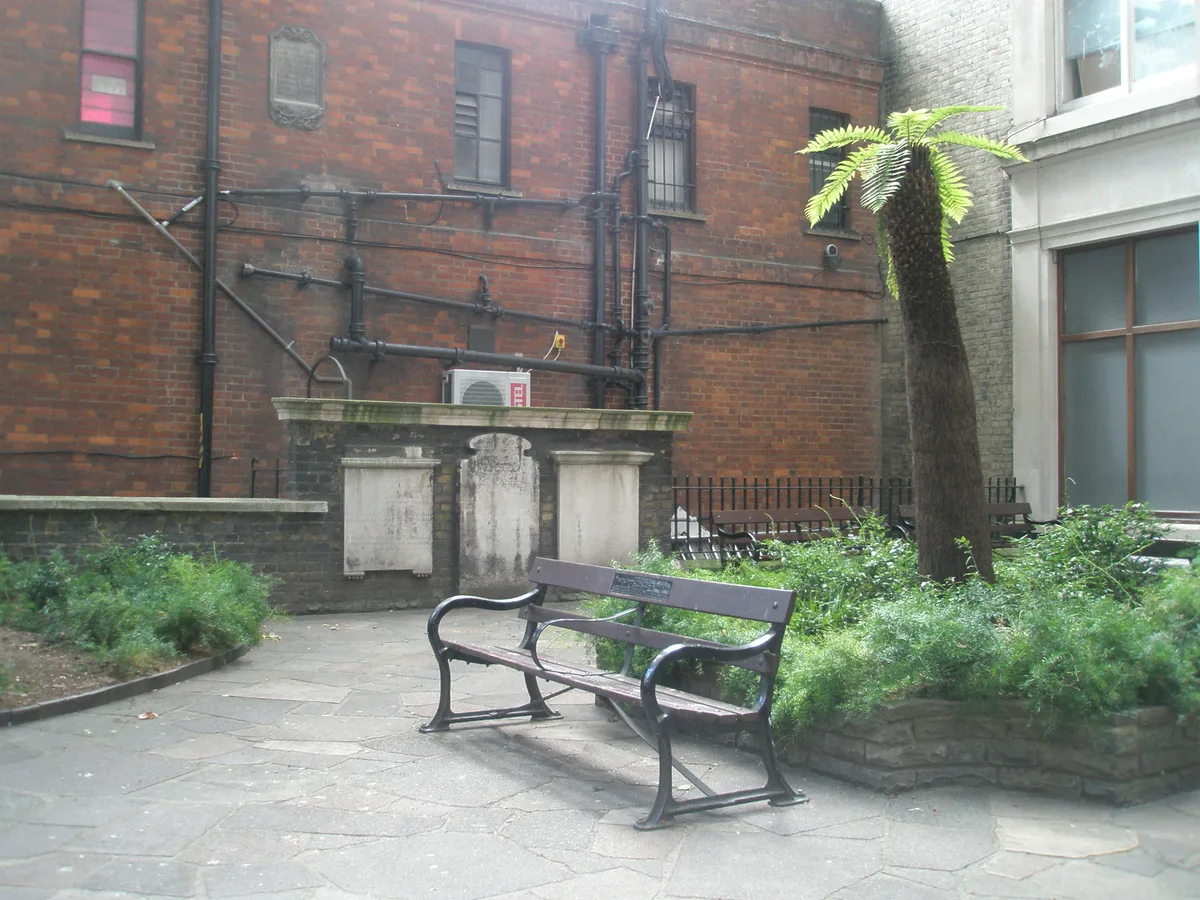
St Peter, Westcheap
Historic churches · 0.1 km
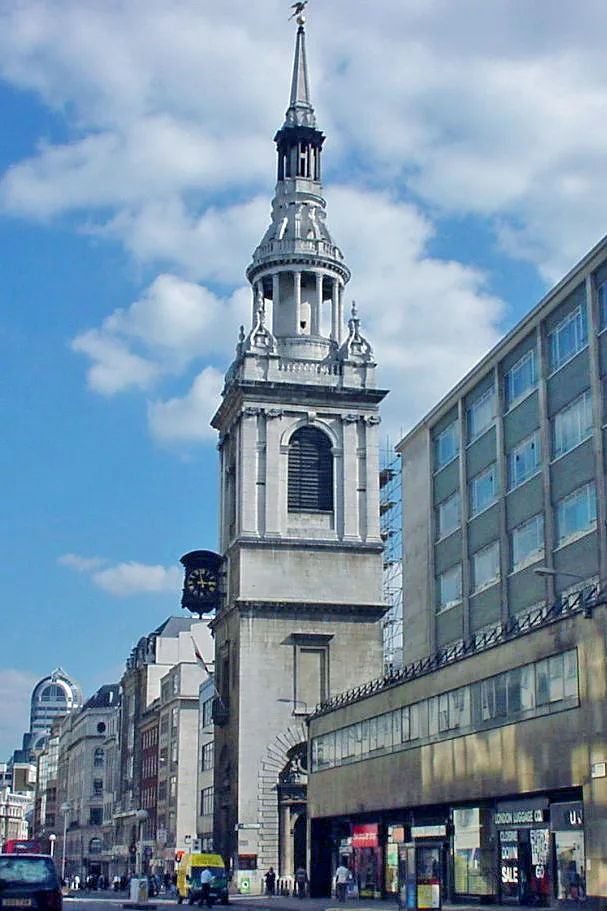
St Mary-le-Bow
Historic churches · 0.1 km

Bread Street Kitchen
Restaurants · 0.1 km

Honey Lane Market
Mines & mining heritage · 0.1 km
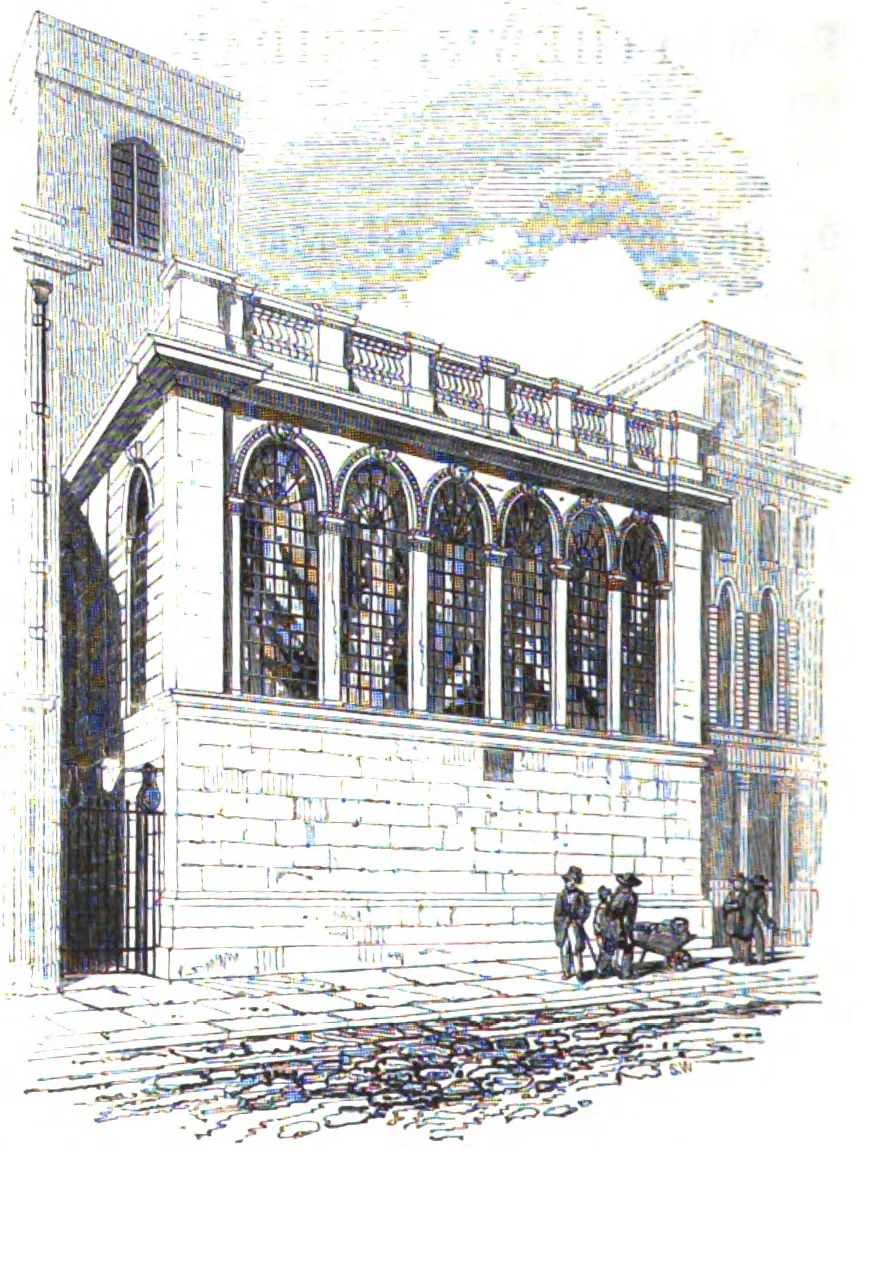
St Matthew Friday Street
Historic churches · 0.1 km
All Hallows Honey Lane
Historic churches · 0.1 km
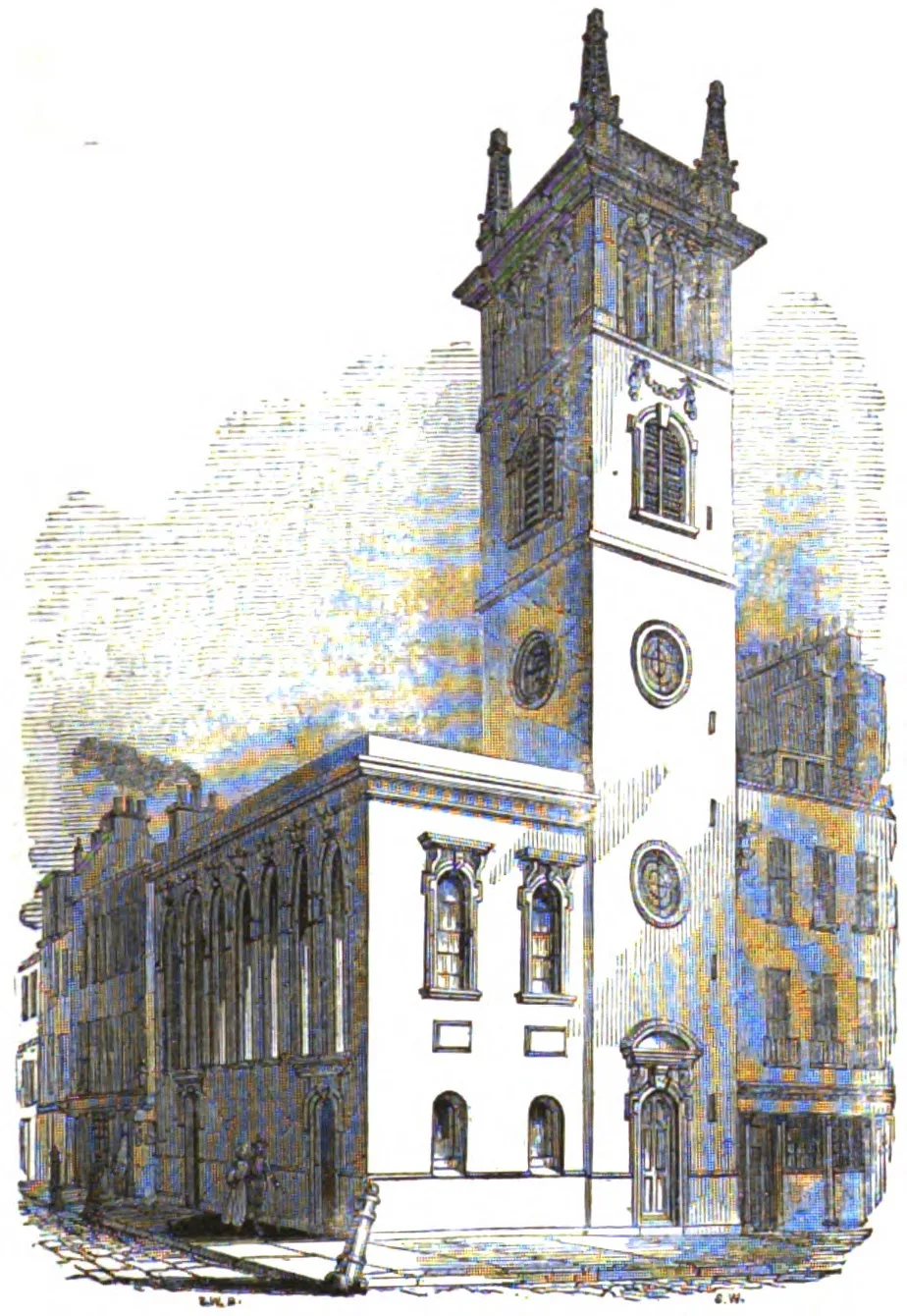
All Hallows Bread Street
Historic churches · 0.1 km
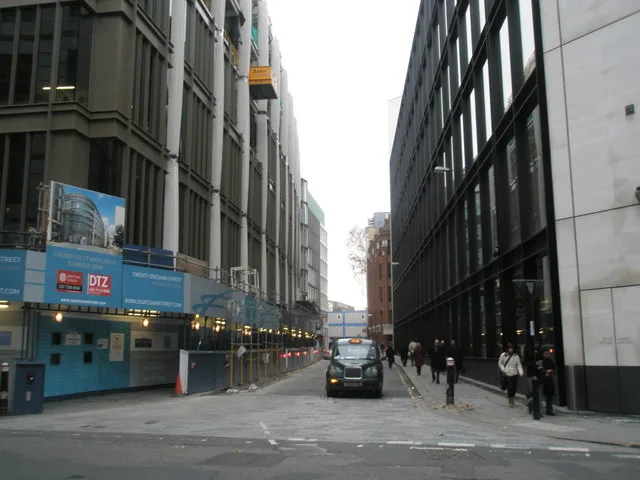
St. Mary Magdalen, Milk Street
Historic churches · 0.1 km

Nail
Public art & sculpture · 0.1 km

Memorial to Arthur Phillip
Public art & sculpture · 0.1 km

St. Paul's School
Memorials & monuments · 0.1 km
Nearby
📷 5📷 5Historic churches · London
St Peter, Westcheap
St Peter, Westcheap — church in City of London, UK.
📷 5Historic churches · London
St Mary-le-Bow
St Mary-le-Bow — church building in City of London, London, England, UK.
📷 5📷 5Mines & mining heritage · London
Honey Lane Market
Honey Lane Market — historic market near Cheapside in the City of London.
📷 5Historic churches · London
St Matthew Friday Street
St Matthew Friday Street — church in City of London, UK.
Where to eat & stay near John Milton
Places to stay
 📷 5
📷 5Hotels · London
Vintry and Mercer Hotel
Vintry and Mercer Hotel — a hotel in england london.
 📷 5
📷 5Hotels · London
Leonardo Royal Hotel London St Paul's
Leonardo Royal Hotel London St Paul's — a hotel in england london. Brand: Leonardo Royal Hotel.
 📷 5
📷 5Hostels · London
YHA London St Pauls
YHA London St Pauls — a hostel in england london. Brand: Youth Hostels Association.
 📷 5
📷 5Hotels · London
Travelodge London Central Bank
Travelodge London Central Bank — a hotel in england london.
 📷 5
📷 5Hotels · London
Club Quarters Hotel
Club Quarters Hotel — a hotel in england london.
 📷 5
📷 5Hotels · London
Suffolk Lane by BridgeStreet
Suffolk Lane by BridgeStreet — a hotel in england london.
Places to eat & drink
📷 5 📷 7
📷 7 📷 5
📷 5Historic pubs · London
Old Doctor Butler's Head
Old Doctor Butler's Head in England London, United Kingdom.
 📷 7
📷 7Cafés · London
Joe & The Juice
Joe & The Juice — a café in england london. Cuisine: coffee shop. Brand: Joe & The Juice.
 📷 5
📷 5 📷 5
📷 5Historic pubs · London
Viaduct Tavern
Viaduct Tavern in England London, United Kingdom.
More memorials in this region
.jpg?width=1200) 📷 5
📷 5Memorials & monuments · London
1st Surrey Rifles War Memorial
1st Surrey Rifles War Memorial is a memorial in the United Kingdom.
 📷 5
📷 5Memorials & monuments · London
24th East Surrey Division War Memorial
24th East Surrey Division War Memorial is a memorial in the United Kingdom.
 📷 5
📷 5Memorials & monuments · London
Abney Park Cemetery CWGC Cross
Abney Park Cemetery CWGC Cross is a memorial in the United Kingdom.
 📷 5
📷 5Memorials & monuments · London
Admiral Sir John Franklin
Admiral Sir John Franklin is a memorial in the United Kingdom.
Frequently asked questions
- Where is John Milton?
- John Milton is in London, United Kingdom (postcode EC2V 6AU), in the parish of City of London, unparished area.
- What is John Milton?
- John Milton — a memorial in england-london, United Kingdom.
- How do I get to John Milton?
- The nearest railway station is Mansion House, about 0.2 km away. The nearest town is City of London. Drivers can use postcode EC2V 6AU.
- Is John Milton free to visit?
- Yes, John Milton is free to enter.
- How do I get to John Milton?
- The nearest railway station is Mansion House, about 0.2 km away. Drivers can navigate to postcode EC2V 6AU.