
Natural landmarks · Northern Ireland
Portadown
Also known as: Port an Dúnáin
In or near Derryhale.
Portadown in Northern Ireland, United Kingdom.

Albert Bridge — CC BY-SA 2.0 via Wikimedia Commons licence
_-_geograph.org.uk_-_3933017.jpg)
Plan your visit
- Typical visit
- 1 h–2 h
- Nearest railway station
- Portadown · 0.9 km
- Free entry
- Dog-friendly
Getting there & planning your visit
To visit Portadown, the nearest railway station is Portadown, located 0.9 km away. The postcode for navigation is BT62 4EA, and entry to the site is free.
About
Portadown is a place of interest in Northern Ireland, United Kingdom — drawn from open-data sources for visitor reference. See the linked Wikipedia article for the full description.
Photo gallery
360° view
Imagery © Mapillary contributors, CC BY-SA 4.0
From the Wikipedia article
Portadown (from Irish Port an Dúnáin 'landing place of the little fort' pronounced [pɔɾˠt̪ˠ ə ˈd̪ˠuːnˠaːnʲ]) is a town in County Armagh, Northern Ireland. The town is based on the River Bann in the north of the county, about 24 miles (39 km) southwest of Belfast. It is in the Armagh City, Banbridge and Craigavon Borough Council area and had a population of about 32,000 at the 2021 Census. For some purposes, Portadown is treated as part of the "Craigavon Urban Area", alongside Craigavon and Lurgan. Although Portadown was founded during the early 17th century English Plantation of Ulster, it was not until the Victorian era and the arrival of the railway that it developed as a major town. It earned the nickname "hub of the North" because it was a major railway junction; here the Great Northern Railway's line diverged for Belfast, Dublin, Armagh and Derry. In the 19th and 20th centuries, Portadown was also a major centre for the production of textiles (mainly linen). Portadown is the site of the long-running Drumcree dispute. Catholics have protested the yearly marches through a majority Catholic part of town by the Protestant Orange Order, who are celebrating the 1690 victory over King James II (a Catholic) by William of Orange at the Battle of the Boyne. Often violence and protests have been sparked by this event. In the 1990s, the dispute escalated and the government responded with a massive security operation, drawing worldwide attention to Portadown.
Excerpt from Wikipedia under CC BY-SA 4.0. See the source article linked in Sources below.
Background
History
The Portadown area had long been populated by Irish Gaels. At the beginning of the 1600s, this area was within the district of Clancann (Clann Chana), which was part of the larger territory of Oneilland (Uí Nialláin). This district was named after the dominant local clan—the McCanns (Mac Cana)—who had occupied the area since before the 13th century. The McCanns were then a vassal sept of the O'Neills (Uí Néill). The town's name comes from the Irish Port a' Dúnáin (or, more formally, Port an Dúnáin), meaning the port or landing place of the small fort. This was likely a fort of the McCanns. In 1610, as part of the Plantation, the lands of Portadown were granted to William Powell. The…
Description
During the Troubles, there were numerous shootings, bombings and riots in Portadown. The conflict led to the deaths of 45 people in the town. Loyalists killed 25 people: eighteen Catholic civilians, three Protestant civilians, two members of the security forces, a republican paramilitary and a loyalist paramilitary. The Troubles resulted in the town becoming residentially segregated: the northwestern part of the town became almost wholly populated by the Catholic/Irish nationalist minority, while the rest of the town became almost wholly Protestant/unionist. Portadown's 'Catholic district' is now bordered by the railway line and by a security barrier ("peace wall") along Corcrain Road. The…
Sourced from Wikipedia under CC BY-SA 4.0.
- Coordinates
- 54.4210, -6.4582
- Postcode
- BT62 4EA
- Parliamentary constituency
- Upper Bann
- Nearest railway station
- Portadown — 0.9 km
- Official site
- www.northsouthministerialcouncil.org
Sources
Other places nearby

Shamrock Park
Parks · 0.9 km

Portadown railway station
Natural landmarks · 0.9 km

Armagh Omniplex
Theatres · 0.9 km
Amphitheater
Theatres · 1.0 km

Town Hall Theatre, Portadown
Theatres · 1.1 km
Town Hall Theatre
Theatres · 1.1 km

Drumcree College
Natural landmarks · 1.4 km
Drumcree
Villages · 1.5 km

Selshion
Natural landmarks · 1.5 km

Annagh United F.C.
Natural landmarks · 1.8 km

Portadown Independent Christian School
Natural landmarks · 1.9 km
Annakeera Crossing
Natural landmarks · 2.1 km
Nearby
📷 4📷 4Natural landmarks · Northern Ireland
Portadown railway station
Portadown railway station in Northern Ireland, United Kingdom.
📷 3📷 4📷 4Theatres · Northern Ireland
Town Hall Theatre, Portadown
Town Hall Theatre, Portadown in Northern Ireland, United Kingdom.
📷 3Where to eat & stay near Portadown
Places to stay
 📷 4
📷 4Caravan parks · Northern Ireland
Clare Glen Caravan Park
Clare Glen Caravan Park — a caravan park in northern ireland.
 📷 5
📷 5Caravan parks · Northern Ireland
Kinnego Marina Camping & Caravanning
Kinnego Marina Camping & Caravanning — a caravan park in northern ireland.
 📷 5
📷 5 📷 5
📷 5 📷 5
📷 5Caravan parks · Northern Ireland
Dungannon Park Caravan & Camping
Dungannon Park Caravan & Camping — a caravan park in northern ireland.
Places to eat & drink
 📷 5
📷 5More natural landmarks in this region
 Flagship📷 4
Natural landmarks · Northern Ireland
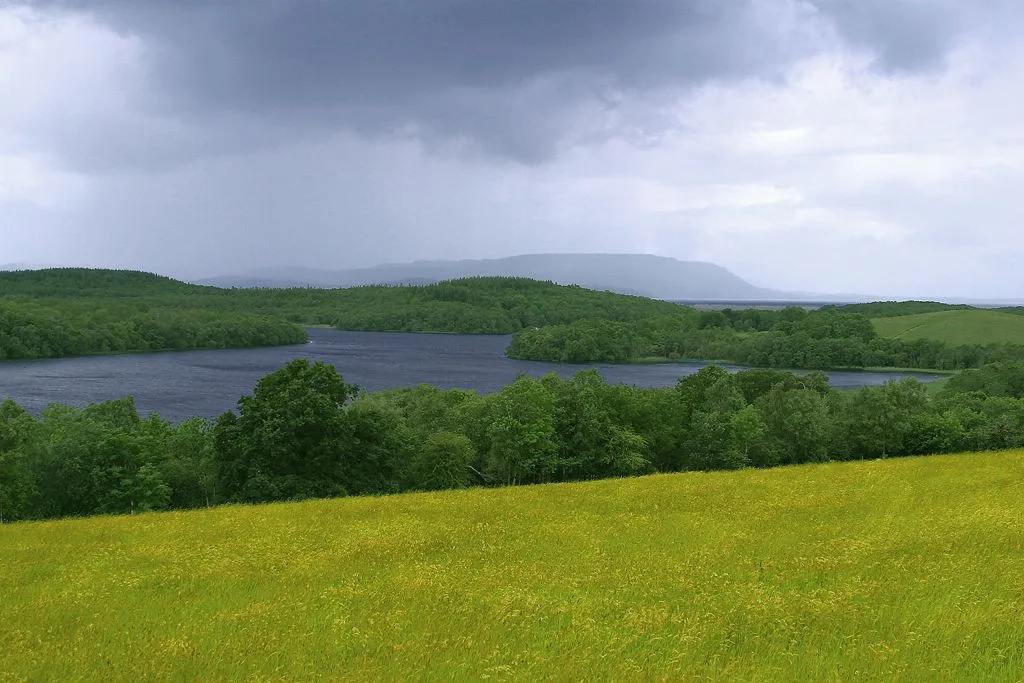
Lough Erne
Lough Erne — lake in County Fermanagh, Northern Ireland, UK.
 Flagship📷 4
Natural landmarks · Northern Ireland
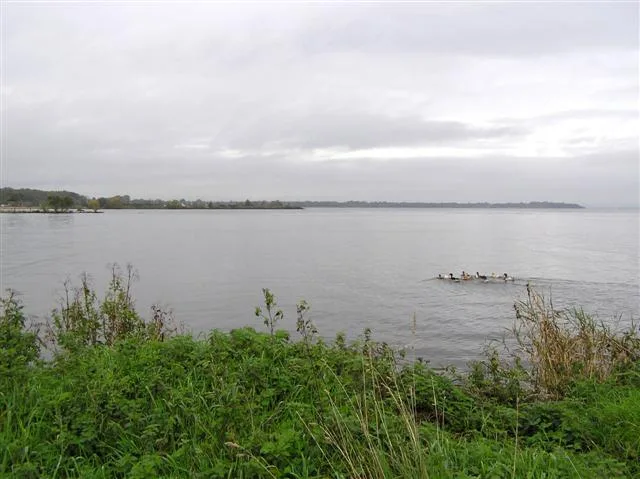
Lough Neagh
Lough Neagh — large lake in Northern Ireland.
 📷 3
📷 3Natural landmarks · Northern Ireland
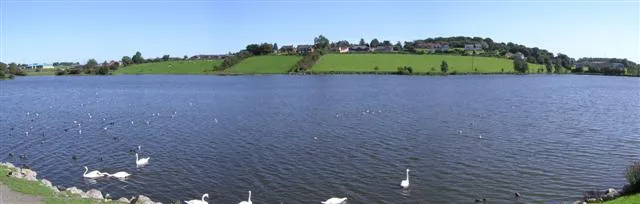
Ballysaggart Lough
Ballysaggart Lough — lake in the United Kingdom.
 📷 5
📷 5Natural landmarks · Northern Ireland
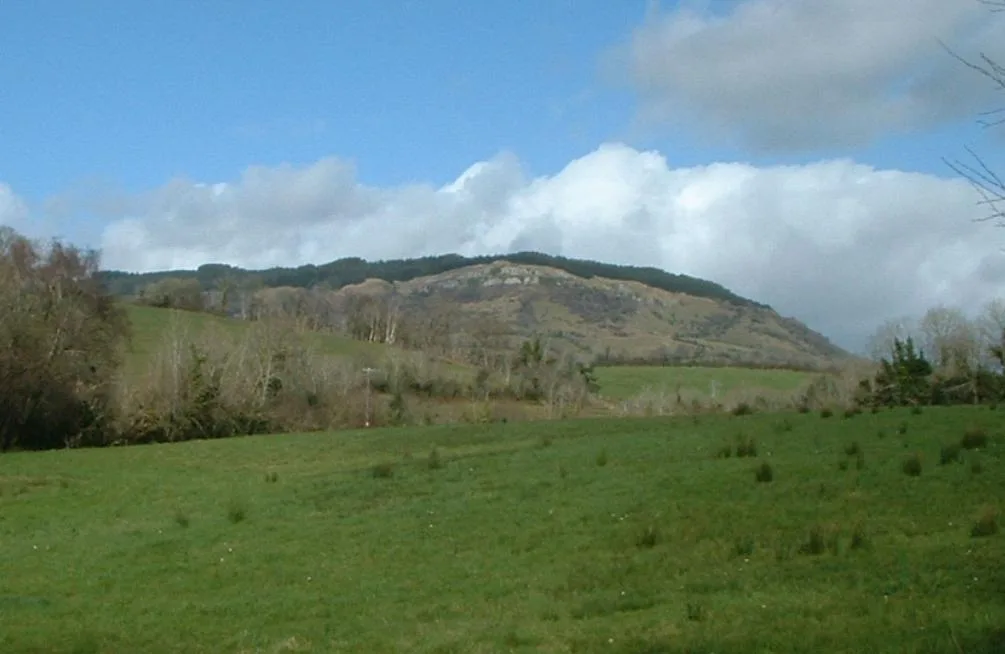
Belmore Mountain
Belmore Mountain — mountain in the United Kingdom.
Frequently asked questions
- Where is Portadown?
- Portadown is in Northern Ireland, United Kingdom (postcode BT62 4EA).
- What is Portadown?
- Portadown in Northern Ireland, United Kingdom.
- How do I get to Portadown?
- The nearest railway station is Portadown, about 0.9 km away. The nearest town is Derryhale. Drivers can use postcode BT62 4EA.
- Is Portadown free to visit?
- Yes, Portadown is free to enter.
- How do I get to Portadown?
- The nearest railway station is Portadown, about 0.9 km away. Drivers can navigate to postcode BT62 4EA.