
Castles · North Wales
Penrhyn Castle
In or near Bangor.
Penrhyn Castle — country house in Llandygái, Gwynedd, Wales.

Wikimedia Commons contributors — see linked file page for photographer and licence licence

Plan your visit
- Typical visit
- 1.5 h–3 h
- Nearest railway station
- Bangor · 2.7 km
- Free entry
- Family-friendly
- Limited wheelchair access
Getting there & planning your visit
To visit Penrhyn Castle, the nearest railway station is Bangor, located 2.7 km away. Entry is free, but accessibility is limited for wheelchair users. The postcode for sat-nav is LL57 4HW.
About
Penrhyn Castle is a castle in the United Kingdom — fortified architecture from the medieval, Tudor, or Victorian-revival period. Records date its origin to 1820. Designed by Thomas Hopper. Built in the Romanesque Revival architecture style. Heritage designation: Grade I listed building. Owned by National Trust. Managed by National Trust. Part of Penrhyn Estate. Wikidata describes it as: "country house in Llandygái, Gwynedd, Wales". Coordinates: 53.2259°, -4.0946°.
Photo gallery
Heritage listing
Penrhyn Castle (Welsh: Castell Penrhyn) is a country house in Llandygai, Bangor, Gwynedd, North Wales, constructed in the style of a Norman castle. The Penrhyn Estate was founded by Ednyfed Fychan. In the 15th century his descendant Gwilym ap Griffith built a fortified manor house on the site. In the 18th century, the Penrhyn Estate came into the possession of the 1st Baron Penrhyn (of the first creation; 1737-1808), in part from his father, a Liverpool merchant, and in part from his wife, Ann Susannah Warburton, the daughter of an army officer. Lord Penrhyn, who was elevated to the peerage in 1783, derived great wealth from his ownership of slave plantations in the West Indies and was a strong opponent of attempts to abolish the slave trade.
From Cadw under OGL v3.
Summary from the official site
Penrhyn Castle is a neo-Norman castle located in Gwynedd, Wales, surrounded by 60 acres of gardens and woodlands. Visitors can explore the opulent interior, including the Victorian kitchens, and enjoy the extensive grounds featuring a walled garden and natural play areas.
Read more on the official property page.
From the Wikipedia article
Penrhyn Castle (Welsh: Castell Penrhyn) is a country house in Llandygai, Bangor, Gwynedd, North Wales, constructed in the style of a Norman castle. The Penrhyn Estate was founded by Ednyfed Fychan. In the 15th century his descendant Gwilym ap Griffith built a fortified manor house on the site. In the 18th century, the Penrhyn Estate came into the possession of the 1st Baron Penrhyn (of the first creation; 1737-1808), in part from his father, a Liverpool merchant, and in part from his wife, Ann Susannah Warburton, the daughter of an army officer. Lord Penrhyn, who was elevated to the peerage in 1783, derived great wealth from his ownership of slave plantations in the West Indies and was a strong opponent of attempts to abolish the slave trade. Lord Penrhyn's wealth was used in part for the development of the slate mining industry on his Caernarfonshire estates, and also for the development of Penrhyn Castle. In the 1780s, Lord Penrhyn commissioned Samuel Wyatt to undertake a reconstruction of the medieval house. On Lord Penrhyn's death in 1808, the Penrhyn Estate was inherited by his second cousin, George Hay Dawkins, who adopted the surname Dawkins-Pennant. From 1822 to 1837, Dawkins-Pennant engaged the architect Thomas Hopper, who rebuilt the house in the form of a Neo-Norman castle. Dawkins-Pennant, who sat as Member of Parliament (MP) for Newark and New Romney, followed his cousin as a long-standing opponent of emancipation, serving on the West India Committee, a group of parliamentarians opposed to the abolition of slavery, on which Lord Penrhyn had served as chairman. Dawkins-Pennant received significant compensation when, in 1833, emancipation of slaves in the British Empire was eventually achieved, through the passing of the Slavery Abolition Act. In 1840, the Penrhyn Estate passed to Edward Gordon Douglas, through his marriage to Dawkins-Pennant's elder daughter, Juliana. Douglas, who assumed the surname Douglas-Pennant, was elevated to the peerage as the…
Excerpt from Wikipedia under CC BY-SA 4.0. See the source article linked in Sources below.
Background
History
The castle is a Grade I listed building. Its Cadw listing designation describes it as "one of the most important country houses in Wales; a superb example of the relatively short-lived Norman Revival of the early 19th century and generally regarded as the masterpiece of its architect, Thomas Hopper." the Port Lodge and its walls, the Tal-y-bont Lodge, the walls to the flower garden, the relocated remnants of the original medieval chapel, a bothy and its walled garden, an estate house, the estate manager's house, the estate kennels, nine buildings at the home farm, and the wall surrounding the park.
Architecture
The castle is arranged in three main parts: the donjon, modelled on Hedingham Castle in Essex, which contained accommodation for the Pennant family; the central block which contains the state rooms; and the service wing and stables. The castle runs on a north–south axis. The scale is immense, its seventy roofs cover an area of over 1 acre, and its length, at , which makes it impossible to be viewed in its entirety, disguises variations in the plan caused by the Pennants' desire to incorporate, rather than demolish, elements both of the original medieval house, and Wyatt's earlier castle. The main building material is local rubble, lined internally with brick and externally with limestone…
Description
modelled on the keep at Hedingham Castle in Essex]] Penrhyn is among the most admired of the numerous mock castles built in the United Kingdom in the 19th century; Christopher Hussey called it, "the outstanding instance of Norman revival." The castle is a picturesque composition that stretches over from a tall donjon, or keep, containing the family rooms, through the main block built around the earlier house, to the service wing and the stables. Simon Jenkins draws comparisons with Windsor, Arundel and Eastnor. Haslam, Orbach and Voelcker, in their 2009 volume Gwynedd in the Pevsner Buildings of Wales series, describe it as "one of the most enormous houses in Britain" and note its…
Sourced from Wikipedia under CC BY-SA 4.0.
- Coordinates
- 53.2259, -4.0946
- District
- Gwynedd
- Parish
- Llandygai
- Postcode
- LL57 4HW
- Parliamentary constituency
- Bangor Aberconwy
- Established
- 1820
- Nearest railway station
- Bangor — 2.7 km
- Opening
- Daily 10am–5pm; last admission at 3pm
- Official site
- www.nationaltrust.org.uk
Sources
- wikidata: Q3402621 (CC0)
- wikipedia: Penrhyn Castle (CC BY-SA 4.0)
- commons: Castell Penrhyn, Bangor yn Ionawr 2023 - Castell Penrhyn, Bangor, Gwynedd, Wales in January 2023 05.png (CC BY-SA 4.0)
Other places nearby

Penrhyn Castle Railway Museum
Museums · 0.0 km

Talybont, Bangor
Historic churches · 0.8 km

Bridge At The Mouth Of The Afon Ogwen
Historic bridges · 0.8 km

St Tegai's Church, Llandygai
Historic churches · 0.9 km

Wyatt Memorial At The Church Of St Tegai
Memorials & monuments · 1.0 km

Pont Tal-y-bont
Historic bridges · 1.0 km

Llyn Celanedd
Forests & woodlands · 1.0 km

Llandegai Henge Complex North Henge
Archaeological sites · 1.1 km

Spinnies Nature Reserve
Wildlife reserves · 1.1 km

Afon Ogwen
Historic churches · 1.1 km

Llandegai Cursus
Archaeological sites · 1.1 km

River Adda (Wales)
Historic churches · 1.2 km
Nearby
📷 3Museums · North Wales
Penrhyn Castle Railway Museum
Penrhyn Castle Railway Museum — a museum in wales-north, United Kingdom.
📷 5Historic churches · North Wales
Talybont, Bangor
Talybont, Bangor — a church in wales-north, United Kingdom.
📷 5Historic bridges · North Wales
Bridge At The Mouth Of The Afon Ogwen
Bridge At The Mouth Of The Afon Ogwen — Grade II* listed building-listed bridge in wales-north, United Kingdom.
📷 5Historic churches · North Wales
St Tegai's Church, Llandygai
St Tegai's Church, Llandygai — Grade II* listed building-listed church in wales-north, United Kingdom.
📷 5Memorials & monuments · North Wales
Wyatt Memorial At The Church Of St Tegai
Wyatt Memorial At The Church Of St Tegai — Grade II* listed building-listed memorial in wales-north, United Kingdom.
📷 5Historic bridges · North Wales
Pont Tal-y-bont
Pont Tal-y-bont — Grade II listed building-listed bridge in wales-north, United Kingdom.
Where to eat & stay near Penrhyn Castle
Places to stay
 📷 5📷 5
 📷 7
📷 7 📷 5
📷 5 📷 5
📷 5 📷 5
📷 5Caravan parks · North Wales
The Straits Lodge Park
The Straits Lodge Park — a caravan park in wales north.
Places to eat & drink
 📷 7
📷 7 📷 5
📷 5Historic pubs · North Wales
The George and Dragon
The George and Dragon — Historic pub — listed building or notable heritage status.
 📷 7
📷 7 📷 7
📷 7Restaurants · North Wales
Tafarn Tryfan
Tafarn Tryfan — a restaurant in wales north.
 📷 5
📷 5 📷 5
📷 5More places run by National Trust
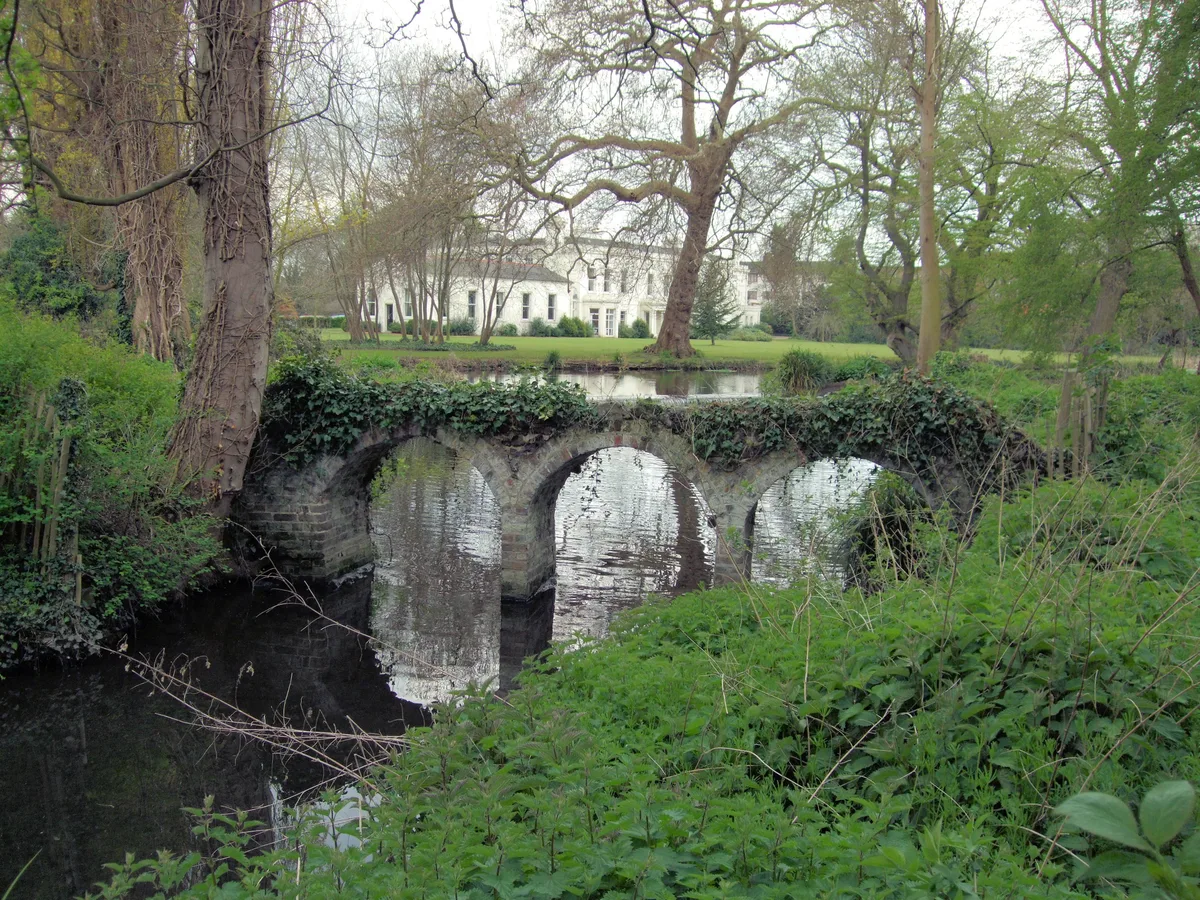 Flagship📷 10
Parks · London
Morden Hall Park
Morden Hall Park — park in Morden, London.
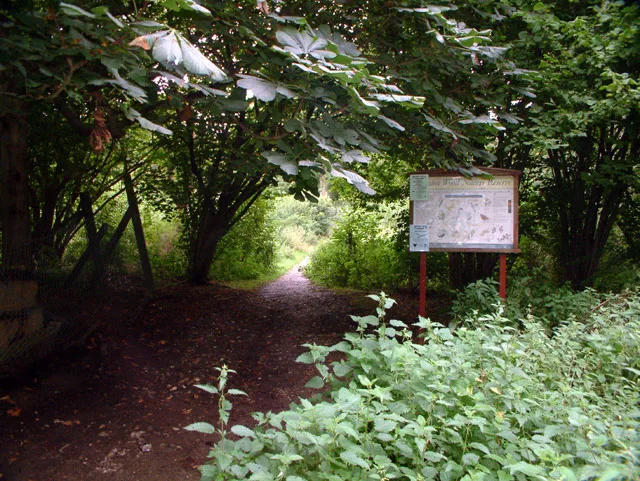 Flagship📷 10
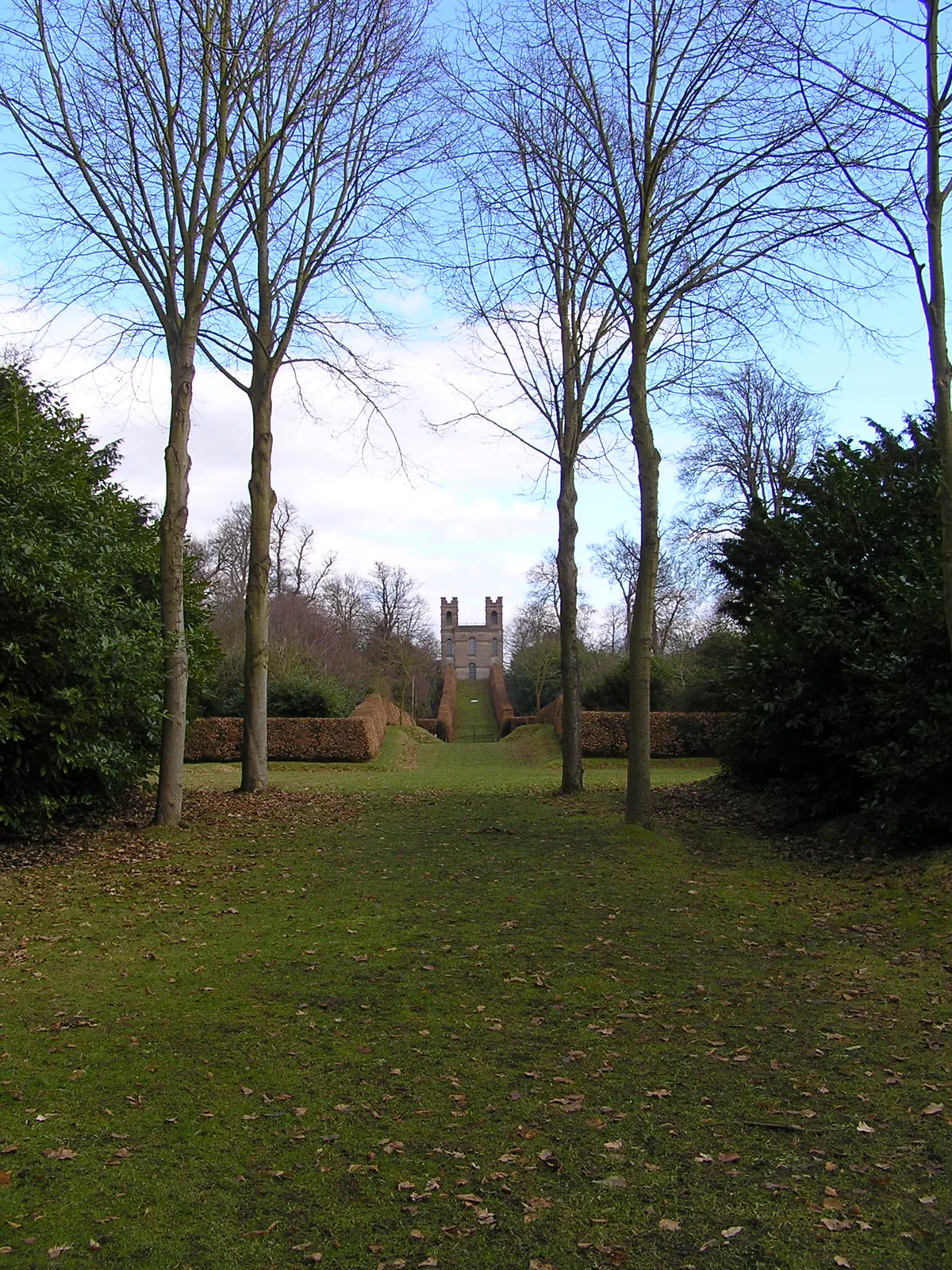 📷 5
📷 5Gardens · London
Claremont Landscape Garden
Claremont Landscape Garden — historic garden in Surrey, England, UK.
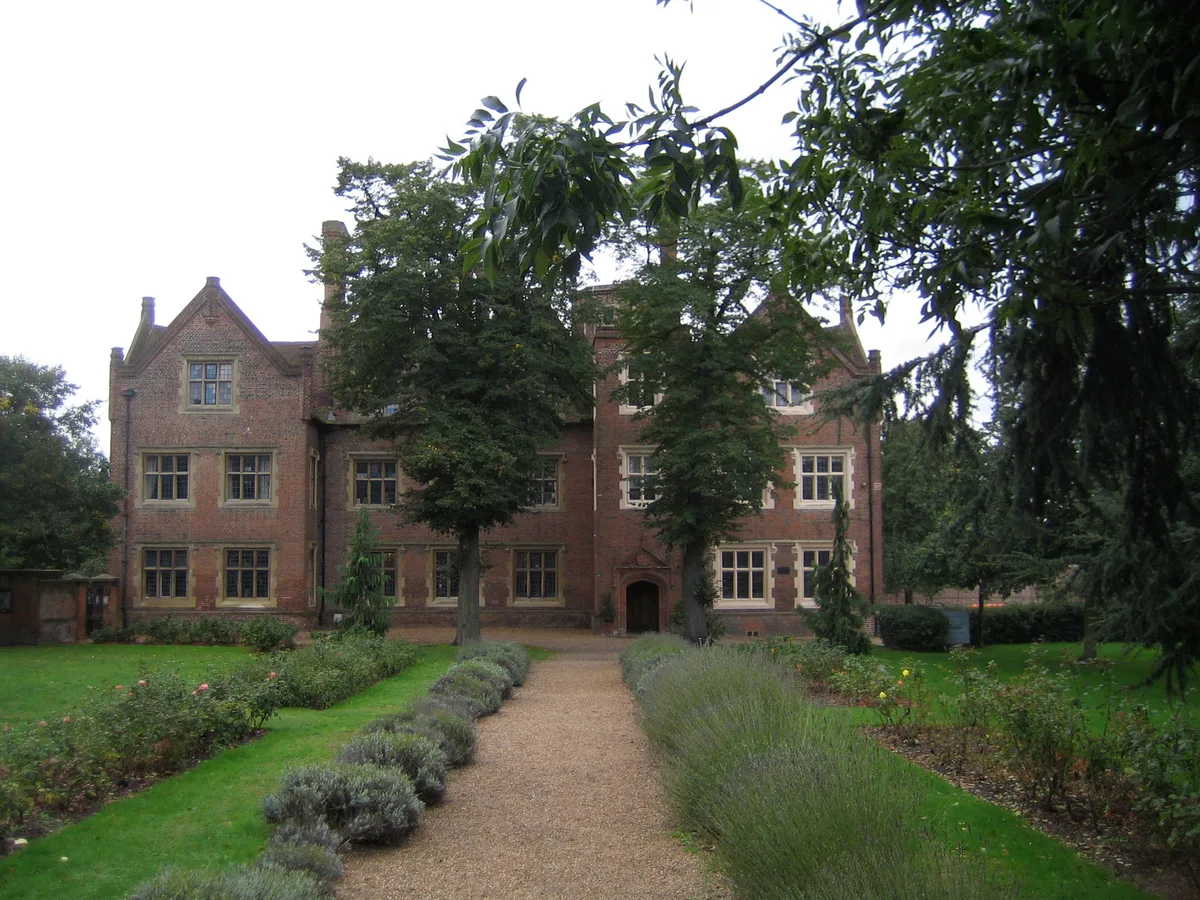 📷 5
📷 5Stately homes · London
Eastbury Manor House
Eastbury Manor House — Grade I listed historic house museum in London Borough of Barking and Dagenham, United Kingdom.
Other castles from this era
 📷 5
📷 5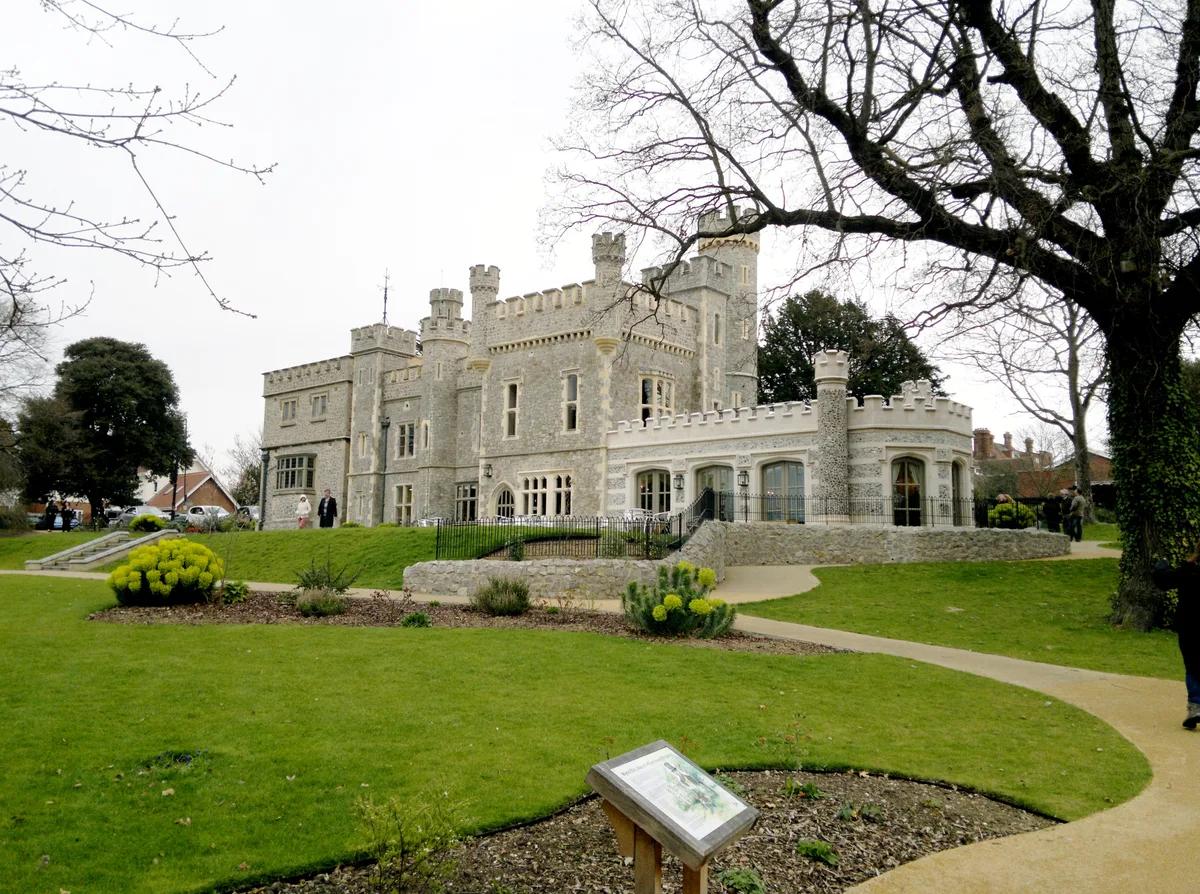 📷 5
📷 5Castles · South East England
Tankerton Castle
Tankerton Castle — castellated manor house in Whitstable, Kent, UK.
 📷 5
📷 5Castles · South West England
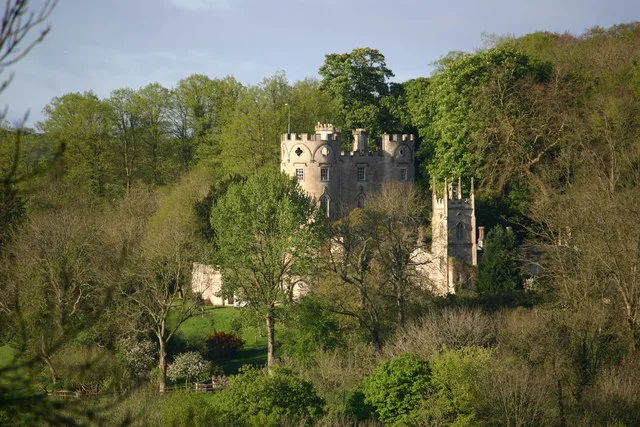
Midford Castle
Midford Castle — Grade I listed folly in Bath and North East Somerset, England, UK.
 📷 5
📷 5Castles · South West England
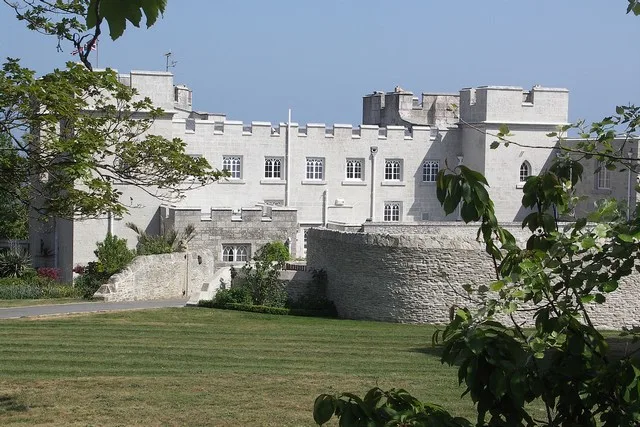
Pennsylvania Castle
Pennsylvania Castle — castle in Portland, Dorset, England, UK.
More castles in this region
 📷 5
📷 5Castles · North Wales
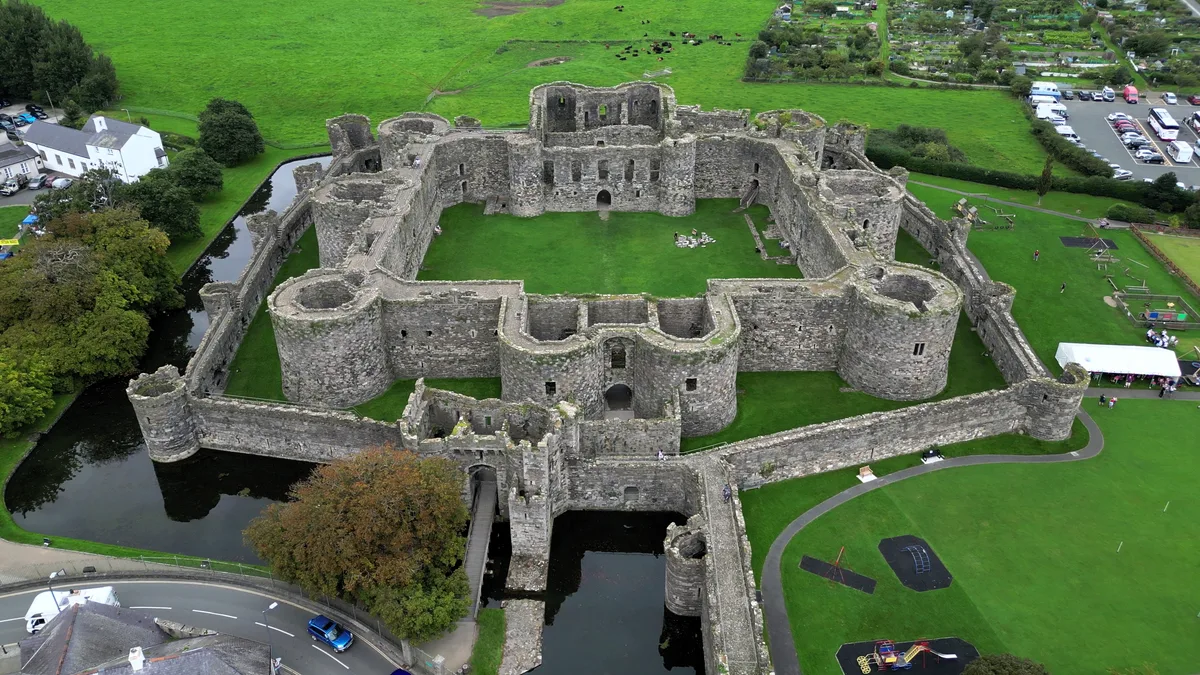
Beaumaris Castle
Beaumaris Castle — castle in Beaumaris, Anglesey, Wales.
 📷 3
📷 3Castles · North Wales
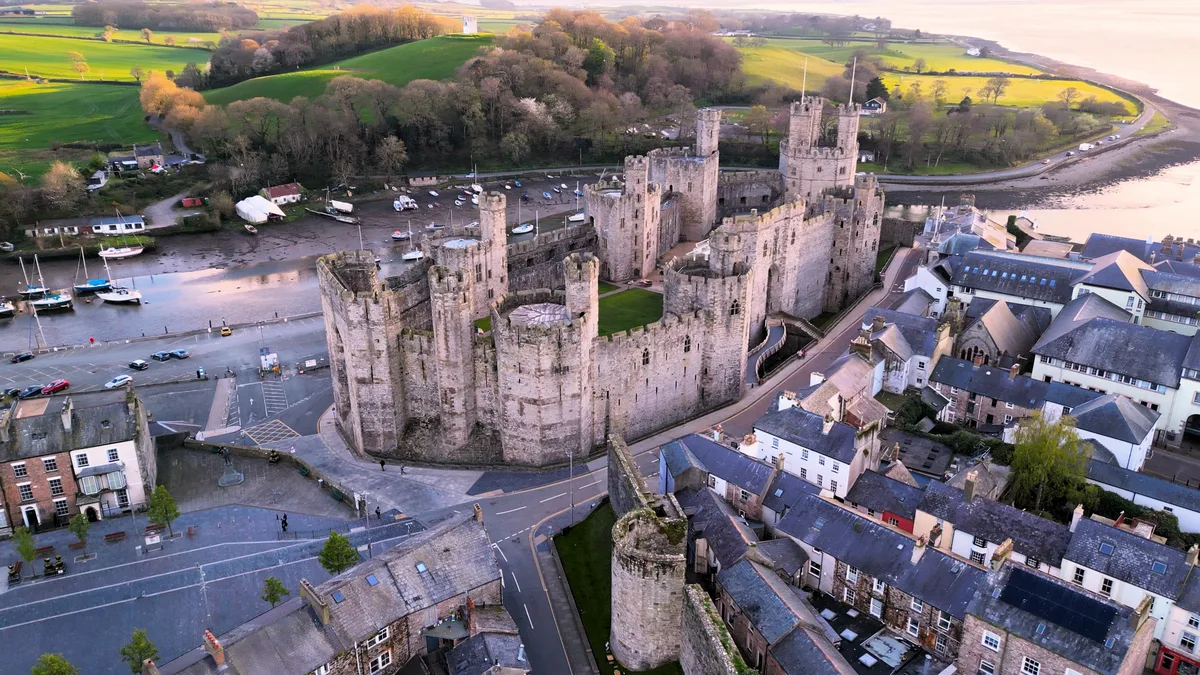
Caernarfon Castle
Caernarfon Castle — castle in Caernarfon, North Wales.
 📷 4
📷 4Castles · North Wales
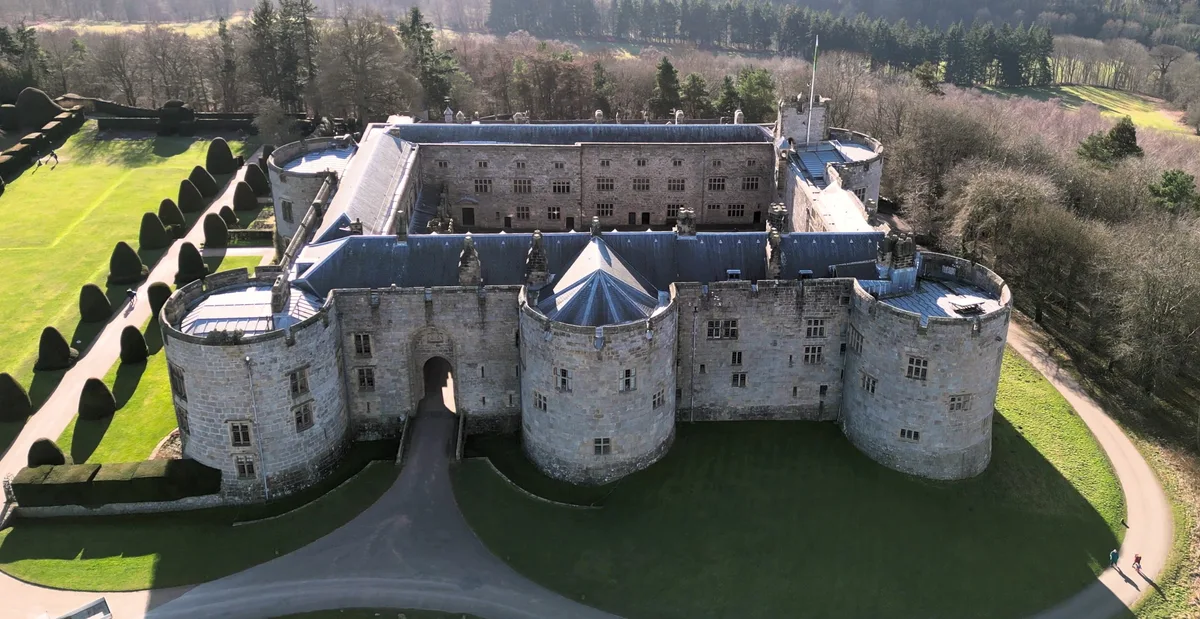
Chirk Castle
Chirk Castle — medieval fortress in Wrexham County Borough, Wales.
 📷 5
📷 5Castles · North Wales
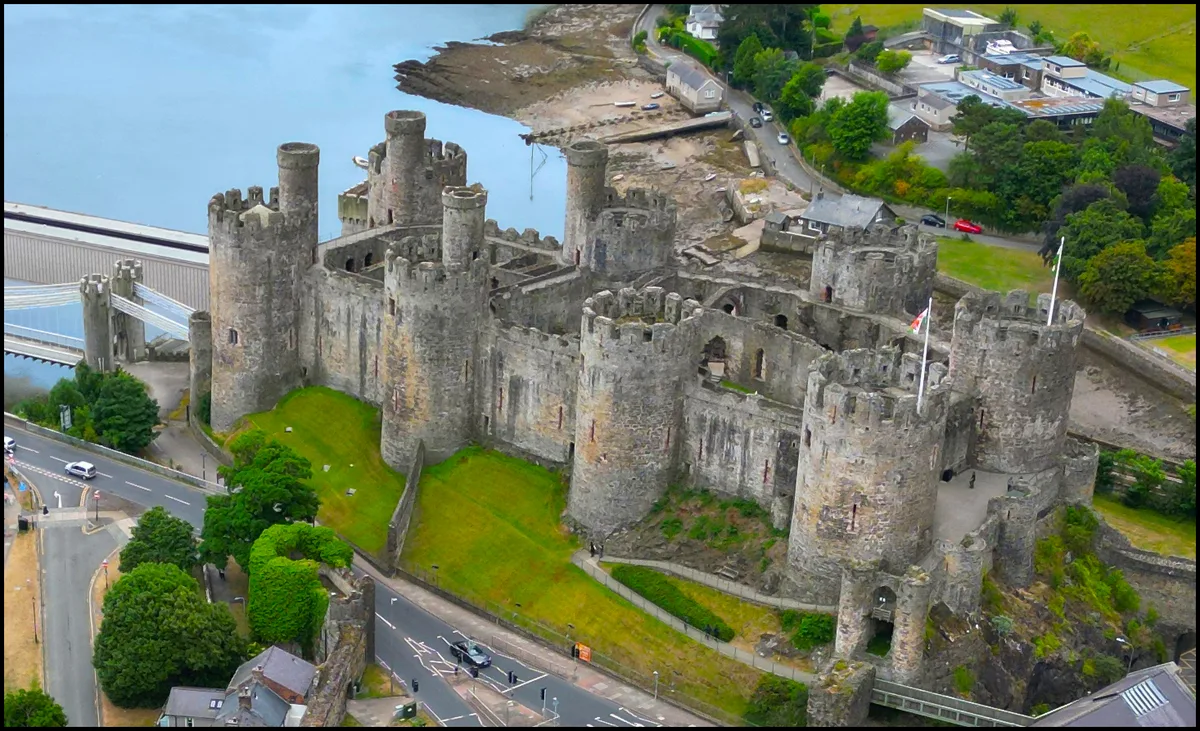
Conwy Castle
Conwy Castle — castle in Conwy, North Wales.
Frequently asked questions
- Where is Penrhyn Castle?
- Penrhyn Castle is in North Wales, United Kingdom (postcode LL57 4HW), in the parish of Llandygai.
- What is Penrhyn Castle?
- Penrhyn Castle — country house in Llandygái, Gwynedd, Wales.
- How do I get to Penrhyn Castle?
- The nearest railway station is Bangor, about 2.7 km away. The nearest town is Bangor. Drivers can use postcode LL57 4HW.
- When was Penrhyn Castle built?
- Built or established in 1820. Designed by Thomas Hopper.
- Who runs Penrhyn Castle?
- Penrhyn Castle is operated by National Trust.
- Is Penrhyn Castle a listed building?
- Penrhyn Castle is officially recognised as Grade I listed building listed.
- Is Penrhyn Castle free to visit?
- Yes, Penrhyn Castle is free to enter.
- How do I get to Penrhyn Castle?
- The nearest railway station is Bangor, about 2.7 km away. Drivers can navigate to postcode LL57 4HW.