
Historic bridges · Yorkshire & the Humber
Marple Aqueduct
In or near Mellor.
Marple Aqueduct is a historic bridge in the United Kingdom.
.jpg?width=1200)
Wikimedia Commons contributors — see linked file page for photographer and licence licence
.jpg)
Plan your visit
- Typical visit
- 15 min–30 min
- Nearest railway station
- Marple · 1.1 km
- Free entry
- Dog-friendly
Getting there & planning your visit
To visit Marple Aqueduct, the nearest railway station is Marple, located 1.1 km away. Entry to the aqueduct is free.
About
Marple Aqueduct is a named historic bridge in the United Kingdom. Coordinates: 53.4073°, -2.0688°. This entry is part of The Great Britain Guide, a free, ad-free, open-data tourist directory.
Photo gallery
From the Wikipedia article
Marple Aqueduct (also known as Goyt Aqueduct) at Marple, Greater Manchester, England, was built to carry the lower level of the Peak Forest Canal across the River Goyt (treated as part of the River Mersey until 1896). It is the highest canal aqueduct in England. Construction started in 1795, and it was in use by 1800. A contractor employed to build the main canal suggested that the stone arches be replaced by iron troughs, and this idea was almost adopted, but when he left, the original idea of stone arches was adopted. Some repairs were made to the aqueduct in 1860 and 1912, following damage caused by water leaking through the clay puddling used to seal the channel and then freezing. In early 1962, part of the side wall collapsed, again caused by leaks freezing. British Waterways wanted to demolish the structure as a cheaper solution than repairing it, but Cheshire County Council contributed towards the cost of repairs in a move that paved the way for the restoration of the Peak Forest Canal. As part of the process, it became a scheduled monument, and subsequently a grade I listed structure. During the 21st century, grants enabled several projects to be undertaken to enhance the aqueduct and its surroundings. It had become obscured by tree growth in the valley of the River Goyt, and some of the trees were cut back so the structure could be seen again. Vegetation growing out of the structure was removed, and the stonework repointed. A metal parapet was designed and fitted to the north side of the aqueduct, where previously a low wall had offered very little protection against falling from the structure.
Excerpt from Wikipedia under CC BY-SA 4.0. See the source article linked in Sources below.
Background
History
Marple aqueduct forms part of the Peak Forest Canal. Work began on the canal in 1794, and it opened in 1800, although that included a tramway to connect the two halves, as there was insufficient money to complete the Marple Lock Flight, and the locks were finally completed in 1804. The company's engineer, Benjamin Outram, was responsible for the design of the aqueduct, which was located just to the north of the locks, and Thomas Brown, the resident engineer, for its construction. The construction contract was placed with William Broadhead, Bethel Furness and William Anderson on 5 February 1795, but Furness died in December 1795, so the structure was completed by Broadhead and Anderson. Some…
Sourced from Wikipedia under CC BY-SA 4.0.
- Coordinates
- 53.4073, -2.0688
- District
- Stockport
- Parish
- Stockport, unparished area
- Postcode
- SK6 5LD
- Parliamentary constituency
- Hazel Grove
- Nearest railway station
- Marple — 1.1 km
Sources
- osm: w655378765 (ODbL)
- wikipedia: Marple Aqueduct (CC BY-SA 4.0)
- commons: Marple Aqueduct (2).jpg (CC BY-SA 4.0)
Featured in this guide
Other places nearby

Number 16 Bridge on Peak Forest Canal
Historic bridges · 0.2 km

Bridge number 15 at SJ 9528 9011 on Peak Forest Canal
Historic bridges · 0.2 km

Bridge south of Ironbridge Cottage
Historic bridges · 0.8 km

Iron Bridge
Historic bridges · 0.8 km
Brabyns Park Iron Bridge
Memorials & monuments · 0.8 km

Road bridge immediately adjacent to Oakwood Hall Lodge
Historic bridges · 0.9 km
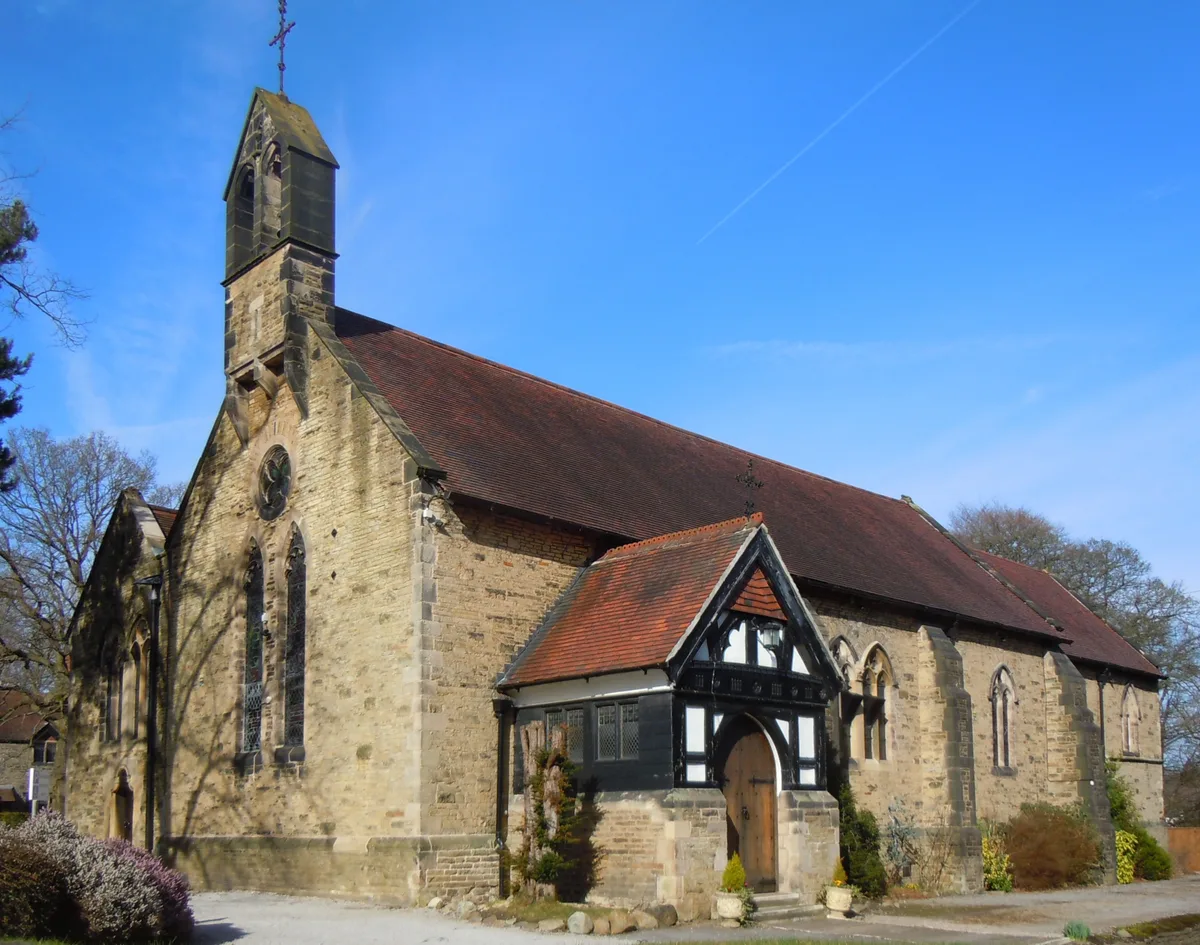
Church of St Martin, Marple
Historic churches · 1.1 km

Romiley
Castles · 1.1 km

Marple Bridge
Historic bridges · 1.2 km

Compstall Bridge
Historic bridges · 1.2 km

Maple Tree
Restaurants · 1.2 km

Compstall
Historic churches · 1.2 km
Nearby
📷 3Historic bridges · Yorkshire & the Humber
Number 16 Bridge on Peak Forest Canal
Number 16 Bridge on Peak Forest Canal — Grade II listed building-listed bridge in england-west-midlands, United Kingdom.
📷 3Historic bridges · Yorkshire & the Humber
Bridge number 15 at SJ 9528 9011 on Peak Forest Canal
Bridge number 15 at SJ 9528 9011 on Peak Forest Canal — Grade II listed building-listed bridge in england-west-midlands, United Kingdom.
📷 3Historic bridges · Yorkshire & the Humber
Bridge south of Ironbridge Cottage
Bridge south of Ironbridge Cottage — Grade II listed building-listed bridge in england-west-midlands, United Kingdom.
📷 3Historic bridges · Yorkshire & the Humber
Iron Bridge
Iron Bridge is a historic bridge in the United Kingdom.
📷 3Memorials & monuments · Yorkshire & the Humber
Brabyns Park Iron Bridge
Brabyns Park Iron Bridge — a memorial in england-west-midlands, United Kingdom.
📷 3Historic bridges · Yorkshire & the Humber
Road bridge immediately adjacent to Oakwood Hall Lodge
Road bridge immediately adjacent to Oakwood Hall Lodge — Grade II listed building-listed bridge in england-west-midlands, United Kingdom.
Where to eat & stay near Marple Aqueduct
Places to stay
 📷 5
📷 5Caravan parks · Yorkshire & the Humber
Far Benfield Farm Caravan Storage
Far Benfield Farm Caravan Storage — a caravan park in england west midlands.
 📷 5
📷 5Campsites · Yorkshire & the Humber
Linnet Clough Scout Camp
Linnet Clough Scout Camp — a campsite in england west midlands.
 📷 5
📷 5Campsites · Yorkshire & the Humber
Boarfold Scout Camp
Boarfold Scout Camp — a campsite in england west midlands.
 📷 5
📷 5Caravan parks · Yorkshire & the Humber
Shaw Farm - Static Caravans
Shaw Farm - Static Caravans — a caravan park in england west midlands.
 📷 5
📷 5Caravan parks · Yorkshire & the Humber
Elm Beds Caravan Park
Elm Beds Caravan Park — a caravan park in england west midlands.
 📷 7
📷 7Hotels · East Midlands
Kinder Lodge
Kinder Lodge — a hotel in england east midlands.
Places to eat & drink
📷 7Restaurants · Yorkshire & the Humber
Maple Tree
Maple Tree — a restaurant in england west midlands.
 📷 4
📷 4Historic pubs · Yorkshire & the Humber
Rams Head Hotel
Rams Head Hotel — Historic pub — listed building or notable heritage status.
 📷 5
📷 5Historic pubs · North West England
Bulls Head Public House
Bulls Head Public House in England North West, United Kingdom.
 📷 5
📷 5Historic pubs · North West England
Bakers Vaults Public House
Bakers Vaults Public House in England North West, United Kingdom.
 📷 5
📷 5Historic pubs · North West England
Disley Friends Meeting House
Disley Friends Meeting House in England North West, United Kingdom.
 📷 5
📷 5Historic pubs · East Midlands
The Hare And Hounds Hotel
The Hare And Hounds Hotel in England Yorkshire, United Kingdom.
More bridges in this region
 📷 5
📷 5Historic bridges · Yorkshire & the Humber
Broadbottom Viaduct
Broadbottom Viaduct is a historic bridge in the United Kingdom.
 📷 3
📷 3Historic bridges · Yorkshire & the Humber
Goyt Cliff Viaduct
Goyt Cliff Viaduct is a historic bridge in the United Kingdom.
📷 3Historic bridges · Yorkshire & the Humber
Iron Bridge
Iron Bridge is a historic bridge in the United Kingdom.
 📷 3
📷 3Historic bridges · Yorkshire & the Humber
Mottram Arches
Mottram Arches is a historic bridge in the United Kingdom.
Frequently asked questions
- Where is Marple Aqueduct?
- Marple Aqueduct is in Yorkshire, United Kingdom (postcode SK6 5LD), in the parish of Stockport, unparished area.
- What is Marple Aqueduct?
- Marple Aqueduct is a historic bridge in the United Kingdom.
- How do I get to Marple Aqueduct?
- The nearest railway station is Marple, about 1.1 km away. The nearest town is Mellor. Drivers can use postcode SK6 5LD.
- Is Marple Aqueduct free to visit?
- Yes, Marple Aqueduct is free to enter.
- How do I get to Marple Aqueduct?
- The nearest railway station is Marple, about 1.1 km away. Drivers can navigate to postcode SK6 5LD.