
Hill forts · South West England
Maiden Castle
In or near Winterborne St Martin.
Maiden Castle — Iron Age hill fort in Dorset, England, UK.

Wikimedia Commons contributors — see linked file page for photographer and licence licence

Plan your visit
- Typical visit
- 1 h–2 h
- Nearest railway station
- Dorchester West · 2.6 km
- Free entry
- Family-friendly
- Dog-friendly
- Limited wheelchair access
Getting there & planning your visit
To visit Maiden Castle, the nearest railway station is Dorchester West, located 2.6 km away. Entry to the site is free, but wheelchair accessibility is limited. The postcode for sat-nav is DT2 9HA.
About
Maiden Castle is a hill fort in the United Kingdom. Records date its origin to AD -599. It covers approximately 19 km². Heritage designation: scheduled monument. Owned by English Heritage. Managed by English Heritage. Wikidata describes it as: "Iron Age hill fort in Dorset, England, UK". Coordinates: 50.6950°, -2.4700°.
Photo gallery
From English Heritage
Among the largest and most complex Iron Age hillforts in Europe, Maiden Castle’s huge multiple ramparts enclose an area the size of 50 football pitches.
Read more on the official property page.
Protected designations
- Area of Outstanding Natural Beauty: Dorset
Designations sourced from Natural England open data under OGL v3.
From the Wikipedia article
Maiden Castle is an Iron Age hillfort 1.6 mi (2.6 km) southwest of Dorchester, in the English county of Dorset. Hill forts were fortified hill-top settlements constructed across Britain during the Iron Age. The earliest archaeological evidence of human activity on the site consists of a Neolithic causewayed enclosure and bank barrow. In about 1800 BC, during the Bronze Age, the site was used for growing crops before being abandoned. Maiden Castle itself was built in about 600 BC; the early phase was a simple and unremarkable site, similar to many other hill forts in Britain and covering 6.4 ha (16 acres). Around 450 BC it was greatly expanded and the enclosed area nearly tripled in size to 19 ha (47 acres), making it the largest hill fort in Britain and, by some definitions, the largest in Europe. At the same time, Maiden Castle's defences were made more complex with the addition of further ramparts and ditches. Around 100 BC, habitation at the hill fort went into decline and became concentrated at the eastern end of the site. It was occupied until at least the Roman period, by which time it was in the territory of the Durotriges, a Celtic tribe. After the Roman conquest of Britain in the 1st century AD, Maiden Castle appears to have been abandoned, although the Romans may have had a military presence on the site. In the late 4th century AD, a temple and ancillary buildings were constructed. In the 6th century AD the hill top was entirely abandoned and was used only for agriculture during the medieval period. Maiden Castle has provided inspiration for composer John Ireland and authors Thomas Hardy and John Cowper Powys. The study of hill forts was popularised in the 19th century by archaeologist Augustus Pitt Rivers. In the 1930s, archaeologist Mortimer Wheeler and Tessa Verney Wheeler undertook the first archaeological excavations at Maiden Castle, raising its profile among the public. Further excavations were carried out under Niall Sharples, which added to an…
Excerpt from Wikipedia under CC BY-SA 4.0. See the source article linked in Sources below.
- Coordinates
- 50.6950, -2.4700
- District
- Dorset
- Parish
- Winterborne St. Martin
- Postcode
- DT2 9HA
- Parliamentary constituency
- West Dorset
- Phone
- +44 870 333 1181
- Established
- 600
- Nearest railway station
- Dorchester West — 2.6 km
- Opening
- Open any reasonable time during daylight hours
- Official site
- www.english-heritage.org.uk
Sources
- wikidata: Q1232816 (CC0)
- wikipedia: Maiden Castle, Dorset (CC BY-SA 4.0)
- commons: Aerial photograph of Maiden Castle, 1935.jpg (CC BY-SA 4.0)
Featured in this guide
Other places nearby

Romano British Temple
Archaeological sites · 0.2 km

The Manor House
Caravan parks · 0.9 km

Winterborne Monkton
Villages · 1.2 km

Clandon Barrow
Burial mounds & barrows · 1.4 km

Clandon Barrow
Archaeological sites · 1.4 km
.jpg?width=1200)
The Avenue Stadium
Stadiums · 1.8 km

The Thomas Hardye School
Natural landmarks · 1.9 km

Herringston House
Historic houses · 2.0 km

Queen Mother Statue
Memorials & monuments · 2.2 km

Bridge To Old Vicarage
Historic bridges · 2.4 km

Maumbury Rings
Hill forts · 2.5 km

Ridgeway Hill Viking burial pit
Hill forts · 2.7 km
Nearby
📷 5Archaeological sites · South West England
Romano British Temple
Romano British Temple — a archaeological in england-south-east, United Kingdom.
📷 5Caravan parks · South West England
The Manor House
The Manor House — a caravan park in england south east.
📷 5Villages · South West England
Winterborne Monkton
Winterborne Monkton — a village in england south east.
📷 5Burial mounds & barrows · South West England
Clandon Barrow
Clandon Barrow — a burial mound in england-south-east, United Kingdom.
📷 5Archaeological sites · South West England
Clandon Barrow
Clandon Barrow — archaeological in england south east.
📷 5Stadiums · South West England
The Avenue Stadium
The Avenue Stadium — football stadium in Dorchester, England.
Where to eat & stay near Maiden Castle
Places to stay
📷 5Caravan parks · South West England
The Manor House
The Manor House — a caravan park in england south east.
 📷 7
📷 7Hotels · South West England
Kings Arms Hotel
Kings Arms Hotel — a hotel in england south east.
 📷 5
📷 5Caravan parks · South West England
Hardy Country Park
Hardy Country Park — a caravan park in england south west.
 📷 5
📷 5Campsites · South West England
Higher Moor Farm Campsite
Higher Moor Farm Campsite — a campsite in england south east.
📷 5Campsites · South West England
Wych Elm Caravan Park
Wych Elm Caravan Park — a campsite in england south east.
 📷 5
📷 5Places to eat & drink
 📷 5
📷 5Historic pubs · South West England
Junction Hotel
Junction Hotel in England South West, United Kingdom.
 📷 5
📷 5Historic pubs · South West England
Plume Of Feathers Public House
Plume Of Feathers Public House in England South West, United Kingdom.
 📷 7
📷 7Historic pubs · South West England
Old House at Home
Old House at Home in England South West, United Kingdom.
 📷 5
📷 5Historic pubs · South West England
The Royal Standard Public House
The Royal Standard Public House in England South West, United Kingdom.
 📷 7
📷 7Historic pubs · South West England
The Old Swan Public House
The Old Swan Public House in England South West, United Kingdom.
 📷 7
📷 7Historic pubs · South West England
The Spice Ship Inn
The Spice Ship Inn in England South West, United Kingdom.
More places run by English Heritage
 Flagship📷 10
Museums · London
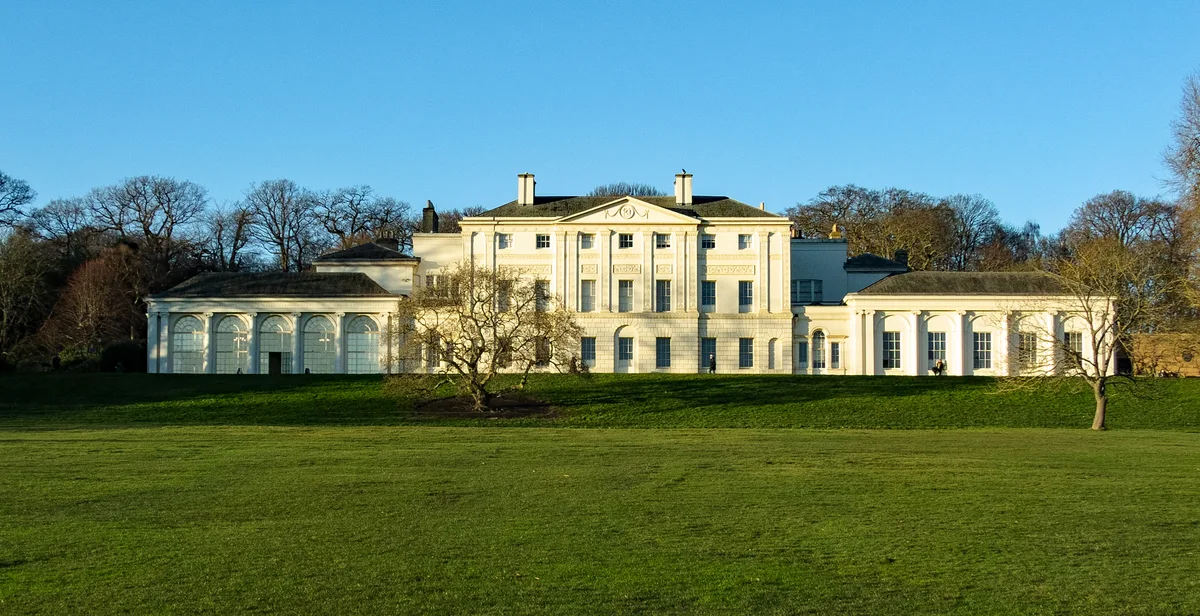
Kenwood House
Kenwood House — art museum and historic house in Hampstead, London.
 📷 5
📷 5Galleries · London
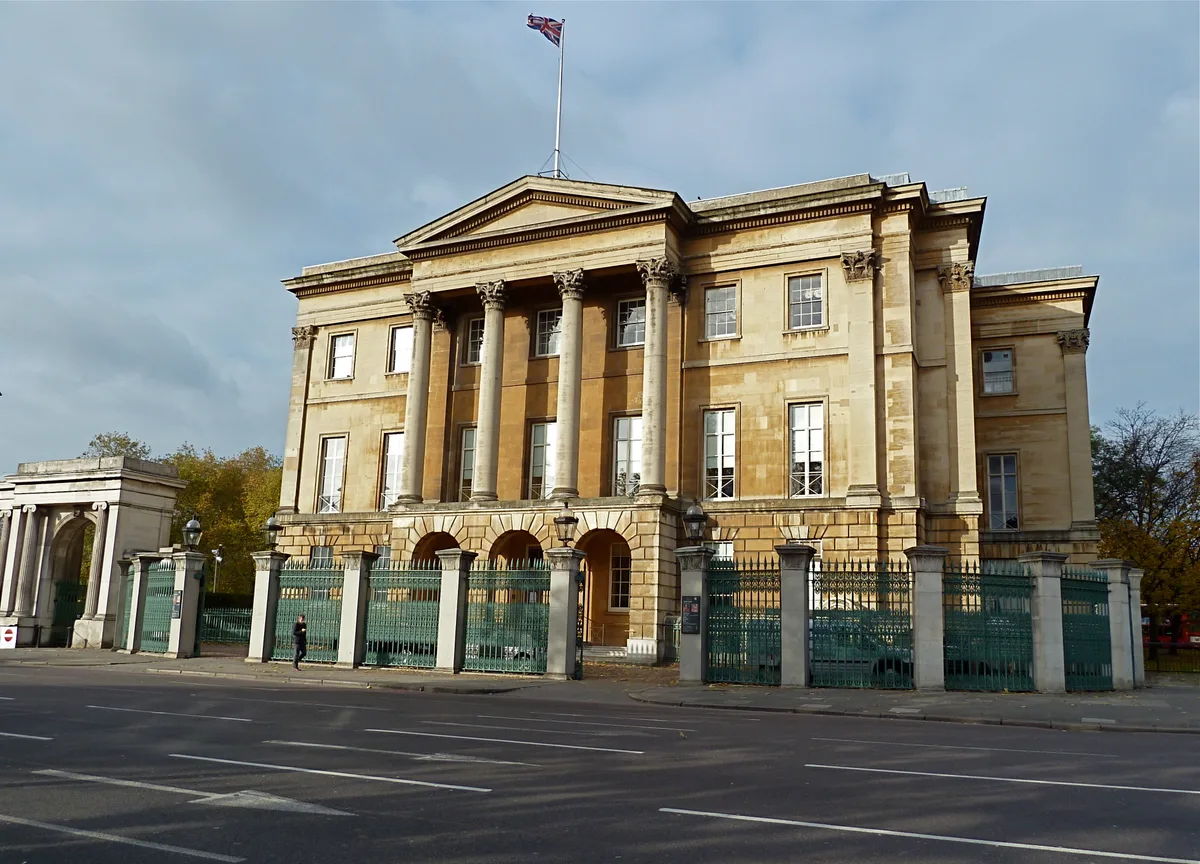
Apsley House
Apsley House — London townhouse of the Dukes of Wellington.
 📷 5
📷 5Castles · London
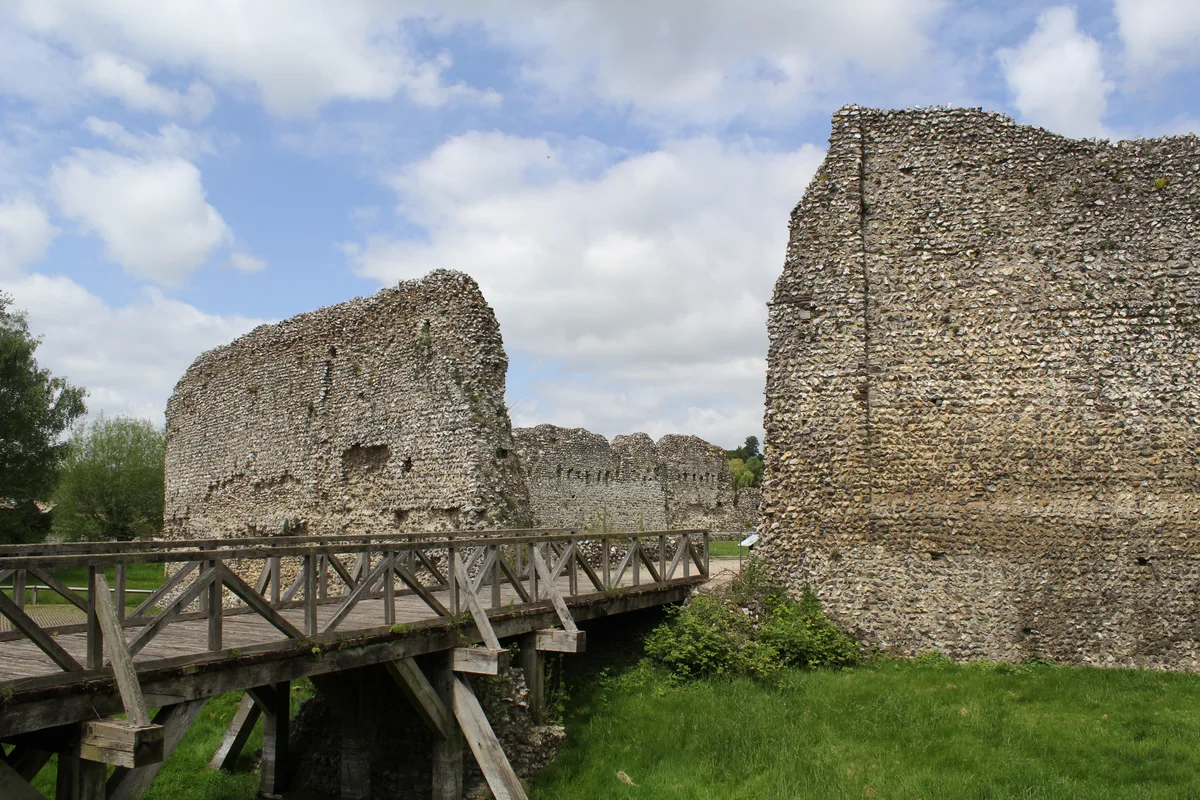
Eynsford Castle
Eynsford Castle — castle, now ruinous, in Eynsford, Kent, England, UK.
 📷 5
📷 5Museums · London
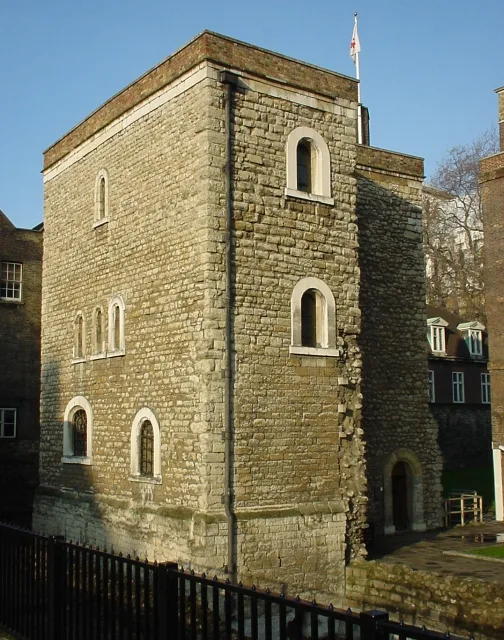
Jewel Tower
Jewel Tower — medieval tower in Westminster, London, England, UK.
More places in this region
 📷 5
📷 5Hill forts · South West England
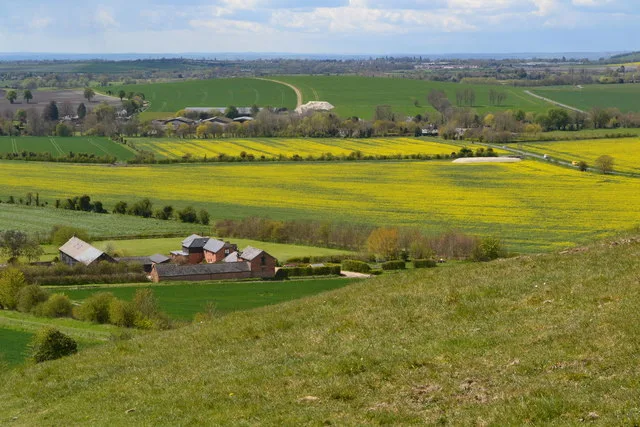
All Cannings Cross
All Cannings Cross — archaeological site in All Cannings, Wiltshire, England, UK.
 📷 5
📷 5Hill forts · South West England
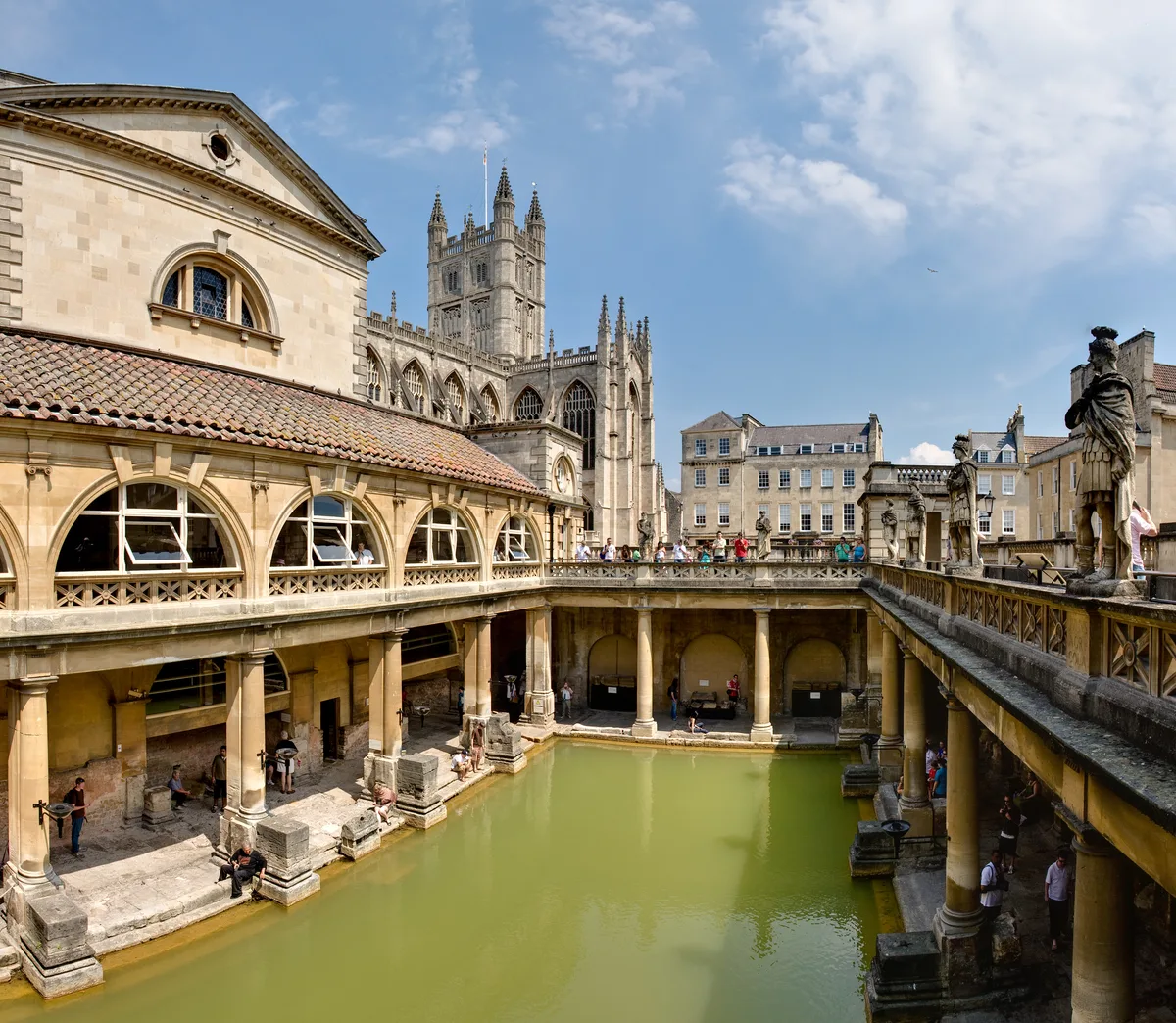
Aquae Sulis
Aquae Sulis — town in Roman Britain on the site of Bath, England.
 📷 5
📷 5Hill forts · South West England
Aston Valley Barrow Cemetery
Aston Valley Barrow Cemetery — group of Bronze Age burial mounds in England.
 📷 5
📷 5Hill forts · South West England
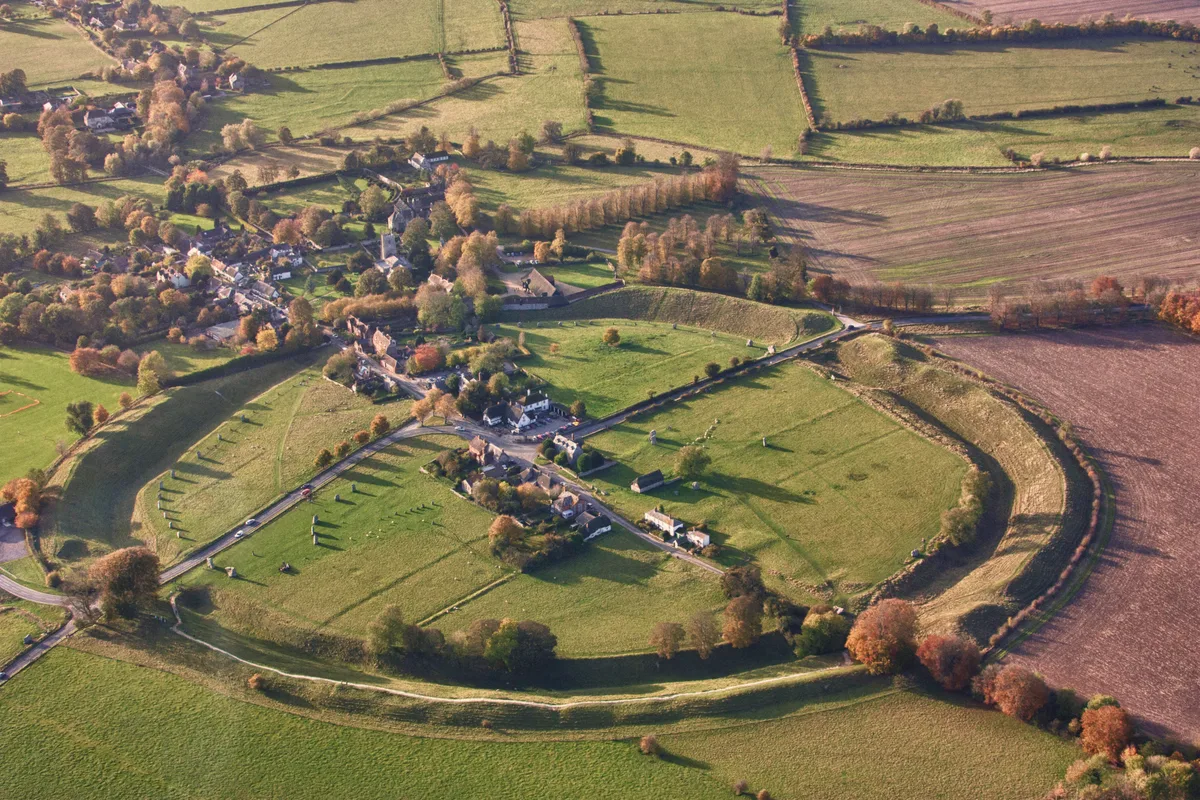
Avebury
Avebury — Neolithic henge monument in Wiltshire, England, UK.
Frequently asked questions
- Where is Maiden Castle?
- Maiden Castle is in South-West England, United Kingdom (postcode DT2 9HA), in the parish of Winterborne St. Martin.
- What is Maiden Castle?
- Maiden Castle — Iron Age hill fort in Dorset, England, UK.
- How do I get to Maiden Castle?
- The nearest railway station is Dorchester West, about 2.6 km away. The nearest town is Winterborne St Martin. Drivers can use postcode DT2 9HA.
- When was Maiden Castle built?
- Built or established in 600.
- Who runs Maiden Castle?
- Maiden Castle is operated by English Heritage.
- Is Maiden Castle a listed building?
- Maiden Castle is officially recognised as scheduled monument listed.
- Is Maiden Castle a protected site?
- Yes — Maiden Castle is part of the Dorset National Landscape (AONB).
- Is Maiden Castle free to visit?
- Yes, Maiden Castle is free to enter.