
Canals · Yorkshire & the Humber
Macclesfield Canal
In or near Manchester.
Macclesfield Canal — canal in north west England.

Wikimedia Commons contributors — see linked file page for photographer and licence licence

Plan your visit
- Typical visit
- 1 h–2 h
- Nearest railway station
- Ashton-under-Lyne · 1.0 km
- Free entry
- Family-friendly
- Dog-friendly
Getting there & planning your visit
To visit the Macclesfield Canal, the nearest railway station is Ashton-under-Lyne, located 1 km away. Entry to the canal is free. The postcode for sat-nav is OL7 0QA.
About
Macclesfield Canal is a canal in the United Kingdom. Records date its origin to 1826. Wikidata describes it as: "canal in north west England". Coordinates: 53.4833°, -2.1000°.
Photo gallery
From the Wikipedia article
The Macclesfield Canal is a canal in east Cheshire, England. There were various proposals for a canal to connect the town of Macclesfield to the national network from 1765 onwards, but it was not until 1824 that a scheme came to fruition. There were already suggestions by that date that a railway would be better, but the committee that had been formed elected for a canal and the engineer Thomas Telford endorsed the decision. The canal as built was a typical Telford canal, constructed using cut and fill, with numerous cuttings and embankments to enable it to follow as straight a course as possible, although Telford had little to do with its construction, which was managed by William Crosley. The canal opened in 1831 and is 26.1 miles (42.0 km) long. All of its twelve locks are concentrated in a single flight at Bosley, which alters the level by 118 feet (36 m). The canal runs from a junction with the Peak Forest Canal at Marple in the north, in a generally southerly direction, through the towns of Macclesfield and Congleton, to an end-on junction with the Hall Green Branch of the Trent and Mersey Canal. There is a stop lock at the junction, which drops the level by 1 foot (0.30 m), and the branch runs for another 1.5 miles (2.4 km) to Hardings Wood Junction, where it joins the Trent and Mersey main line. This short branch is usually considered to be part of the Macclesfield Canal in modern literature. Faced with growing threats from railways and the fact that the Trent and Mersey was proposing to merge with a railway company, the management did all they could to cut costs. In 1846, they reached an agreement to sell the canal to a railway company, which became the Manchester, Sheffield and Lincolnshire Railway soon afterwards. Under railway ownership, the canal fared better than many and commercial carrying continued until 1954. There had been some leisure use of the canal since the end of the First World War and the North Cheshire Cruising Club, formed in 1943 and…
Excerpt from Wikipedia under CC BY-SA 4.0. See the source article linked in Sources below.
Background
History
There were a number of early proposals to link Macclesfield to the canal network. The first was in 1765, when a link to Congleton to the south, and Northwich to the west was proposed. A writer in the Derby Mercury newspaper in 1793 suggested a link from the Caldon Branch of the Trent and Mersey Canal to Macclesfield wia Leek. Two years later, a canal from Poynton Collieries via Macclesfield to the Trent and Mersey at Lawton, with a branch via Leek to the Caldon Branch was proposed. A rather more serious proposal was made in 1796, when gentlemen from Congleton, Leek, Macclesfield, Manchester, Stockport and the West Riding employed the engineer Benjamin Outram to survey possible routes.…
Architecture
Having conducted the survey and steered the bill through Parliament, Telford does not appear to have been involved in the construction of the canal. Tenders received for the work varied wildly in price, and he chose those that he thought best, as well as contributing £1,000, but after that, the civil engineering was managed by William Crosley, a job which he carried out to a high standard. He had previously been working on the northern end of the Lancaster Canal, but resigned from that post to work on the Macclesfield Canal. Construction of the canal began at Bollington on 4 December 1826, with a ceremonial cutting of the first sod. The northern section from Bosley Locks to Marple was…
Description
The following are all Grade II listed structures: The Hall Green Branch, whilst originally built by the Trent & Mersey Canal Company, is often considered as part of the Macclesfield Canal in modern maps and guidebooks. Hall Green Stop Lock survives, with its rise and fall of about a foot (0.3m); this was to prevent the Trent & Mersey losing water to the Macclesfield in the event of a breach in the latter. There are no tunnels on the Macclesfield Canal, but there are several impressive embankments, including those at Bollington and High Lane on the upper section, and one over the River Dane on the lower section, close to Bosley bottom lock. The Macclesfield Canal is renowned for its elegant…
Sourced from Wikipedia under CC BY-SA 4.0.
- Coordinates
- 53.4833, -2.1000
- District
- Tameside
- Parish
- Tameside, unparished area
- Postcode
- OL7 0QA
- Parliamentary constituency
- Ashton-under-Lyne
- Phone
- +44 161 342 5480
- Established
- 1826
- Nearest railway station
- Ashton-under-Lyne — 1 km
- Opening
- Tu-Su 10:00-16:00
Sources
- wikidata: Q6722915 (CC0)
- wikipedia: Macclesfield Canal (CC BY-SA 4.0)
- commons: Macc canal near congleton.jpg (CC BY-SA 4.0)
Featured in this guide
Other places nearby

Portland Basin Museum
Museums · 0.0 km

Ashton Canal
Canals · 0.1 km

Tudor Mill, Ashton-under-Lyne
Gardens · 0.1 km

Dukinfield Junction
Museums · 0.1 km

Peak Forest Canal Bridge Number 30
Historic bridges · 0.1 km

Industrial Chimney
Archaeological sites · 0.2 km

The Witchwood
Historic pubs · 0.4 km
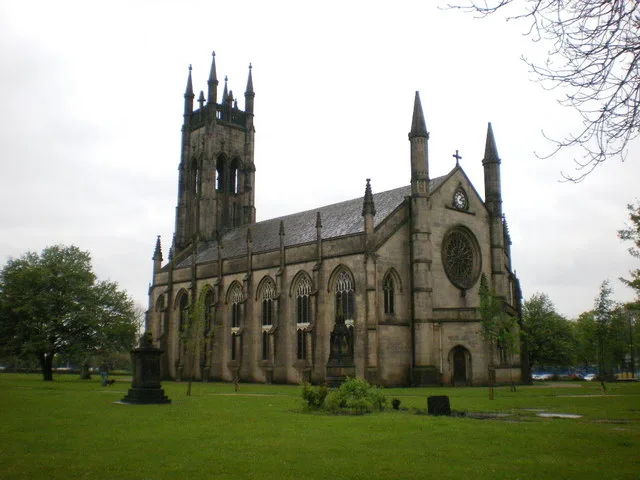
St Peter's Church, Ashton-under-Lyne
Historic churches · 0.4 km

Theatre Royal, Ashton-under-Lyne
Open-air theatres · 0.4 km

Ashton-under-Lyne
Castles · 0.5 km
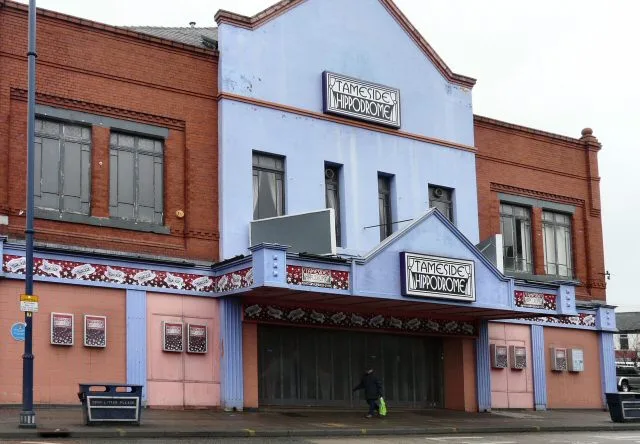
Tameside Hippodrome
Theatres · 0.5 km

Tameside Hippodrome
Open-air theatres · 0.5 km
Nearby
📷 3Museums · Yorkshire & the Humber
Portland Basin Museum
Portland Basin Museum — a museum in england-west-midlands, United Kingdom.
📷 3📷 3Gardens · Yorkshire & the Humber
Tudor Mill, Ashton-under-Lyne
Tudor Mill, Ashton-under-Lyne — a garden in england-west-midlands, United Kingdom.
📷 5Museums · Yorkshire & the Humber
Dukinfield Junction
Dukinfield Junction (grid reference SJ933984) is the name of the canal junction where the Peak Forest Canal, the Ashton Canal and the Huddersfield Narrow Canal meet near Ashton-under-Lyne, Greater Man
📷 3Historic bridges · Yorkshire & the Humber
Peak Forest Canal Bridge Number 30
Peak Forest Canal Bridge Number 30 — Grade II listed building-listed bridge in england-west-midlands, United Kingdom.
📷 3Archaeological sites · Yorkshire & the Humber
Industrial Chimney
Industrial Chimney — a archaeological in england-west-midlands, United Kingdom.
Where to eat & stay near Macclesfield Canal
Places to stay
 📷 5
📷 5 📷 5
📷 5Caravan parks · Yorkshire & the Humber
Far Benfield Farm Caravan Storage
Far Benfield Farm Caravan Storage — a caravan park in england west midlands.
 📷 5
📷 5Campsites · North West England
Well-i-Hole Farm Caravan and Camping
Well-i-Hole Farm Caravan and Camping — a campsite in england north west.
 📷 5
📷 5Campsites · Yorkshire & the Humber
Boarfold Scout Camp
Boarfold Scout Camp — a campsite in england west midlands.
 📷 5
📷 5Campsites · East Midlands
Crossgate Farm Campsite
Crossgate Farm Campsite — a campsite in england east midlands.
 📷 5
📷 5Places to eat & drink
📷 7 📷 5
📷 5Historic pubs · North West England
Colliers Arms Public House
Colliers Arms Public House in England North West, United Kingdom.
 📷 7
📷 7Historic pubs · North West England
The Plough, Gorton
The Plough, Gorton in England North West, United Kingdom.
 📷 7
📷 7 📷 7
📷 7Cafés · Yorkshire & the Humber
Station South
Station South — a café in england west midlands.
 📷 7
📷 7Historic pubs · North West England
The Rampant Lion
The Rampant Lion in England North West, United Kingdom.
Other places from this era
 📷 5
📷 5Canals · South East England
Wilts & Berks Canal
Wilts & Berks Canal — canal in the United Kingdom.
 📷 3
📷 3 📷 5
📷 5Canals · South West England
Weston Cut
Weston Cut — navigation cut on the River Avon in Bath, Somerset, England, UK.
 📷 3
📷 3Canals · Central Scotland
Forth and Cart Canal
Forth and Cart Canal — canal in West Dunbartonshire, Scotland, UK (1836-1893).
More places in this region
📷 3 📷 5
📷 5Canals · Yorkshire & the Humber
Hollinwood Branch Canal
Hollinwood Branch Canal is a canal in the United Kingdom.
 📷 5
📷 5Canals · Yorkshire & the Humber
Peak Forest Canal
Peak Forest Canal — canal in Derbyshire/Cheshire/Greater Manchester, England, UK.
 📷 3
📷 3Canals · Yorkshire & the Humber
Stockport Branch Canal
Stockport Branch Canal — former canal in Manchester, England.
Frequently asked questions
- Where is Macclesfield Canal?
- Macclesfield Canal is in Yorkshire, United Kingdom (postcode OL7 0QA), in the parish of Tameside, unparished area.
- What is Macclesfield Canal?
- Macclesfield Canal — canal in north west England.
- How do I get to Macclesfield Canal?
- The nearest railway station is Ashton-under-Lyne, about 1.0 km away. The nearest town is Manchester. Drivers can use postcode OL7 0QA.
- When was Macclesfield Canal built?
- Built or established in 1826.
- Is Macclesfield Canal free to visit?
- Yes, Macclesfield Canal is free to enter.
- How do I get to Macclesfield Canal?
- The nearest railway station is Ashton-under-Lyne, about 1.0 km away. Drivers can navigate to postcode OL7 0QA.