
Museums · Yorkshire & the Humber
Dukinfield Junction
In or near Manchester.
Dukinfield Junction (grid reference SJ933984) is the name of the canal junction where the Peak Forest Canal, the Ashton Canal and the Huddersfield Narrow Canal meet near Ashton-under-Lyne, Greater Man

Dr Neil Clifton — CC BY-SA 2.0 via Wikimedia Commons licence

Plan your visit
- Typical visit
- 1.5 h–3 h
- Best time of year
- Year-round
- Nearest railway station
- Ashton-under-Lyne · 1.0 km
- Free entry
- Family-friendly
- Limited wheelchair access
Getting there & planning your visit
Dukinfield Junction is located in Tameside, with the nearest railway station being Ashton-under-Lyne, approximately 1 km away. Entry to the museum is free, but wheelchair accessibility is limited. The postcode for sat-nav is OL7 0QA.
About
Dukinfield Junction (grid reference SJ933984) is the name of the canal junction where the Peak Forest Canal, the Ashton Canal and the Huddersfield Narrow Canal meet near Ashton-under-Lyne, Greater Manchester, England. The area has been designated by Tameside Metropolitan Borough Council as a conservation area. It is adjacent to Portland Basin, and the names are often used as synonyms by boaters, whilst locals refer only to Portland Basin. Strictly speaking, Portland Basin is the wide area on the main line of the canal. The arm under the junction bridge and the aqueduct over the River Tame were built by the Ashton Canal, and the junction with the Peak Forest canal was historically at the southern end of the aqueduct.
Photo gallery
From the Wikipedia article
Dukinfield Junction (grid reference SJ933984) is the name of the canal junction where the Peak Forest Canal, the Ashton Canal and the Huddersfield Narrow Canal meet near Ashton-under-Lyne, Greater Manchester, England. The area has been designated by Tameside Metropolitan Borough Council as a conservation area. It is adjacent to Portland Basin, and the names are often used as synonyms by boaters, whilst locals refer only to Portland Basin. Strictly speaking, Portland Basin is the wide area on the main line of the canal. The arm under the junction bridge and the aqueduct over the River Tame were built by the Ashton Canal, and the junction with the Peak Forest canal was historically at the southern end of the aqueduct.
Excerpt from Wikipedia under CC BY-SA 4.0. See the source article linked in Sources below.
Background
History
The Ashton Canal was authorised by an Act of Parliament obtained in 1792, to connect the coal mining area around Oldham and the textile mills of Ashton-under-Lyne to Manchester. It was heavily-locked, with 18 locks in 6.5 mi. During construction, the company obtained a second Act to allow them to build the Hollinwood Branch Canal, the Stockport Canal and the Beat Bank Branch Canal. The line to Ashton and the branch to Hollinwood were both opened in December 1796, and the Stockport Branch opened in January 1797, but the Beat Bank Branch was never completed. The Peak Forest Canal was authorised two years after the Ashton Canal, to access limestone reserves at Doveholes, near Whaley Bridge.…
Sourced from Wikipedia under CC BY-SA 4.0.
- Coordinates
- 53.4826, -2.0997
- District
- Tameside
- Parish
- Tameside, unparished area
- Postcode
- OL7 0QA
- Parliamentary constituency
- Ashton-under-Lyne
- Phone
- +44 161 342 5480
- Established
- 1800
- Nearest railway station
- Ashton-under-Lyne — 1 km
- Opening
- Tu-Su 10:00-16:00
Sources
- wikipedia: Dukinfield Junction (CC BY-SA 4.0)
Other places nearby

Peak Forest Canal Bridge Number 30
Historic bridges · 0.0 km

Ashton Canal
Canals · 0.0 km

Portland Basin Museum
Museums · 0.1 km

Macclesfield Canal
Canals · 0.1 km

Tudor Mill, Ashton-under-Lyne
Gardens · 0.1 km

Industrial Chimney
Archaeological sites · 0.1 km
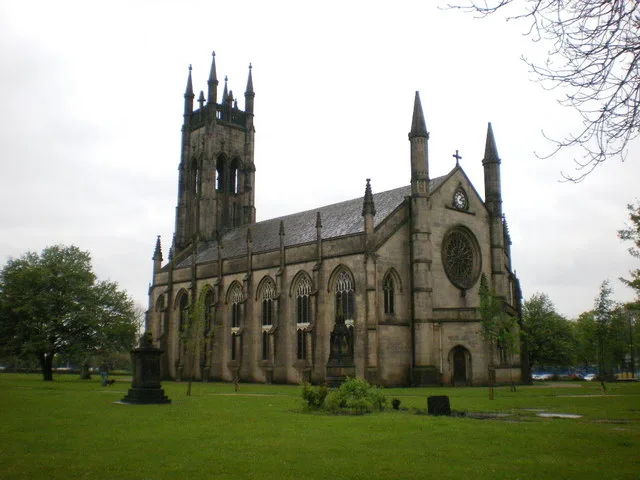
St Peter's Church, Ashton-under-Lyne
Historic churches · 0.4 km

The Witchwood
Historic pubs · 0.5 km

Theatre Royal, Ashton-under-Lyne
Open-air theatres · 0.5 km

Ashton-under-Lyne
Castles · 0.5 km
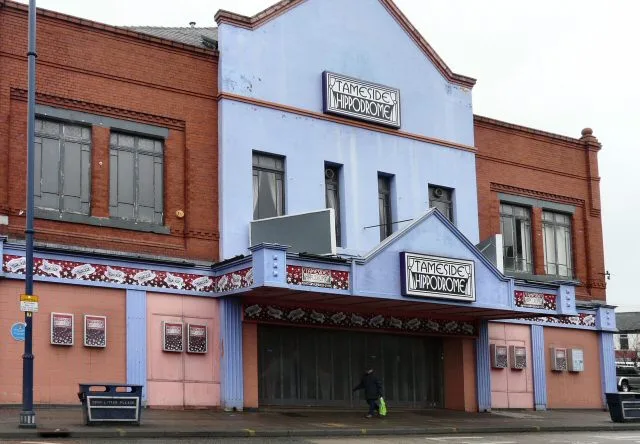
Tameside Hippodrome
Theatres · 0.6 km

Tameside Hippodrome
Open-air theatres · 0.6 km
Nearby
📷 3Historic bridges · Yorkshire & the Humber
Peak Forest Canal Bridge Number 30
Peak Forest Canal Bridge Number 30 — Grade II listed building-listed bridge in england-west-midlands, United Kingdom.
📷 3📷 3Museums · Yorkshire & the Humber
Portland Basin Museum
Portland Basin Museum — a museum in england-west-midlands, United Kingdom.
📷 3Canals · Yorkshire & the Humber
Macclesfield Canal
Macclesfield Canal — canal in north west England.
📷 3Gardens · Yorkshire & the Humber
Tudor Mill, Ashton-under-Lyne
Tudor Mill, Ashton-under-Lyne — a garden in england-west-midlands, United Kingdom.
📷 3Archaeological sites · Yorkshire & the Humber
Industrial Chimney
Industrial Chimney — a archaeological in england-west-midlands, United Kingdom.
Where to eat & stay near Dukinfield Junction
Places to stay
 📷 5
📷 5 📷 5
📷 5Caravan parks · Yorkshire & the Humber
Far Benfield Farm Caravan Storage
Far Benfield Farm Caravan Storage — a caravan park in england west midlands.
 📷 5
📷 5Campsites · North West England
Well-i-Hole Farm Caravan and Camping
Well-i-Hole Farm Caravan and Camping — a campsite in england north west.
 📷 5
📷 5Campsites · Yorkshire & the Humber
Boarfold Scout Camp
Boarfold Scout Camp — a campsite in england west midlands.
 📷 5
📷 5Campsites · East Midlands
Crossgate Farm Campsite
Crossgate Farm Campsite — a campsite in england east midlands.
 📷 5
📷 5Places to eat & drink
📷 7 📷 5
📷 5Historic pubs · North West England
Colliers Arms Public House
Colliers Arms Public House in England North West, United Kingdom.
 📷 7
📷 7Historic pubs · North West England
The Plough, Gorton
The Plough, Gorton in England North West, United Kingdom.
 📷 7
📷 7 📷 7
📷 7Cafés · Yorkshire & the Humber
Station South
Station South — a café in england west midlands.
 📷 7
📷 7Historic pubs · North West England
The Rampant Lion
The Rampant Lion in England North West, United Kingdom.
More museums in this region
 📷 3
📷 3Museums · Yorkshire & the Humber
Avro Heritage Museum
Avro Heritage Museum — aviation museum in England.
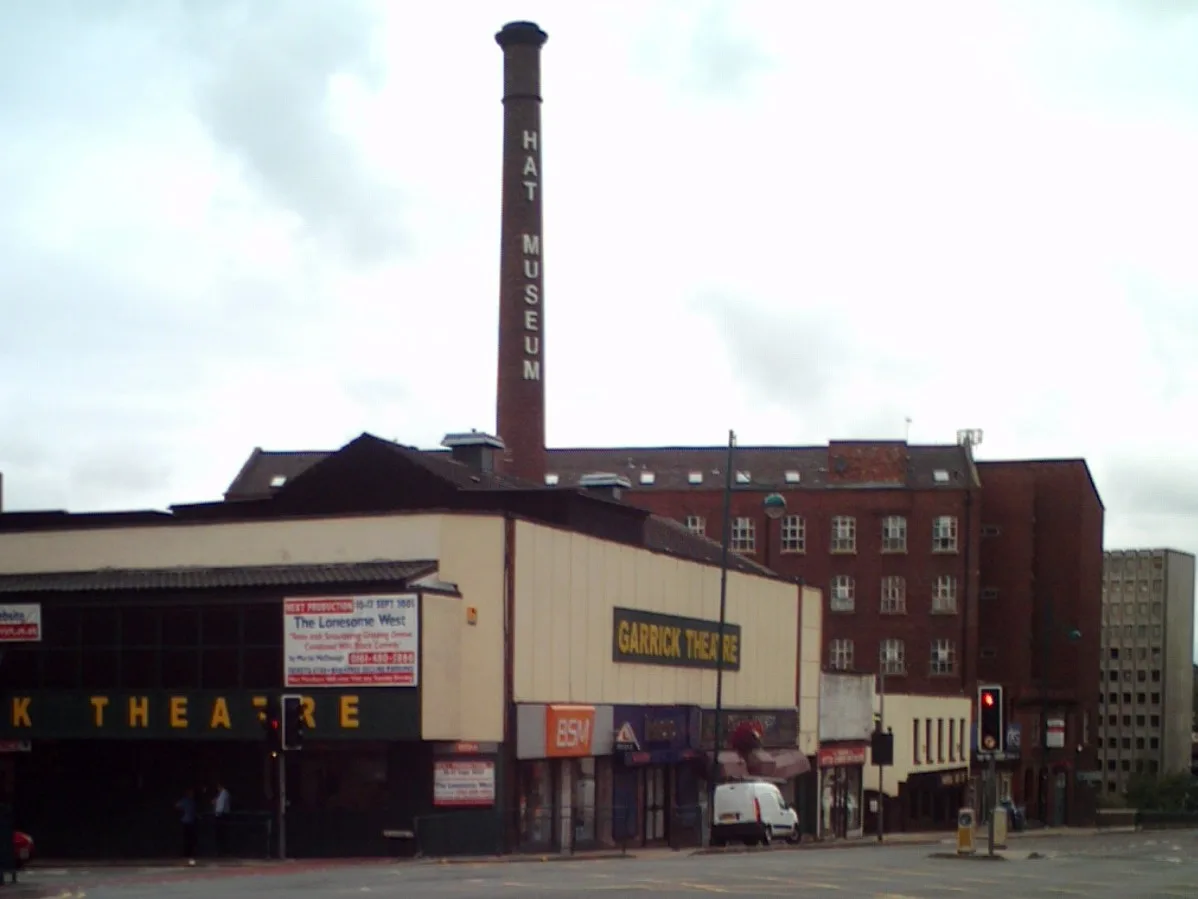 📷 5
📷 5Museums · Yorkshire & the Humber
Hat Works
Hat Works — museum and former cotton mill Greater Manchester, England.
 📷 3
📷 3Museums · Yorkshire & the Humber
Anson Engine Museum
Anson Engine Museum — a museum in england-west-midlands, United Kingdom.
📷 3Museums · Yorkshire & the Humber
Portland Basin Museum
Portland Basin Museum — a museum in england-west-midlands, United Kingdom.
Frequently asked questions
- Where is Dukinfield Junction?
- Dukinfield Junction is in Yorkshire, United Kingdom (postcode OL7 0QA), in the parish of Tameside, unparished area.
- What is Dukinfield Junction?
- Dukinfield Junction (grid reference SJ933984) is the name of the canal junction where the Peak Forest Canal, the Ashton Canal and the Huddersfield Narrow Canal meet near Ashton-under-Lyne, Greater Man
- How do I get to Dukinfield Junction?
- The nearest railway station is Ashton-under-Lyne, about 1.0 km away. The nearest town is Manchester. Drivers can use postcode OL7 0QA.
- When was Dukinfield Junction built?
- Built or established in 1800.
- Is Dukinfield Junction free to visit?
- Yes, Dukinfield Junction is free to enter.
- How do I get to Dukinfield Junction?
- The nearest railway station is Ashton-under-Lyne, about 1.0 km away. Drivers can navigate to postcode OL7 0QA.