
Castles · North East England
Kilton Castle
In or near Brotton.
Kilton Castle — castle in North Yorkshire, England, UK.

Wikimedia Commons contributors — see linked file page for photographer and licence licence

Plan your visit
- Typical visit
- 1.5 h–3 h
- Nearest railway station
- Forest Halt · 5.0 km
- Family-friendly
- Limited wheelchair access
Getting there & planning your visit
To visit Kilton Castle, the nearest railway station is Forest Halt, located 5 km away. The postcode for sat-nav is TS12 2TZ. Accessibility is limited for wheelchair users.
About
Kilton Castle is a castle in the United Kingdom — fortified architecture from the medieval, Tudor, or Victorian-revival period. Heritage designation: scheduled monument. Wikidata describes it as: "castle in North Yorkshire, England, UK". Coordinates: 54.5485°, -0.9149°.
Photo gallery
Heritage listing
Kilton Castle is a ruined castle overlooking the valley of Kilton Beck, near to the village of Kilton in the historic county of the North Riding of Yorkshire (now Redcar and Cleveland) in England. The castle was built in the 12th century and was described as being in a ruinous state by the 14th century, with it being totally abandoned by the 16th century. Kilton Castle was owned by several noble families who hailed from the area; de Brus, de Kilton, Autrey, de Thweng, de Lumley. The setting of the castle on a promontory above the valley meant that it had slopes leading up to three sides and a fourth side (to the west) had a narrow entrance into the valley wall.
From the Historic England List Entry under OGL v3.
From the Wikipedia article
Kilton Castle is a ruined castle overlooking the valley of Kilton Beck, near to the village of Kilton in the historic county of the North Riding of Yorkshire (now Redcar and Cleveland) in England. The castle was built in the 12th century and was described as being in a ruinous state by the 14th century, with it being totally abandoned by the 16th century. Kilton Castle was owned by several noble families who hailed from the area; de Brus, de Kilton, Autrey, de Thweng, de Lumley. The setting of the castle on a promontory above the valley meant that it had slopes leading up to three sides and a fourth side (to the west) had a narrow entrance into the valley wall. Due to its commanding position and man-made and natural defences, it has been labelled the "most powerful baronial fortress in Cleveland." Its rebuilding in stone in the late 12th century was accomplished without need of a keep, which has led to it being known as the first castle in the north of England to be keepless.
Excerpt from Wikipedia under CC BY-SA 4.0. See the source article linked in Sources below.
Background
History
The land around Kilton and Skinningrove was granted to the de Brus family after The Conquest. The nearest village of Kilton, after which the castle is named, is recorded in the Domesday Book, although the castle site was located south east of the village. It is likely some farmsteads were planned at the same time as the castle, being wholly independent of the village. The castle was built in timber (later recreated in stone ) by either by the de Brus or the de Kilton/de Kylton families. Ord, writing in the History of Cleveland, states that: "As a fortress, it must have proved impregnable previous to the introduction of artillery; being placed on a high jutting eminence, surrounded by steep…
Sourced from Wikipedia under CC BY-SA 4.0.
- Coordinates
- 54.5485, -0.9149
- District
- Redcar and Cleveland
- Parish
- Lockwood
- Postcode
- TS12 2TZ
- Parliamentary constituency
- Middlesbrough South and East Cleveland
- Established
- 1190
- Nearest railway station
- Forest Halt — 5 km
Sources
- wikidata: Q17529372 (CC0)
- wikipedia: Kilton Castle (CC BY-SA 4.0)
- commons: Kilton Castle.jpg (CC BY-SA 4.0)
Other places nearby

Kilton Viaduct
Historic bridges · 1.1 km

Medieval settlement and open field system at Kilton Thorpe
Vineyards · 1.3 km

Empire Theatre
Open-air theatres · 1.5 km
Loftus
Villages · 1.5 km

Loftus, North Yorkshire
Museums · 1.8 km

Loftus Castle Cliff
Literary houses · 1.8 km

Land of Iron
Museums · 1.9 km

Boulby Potash Shaft Grab
Memorials & monuments · 2.1 km

Hagg Hill
Mountains & hills · 2.1 km

Drinking Fountain, Trough, War Memorial, Steps And Railings, South-East Of No. 39
Memorials & monuments · 2.1 km

Magpie Wood
Campsites · 2.2 km
Scabdale Bower
Waterfalls · 2.3 km
Nearby
📷 3Historic bridges · North East England
Kilton Viaduct
Kilton Viaduct is a historic bridge in the United Kingdom.
📷 5Vineyards · North East England
Medieval settlement and open field system at Kilton Thorpe
Medieval settlement and open field system at Kilton Thorpe — a UK vineyard in england north east, producing English or Welsh wine from cool-climate grape varieties.
📷 5Open-air theatres · North East England
Empire Theatre
Empire Theatre — a open-air theatre in england north east.
📷 5📷 5Museums · North East England
Loftus, North Yorkshire
Loftus, North Yorkshire — a museum in england-north-east, United Kingdom.
📷 5Literary houses · North East England
Loftus Castle Cliff
Loftus Castle Cliff — a literary house museum in england north east.
Where to eat & stay near Kilton Castle
Places to stay
📷 5 📷 5
📷 5Campsites · North East England
Cherry Tree House Campsite
Cherry Tree House Campsite — a campsite in england north east.
 📷 5
📷 5Hotels · North East England
Grinkle Park Hotel
Grinkle Park Hotel — a hotel in england north east.
 📷 5
📷 5 📷 5
📷 5 📷 5
📷 5B&Bs · North East England
The Captain Cook Inn
The Captain Cook Inn — a bed-and-breakfast in england north east.
Places to eat & drink
 📷 5
📷 5Historic pubs · Yorkshire & the Humber
The Royal George Public House
The Royal George Public House in England Yorkshire, United Kingdom.
 📷 5
📷 5Historic pubs · Yorkshire & the Humber
The Badger Hounds Public House
The Badger Hounds Public House in England Yorkshire, United Kingdom.
 📷 4
📷 4 📷 5
📷 5 📷 5
📷 5Historic pubs · North East England
The Royal Oak Hotel
The Royal Oak Hotel in England North East, United Kingdom.
 📷 4
📷 4Historic pubs · North East England
The Dudley Arms Public House
The Dudley Arms Public House in England North East, United Kingdom.
More castles in this region
 📷 3
📷 3Castles · North East England
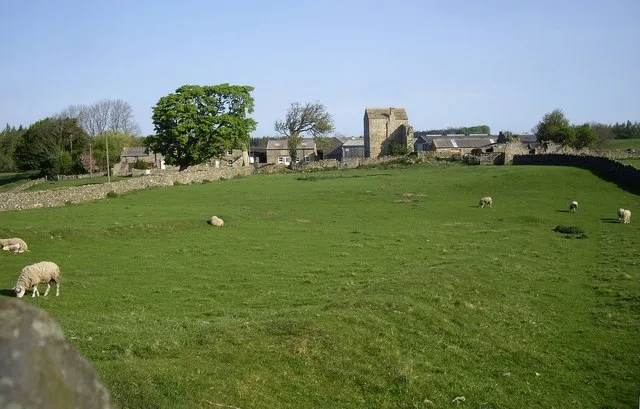
Scargill Castle
Scargill Castle — house in Scargill, County Durham, England, UK.
 📷 3
📷 3Castles · North East England
Roper Castle or Round Table (Roman Signal Station)
Roper Castle or Round Table (Roman Signal Station) — a castle in england-north-west, United Kingdom.
 📷 5
📷 5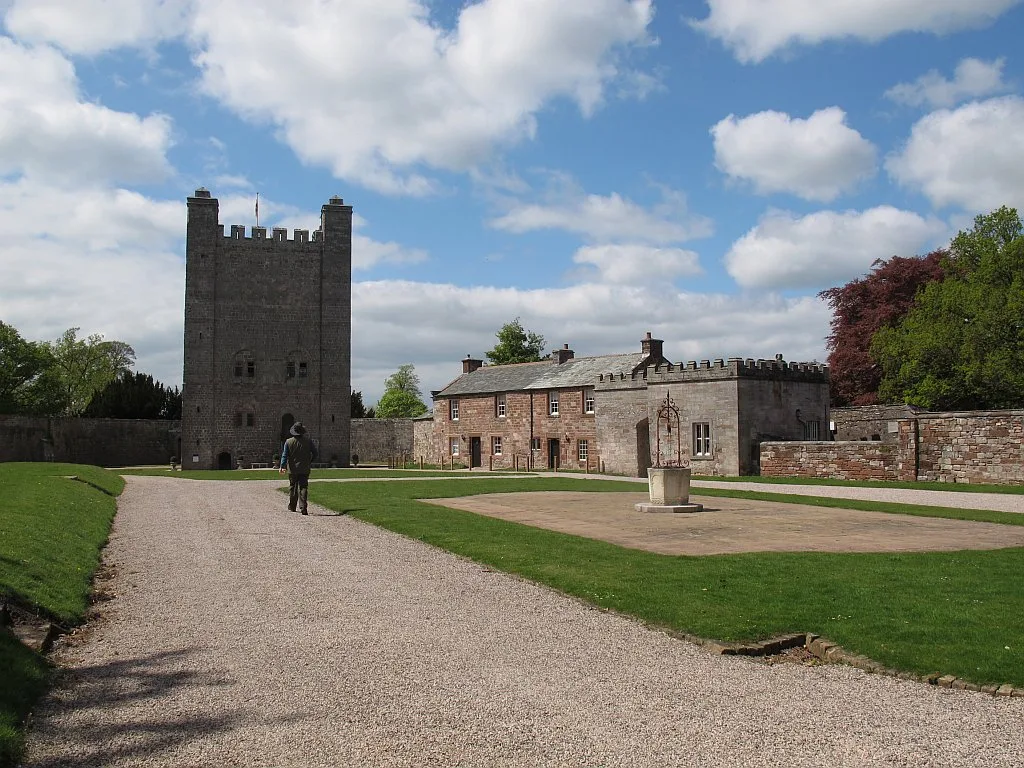 📷 5
📷 5Castles · North East England
Appleby Castle
Appleby Castle — Grade I listed English country house in Appleby-in-Westmorland, United Kingdom.
Frequently asked questions
- Where is Kilton Castle?
- Kilton Castle is in North-East England, United Kingdom (postcode TS12 2TZ), in the parish of Lockwood.
- What is Kilton Castle?
- Kilton Castle — castle in North Yorkshire, England, UK.
- How do I get to Kilton Castle?
- The nearest railway station is Forest Halt, about 5.0 km away. The nearest town is Brotton. Drivers can use postcode TS12 2TZ.
- When was Kilton Castle built?
- Built or established in 1190.
- Is Kilton Castle a listed building?
- Kilton Castle is officially recognised as scheduled monument listed.
- Does Kilton Castle charge admission?
- Kilton Castle typically charges admission. Check the official site for current ticket prices and opening hours.
- How do I get to Kilton Castle?
- The nearest railway station is Forest Halt, about 5.0 km away. Drivers can navigate to postcode TS12 2TZ.