
UNESCO World Heritage · Yorkshire & the Humber
Fountains Abbey
In or near Ripon.
Fountains Abbey — ruined Cistercian abbey in Yorkshire, England, UK.

Wikimedia Commons contributors — see linked file page for photographer and licence licence

Plan your visit
- Typical visit
- 2 h–4 h
- Paid entry
Getting there & planning your visit
Fountains Abbey is located in North Yorkshire, with the postcode HG4 3DZ. Entry is paid, and the site is not specified for accessibility features.
About
Fountains Abbey is inscribed on the UNESCO World Heritage List. Records date its origin to 1101. Wikidata describes it as: "ruined Cistercian abbey in Yorkshire, England, UK". Coordinates: 54.1097°, -1.5814°.
Photo gallery
Heritage listing
Fountains Abbey is a ruined Cistercian monastery near Ripon in North Yorkshire, England. It was founded in 1132 under the direction of Thurstan, archbishop of York, and over the next four centuries became one of the wealthiest monasteries in England thanks to its large and diverse landholdings. The monastery was dissolved in 1539 as part of the English Reformation and its estates sold. Fountains Abbey is now within Studley Royal Park, a landscaped garden created in the eighteenth century.
From the Historic England List Entry under OGL v3.
Summary from the official site
Fountains Abbey is a historic site that was once one of the largest monasteries in England. Visitors can explore the impressive ruins of the abbey and the surrounding Studley Royal Water Garden, which features beautiful landscapes and walking paths.
Read more on the official property page.
Protected designations
- Area of Outstanding Natural Beauty: Nidderdale
Designations sourced from Natural England open data under OGL v3.
From the Wikipedia article
Fountains Abbey is a ruined Cistercian monastery near Ripon in North Yorkshire, England. It was founded in 1132 under the direction of Thurstan, archbishop of York, and over the next four centuries became one of the wealthiest monasteries in England thanks to its large and diverse landholdings. The monastery was dissolved in 1539 as part of the English Reformation and its estates sold. Fountains Abbey is now within Studley Royal Park, a landscaped garden created in the eighteenth century. Even in its current state, Fountains is described by Historic England as "the best preserved of English abbeys and [...] the finest picturesque ruin." The majority of the buildings were constructed in the Romanesque and Early English Gothic style between 1170 and 1247, with significant additions in the late fifteenth and early sixteenth centuries. The abbey church and many of the claustral buildings survive, including the chapter house, refectory, and lay brothers' dormitory, as well as ancillary structures such as the guest houses, abbey mill, and bridges. The abbey is protected for its historic significance, having been designated a grade I listed building and a scheduled monument by Historic England. It also forms part of the Studley Royal including the ruins of Fountains Abbey World Heritage Site. It is owned by the National Trust and maintained by English Heritage, and is open to the public.
Excerpt from Wikipedia under CC BY-SA 4.0. See the source article linked in Sources below.
Background
History
After a dispute and riot in 1132 at the Benedictine house of St Mary's Abbey, York, thirteen monks were expelled, among them Robert of Newminster, who was later canonised. They were taken under the protection of Thurstan, Archbishop of York, who provided them with land in the valley of the River Skell, a tributary of the Ure. The enclosed valley had all the natural features needed for the creation of a monastery, providing shelter from the weather; stone and timber for building; and a supply of running water. The six springs that watered the site inspired the monks to give it the name of Fountains. After enduring a harsh winter in 1133, the monks applied to join the Cistercian order, which…
Architecture
The abbey precinct covered 70 acre surrounded by an 11 ft wall built in the 13th century, some parts of which are visible to the south and west of the abbey. The area consists of three concentric zones cut by the River Skell flowing from west to east across the site. The church and claustral buildings stand at the centre of the precinct north of the Skell. The inner court containing the domestic buildings stretches down to the river and the outer court housing the industrial and agricultural buildings lies on the river's south bank. The early abbey buildings were added to and altered over time, resulting in deviations from the strict Cistercian type. Outside the walls were the abbey's "home…
Sourced from Wikipedia under CC BY-SA 4.0.
- Coordinates
- 54.1097, -1.5814
- District
- North Yorkshire
- Parish
- Lindrick with Studley Royal and Fountains
- Postcode
- HG4 3DZ
- Parliamentary constituency
- Skipton and Ripon
- Established
- 1101
- Opening
- Daily 9:30am–4:30pm
- Official site
- www.nationaltrust.org.uk
Sources
- wikidata: Q540237 (CC0)
- wikipedia: Fountains Abbey (CC BY-SA 4.0)
- commons: Fountains Abbey view02 2005-08-27.jpg (CC BY-SA 4.0)
Featured in these 5 guides
Itinerary
Every UNESCO World Heritage Site in the UK
Thirty-three sites of outstanding universal value, from Hadrian's Wall to the Forth Bridge.
Itinerary
Yorkshire's ruined abbeys
Six Cistercian monasteries dissolved by Henry VIII, kept beautiful by the National Trust and English Heritage.
Itinerary
Cistercian abbeys of England in 5 days
Five great ruined abbeys from Yorkshire to the Wye Valley.
Itinerary
Yorkshire dales & abbeys in 5 days
Wensleydale, Wharfedale and the great Cistercian houses.
Itinerary
Yorkshire Dales in 3 days
Limestone scenery, abbey ruins, and the Settle-Carlisle railway.
Other places nearby

Fountains Abbey
Cathedrals · 0.0 km

Old Mill House
Watermills · 0.2 km

Swanley Grange
Natural landmarks · 0.2 km

Fountains Hall
Manor houses · 0.3 km

Galand Bridge
Historic bridges · 0.5 km

Hercules wrestling Anteus
Public art & sculpture · 0.6 km

Rustic Bridge At South End Of The Canal, With Culvert And Arch To Reservoir
Historic bridges · 0.6 km

Tent Hill
Viewpoints · 0.6 km
_(geograph_7029260).jpg?width=1200)
Quebec Monument
Memorials & monuments · 0.7 km
_(geograph_7029264).jpg?width=1200)
Temple of Fame
Follies · 0.8 km
_(geograph_7029265).jpg?width=1200)
Neptune
Public art & sculpture · 0.8 km

Temple of Piety
Follies · 0.8 km
Nearby
📷 4Cathedrals · Yorkshire & the Humber
Fountains Abbey
Fountains Abbey is a cathedral in the United Kingdom.
★ Iconic📷 3Watermills · Yorkshire & the Humber
Old Mill House
Old Mill House is a watermill in the United Kingdom.
📷 3Natural landmarks · Yorkshire & the Humber
Swanley Grange
Swanley Grange — a other in england-yorkshire, United Kingdom.
📷 3Manor houses · Yorkshire & the Humber
Fountains Hall
Fountains Hall — a manor in england-yorkshire, United Kingdom.
📷 3Historic bridges · Yorkshire & the Humber
Galand Bridge
Galand Bridge — Grade II listed building-listed bridge in england-yorkshire, United Kingdom.
📷 3Public art & sculpture · Yorkshire & the Humber
Hercules wrestling Anteus
Hercules wrestling Anteus — a public art in england-yorkshire, United Kingdom.
Where to eat & stay near Fountains Abbey
Places to stay
 📷 5
📷 5Campsites · Yorkshire & the Humber
Copper Beech Glade
Copper Beech Glade — a campsite in england yorkshire.
 📷 5
📷 5Caravan parks · Yorkshire & the Humber
River Laver Holiday Park Ltd.
River Laver Holiday Park Ltd. — a caravan park in england yorkshire.
 📷 5
📷 5Campsites · Yorkshire & the Humber
Clotherholme Farm Campsite
Clotherholme Farm Campsite — a campsite in england yorkshire.
 📷 5
📷 5Caravan parks · Yorkshire & the Humber
Chequers Lodge Caravan Park
Chequers Lodge Caravan Park — a caravan park in england yorkshire.
 📷 5
📷 5Campsites · Yorkshire & the Humber
Woodhouse Farm
Woodhouse Farm — a campsite in england yorkshire.
Caravan parks · Yorkshire & the Humber
Woodhouse Farm Holiday Park
Woodhouse Farm Holiday Park — a caravan park in england yorkshire.
Places to eat & drink
 📷 7
📷 7Historic pubs · Yorkshire & the Humber
Lamb And Flag Public House
Lamb And Flag Public House in England Yorkshire, United Kingdom.
 📷 5
📷 5Cafés · Yorkshire & the Humber
Lula's Café
Lula's Café — a café in england yorkshire.
 📷 5
📷 5Historic pubs · Yorkshire & the Humber
The Unicorn Hotel
The Unicorn Hotel in England Yorkshire, United Kingdom.
 📷 7
📷 7 📷 7
📷 7Historic pubs · Yorkshire & the Humber
Ye Hornblower Tavern
Ye Hornblower Tavern in England Yorkshire, United Kingdom.
 📷 7
📷 7Historic pubs · Yorkshire & the Humber
The Fleece Public House
The Fleece Public House in England Yorkshire, United Kingdom.
Other UNESCO sites from this era
 Flagship📷 10
UNESCO World Heritage · London
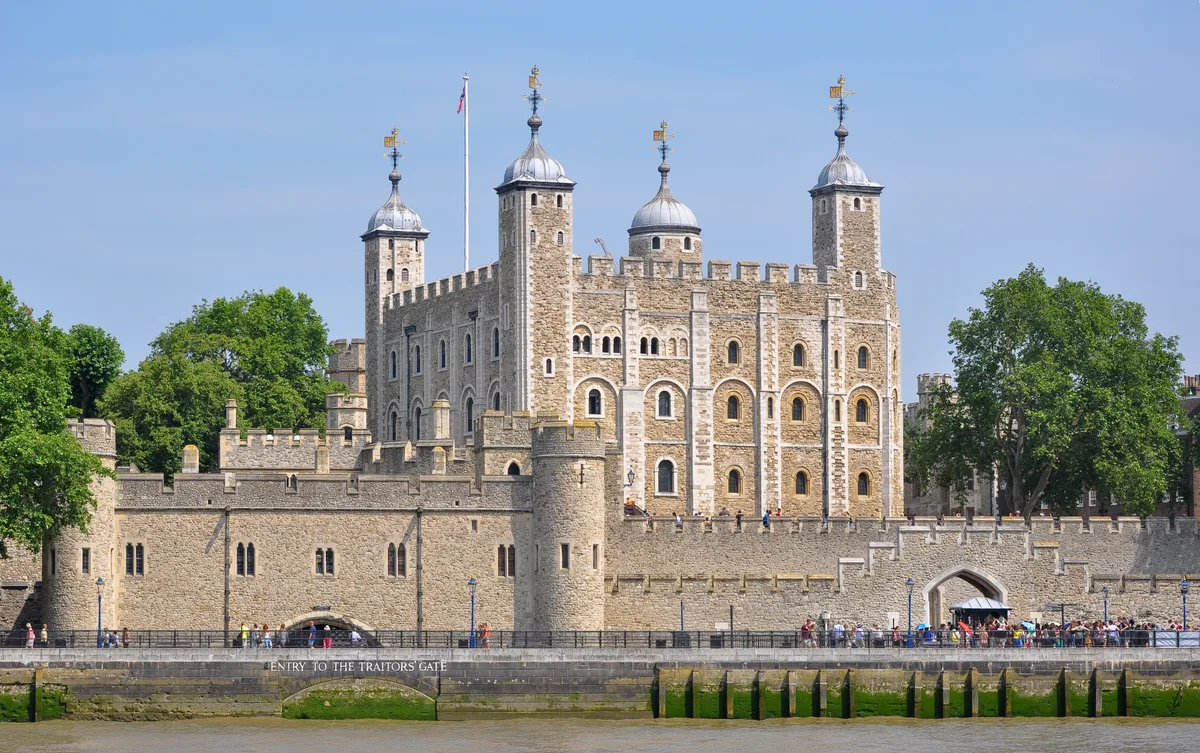
Tower of London
Tower of London — castle in central London, United Kingdom.
 ★ Iconic📷 3
UNESCO World Heritage · North Wales
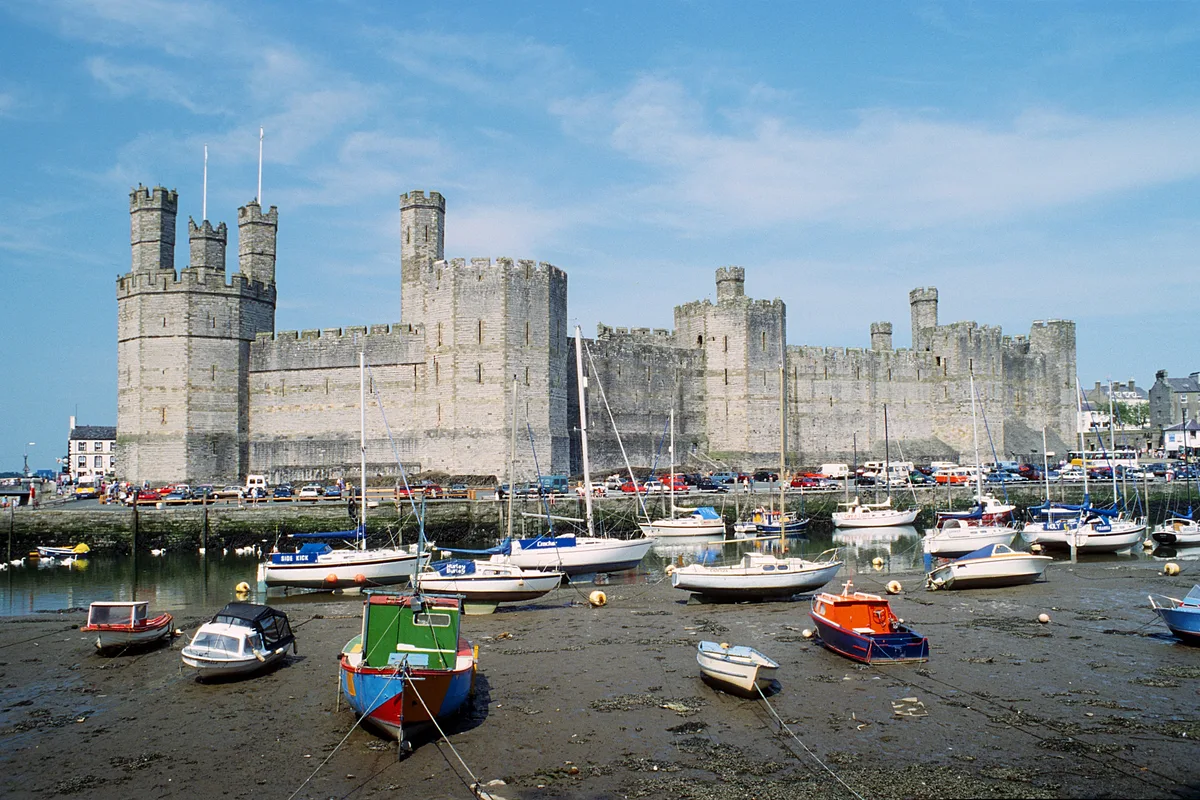
Castles and Town Walls of King Edward in Gwynedd
Castles and Town Walls of King Edward in Gwynedd — World Heritage site in the United Kingdom.
More UNESCO sites in this region
 Flagship📷 5
UNESCO World Heritage · Yorkshire & the Humber
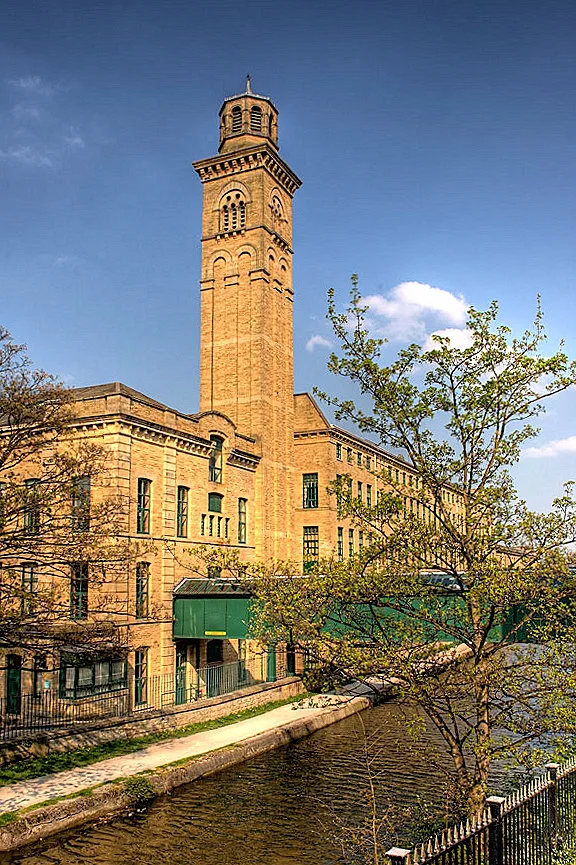
Saltaire
Saltaire — Victorian model village located in Shipley, City of Bradford Metropolitan District, West Yorkshire, England, UK.
 📷 3
📷 3UNESCO World Heritage · Yorkshire & the Humber
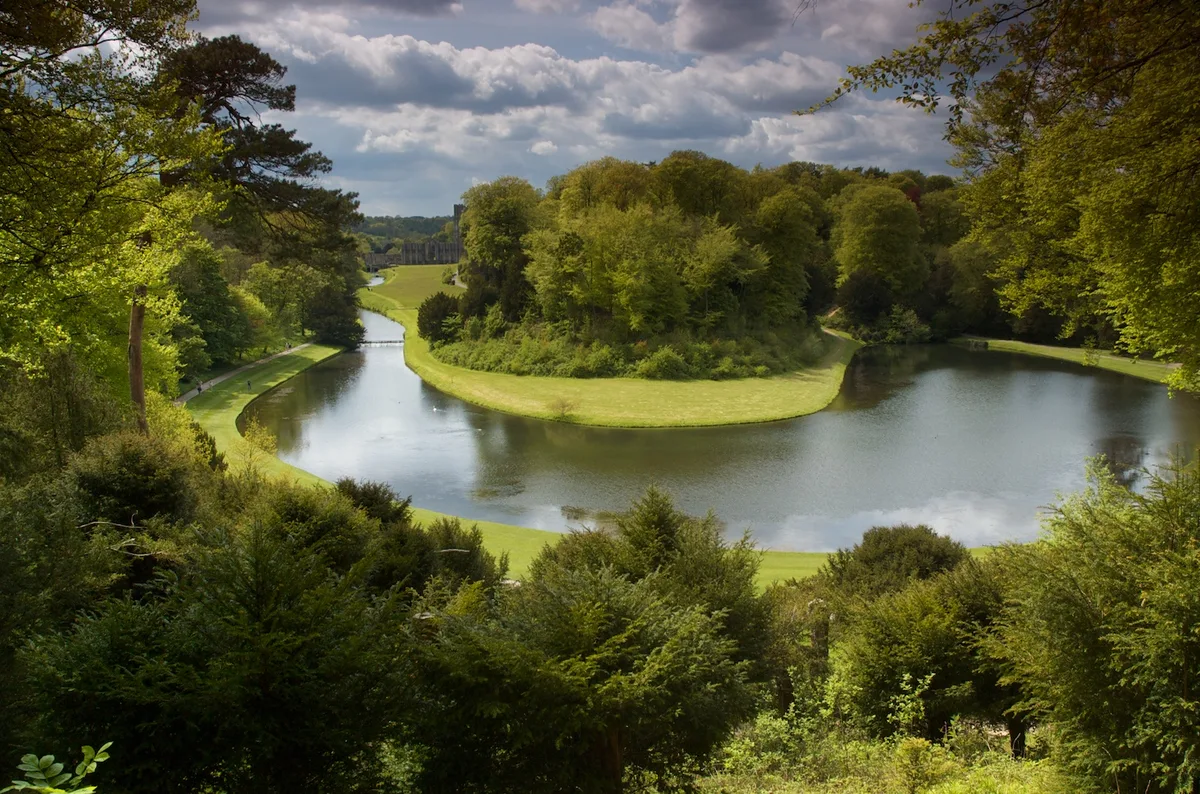
Studley Royal Park including the Ruins of Fountains Abbey
Studley Royal Park including the Ruins of Fountains Abbey — group of structures in North Yorkshire, England, UK.
Frequently asked questions
- Where is Fountains Abbey?
- Fountains Abbey is in Yorkshire, United Kingdom (postcode HG4 3DZ), in the parish of Lindrick with Studley Royal and Fountains.
- What is Fountains Abbey?
- Fountains Abbey — ruined Cistercian abbey in Yorkshire, England, UK.
- How do I get to Fountains Abbey?
- The nearest town is Ripon. Drivers can use postcode HG4 3DZ.
- When was Fountains Abbey built?
- Built or established in 1101.
- Who owns Fountains Abbey?
- Fountains Abbey is owned by National Trust.
- Is Fountains Abbey a listed building?
- Fountains Abbey is officially recognised as World Heritage Site listed.
- Is Fountains Abbey a protected site?
- Yes — Fountains Abbey is part of the Nidderdale National Landscape (AONB).
- How do I get to Fountains Abbey?
- Drivers can navigate to postcode HG4 3DZ. It sits within the Skipton and Ripon parliamentary constituency.