
UNESCO World Heritage · London
Tower of London
Also known as: Tŵr Llundain, Túr Londan
In or near City of London.
Tower of London — castle in central London, United Kingdom.

Wikimedia Commons contributors — see linked file page for photographer and licence licence

Plan your visit
- Typical visit
- 2 h–4 h
- Nearest railway station
- Tower Hill · 0.2 km
- Paid entry
- Family-friendly
- Wheelchair accessible
Getting there & planning your visit
To visit the Tower of London, the nearest railway station is Tower Hill, located 0.2 km away. Entry is paid, and the site is wheelchair accessible. The postcode for sat-nav is EC3N 4AB.
About
Tower of London is inscribed on the UNESCO World Heritage List. Records date its origin to 1066. Wikidata describes it as: "castle in central London, United Kingdom". Coordinates: 51.5082°, -0.0762°.
Photo gallery
360° viewimagery from 2018
Imagery © Mapillary contributors, CC BY-SA 4.0
Heritage listing
The Tower of London, officially His Majesty's Royal Palace and Fortress of the Tower of London, is a historic citadel and castle on the north bank of the River Thames in London, England. It lies within the London Borough of Tower Hamlets, which is separated from the eastern edge of the square mile of the City of London by the open space known as Tower Hill. It was founded toward the end of 1066 as part of the Norman Conquest. The White Tower, which gives the castle its name, was built by William the Conqueror in 1078 and was initially a resented symbol of oppression. A grand palace early in its history, it served as a royal residence. The Tower is a complex of several buildings set within two concentric rings of defensive walls and a moat.
From the Historic England List Entry under OGL v3.
Summary from the official site
The Tower of London is a historic castle that has served as a fortress, royal palace, and prison. Visitors can explore the iconic site, view the Crown Jewels, and take guided tours with Yeoman Warders to learn about its rich history.
Read more on the official property page.
From the Wikipedia article
The Tower of London, officially His Majesty's Royal Palace and Fortress of the Tower of London, is a historic citadel and castle on the north bank of the River Thames in London, England. It lies within the London Borough of Tower Hamlets, which is separated from the eastern edge of the square mile of the City of London by the open space known as Tower Hill. It was founded toward the end of 1066 as part of the Norman Conquest. The White Tower, which gives the castle its name, was built by William the Conqueror in 1078 and was initially a resented symbol of oppression. A grand palace early in its history, it served as a royal residence. The Tower is a complex of several buildings set within two concentric rings of defensive walls and a moat. There were several phases of expansion, mainly under kings Richard I, Henry III, and Edward I in the 12th and 13th centuries. The Tower of London was besieged several times, and controlling it has been important to controlling the country. The Tower has served as an armoury, a treasury, a menagerie, the home of the Royal Mint, a public record office, and the home of the Crown Jewels of England. From the early 14th century until the reign of Charles II in the 17th century, the monarch would traditionally prepare for several nights at the Tower, and lead a procession from there to Westminster Abbey for their coronation. In the late 15th century, the Princes in the Tower were housed at the castle when they mysteriously disappeared, presumed murdered. Under the Tudors, the Tower was used less as a royal residence, and despite attempts to refortify and repair the castle, its defences lagged behind developments to deal with artillery. The zenith of the castle's use as a prison was the 16th and 17th centuries, when many figures who had fallen into disgrace, such as Elizabeth I before she became queen, Sir Walter Raleigh, and Elizabeth Throckmorton, were held within its walls. This use has led to the phrase "sent to the Tower". Despite…
Excerpt from Wikipedia under CC BY-SA 4.0. See the source article linked in Sources below.
Background
History
Victorious at the Battle of Hastings on 14 October 1066, the invading Duke of Normandy, William the Conqueror, spent the rest of the year securing his holdings by fortifying key positions. He founded several castles along the way, but took a circuitous route toward London; only when he reached Canterbury did he turn towards England's largest city. As the fortified bridge into London was held by Saxon troops, he decided instead to ravage Southwark before continuing his journey around southern England. A series of Norman victories along the route cut the city's supply lines and in December 1066, isolated and intimidated, its leaders yielded London without a fight. Between 1066 and 1087,…
Architecture
The Tower's strongest and most impressive defences overlooked Saxon London, which archaeologist Alan Vince suggests was deliberate. It would have visually dominated the surrounding area and stood out to traffic on the River Thames. The castle is made up of three "wards", or enclosures. The innermost ward contains the White Tower and is the earliest phase of the castle. Encircling it to the north, east, and west is the inner ward, built during the reign of Richard I (1189–1199). Finally, there is the outer ward which encompasses the castle and was built under Edward I. Although there were several phases of expansion after William the Conqueror founded the Tower of London, the general layout…
Sourced from Wikipedia under CC BY-SA 4.0.
- Coordinates
- 51.5082, -0.0762
- District
- Tower Hamlets
- Parish
- Tower Hamlets, unparished area
- Postcode
- EC3N 4AB
- Parliamentary constituency
- Poplar and Limehouse
- Established
- 1066
- Annual visitors
- ~2,817,852/year
- Nearest railway station
- Tower Hill — 0.2 km
- Opening
- Daily 10am–5:30pm; last entry 3:30pm
- Official site
- www.hrp.org.uk
Sources
- wikidata: Q62378 (CC0)
- wikipedia: Tower of London (CC BY-SA 4.0)
- commons: Tower of London viewed from the River Thames.jpg (CC BY-SA 4.0)
Featured in these 12 guides
Itinerary
Every UNESCO World Heritage Site in the UK
Thirty-three sites of outstanding universal value, from Hadrian's Wall to the Forth Bridge.
Itinerary
Tudor Britain: a five-day tour
Hampton Court, Hever, Anne Boleyn, Henry VIII — the architecture of a dynasty.
Itinerary
Family day out: London under-12s
Five attractions that reliably absorb a whole day with primary-age children.
Itinerary
London rainy-day backup plan
Ten indoor attractions for the day London turns Mancunian.
Itinerary
UK castles that work for kids
Where the medieval reenactments, knight-errant trails and dragons keep under-10s busy.
Itinerary
Iconic Britain: a 7-day greatest-hits tour
Stonehenge, Bath, Edinburgh, Hadrian's Wall, the Lake District, Snowdonia, London.
Other places nearby

Jewel House
Gardens · 0.0 km

White Tower
Castles · 0.0 km

White Tower
Castles · 0.0 km
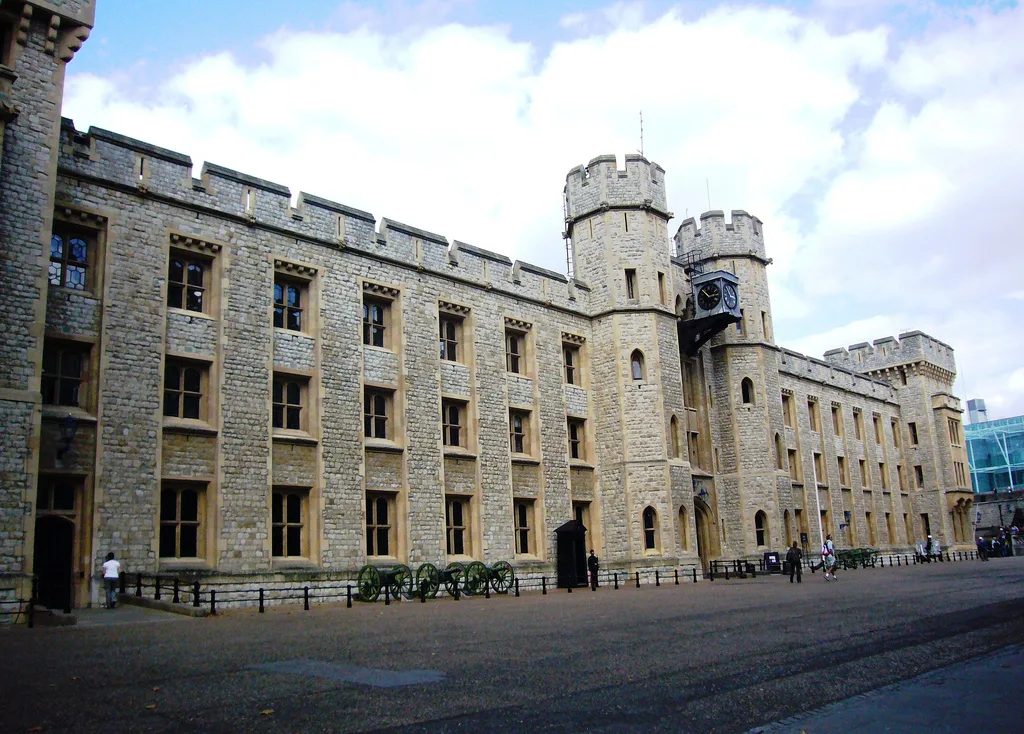
Heralds' Museum
Museums · 0.0 km

Coldharbour Gate
Historic houses · 0.0 km

Coldharbour Gate
Archaeological sites · 0.0 km

Le Geubre
Memorials & monuments · 0.0 km
L'Achille
Memorials & monuments · 0.0 km

L'Amérique
Memorials & monuments · 0.0 km
L'Ohio
Memorials & monuments · 0.0 km

St John's Chapel, Tower of London
Chapels · 0.0 km
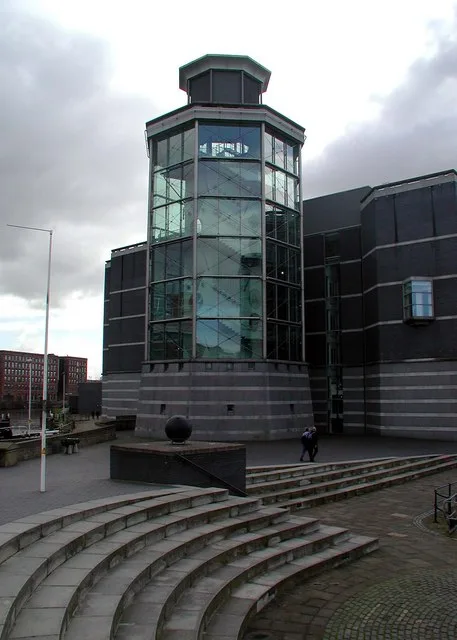
Royal Armouries
Museums · 0.0 km
Nearby
📷 5📷 5📷 5📷 5Museums · London
Heralds' Museum
Heralds' Museum — former museum in the Tower of London.
📷 5Historic houses · London
Coldharbour Gate
Coldharbour Gate — a historic house in england-london, United Kingdom.
📷 5Where to eat & stay near Tower of London
Places to stay
 📷 6
📷 6Hotels · London
citizenM Tower of London
citizenM Tower of London — a hotel in england london.
 📷 5
📷 5 📷 5
📷 5Hotels · London
Novotel London Tower Bridge
Novotel London Tower Bridge — a hotel in england london. 4-star. Brand: Novotel.
 📷 5
📷 5 📷 5
📷 5Hotels · London
DoubleTree by Hilton Hotel London - Tower of London
DoubleTree by Hilton Hotel London - Tower of London — a hotel in england london. 4-star. Brand: DoubleTree.
 📷 5
📷 5Hotels · London
Leonardo Royal Hotel London Tower Bridge
Leonardo Royal Hotel London Tower Bridge — a hotel in england london. Brand: Leonardo Royal Hotel.
Places to eat & drink
 📷 5
📷 5 📷 5
📷 5Historic pubs · London
East India Arms
East India Arms in England London, United Kingdom.
 📷 7
📷 7 📷 5
📷 5Restaurants · London
Restaurant Story
Restaurant Story — a restaurant in england london.
 📷 6
📷 6 📷 5
📷 5Historic pubs · London
Shipwrights Arms
Shipwrights Arms in England London, United Kingdom.
Other UNESCO sites from this era
 📷 4
📷 4UNESCO World Heritage · Yorkshire & the Humber
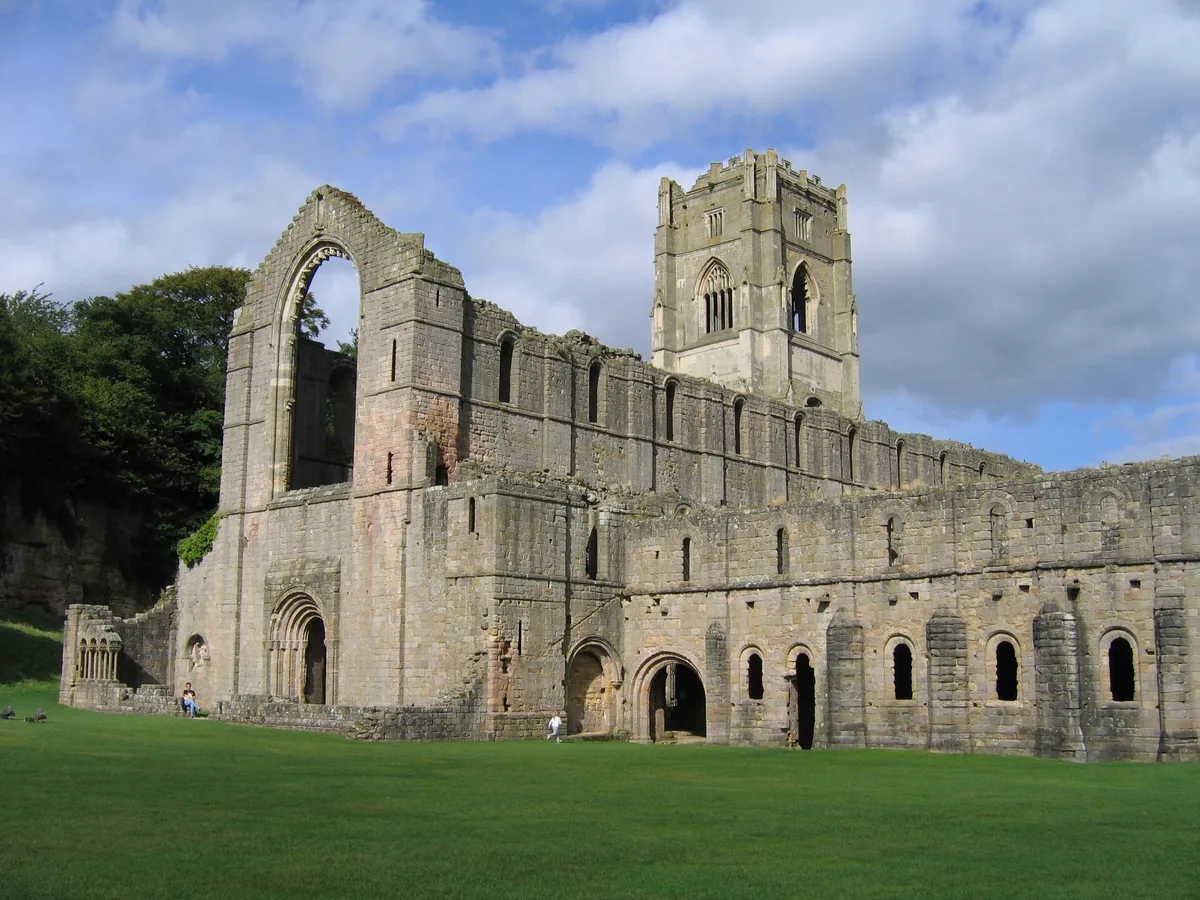
Fountains Abbey
Fountains Abbey — ruined Cistercian abbey in Yorkshire, England, UK.
 ★ Iconic📷 3
UNESCO World Heritage · North Wales
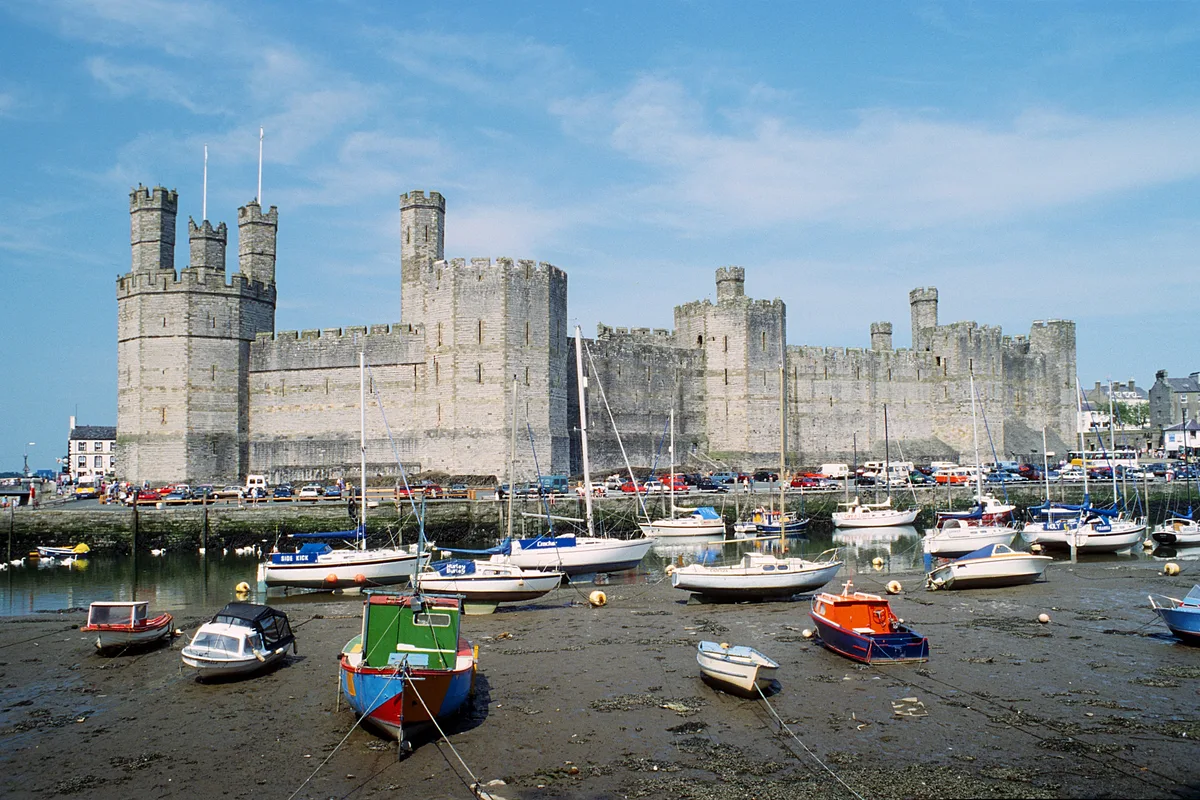
Castles and Town Walls of King Edward in Gwynedd
Castles and Town Walls of King Edward in Gwynedd — World Heritage site in the United Kingdom.
More UNESCO sites in this region
 📷 10
📷 10UNESCO World Heritage · London
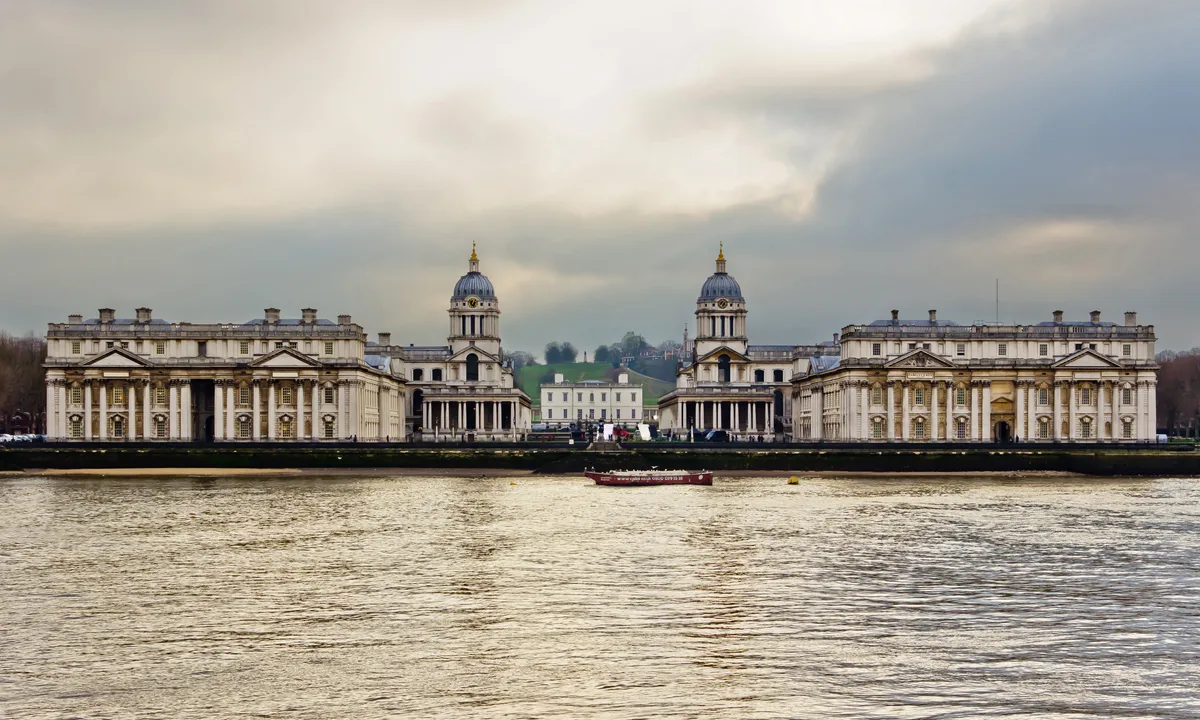
Maritime Greenwich
Maritime Greenwich — World Heritage site in the United Kingdom.
 📷 10
📷 10UNESCO World Heritage · London
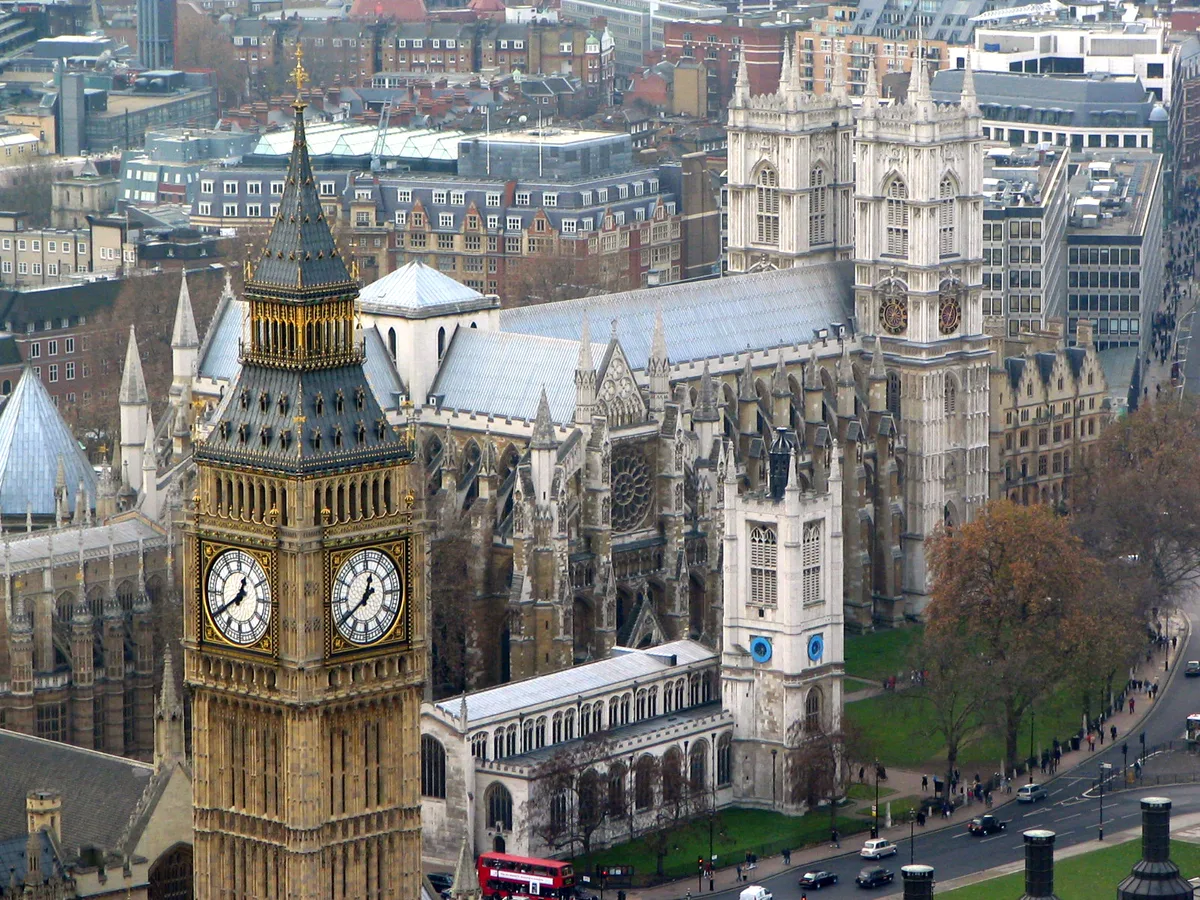
Palace of Westminster and Westminster Abbey including Saint Margaret's Church
Palace of Westminster and Westminster Abbey including Saint Margaret's Church — UNESCO World Heritage Site.
 Flagship📷 10
UNESCO World Heritage · London
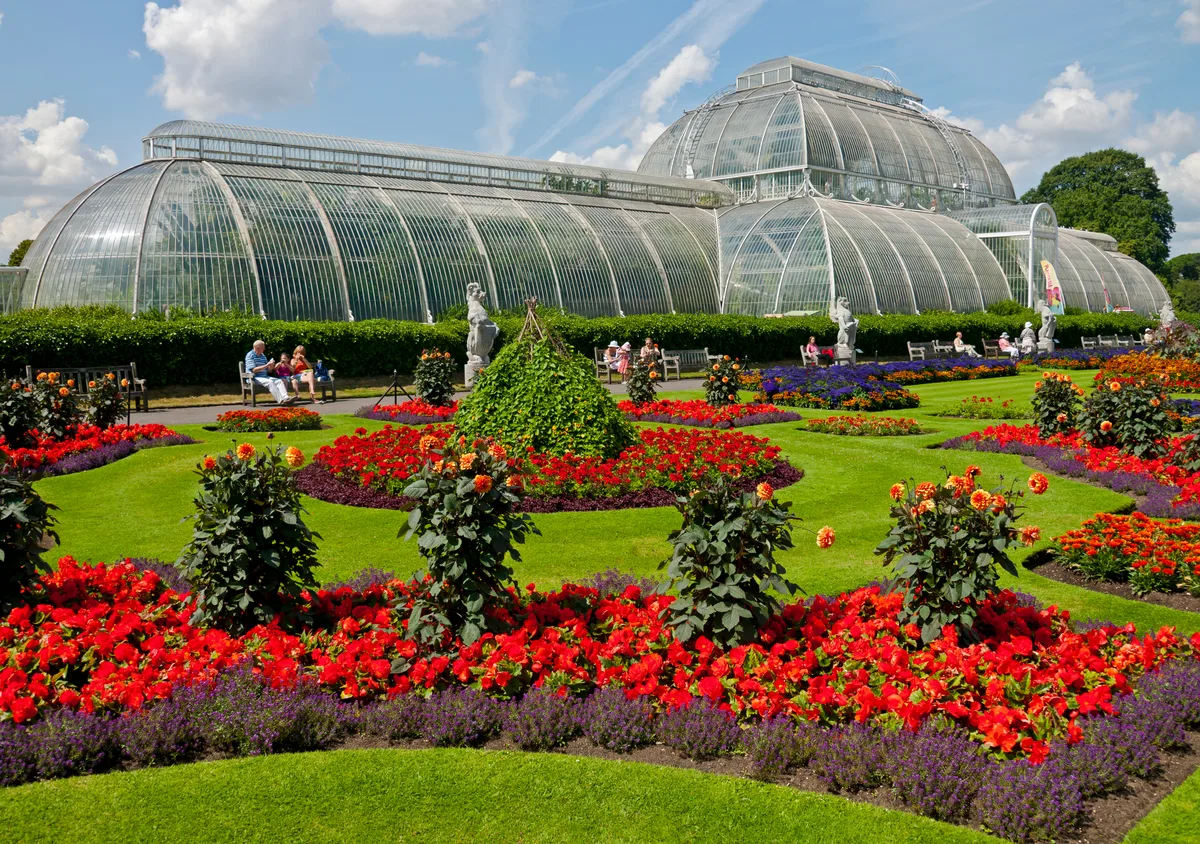
Royal Botanic Gardens, Kew
Royal Botanic Gardens, Kew — government botanical research institute in the UK.
 ★ Iconic📷 10
UNESCO World Heritage · London
Royal Museums Greenwich
UNESCO World Heritage Site — Royal Observatory, Queen's House, Painted Hall, Cutty Sark.
Frequently asked questions
- Where is Tower of London?
- Tower of London is in London, United Kingdom (postcode EC3N 4AB), in the parish of Tower Hamlets, unparished area.
- What is Tower of London?
- Tower of London — castle in central London, United Kingdom.
- How do I get to Tower of London?
- The nearest railway station is Tower Hill, about 0.2 km away. The nearest town is City of London. Drivers can use postcode EC3N 4AB.
- When was Tower of London built?
- Built or established in 1066.
- Who owns Tower of London?
- Tower of London is owned by King Charles III in right of the Crown.
- Is Tower of London a listed building?
- Tower of London is officially recognised as World Heritage Site listed.
- How do I get to Tower of London?
- The nearest railway station is Tower Hill, about 0.2 km away. Drivers can navigate to postcode EC3N 4AB.
- How busy is Tower of London?
- Tower of London draws around 2,817,852 visitors a year.