
Castles · South Wales
Clytha Castle
In or near Raglan.
Clytha Castle (Welsh: Castell Cleidda) is a folly near Clytha between Llanarth and Raglan in Monmouthshire, south east Wales. Dating from 1790, the castle was built by William Jones, owner of the Clyt

Philip Halling — CC BY-SA 2.0 via Wikimedia Commons licence

Plan your visit
- Typical visit
- 1.5 h–3 h
- Nearest railway station
- Abergavenny · 7.9 km
- Family-friendly
- Limited wheelchair access
Getting there & planning your visit
To visit Clytha Castle, the nearest railway station is Abergavenny, which is approximately 7.9 km away. The postcode for sat-nav is NP7 9BW. Accessibility is limited for wheelchair users.
About
Clytha Castle (Welsh: Castell Cleidda) is a folly near Clytha between Llanarth and Raglan in Monmouthshire, south east Wales. Dating from 1790, the castle was built by William Jones, owner of the Clytha Park estate as a memorial to his wife, Elizabeth, who died in 1787. The castle is an example of the Gothic Revival and comprises three towers, of which two are habitable, and linking, castellated curtain walls. Long attributed to John Nash, recent research has confirmed that the architect was John Davenport of Shrewsbury. The folly has views towards the Sugar Loaf and Skirrid mountains on the easternmost edge of the Brecon Beacons National Park. Described by the architectural historian John Newman as one of the two "outstanding examples of late eighteenth century fanciful Gothic in the county", Clytha Castle is a Grade I listed building.
Photo gallery
Heritage listing
http://cadwpublic-api.azurewebsites.net/reports/listedbuilding/FullReport?lang=en&id=1968
From Cadw under OGL v3.
Protected designations
- Site of Special Scientific Interest: River Wye SSSI
Designations sourced from Natural England open data under OGL v3.
From the Wikipedia article
Clytha Castle (Welsh: Castell Cleidda) is a folly near Clytha between Llanarth and Raglan in Monmouthshire, south east Wales. Dating from 1790, the castle was built by William Jones, owner of the Clytha Park estate as a memorial to his wife, Elizabeth, who died in 1787. The castle is an example of the Gothic Revival and comprises three towers, of which two are habitable, and linking, castellated curtain walls. Long attributed to John Nash, recent research has confirmed that the architect was John Davenport of Shrewsbury. The folly has views towards the Sugar Loaf and Skirrid mountains on the easternmost edge of the Brecon Beacons National Park. Described by the architectural historian John Newman as one of the two "outstanding examples of late eighteenth century fanciful Gothic in the county", Clytha Castle is a Grade I listed building.
Excerpt from Wikipedia under CC BY-SA 4.0. See the source article linked in Sources below.
Background
History
Clytha Castle is a crenellated stone folly with gothic windows set on a rounded hill, amid chestnut groves, overlooking Clytha Park and the River Usk. It was built in 1790 by William Jones of Clytha Park in memory of his wife, Elizabeth Morgan. William Jones engaged John Davenport, an architect based in Shrewsbury to design the castle, built "for the purpose of relieving a mind sincerely afflicted by the loss of a most excellent wife". A tablet set into the walls of the folly records this dedication. The castle was for many years believed to have been designed by John Nash, but recent research has confirmed Davenport's authorship. Clytha Castle is in the care of the Landmark Trust, which…
Sourced from Wikipedia under CC BY-SA 4.0.
- Coordinates
- 51.7706, -2.9232
- District
- Monmouthshire
- Parish
- Llanarth
- Postcode
- NP7 9BW
- Parliamentary constituency
- Monmouthshire
- Established
- 1790
- Nearest railway station
- Abergavenny — 7.9 km
- Official site
- www.landmarktrust.org.uk
Sources
- wikipedia: Clytha Castle (CC BY-SA 4.0)
Other places nearby

Clytha Castle
Castles · 0.0 km
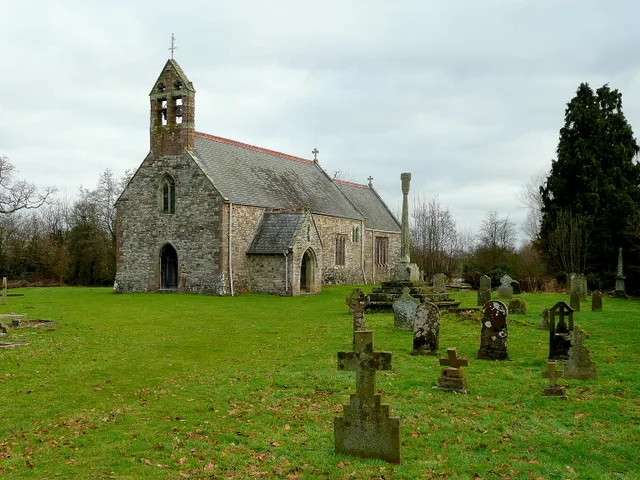
St Mary's Church
Historic churches · 0.9 km

Twyn y Gregen
Literary houses · 1.3 km

Clytha Hill
Mountains & hills · 1.5 km
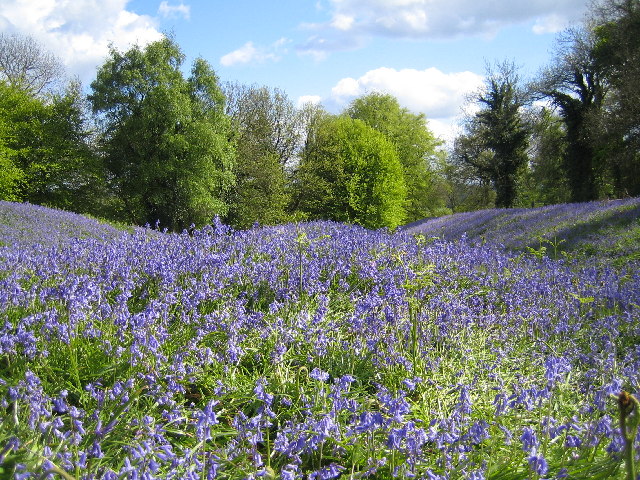
Coed y Bwnydd
Vineyards · 1.6 km

Coed y Bwnydd Hill Fort
Hill forts · 1.6 km
Coed y Bwnydd Camp
Vineyards · 1.6 km

Pant-y-Goitre
Historic houses · 1.6 km

Pant-y-Goitre Bridge
Historic bridges · 1.6 km

St Marys Yard Mound
Castles · 2.0 km
Castell Cilgethin
Literary houses · 2.0 km

St Mary Yard Mound
Castles · 2.0 km
Nearby
📷 5📷 5Historic churches · South Wales
St Mary's Church
St Mary's Church — church in Llanfair Kilgeddin, Monmouthshire, Wales.
📷 5📷 5📷 5Vineyards · South Wales
Coed y Bwnydd
Coed y Bwnydd — a UK vineyard in wales south, producing English or Welsh wine from cool-climate grape varieties.
📷 3Hill forts · South Wales
Coed y Bwnydd Hill Fort
Coed y Bwnydd Hill Fort — a hill fort in wales-south, United Kingdom.
Where to eat & stay near Clytha Castle
Places to stay
 📷 5
📷 5 📷 5
📷 5Campsites · South Wales
Pont Kemys Caravan & Camping Park
Pont Kemys Caravan & Camping Park — a campsite in wales south.
 📷 5
📷 5 📷 5
📷 5 📷 7
📷 7 📷 7
📷 7Hotels · South Wales
Three Salmons Hotel
Three Salmons Hotel — a hotel in wales south.
Places to eat & drink
 📷 3
📷 3 📷 5
📷 5Restaurants · South Wales
The Walnut Tree
The Walnut Tree — a restaurant in wales south.
 📷 7
📷 7 📷 5
📷 5Restaurants · South Wales
Little Crown
Little Crown — a restaurant in wales south.
 📷 5
📷 5Historic pubs · South Wales
The White Hart, Llangybi, Monmouthshire
The White Hart, Llangybi, Monmouthshire in Wales South, United Kingdom.
 📷 5
📷 5Historic pubs · South Wales
Skirrid Mountain Inn
Skirrid Mountain Inn — Historic pub — listed building or notable heritage status.
More castles in this region
 📷 5
📷 5Castles · South Wales
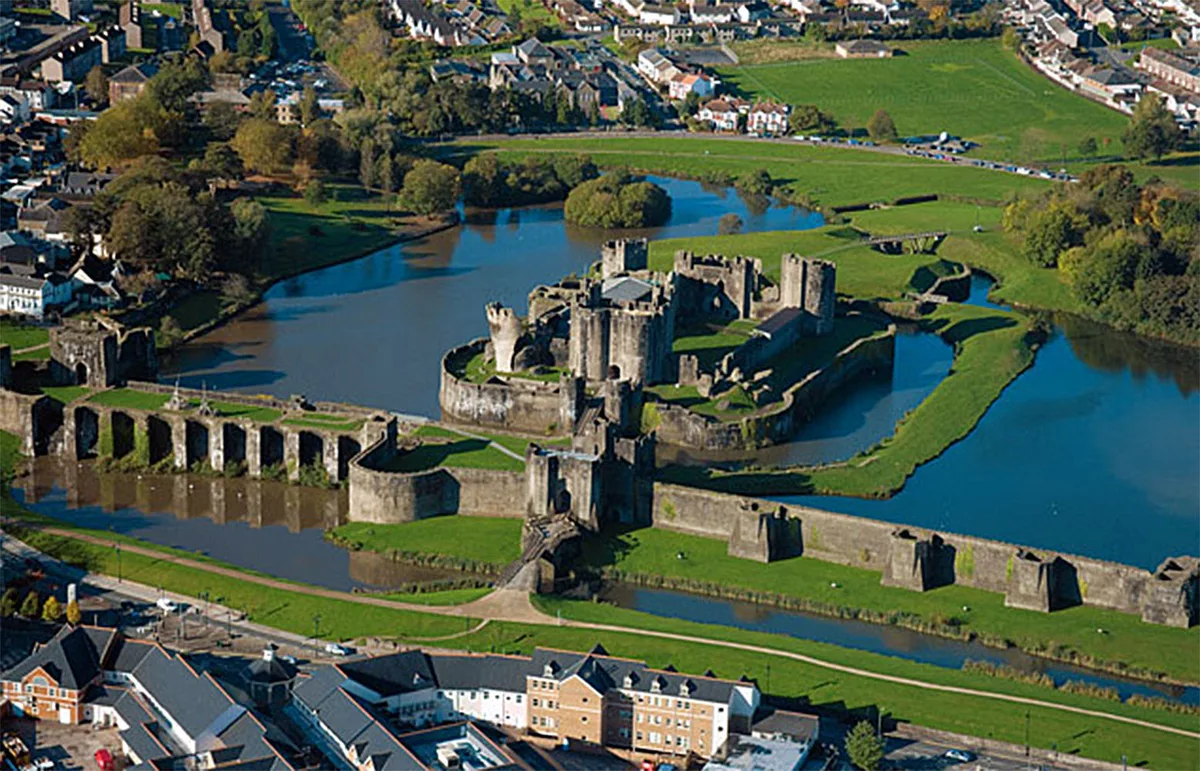
Caerphilly Castle
Caerphilly Castle — castle in Caerphilly, Wales.
 📷 3
📷 3Castles · South Wales
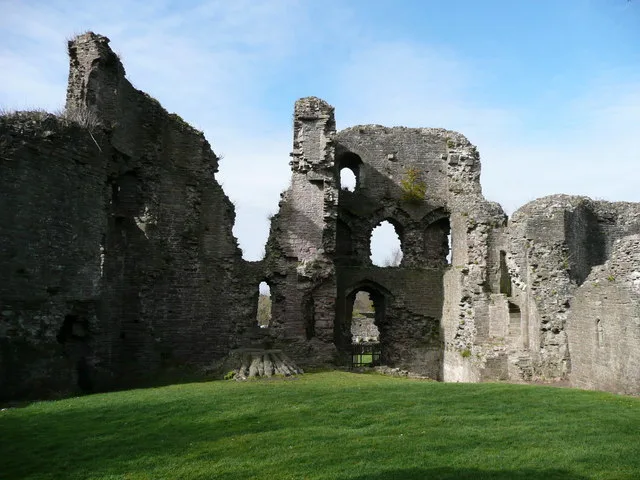
Abergavenny Castle
Abergavenny Castle — Grade I listed building in Abergavenny. Ruined castle in the market town of Abergavenny, Monmouthshire, Wales.
 📷 3
📷 3 📷 3
📷 3Frequently asked questions
- Where is Clytha Castle?
- Clytha Castle is in South Wales, United Kingdom (postcode NP7 9BW), in the parish of Llanarth.
- What is Clytha Castle?
- Clytha Castle (Welsh: Castell Cleidda) is a folly near Clytha between Llanarth and Raglan in Monmouthshire, south east Wales. Dating from 1790, the castle was built by William Jones, owner of the Clyt
- How do I get to Clytha Castle?
- The nearest railway station is Abergavenny, about 7.9 km away. The nearest town is Raglan. Drivers can use postcode NP7 9BW.
- When was Clytha Castle built?
- Built or established in 1790.
- Who owns Clytha Castle?
- Clytha Castle is owned by Landmark Trust.
- Is Clytha Castle a listed building?
- Clytha Castle is officially recognised as I listed.
- Is Clytha Castle a protected site?
- Yes — Clytha Castle is part of the River Wye SSSI Site of Special Scientific Interest.
- Does Clytha Castle charge admission?
- Clytha Castle typically charges admission. Check the official site for current ticket prices and opening hours.