
Wildlife reserves · East of England
Catfield Fen Reserve
In or near Irstead.
Catfield Fen Reserve — nature reserve in Norfolk, England, UK.

Adrian S Pye — CC BY-SA 2.0 via Wikimedia Commons licence

Plan your visit
- Typical visit
- 2 h–4 h
- Best time of year
- Autumn & winter (migration & wildfowl)
- Nearest railway station
- Wroxham BVR · 7.1 km
- Free entry
- Dog-friendly
Getting there & planning your visit
To visit Catfield Fen Reserve, the nearest railway station is Wroxham BVR, located 7.1 km away. Entry to the reserve is free, and the postcode for sat-nav is NR29 5DD.
About
Catfield Fen Reserve is a wildlife reserve in the United Kingdom. Wikidata describes it as: "nature reserve in Norfolk, England, UK". Coordinates: 52.7368°, 1.5085°.
Photo gallery
Protected designations
- Site of Special Scientific Interest: Ant Broads and Marshes SSSI
- National Nature Reserve: ANT BROADS AND MARSHES
- Area of Outstanding Natural Beauty: Norfolk Coast
- Ramsar wetland: Broadland
Designations sourced from Natural England open data under OGL v3.
From the Wikipedia article
Catfield Fen is a wetland nature reserve near Ludham in the county of Norfolk, England. Butterfly Conservation owns and manages part of this reserve. Part of the Ant Broads & Marshes National Nature Reserve, the Butterfly Conservation part of the site comprises 59 acres (24 ha). The remainder is owned privately by the Catfield Hall Estate. The nature reserve was established by the conservationist landowner Keith Arundel McDougall, son of Douglas McDougall of the McDougall of Makerstoun family. Catfield Fen is well known amongst Broadland ecologists as one of the most important areas of fen in the United Kingdom. The wide variety of plant communities support many rare species. The site is especially important for invertebrates, with an internationally important aquatic beetle assemblage including many Red Data Book species. Other rare invertebrates include the swallowtail butterfly, the lesser water measurer, small dotted footman moth and Fenn's wainscot moth. Catfield Fen also has important populations of many rare plants, of particular note are the fen orchid, the round leaved wintergreen, crested buckler fern and milk parsley. The latter being the food plant of the swallowtail butterfly. Catfield Fen has appeared in local media in 2013 and 2014 due to concerns that the site may be being affected by local agricultural water abstraction. There are two abstraction licenses up for renewal in 2014 which are being considered by the Environment Agency. Site managers, local ecologist, the Broads Authority and Natural England have all raised concerns that the hydrological modelling carried out by the Environment Agency is insufficient to conclude that it will have no significant effect on the integrity of the site. For safety reasons, the nature reserve is not open to the public, but it can be viewed from the footpath at the end of Fenside Lane, Catfield. Anglian Water recently undertook a £9m project to help protect the reserve, building a pipeline that would end the…
Excerpt from Wikipedia under CC BY-SA 4.0. See the source article linked in Sources below.
- Coordinates
- 52.7368, 1.5085
- County
- Norfolk
- District
- North Norfolk
- Parish
- Catfield
- Postcode
- NR29 5DD
- Parliamentary constituency
- North Norfolk
- Nearest railway station
- Wroxham BVR — 7.1 km
Sources
- wikidata: Q5051969 (CC0)
- wikipedia: Catfield Fen Reserve (CC BY-SA 4.0)
Other places nearby
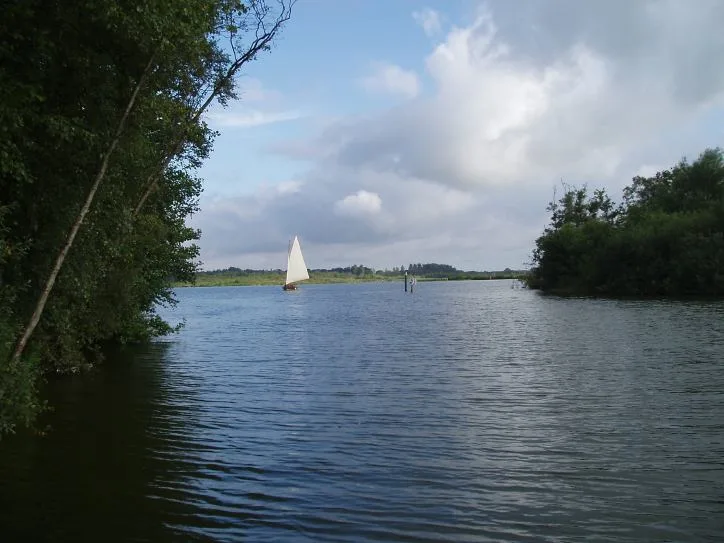
Barton Broad
Natural landmarks · 0.9 km

Irstead
Towns & cities · 0.9 km

Barton Broad Boardwalk
Viewpoints · 1.1 km

Catfield War Memorial
Memorials & monuments · 1.2 km

Crome's Broad
Natural landmarks · 1.6 km

Grove Farm Barns
Campsites · 1.7 km

Catfield
Villages · 1.8 km

Catfield Village Sign
Public art & sculpture · 1.8 km

Boardman's Windmill
Windmills · 2.0 km
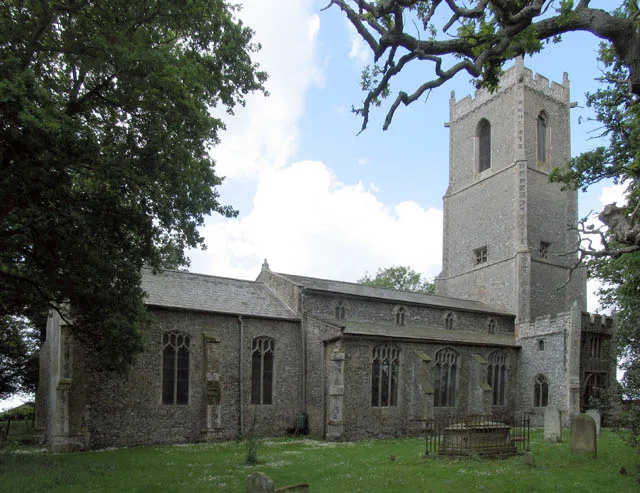
Barton Turf
Towns & cities · 2.0 km

Barton Turf Village Sign
Public art & sculpture · 2.1 km

Wherry Hathor
Natural landmarks · 2.1 km
Nearby
📷 3📷 5📷 3Viewpoints · East of England
Barton Broad Boardwalk
Barton Broad Boardwalk is a viewpoint in the United Kingdom.
📷 3Memorials & monuments · East of England
Catfield War Memorial
Catfield War Memorial — Grade II listed building-listed memorial in england-east-midlands, United Kingdom.
📷 3📷 5Where to eat & stay near Catfield Fen Reserve
Places to stay
📷 5 📷 5
📷 5Campsites · East of England
Street Hill Camping
Street Hill Camping — a campsite in england east midlands.
 📷 5
📷 5Caravan parks · East of England
Heather House Farm
Heather House Farm — a caravan park in england east midlands.
 📷 5
📷 5Campsites · East of England
Hickling Campsite
Hickling Campsite — a campsite in england east midlands.
 📷 5
📷 5Caravan parks · East of England
Bush House Farm
Bush House Farm — a caravan park in england east midlands.
📷 5Caravan parks · East of England
Heath Barn Certificated Location
Heath Barn Certificated Location — a caravan park in england east midlands.
Places to eat & drink
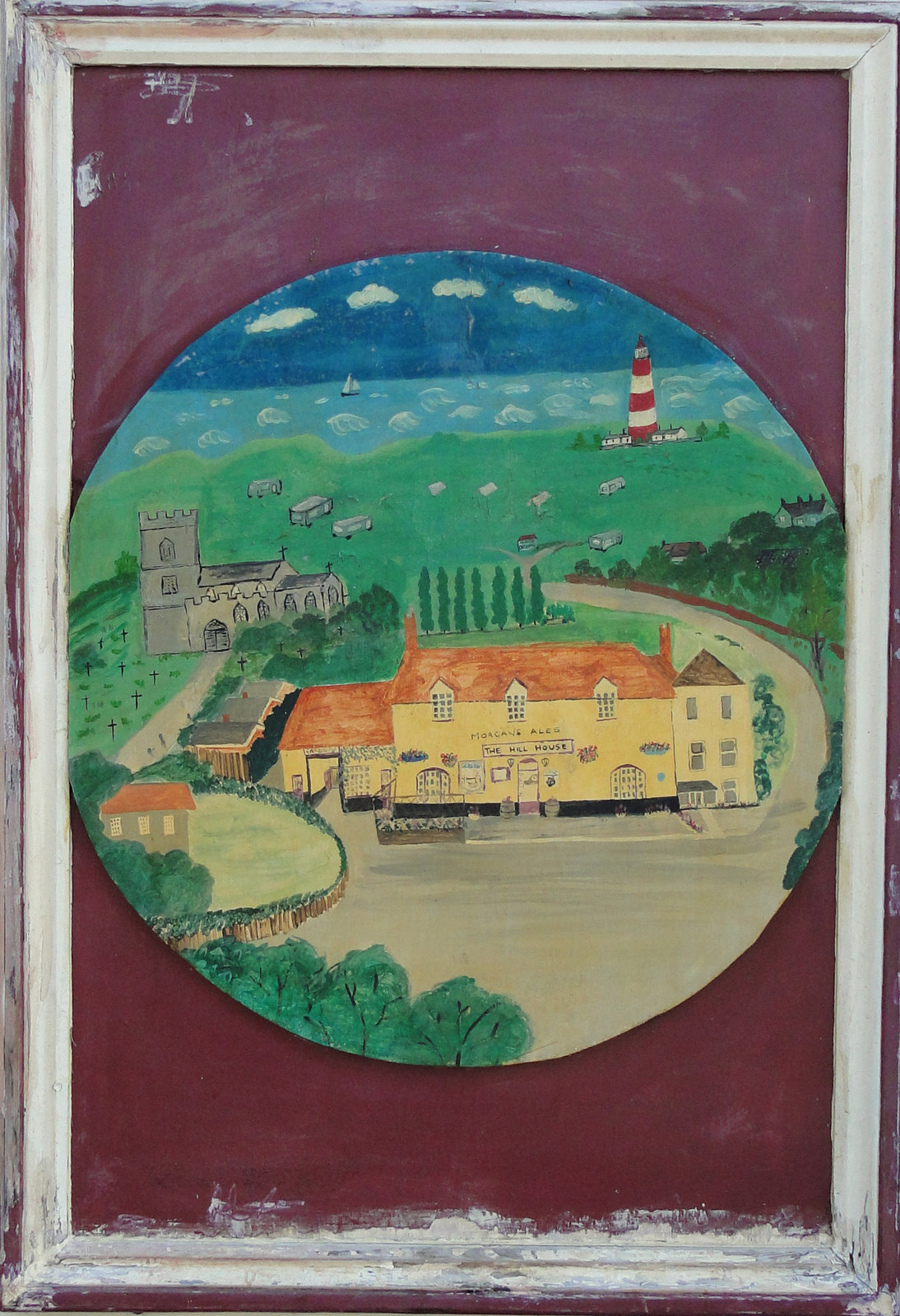 📷 5
📷 5 📷 7
📷 7Historic pubs · East of England
Recruiting Sergeant Inn
Recruiting Sergeant Inn in England East, United Kingdom.
 📷 5
📷 5 📷 5
📷 5Historic pubs · East of England
The White Swan
The White Swan in England East, United Kingdom.
 📷 5
📷 5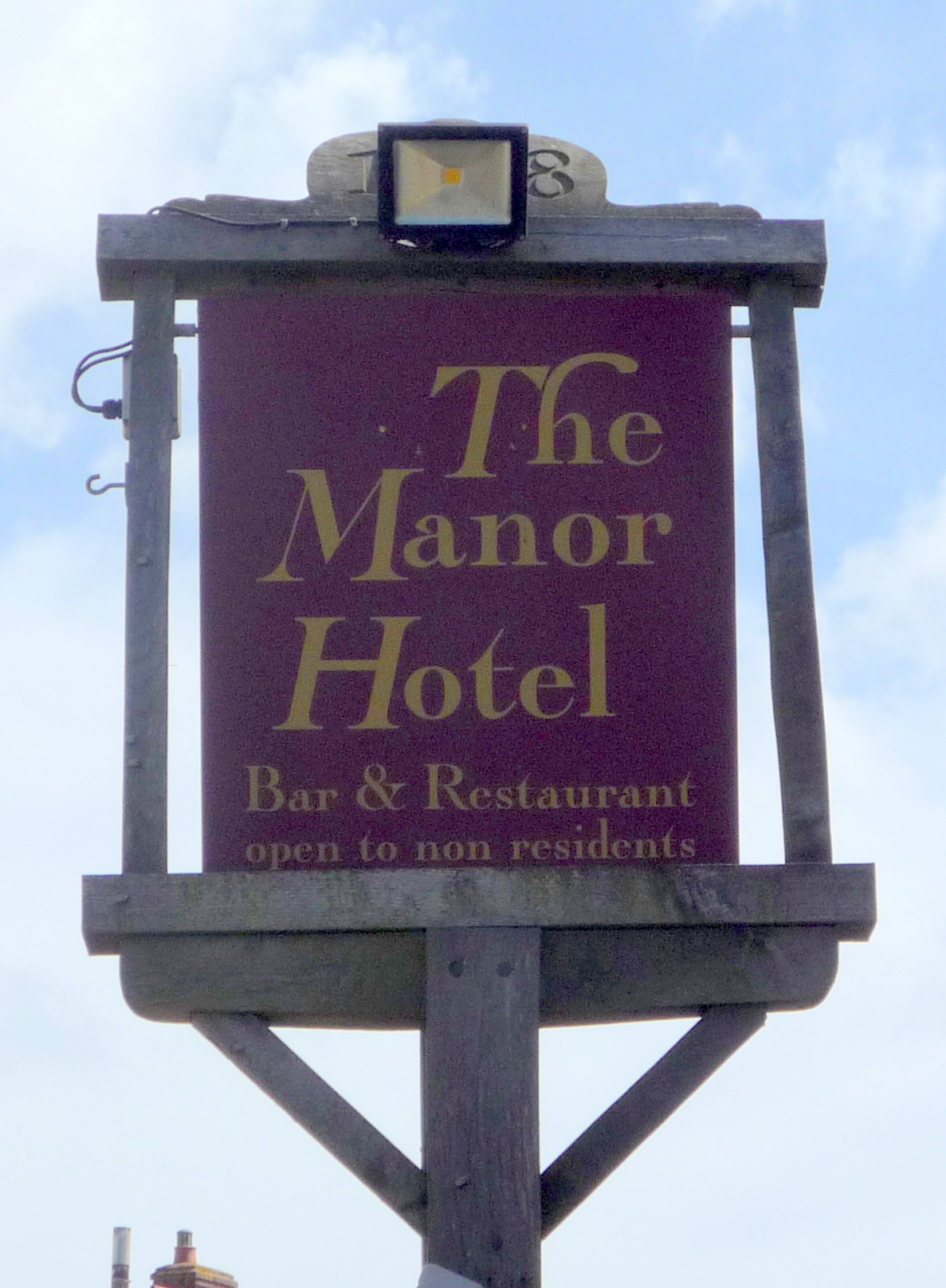 📷 5
📷 5Historic pubs · East of England
Manor Hotel, Mundesley
Manor Hotel, Mundesley in England East, United Kingdom.
More places in this region
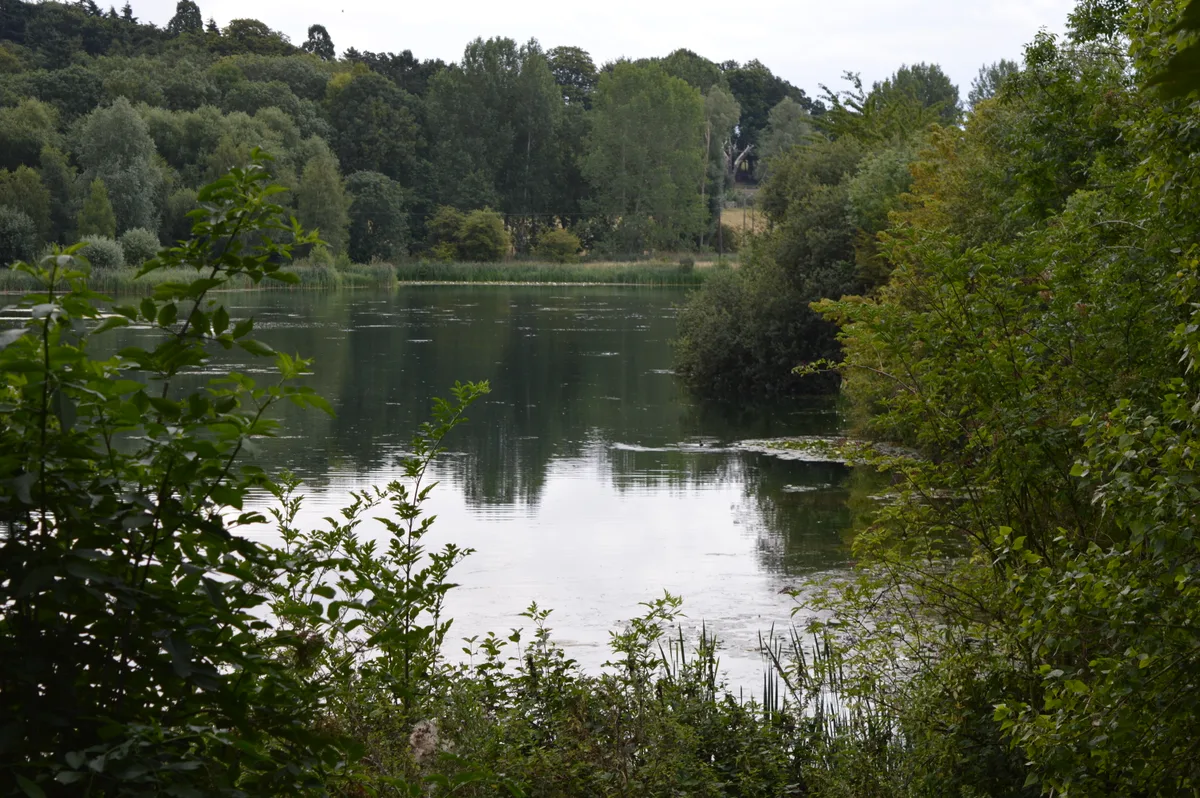 Flagship📷 10
Wildlife reserves · East of England
Amwell Quarry
Amwell Quarry — nature reserve in United Kingdom.
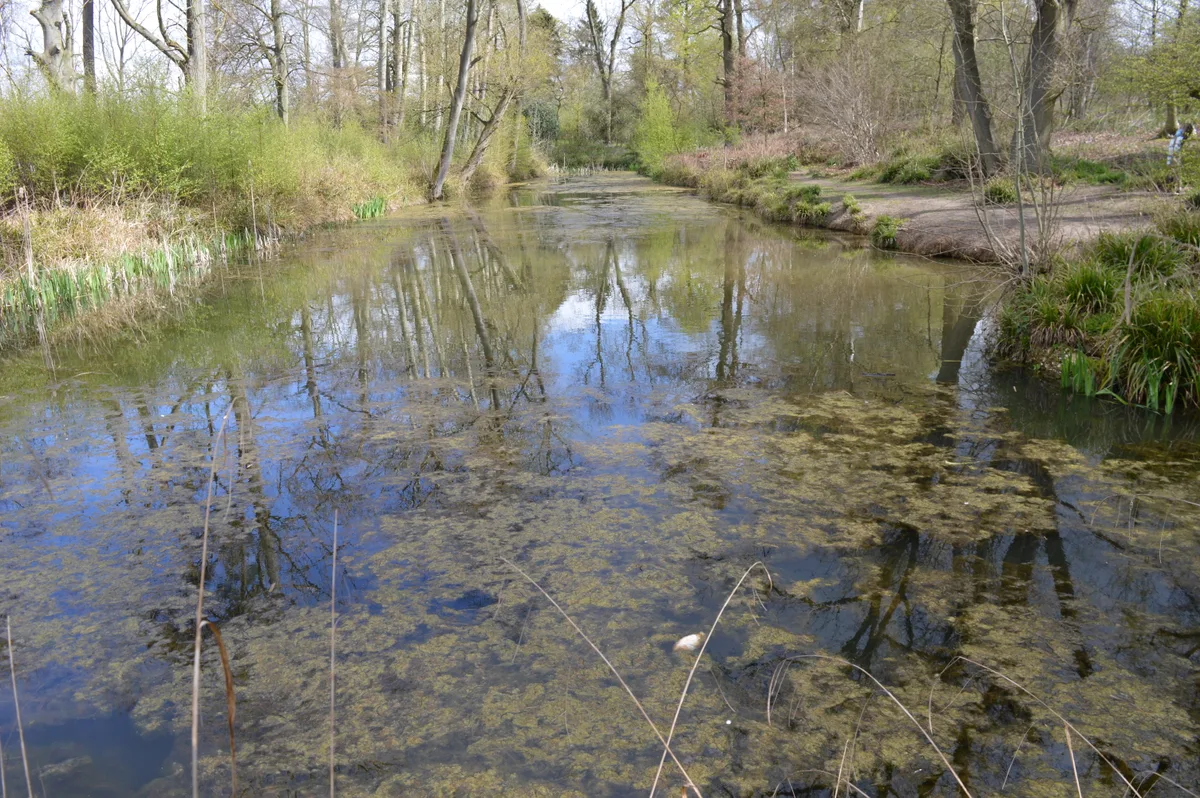 Flagship📷 10
Wildlife reserves · East of England
Aubrey Buxton Nature Reserve
Aubrey Buxton Nature Reserve — Essex Wildlife Trust Nature reserve.
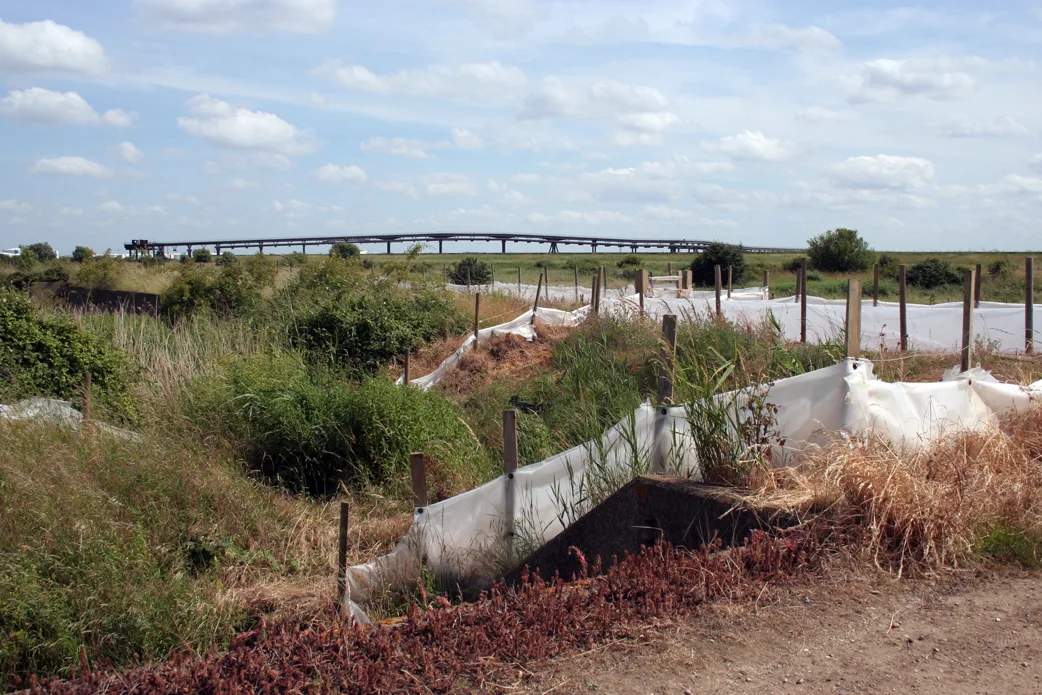 Flagship📷 10
Wildlife reserves · East of England
Canvey Wick
Canvey Wick — nature reserve in Essex, United Kingdom.
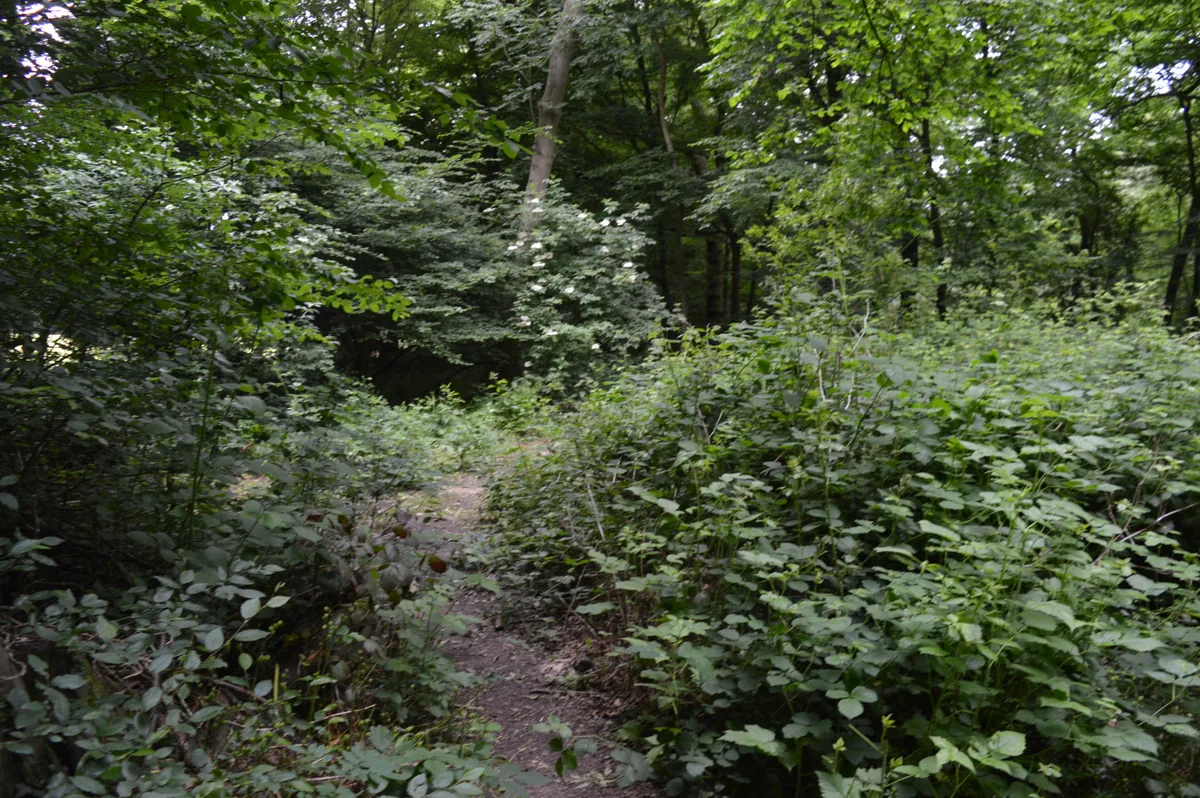 Flagship📷 10
Wildlife reserves · East of England
Crowsheath Wood
Crowsheath Wood — Essex Wildlife Trust Nature reserve.
Frequently asked questions
- Where is Catfield Fen Reserve?
- Catfield Fen Reserve is in Norfolk, East of England, United Kingdom (postcode NR29 5DD), in the parish of Catfield.
- What is Catfield Fen Reserve?
- Catfield Fen Reserve — nature reserve in Norfolk, England, UK.
- How do I get to Catfield Fen Reserve?
- The nearest railway station is Wroxham BVR, about 7.1 km away. The nearest town is Irstead. Drivers can use postcode NR29 5DD.
- Is Catfield Fen Reserve a protected site?
- Yes — Catfield Fen Reserve is part of the Ant Broads and Marshes SSSI Site of Special Scientific Interest and the ANT BROADS AND MARSHES National Nature Reserve.
- Is Catfield Fen Reserve free to visit?
- Yes, Catfield Fen Reserve is free to enter.
- How do I get to Catfield Fen Reserve?
- The nearest railway station is Wroxham BVR, about 7.1 km away. Drivers can navigate to postcode NR29 5DD.
- Are dogs allowed at Catfield Fen Reserve?
- Most wildlife reserves allow dogs on lead only, with restrictions during ground-nesting bird season (March-July). Check signage at the reserve.