
Castles · West Midlands
Caludon Castle
In or near Binley Woods.
Caludon Castle — Grade I listed castle in Coventry, West Midlands, England, UK.

Wikimedia Commons contributors — see linked file page for photographer and licence licence

Plan your visit
- Typical visit
- 1.5 h–3 h
- Nearest railway station
- Copsewood Miniature Railway · 2.1 km
- Family-friendly
- Limited wheelchair access
Getting there & planning your visit
Caludon Castle is located in Coventry, West Midlands, with the postcode CV2 5EJ. The nearest railway station is Copsewood Miniature Railway, which is 2.1 km away. Entry is free, but please note that wheelchair accessibility is limited.
About
Caludon Castle is a castle in the United Kingdom — fortified architecture from the medieval, Tudor, or Victorian-revival period. Heritage designation: scheduled monument. Wikidata describes it as: "Grade I listed castle in Coventry, West Midlands, England, UK". Coordinates: 52.4182°, -1.4517°.
Photo gallery
Heritage listing
Caludon Castle is a Scheduled Ancient Monument and Grade I listed building in Coventry, in the West Midlands of England. A second moated site 190 metres (620 ft) to the south is a Scheduled Ancient Monument in its own right. The castle is now a ruin, and all that remains is a large fragment of sandstone wall. What remains of the estate is now an urban park, owned and run by Coventry City Council, but much of it was sold and developed into housing estates in the early 20th century. The site has been occupied since at least the 11th century CE. The original building, pre-dating the Norman conquest of England, was a large house, which became the property of the Earl of Chester after the conquest.
From the Historic England List Entry under OGL v3.
From the Wikipedia article
Caludon Castle is a Scheduled Ancient Monument and Grade I listed building in Coventry, in the West Midlands of England. A second moated site 190 metres (620 ft) to the south is a Scheduled Ancient Monument in its own right. The castle is now a ruin, and all that remains is a large fragment of sandstone wall. What remains of the estate is now an urban park, owned and run by Coventry City Council, but much of it was sold and developed into housing estates in the early 20th century. The site has been occupied since at least the 11th century CE. The original building, pre-dating the Norman conquest of England, was a large house, which became the property of the Earl of Chester after the conquest. The house was given to the Segrave family in the 13th century, and was first described as a manor in 1239. A licence for crenellation was granted in 1305, at which point the house is thought to have been re-styled as a castle. Another licence was received in 1354, and the property was again rebuilt. In the 14th century, it came into the possession of Thomas de Mowbray, 1st Duke of Norfolk, who was banished in 1398, after which the castle fell into disrepair. Mowbray's son, John, inherited the building, and it remained in the Mowbray family until 1481, when it passed to William de Berkeley, 1st Marquess of Berkeley. It was rebuilt again circa 1580, this time as a mansion, having lain derelict since Mowbray's banishment. The castle was all but destroyed in 1662, and remained in ruins until 1800, when the remains were used in the construction of a farmhouse on the site. The estate was divided up and much of it sold in 1815, and remained in the hands of multiple private owners until most of the land was purchased by the Coventry Corporation after the First World War and used for housing developments.
Excerpt from Wikipedia under CC BY-SA 4.0. See the source article linked in Sources below.
Background
History
The site was originally occupied by a house, which pre-dated the Norman conquest of England. After the conquest, it came into the possession of the Earls of Chester. In , Ranulf de Blondeville, 6th Earl of Chester gave the house to Stephen de Segrave, who served as Chief Justiciar of England. His son, Gilbert de Segrave, inherited the property, and passed it on to his son, Nicholas de Segrave, 1st Baron Segrave, who was created Baron Segrave. The house was first described as a manor in 1239, and, at that time, was the only permanent nobleman's residence in Coventry. The Caludon estate expanded slightly into Wyken, to the north, in 1279 when Nicholas de Segrave purchased a carucate and mill.…
Architecture
The remains of the Caludon estate are today located in Wyken, a suburban area to the east of Coventry city centre. However, until portions of it were sold off in the 19th century, the estate was much more expansive. The estate was historically a detached part of St. Michael's parish, but was transferred to Wyken in 1884, which in turn was absorbed into the City of Coventry in 1928. The original boundary of the estate ran from Sowe Bridge (now known as Clifford Bridge, ) over the River Sowe in the south-east to high ground near Stoke Heath in the north-west. A moat, approximately 190 metres (620 feet) to the south of the castle, was constructed in medieval times, probably around the time of…
Sourced from Wikipedia under CC BY-SA 4.0.
- Coordinates
- 52.4182, -1.4517
- District
- Coventry
- Parish
- Coventry, unparished area
- Postcode
- CV2 5EJ
- Parliamentary constituency
- Coventry East
- Nearest railway station
- Copsewood Miniature Railway — 2.1 km
- Official site
- www.coventry.gov.uk
Sources
- wikidata: Q5024019 (CC0)
- wikipedia: Caludon Castle (CC BY-SA 4.0)
- commons: WTC Mum's taxi Caludon Castle 1.JPG (CC BY-SA 4.0)
Other places nearby

Axholme House
Hostels · 0.4 km

Coventry Hospital School and Home Tuition Service
Natural landmarks · 0.7 km

Highest Point
Viewpoints · 0.7 km
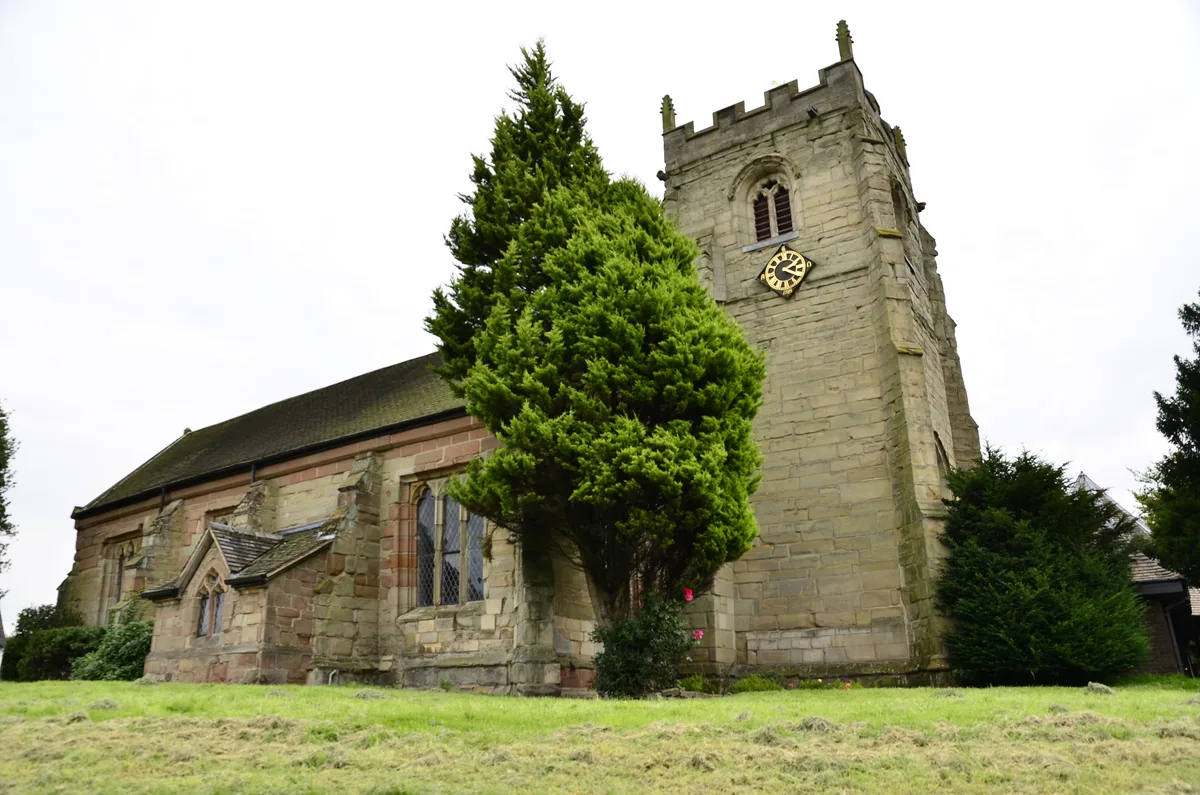
St Mary's Church, Walsgrave
Historic churches · 0.9 km

Walsgrave on Sowe
Villages · 0.9 km
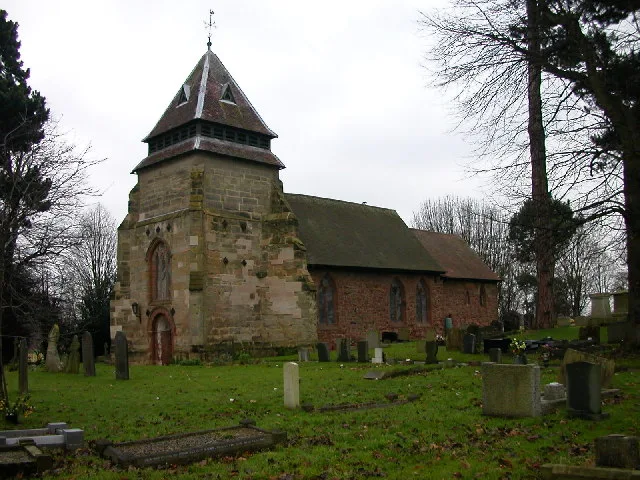
St Mary Magdalene's Church, Wyken
Historic churches · 0.9 km

Wyken
Villages · 1.0 km

Wood's Mini Market
Farmers’ markets · 1.3 km
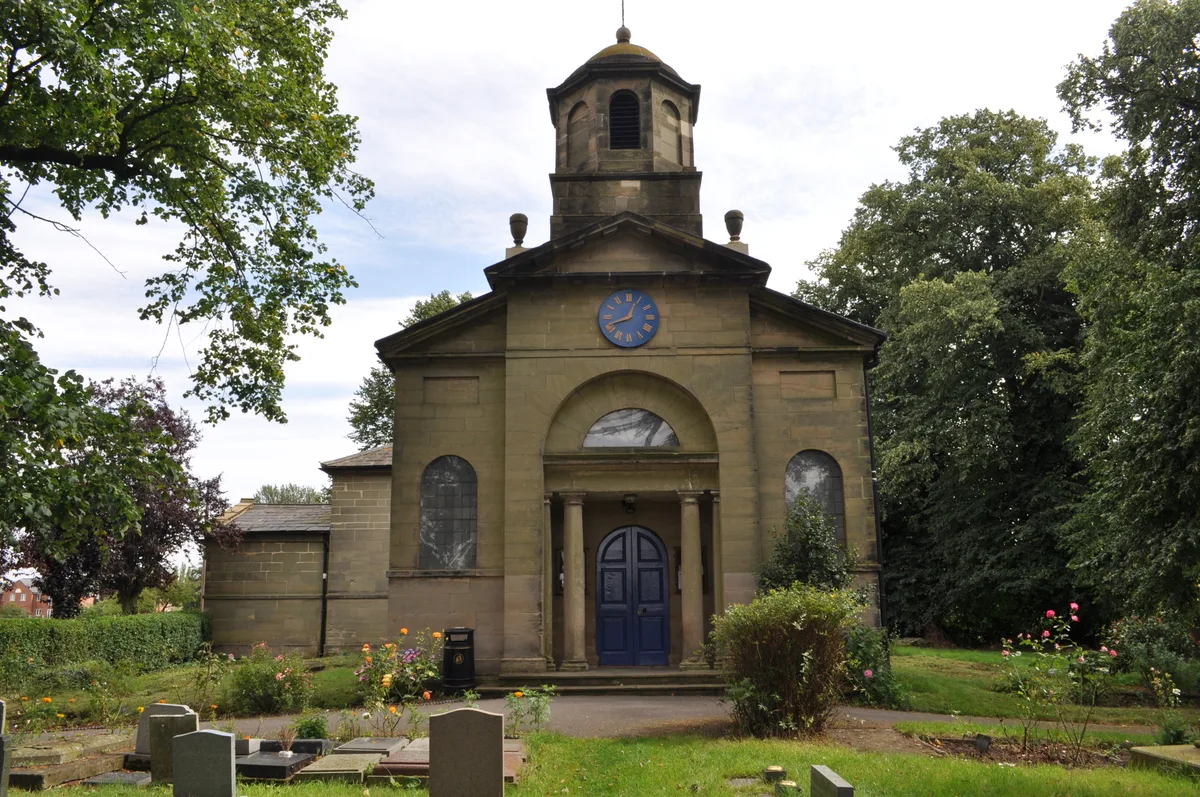
St Bartholomew's Church, Binley
Historic churches · 1.7 km

The Biggin Hall
Historic pubs · 1.8 km

Henley College, Coventry
Natural landmarks · 1.9 km

Site of end of Branch Line linking to Site of Alexandra Colliery & Craven Colliery via mineral lines
Archaeological sites · 2.0 km
Nearby
📷 5📷 5Natural landmarks · West Midlands
Coventry Hospital School and Home Tuition Service
Coventry Hospital School and Home Tuition Service — a school heritage in england-west-midlands, United Kingdom.
📷 3📷 5Historic churches · West Midlands
St Mary's Church, Walsgrave
St Mary's Church, Walsgrave — church in Coventry, West Midlands, England, UK.
📷 5📷 5Historic churches · West Midlands
St Mary Magdalene's Church, Wyken
St Mary Magdalene's Church, Wyken — Grade I listed church in Wyken, Coventry, West Midlands, England, UK.
Where to eat & stay near Caludon Castle
Places to stay
📷 5 📷 5
📷 5Hotels · West Midlands
DoubleTree by Hilton Hotel Coventry
DoubleTree by Hilton Hotel Coventry — a hotel in england west midlands.
 📷 6
📷 6Hotels · West Midlands
Telegraph Hotel
Telegraph Hotel — a hotel in england west midlands.
 📷 5
📷 5Hotels · West Midlands
Premier Inn
Premier Inn — a hotel in england west midlands.
 📷 5
📷 5 📷 5
📷 5Hotels · West Midlands
DoubleTree by Hilton Coventry Building Society Arena
DoubleTree by Hilton Coventry Building Society Arena — a hotel in england west midlands. 4-star. Brand: DoubleTree.
Places to eat & drink
📷 5Historic pubs · West Midlands
The Biggin Hall
The Biggin Hall — Historic pub — listed building or notable heritage status.
 📷 3
📷 3Historic pubs · West Midlands
The Whitefriars
The Whitefriars — Historic pub — listed building or notable heritage status.
 📷 5
📷 5Historic pubs · West Midlands
The Golden Cross Inn
The Golden Cross Inn — Historic pub — listed building or notable heritage status.
 📷 5
📷 5Historic pubs · West Midlands
The Castle Grounds
The Castle Grounds — Historic pub — listed building or notable heritage status.
 📷 4
📷 4Historic pubs · West Midlands
Greyhound Inn
Greyhound Inn — Historic pub — listed building or notable heritage status.
 📷 5
📷 5More castles in this region
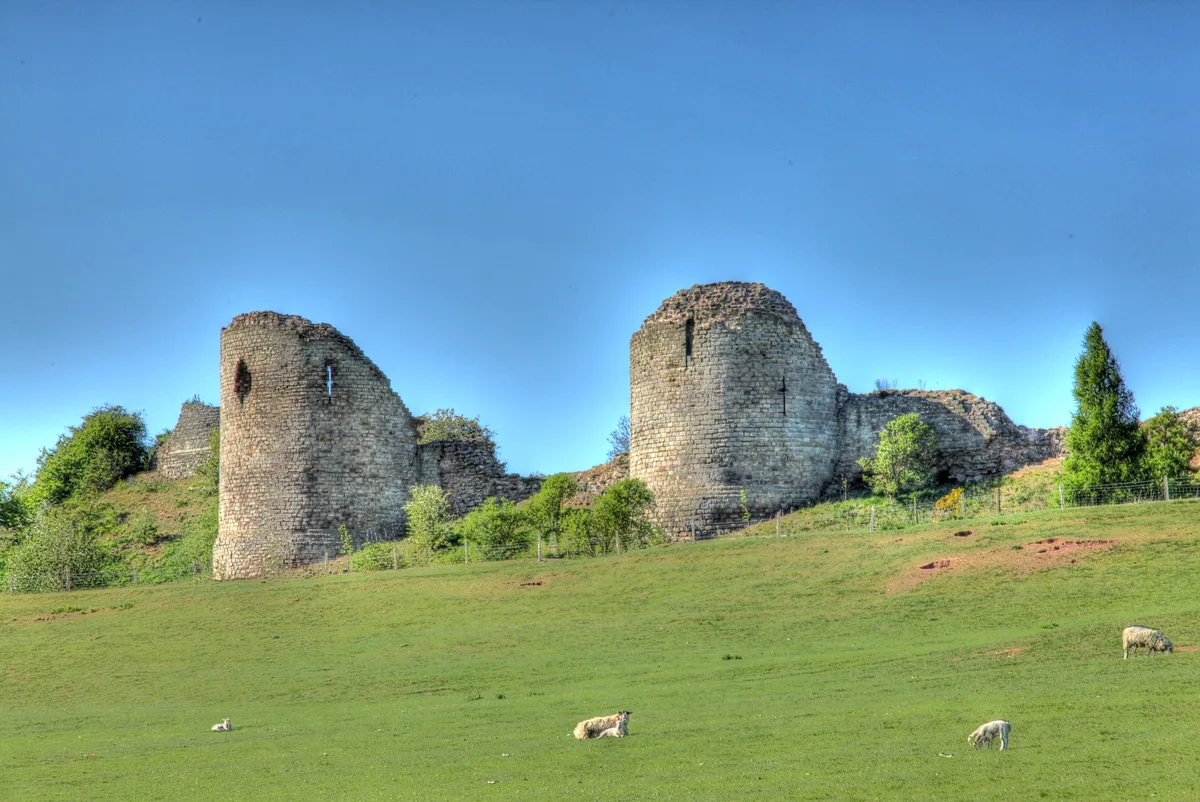 📷 3
📷 3 📷 3
📷 3Castles · West Midlands
Hoar Cross Hall
Hoar Cross Hall — a castle in england-east-midlands, United Kingdom.
 📷 3
📷 3Castles · West Midlands
Chartley Castle, Chartley Old Hall and associated water control systems including garden remains
Chartley Castle, Chartley Old Hall and associated water control systems including garden remains — scheduled monument-listed castle in england-east-midlands, United Kingdom.
 📷 5
📷 5Frequently asked questions
- Where is Caludon Castle?
- Caludon Castle is in the West Midlands, United Kingdom (postcode CV2 5EJ), in the parish of Coventry, unparished area.
- What is Caludon Castle?
- Caludon Castle — Grade I listed castle in Coventry, West Midlands, England, UK.
- How do I get to Caludon Castle?
- The nearest railway station is Copsewood Miniature Railway, about 2.1 km away. The nearest town is Binley Woods. Drivers can use postcode CV2 5EJ.
- Who owns Caludon Castle?
- Caludon Castle is owned by Coventry City Council.
- Is Caludon Castle a listed building?
- Caludon Castle is officially recognised as scheduled monument listed.
- Does Caludon Castle charge admission?
- Caludon Castle typically charges admission. Check the official site for current ticket prices and opening hours.
- How do I get to Caludon Castle?
- The nearest railway station is Copsewood Miniature Railway, about 2.1 km away. Drivers can navigate to postcode CV2 5EJ.