
Towns & cities · North West England
Burgh by Sands
Burgh by Sands — village and civil parish in Cumbria, England, UK.

Wikimedia Commons contributors — see linked file page for photographer and licence licence

Plan your visit
- Typical visit
- 3 h–6 h
- Nearest railway station
- Carlisle · 8.4 km
- Free entry
- Family-friendly
- Dog-friendly
Getting there & planning your visit
To visit Burgh by Sands, the nearest railway station is Carlisle, which is 8.4 km away. Entry to the town is free.
About
Burgh by Sands is a town, city, village or settlement in the United Kingdom. Recent population estimates put it at around 1,143 people. Address: CA5. Wikidata describes it as: "village and civil parish in Cumbria, England, UK". Coordinates: 54.9231°, -3.0508°.
Photo gallery
Protected designations
- Site of Special Scientific Interest: Upper Solway Flats & Marshes SSSI
- Area of Outstanding Natural Beauty: Solway Coast
- Ramsar wetland: Upper Solway Flats & Marshes
Designations sourced from Natural England open data under OGL v3.
From the Wikipedia article
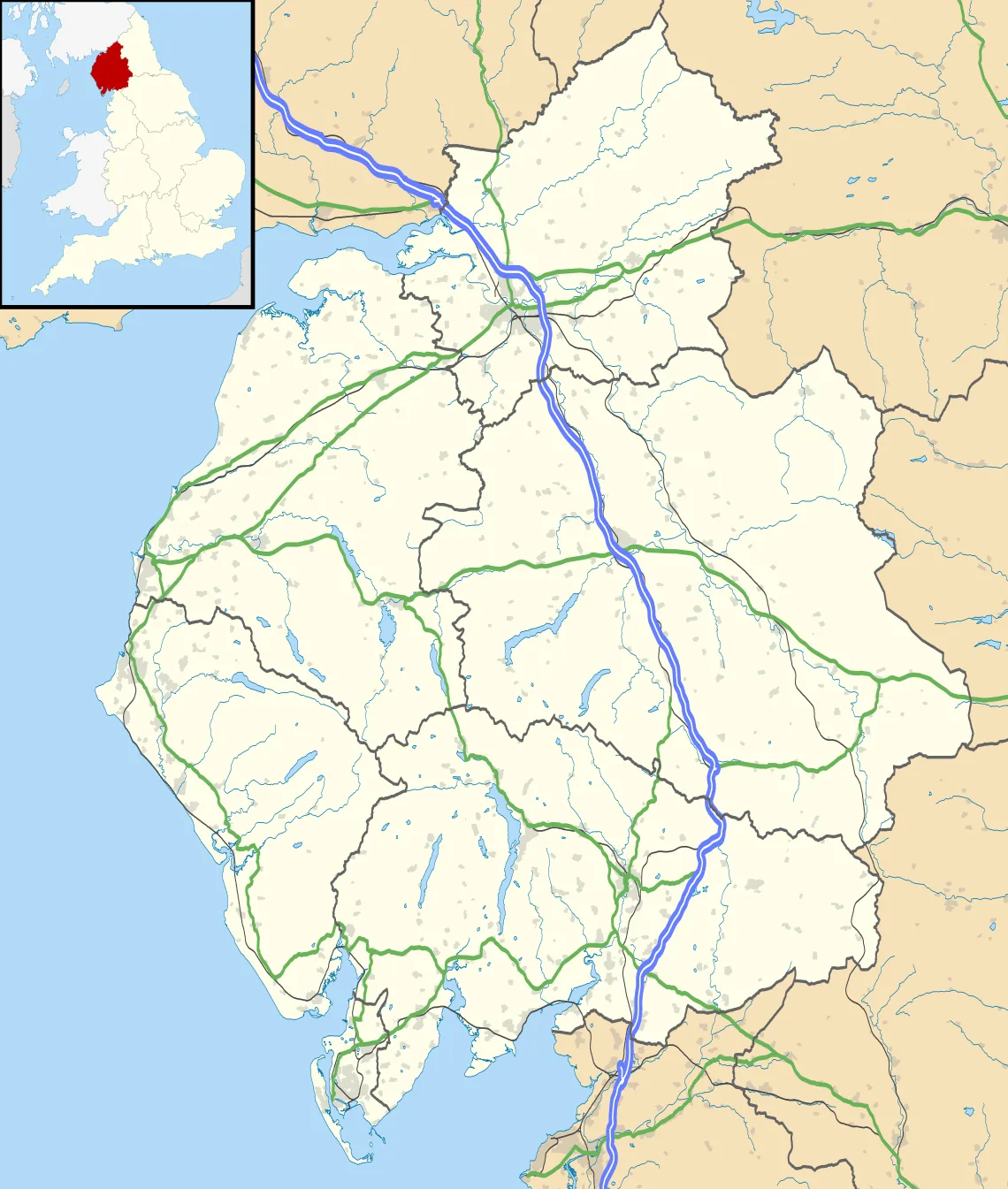
Burgh by Sands ( ) is a village and civil parish in the Cumberland unitary authority area of Cumbria, England, situated near the Solway Firth. The parish includes the village of Burgh by Sands along with Longburgh, Dykesfield, Boustead Hill, Moorhouse and Thurstonfield. It is notable as the site of the first recorded North African (Mauri) military unit in Roman Britain, garrisoning the frontier fort of Aballava on Hadrian's Wall in the 3rd century AD. It is also where Edward I of England died in 1307. According to the 2021 census the parish had a population of 1,242. The village is about seven miles (11 km) west of Carlisle city centre. The village has a primary school, a pub and a post office. It also has a statue of Edward I at some distance to the north. Burgh was on the Carlisle Navigation canal from 1823 to 1853, after which it was served by the Port Carlisle railway, which was built on the bed of the canal, until its closure in 1932. From 1856 to 1964, railway trains operating on the Carlisle to Silloth line once again stopped at Burgh-by-Sands station.
Excerpt from Wikipedia under CC BY-SA 4.0. See the source article linked in Sources below.
Background
History
The line of Hadrian's Wall runs through the village, and the site once was that of a major Roman fort, Aballava. It is also the death-place of King Edward I of England. In the 12th century, Burgh by Sands Castle and lands of Burgh by Sands belonged to members of the Feudal barony of Burgh by Sands, among them Ada de Engaine. Her granddaughter's second marriage founded a younger branch of the Moulton family, a branch of which held this castle in the 13th century. In the 14th century the Dacre family inherited it by marriage to the heiress. King Edward I, while on his way to war against the Scots, died of dysentery on the marshes near Burgh, and his corpse lay in state at the village's…
Sourced from Wikipedia under CC BY-SA 4.0.
- Coordinates
- 54.9231, -3.0508
- District
- Cumberland
- Parish
- Burgh by Sands
- Postcode
- CA5
- Parliamentary constituency
- Penrith and Solway
- Population
- 1,143
- Nearest railway station
- Carlisle — 8.4 km
Sources
- wikidata: Q1015005 (CC0)
- wikipedia: Burgh by Sands (CC BY-SA 4.0)
- commons: St Michael's Church, Burgh by Sands - geograph.org.uk - 351846.jpg (CC BY-SA 4.0)
Other places nearby
Aballava
Hill forts · 0.1 km

Burgh by Sands War Memorial
Memorials & monuments · 0.1 km
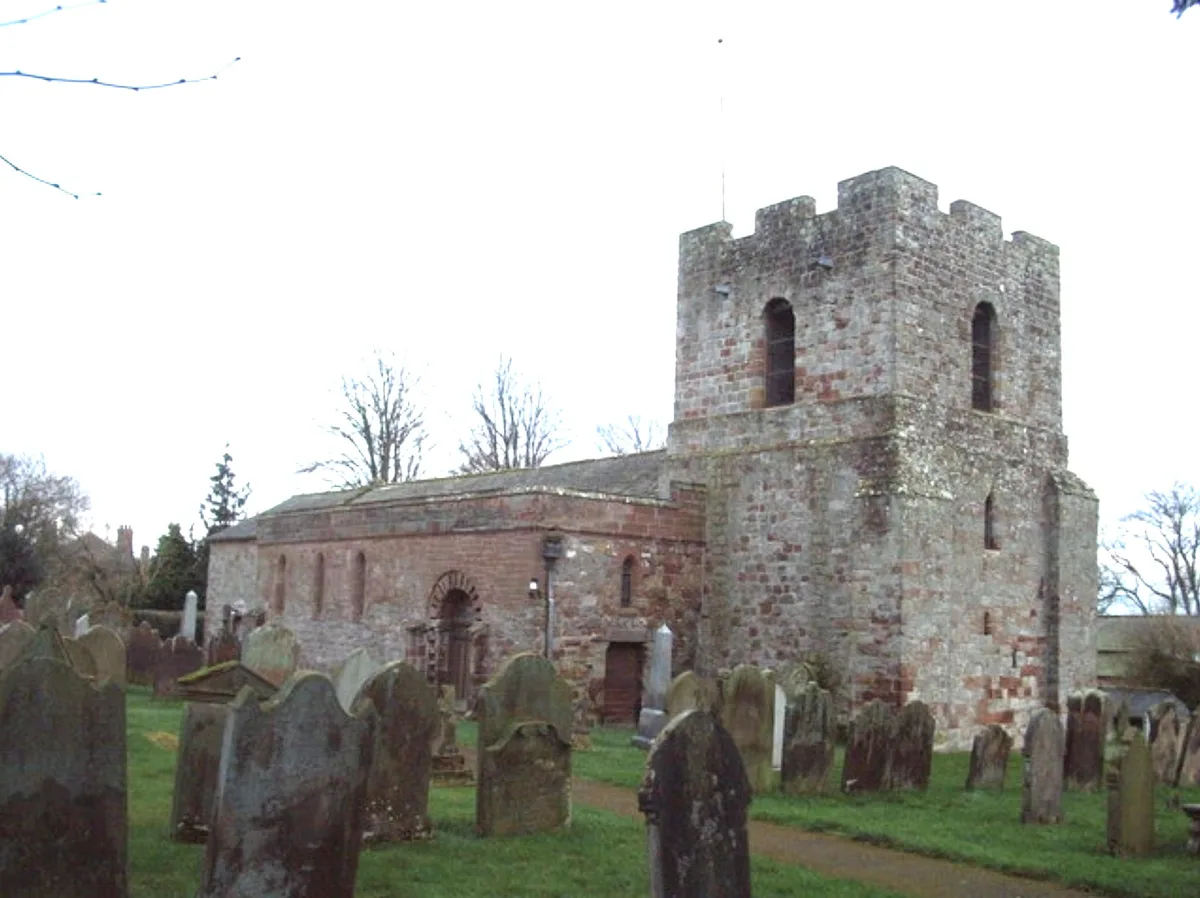
St Michael's Church, Burgh by Sands
Historic churches · 0.2 km

Hadrian's Wall vallum between east side of road at Burgh Head, and boundary south of Ash Tree Square, Burgh-by-Sands in wall miles 71 and 72
Archaeological sites · 0.3 km

The Greyhound Inn
Historic pubs · 0.4 km

Burgh by Sands Roman fort, Beaumont camp, Burgh Castle and Hadrian's Wall from boundary west of churchyard, Beaumont to Burgh Head in wall miles 70 and 71
Archaeological sites · 0.8 km

West Green Bridge
Historic bridges · 0.9 km
Burgh by Sands Castle
Castles · 1.0 km

Roman fort and watch tower, 800m SSW of Amberfield
Archaeological sites · 1.1 km

King Edward the 1st
Memorials & monuments · 1.7 km

Milecastle 73 (site of)
Archaeological sites · 1.8 km

Milecastle 73 (site of)
Archaeological sites · 1.8 km
Burgh by Sands is a charming town in North West England, offering visitors a blend of history and local culture. You can explore the historic Burgh by Sands Castle and visit St Michael's Church, Burgh by Sands. For a relaxing break, the Greyhound Inn provides a welcoming spot to rest.
At a glance
- Population
- 1,143
- Constituency
- Penrith and Solway
Things to see in Burgh by Sands
23 attractions within 12 km. Full guide: things to do in Burgh by Sands →
📷 3📷 3Castles · North West England
Burgh by Sands Castle
Burgh by Sands Castle — former castle in Cumberland, England.
📷 3Archaeological sites · North West England
Burgh by Sands Roman fort, Beaumont camp, Burgh Castle and Hadrian's Wall from boundary west of churchyard, Beaumont to Burgh Head in wall miles 70 and 71
Burgh by Sands Roman fort, Beaumont camp, Burgh Castle and Hadrian's Wall from boundary west of churchyard, Beaumont to Burgh Head in wall miles 70 and 71 — archaeological site in Beaumont, Carlisle, England, UK.
📷 3Archaeological sites · North West England
Hadrian's Wall vallum between east side of road at Burgh Head, and boundary south of Ash Tree Square, Burgh-by-Sands in wall miles 71 and 72
Hadrian's Wall vallum between east side of road at Burgh Head, and boundary south of Ash Tree Square, Burgh-by-Sands in wall miles 71 and 72 — archaeological site in Burgh by Sands, Cumbria, England, UK.
📷 3Memorials & monuments · North West England
King Edward the 1st
King Edward the 1st is a memorial in the United Kingdom.
📷 5Archaeological sites · North West England
Roman fort and watch tower, 800m SSW of Amberfield
Roman fort and watch tower, 800m SSW of Amberfield — archaeological site in Burgh by Sands, Carlisle, England, UK.
📷 5Historic churches · North West England
St Michael's Church, Burgh by Sands
St Michael's Church, Burgh by Sands — Grade I listed church in Burgh by Sands, Cumberland, Cumbria , England, UK.
 📷 3
📷 3Historic churches · North West England
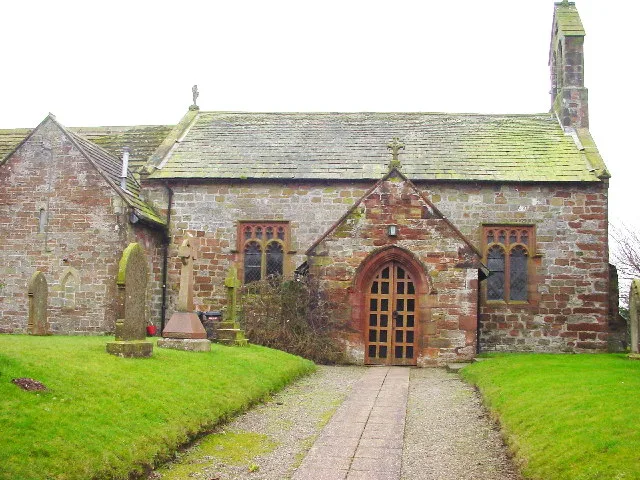
St Peter's Church, Kirkbampton
St Peter's Church, Kirkbampton — Grade I listed church in Kirkbampton, Cumberland, Cumbria , England, UK.
 📷 3
📷 3Natural landmarks · North West England
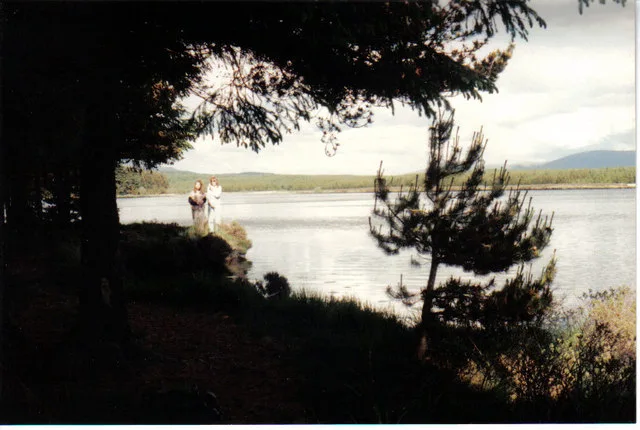
Thurstonfield Lough
Thurstonfield Lough — lake in Cumbria, England, UK.
 📷 3
📷 3Natural landmarks · North West England
Cumberland Bird Of Prey Centre
Cumberland Bird Of Prey Centre — a other in scotland-lowlands, United Kingdom.
📷 3Archaeological sites · North West England
Milecastle 73 (site of)
Milecastle 73 (site of) — a archaeological in scotland-lowlands, United Kingdom.
 📷 3
📷 3Archaeological sites · North West England
Milecastle (site of)
Milecastle (site of) — a archaeological in scotland-lowlands, United Kingdom.
📷 3Historic bridges · North West England
Dykesfield Bridge
Dykesfield Bridge — Grade II listed building-listed bridge in scotland-lowlands, United Kingdom.
 📷 3
📷 3Historic bridges · North West England
Boustead Hill Bridge
Boustead Hill Bridge — Grade II listed building-listed bridge in scotland-lowlands, United Kingdom.
📷 3Historic bridges · North West England
West Green Bridge
West Green Bridge — Grade II listed building-listed bridge in scotland-lowlands, United Kingdom.
 📷 3
📷 3Memorials & monuments · North West England
Kirkbampton War Memorial
Kirkbampton War Memorial — Grade II listed building-listed memorial in scotland-lowlands, United Kingdom.
📷 3Memorials & monuments · North West England
Burgh by Sands War Memorial
Burgh by Sands War Memorial — Grade II listed building-listed memorial in scotland-lowlands, United Kingdom.
 📷 5
📷 5Literary houses · North West England
Beaumont motte castle and section of Hadrian's Wall in wall mile 70 including turret 70a
Beaumont motte castle and section of Hadrian's Wall in wall mile 70 including turret 70a — a literary house museum in scotland lowlands.
📷 5Literary houses · North West England
Beaumont Motte
Beaumont Motte — a literary house museum in scotland lowlands.
 📷 5
📷 5 📷 5
📷 5Villages · North West England
Kirkandrews upon Eden
Kirkandrews upon Eden — a village in scotland lowlands.
📷 5Archaeological sites · North West England
Milecastle 73 (site of)
Milecastle 73 (site of) — archaeological in scotland lowlands.
📷 7Historic pubs · North West England
The Greyhound Inn
The Greyhound Inn in Scotland Lowlands, United Kingdom.
Nearby
📷 3📷 3Memorials & monuments · North West England
Burgh by Sands War Memorial
Burgh by Sands War Memorial — Grade II listed building-listed memorial in scotland-lowlands, United Kingdom.
📷 5Historic churches · North West England
St Michael's Church, Burgh by Sands
St Michael's Church, Burgh by Sands — Grade I listed church in Burgh by Sands, Cumberland, Cumbria , England, UK.
📷 3Archaeological sites · North West England
Hadrian's Wall vallum between east side of road at Burgh Head, and boundary south of Ash Tree Square, Burgh-by-Sands in wall miles 71 and 72
Hadrian's Wall vallum between east side of road at Burgh Head, and boundary south of Ash Tree Square, Burgh-by-Sands in wall miles 71 and 72 — archaeological site in Burgh by Sands, Cumbria, England, UK.
📷 7Historic pubs · North West England
The Greyhound Inn
The Greyhound Inn in Scotland Lowlands, United Kingdom.
📷 3Archaeological sites · North West England
Burgh by Sands Roman fort, Beaumont camp, Burgh Castle and Hadrian's Wall from boundary west of churchyard, Beaumont to Burgh Head in wall miles 70 and 71
Burgh by Sands Roman fort, Beaumont camp, Burgh Castle and Hadrian's Wall from boundary west of churchyard, Beaumont to Burgh Head in wall miles 70 and 71 — archaeological site in Beaumont, Carlisle, England, UK.
Where to eat & stay near Burgh by Sands
Places to stay
 📷 5
📷 5Campsites · North West England
Green Meadows Country Park
Green Meadows Country Park — a campsite in scotland lowlands.
 📷 5
📷 5Hostels · North West England
Carlisle City Hostel
Carlisle City Hostel — a hostel in scotland lowlands.
 📷 5
📷 5Caravan parks · North West England
Orton Grange Park Home Living
Orton Grange Park Home Living — a caravan park in scotland lowlands.
 📷 5
📷 5 📷 7
📷 7Hotels · North West England
Crown and Mitre Hotel
Crown and Mitre Hotel — a hotel in scotland lowlands.
 📷 5
📷 5Caravan parks · North West England
Braids Caravan Park
Braids Caravan Park — a caravan park in scotland lowlands.
Places to eat & drink
📷 7Historic pubs · North West England
The Greyhound Inn
The Greyhound Inn in Scotland Lowlands, United Kingdom.
 📷 5
📷 5Historic pubs · North West England
Horse And Farrier Public House
Horse And Farrier Public House in Scotland Lowlands, United Kingdom.
 📷 5
📷 5Historic pubs · North West England
The Boardroom Public House
The Boardroom Public House in Scotland Lowlands, United Kingdom.
 📷 5
📷 5Historic pubs · North West England
Milbourne Arms Public House
Milbourne Arms Public House in Scotland Lowlands, United Kingdom.
 📷 7
📷 7Restaurants · North West England
The Old Bank Gastro House
The Old Bank Gastro House — a restaurant in scotland lowlands.
 📷 7
📷 7Historic pubs · North West England
The Andalusian
The Andalusian in Scotland Lowlands, United Kingdom.
More towns in this region
 Flagship📷 3
Towns & cities · North West England
Manchester
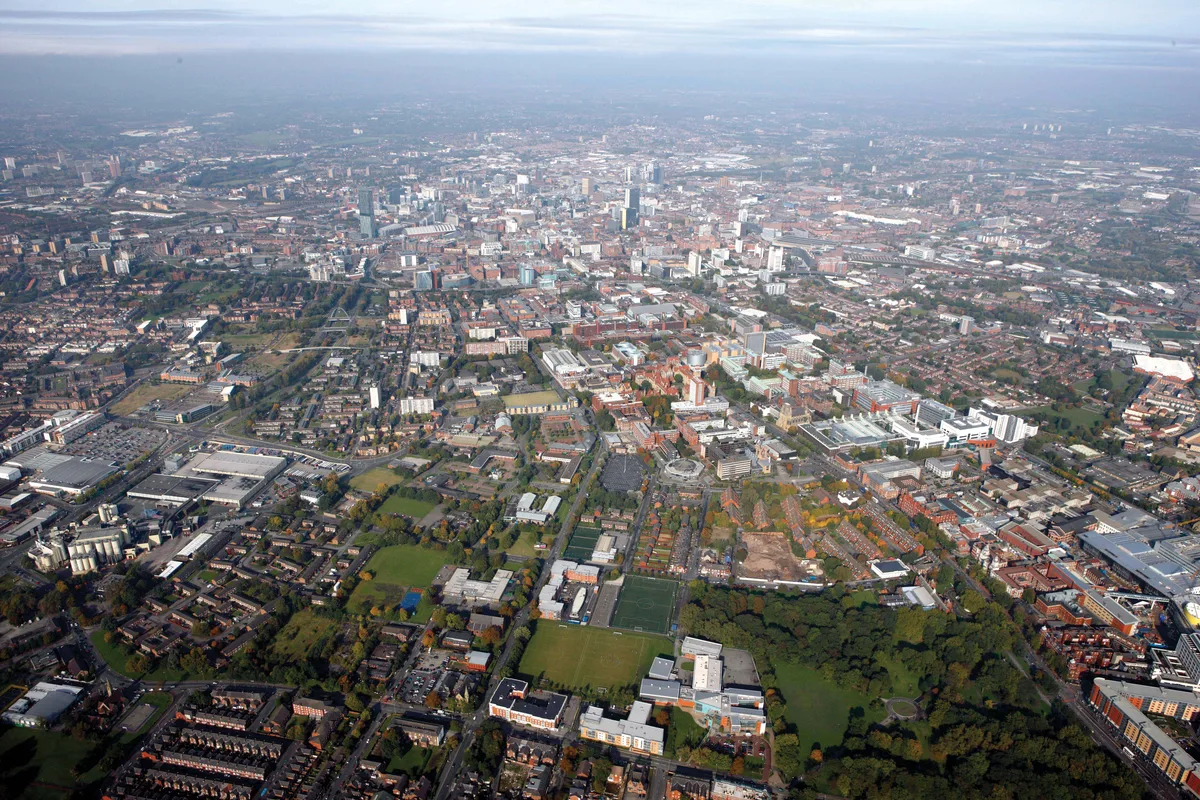
Manchester — city in Greater Manchester, England.
 📷 3
📷 3Towns & cities · North West England
Alderley Edge
Alderley Edge — village and civil parish in Cheshire East, UK.
_-_geograph.org.uk_-_60497.jpg?width=1200) 📷 5
📷 5Towns & cities · North West England
Appleton Thorn
Appleton Thorn — village in Warrington, Cheshire, UK.
 📷 5
📷 5Towns & cities · North West England
Aston juxta Mondrum
Aston juxta Mondrum — village and civil parish in Cheshire East, England, UK.
Frequently asked questions
- Where is Burgh by Sands?
- Burgh by Sands is in North-West England, United Kingdom (postcode CA5), in the parish of Burgh by Sands.
- What is Burgh by Sands?
- Burgh by Sands — village and civil parish in Cumbria, England, UK.
- How do I get to Burgh by Sands?
- The nearest railway station is Carlisle, about 8.4 km away. Drivers can use postcode CA5.
- Is Burgh by Sands a protected site?
- Yes — Burgh by Sands is part of the Upper Solway Flats & Marshes SSSI Site of Special Scientific Interest and the Solway Coast National Landscape (AONB).
- Is Burgh by Sands free to visit?
- Yes, Burgh by Sands is free to enter.
- How do I get to Burgh by Sands?
- Drivers can navigate to postcode CA5. It sits within the Penrith and Solway parliamentary constituency.